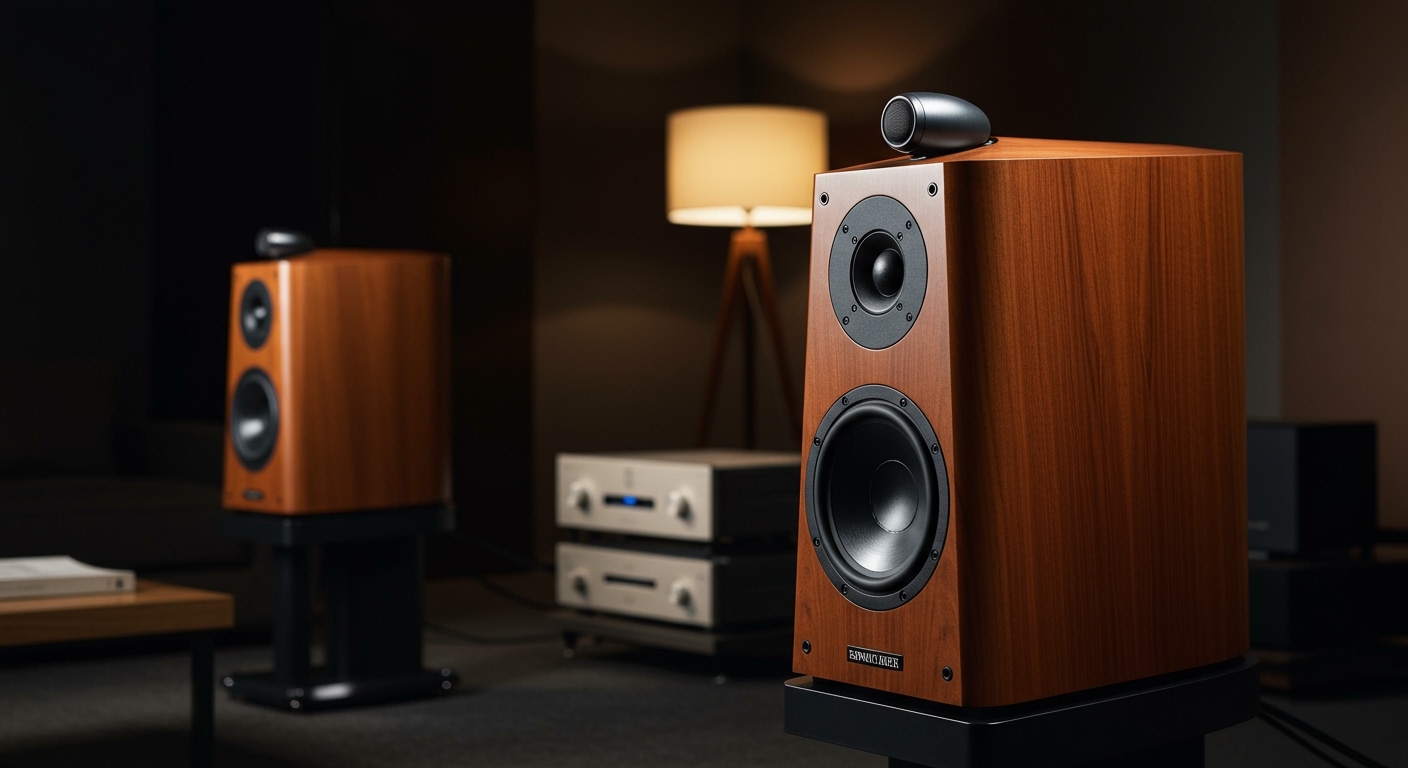
Understanding the Heart of Audio: What Are Mid Range Speakers?
If you have ever listened to a song where the vocals felt muffled or the guitar lacked “bite,” you were likely experiencing a failure in the midrange. What are mid range speakers? Simply put, they are the specialized drivers responsible for reproducing the “meat” of the audio spectrum, typically covering frequencies from 250 Hz to 5000 Hz. This range is critical because it contains the human voice and the fundamental notes of almost every musical instrument.
Expert Summary: Key Takeaways for Audio Optimization
The Vocal Zone: Mid-range speakers handle the most sensitive frequencies for human hearing, making them the most important component for clarity.
Bass Capabilities: While they handle “upper bass,” midrange speakers are not designed for deep sub-bass; they require a dedicated woofer for low-end punch.
System Synergy: A high-quality mid-range driver bridges the gap between the high-frequency tweeter and the low-frequency woofer.
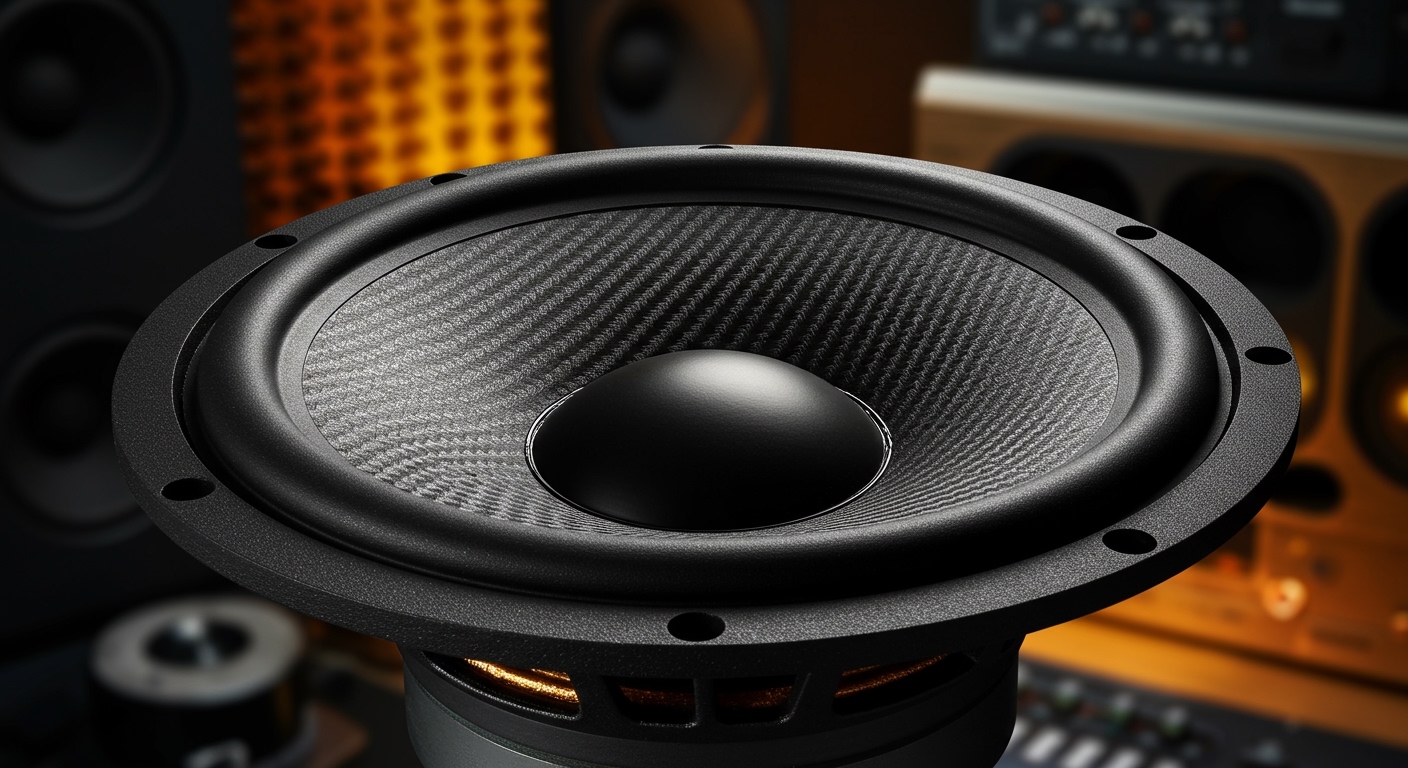
Material Matters: Look for materials like treated paper, Kevlar, or carbon fiber to ensure a balance between stiffness and low weight.
Step 1: Identify the Frequency Gap in Your System
To understand what is midrange speakers’ role in your specific setup, you must first identify what is missing. Most entry-level systems use a “2-way” design (a woofer and a tweeter). This often leaves a “hole” in the middle frequencies where the woofer struggles to move fast enough and the tweeter is too small to provide body.
Listen for “Thin” Vocals: If voices sound tiny or distant, your system lacks midrange authority.
Check for Muddy Transitions: If the hand-off between bass and treble feels disjointed, a dedicated mid-range speaker is the solution.
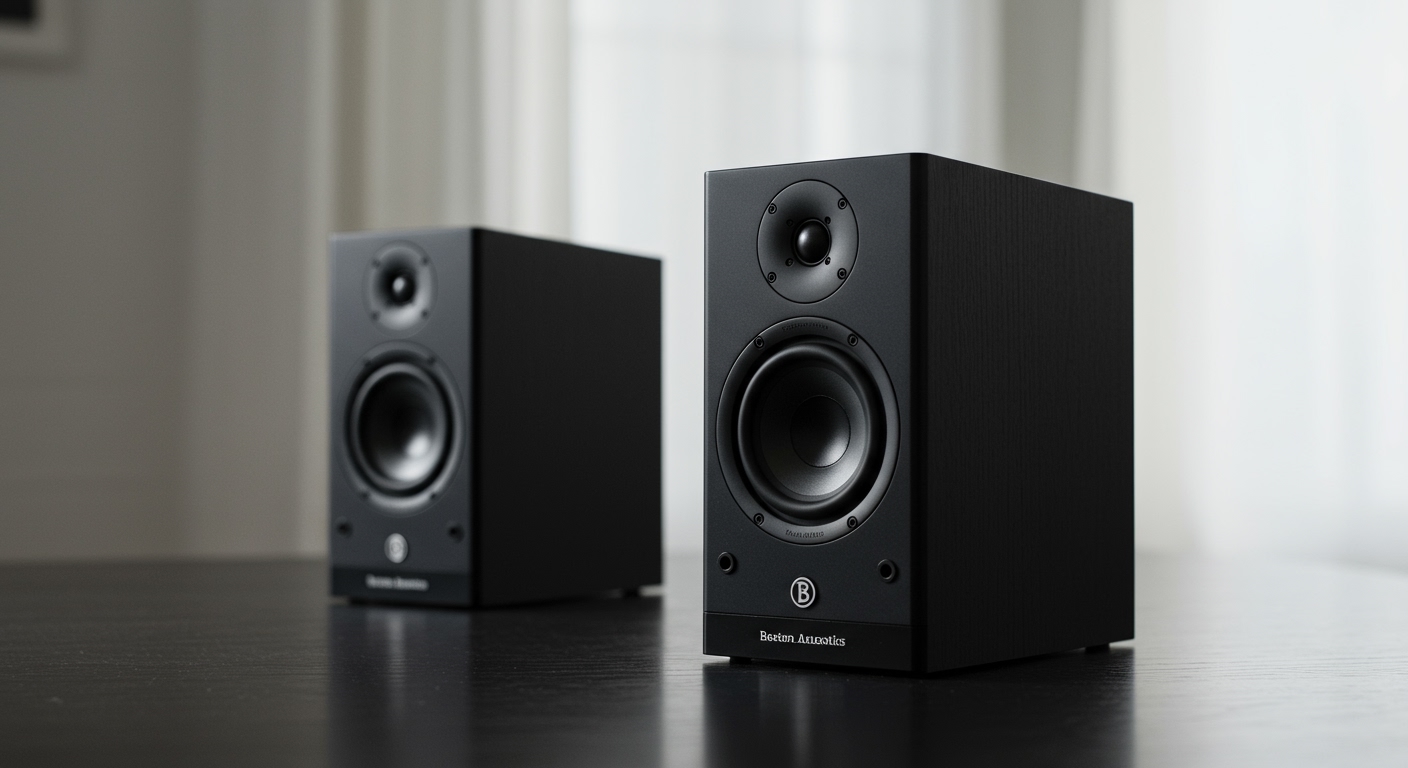
Analyze Your Current Drivers: Look at your speakers. If you only see a large 8-inch cone and a tiny 1-inch dome, you are likely missing a dedicated 3-inch to 5-inch mid-range driver.
Step 2: Determine Your Bass Requirements
A common question among beginners is: do mid range speakers have bass? The answer depends on your definition of “bass.” Mid-range speakers are excellent at reproducing mid-bass (the “thump” of a snare drum or the lower notes of a cello), but they cannot produce sub-bass (the “rumble” of an explosion or electronic bass drops).
Comparison: Mid-Range vs. Woofers vs. Tweeters
| Feature | Tweeter | Mid-Range Speaker | Woofer / Subwoofer |
|---|---|---|---|
| Frequency Range | 2kHz – 20kHz | 250Hz – 5kHz | 20Hz – 250Hz |
| Primary Goal | Detail & Sizzle | Clarity & Realism | Impact & Power |
| Cone Size | 0.5″ – 1″ | 2″ – 6.5″ | 8″ – 15″+ |
| Handled Bass | None | Upper Bass Only | Full Low-End |
If you are wondering are mid range speakers good for bass, the expert consensus is no. Using them for low-end frequencies will cause Intermodulation Distortion (IMD) and could potentially tear the speaker surround due to over-excursion.
Step 3: Select the Right Mid-Range Driver Material
The material of the cone dictates the “color” of the sound. Based on decades of acoustic engineering, different materials offer unique advantages for the midrange.
Treated Paper: Surprisingly, this is often the “Gold Standard” for natural-sounding vocals. It is lightweight and has excellent internal damping, which prevents ringing.
Kevlar/Fiberglass: These are extremely stiff. They provide incredible detail but can sometimes sound “harsh” if the crossover is not tuned perfectly to manage cone breakup.
Polypropylene (Plastic): Very common in car audio. It is durable and water-resistant, though it can lack the “life” and micro-detail of paper or silk.
Aluminum/Magnesium: These offer the highest accuracy but require complex crossover slopes to handle the sharp resonance peaks at higher frequencies.
Step 4: Configure the Crossover Frequency
You cannot simply plug a mid-range speaker into a full-range signal and expect it to work. You must use a Crossover Network (Active or Passive) to “filter” the sound.
- Set the High-Pass Filter (HPF): Usually between 250 Hz and 500 Hz. This prevents the speaker from trying to play deep bass, which would cause distortion.
- Set the Low-Pass Filter (LPF): Usually between 3000 Hz and 5000 Hz. This stops the speaker from playing high-pitched frequencies that are better handled by the tweeter.
- Choose the Slope: Use a 24dB/octave Linkwitz-Riley slope for the cleanest transition between drivers. This ensures that the speakers don’t “overlap” too much, which can cause phase cancellation.
Step 5: Optimize Placement and Enclosure
Midrange frequencies are highly directional. This means where you point the speaker significantly changes what you hear.
On-Axis Orientation: Aim the speakers directly at your ears for the most detail. This is vital for Critical Listening environments.
Isolation: Ensure the mid-range driver has its own sealed chamber. If it shares the same air space as a large woofer, the back-pressure from the woofer will physically move the midrange cone, causing massive distortion.
Damping: Use poly-fill or rockwool inside the midrange enclosure to absorb rear-wave reflections. This prevents the sound from bouncing off the back of the cabinet and coming back through the cone.
Required Tools and Materials for Installation
| Tool/Material | Purpose | Expert Recommendation |
|---|---|---|
| Active Crossover/DSP | Routes specific frequencies | Helix DSP or MiniDSP |
| Sound Deadening | Reduces vibration | Butyl rubber sheets (e.g., Dynamat) |
| Multimeter | Checks impedance (Ohms) | Fluke or Klein Tools |
| Speaker Wire | Transfers signal | 14-16 AWG Oxygen-Free Copper (OFC) |
| Fasteners | Secures the driver | Stainless steel screws with rubber gaskets |
Expert Pro-Tips for Peak Performance
The “Rule of Thirds”: Place your midrange speakers at least one-third of the way into the room (or away from car corners) to minimize early reflections that “smear” the soundstage.
Phase Check: If your vocals sound like they are coming from the walls instead of the center, one of your midrange speakers is likely wired out of phase. Swap the positive and negative wires on one speaker to fix it.
Break-in Period: New speakers have stiff spiders and surrounds. Play them at moderate volumes for 20-40 hours before doing final EQ tuning.
Avoid “Beaming”: If your midrange is too large (e.g., using an 8-inch driver for mids), it will “beam” high frequencies in a narrow line. Stick to 3-inch to 5-inch drivers for the best off-axis response.
Common Mistakes to Avoid
Ignoring the Enclosure: Putting a high-end mid-range speaker in a thin plastic bracket will ruin its potential. Always use a rigid, non-resonant baffle.
Over-Equalizing: Don’t try to “fix” a bad speaker with EQ. Use EQ only to cut frequencies that are boosted by room acoustics, not to boost frequencies the speaker can’t physically play.
- Mixing Impedance: Ensure your amplifier is stable at the combined impedance of your woofers, mids, and tweeters. Most home systems are 8-ohm, while car systems are 4-ohm or 2-ohm.
FAQs: Mastering Mid-Range Audio
What are mid range speakers best used for?
They are best used for reproducing the human voice, pianos, guitars, and the “snap” of percussion. In a 3-way system, they take the heavy lifting off the tweeter and woofer, allowing each to perform more efficiently.
Do midrange speakers have bass for small rooms?
While they produce “upper bass,” they still cannot move enough air to create a full-bodied sound. Even in small rooms, you should pair them with at least a small dedicated woofer or subwoofer for a balanced experience.
Are mid range speakers good for bass-heavy music like EDM?
No. For EDM, Hip-Hop, or Cinematic scores, mid-range speakers are essential for the synth leads and vocals, but you will absolutely need a subwoofer to handle the low-frequency energy (20Hz-80Hz).
How do I know if my mid-range speaker is blown?
Listen for a “scratchy” sound (voice coil rubbing) or a “popping” noise during vocal peaks. You can also gently press the cone; if it doesn’t move smoothly, the driver is likely damaged.
Can I use a mid-range speaker as a full-range speaker?
Technically yes, but it will sound “tinny” (no bass) and “dark” (no high-end sparkle). It is always better to use them as part of a multi-driver system.
Conclusion: Elevating Your Audio Experience
Understanding what are mid range speakers is the first step toward achieving “Hi-Fi” sound. By focusing on the 250Hz to 5000Hz range, you ensure that the most important parts of your music—the vocals and lead instruments—are delivered with crystal clarity. Remember that while midrange speakers handle some upper-end punch, they are not a substitute for a dedicated woofer.
To get the most out of your setup, prioritize high-quality cone materials, use a proper crossover, and ensure the driver is isolated from the back-pressure of larger woofers. With these steps, you will transform a muddy, lifeless sound system into a vibrant, three-dimensional stage.
Ready to upgrade? Start by auditing your current crossover points and considering a dedicated mid-range driver for your next DIY build or car audio upgrade.