Understanding What Are Speakers Made From: A Direct Answer
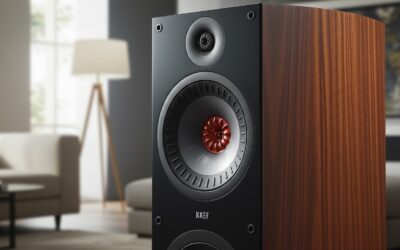
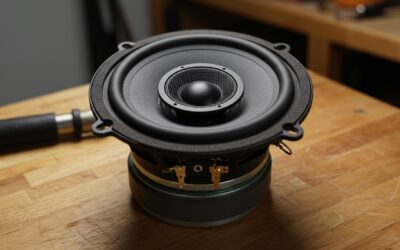
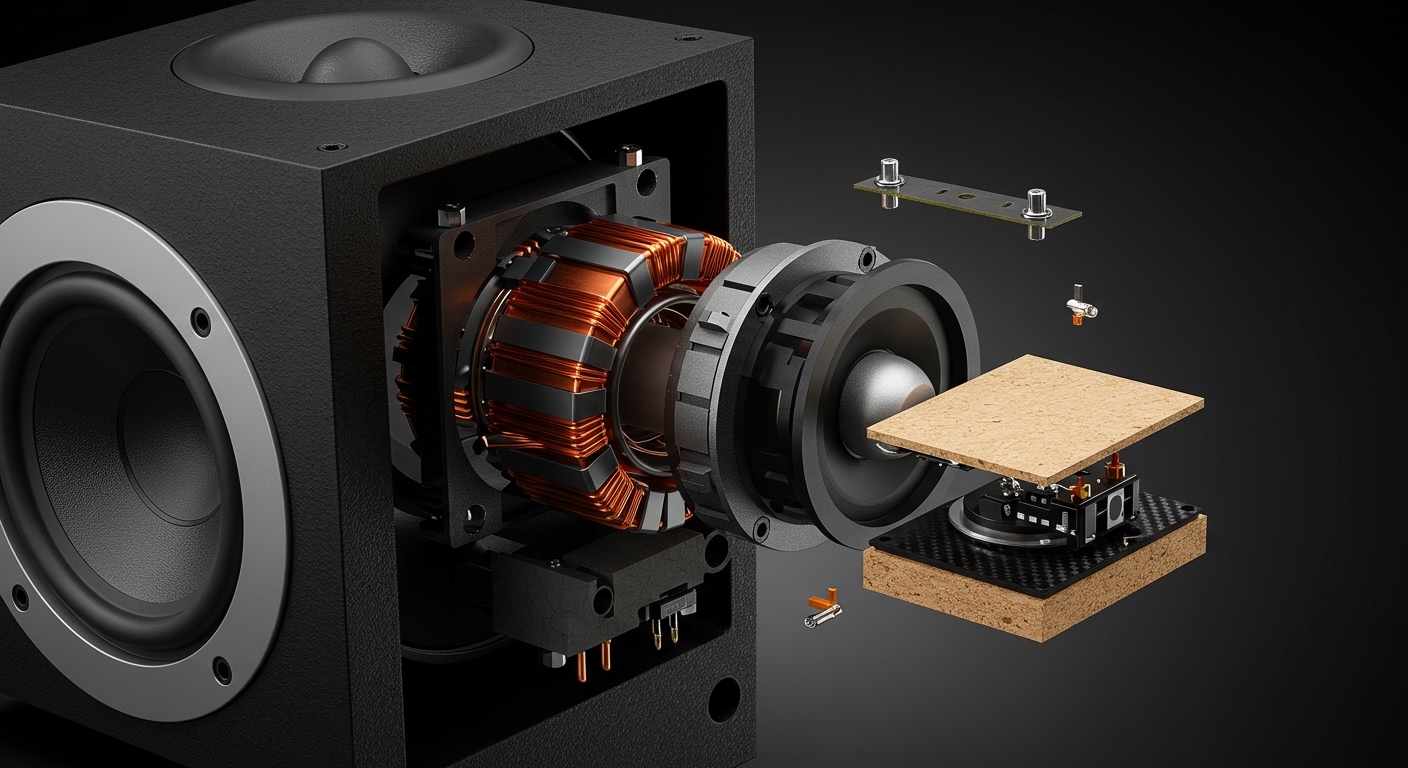
Most modern audio systems are constructed using a specific combination of permanent magnets, copper wiring, paper or plastic cones, and wooden enclosures. To understand what are speakers made from, you must look at the three main subsystems: the driver (moving parts), the motor (electromagnetic parts), and the cabinet (the housing).
Expert Summary: Key Takeaways
Cone Materials: High-end speakers often use Kevlar, Carbon Fiber, or treated Paper for the best balance of weight and stiffness.
Magnet Types: Neodymium is preferred for high-performance, compact speakers, while Ferrite is the industry standard for larger, cost-effective woofers.
Cabinet Build: Medium-Density Fiberboard (MDF) is the gold standard for enclosures because it is acoustically “dead” and prevents unwanted resonance.
Connectivity: Gold-plated binding posts and high-purity Oxygen-Free Copper (OFC) are essential for maintaining signal integrity.
Step 1: Evaluate the Driver Cone (Diaphragm) Materials
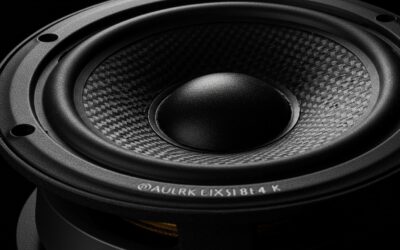
The cone is the most visible part of the speaker and is responsible for pushing air to create sound waves. When asking what materials are speakers made of, the cone is usually the first point of discussion.
Choose Your Cone Substrate
Paper: Believe it or not, treated paper is still a favorite among audiophiles. It is lightweight and has excellent “internal damping,” meaning it stops vibrating the instant the signal stops.
Plastic (Polypropylene): This is the most common material for consumer-grade speakers. It is easy to manufacture, water-resistant, and very consistent in its sound profile.
Metal: Aluminum and Magnesium are used in high-fidelity tweeters. While they provide incredible clarity, they can sometimes produce a “ringing” sound if not engineered correctly.
Aramid Fibers (Kevlar): Used by brands like Bowers & Wilkins, these materials are incredibly stiff and prevent the cone from distorting at high volumes.
Inspect the Surround and Spider
The surround (the rubber ring around the cone) is typically made of Butyl rubber or Nitrile. These materials are chosen for their flexibility and ability to last decades without cracking. The Spider, a hidden internal spring, is usually made of treated cotton or polyester.
Step 2: Analyze the Magnet and Motor Assembly
The “motor” of the speaker relies on electromagnetism. If you want to know how speakers are made to be powerful, you have to look at the magnets.
Neodymium vs. Ferrite Magnets
- Ferrite (Ceramic): These are heavy, charcoal-gray magnets. They are inexpensive and resist corrosion well, making them perfect for large subwoofers.
- Neodymium: This is a rare-earth metal that is significantly stronger than ferrite. It allows manufacturers to make tiny speakers (like those in your iPhone or AirPods) that still pack a punch.
- Alnico: A vintage blend of Aluminum, Nickel, and Cobalt. Some enthusiasts prefer Alnico for a “warm” musical tone, though it is expensive and rare today.
The Voice Coil
The voice coil is a cylinder around which wire is wrapped. This wire is almost always Copper, though high-end designs use Aluminum wire coated in a thin layer of copper (CCAW) to reduce moving mass.
Step 3: Select the Enclosure (Cabinet) Material
What a speaker is “made out of” on the outside is just as important as the inside. The goal of the cabinet is to be as rigid and vibration-free as possible.
Common Cabinet Materials
| Material | Acoustic Property | Cost | Common Use |
|---|---|---|---|
| MDF (Medium Density Fiberboard) | Excellent Damping | Low-Medium | Studio Monitors, Hi-Fi |
| Plywood (Baltic Birch) | High Strength | Medium-High | Pro Audio, Stage Speakers |
| Solid Wood | Beautiful but Resonant | Very High | Luxury Boutique Speakers |
| Plastic/ABS | Low Damping | Very Low | Portable Bluetooth Speakers |
Why MDF is King
Most experts agree that MDF is the superior choice for what material are speakers made from regarding cabinets. Unlike natural wood, MDF has no grain, meaning it reacts the same way to sound waves in every direction. This prevents the “box” from adding its own “color” to your music.
Step 4: Examine the Frame (Basket) and Hardware
The frame holds everything together. If you are wondering are speakers made of metal, the answer is a resounding yes when it comes to the basket.
Stamped Steel: Found in budget speakers. It is functional but can ring like a bell if hit, which isn’t ideal for sound purity.
Cast Aluminum: Found in premium speakers. It is much more rigid and better at dissipating heat from the motor.
Ferrofluid: In many tweeters, a magnetic liquid called Ferrofluid is used to cool the voice coil and provide mechanical damping.
Step 5: Review the Wiring and Crossover Components
The final step in understanding what are speakers made of is the internal electronics. The Crossover is a circuit board that tells the “woofer” to play bass and the “tweeter” to play treble.
Capacitors: Often made of Polypropylene film or Electrolytic materials.
Inductors: Coils of copper wire that filter out high frequencies.
Solder: High-quality builds use Silver-bearing solder to ensure the best possible conductivity between components.
Where Are Speakers Made?
The geography of speaker manufacturing has shifted significantly over the last 30 years.
China: The vast majority of consumer electronics and driver components are manufactured in provinces like Guangdong.
USA & Europe: High-end, “boutique” brands like Klipsch (Heritage line), Wilson Audio, and Dynaudio still manufacture in the USA, Denmark, and Germany to maintain strict quality control.
Southeast Asia: Countries like Vietnam and Malaysia are becoming major hubs for large-scale production for brands like Sony and Samsung.
Pro Tips for Choosing Speaker Materials
Tap Test: When buying speakers, knock on the side of the cabinet with your knuckle. If it sounds “hollow,” it is likely cheap plastic or thin chipboard. If it sounds like a solid “thud,” it is high-quality MDF or Plywood.
Weight Matters: Generally, a heavier speaker indicates a larger Ferrite magnet and a thicker cabinet, both of which usually lead to better sound.
Check the Surrounds: Avoid old speakers with “foam” surrounds if they haven’t been replaced. Rubber surrounds are much more durable for long-term use.
Avoid “Mystery” Metal: If a speaker claims to be “metal” but feels light, it is likely just plastic with a metallic finish. Real Cast Aluminum baskets feel cold to the touch and are very heavy.
Common Mistakes to Avoid
Buying for Aesthetics: Just because a speaker has a “wood grain” look doesn’t mean it is made of wood. Most are Vinyl wraps over cheap particle board.
Ignoring the Crossover: Many “white label” speakers use cheap electrolytic capacitors that dry out and fail after 5-10 years.
Overvaluing “Gold” Plating: While gold-plated terminals prevent corrosion, they don’t magically make the sound better if the internal wiring is poor quality.
FAQs About Speaker Materials
What are speakers made of most commonly?
Most consumer speakers are made from a combination of MDF for the cabinet, Ferrite for the magnet, Copper for the voice coil, and Polypropylene (plastic) for the cone.
Are speakers made of metal entirely?
No, a speaker made entirely of metal would sound harsh and “tinny.” However, metal is used for the frame (basket), the voice coil, the magnet, and sometimes the tweeter dome (using aluminum or titanium).
Why is paper used in expensive speakers?
Treated paper is highly valued because it is incredibly light and has a natural “self-damping” property. This means it doesn’t continue to vibrate after the electrical signal stops, resulting in a very “fast” and accurate sound.
What is the best material for a speaker box?
Medium-Density Fiberboard (MDF) is widely considered the best material because it is dense, affordable, and acoustically neutral. For professional touring speakers, Baltic Birch Plywood is preferred for its durability.
Conclusion: The Synergy of Materials
Understanding what are speakers made from reveals that great sound isn’t about a single “magic” material. It is about how the rigidity of the cone, the strength of the magnet, and the density of the cabinet work together to reproduce air vibrations accurately.
Whether you are looking for the portability of Neodymium or the classic warmth of Paper cones in an MDF enclosure, knowing these components helps you make a better investment. Next time you listen to your favorite track, remember that you are hearing the result of carefully engineered chemistry and physics.
Ready to upgrade your sound? Look for speakers that prioritize high-quality MDF construction and rubber surrounds for a kit that will last a lifetime.