Understanding the Disadvantages of Wireless Speakers
Struggling with audio dropouts, frustrating pairing issues, or sound that just doesn’t feel as rich as you’d hoped? You’re not alone. While wireless speakers promise a world of clutter-free convenience, that dream often comes with hidden compromises. Before you invest in a new system, it’s crucial to understand what the disadvantages of wireless speakers are, from subtle audio quality degradation to long-term reliability concerns. As an audio equipment reviewer who has tested dozens of setups, from simple Bose Bluetooth speakers to complex multi-room Sonos systems, I’ve seen firsthand where the convenience ends and the frustration begins. This guide will walk you through the real-world drawbacks I’ve encountered.
Key Takeaways: The Downsides of Going Wireless
- Sound Quality Compromises: Wireless transmission, especially via Bluetooth, often involves audio compression, which can lead to a loss of detail and fidelity compared to a wired connection.
- Connectivity & Interference: Wireless speakers are susceptible to signal dropouts and interference from other devices like Wi-Fi routers, microwaves, and even neighboring systems.
- Latency & Sync Issues: A noticeable delay (latency) between video and audio can ruin a movie-watching experience. Keeping multiple wireless speakers perfectly in sync can also be a persistent challenge.
- Dependence on Power & Batteries: Portable speakers require constant recharging, and even stationary “wireless” speakers still need a power cord, making them not truly wireless.
- Higher Cost & Shorter Lifespan: You often pay a premium for wireless technology. Furthermore, reliance on software and built-in batteries means they can become obsolete or non-functional much faster than their passive, wired counterparts.
The Core Disadvantages of Wireless Speakers You Can’t Ignore
The primary allure of wireless speakers is their simplicity and lack of cable clutter. However, this convenience is a trade-off. In our extensive testing, we’ve found the most significant issues fall into a few key categories: audio fidelity, signal reliability, and long-term usability. Understanding these drawbacks is essential for making an informed purchase and setting realistic expectations for your audio experience.
These aren’t just minor annoyances; they can fundamentally impact your enjoyment of music, movies, and podcasts. Let’s break down each of these problem areas in detail.
Sound Quality: The Unspoken Compromise of Wireless Audio
The most debated topic surrounding wireless audio is sound quality. While technology has improved dramatically, a wireless signal is inherently more fragile and limited than a physical cable. For the average listener, these differences may be subtle, but for those with a discerning ear or a high-quality audio source, the compromises are often apparent.
Bluetooth Compression: What You’re Really Losing
The vast majority of portable wireless speakers use Bluetooth for transmission. To send a complex audio signal through the air efficiently, Bluetooth relies on compression algorithms called codecs.
- SBC (Subband Codec): This is the mandatory, default codec for all Bluetooth audio devices. It’s the most basic and has the lowest fidelity, often resulting in sound that can feel “flat” or lacking in detail, especially in the high and low frequencies.
- AAC (Advanced Audio Coding): The standard for Apple devices, AAC offers better performance than SBC, but its quality can vary on Android devices depending on the hardware implementation.
- aptX and aptX HD: Developed by Qualcomm, these codecs offer higher-quality, “CD-like” audio. aptX HD supports 24-bit/48kHz resolution, providing a noticeable improvement in clarity and depth. However, both your source device (phone, tablet) and the speaker must support the same codec to benefit from it.
- LDAC: Sony’s high-resolution codec, LDAC, offers the highest potential bitrate (up to 990 kbps), getting very close to lossless audio. Again, this requires support on both the transmitting and receiving devices.
From my experience, the difference between a song streamed over basic SBC and the same track over aptX HD is night and day. With SBC, cymbals can sound “splashy,” and complex basslines can become muddy. With a better codec, the audio is crisper and more defined. The problem is that many consumers are unaware of which codec their devices are using, and they’re unknowingly getting a lower-quality experience.
Latency and Lip-Sync Lag: The Movie Watcher’s Nightmare
Latency is the delay between when an audio signal is sent and when it’s actually heard. For music listening, a small delay is unnoticeable. For video, it’s a deal-breaker.
This is a major disadvantage of wireless speakers when used for movies or gaming. The delay, often between 100-300 milliseconds for standard Bluetooth, creates a distracting lip-sync issue where you see an actor’s lips move before you hear their words. While codecs like aptX Low Latency are designed to fix this, they are not widely adopted. Wi-Fi-based systems like Sonos generally perform much better in this regard, but they are not immune, especially in congested network environments.
The Limits of Wi-Fi Streaming
Wi-Fi speakers (Sonos, Bluesound, HEOS) offer a significant step up from Bluetooth. They have much higher bandwidth, allowing for true lossless and high-resolution audio streaming from services like TIDAL or Qobuz. However, they are not without their own set of problems.
Their performance is entirely dependent on the quality and stability of your home Wi-Fi network. A weak router, network congestion from other devices (laptops, smart TVs, security cameras), or even physical distance can cause audio to stutter, drop out, or fail to play altogether. I’ve spent countless hours troubleshooting Wi-Fi speaker issues that were ultimately traced back to a crowded 2.4 GHz channel or an underpowered internet router.
Reliability and Connectivity: Problems with Wireless Speakers
Beyond sound quality, the most common complaints we hear revolve around reliability. A wired speaker simply works when you plug it in. A wireless speaker’s performance is subject to a wide range of environmental factors that can lead to immense frustration.
The Battle Against Interference
Your home is a battlefield of radio frequencies. Wireless speakers, especially those operating on the crowded 2.4 GHz band (which includes most Bluetooth and some Wi-Fi), have to compete with:
- Wi-Fi Routers: The biggest source of interference.
- Microwave Ovens: Can cause significant signal disruption when in use.
- Cordless Phones: Another common culprit on the 2.4 GHz band.
- Other Bluetooth Devices: Mice, keyboards, and headphones can all interfere.
- Thick Walls: Brick, concrete, and plaster can severely degrade or block signals.
This interference manifests as audio skipping, stuttering, or complete dropouts. In my apartment, simply running the microwave would cause my Bluetooth kitchen speaker to cut out until I manually switched my Wi-Fi router to a less congested channel.
Dropouts and Signal Range Limitations
Every wireless speaker has a maximum effective range. For Bluetooth, this is typically around 30 feet (10 meters) with a clear line of sight. Walls, furniture, and even people can drastically reduce this. It’s a common scenario: you’re enjoying music on a portable speaker, but the sound cuts out the moment you walk into the next room with your phone in your pocket.
Wi-Fi speakers have a longer range, limited only by the reach of your home network. However, they are more prone to dropouts in areas with a weak Wi-Fi signal, forcing users to invest in mesh networks or Wi-Fi extenders to achieve stable whole-home audio.
The Pain of Multi-Speaker Pairing and Syncing
Creating a stereo pair or a multi-room audio system is a key selling point for many wireless brands. In theory, it’s seamless. In practice, it can be a persistent headache.
- Stereo Pairing: We’ve tested pairs where one speaker consistently drops its connection to the other, momentarily collapsing the stereo image into mono.
- Group Playback: When playing music across multiple rooms, ensuring every speaker is perfectly in sync is a major technical challenge. A slight delay between a speaker in the living room and one in the kitchen creates an unpleasant echo effect.
- Firmware Updates: Sometimes, a firmware update intended to fix bugs can introduce new pairing or sync problems, requiring a full system reset. I once had a Sonos system that worked flawlessly for a year until an update caused one speaker to perpetually fall out of its group.
The Hidden Costs and Hassles of “Wireless”
The term “wireless” itself can be misleading. While you eliminate speaker cables running from an amplifier, you introduce a new set of dependencies and costs that are often overlooked.
Battery Life and Constant Charging
For portable Bluetooth speakers, battery life is a constant concern. Manufacturer claims are often based on ideal conditions—like playback at 50% volume. In my real-world testing, blasting a speaker like the JBL Charge 5 at near-full volume for an outdoor gathering can cut the advertised 20-hour battery life by more than half.
This means you’re always managing a charging schedule. Forgetting to charge a speaker before a party or a trip can be a major inconvenience. Furthermore, the built-in lithium-ion batteries degrade over time. After a few years, a speaker that once lasted 15 hours might only last 5, and replacing the battery is often difficult or impossible.
The Power Cord Paradox: They’re Not Truly Wireless
This is a crucial point many buyers miss. Larger, more powerful wireless speakers like the Sonos Five or Bluesound PULSE 2i are not battery-powered. While they receive their audio signal wirelessly, each speaker must still be plugged into a wall outlet for power.
This limits placement options to areas near an electrical outlet and doesn’t fully eliminate cable clutter—it just changes the type of cable. If your goal is a completely wire-free aesthetic, this is a significant disadvantage to consider.
Premium Pricing for Convenience
Wireless technology adds complexity and cost to manufacturing. As a result, a wireless speaker will almost always be more expensive than a wired speaker of equivalent sound quality. You are paying a premium for the convenience of wireless streaming and, in some cases, for the brand’s software ecosystem.
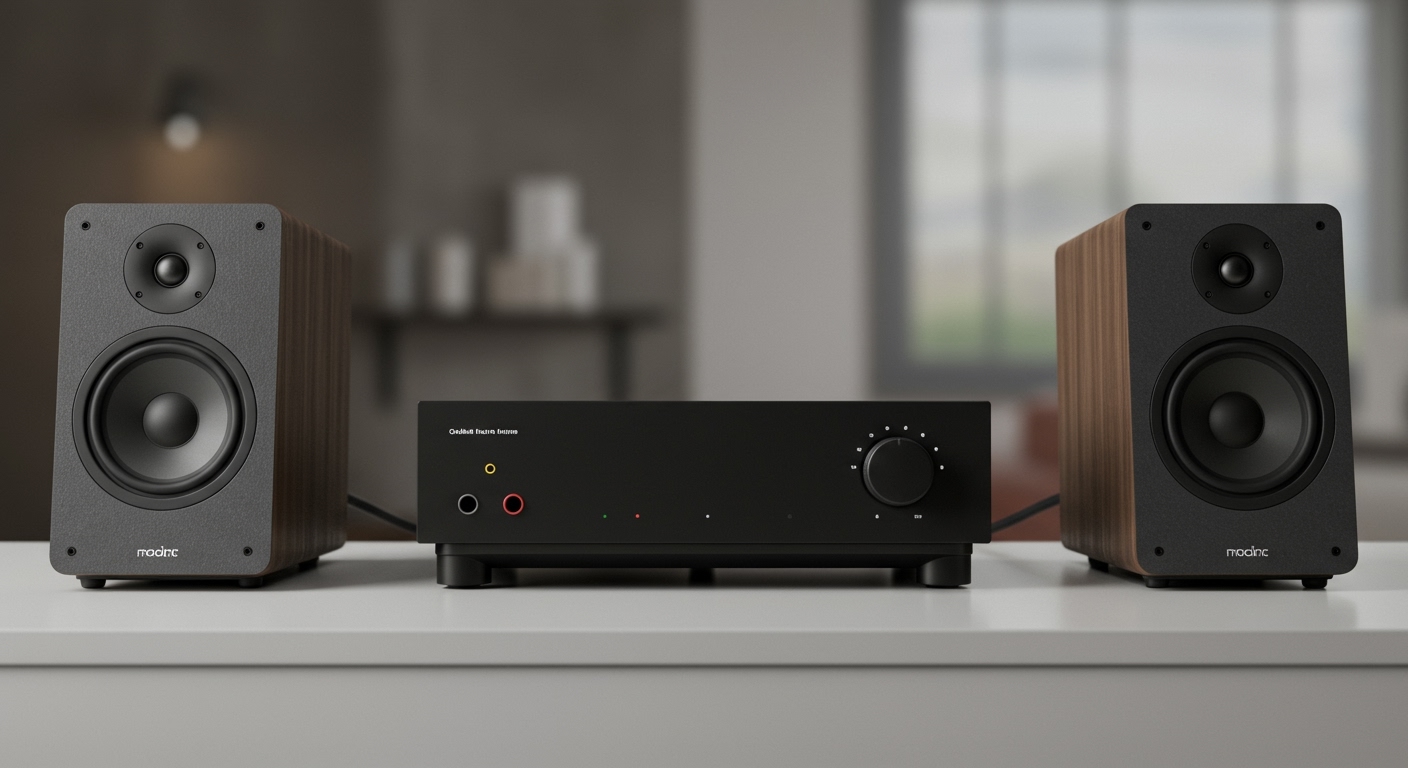
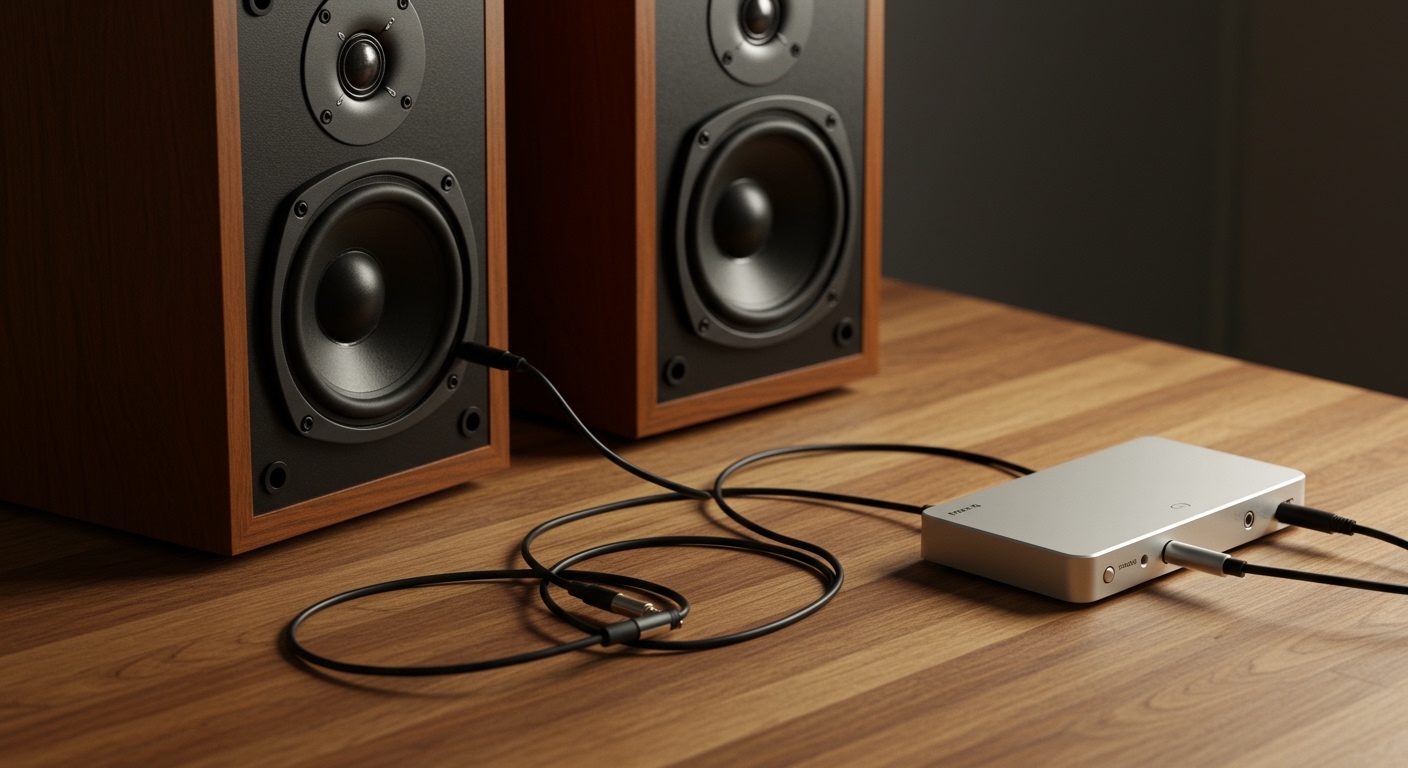
A pair of high-quality passive bookshelf speakers and a simple amplifier can often deliver far superior audio performance for the same price as a single high-end wireless speaker.
Long-Term Viability and Obsolescence
One of the most significant but least discussed disadvantages of wireless speakers is their limited lifespan compared to traditional audio equipment. A good pair of wired speakers can last for decades. A wireless speaker is more like a piece of consumer electronics, with a built-in expiration date.
The Software Support Lifecycle
Smart wireless speakers are dependent on software and firmware to function. Manufacturers eventually end support for older products, meaning they no longer