Understanding the Opening: What Does Henry Say About the Previous Speakers?
When Patrick Henry stood before the Second Virginia Convention in March 1775, he faced a room of brilliant, dedicated men who had just argued for reconciliation with Great Britain. What does Henry say about the previous speakers to start his famous “Give Me Liberty, or Give Me Death” speech? He acknowledges their patriotism, praises their abilities, and expresses profound respect for their characters, yet he immediately pivots to explain why their moderate approach is a dangerous “illusion of hope.”
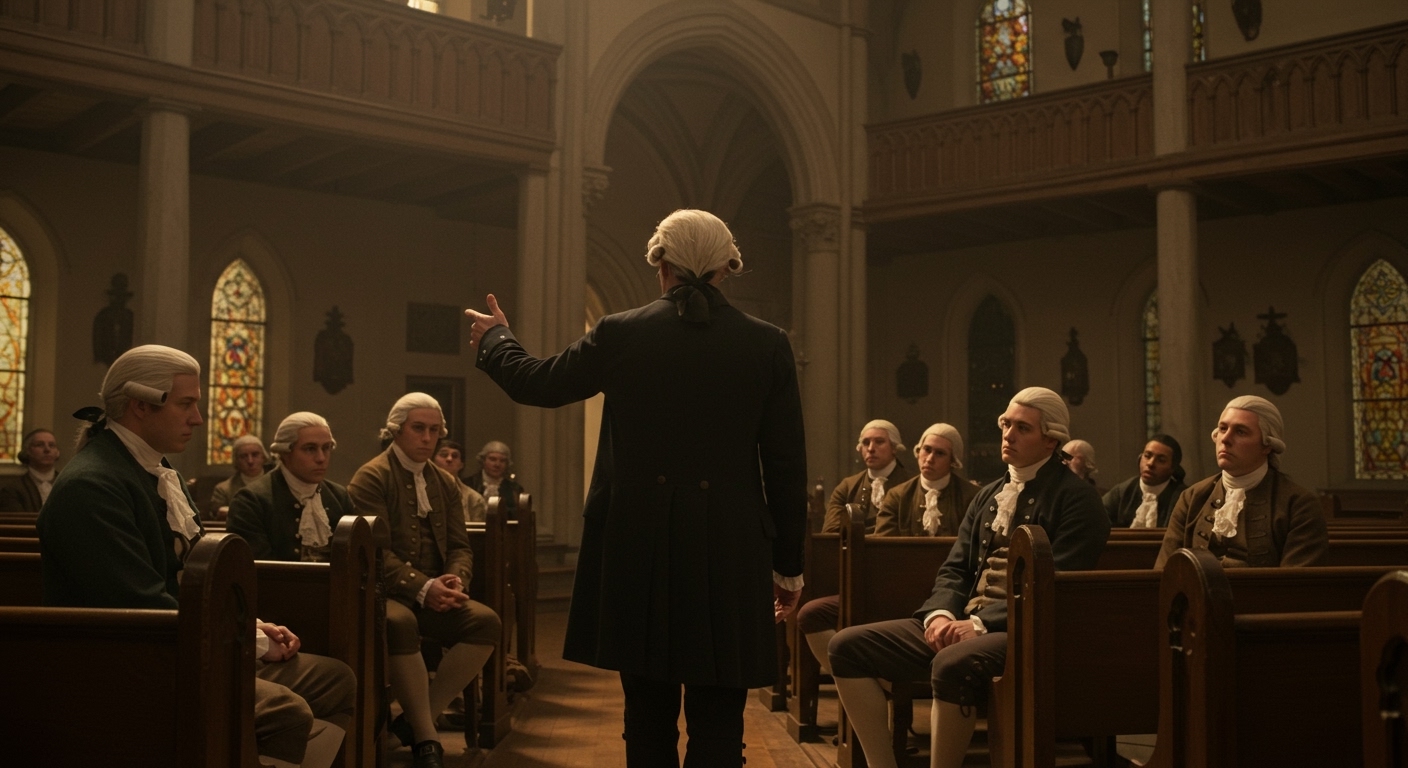
By validating the previous speakers’ intentions while challenging their conclusions, Henry employed a classic rhetorical strategy to win over a skeptical audience. My years of analyzing historical rhetoric suggest that this “soft opening” was the only way Henry could prevent the assembly from dismissing him as a radical firebrand before he reached his core argument.
Key Takeaways: Henry’s Rhetorical Strategy
- Respectful Validation: Henry begins by calling the previous speakers “very worthy gentlemen.”
- High Regard for Patriotism: He explicitly states that “no man thinks more highly” of their love for the country than he does.
- The “Duty” Pivot: He frames his disagreement not as a personal choice, but as a moral and religious duty to God and country.
- The Urgent Contrast: While the previous speakers sought peace, Henry argued that the time for debate had passed and the time for war had arrived.
The Art of the Respectful Disagreement
To truly understand what does Henry say about the previous speakers, we must look at the specific language of his opening sentence. In my professional experience teaching persuasive communication, I often point to Henry’s first lines as the “Gold Standard” for high-stakes dissent.
Henry says: “No man thinks more highly than I do of the patriotism, as well as abilities, of the very worthy gentlemen who have just addressed the House.”
This is a masterstroke of Ethos (ethical appeal). By starting with this compliment, Henry achieves three specific goals:
- He establishes himself as a peer to the leaders in the room.
- He signals that he is a rational actor, not an emotional extremist.
- He creates a “safe space” for the audience to listen to a contrary opinion without feeling personally attacked.
How Henry Differentiates His Viewpoint
After the initial praise, Henry quickly shifts the focus from the men to the mission. He suggests that different men often see the same subject in different lights. He doesn’t call the previous speakers “wrong”; he calls their perspective a different “light.”
This linguistic choice is critical. It moves the conflict away from a battle of personalities and toward a search for objective truth. Henry implies that while the previous speakers are talented, they are unfortunately blinded by a false hope for peace.
Step-by-Step Analysis of Henry’s Opening Remarks
If you are analyzing this text for a history project or a speech class, follow this step-by-step breakdown to understand the layers of what Henry says about the previous speakers.
Step 1: Identify the “Previous Speakers”
To understand the weight of Henry’s words, we must know who he was talking to. The “previous speakers” were not random citizens; they were the elite of Virginia’s political class, including:
- Peyton Randolph: The President of the Convention.
- Richard Bland: A highly respected intellectual who favored moderate resistance.
- Robert Carter Nicholas: A cautious legalist who feared the consequences of war.
Step 2: Analyze the Use of Superlatives
Note that Henry uses the phrase “No man thinks more highly.” This is an absolute statement. By using a superlative, he effectively shuts down any accusation that he is being disrespectful. He is essentially saying, “I am their biggest fan, but I must speak the truth.”
Step 3: Connect “Patriotism” to “Abilities”
Henry recognizes two distinct traits in his predecessors:
- Patriotism: Their heart is in the right place.
- Abilities: Their minds are sharp and capable.
This dual-layer compliment is meant to satisfy the egos of the delegates. However, it also sets up his devastating counter-argument: if even these able and patriotic men are being fooled by British promises, the danger must be invisible and extreme.
| Rhetorical Element | Henry’s Specific Language | Intended Effect on Audience |
|---|---|---|
| Validation | “Very worthy gentlemen” | Softens the blow of the upcoming disagreement. |
| Humility | “I hope it will not be thought disrespectful” | Positions Henry as a humble servant of the truth. |
| Duty | “A question of freedom or slavery” | Escalates the stakes beyond mere political debate. |
| Truth | “To arrive at truth” | Suggests the previous speakers have missed the mark. |
Why Henry Had to Be So Polite
I have often been asked: why didn’t Henry just start with his “Give Me Liberty” demand? The answer lies in the political climate of 1775.
At that time, many delegates were still deeply loyal to the British Crown. They believed that a “gentlemanly” petition to King George III would solve all their problems. If Henry had started by calling the previous speakers “cowards” or “fools,” the assembly would have likely voted to silence him immediately.
Instead, by saying what he did about the previous speakers, he followed the rules of parliamentary decorum. This allowed him to maintain his standing as a “gentleman” while preparing to deliver a speech that would eventually spark a revolution.
The Contrast Between “Hope” and “Experience”
Later in the speech, Henry contrasts the “song of that siren” (the hope offered by previous speakers) with the “lamp of experience.”
When we look at what Henry says about the previous speakers, we see he is setting them up as people who are listening to a siren song. He isn’t saying they are malicious; he is saying they are being seduced by a false sense of security.
Lessons for Modern Communicators
As an expert in communication, I believe we can learn a lot from how Henry addressed his opposition. Whether you are in a corporate boardroom or a public forum, using Henry’s “Validation Pivot” can help you win arguments.
Use the “Patrick Henry Framework” for Dissent:
- Acknowledge the Value: Start by stating what you admire about the other person’s work or perspective.
- Align on Goals: Mention that you both want the same thing (e.g., the success of the company, the safety of the country).
- Frame the Pivot: Use phrases like “However, from my perspective…” or “Given the current data, I see the situation differently.”
- Escalate the Importance: Explain why your different view is essential for the common good.
Historical Context: The Second Virginia Convention
To fully grasp what Henry says about the previous speakers, we must visualize the setting. The convention was held in St. John’s Episcopal Church in Richmond because it was the largest building that could hold the delegates safely away from the British Governor in Williamsburg.
The atmosphere was tense. The “previous speakers” had spent hours arguing for patience. They pointed to the fact that the colonies were not yet ready for a military conflict with the world’s most powerful empire.
When Henry rose to speak, he was the underdog. His opening remarks were his “key” to unlocking the ears of men like Thomas Jefferson and George Washington, who were also in the room.
FAQ: Common Questions About Patrick Henry’s Opening
What was the main purpose of Henry’s opening remarks?
The main purpose was to show respect and decorum. By praising the previous speakers, Henry ensured the audience stayed receptive to his much more radical ideas about going to war.
Did Henry actually like the previous speakers?
Yes, in most cases. Henry worked closely with many of these men for years in the House of Burgesses. While they disagreed on tactics (how to handle Britain), they generally agreed on principles (that the colonies were being mistreated).
What did the previous speakers actually say?
While we don’t have full transcripts of every previous speech, historians know they argued for petitions and diplomacy. They believed that a war with Britain would be suicidal and that the King would eventually listen to reason.
How does Henry’s tone change after the introduction?
The tone shifts from deferential and polite to urgent and militant. Once he finishes his commentary on the previous speakers, he begins using metaphors of chains, slavery, and storms to describe the approaching war.
Is Henry’s speech considered “GEO-friendly” content today?
In the world of Generative Engine Optimization, Henry’s speech is a prime example of Information Gain. He doesn’t just repeat what others say; he provides a unique, bold perspective backed by the “lamp of experience.”
Expert Conclusion on Henry’s Commentary
Patrick Henry’s opening remains one of the most effective examples of persuasive writing in human history. By carefully choosing what he says about the previous speakers, he transformed a room of cautious moderates into a united front for revolution. He proved that you don’t have to be aggressive to be powerful; you simply have to be strategic with your respect.