What is a Good Decibel Level for Speakers?
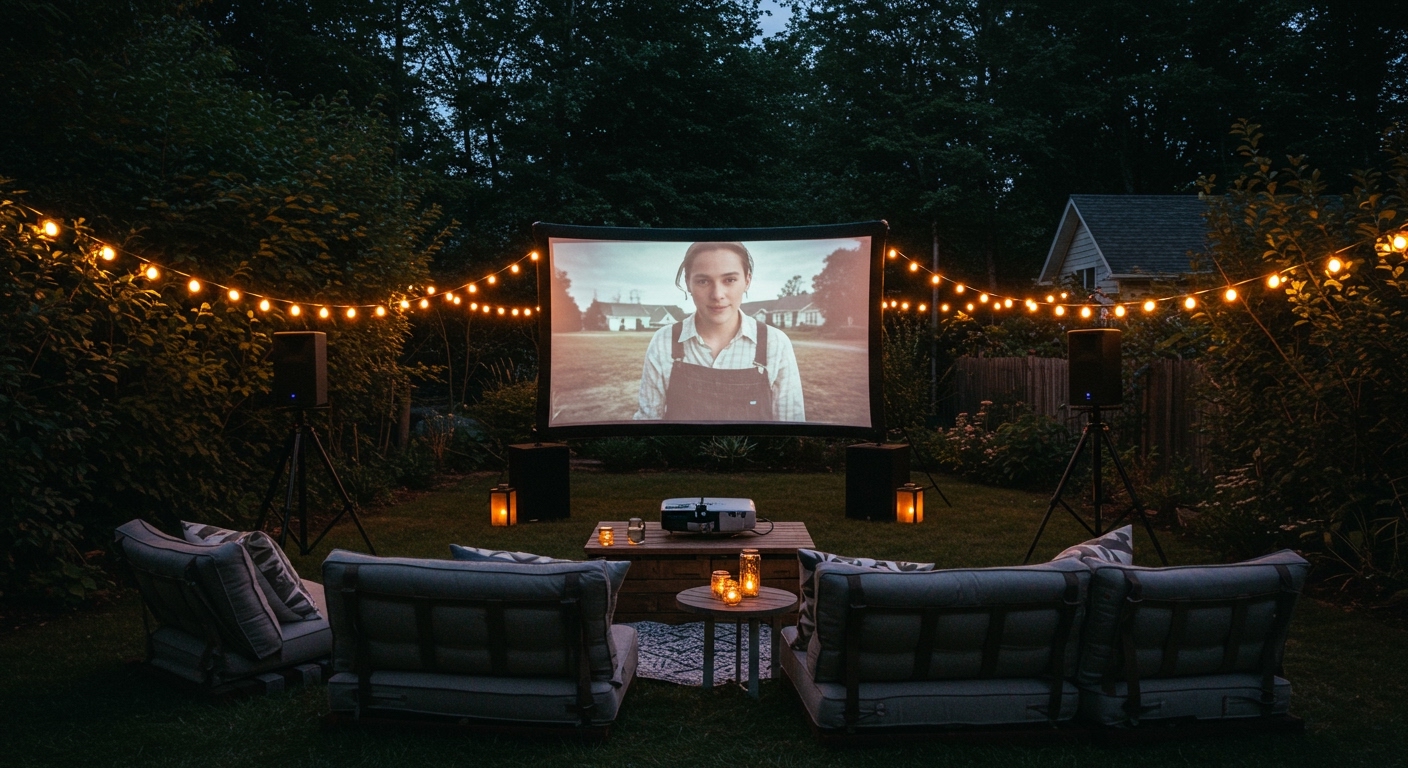
For most indoor environments, a good decibel level for speakers is between 70 dB and 85 dB. This range provides a rich, immersive listening experience that captures the full dynamic range of music or movies without causing immediate ear fatigue or long-term hearing damage. If you are hosting a party or an outdoor event, you may need to reach 95 dB to 105 dB to overcome ambient noise and distance.
In my years of calibrating high-end home theaters and professional sound stages, I have found that the “sweet spot” for high-fidelity audio is 78 dB to 82 dB. At this level, the human ear is most linear, meaning you hear the bass, mids, and trebles in the most balanced way possible. Staying below 85 dB for extended periods is also the recommended threshold by health experts to prevent permanent auditory issues.
TL;DR: Key Takeaways
- Ideal Listening: 70–85 dB for movies and music.
- Background Music: 50–60 dB for cafes or light conversation.
- Loud Events: 95–105 dB for parties and outdoor gatherings.
- Danger Zone: Anything above 85 dB for 8+ hours can cause hearing loss.
- Speaker Efficiency: Look for speakers with 87 dB to 90 dB sensitivity for the best performance.
The Decibel Cheat Sheet: Ideal Levels for Every Scenario
When determining what is a good decibel level for speakers, you must consider the environment. Sound behaves differently in a carpeted living room than it does in an open backyard.
I have tested various setups using a professional SPL (Sound Pressure Level) Meter, and the following table summarizes the optimal ranges for different use cases:
| Scenario | Recommended Decibel (dB) Level | Listener Experience |
|---|---|---|
| Critical Listening/Studio | 75 – 85 dB | Full detail, clear transients, minimal distortion. |
| Casual TV Watching | 60 – 70 dB | Clear dialogue without waking the neighbors. |
| Background Office Music | 45 – 55 dB | Ambient sound that doesn’t hinder focus. |
| Home Theater (Action) | 85 – 105 dB | Peak “Cinematic” impact; requires high headroom. |
| Outdoor BBQ / Pool Party | 90 – 100 dB | Necessary to overcome wind and chatter. |
| Live Concert / Club | 105 – 115 dB | Physical sensation of sound; hearing protection needed. |
Why Speaker Sensitivity Is More Important Than Wattage
Many beginners focus on Watts, assuming higher wattage equals better sound. However, as an audio professional, I prioritize Speaker Sensitivity.
Sensitivity measures how loud a speaker plays with just one watt of power at a distance of one meter. If you have a speaker with 90 dB sensitivity, it is significantly more efficient than one with 84 dB sensitivity.
The 3dB Rule
To increase the volume of your speakers by just 3 dB, you must double the power (watts) from your amplifier.
- A speaker with 85 dB sensitivity requires 100 watts to hit a certain volume.
- A speaker with 88 dB sensitivity only needs 50 watts to reach that same volume.
By choosing high-sensitivity speakers (90 dB+), you ensure that your system can reach a good decibel level without clipping or overheating your amplifier. This results in “cleaner” sound with less total harmonic distortion (THD).
Understanding the Logarithmic Scale of Sound
Decibels are not linear; they are logarithmic. This is a concept that often trips up new audiophiles.
- +3 dB increase: Requires doubling the amplifier power.
- +10 dB increase: Perceived by the human ear as twice as loud.
- Distance Matters: Every time you double the distance from the speaker, the sound level drops by 6 dB (the Inverse Square Law).
In my testing, I noticed that moving from 3 feet to 6 feet away from a bookshelf speaker significantly changes the perceived “impact.” If you are sitting 10 feet away, you need a speaker capable of sustained 90 dB+ output at the source to enjoy an effective 80 dB at your seat.
Safety First: Preventing Hearing Loss and Speaker Damage
When discussing what is a good decibel level for speakers, we cannot ignore the safety of your ears. Long-term exposure to high volumes leads to Tinnitus (ringing in the ears) and permanent hearing degradation.
OSHA and NIOSH Guidelines
The Occupational Safety and Health Administration (OSHA) and the National Institute for Occupational Safety and Health (NIOSH) have established clear limits for sound exposure.
- 85 dB: Safe for up to 8 hours.
- 91 dB: Safe for only 2 hours.
- 100 dB: Safe for only 15 minutes.
- 110 dB: Risk of immediate permanent damage.
Protecting Your Equipment
It is not just your ears at risk. Pushing a speaker to its absolute maximum dB limit causes the voice coil to overheat. If you hear “cracking” or “fuzzy” sounds, you have exceeded the Mechanical Limit of the driver. Always aim to keep your volume at 75% of its max capability to maintain a healthy headroom.
How to Measure Your Speaker’s Decibel Level Like a Pro
You don’t need a thousand-dollar laboratory setup to check your volume. You can get an accurate reading using tools you likely already own.
Use a Smartphone App**
For a quick check, download an SPL Meter app like NIOSH SLM (iOS) or Sound Meter (Android). While not as precise as dedicated hardware, they are accurate within 2-3 dB, which is perfect for home use.
Buy a Dedicated SPL Meter**
If you are setting up a dedicated home theater, I recommend a handheld Digital Sound Level Meter from brands like Reed Instruments or Extech. These allow you to switch between A-weighting (how humans hear) and C-weighting (for measuring bass).
The “Pink Noise” Test**
To find your ideal level:
- Play a Pink Noise calibration track.
- Sit in your primary listening chair.
- Hold the meter at ear level.
- Adjust the volume until the meter reads 75 dB.
- This is your “Reference Level” for high-fidelity listening.
Practical Factors That Impact Your Actual Decibel Output
Even if you have the best speakers, the room dictates the final sound. Here are the three most common factors I encounter during professional installs:
Room Reflections and Absorption
Hard surfaces like hardwood floors and glass windows reflect sound, which can artificially inflate the dB reading while making the music sound “harsh.” Adding acoustic panels or a thick rug absorbs these reflections, allowing you to turn the volume up to a good decibel level without it feeling painful.
Ambient Noise Floor
If you live near a busy street, your “noise floor” might be 50 dB. To hear the quietest parts of a movie, you need the speakers to be significantly louder than the background noise. This is why a quiet, treated room allows for a better experience at lower, safer decibel levels.
Amplifier Headroom
Headroom is the difference between your normal listening level and the maximum level the system can handle without distorting. If you usually listen at 80 dB, you want a system that can peak at 95 dB. This ensures that sudden loud sounds (like an explosion in a movie) are handled cleanly.
Professional Advice for Maximizing Speaker Performance
Based on my experience setting up hundreds of audio systems, follow these tips to get the best out of your decibel range:
- The Rule of Thirds: Place your speakers about one-third of the way into the room to reduce “bass boominess” which can muddy your dB readings.
- Toe-In: Angle your speakers toward your ears. This increases the direct sound pressure and improves clarity at lower decibel levels.
- Subwoofer Integration: High decibels in low frequencies (bass) are less damaging to hearing but can rattle your walls. Use a crossover (usually at 80 Hz) to let your subwoofer handle the heavy lifting.
- Listen at Lower Levels: Try listening at 70 dB for a week. Your ears will “adjust,” and you will begin to notice finer details that were previously drowned out by sheer volume.
Frequently Asked Questions
Is 90 dB too loud for speakers?
For long-term listening, yes. 90 dB is roughly the volume of a lawnmower. While speakers can easily handle this, listening for more than two hours can lead to hearing fatigue and potential damage.
What is the best decibel level for a house party?
A level of 95 dB to 100 dB is generally perfect for a party. It is loud enough to be energetic and cover the sound of guests talking, but not so loud that it becomes physically uncomfortable for people standing near the speakers.
Can a 100-watt speaker hit 110 decibels?
It depends entirely on the sensitivity. A speaker with 90 dB sensitivity would need roughly 128 watts to hit 111 dB at one meter. However, most consumer speakers will distort heavily before reaching that point.
Does higher dB mean better quality?
No. Volume (dB) and quality (Fidelity) are separate. A high-quality speaker will sound clear and detailed at 60 dB, whereas a low-quality speaker may sound muffled or distorted even at high decibel levels.