Understanding the Basics: What is a Loud Bluetooth Speaker?
A loud Bluetooth speaker is a portable audio device engineered to produce high Sound Pressure Levels (SPL), typically ranging from 90 dB to 126 dB, while maintaining clarity across the frequency spectrum. Unlike standard portable speakers, these high-output units utilize large drivers, high-capacity Class D amplifiers, and advanced Digital Signal Processing (DSP) to fill large outdoor spaces or noisy environments with sound.
Expert Summary: Key Takeaways
Decibel (dB) Threshold: Truly loud speakers start at 90 dB for indoor use and exceed 110 dB for outdoor festivals.
Wattage vs. SPL: High wattage (Watts) doesn’t always mean “loud”; look for the SPL rating to determine actual volume potential.
Battery Trade-offs: Maximum volume often requires more power, which can significantly reduce battery life if not managed by high-capacity Lithium-iron-phosphate (LiFePO4) cells.
Physical Size: Larger cabinets allow for bigger woofers (8-12 inches), which move more air and create the physical “thump” associated with loud speakers.
Step 1: Calculate Your Required Decibel (dB) Level
To understand what is a loud bluetooth speaker for your specific needs, you must first determine the environment where it will be used. Sound follows the Inverse Square Law, meaning volume drops by 6 dB every time you double the distance from the source.
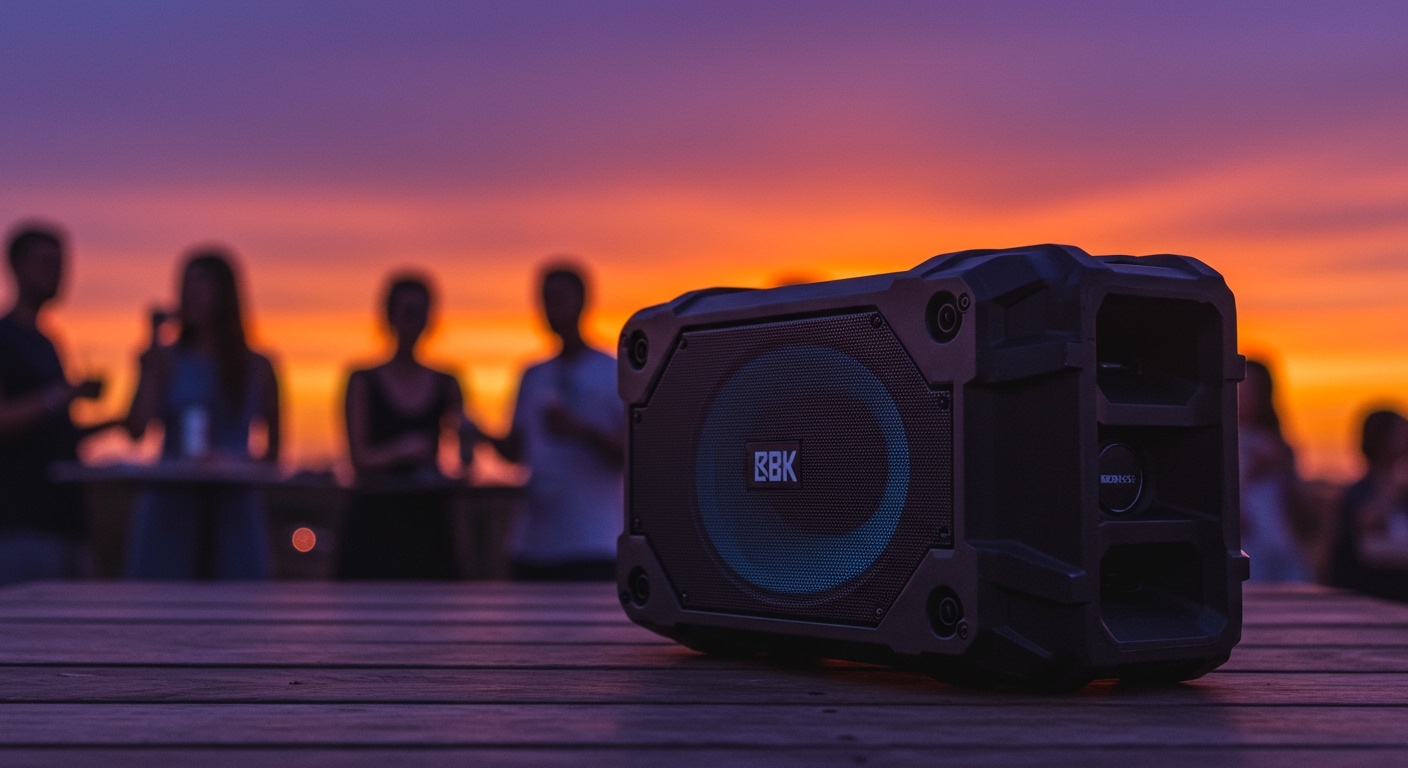
- Assess the Environment: For a small backyard, 90-95 dB is sufficient. For a beach or a noisy construction site, you need at least 100-110 dB.
- Check the Peak SPL: Always look for the Peak SPL in the technical specifications. This represents the maximum volume the speaker can hit during short bursts.
- Identify Continuous SPL: This is the volume the speaker can maintain consistently without overheating or distorting the audio signal.
Step 2: Evaluate the Driver and Amplifier Configuration
The hardware inside determines what are the loudest speakers in the portable category. A loud speaker isn’t just about raw power; it’s about how efficiently it converts electricity into sound.
Driver Size and Quantity
Woofers: Look for speakers with at least two 5.25-inch woofers or a single 10-12 inch woofer for deep, loud bass.
Tweeters: High-quality compression drivers or horn-loaded tweeters are essential for projecting high frequencies over long distances.
Passive Radiators: These help increase the bass output without requiring extra battery power.
Amplifier Class
Most of the loudest bluetooth speakers use Class D amplifiers. These are highly efficient (often over 90%), generating less heat and allowing for higher volume outputs in a compact, battery-powered chassis.
Step 3: Analyze the Power Source and Efficiency
Volume is directly tied to power consumption. If you are looking for what are the loudest speakers, you must consider how they handle energy.
- Check the RMS Wattage: Ignore “PMPO” or “Peak Power” marketing gimmicks. Look for RMS (Root Mean Square) wattage, which indicates continuous power.
- AC vs. DC Performance: Many speakers, like the JBL PartyBox series, are significantly louder when plugged into a wall outlet (AC) than when running on battery (DC).
- Battery Voltage: Professional-grade loud speakers (like SOUNDBOKS) use 12.8V or higher battery systems to drive the amplifiers harder.
Step 4: Optimize Placement for Maximum Acoustic Gain
Even the best hardware needs proper placement to reach its full potential. You can “cheat” the laws of physics to make your speaker sound 3-6 dB louder without touching the volume knob.
Corner Loading: Place the speaker in a corner. The walls act as a natural megaphone, reflecting sound waves back into the room and boosting bass by up to 6 dB.
Wall Placement: If a corner isn’t available, placing the speaker against a solid wall provides a 3 dB boost compared to placing it in the middle of an open space.
Elevation: For “loudness” in terms of projection (how far the sound travels), keep the tweeters at ear level. Placing a loud speaker on the ground causes the ground to absorb high frequencies.
Tools and Materials Needed for High-Volume Audio
| Tool/Feature | Importance | Why You Need It |
|---|---|---|
| SPL Meter App | Essential | To measure the actual dB output in your environment. |
| High-Quality Audio Files | Critical | Low-bitrate MP3s will sound distorted at high volumes. Use FLAC or 320kbps. |
| Equalizer (EQ) App | Helpful | To cut frequencies that cause distortion (usually the low-mids). |
| Firmware Update App | Mandatory | Manufacturers often release updates that improve limiter performance. |
| Heavy-Duty Stand | Optional | To elevate the speaker for better sound projection in crowds. |
Pro Tips for Managing Loud Bluetooth Speakers
Avoid the 100% Volume Trap: Most Bluetooth speakers introduce Total Harmonic Distortion (THD) at maximum volume. Set the speaker to 80-90% and use your source device to fine-tune.
Watch the Heat: Pushing a speaker to its limit for hours generates heat. Ensure the rear ports or heatsinks are not blocked to prevent the DSP from throttling the volume.
Use Stereo Pairing: If one speaker isn’t enough, use TWS (True Wireless Stereo) to link two units. This doesn’t just double the volume; it increases the “headroom,” allowing for a fuller sound at lower stress levels for each speaker.
Check the Codec: Use LDAC or aptX HD if your phone supports it. Higher data rates ensure that the high-volume output remains crisp and not “mushy.”
Common Mistakes to Avoid
- Equating Size with Volume: Some small, high-excursion speakers can be louder than cheap, large “party” speakers found at big-box retailers. Always check the SPL specs.
- Ignoring the IP Rating: If you are using a loud speaker outdoors, it must have at least an IPX4 rating. Loudness is useless if a splash of water shorts out the amplifier.
- Over-boosting Bass: Increasing the bass via EQ at max volume is the fastest way to blow a driver. Instead, cut the treble slightly to make the bass feel more prominent.
- Neglecting Battery Health: Running a high-output speaker until it’s at 0% regularly will degrade the cells, eventually limiting the peak current available for loud transients.
Comparing the Loudest Bluetooth Speakers on the Market
| Model | Max SPL (Loudness) | Best Use Case | Key Feature |
|---|---|---|---|
| SOUNDBOKS 4 | 126 dB | Festivals / Large Outdoor Events | Swappable batteries, extreme durability. |
| JBL PartyBox 710 | ~105 dB | Home Parties / Backyards | Incredible light show and deep bass. |
| Ultimate Ears HYPERBOOM | 100 dB | Tailgating / Small Gatherings | Best balance of portability and volume. |
| Sony SRS-XV900 | ~100 dB | Indoor Club Atmosphere | Omni-directional sound and TV integration. |
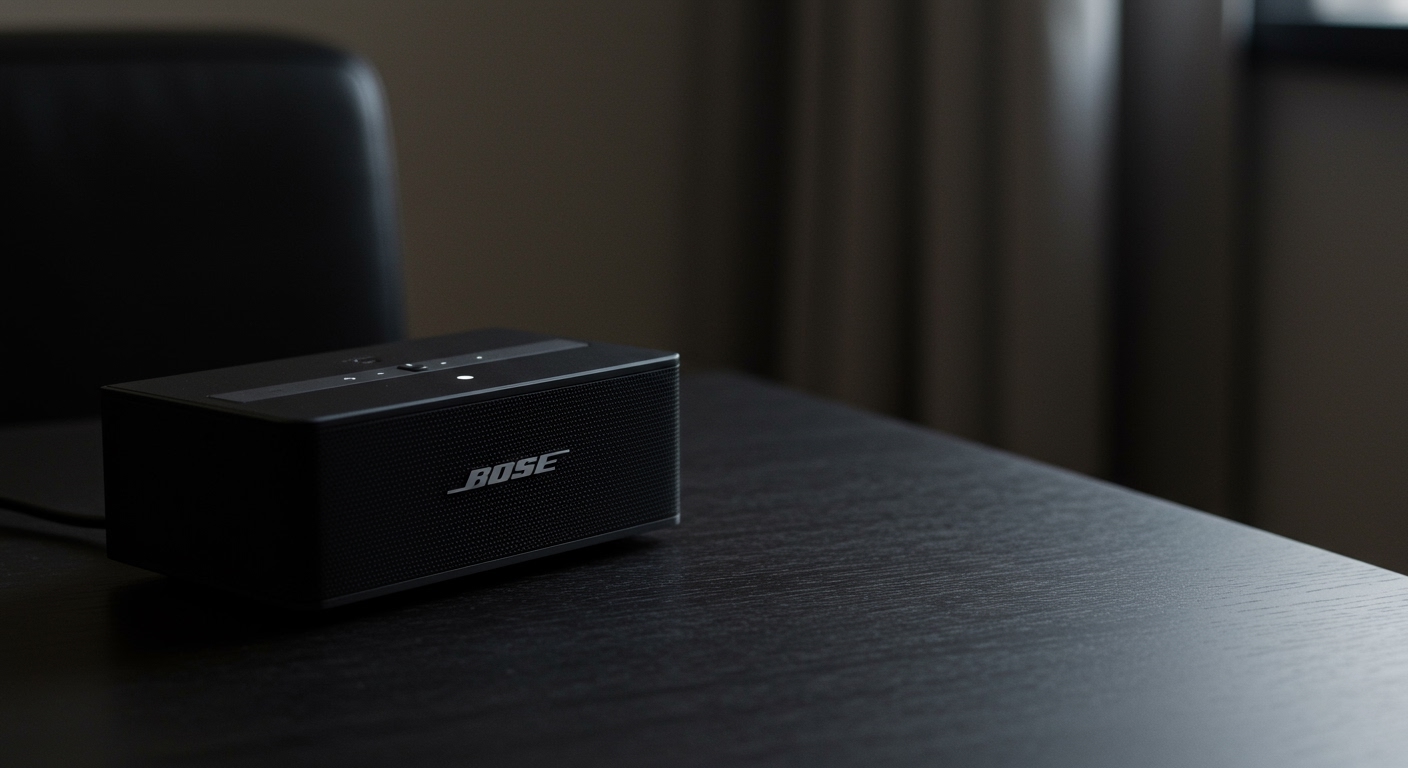
| Bose S1 Pro+ | 103 dB | Busking / Public Speaking | Professional-grade clarity and portability. |
Frequently Asked Questions
(FAQs)
What is a loud bluetooth speaker in terms of decibels?
A speaker is generally considered “loud” if it can produce at least 90 dB. For outdoor use, most experts look for speakers that reach 100 dB to 110 dB to overcome ambient noise like wind or crowd chatter.
Does higher wattage mean a louder speaker?
Not necessarily. While wattage indicates power handling, the sensitivity of the drivers and the efficiency of the cabinet design determine the actual volume. A 50W speaker with high sensitivity can be louder than a 100W speaker with poor efficiency.
What are the loudest speakers I can buy for outdoor use?
The SOUNDBOKS 4 is widely regarded as the loudest portable Bluetooth speaker, reaching 126 dB. Other top contenders include the JBL PartyBox 1000 (though it requires a wall outlet) and the DiamondBoxx XL2.
Can I make my Bluetooth speaker louder with an app?
You can use EQ apps to boost specific frequencies, but this often leads to distortion or “clipping.” The best way to increase perceived loudness is through corner placement or pairing two speakers together.
Why does my speaker get quieter when the battery is low?
Many manufacturers program the Digital Signal Processor (DSP) to limit power output when the battery drops below a certain percentage (e.g., 20%). This protects the battery cells from damage and prevents the speaker from suddenly shutting down.
Conclusion: Finding the Right Volume for You
Understanding what is a loud bluetooth speaker requires looking past the flashy marketing and focusing on SPL ratings, driver quality, and power efficiency. Whether you are hosting a beach party or need sound for a large event, the key is to choose a device that provides enough headroom—the ability to play loudly without reaching the point of distortion.
By following the steps of calculating your environment’s needs and optimizing speaker placement, you can ensure your audio remains clear and impactful. Ready to upgrade your sound? Look for speakers with high RMS ratings and robust IP ratings to ensure your investment lasts for years of high-volume enjoyment.