Unlocking Your Sound: What Power Speakers Do I Need?
Feeling overwhelmed by the endless options and technical jargon when trying to buy speakers? You’re not alone. The most common question I hear is, “what power speakers do i need?” The answer isn’t a single number; it depends on your room size, your listening habits, and a key speaker specification called sensitivity. For a small room (under 150 sq ft), 20-50 watts per channel is often plenty, while a large living room might require 100 watts or more for immersive sound.
This guide will demystify the numbers and walk you through a simple process to find the perfect speakers. We’ll cut through the marketing fluff and focus on what truly matters for incredible audio, ensuring you invest your money wisely.
Key Takeaways: Speaker Power Explained
- Room Size is Key: The bigger your room, the more power you’ll need to fill it with sound. A small office needs far less power than a large, open-concept living area.
- Sensitivity Matters More Than Watts: A speaker’s sensitivity rating (dB) tells you how efficiently it converts power into sound. Higher sensitivity speakers need less amplifier power to get loud.
- Amplifier & Speaker Pairing is Crucial: Your speakers and amplifier (or AV receiver) must be compatible. Match the speaker’s impedance (ohms) and recommended power range to your amplifier’s output.
- Listening Habits Influence Needs: Do you listen to background music, or do you crave a cinematic, concert-like experience? Your volume preference directly impacts your power requirements.
Understanding the Core Specs for What Power Speakers You Need
Before you can decide what speakers to buy, you need to grasp three fundamental concepts. I’ve spent years calibrating audio systems, and these are the specs that truly make a difference, not just the wattage number on the box.
Amplifier Power (Watts per Channel)**
This is the amount of power your amplifier or AV receiver can send to each speaker. It’s often the most advertised number, but it’s only one part of the equation.
- Continuous Power (RMS): This is the most important rating. It indicates the power an amplifier can consistently deliver without distortion.
- Peak Power: This is a short burst of power the amp can handle. It’s a less reliable metric for real-world performance.
In my experience, a receiver rated for 80 watts RMS per channel is a fantastic starting point for most home theater setups in average-sized living rooms.
Speaker Sensitivity (dB)**
This is arguably the most critical and misunderstood specification. Sensitivity measures how loud a speaker gets with a specific amount of power (usually 1 watt) from one meter away. It’s measured in decibels (dB).
- A speaker with a sensitivity of 85 dB is considered average.
- A speaker with a sensitivity of 91 dB or higher is very efficient.
Here’s why it’s so important: For every 3 dB increase in sensitivity, you need half the amplifier power to achieve the same volume. A 91 dB speaker needs only 50 watts to sound as loud as an 85 dB speaker being fed 200 watts. This is a massive difference and can save you a lot of money on amplification.
Speaker Impedance (Ohms)**
Impedance is the electrical resistance a speaker presents to an amplifier, measured in ohms (Ω). Most home speakers are rated at 8 ohms, but some are 6 ohms or even 4 ohms.
It’s crucial to match this to your amplifier. Most receivers are designed for 8-ohm speakers. Driving a 4-ohm speaker with an amplifier not rated for it can cause the amp to overheat and potentially shut down or get damaged. Always check the back of your receiver for its supported impedance range.
How Room Size Determines Your Speaker Needs
The single biggest factor influencing what power speakers you need is the environment they’ll be in. Sound dissipates over distance, so a larger, more open space requires more energy to fill.
We can break it down into simple categories.
Speaker Recommendations by Room Size
| Room Size (sq ft) | Room Type | Amp Power (RMS/Channel) | Recommended Speaker Type |
|---|---|---|---|
| Under 150 | Small Bedroom, Office | 20 – 50 Watts | Bookshelf Speakers |
| 150 – 300 | Average Living Room | 50 – 100 Watts | Large Bookshelf or Small Floor-standing |
| 300 – 500 | Large Living Room, Loft | 100 – 200 Watts | Floor-standing Speakers |
| Over 500 | Dedicated Home Theater | 200+ Watts | Large Floor-standing Speakers with Subwoofer |
My personal setup: In my 250 sq ft living room, I use a pair of floor-standing speakers with a 90 dB sensitivity powered by a 100-watt per channel AV receiver. This combination provides more than enough power for dynamic movie soundtracks and detailed music without ever straining the system.
A Step-by-Step Guide to Choosing the Right Speakers
Feeling more confident? Let’s turn this knowledge into action. Follow these steps to determine exactly which speakers to buy for your unique situation.
Step 1: Measure Your Listening Area
Get a tape measure and calculate the square footage (Length x Width) of your room. Don’t forget to consider open-concept spaces that flow into other rooms, as this increases the total volume of air you need to move.
Step 2: Define Your Listening Habits
Be honest about how you’ll use the system.
- Background Music: If you just want pleasant background audio, you can stick to the lower end of the power recommendations.
- Critical Music Listening: For focused listening sessions where you want to hear every detail, you’ll want clean power and articulate speakers.
- Movie & Gaming Immersion: If you want to feel explosions and hear cinematic scores soar, you’ll need a system with good dynamic range, which often means more power and possibly a subwoofer.
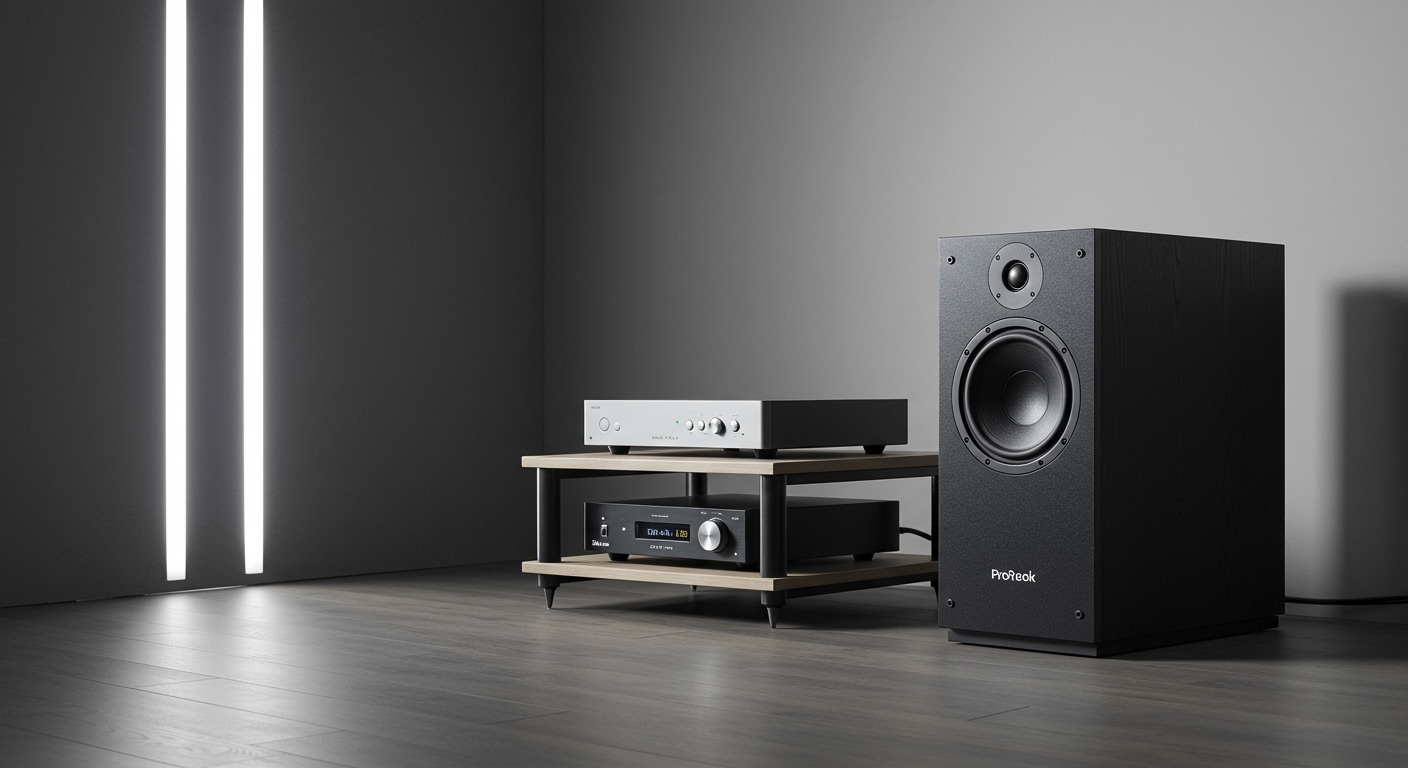
Step 3: Check Your Amplifier or Receiver
If you already have an amplifier or AV receiver, look up its specifications. Find the continuous (RMS) power output per channel and the supported impedance (ohms). This will define the range of speakers you can safely and effectively use.
If you are buying a new receiver, use the table above to guide your purchase based on your room size.
Step 4: Research Speaker Types and Sensitivity
Now you can start shopping. Based on your room size and needs, decide between the main types of speakers.
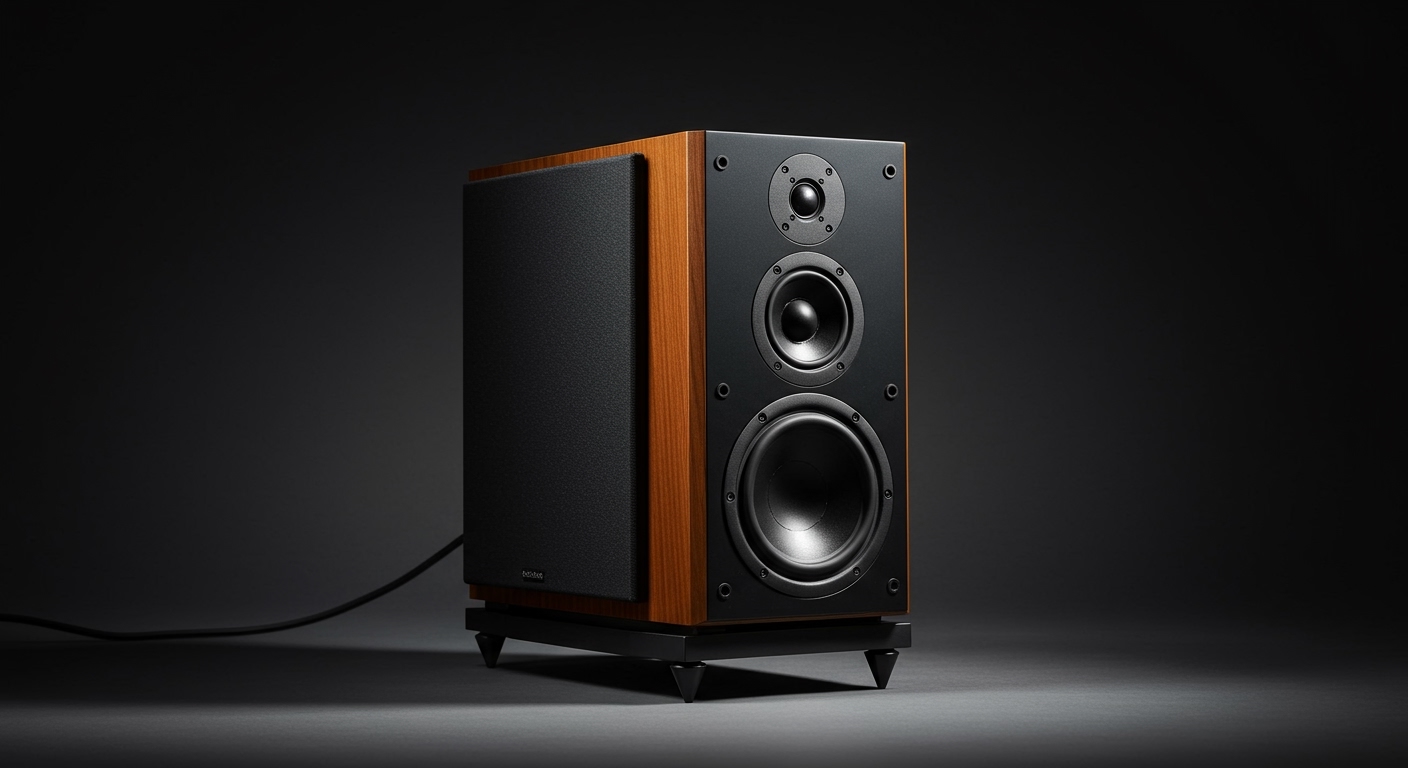
- Bookshelf Speakers: Compact and versatile. Ideal for small to medium-sized rooms or as rear speakers in a surround sound system.
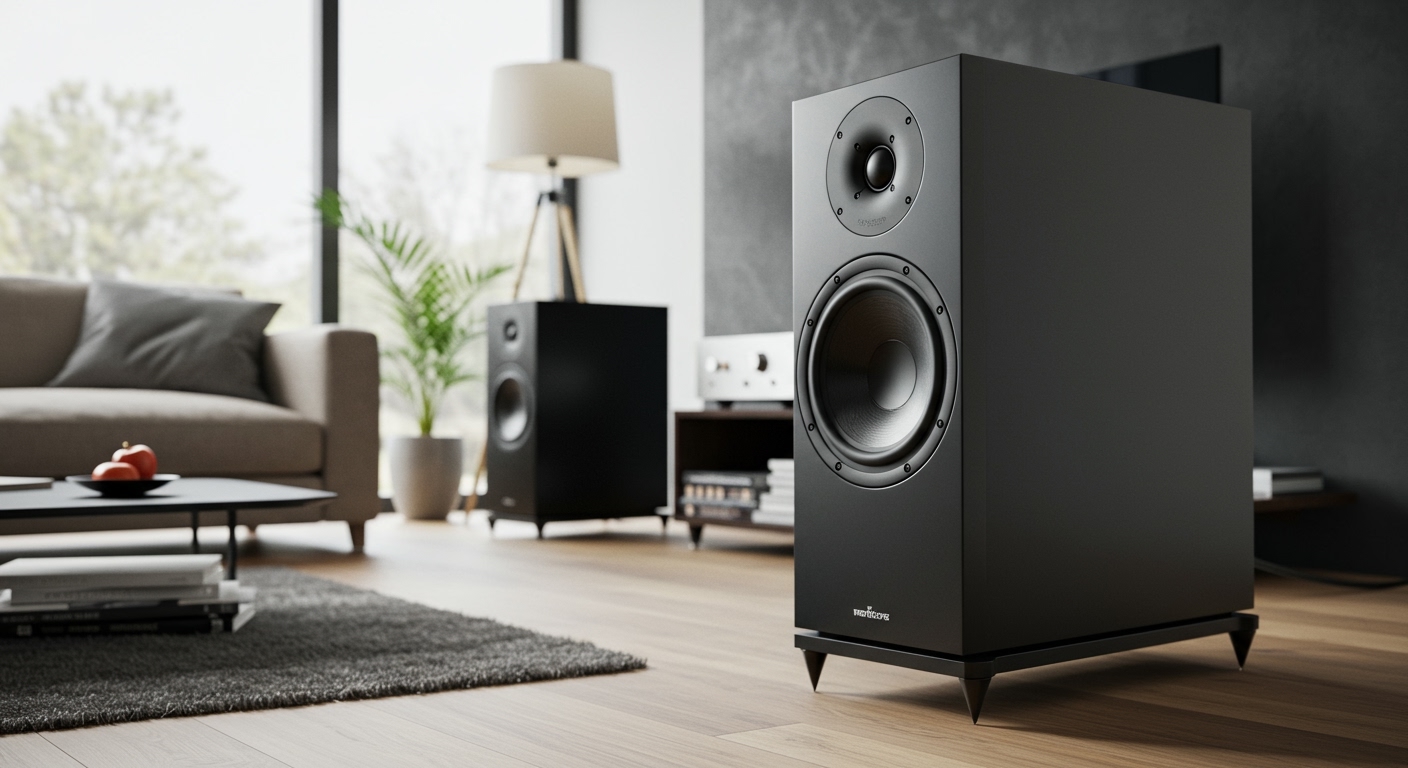
- Floor-standing Speakers (Towers): Larger speakers that produce a fuller sound with deeper bass. Best for medium to large rooms as the main front speakers.
- Subwoofers: A specialized speaker dedicated to producing low-frequency effects (bass). Essential for a true home theater experience.
As you browse, pay close attention to the sensitivity (dB) rating. If you have a lower-powered amplifier, choosing a more sensitive speaker (90 dB+) will give you much better results.
Step 5: Audition and Listen
The final and most important step is to listen to the speakers if possible. Specs on a page can’t tell you how a speaker actually sounds. If you can, visit an audio store to demo a few options.
Listen to music you are very familiar with. Pay attention to clarity in the vocals, the crispness of high-hats, and the tightness of the bass. The “best” speaker is the one that sounds best to you.
Frequently Asked Questions (FAQ)
Q1: Is more wattage always better for speakers?
No, more watts is not always better. The quality of the watts is more important than the quantity. A well-designed 50-watt amplifier can sound much better than a poorly made 150-watt amplifier. Focus on pairing your amp’s power with your speaker’s sensitivity and your room size for the best results.
Q2: Do I need a subwoofer with my speakers?
For music, you may not need a subwoofer, especially with large floor-standing speakers that have good bass response. For movies and gaming, a subwoofer is highly recommended. It handles the dedicated Low-Frequency Effects (LFE) channel, creating the rumble and impact that makes the experience immersive.
Q3: What’s more important: the speakers or the amplifier/receiver?
The speakers have the biggest impact on the overall sound quality of your system. They are the components that actually create the sound waves you hear. As a general rule of thumb, it’s wise to allocate the largest portion of your audio budget to the speakers themselves.
Q4: Can I damage my speakers with too much or too little power?
Yes, you can damage speakers with both. Sending a distorted, “clipped” signal from an underpowered amplifier that’s turned up too high is the most common way to blow a tweeter. Conversely, sending far more power than a speaker is rated to handle can also damage its drivers. It’s best to use an amplifier whose RMS wattage falls within the speaker’s recommended power range.