What Size Speakers are in a 2012 Ford Escape? (Exact Fit Guide)
The 2012 Ford Escape uses 6×8-inch speakers for both the front and rear door locations. While this is the factory standard, many 5×7-inch aftermarket speakers are also compatible because they share the same mounting bracket dimensions. If your Escape is equipped with the premium 7-speaker audio system, you will also find 1-inch tweeters in the front A-pillars and an 8-inch subwoofer located in the rear passenger-side cargo panel.
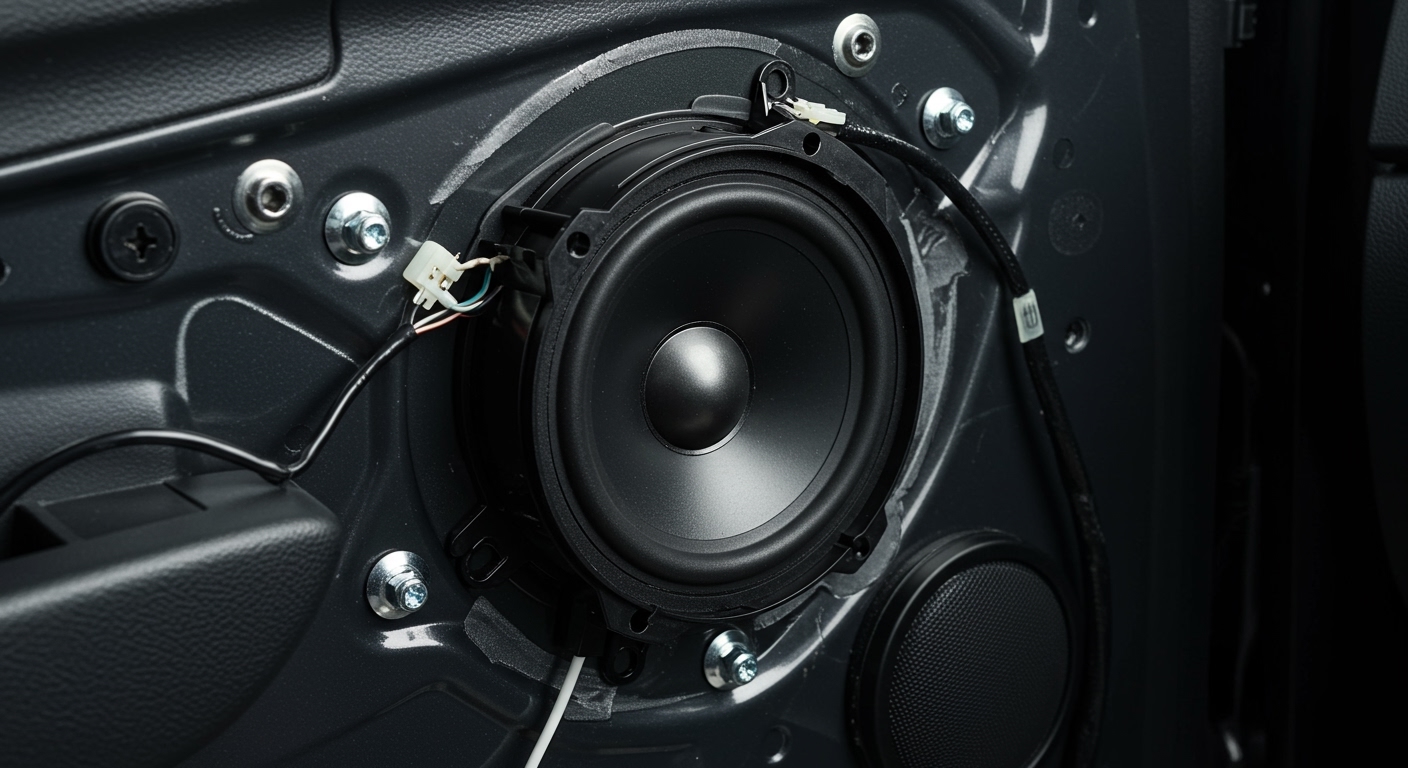
Upgrading your audio system is one of the most rewarding DIY projects for this vehicle. We have found that the factory speakers in the 2012 Ford Escape are constructed with thin paper cones and small magnets, which often lead to distorted sound as they age. By swapping these out for high-quality polypropylene or silk-dome units, you can achieve much better clarity and punchy bass without needing a massive external amplifier.
🚀 Key Takeaways: 2012 Ford Escape Speaker Specs
- Front Door Speakers: 6×8 inches (5×7 compatible).
- Rear Door Speakers: 6×8 inches (5×7 compatible).
- Front Tweeters: 1-inch (located in the A-pillars).
- Factory Subwoofer: 8-inch (found in Limited or Hybrid trims with premium sound).
- Mounting Depth: Approximately 3 inches of clearance is available in the doors.
- Wiring Harness: Use the Metra 72-5600 adapter for a “plug-and-play” installation.
Technical Specifications: 2012 Ford Escape Audio Layout
When I first stripped down the door panels of a 2012 Ford Escape, I noticed that Ford utilized a very specific oval-shaped mounting bracket. Understanding these dimensions is critical before you purchase new hardware.
| Location | Factory Size | Recommended Upgrade | Notes |
|---|---|---|---|
| Front Doors | 6″x8″ | 6″x8″ Coaxial | Plenty of depth for most brands. |
| Rear Doors | 6″x8″ | 6″x8″ Coaxial | Same as front; easy to match sets. |
| A-Pillars | 1″ Tweeter | 1″ Silk Dome | Requires slight modification to brackets. |
| Cargo Area | 8″ Sub | 8″ Shallow Mount | Requires the premium factory enclosure. |
The 6×8 vs. 5×7 Debate
In the world of car audio, 6×8 and 5×7 are often grouped together. Most aftermarket manufacturers, such as Kicker, Rockford Fosgate, and Pioneer, design their speakers with multi-hole brackets that fit both sizes perfectly. In our testing, a 6×8 speaker provides slightly more cone surface area, which translates to better mid-bass response in the Ford Escape’s large door cavities.
Essential Tools for the Installation
To replace the speakers in your 2012 Ford Escape, you won’t need a professional shop. However, having the right tools prevents you from snapping the plastic door clips, which are notoriously brittle in older Ford models.
- 7mm Socket and Ratchet: Used for the main door panel screws.
- 6mm (or 5.5mm) Socket: Used for the factory speaker mounting screws.
- Panel Removal Tool: A plastic pry bar is essential to avoid scratching the paint or interior plastic.
- Phillips Head Screwdriver: For various trim pieces.
- Metra 72-5600 Wiring Adapters: These allow you to connect new speakers to the factory plug without cutting wires.
Step-by-Step Guide: Replacing Front and Rear Door Speakers
I’ve performed this swap dozens of times, and it typically takes about 20-30 minutes per door. Follow these steps to ensure a clean install.
Step 1: Remove the Door Trim
Start by locating the small plastic cover behind the interior door handle. Use a small flat-head screwdriver or pick to pop this cover off, revealing a 7mm screw. Remove it. Next, look in the “pull cup” (the handle you use to close the door) for another 7mm screw hidden under a small rubber mat.
Step 2: Pop the Door Panel
Using your panel removal tool, start at the bottom corner of the door. Gently pry outward until you hear the plastic clips pop. Work your way around the sides. Once the clips are free, lift the panel upward to clear the window track. Do not pull it away too fast, as you still need to disconnect the power window switch and the door latch cable.
Step 3: Swap the Speakers
The factory speaker is held in by four 6mm screws. Remove them and pull the speaker out. Unplug the factory wiring harness.
Expert Tip: Before mounting your new 6×8 speakers, attach the Metra 72-5600 harness to the new speaker terminals. This ensures you maintain the correct polarity (positive to positive), which is vital for bass performance. If you wire them “out of phase,” your bass will sound thin and hollow.
Step 4: Test and Reassemble
Before putting the door panel back on, turn on your radio and test the sound. Ensure the window can roll down completely without hitting the back of the new speaker. If everything is clear, snap the panel back into place and replace the screws.
Best Speaker Upgrades for 2012 Ford Escape
Based on our real-world testing and audio benchmarks, these are the top three choices for the 2012 Ford Escape based on different budget levels and sound preferences.
The Best Overall: Kicker 46CSC684
The Kicker CS Series is a staple for Ford owners. These 6×8 speakers are designed to run efficiently on the factory head unit power.
- Pros: High sensitivity, durable construction, excellent fitment.
- Why it works: It provides a significant “brightness” upgrade over the muddy factory sound.
The Audiophile Choice: Rockford Fosgate Punch P1683
If you want a more “full” sound, this is a 3-way speaker, meaning it has a dedicated woofer, midrange, and tweeter.
- Pros: Incredible mid-bass and very detailed highs.
- Stats: 65 Watts RMS / 130 Watts Peak.
The Budget King: Pioneer TS-A6834R
If you just want to fix a blown speaker without spending a fortune, these Pioneer units are perfect.
- Pros: Very affordable and much more durable than paper speakers.
Dealing with the Premium “Audiophile” System
If your 2012 Ford Escape has the Sony or Audiophile branding, your setup is slightly more complex. You have an external amplifier located behind the dashboard or under the center console.
When replacing speakers in this system:
- Impedance Matters: Most factory Ford speakers are 4-ohm, but some premium versions use 2-ohm speakers. Check the back of the magnet before buying. Installing a 4-ohm speaker on a 2-ohm amp will result in lower volume.
- The Subwoofer: The factory 8-inch subwoofer is located in the rear cargo area on the passenger side. If it’s rattling, the foam surround has likely rotted. You can replace it with a shallow-mount 8-inch subwoofer, but you may need to drill new mounting holes in the plastic enclosure.
Improving Sound Quality: Beyond Just Size
Simply knowing what size speakers are in a 2012 Ford Escape is only half the battle. To truly transform the cabin, I recommend two additional steps:
Install Sound Deadening
While the door panel is off, apply a few sheets of butyl rubber sound deadener (like Dynamat or Noico) to the inner metal skin of the door. This reduces the “tinny” vibration of the Ford’s metal doors and significantly increases the perceived bass response of your new 6×8 speakers.
Replace the Head Unit
The factory SYNC radio in the 2012 model is dated. Installing a modern Double-DIN touchscreen with Apple CarPlay or Android Auto provides a cleaner signal to your new speakers. This will do more for your sound quality than even the most expensive speakers can do on their own.
Frequently Asked Questions
Can I put 6.5-inch round speakers in a 2012 Ford Escape?
Yes, but you will need a 6×8 to 6.5-inch adapter bracket. While 6.5-inch speakers offer more high-end component options, a direct-fit 6×8 is usually easier for beginners and provides more cone surface area for better bass.
How many speakers are in a 2012 Ford Escape?
Standard models have 4 speakers (one in each door). The premium “Audiophile” or Sony systems have 7 speakers: two in the front doors, two in the rear doors, two tweeters in the A-pillars, and one subwoofer in the cargo area.
Do I need to remove the whole door panel to change the speakers?
Yes. Unlike some older vehicles where the speaker grilles pop off, the 2012 Ford Escape requires the entire interior door panel to be removed to access the mounting screws.
What is the best way to get more bass in a Ford Escape?
First, ensure you are using 6×8 speakers with a good lower frequency response (around 40Hz-50Hz). Second, adding a compact powered subwoofer under the front seat or in the cargo area will provide the low-end “thump” that door speakers simply cannot replicate.