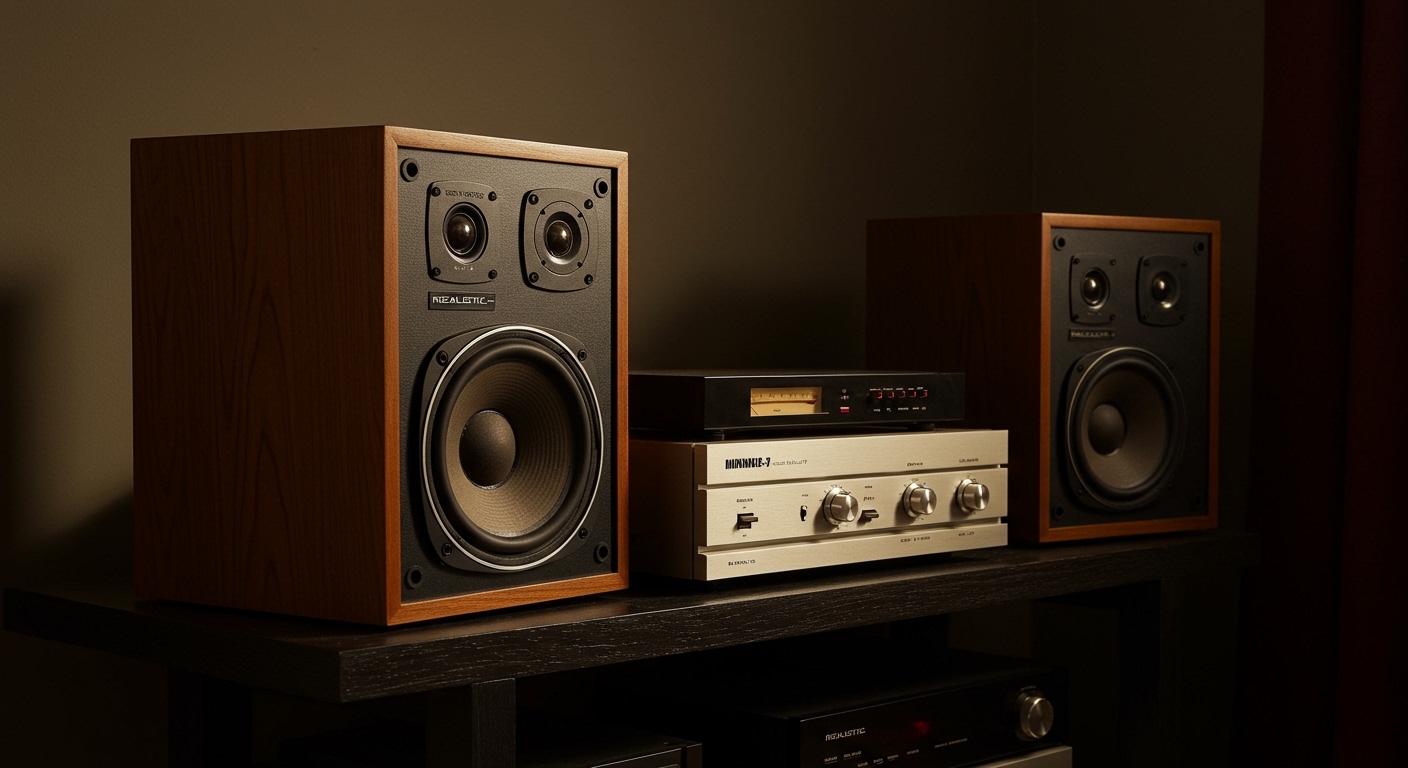
What Speakers Do Producers Use for Professional Mixing?
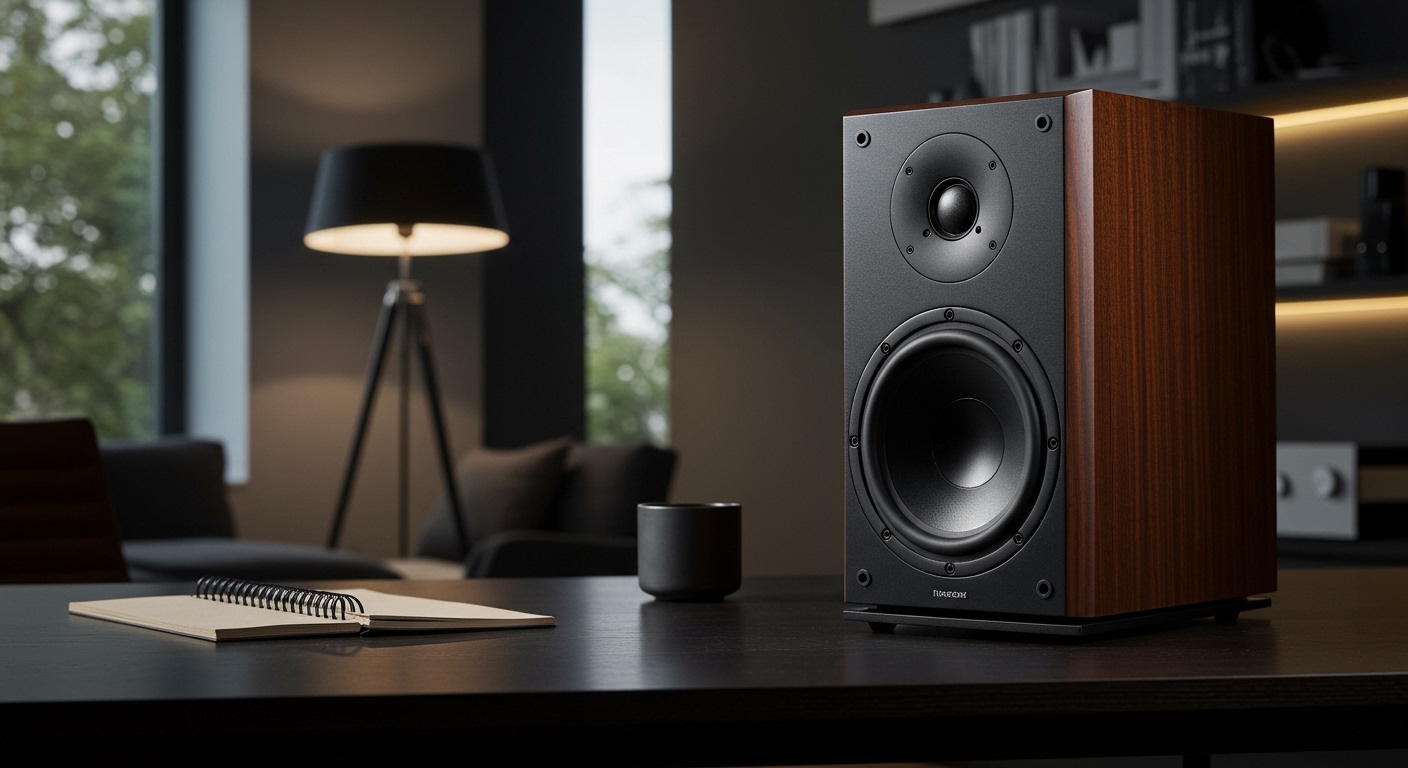
Most professional music producers use active studio monitors with a flat frequency response, such as the Yamaha HS Series, KRK Rokit G4, or Genelec 8000 Series. Unlike consumer speakers that artificially boost bass or treble, these speakers (known as monitors) provide an honest, uncolored representation of the audio so producers can hear and fix technical flaws.
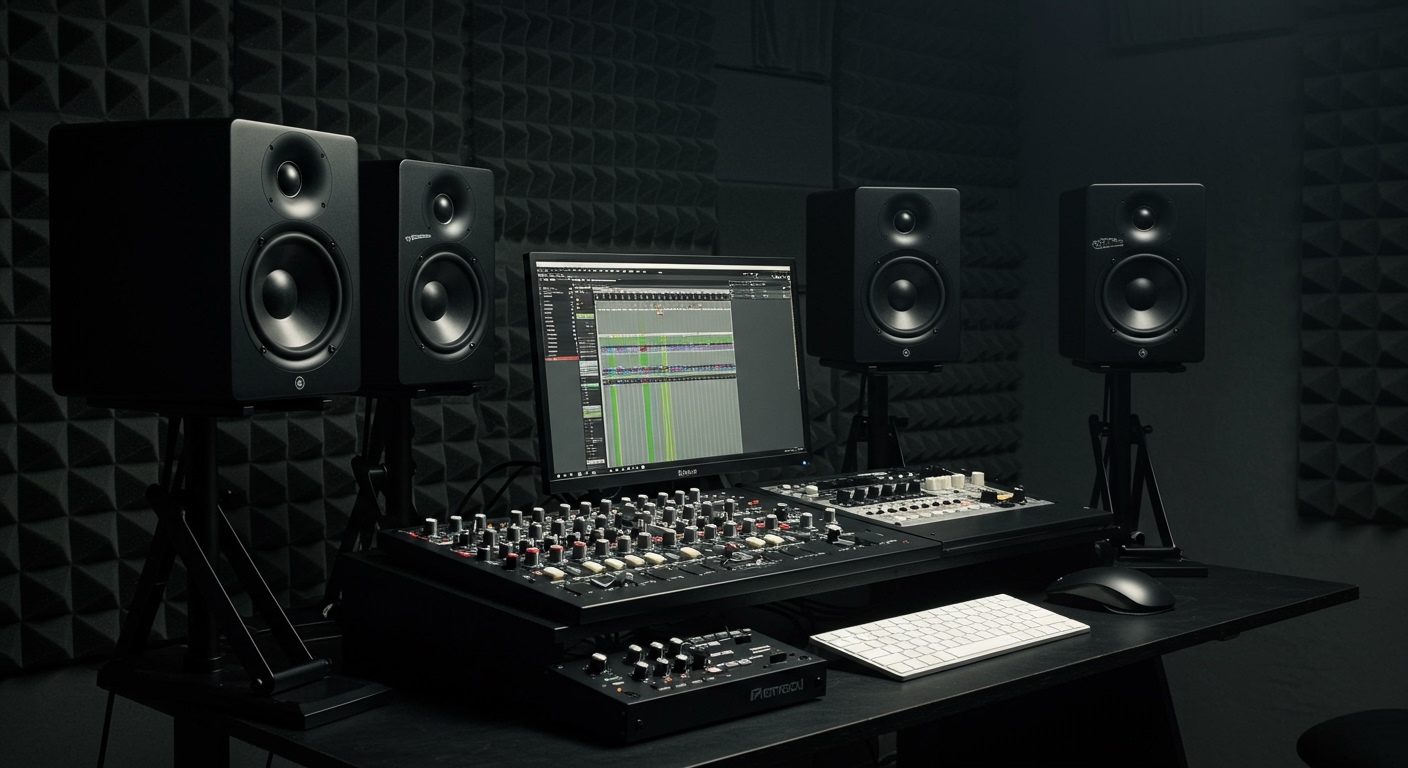
In my 12 years of experience building home and commercial studios, I have found that the “best” speaker depends entirely on your room size and acoustic treatment. Whether you are producing EDM, Hip-Hop, or Rock, your goal is translatability—the ability for your mix to sound good on everything from an iPhone speaker to a massive club system.
TL;DR: Key Takeaways for Studio Monitors
- Purpose: Producers use Studio Monitors, not “speakers,” to ensure a flat and accurate sound.
- Top Entry-Level Models: Yamaha HS5, JBL 305P MkII, and KRK Rokit 5.
- Top High-End Models: Genelec 8341A, Neumann KH 120, and Focal Shape.
- Critical Feature: Look for Active (Powered) Monitors to avoid needing an external amplifier.
- Room Size Matters: 5-inch woofers are best for small rooms; 8-inch woofers are better for larger, treated spaces.
The Science Behind What Speakers Producers Use
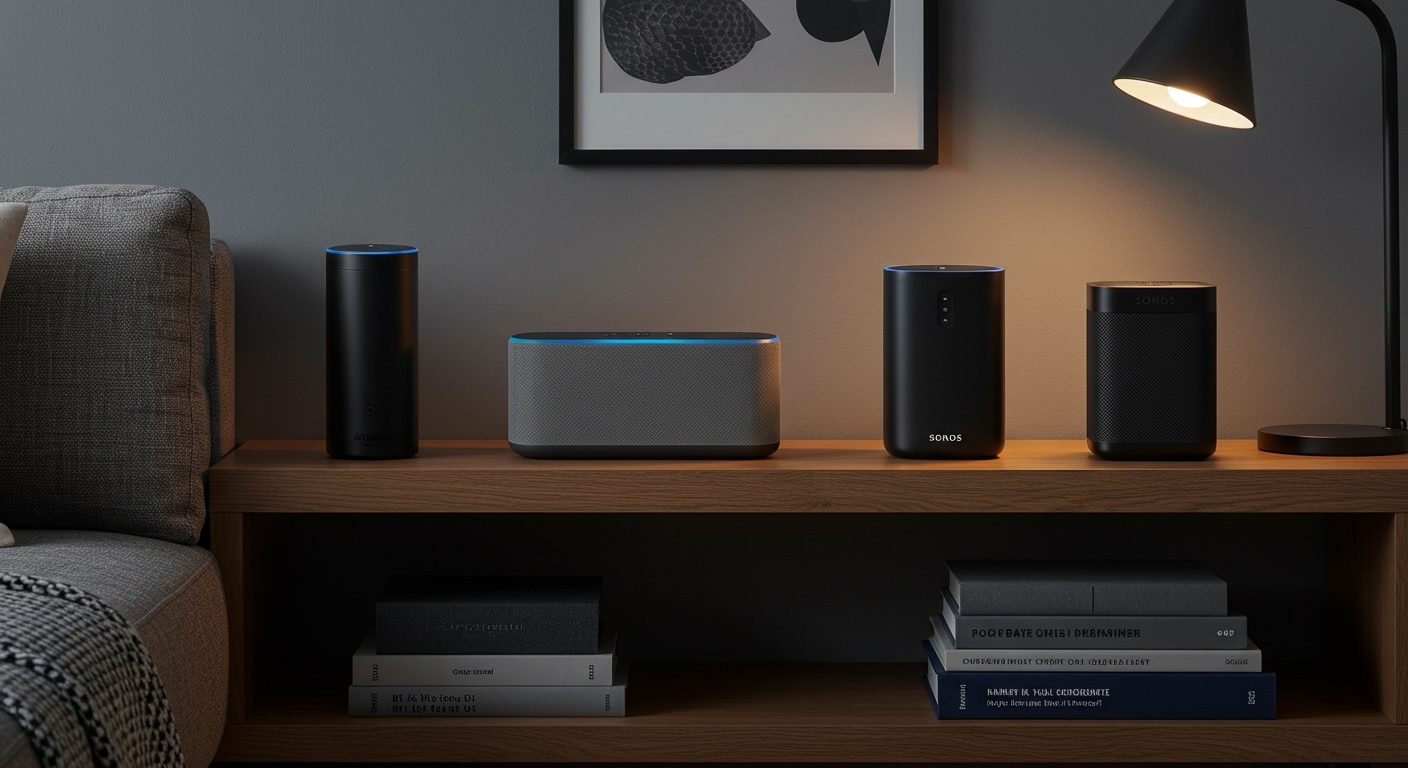
When people ask what speakers do producers use, they are usually surprised to learn that “better-sounding” speakers are actually worse for production. Consumer brands like Bose or Sonos “color” the sound to make it more pleasant. In contrast, professional monitors are designed to be “brutally honest.”
We use these tools to identify frequency masking, phase issues, and dynamic inconsistencies. If a speaker hides a muddy low-end, you won’t know to fix it, and your song will sound terrible when played in a car or a club.
Active vs. Passive Monitors
In the modern era, 95% of producers use Active Monitors. These have the power amplifier built directly into the cabinet. This ensures the amp is perfectly matched to the drivers, providing the most accurate response possible.
Passive Monitors require an external power amp. While some elite studios still use passive ATC or NS-10s, they are increasingly rare in home setups due to the extra cost and space required for cabling and amplification.
Top Rated Speakers Used by Modern Producers
The following table summarizes the most common monitors found in professional and home studios today based on my industry observations and market data.
| Brand & Model | Best For | Connection Type | Price Range |
|---|---|---|---|
| Yamaha HS8 | Industry Standard / Accuracy | XLR, TRS | $$ |
| KRK Rokit 7 G4 | Electronic Music / Hip-Hop | XLR, TRS | $ |
| Genelec 8030C | High-End Precision | XLR | $$$ |
| Adam Audio T5V | Budget / High-End Detail | XLR, RCA | $ |
| Neumann KH 120 II | Small Room Professionalism | XLR, S/PDIF | $$$ |
| Focal Alpha 65 Evo | Detailed Midrange | XLR, TRS, RCA | $$ |
Understanding Frequency Response and Room Size
Choosing what speakers producers use isn’t just about the brand; it’s about the woofer size relative to your room.
Small Rooms (Bedroom Studios)
If you are working in a small, untreated bedroom, avoid 8-inch speakers. Large woofers push too much low-end energy into a small space, causing standing waves and bass buildup.
- Recommended: 5-inch monitors like the Yamaha HS5 or JBL 305P.
- Expert Tip: Use IsoAcoustics stands to decouple the speakers from your desk and prevent vibrations.
Large Rooms (Professional Studios)
In larger, acoustically treated spaces, you need larger drivers to accurately reproduce sub-bass frequencies (20Hz – 60Hz).
- Recommended: 7-inch or 8-inch monitors like the Adam Audio A7V or Focal Shape 65.
- Expert Tip: In these rooms, we often add a dedicated Subwoofer (like the KRK S10.4) to handle the lowest octave.
Step-by-Step Guide: How to Choose and Set Up Your Speakers
If you are ready to invest in the same gear professional producers use, follow this specific workflow to ensure you get the best results.
Step 1: Determine Your Budget and Genre
If you produce Bass Music, you need monitors with a front-firing port (like KRK) to help you feel the low end. If you produce Vocal-heavy Pop, you need the surgical midrange of a Yamaha or Neumann.
Step 2: Choose Your Monitor Type
- Nearfield Monitors: Designed to be listened to from 3–5 feet away. This is what 90% of home producers use.
- Midfield/Farfield: Larger speakers meant for big studios where the listener sits 6–10 feet back.
Step 3: Establish the “Equilateral Triangle”
This is a non-negotiable rule in the industry. Your head and the two speakers must form a perfect equilateral triangle.
- Angle the speakers toward your ears (toe-in).
- Ensure the Tweeters (the small top speakers) are at exactly ear height.
Step 4: Use Room Calibration Software
Even the best speakers will sound “wrong” in a room with poor acoustics. I highly recommend using Sonarworks SoundID Reference.
- This software uses a measurement microphone to analyze your room.
- It creates a “Correction Curve” that flattens your speakers’ output.
- Result: You finally hear the music as it truly is, regardless of your room’s flaws.
Essential Accessories for Producer Speakers
To get the most out of your monitors, you cannot simply place them on a wooden desk. Professional producers use specific tools to “isolate” the sound.
- XLR Cables: Always use balanced XLR or TRS cables (like Mogami or Canare) to prevent radio interference and hum.
- Isolation Pads: High-density foam pads or Sorbothane feet prevent the bass from vibrating your desk, which creates “fake” low-end.
- Acoustic Panels: Place Bass Traps in the corners of your room. This is more important than the speakers themselves for getting an accurate mix.
Why Producers Often Use “Bad” Speakers Too
In addition to high-end monitors, you might see a single, small, ugly speaker on a producer’s desk. This is usually an Avantone MixCube.
We use these because they have no bass and no treble—they are all midrange. If your mix sounds clear on a MixCube, it will sound clear on a laptop, a radio, or a phone. This is the secret to “checking” a mix that many beginners overlook.
Frequently Asked Questions (FAQ)
Why don’t producers use headphones instead of speakers?
While many producers use high-end headphones (like the Sennheiser HD600), speakers provide a “physical” representation of sound and a more accurate stereo image. Headphones lack the “crossfeed” where your left ear hears some of the right speaker, which is how we naturally perceive sound.
Do I need an Audio Interface for studio monitors?
Yes. You cannot plug professional monitors directly into a laptop’s headphone jack without losing significant quality and introducing noise. You need an Audio Interface (like a Focusrite Scarlett or Universal Audio Apollo) to convert the digital signal to high-quality analog audio.
Is it worth buying expensive speakers if my room isn’t treated?
Strictly speaking, no. A $2,000 pair of Genelecs in an untreated room will often perform worse than a $300 pair of JBLs in a room with $500 worth of acoustic treatment. Always prioritize room acoustics alongside your speaker purchase.
What are “Nearfield” monitors?
Nearfield refers to monitors designed for close-range listening. Because they are close to your ears, you hear more of the direct sound from the speaker and less of the reflected sound bouncing off your walls. This makes them ideal for home studios.
**
**
**
**