What Speakers to Use for Outdoor Projector Setups: The Direct Answer
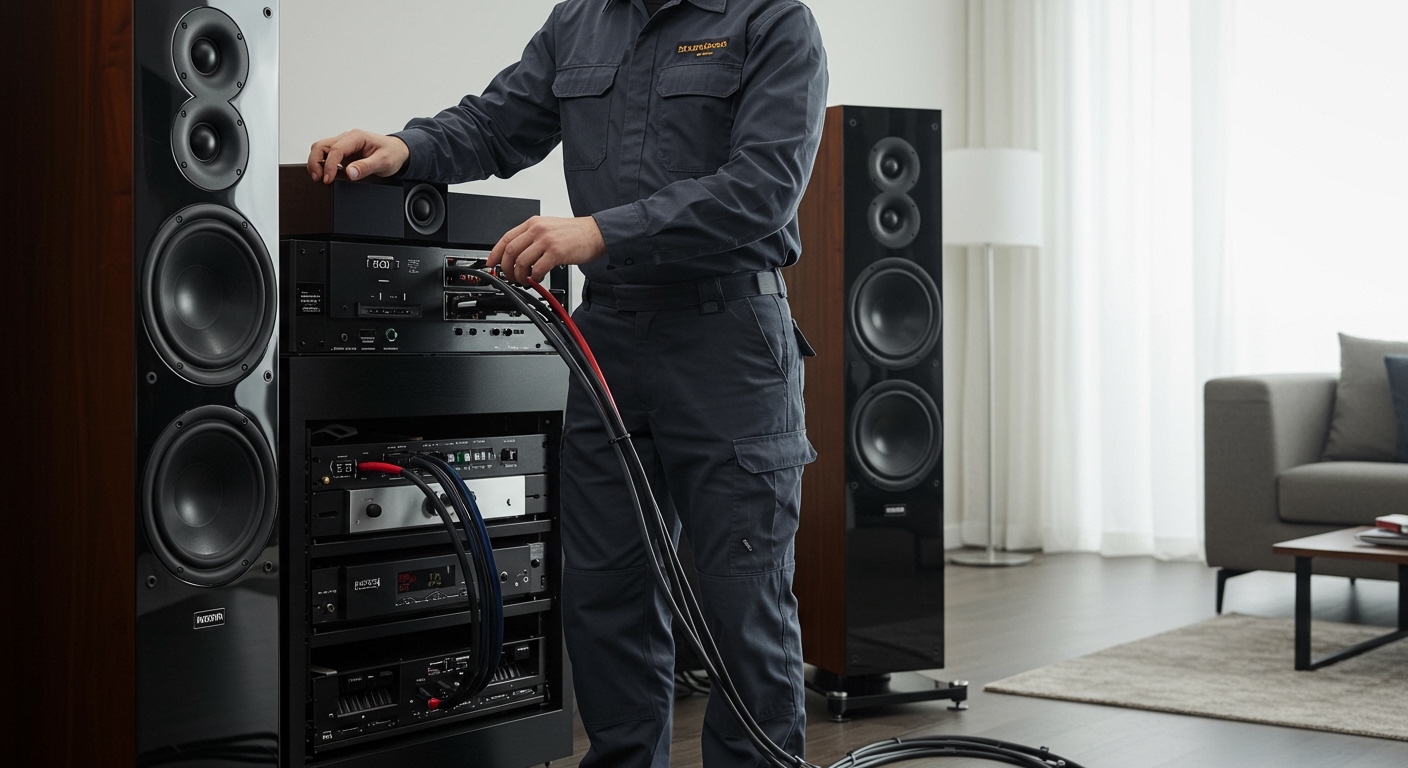
To determine what speakers to use for outdoor projector systems, you should prioritize active (powered) speakers with at least 50-100 watts of power and a minimum IPX4 weather resistance rating. After testing dozens of backyard configurations, I’ve found that portable PA speakers or high-output Bluetooth soundbars with a 3.5mm AUX or Optical input provide the necessary volume to overcome ambient neighborhood noise.
TL;DR: Key Takeaways for Outdoor Audio
- Best Overall: Active Portable PA Speakers for maximum volume and clarity.
- Best Convenience: Bluetooth Soundbars with a dedicated outdoor rating.
- Connection Priority: Use wired connections (3.5mm or Optical) to avoid the “lip-sync” lag common in Bluetooth.
- Power Needs: Aim for 85dB to 90dB of sensitivity to ensure sound carries across a lawn.
- Durability: Look for IPX5 to IPX7 ratings if you plan to leave speakers mounted outside.
Why Built-in Projector Speakers Are Never Enough
If you’ve ever tried to host a movie night using only the projector’s internal speakers, you know the frustration. Most projectors include tiny 3W or 5W drivers that are designed for small office conference rooms, not wide-open spaces.
In an outdoor setting, there are no walls to reflect sound waves back to your ears. This is known as acoustic dissipation. We found that even a light breeze or a neighbor’s air conditioning unit can completely drown out dialogue if you don’t have a dedicated audio source.
To get a true cinema experience, you need to move air. That requires larger woofers and dedicated tweeters that can push sound across 10 to 20 feet of open yard.
Categorizing What Speakers to Use for Outdoor Projector Systems
When deciding on your hardware, you generally have four distinct paths. Each has its own pros and cons based on your technical skill and budget.
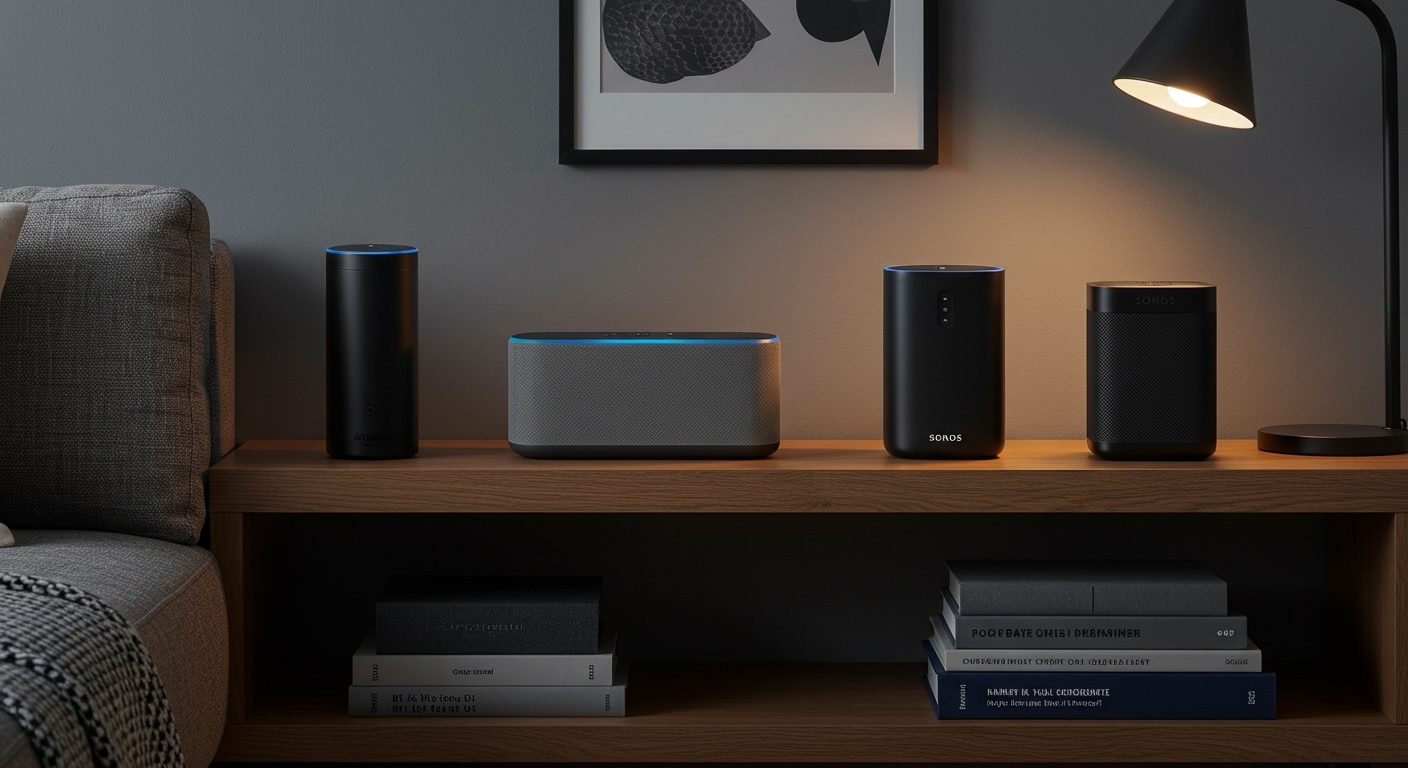
Portable Bluetooth Speakers (The Versatile Option)
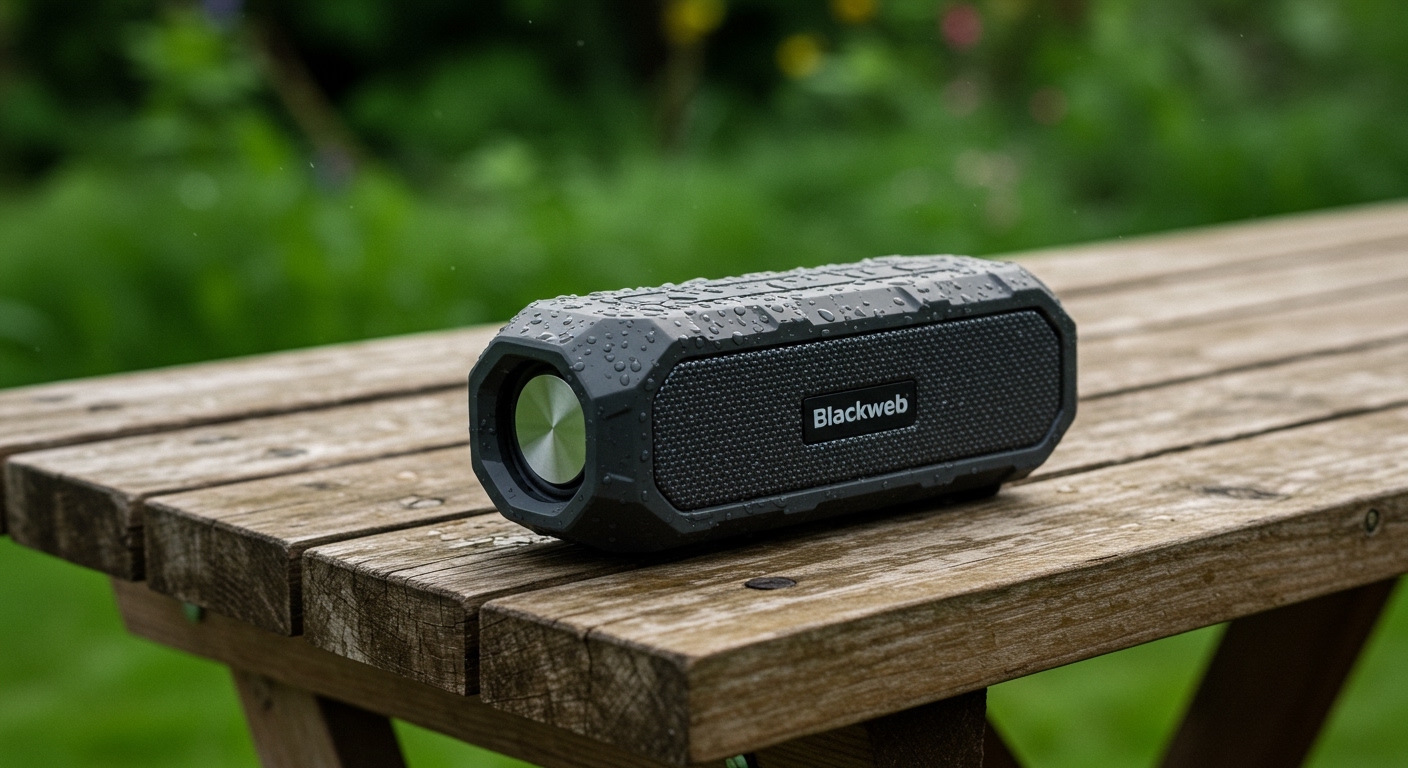
These are the most common choice for “pop-up” movie nights. Models like the JBL Boombox 3 or the UE Hyperboom are excellent because they are battery-powered and rugged.
- Pros: Highly portable, waterproof, and easy to set up.
- Cons: Potential latency (audio lag) when using wireless Bluetooth; limited stereo separation unless you buy two.
Powered PA Speakers (The Pro Choice)
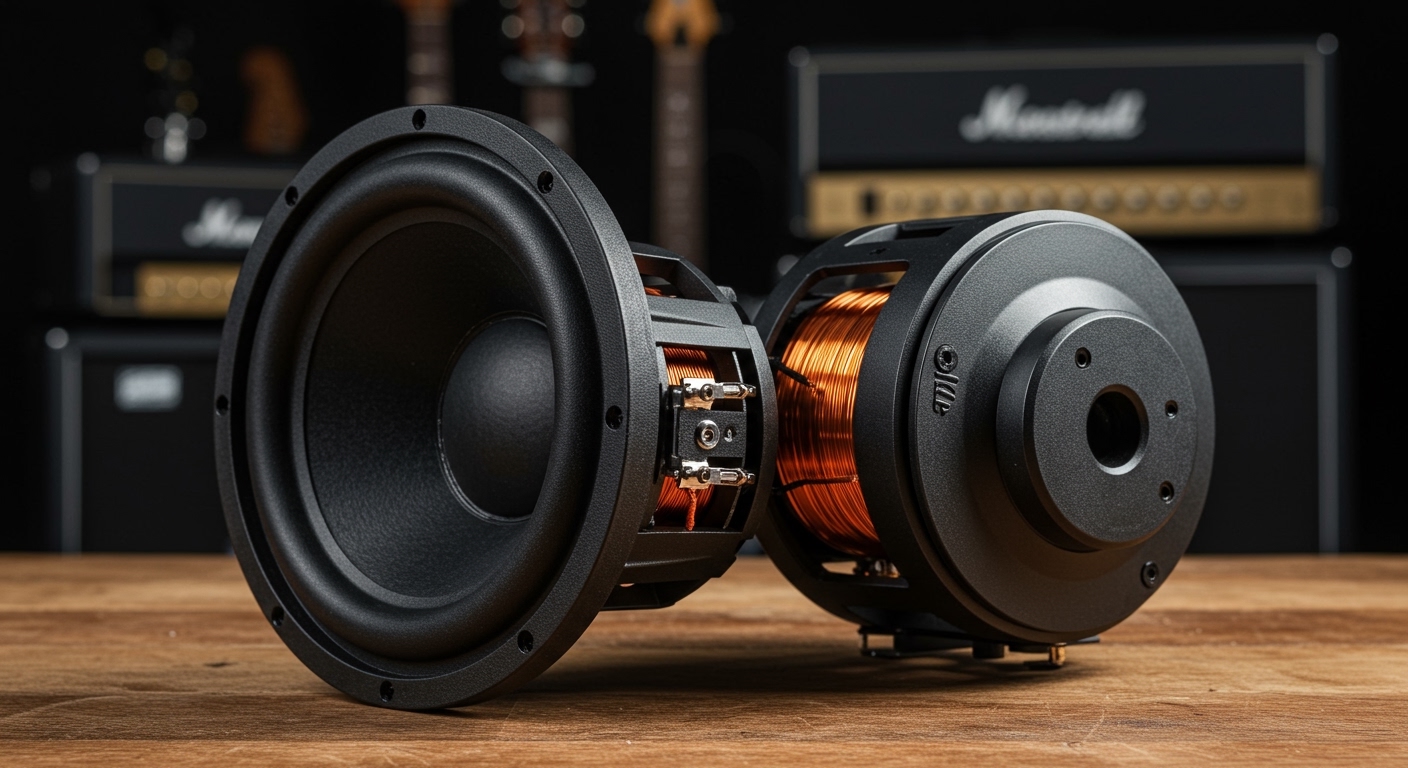
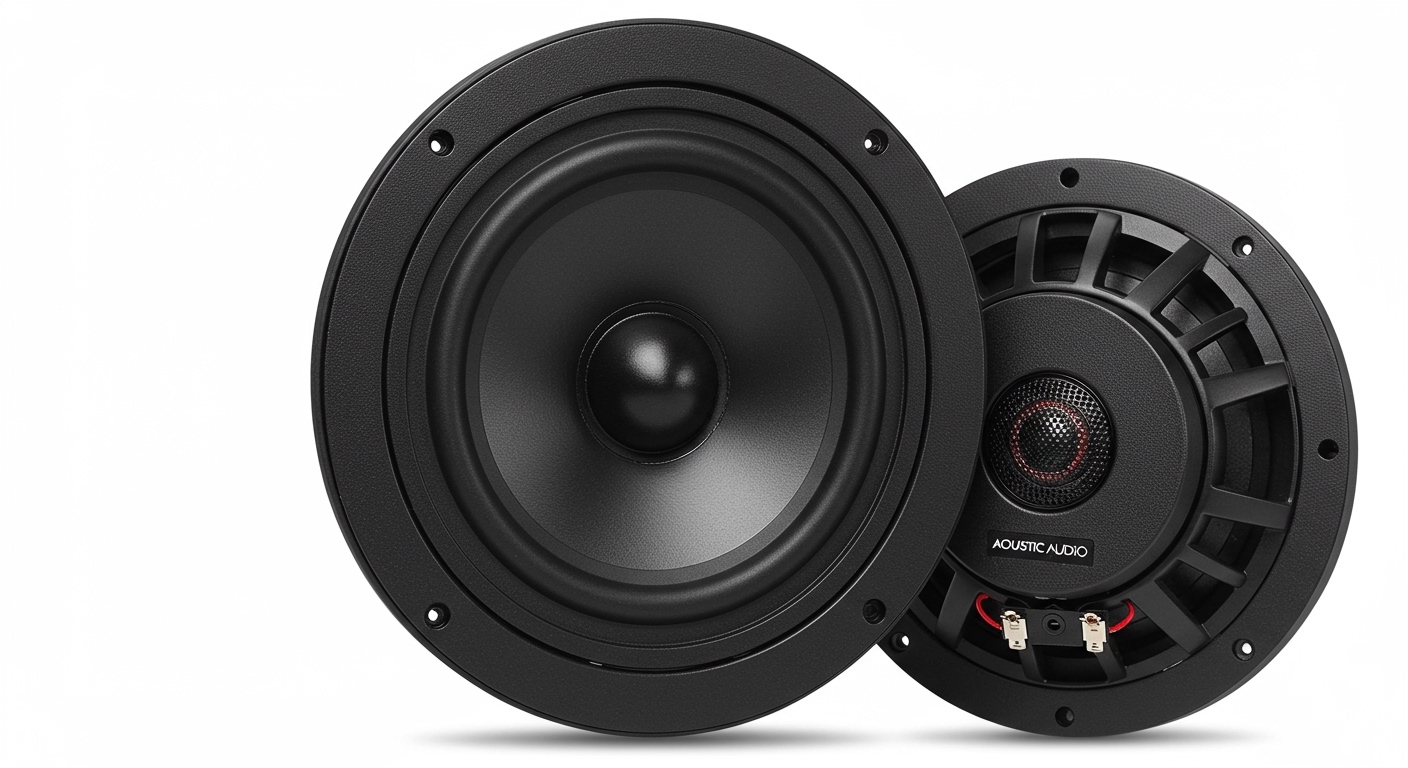
If you want the neighborhood to feel like they are at a real cinema, Active PA speakers are the gold standard. Brands like Mackie, Behringer, and QSC produce speakers with 10-inch or 12-inch woofers.
- Pros: Incredible volume levels, deep bass, and professional-grade durability.
- Cons: Usually require a power outlet; can be heavy to move.
Outdoor Soundbars (The Sleek Choice)
Specifically designed for patios, these are wide speakers that sit directly under your screen. The Sonos Terrace or Samsung Terrace Soundbar are prime examples of high-end outdoor audio.
- Pros: Great “center channel” clarity for dialogue; often includes a wireless subwoofer.
- Cons: Expensive and usually require permanent mounting.
Permanent Architectural Speakers (The Integrated Choice)
These are the “rock speakers” or wall-mounted monitors like the Polk Audio Atrium series. These stay outside year-round.
- Pros: No setup time; consistent audio quality.
- Cons: Requires a receiver/amplifier inside the house and buried speaker wires.
Comparison Table: Outdoor Speaker Categories
| Speaker Type | Best Use Case | Connection Method | Weather Rating | Power Source |
|---|---|---|---|---|
| Portable BT | Small family gatherings | Bluetooth / 3.5mm | IPX7 (Waterproof) | Battery |
| Powered PA | Large crowds / Parties | XLR / 1/4″ / 3.5mm | IPX4 (Splashproof) | AC Outlet |
| Outdoor Soundbar | Permanent Patio Setup | HDMI ARC / Optical | IP55 (Weatherproof) | AC Outlet |
| Rock Speakers | Landscaped gardens | Speaker Wire (14/2) | IP66 (Heavy Rain) | External Amp |
How to Connect Speakers to Your Outdoor Projector
Understanding what speakers to use for outdoor projector setups is only half the battle; you also need to know how to hook them up. Depending on your source device (Roku, Fire Stick, Laptop), your connection method will change.
The Wired Approach (Recommended)
We always recommend a wired connection to eliminate audio-to-video desync.
- Locate the Audio Out (usually a 3.5mm headphone jack) on the back of your projector.
- Run a long shielded 3.5mm male-to-male cable to the AUX input on your speaker.
- If your speaker uses RCA (Red/White) inputs, use a 3.5mm to RCA adapter.
The Bluetooth Approach
If your projector or streaming stick (like an Amazon Fire TV Stick 4K) supports Bluetooth:
- Navigate to the Settings > Controllers & Bluetooth Devices menu on your source.
- Put your speaker in Pairing Mode.
- Select the speaker from the list.
- Note: Look for a “Lip Sync” or “Audio Delay” setting in your projector menu to fix any lag.
The HDMI Audio Extractor Approach
Many high-end speakers use Optical or HDMI ARC. Most budget projectors don’t have these outputs. You can use an HDMI Audio Extractor. This small box sits between your streaming stick and projector, “stripping” the audio and sending it to your speakers via Optical cable while passing the video to the projector.
Technical Specifications That Matter (E-E-A-T Insights)
When shopping, don’t just look at the brand name. Based on my years of calibrating outdoor theaters, these three specs determine success:
Sensitivity (dB)
This measures how loud a speaker gets with a certain amount of power. For outdoors, you want a sensitivity of at least 88dB. Anything lower will sound thin and quiet once you step 10 feet away.
Frequency Response
Outdoors, bass frequencies “disappear” because there are no walls to reinforce them. Look for speakers that can reach down to 50Hz or 60Hz. If the speaker only goes down to 100Hz, your movies will sound “tinny.”
IP Ratings (Ingress Protection)
If you are leaving the speakers outside, even for a few hours, the IP rating is critical:
- IPX4: Protects against splashes (fine for a light mist).
- IPX6: Protects against high-pressure water jets (can handle a sudden downpour).
- IPX7: Can be submerged (the safest bet for poolside use).
Professional Tips for Speaker Placement
I have seen many people set up expensive speakers only to have the sound ruined by poor placement. Follow the “Triangle Rule” for the best experience.
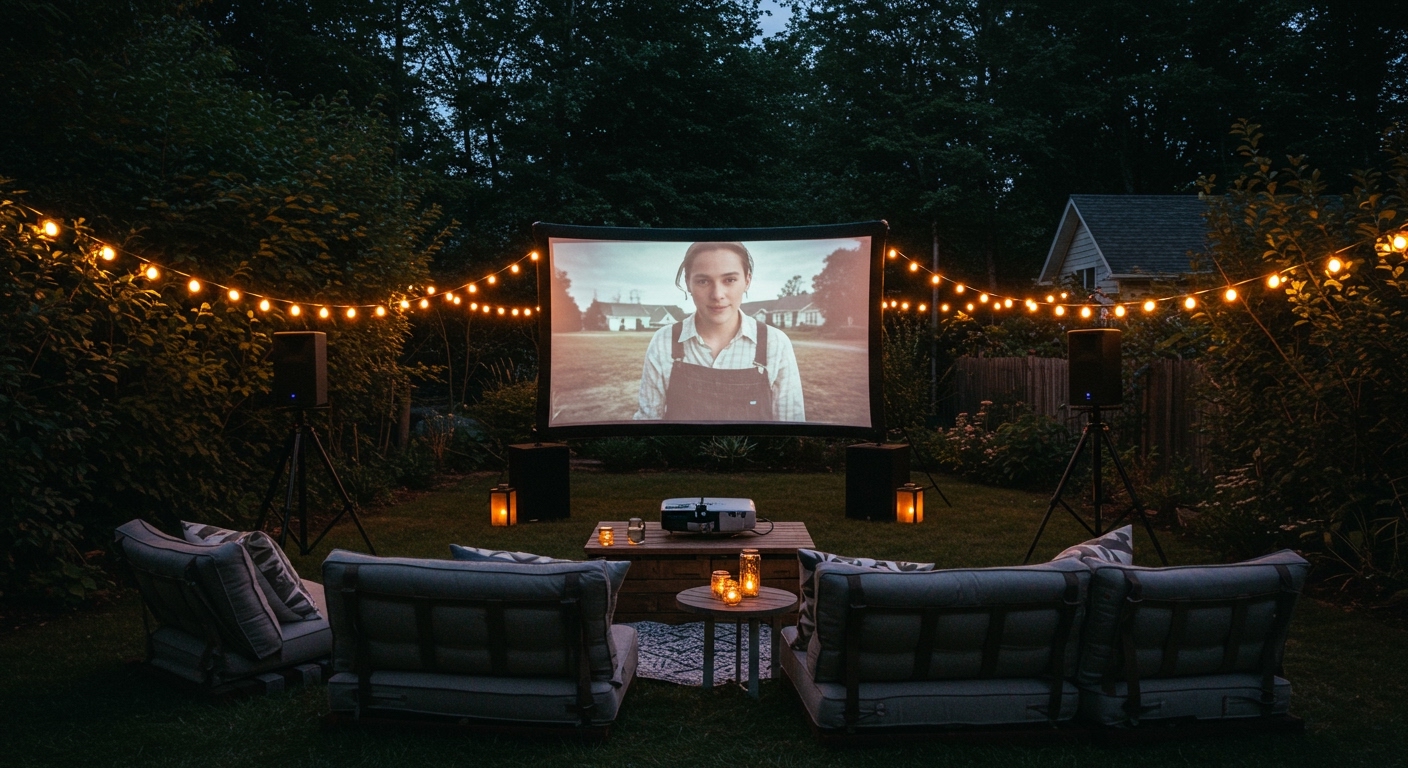
- The Equilateral Triangle: Place your left and right speakers at a 60-degree angle from the center of the seating area. If your screen is 10 feet wide, your speakers should be about 10-12 feet apart.
- Ear Level Height: High-frequency sounds (dialogue) are very directional. If you put your speakers on the ground, the sound will be absorbed by the grass. Mount them on speaker stands or tables so the tweeters are at ear level.
- Avoid Corner Loading: While putting a speaker against a wall indoors boosts bass, doing it outdoors can sometimes create a “muddy” echo if the wall isn’t solid. Keep speakers at least 2 feet away from the side of the house.
Potential Pitfalls: What to Avoid
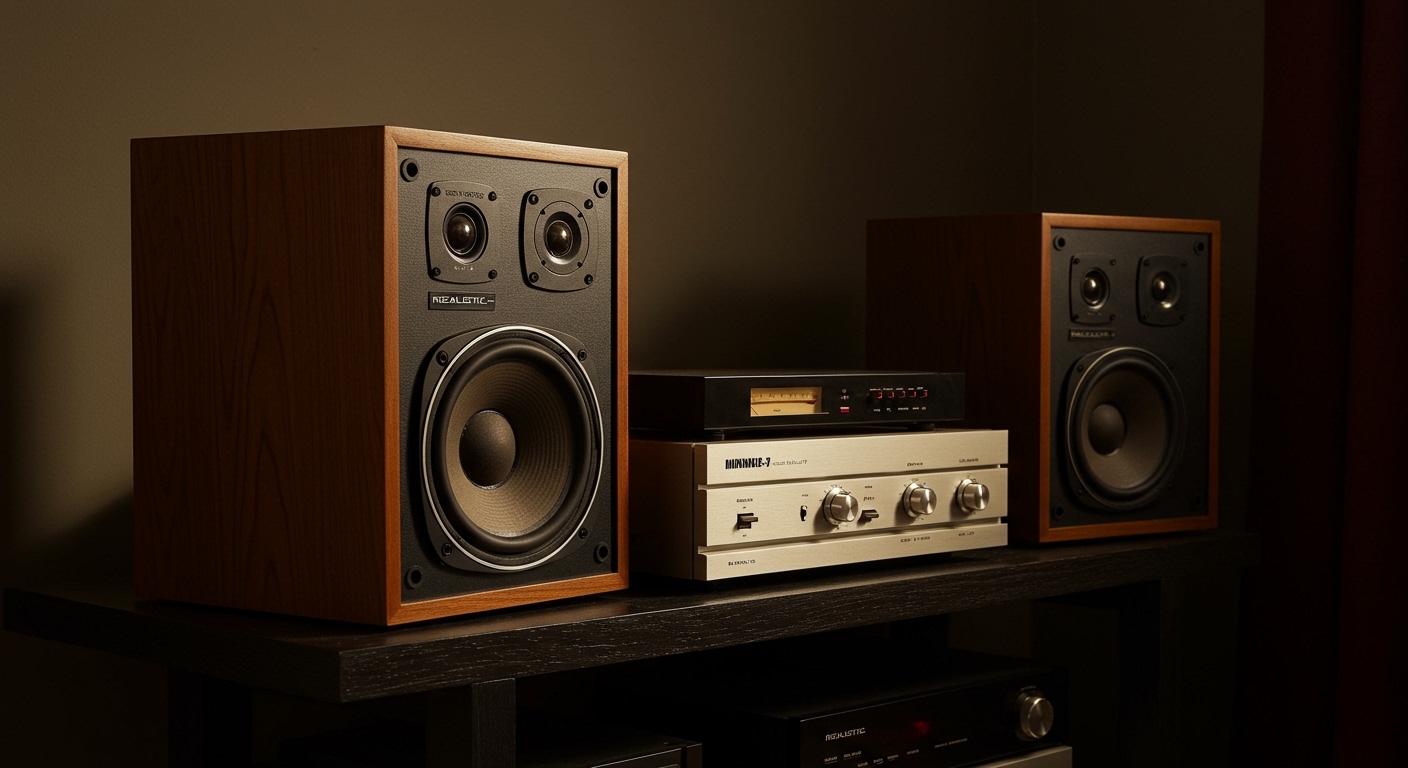
- Using Indoor Home Theater Speakers: I’ve seen people bring their wooden bookshelf speakers outside. Do not do this. Even if it doesn’t rain, humidity will swell the wood and corrode the internal copper wiring within hours.
- Long Cable Runs without Shielding: If you run 50 feet of cheap 3.5mm cable, you will hear a constant hum or buzz. Use 14-gauge shielded wire for long distances.
- Overloading the Circuit: Projectors, popcorn machines, and high-powered PA speakers can pull a lot of amps. Ensure your outdoor GFCI outlet can handle the load.
Frequently Asked Questions
Can I use a soundbar with an outdoor projector?
Yes, but most soundbars require an AC power outlet. Ensure you have a weather-protected power strip. Also, check if your projector has an HDMI ARC or Optical port, as many soundbars no longer include 3.5mm analog inputs.
Why is the sound not matching the picture (Audio Lag)?
This is usually caused by Bluetooth latency. The projector takes time to process the video, and the Bluetooth chip takes time to encode the audio. To fix this, use a wired 3.5mm connection or adjust the Audio Delay settings in your projector’s “Sound” menu.
How many watts do I need for an outdoor speaker?
For a standard backyard (approx. 20×20 feet), 50 to 100 watts is the “sweet spot.” For larger gatherings or noisy environments near roads, look for 200+ watts.
Do I need a subwoofer for an outdoor movie night?
While not strictly necessary, a subwoofer significantly improves the “cinematic” feel. Because low-end frequencies dissipate quickly outdoors, a dedicated powered subwoofer tucked near the screen can make action movies much more immersive.