What to do With Old Bluetooth Speakers: 10 Creative and Practical Ways to Repurpose Your Tech
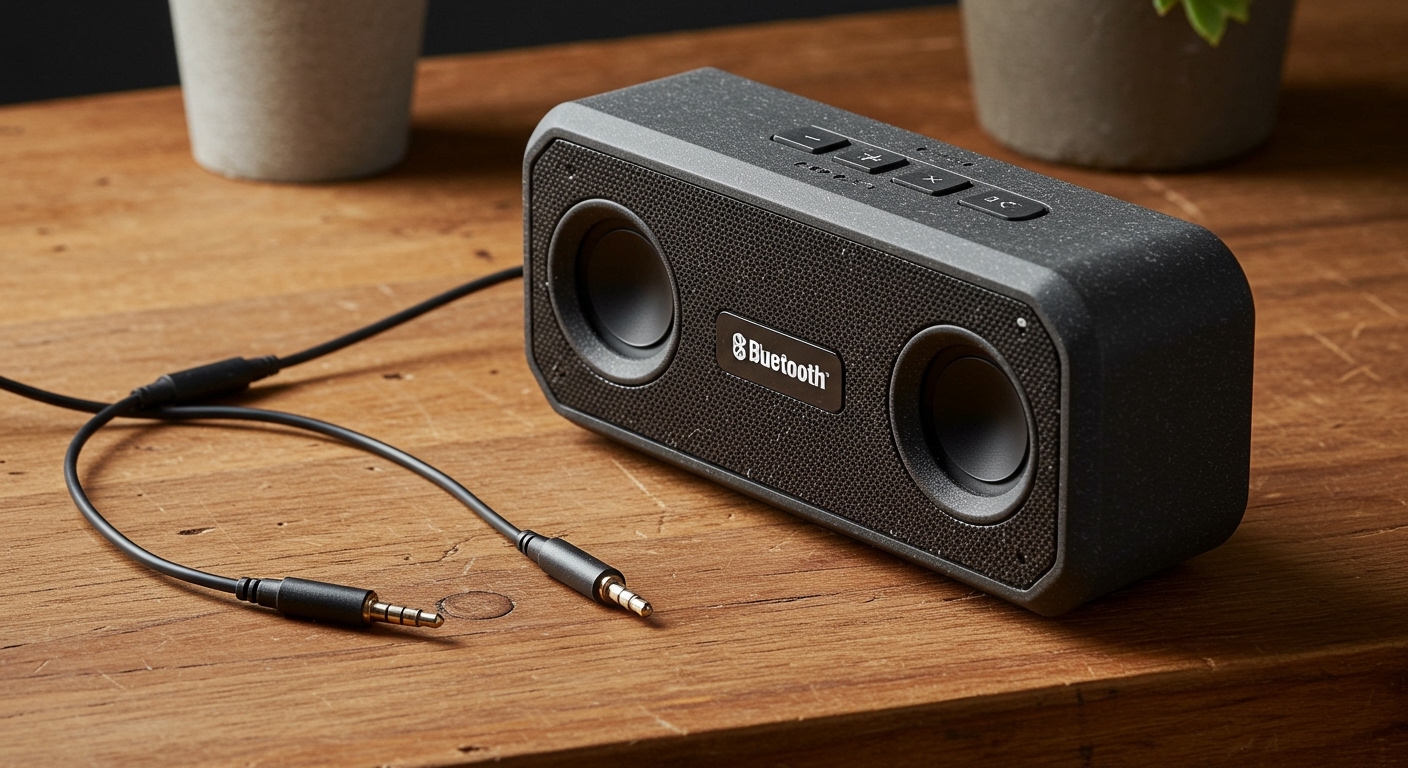
If you have a drawer full of tech, you are likely wondering what to do with old bluetooth speakers that no longer hold a charge or have been replaced by newer models. You can give your old speakers a second life by turning them into dedicated white noise machines, hard-wired PC speakers, or even smart home extensions using a cheap streaming puck. Instead of letting these devices become e-waste, you can leverage their existing drivers and housing for specialized audio tasks around your home.
Quick Summary: Your Best Options for Old Speakers
- Dedicated Audio Nodes: Use them for white noise in nurseries or as a garage radio.
- Hard-Wire Conversion: Bypass failing batteries by using the 3.5mm AUX input for a permanent desktop setup.
- Smart Home Upgrade: Plug in an Amazon Echo Input or Google Nest Mini to make the speaker “smart.”
- Safe Disposal: Recycle through certified programs like Best Buy or Call2Recycle to handle Lithium-ion batteries safely.
- Educational Teardown: Use them as a STEM project to teach kids about circuitry and acoustics.
Why You Shouldn’t Throw Away Old Bluetooth Speakers
In my years of testing audio gear, I’ve found that even a “broken” speaker usually has one component that still works perfectly: the driver (the part that actually makes sound). Usually, it is the Lithium-polymer battery that fails first, not the audio hardware itself.
According to the Global E-waste Monitor, humans generate over 50 million metric tons of electronic waste annually. By learning what to do with old bluetooth speakers, you are actively reducing your carbon footprint. Furthermore, many older speakers (like the original Jambox or early Bose SoundLinks) have high-quality magnets and cones that actually sound better than modern budget equivalents.
Top 5 Practical Repurposing Projects
The Dedicated White Noise Machine**
Many of us use our phones for sleep sounds, but this drains your phone’s battery and exposes you to blue light. I’ve repurposed several old Bluetooth speakers as permanent bedside white noise machines.
The Setup:
- Keep the speaker permanently plugged into a Micro-USB or USB-C power source.
- Connect an old tablet or an ultra-cheap smartphone that stays in “Airplane Mode.”
- Load a looping track of rain, fans, or static.
- This saves your primary phone’s battery life and provides a consistent sleep environment.
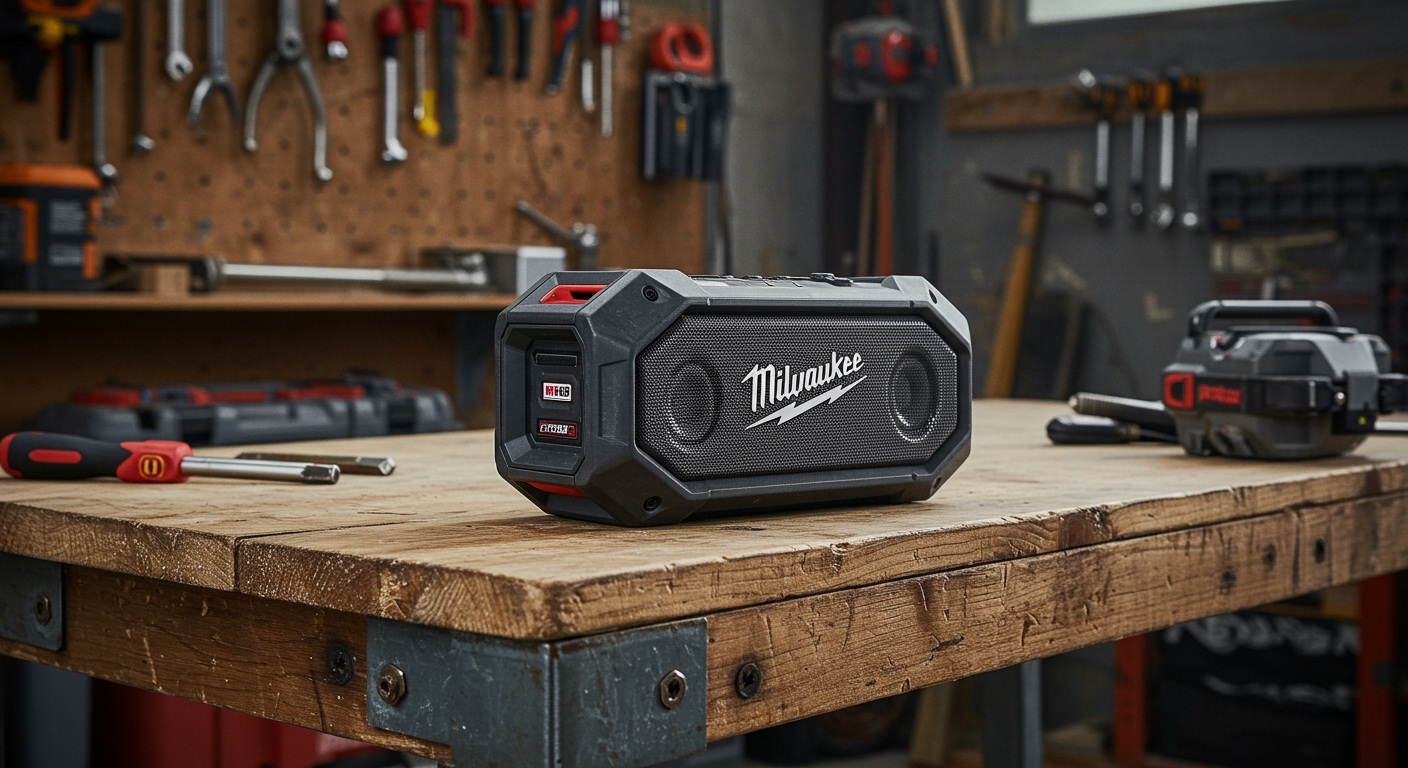
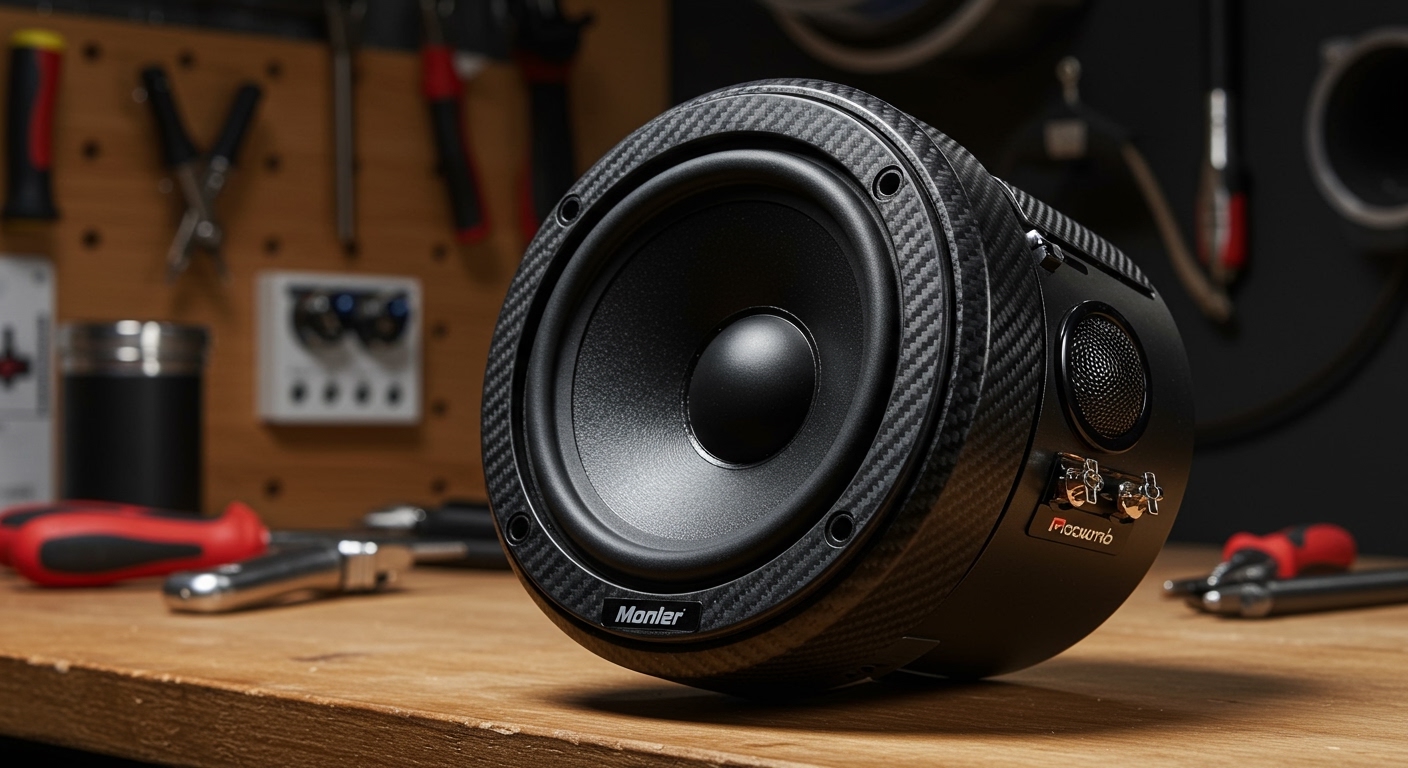
Create a “Garage or Workshop” Radio**
Garages are dusty and harsh environments. I never recommend bringing your new Sonos or JBL Flip 6 into a woodshop. Instead, take that old speaker you don’t care about scuffing.
Pro Tip: If the Bluetooth connection is spotty due to older Bluetooth 2.1 or 3.0 protocols, use a physical 3.5mm AUX cable. This eliminates “dropouts” caused by power tools or interference from other devices in your workshop.
Converting to Wired PC Speakers**
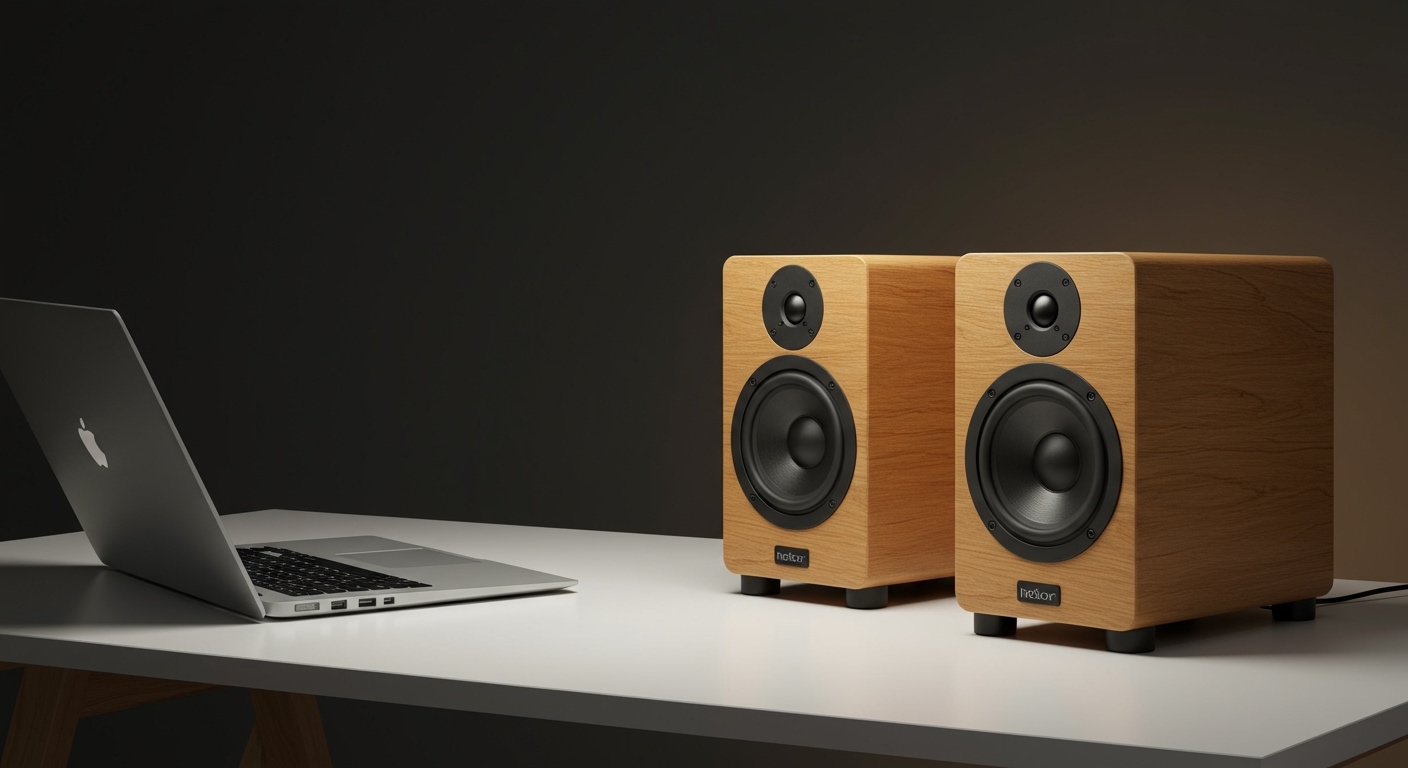
If your laptop’s internal speakers are tinny, an old Bluetooth speaker can serve as a significant upgrade. Even if the battery is completely dead, most speakers will function perfectly if left on the charger.
Instructions:
- Check if your speaker has an AUX-In port.
- Connect it to your PC’s headphone jack.
- In your Windows or macOS sound settings, set the output to “Headphones.”
- You now have a high-fidelity mono or stereo (if using two) speaker setup for zero cost.
The “Guest Room” Audio Hub**
Give your guests a way to listen to music without them having to struggle with your complex multi-room audio system or Wi-Fi passwords. I like to leave an old speaker on the guest nightstand with a simple “How-to” card. It’s a thoughtful touch that puts old tech to work.
Boosting Your Smart Voice Assistant**
Older Amazon Echo Dots (2nd and 3rd Gen) have notoriously weak internal speakers. However, they have a 3.5mm Line Out. You can tether your old Bluetooth speaker to an Echo Dot via a cable. This turns a mediocre-sounding smart assistant into a robust audio system for your kitchen or home office.
Technical Revitalization: How to Fix Common Issues
Before you decide what to do with old bluetooth speakers, you might want to see if they can be repaired. In my experience, 90% of “broken” speakers suffer from one of three issues.
Common Problems and Solutions Table
| Issue | Likely Cause | DIY Fix Difficulty | Recommended Action |
|---|---|---|---|
| Short Battery Life | Degraded Lithium-ion cells | Moderate | Purchase a replacement battery on iFixit or eBay. |
| Crackling Sound | Torn diaphragm or dust | Easy | Clean the grille with compressed air; use rubber cement for small tears. |
| Won’t Charge | Broken Micro-USB port | Hard | Requires soldering a new port or using a universal charging board. |
| Bluetooth Dropping | Interference / Old Firmware | Easy | Perform a Factory Reset (usually holding Power + Vol Up). |
How to Bypass a Dead Battery
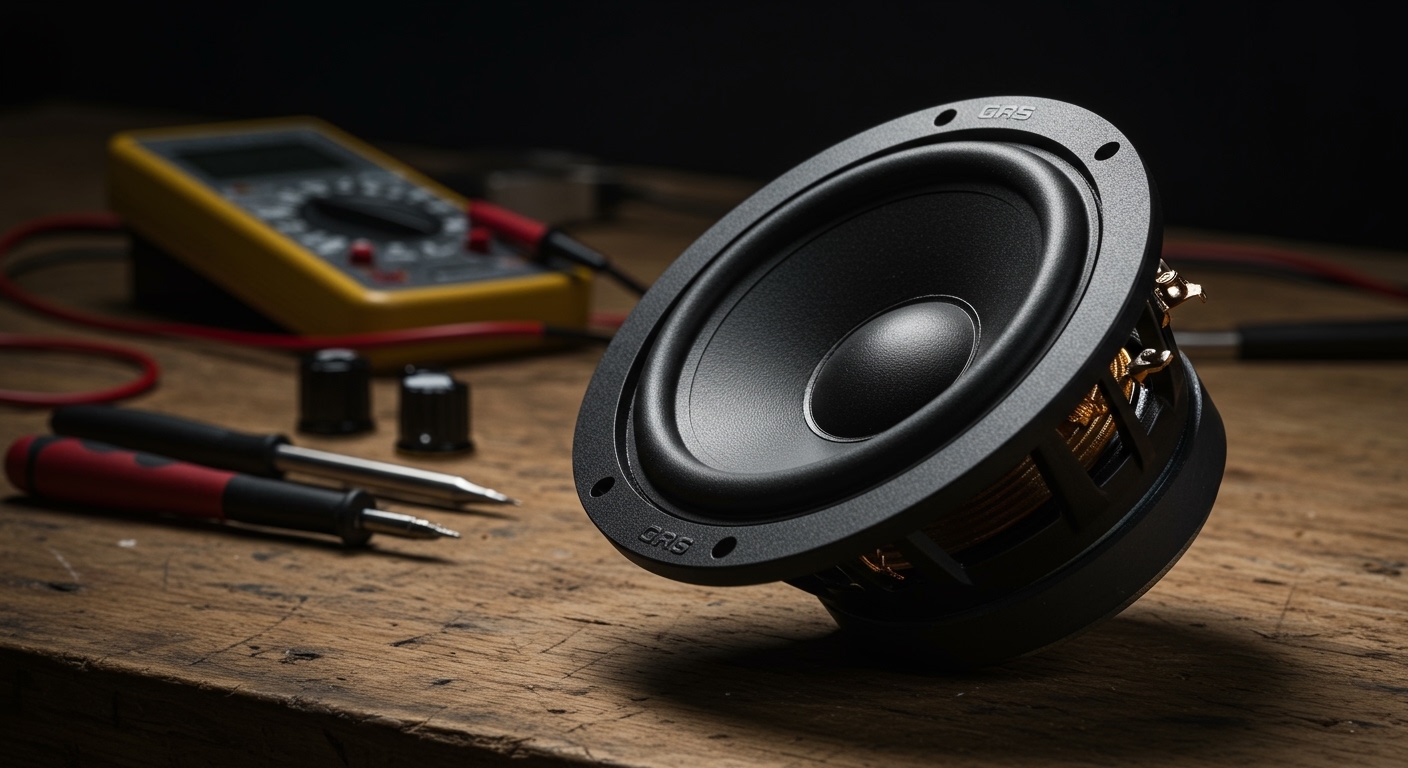
If your speaker won’t turn on even when plugged in, the battery might be “open-circuit.” For those with basic DIY skills, you can often open the casing, snip the battery wires (carefully!), and solder the leads directly to the DC input. This converts the device into a “plug-in only” speaker, preventing it from ending up in a landfill.
Creative Upcycling: Thinking Outside the Box
If the electronics are truly fried, you can still use the physical components. Here is what to do with old bluetooth speakers when they no longer make sound:
The “Hidden Safe” Project
Larger “Boombox” style Bluetooth speakers have significant internal cavities. By removing the heavy magnets and circuit boards, you can create a “diversion safe.” It’s a perfect place to hide emergency cash or keys in plain sight. Thieves rarely look for valuables inside a dusty, old speaker.
Bookends for Music Lovers
If you have two identical old speakers (like the older Anker Soundcore models), they make excellent, heavy bookends for a vinyl record collection or a bookshelf. Their rubberized bottoms prevent them from sliding, and they add a “tech-chic” aesthetic to your room.
The Environmental Angle: Responsible Recycling
If you’ve decided you truly have no use for the device, do not put it in the trash. Lithium-ion batteries are a leading cause of fires in garbage trucks and processing centers.
Where to Recycle Old Bluetooth Speakers
- Best Buy: They have kiosks at the front of every store that accept most small electronics for free.
- Staples: Offers a robust recycling program and often gives “Easy Rewards” points for tech trade-ins.
- Call2Recycle: A non-profit that specializes in battery and cellphone recycling. Use their website to find a local drop-off point.
- Manufacturer Take-Back: Companies like Apple, Sony, and Logitech often offer mail-in programs, sometimes providing a discount code for your next purchase.
Step-by-Step Guide: How to Properly Prepare a Speaker for Donation
If the speaker still works and you want to donate it to a thrift store or a school, follow these steps to ensure your data and “identity” are removed.
- Unpair all Devices: Go into your phone’s Bluetooth settings and “Forget” the device.
- Factory Reset: Look up the manual for your specific model. Most require holding the Bluetooth button and Power button simultaneously for 10 seconds. This clears the internal cache of previously connected device names.
- Clean the Exterior: Use 70% Isopropyl Alcohol on a microfiber cloth. Do not spray directly into the mesh; wipe the casing to remove oils and skin cells.
- Include the Cable: If you have the original charging cable, tape it to the speaker. This significantly increases the chances of it being reused rather than thrown away by the charity.
Frequently Asked Questions
Can I use an old Bluetooth speaker as a microphone for my PC?
Most Bluetooth speakers have built-in microphones for speakerphone calls. When connected to a PC via Bluetooth, you can select it as an “Input Device” in your sound settings. However, the quality is usually lower than a dedicated mic.
Is it safe to leave an old Bluetooth speaker plugged in 24/7?
If the battery is old, it can swell (the “spicy pillow” effect). If you plan to leave it plugged in permanently, monitor it for a few days to ensure it doesn’t get excessively hot. If the casing starts to bulge, unplug it immediately and recycle it.
What is the most eco-friendly way to get rid of a speaker?
The most eco-friendly way is reuse. Giving it to a friend or using it for a secondary purpose (like a garage radio) is better than recycling, as recycling still requires significant energy to break down materials.
Can I link two different brands of old Bluetooth speakers together?
Typically, no. Most brand-specific “Sync” features (like JBL PartyBoost or Sony Party Connect) only work within the same ecosystem. However, you can use a 3.5mm Y-Splitter cable from your audio source to play the same music through two different speakers simultaneously.
Can I use an old Bluetooth speaker with a record player?
Yes, provided your record player has a built-in preamp or you have an external one. Simply run an RCA to 3.5mm cable from the turntable to the speaker’s AUX-In port. This is a great way to start a vinyl hobby on a budget.