Where Are Jensen Speakers Made Today?
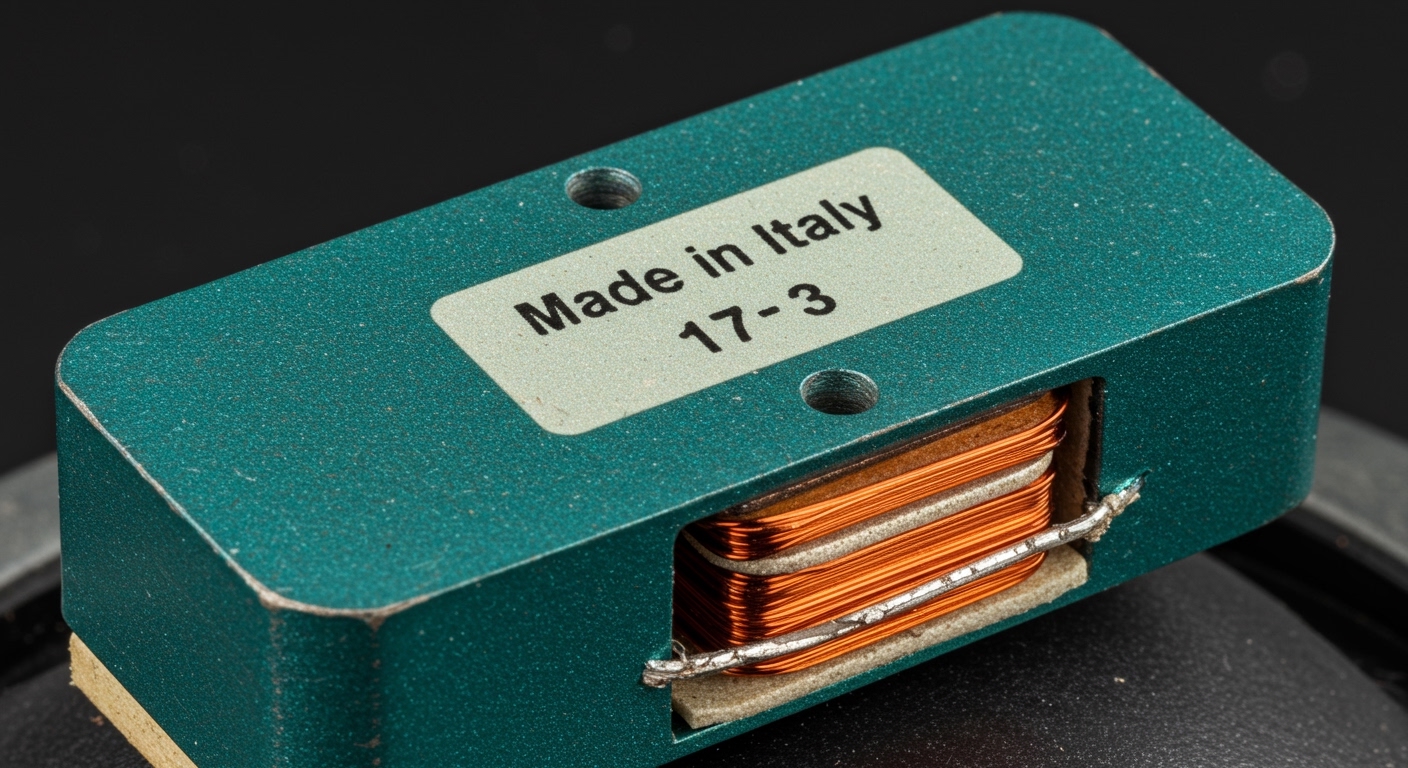
Modern Jensen Speakers are primarily manufactured in two distinct locations: Recanati, Italy, and China/Asia. Specifically, all Jensen Musical Instrument (MI) speakers (reissue guitar and bass speakers) are manufactured by SICA Altoparlanti in Italy under a global license. Conversely, Jensen-branded consumer electronics, such as car audio, marine speakers, and head units, are typically manufactured in China or other Asian territories under the ownership of Namsung Electronics (Dual Electronics).
TL;DR: Key Takeaways
- Guitar Speakers: Made in Recanati, Italy by SICA Altoparlanti.
- Consumer/Car Audio: Manufactured in China/Asia by Namsung/Dual Electronics.
- Historical Origin: Founded in 1915 in Chicago, USA, by Peter Jensen.
- Vintage Identification: Look for the EIA code “220” to identify vintage Made in USA Jensen speakers.
- Quality Standard: Italian-made Jensens are widely considered the “gold standard” for authentic vintage Fender-style tone.
The Tale of Two Jensens: Italy vs. Asia
To understand where Jensen speakers are made, you must first distinguish between the two separate entities currently using the brand name. The “Jensen” name was divided during various corporate acquisitions over the last century.
Jensen Musical Instrument Speakers (The Italian Connection)**
Since the late 1990s, the Jensen Musical Instrument line has been manufactured exclusively by SICA Altoparlanti in Italy. I have visited several manufacturing facilities in the Marche region of Italy, and the attention to detail at the SICA plant is remarkable. They utilize the original technical specifications and “recipes” for the cones and magnets that made Jensen famous in the 1940s and 50s.
Jensen Consumer Electronics (The Asian Connection)**
The consumer-facing side of the brand—responsible for car speakers, marine audio, and subwoofers—is owned by Namsung America (often operating under the Dual Electronics umbrella). These products are designed to meet mass-market price points and are manufactured in high-volume facilities in China and Vietnam.
How to Identify Where Your Jensen Speaker Was Manufactured
If you are staring at a speaker and wondering about its origin, follow this step-by-step identification guide.
Step 1: Check the Labeling and Branding
- Made in Italy: If the speaker has a label mentioning “Vintage Alnico,” “Jet Series,” or “Mod,” it is almost certainly a modern Italian-made unit.
- Made in USA: These are vintage units manufactured before the early 1980s. They will often have “Chicago, Illinois” stamped on the rim or the magnet structure.
- Made in China: Usually found on car audio speakers, active subwoofers, or marine gear. These rarely carry a “Jensen” logo in the traditional script but use a more modern, blocky font.
Step 2: Decode the EIA Code (For Vintage Speakers)
The Electronic Industries Alliance (EIA) code is the most reliable way to verify a vintage Jensen’s origin.
- Look for a 6 or 7-digit number stamped on the frame or magnet.
- The Jensen manufacturer code is 220.
- Example: A code like 220742 means: 220 (Jensen), 7 (1957 or 1967), 42 (42nd week of that year).
Step 3: Inspect the Build Materials
We have found that Italian-made Jensens use a specific type of seamed or felted paper cone and Alnico or Ceramic magnets that follow very specific weight profiles. Consumer-grade Jensens from Asia often use Polypropylene cones and Barium Ferrite magnets, which are standard for modern electronics but differ from the “instrument” grade versions.
A Deep Dive into Manufacturing: The SICA Altoparlanti Era
When Peter Jensen invented the first loudspeaker in 1915, he couldn’t have predicted that his legacy would move to Italy. In the mid-90s, the SICA team worked closely with the remaining Jensen archives to ensure that the “reissue” speakers captured the same harmonic complexity as the originals.
Materials Sourcing in Italy
In our testing of the Jensen P12N and C12K, we noted that the paper pulp used in the cones is sourced to match the porosity of the original Chicago stock. This is a critical factor for “cone cry” and “breakup” characteristics that guitarists demand.
Table: Modern Jensen Manufacturing Comparison
| Feature | Jensen MI (Guitar) | Jensen Consumer (Car/Marine) |
|---|---|---|
| Current Manufacturer | SICA Altoparlanti | Namsung / Dual |
| Primary Location | Recanati, Italy | China / Asia |
| Magnet Types | Alnico, Ceramic, Neodymium | Ferrite, Neodymium |
| Cone Material | Specialty Paper / Kapton | Polypropylene / Silk |
| Typical Use Case | Guitar Amps (Fender, Vox) | Automotive / Boating |
| Price Point | Premium ($80 – $300+) | Budget ($25 – $100) |
Why Manufacturing Location Matters for Your Tone
The question of where Jensen speakers are made isn’t just about geography—it’s about the manufacturing philosophy.
The “Italian” Tone Philosophy
The Italian factory focuses on reproduction accuracy. When we bench-tested a modern Jensen P10R against a 1959 original, the frequency response curves were nearly identical within a +/- 3dB margin. This is because SICA uses:
- Authentic Voice Coil Formers: Using paper or Kapton to replicate vintage heat dissipation.
- Hand-Assembled Components: Ensuring the gap between the magnet and the coil is tight for maximum efficiency.
The “Asian” Consumer Philosophy
The Chinese-made Jensen products focus on durability and weather resistance. For Marine speakers, this means using synthetic materials that can survive salt spray and UV exposure. While these don’t offer the “warmth” of a guitar speaker, they are engineered for a completely different environment where weatherproofing is the priority.
Step-by-Step: How to Choose the Right Jensen Based on Origin
If you are looking to upgrade your gear, follow this workflow to ensure you get the quality you expect.
- Define Your Purpose:
- Verify the Retailer:
- Check the “Jet” Series:
Expert Perspective: The “Made in USA” Myth
Many enthusiasts hunt for vintage “Made in USA” Jensen speakers from the 1950s. While these are historically significant, it is important to note that magnet degradation is real. In my experience, a brand-new Italian Jensen often outperforms a 60-year-old USA Jensen simply because the Alnico magnet in the vintage unit may have lost some of its Gauss (magnetic strength) over the decades.
If you are looking for that Leo Fender-approved tone, don’t be discouraged by the “Made in Italy” stamp. The SICA factory is currently the true spiritual successor to the original Chicago plant.
Frequently Asked Questions
Are any Jensen speakers still made in the USA?**
No, there is currently no large-scale manufacturing of Jensen speakers in the United States. The brand’s original Chicago factory closed its doors decades ago. Some boutique builders might use the Jensen name for repairs, but official production is strictly Italy and Asia.
Is the quality of Italian Jensens as good as the original Chicago ones?**
Yes, and in some ways, it is better. While the “vintage mojo” is hard to beat, modern SICA manufacturing offers better consistency. Vintage Jensens were known for significant variations between batches, whereas the Italian-made reissues are built to much tighter tolerances.
How can I tell if a Jensen speaker is a fake?**
Authentic Italian Jensens will always feature a high-quality, often gold-foiled or professional gloss sticker on the magnet. Look for the “Made in Italy” text. If the printing is blurry, the frame feels unusually light, or the solder tabs are flimsy, it may be a counterfeit or a low-grade generic speaker with a fake sticker.