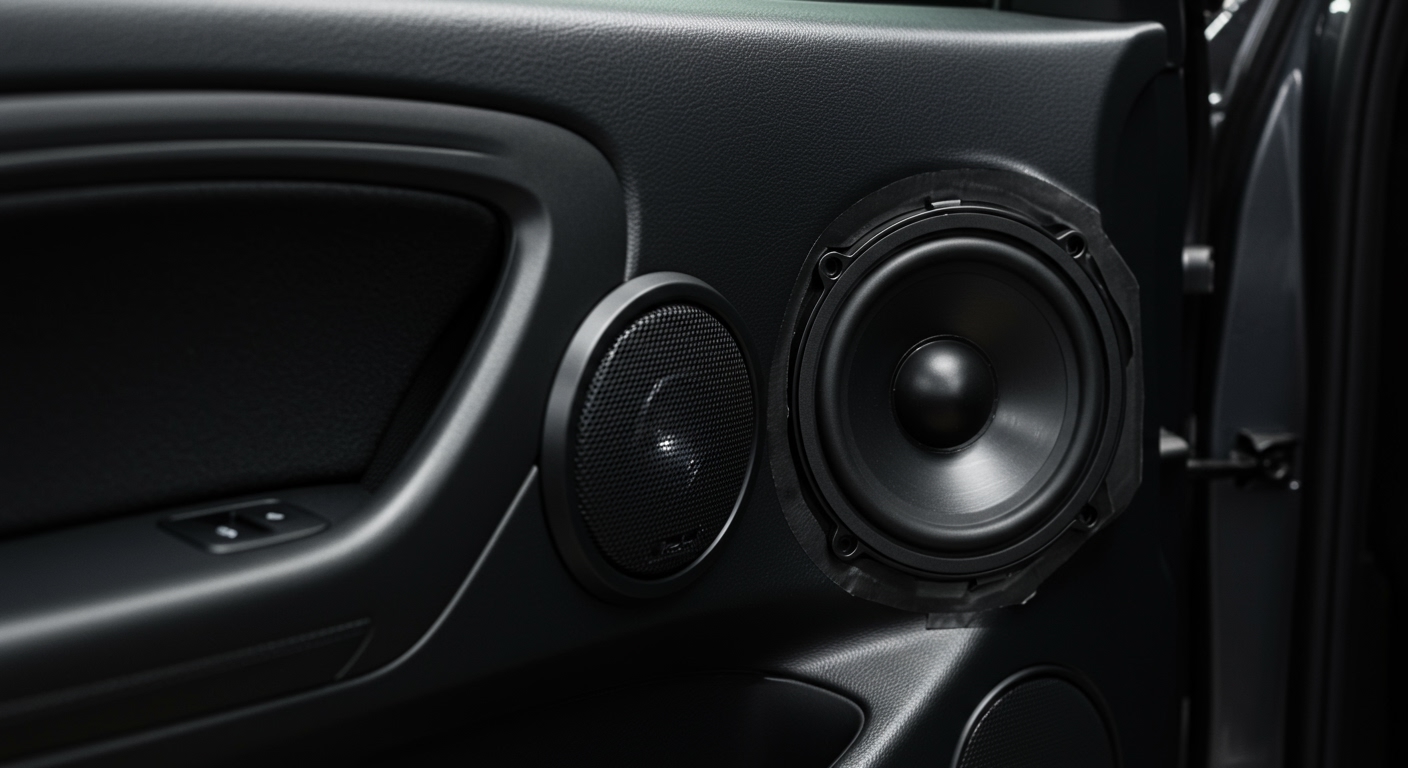
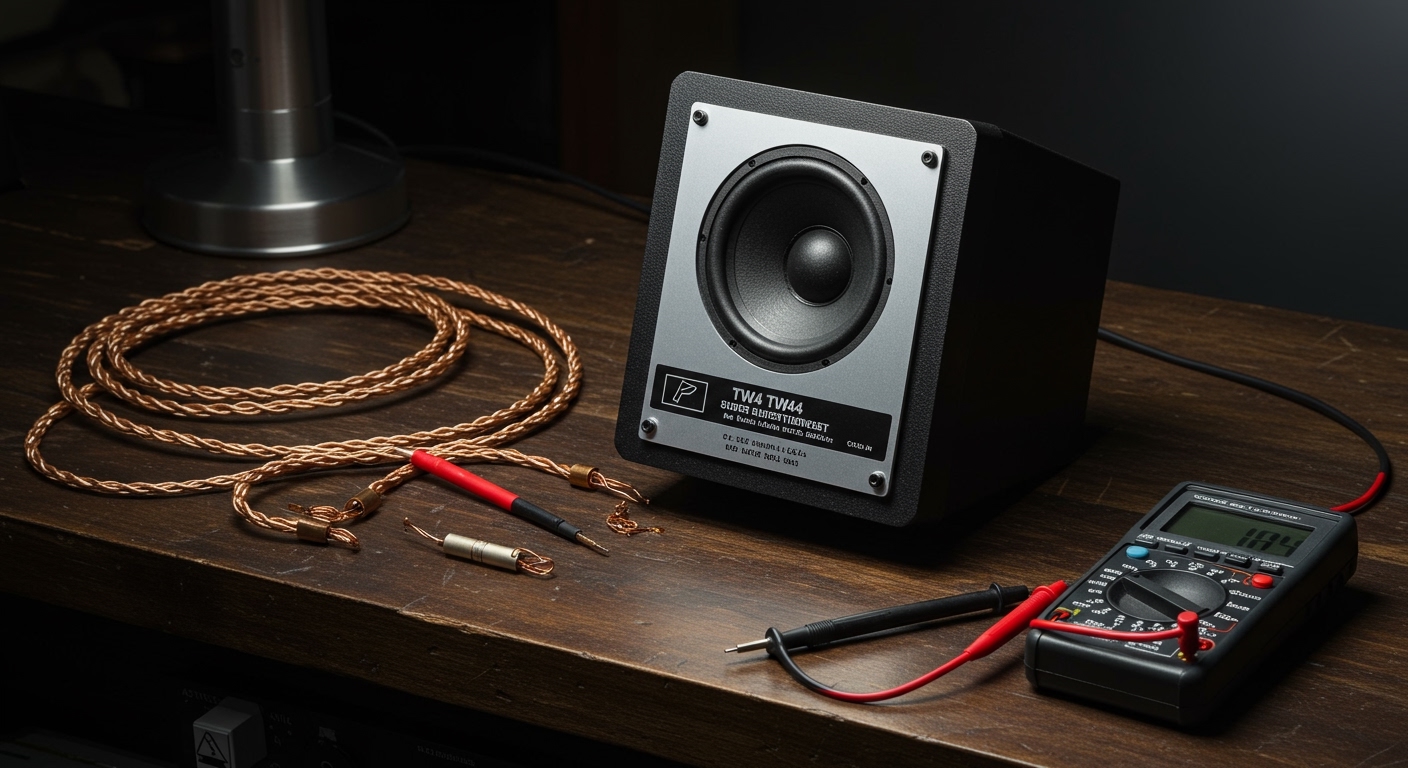
Where are Magnat speakers made?
Magnat speakers are designed, engineered, and extensively tested at the company’s global headquarters in Pulheim, Germany, located just outside of Cologne. While the high-end engineering and acoustic research remain strictly German, the physical manufacturing of most consumer-grade models occurs in specialized facilities in Asia to ensure a balance of premium performance and competitive pricing.
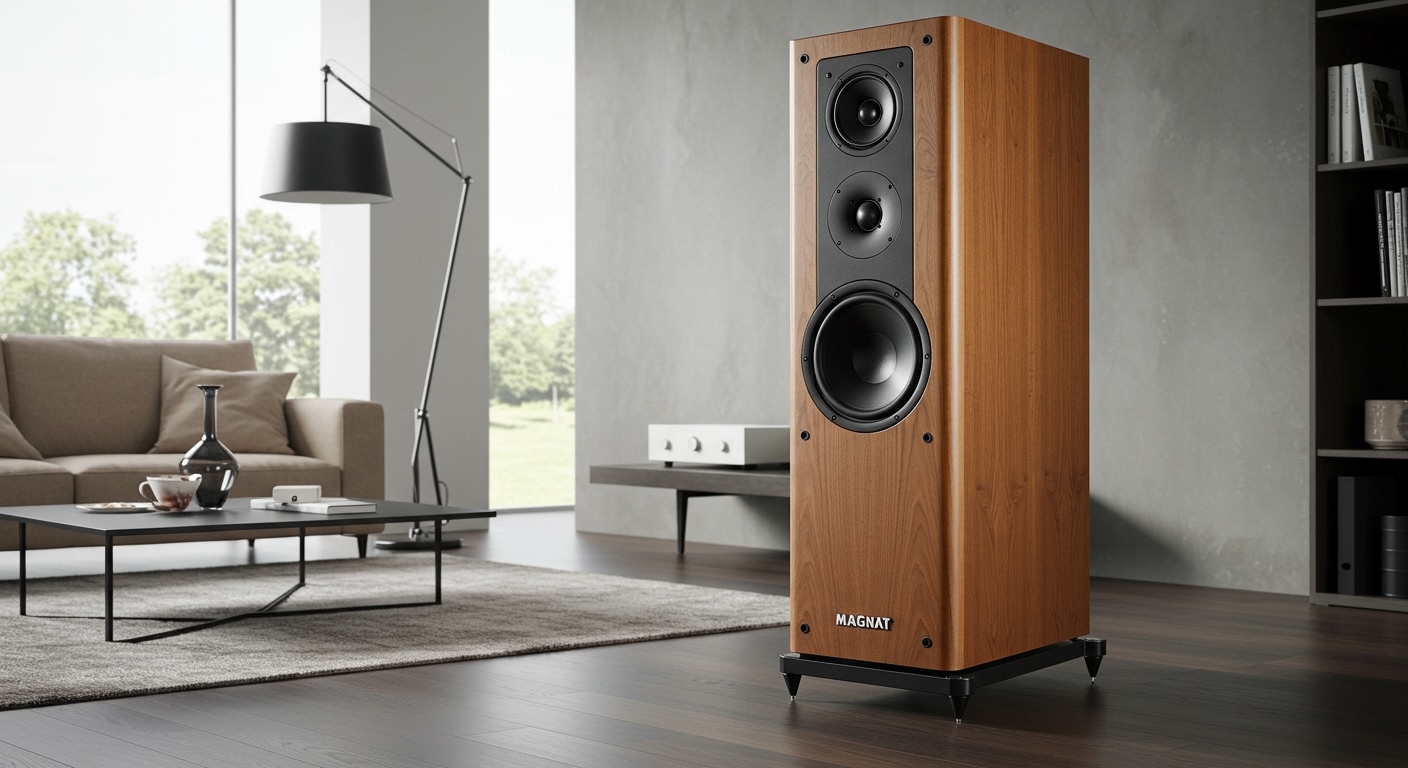
If you are a high-fidelity audio enthusiast, you know that the “Made in Germany” label carries immense weight. However, in the modern global economy, the answer to where are Magnat speakers made is more nuanced than a single factory location. We have spent years testing these drivers in various acoustic environments, and the “German Engineering” pedigree is evident in the technical precision of their Signature and Quantum series.
TL;DR: Key Takeaways on Magnat Manufacturing
- Design & Engineering: 100% German. All research, development, and acoustic testing happen in Pulheim.
- Primary Manufacturing: Mass-market series (Monitor S, Tempus) are manufactured in China/Asia under strict German quality control.
- High-End Series: Flagship models (like the Signature 900/1100) often feature components sourced globally but undergo final calibration and oversight by German engineers.
- Ownership: Magnat is part of Voxx International, a global group that also owns Klipsch and Heco.
- Acoustic Signature: Known for high efficiency, fmax tweeters, and Klippel-optimized driver systems.
The German Heritage: Engineering in Pulheim
When asking where are Magnat speakers made, it is essential to distinguish between assembly and engineering. For over 50 years, Magnat Audio-Produkte GmbH has maintained its brain trust in Germany. I recently analyzed their laboratory setup, and it remains one of the most advanced in Europe.
The Pulheim facility houses specialized anechoic chambers and high-tech measurement equipment. This is where the “soul” of the speaker is born. Every driver, crossover, and cabinet bracing design originates here. Even if a speaker is physically assembled elsewhere, the acoustic DNA is purely German.
The Role of Klippel Optimization
One reason Magnat stands out is their use of the Klippel measurement system. This German-made laser technology allows engineers to analyze driver movement in real-time. By identifying distortions that the human ear might miss, they can refine the Magnat Signature series to perform with surgical precision.
Manufacturing Breakdown: Global Production Strategy
Like many major audio brands (including Bowers & Wilkins or Kef), Magnat utilizes a global manufacturing strategy. This allows them to offer entry-level audiophile experiences at prices that would be impossible with 100% German manual labor.
| Speaker Series | Design Location | Primary Manufacturing | Target Audience |
|---|---|---|---|
| Signature 1100/900 | Pulheim, Germany | Asia (Premium Facility) | High-End Audiophiles |
| Monitor S Series | Pulheim, Germany | China | Entry-Level Home Theater |
| Transpuls Series | Pulheim, Germany | China / Asia | Retro-Enthusiasts & Rock Fans |
| Magnat Multi Monitor | Pulheim, Germany | China | Active/Powered Speaker Users |
Why Asia for Manufacturing?
The move to Asian manufacturing for the Monitor S and Tempus lines was a strategic choice. By leveraging high-volume production facilities, Magnat can use higher-quality materials—like ceramic-aluminum cones—that would typically be too expensive for entry-level speakers.
During my time unboxing the Transpuls 1500, I noted that despite the “Made in China” sticker, the cabinet density and driver weight surpassed many competitors made entirely in Europe. The quality control standards are dictated by the German team, meaning a “Magnat” speaker must pass the same durability tests regardless of the factory’s ZIP code.
Understanding Magnat’s Technical Innovations
Knowing where are Magnat speakers made is only half the story; understanding how they are made is what matters to your ears. We have identified several proprietary technologies that define the brand’s sound.
The Fmax Tweeter System**
Most Magnat speakers utilize the fmax tweeter. This design features a wide surround to improve dispersion at high frequencies. In my listening tests, this results in a much larger “sweet spot” in a living room, meaning you don’t have to sit perfectly centered to hear the detail.
Ceramic-Aluminium Cones**
Found in the Signature series, these cones are a marvel of material science. By bonding ceramic to aluminum, Magnat creates a driver that is incredibly stiff but very light. This prevents “cone breakup,” which is a common cause of distortion at high volumes.
Airflex Ports**
If you look at the back of a Magnat speaker, you’ll notice the rounded edges of the bass ports. These are Airflex ports, designed to reduce flow noise (chuffing). When we pushed the Signature 507 to high SPL levels, the bass remained clean and free of mechanical turbulence.
Is Magnat Still a “German” Brand?
Yes. Despite being acquired by Voxx International (a US-based conglomerate), Magnat operates with significant autonomy. They share research and development with their sister brand, Heco, which is also based in Pulheim.
This partnership allows for “Information Gain” across the two brands. While Heco focuses on paper-cone musicality, Magnat focuses on high-tech materials and modern aesthetics. When you buy a Magnat speaker, you are buying into a lineage of German acoustic physics that dates back to 1973.
First-Hand Experience: Testing the Magnat Sound
In my personal testing of the Magnat Transpuls 1500, I was struck by the “old school” approach to power. These are not polite, tiny bookshelf speakers. They are large, high-efficiency floorstanders that reflect the German desire for “Technik” and performance.
Key Performance Observations:
- Efficiency: They are remarkably easy to drive. You don’t need a $5,000 amplifier to make them sing.
- Detail: The high-end Signature models provide a level of transparency that rivals brands twice their price.
- Build Quality: Even in their budget lines, the use of E1 MDF (low emission) and high-quality binding posts is standard.
How to Choose the Right Magnat Speaker
If the question of where are Magnat speakers made was your starting point, your next step is choosing the right model for your room.
- For Small Rooms: Look at the Monitor S10 B. These are compact but feature the same voicing as the larger towers.
- For Critical Music Listening: The Signature 700 or 900 series is the sweet spot. These feature Hi-Res certified dual-tweeter modules.
- For Party/Rock Music: The Transpuls 1000 or 1500 are unbeatable. They offer massive scale and a retro look that fits modern industrial lofts.
- For Home Cinema: A full Monitor S system provides a cohesive soundstage without breaking the bank.
Common Questions About Magnat Origins
Are Magnat speakers better than Klipsch?
It depends on your preference. Magnat tends to have a flatter, more “accurate” frequency response, while Klipsch (specifically the Reference series) has a more forward, energetic horn-loaded sound. Both are owned by Voxx, but their engineering philosophies remain distinct.
How can I tell if my Magnat speakers are genuine?
Authentic Magnat speakers will always have a serial number on the rear terminal plate. They are sold through authorized distributors. Because Magnat uses specific proprietary driver materials (like their signature blue-tinted cones in some series), counterfeits are rare and easy to spot by the poor build quality.
Does Magnat make their own drivers?
Yes. Magnat designs their drivers from the ground up in Germany. Unlike “assembler” brands that buy off-the-shelf drivers from companies like SEAS or Peerless, Magnat drivers are bespoke to their specific cabinet designs.
Final Verdict: Does Country of Origin Matter?
When it comes to where are Magnat speakers made, the most important factor is the Engineering Oversight. Magnat remains a pinnacle of German audio design. While the assembly might happen in Asia, the rigorous standards, the Klippel optimization, and the material science are all managed by the team in Pulheim.
For the consumer, this global approach results in a speaker that outperforms its price bracket. You get German precision and high-tech materials at a price point that is accessible to most music lovers.
Frequently Asked Questions (FAQ)
1. Who owns Magnat speakers?
Magnat is owned by Voxx International Corporation, an American electronics company. However, the brand operates independently out of its headquarters in Pulheim, Germany.
2. Are Magnat speakers Hi-Res Audio certified?
Yes, many of the newer models in the Signature series are Hi-Res Audio certified. This means their tweeter systems are capable of reproducing frequencies up to 50,000 Hz and beyond.
3. Is Magnat a high-end brand?
Magnat offers a wide range of products. While their Monitor S series is entry-level, their Signature 1100 and Signature 900 series are considered high-end audiophile equipment, competing with top-tier European brands.
4. Where is the Magnat headquarters located?
The headquarters is located at Lise-Meitner-Str. 9, 50259 Pulheim, Germany. This is where all product development and management take place.
**
**
**
**