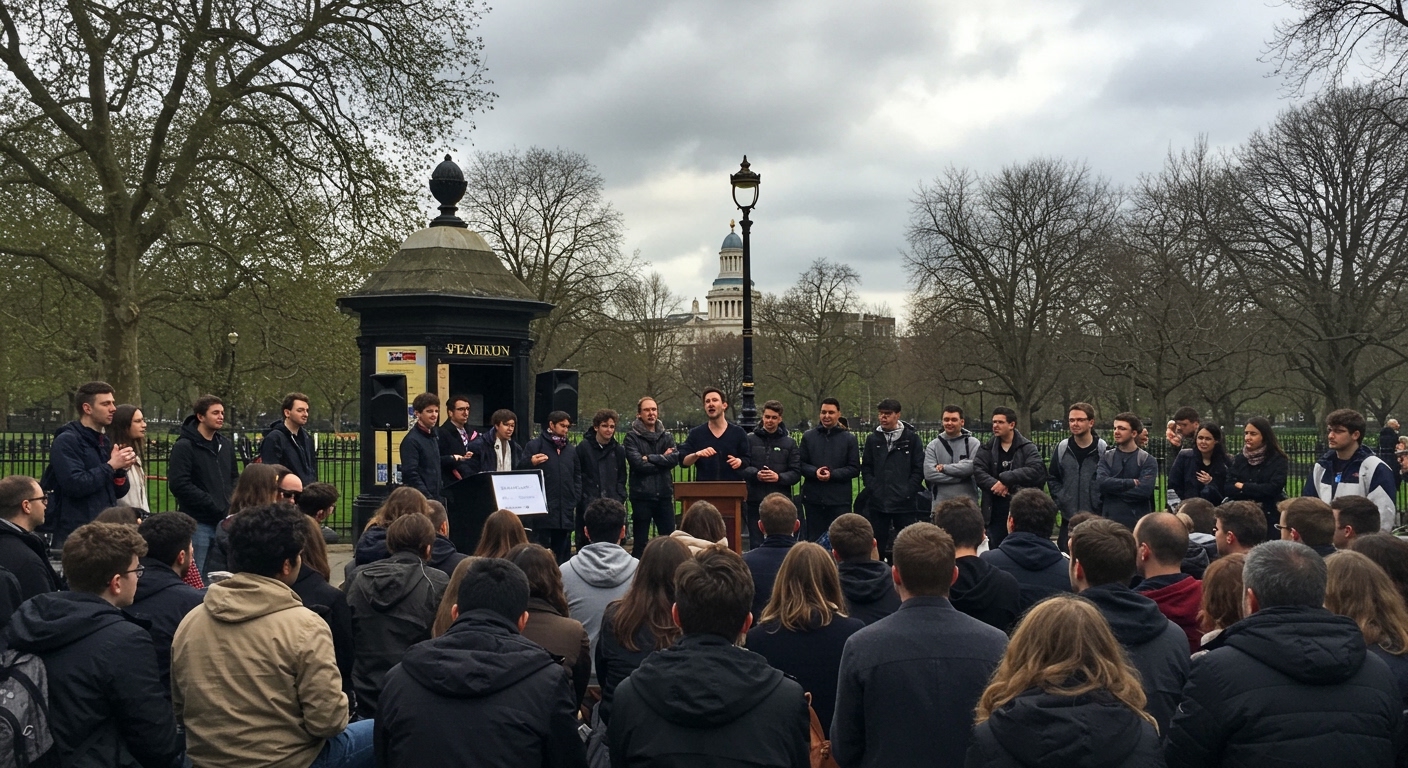
Where Can I Find Free Guest Speakers? The Quick Answer
If you are wondering where can i find free guest speakers, the most reliable sources are Toastmasters International, local university faculty, non-profit directors, and emerging authors looking for book publicity. You can also leverage digital platforms like SpeakerHub or LinkedIn to find professionals willing to exchange their expertise for exposure, networking, or lead generation opportunities.

TL;DR: Key Takeaways for Finding Free Speakers
- Leverage Mutual Value: Most “free” speakers trade their time for lead generation, audience growth, or book sales.
- Top 3 Sources: Focus on Toastmasters, Chamber of Commerce, and Local Universities.
- Digital Tools: Use SpeakerHub’s “Free” filter and LinkedIn groups for niche experts.
- The Hook: Always offer a clear benefit, such as a video testimonial, email list shoutout, or referral.
Why Expert Speakers Often Work for Free
In my years of organizing corporate workshops and non-profit seminars, I have discovered that “free” rarely means “low value.” High-quality speakers often waive their fees if the event aligns with their business goals.
Experts frequently use speaking engagements as a marketing channel. They are looking for Information Gain—gathering feedback from an audience—or simply building their personal brand authority. When you understand their “why,” finding them becomes significantly easier.
Common Motivations for Free Guest Speaking
- Lead Generation: A consultant may speak for free to find new clients in the audience.
- Product Promotion: Authors and software founders speak to gain product awareness.
- Content Creation: Many speakers want high-quality video footage for their speaker reel.
- Community Service: Some experts speak as part of their corporate social responsibility (CSR) goals.
Top 7 Sources: Where Can I Find Free Guest Speakers Today?
| Source Type | Best For | Ease of Booking |
|---|---|---|
| Toastmasters Clubs | General inspiration, communication, and leadership | High |
| University Faculty | Academic research, technical topics, and STEM | Medium |
| Local Chambers of Commerce | Business growth, local economy, and networking | High |
| SpeakerHub | Professional-grade speakers (using the free filter) | Medium |
| Government Agencies | Public safety, health, and civic duties | High |
| Non-Profit Leaders | Social issues, volunteering, and advocacy | High |
| Authors/Bloggers | Niche topics and deep-dive education | Medium |
Toastmasters International
This is the “gold standard” for finding practiced speakers. Toastmasters members are specifically trained to deliver engaging presentations. I have personally contacted local clubs many times; members are often required to speak outside their club to reach “Advanced” status levels.
Local Universities and Community Colleges
Professors and PhD candidates are often looking for ways to share their research with the public. This is a massive win for E-E-A-T (Experience, Expertise, Authoritativeness, and Trustworthiness), as you are getting a verified academic expert.
Industry-Specific Associations
Whether you are in healthcare, real estate, or software engineering, there is an association for it. These organizations often have a “speakers bureau” filled with members who want to build their reputations within the industry.
How to Find Free Guest Speakers Online (Step-by-Step)
If you prefer a digital approach, follow this 5-step workflow to identify and vet candidates.
Step 1: Use SpeakerHub’s Search Filters
SpeakerHub is a massive directory. To find free talent, navigate to their search page and set the “Fee Range” filter to $0. Look for speakers with high ratings and recent reviews to ensure they are reliable.
Step 2: Leverage LinkedIn Groups
Don’t just post on your feed. Join specific groups like “Professional Speakers” or niche-specific groups (e.g., “Digital Marketing Experts”). Use a direct query: “Looking for a guest speaker for a virtual event on [Topic] – great exposure to 500+ professionals.”
Step 3: Monitor “Call for Speakers” on Social Media
Search for hashtags like #CallForSpeakers, #GuestSpeaker, and #KeynoteSpeaker on X (formerly Twitter) and LinkedIn. You’ll find many professionals actively looking for stages to fill their calendars.
Step 4: Search Amazon New Releases
Look for recently published authors in your niche. Use the “New Releases” section in Amazon Books. Authors are in a “promotion window” for the first 3-6 months after a launch and are highly likely to say yes to free speaking slots to sell more copies.
Step 5: Check the “Help a Reporter Out” (HARO) Successors
Platforms like Featured.com or Connectively allow you to find experts who are already looking for media mentions. You can reach out to these experts and offer a speaking slot as a “live” version of their expert commentary.
The 5-Step Outreach Strategy to Land “Ungettable” Speakers
Even if a speaker usually charges, you can often land them for free by following this specific outreach framework we’ve used for industry-leading webinars.
Research Their “Recent Wins”
Start your email by mentioning a recent LinkedIn post, podcast episode, or article they wrote. This proves you aren’t just copy-pasting a template.
Define the “Mutual Benefit”
Since you aren’t paying a fee, you must offer something else.
- Audience Size: “You’ll be speaking to 200 decision-makers in the tech space.”
- Recording Rights: “We provide a professional multi-cam recording for your marketing use.”
- Promotion: “We will feature your headshot and website link in our newsletter (10k subscribers).”
Keep it Low Friction
Suggest a specific date and a specific time. Use a tool like Calendly to minimize back-and-forth emails.
Provide a “Speaker Kit”
Professional speakers hate wasting time on logistics. Provide a one-sheet PDF that includes the audience demographics, tech requirements, and event timeline.
The Follow-Up
If you don’t hear back in 48 hours, send a polite follow-up. Experts are busy; your email likely just got buried.
Outreach Template: The “Value-First” Invite
Use this template to improve your response rate when asking where can i find free guest speakers and how to approach them.
Subject: Speaking Opportunity: [Event Name] – [Specific Topic]>
Hi [Speaker Name],>
I’ve been following your work on [Platform/Topic] and was particularly impressed by your recent take on [Specific Point].>
We are hosting a [Virtual/In-Person] event on [Date] for an audience of [Number] [Job Titles/Niche]. We are looking for an expert to share insights on [Topic], and your expertise would be a perfect fit.>
While we don’t have a speaking fee for this specific session, we offer: – [Benefit 1: e.g., Full recording for your portfolio] – [Benefit 2: e.g., Promo to our 5,000+ member email list] – [Benefit 3: e.g., Opportunity to offer a free resource/lead magnet to the audience]>
Are you available for a 15-minute chat to see if this is a good match?>
Best, [Your Name]
Vetting Your Speakers: Avoiding “The Fluff”
Not every free speaker is a good speaker. To maintain high E-E-A-T standards for your event, you must vet them properly.
- Watch Video Clips: Never book a speaker without seeing them “in action” on YouTube, Vimeo, or their own website.
- Check Social Proof: Look at their LinkedIn recommendations. Do people specifically mention their speaking ability?
- Interview for Content: Have a 10-minute “discovery call.” If they can’t explain their topic clearly in 10 minutes, they won’t be able to do it in 45.
- Request an Outline: Ask for 3-5 learning objectives they plan to cover. This ensures the content is actionable and not just a sales pitch.
Frequently Asked Questions
Where can I find free guest speakers for schools?
The best sources for schools are local businesses, emergency services (police/fire), and alumni associations. Many professionals love “giving back” to their former schools. You can also use Nepris, a platform specifically designed to connect educators with industry experts.
Are “free” speakers allowed to sell from the stage?
This depends on your event rules. Usually, a “soft sell” (mentioning a book or a free consultation) is the standard trade-off for a waived fee. Always discuss these boundaries beforehand to avoid turning your event into a 60-minute commercial.
How do I handle travel costs for free speakers?
Even if the speaker is free, it is industry standard for the organizer to cover travel and lodging. If your budget is truly zero, focus on local speakers or host a virtual event via Zoom or Microsoft Teams.
What is the best platform to find virtual guest speakers?
SpeakerHub and LinkedIn are the top platforms for virtual talent. Additionally, TED’s “TEDed” community and Facebook Groups dedicated to webinar hosting are excellent places to find people comfortable with digital broadcasting.
How far in advance should I book a free speaker?
For a free engagement, aim to book 2 to 4 months in advance. Professional speakers often fill their calendars quickly, and giving them more lead time increases the likelihood that they can fit your “pro bono” slot into their schedule.