Where to Put Mid Bass Speakers for Maximum Impact
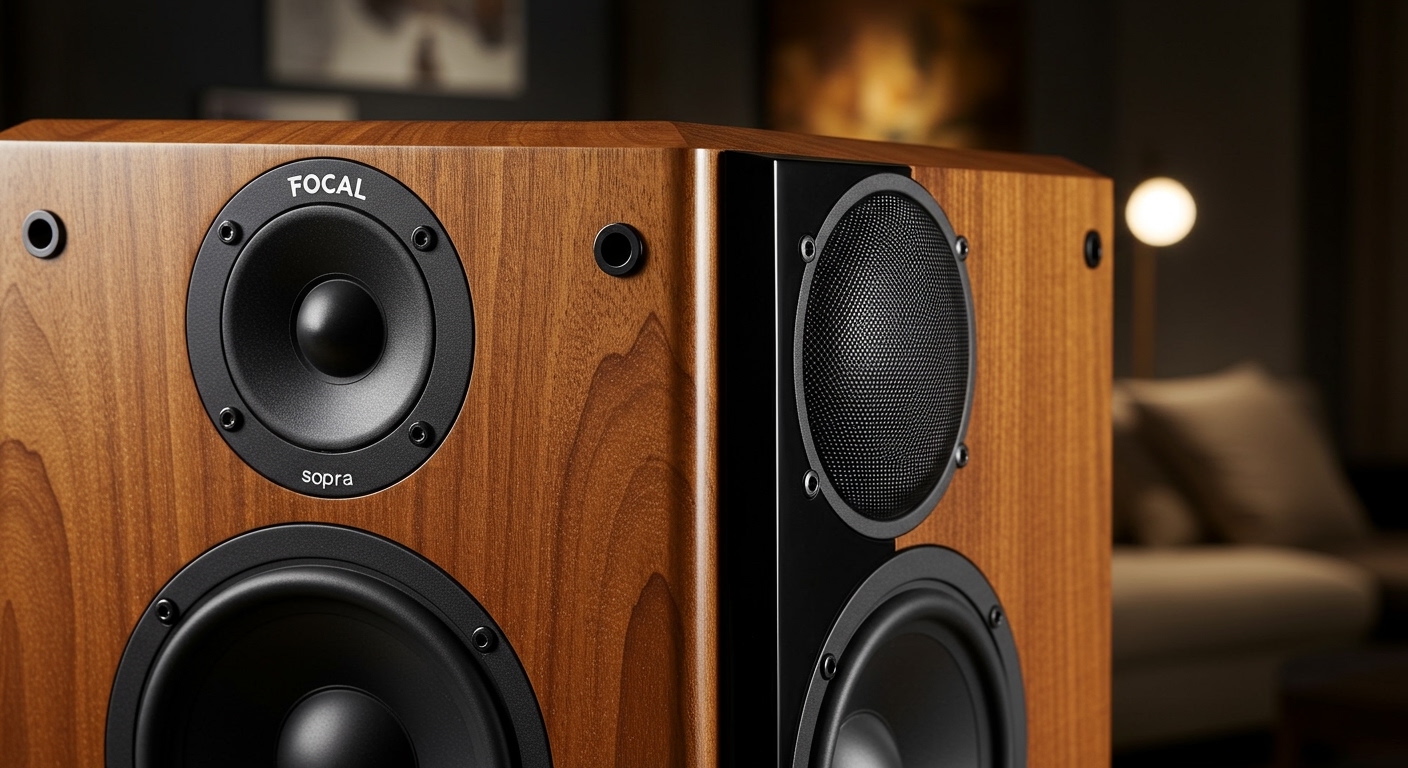
To achieve the best sound quality, you should place mid bass speakers in the lower front doors or kick panels of a vehicle, or at ear level within a home theater setup. Proper placement ensures these speakers, which typically handle frequencies between 80Hz and 500Hz, deliver a tactile “punch” without creating muddy interference or phase cancellation.
Quick Takeaways for Optimal Mid Bass
- Best Car Location: Lower door panels or kick panels for optimal path length.
- Best Home Location: Ear level, integrated into the front stage, usually 24–36 inches from the floor.
- Critical Factor: Rigidity and sealing are more important than the specific location.
- Tuning Range: Most mid bass drivers perform best when crossed over at 80Hz (High Pass) and 350-500Hz (Low Pass).
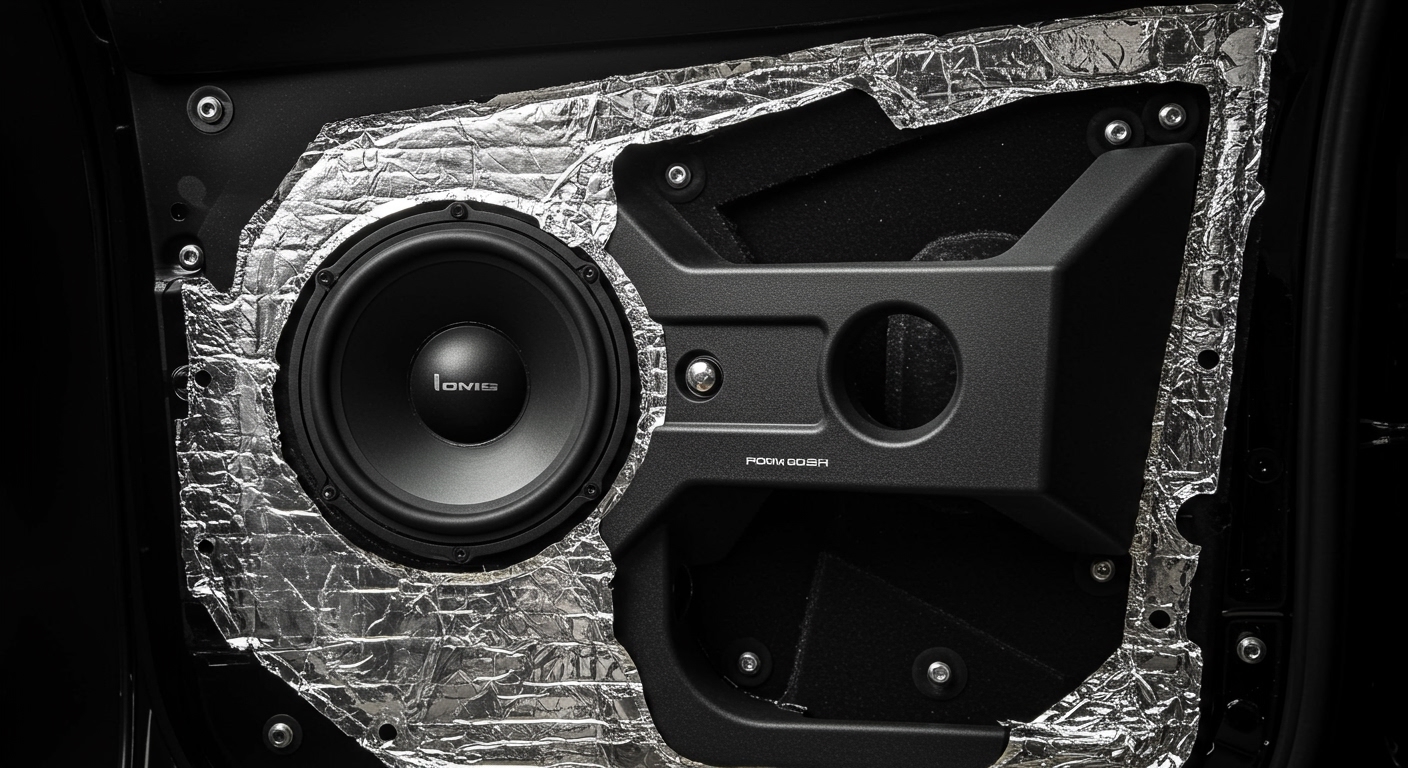
- Sound Deadening: Essential for car installs to prevent “tinny” resonance from metal panels.
Why Mid Bass Placement Dictates Your Soundstage
In my 15 years of acoustic tuning and custom car audio fabrication, I have found that mid bass is the hardest frequency range to get right. While subwoofers are omnidirectional and tweeters are highly directional, mid bass falls in the “transitional” zone.
If you place these speakers poorly, you will experience a “hole” in your music where the drums lose their snap and male vocals sound thin. We call this the tactile zone. It is where you feel the kick drum in your chest rather than just hearing it in your ears.
When deciding where to put mid bass speakers, you must balance path length differences (the distance between your left and right ears and the speakers) with the physical constraints of your environment.
The Best Locations for Mid Bass in a Vehicle
When working in a car, you are fighting against glass, plastic, and restricted mounting depths. Here is a breakdown of the most effective mounting locations we have tested.
Lower Door Panels (The Standard)
Most factory systems place speakers here because of the available depth. However, simply “dropping them in” is a mistake.
- Pros: Easy installation; uses the door cavity as a large enclosure.
- Cons: Often fires directly into the side of a seat or your legs, muffling higher frequencies.
- Expert Tip: Use angled speaker rings (baffles) to aim the speakers slightly upward toward the opposite headrest.
Kick Panels (The Audiophile Choice)
For high-end SQ (Sound Quality) builds, we almost always move the speakers to the kick panels (the area near your feet).
- Pros: Maximizes the distance between the speaker and the listener, which equalizes the path length between the left and right speakers. This creates a centered, stable image.
- Cons: Requires custom fiberglass work and reduces footwell space.
Under-Seat Enclosures
Used frequently by brands like BMW, this placement uses the floor as a boundary to reinforce bass.
- Pros: Excellent “up-front” bass feel.
- Cons: Can lead to “boomy” or muddy sound if the crossover point is too high (above 200Hz), as the sound becomes localized under your seat.
Comparison of Car Placement Options
| Location | Impact (Punch) | Soundstage Width | Install Difficulty |
|---|---|---|---|
| Lower Doors | High | Medium | Low |
| Kick Panels | Medium | High | High (Custom) |
| Under Seat | Very High | Low | Medium |
| Dash Corners | Low | Very High | High |
Where to Put Mid Bass Speakers in a Home Environment
In a home theater or Hi-Fi listening room, placement is slightly more flexible but still governed by physics.
The Ear-Level Rule
Mid bass drivers should be positioned so that the center of the cone is roughly at ear level when you are seated. If the speakers are too low, the floor reflections will cause “comb filtering,” which cancels out certain frequencies.
Boundary Reinforcement
If your mid bass feels weak, try moving the speakers closer to the wall. This is called boundary reinforcement.
- The 1/4 Rule: Placing a speaker 1/4 of the way into a room can minimize standing waves.
- The Wall Effect: Placing speakers within 12 inches of a rear wall will significantly boost the 100Hz-200Hz range, though it may sacrifice some clarity.
Step-by-Step Guide to Installing Mid Bass Speakers
Once you have decided where to put mid bass speakers, follow this technical process to ensure they perform at their peak.
Step 1: Prepare the Mounting Surface
The biggest enemy of mid bass is a weak mounting surface. If the speaker vibrates the metal or wood it is attached to, you lose energy.
- Action: In a car, apply Butyl-based sound deadening (like Dynamat Extreme or Hushmat) to the inner and outer metal skins of the door.
- Action: Use a solid MDF or HDPE plastic baffle. Never screw a high-powered mid bass driver directly into thin sheet metal.
Step 2: Seal the Front from the Back
For a speaker to produce bass, the air coming off the back of the cone must be completely isolated from the air at the front.
- Action: Use Closed Cell Foam (CCF) rings (often called Fast Rings) to create a gasket between the speaker and the door panel. This forces all the sound through the grille and prevents it from disappearing inside the door cavity.
Step 3: Address Back-Wave Cancellation
When the speaker cone moves, it sends a sound wave backward. If that wave hits a flat metal surface and bounces back into the speaker, it causes distortion.
- Action: Place a diffuser mat (an egg-crate style acoustic foam) directly behind the speaker inside the door. This breaks up the standing waves.
The Role of Crossovers and Tuning
Placement is only half the battle. To make your mid bass speakers shine, you must use a Digital Signal Processor (DSP) or an active crossover.
Ideal Frequency Ranges
We recommend the following settings for a 6.5-inch or 8-inch mid bass driver:
- High Pass Filter (HPF): 80Hz. This protects the speaker from sub-bass frequencies it cannot handle.
- Low Pass Filter (LPF): 300Hz to 500Hz. This hands off the higher frequencies to the dedicated midrange or tweeter.
- Slope: Use a 24dB/octave Linkwitz-Riley slope for a clean transition that minimizes phase issues.
The “Phase” Test
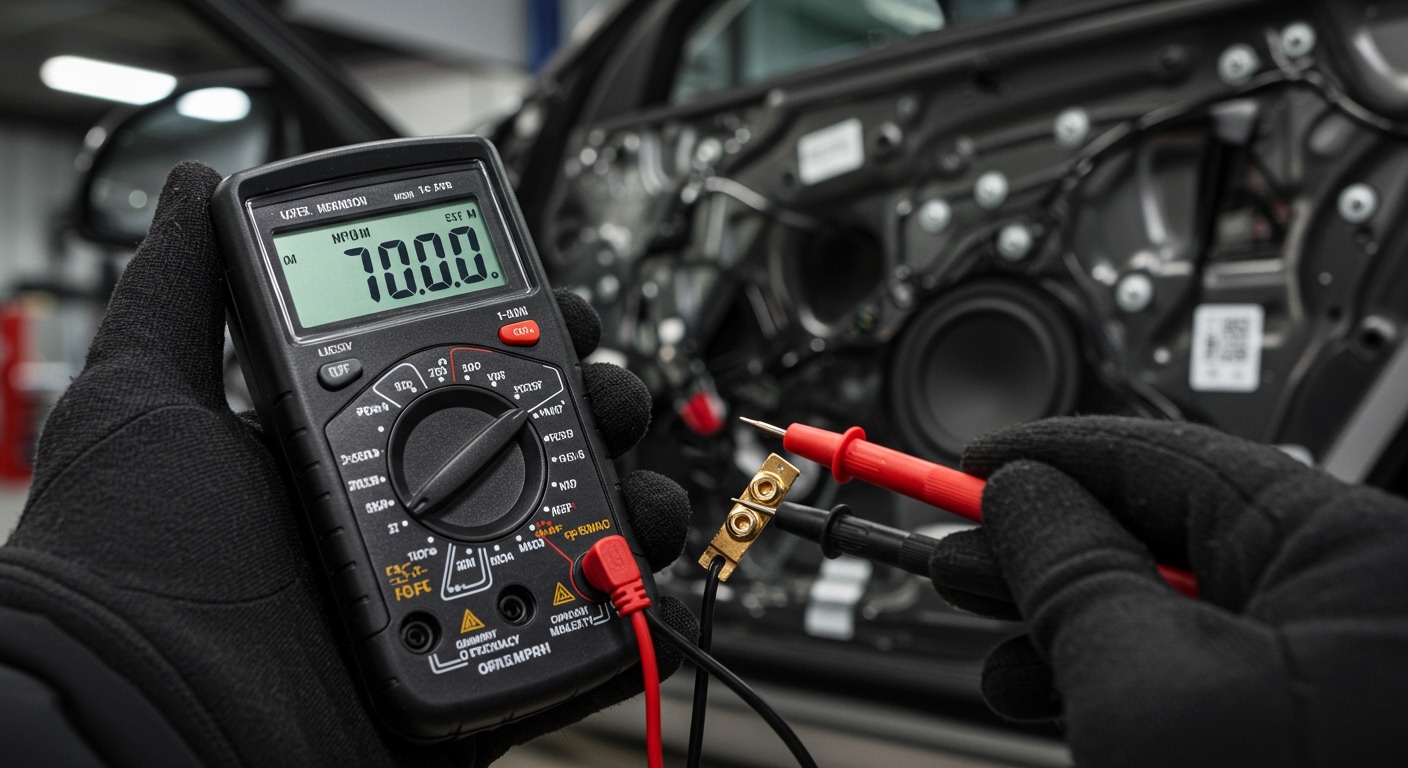
If your mid bass sounds thin or hollow, your speakers might be out of phase.
- Play a track with heavy kick drums.
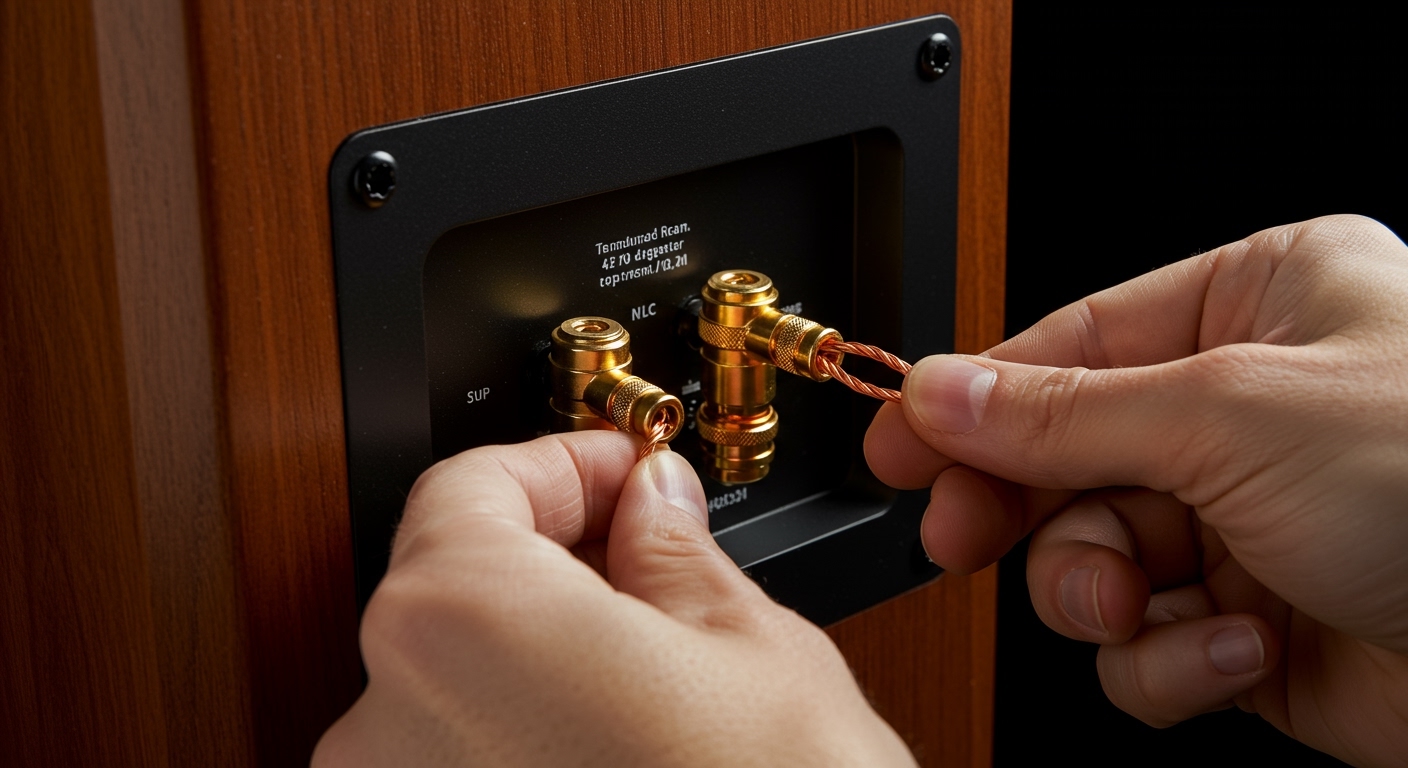
- Switch the positive and negative wires on only one mid bass speaker.
- If the bass becomes stronger, they are now in phase.
- If the bass disappears, they were already in phase—switch them back.
Common Mistakes to Avoid
- Ignoring the Grille: Don’t put a high-end Focal or Audiofrog mid bass speaker behind a thick, restrictive factory plastic grille. If you can’t see through the holes, the sound can’t get through effectively.
- Skipping the Amplifier: Mid bass requires significant “swing” or current. Running these off a factory head unit will result in flat, lifeless sound. Use a dedicated amplifier providing at least 75-100 Watts RMS.
- Loose Panels: A mid bass speaker is essentially a small jackhammer. If your door lock rods or window tracks are loose, they will rattle. Use Tesa tape or foam to secure all moving parts.
FAQ: Mid Bass Placement
Q: Can I put mid bass speakers in my rear doors?
A: You can, but it is not recommended for a “front stage” experience. Placing them in the rear pulls the soundstage backward, making it feel like you are at a concert with your back to the stage. Use them in the rear only for “rear fill” at lower volumes.
Q: What size is best for mid bass?
A: The 6.5-inch driver is the industry standard because it balances speed and surface area. However, if your vehicle allows for an 8-inch driver, you will get significantly more “impact” in the 80Hz-150Hz range.
Q: Do mid bass speakers need a box?
A: In a home setup, yes, they require a tuned enclosure. In a car, they are designed to work in an Infinite Baffle (IB) configuration, meaning the door acts as the box. The key is making that “box” as airtight and rigid as possible.
Q: How do I stop my door panels from vibrating?
A: Use a combination of CLD (Constrained Layer Damper) tiles to stop metal resonance and Mass Loaded Vinyl (MLV) to block sound from entering or exiting the cabin.
Expert Insight: When we build competition-grade systems, we often spend more time on the baffle rigidity than the speaker selection itself. A $100 speaker in a perfectly sealed, rigid baffle will almost always outperform a $500 speaker mounted to vibrating sheet metal.