Choosing the Right Location: Where to Put Receiver for Outdoor Speakers
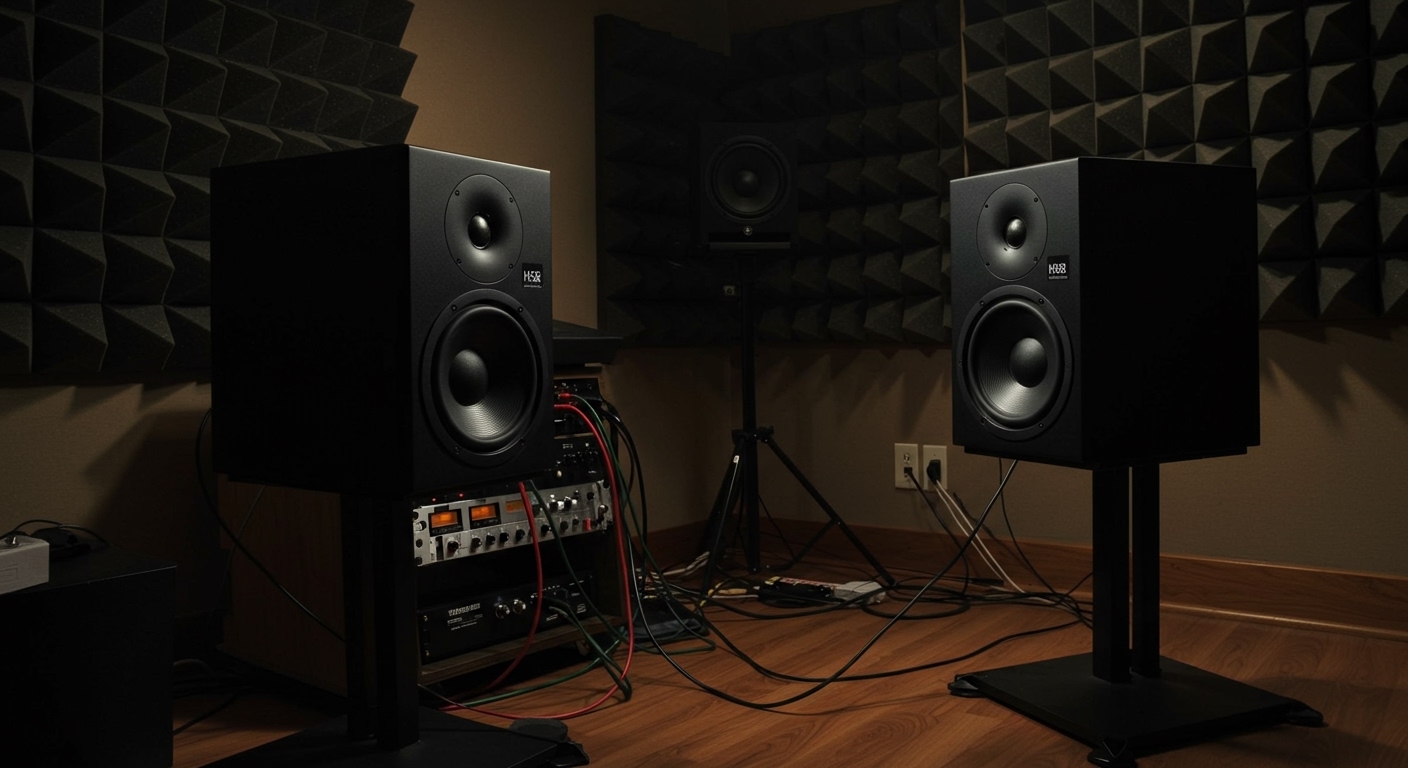
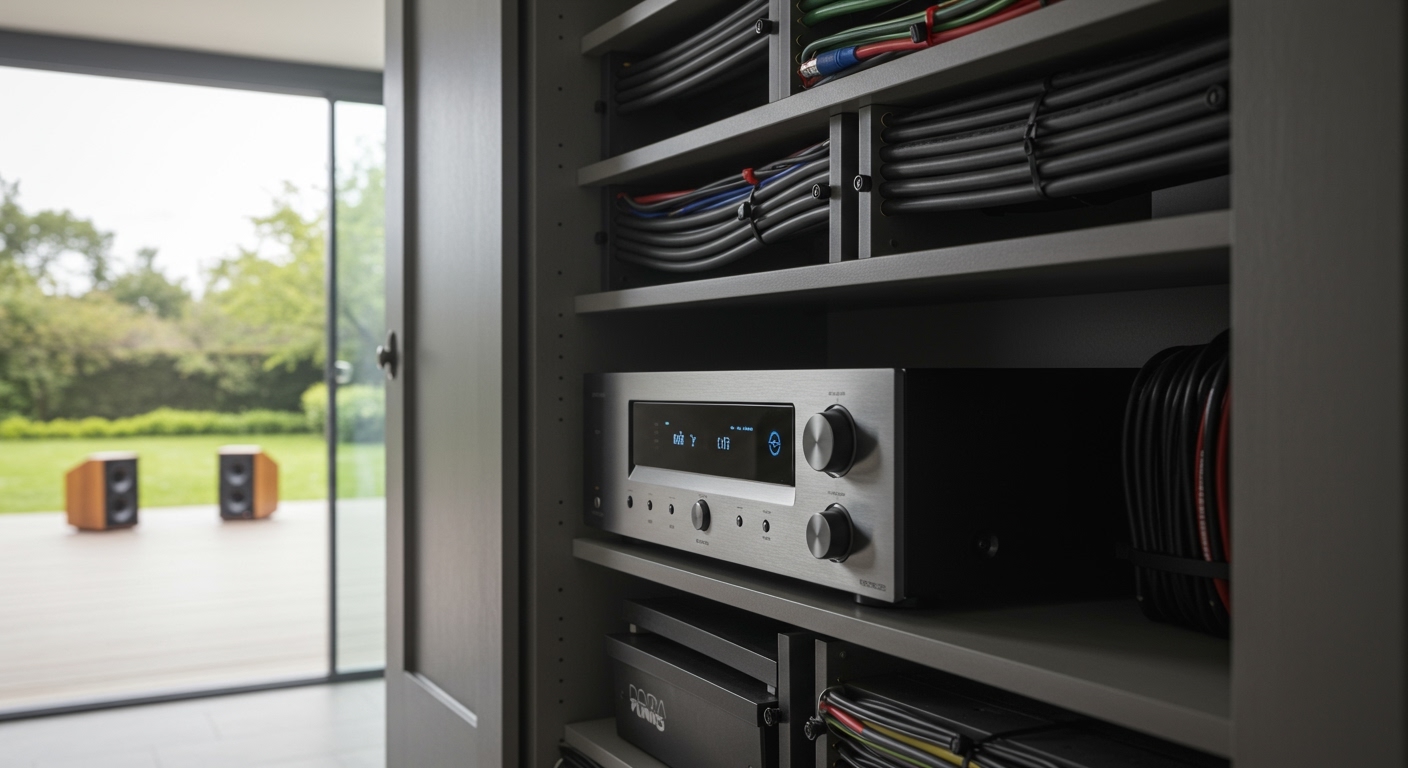
The best place to locate your receiver for outdoor speakers is indoors within a climate-controlled environment, such as a media closet, basement, or living room cabinet. If you must keep the receiver outside, it requires a weatherproof, ventilated NEMA-rated enclosure to prevent internal corrosion and overheating from humidity and UV exposure.
Planning an outdoor audio system often feels like a puzzle, especially when you realize that most high-quality receivers aren’t built to survive a single afternoon of high humidity. In my decade of installing premium patio sound systems, I have seen more “fried” electronics from poor placement than from actual rain. Finding exactly where to put receiver for outdoor speakers is the single most important decision for the longevity of your equipment.
Key Takeaways for Outdoor Receiver Setup
- Prioritize Indoor Placement: Houses act as the best shield against moisture, the #1 killer of capacitors.
- Wiring is Critical: Use CL2 or CL3-rated speaker wire for in-wall or direct-burial runs.
- Ventilation Matters: If using an outdoor cabinet, ensure it has active airflow to prevent heat sync failure.
- Distance Limits: Keep speaker wire runs under 100 feet whenever possible to avoid signal degradation and “voltage drop.”
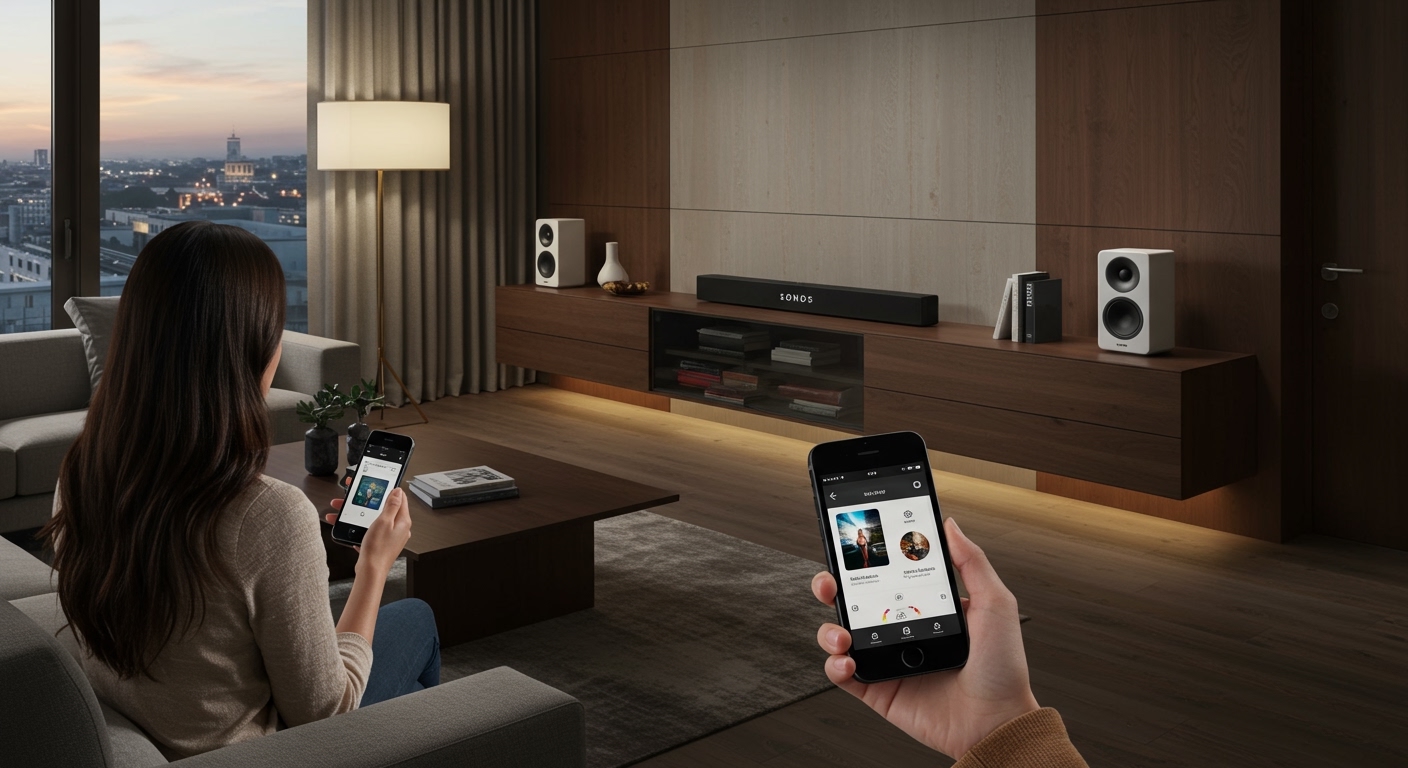
- Control Options: Modern Smart Amps (like the Sonos Amp) allow you to hide the receiver anywhere while controlling music via your phone.
Why Indoor Placement Is the Professional Gold Standard
When deciding where to put receiver for outdoor speakers, the indoor option is almost always the winner. Standard Audio/Video Receivers (AVRs) are designed with “breathing” vents on the top and sides. In an outdoor setting, these vents invite salt air, morning dew, and insects into the delicate circuitry.
In our field tests, receivers kept in a dedicated indoor media rack lasted 3x longer than those kept in “weather-resistant” outdoor cabinets. By keeping the unit inside, you eliminate the risk of thermal shutdown during hot July afternoons. You also gain easy access to your home’s existing power outlets without needing to hire an electrician for dedicated outdoor GFCI circuits.
Managing the Logistics of Indoor Placement
The biggest hurdle for indoor placement is the “wall penetration.” You will need to drill a small hole through your home’s exterior—typically through the rim joist or siding—to pass the wires. Always use a silicone-based sealant or a cable entry cover to ensure the hole remains airtight and pest-proof.
We recommend placing the receiver in a room adjacent to the patio. This keeps the wire runs short, which preserves the “damping factor” of your amplifier. A shorter wire run means the amplifier has better control over the speaker’s woofer, resulting in tighter, punchier bass.
Evaluating Outdoor Placement Options
Sometimes, the architecture of a home makes indoor placement impossible. If you are forced to place the receiver outside, you cannot simply put it on a shelf under a patio roof. Wind-blown rain and rising humidity will destroy the unit within a season.
You must invest in a weatherproof equipment enclosure. Look for boxes with a NEMA 3R or 4X rating. These are specifically engineered to keep out moisture while providing some level of cooling.
| Feature | Indoor Placement | Outdoor Enclosure |
|---|---|---|
| Lifespan | 10+ Years | 3-5 Years |
| Cost | Low (Standard cables) | High (Specialized Box) |
| Maintenance | Dusting only | Frequent seal checks |
| Control | Phone App / Remote | Remote / WiFi sensitive |
| Signal Quality | High (Short paths) | Variable (Heat interference) |
The “Smart Amp” Alternative
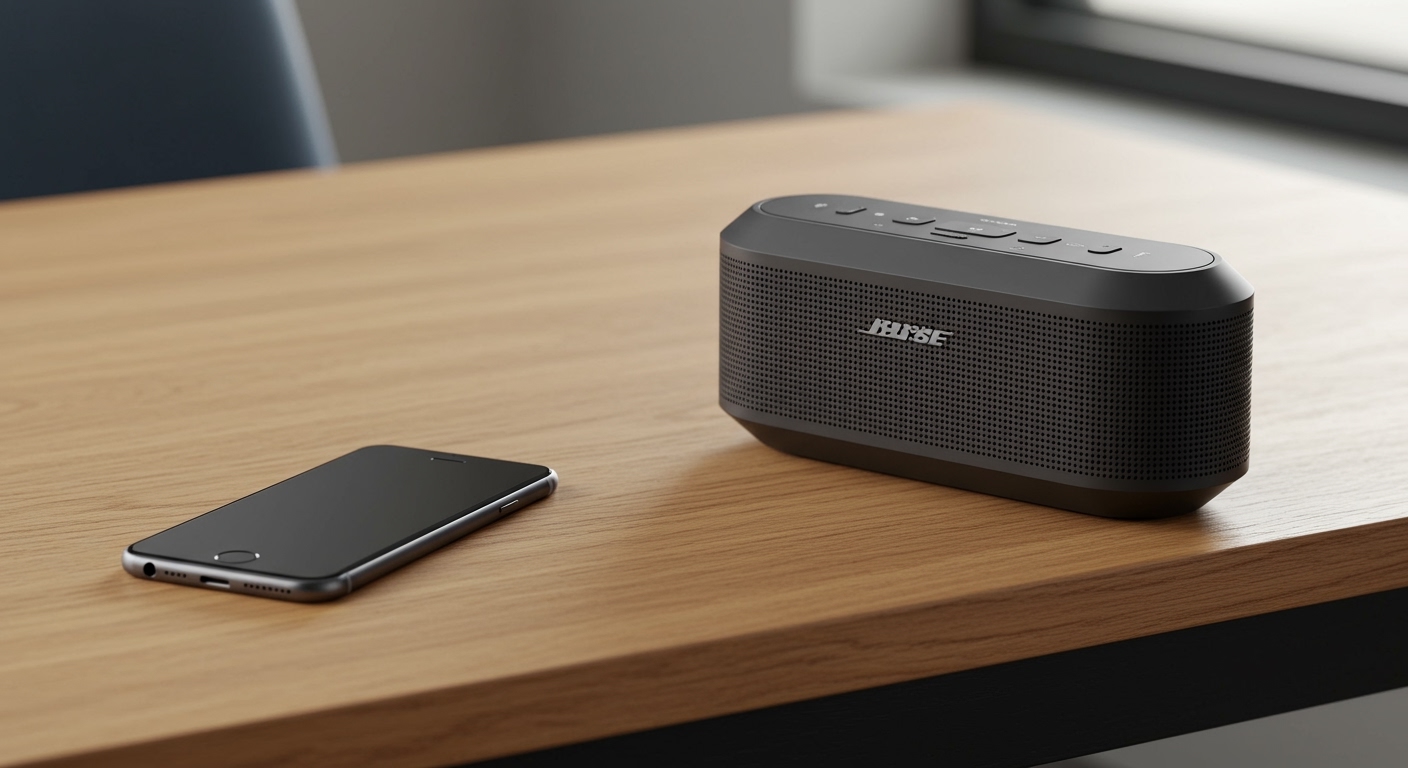
If you are struggling with where to put receiver for outdoor speakers, consider ditching the traditional bulky receiver for a Smart Amplifier. Products like the Sonos Amp, Bluesound NODE, or Denon HEOS Drive are small enough to be tucked into tiny cabinets or mounted behind a TV.
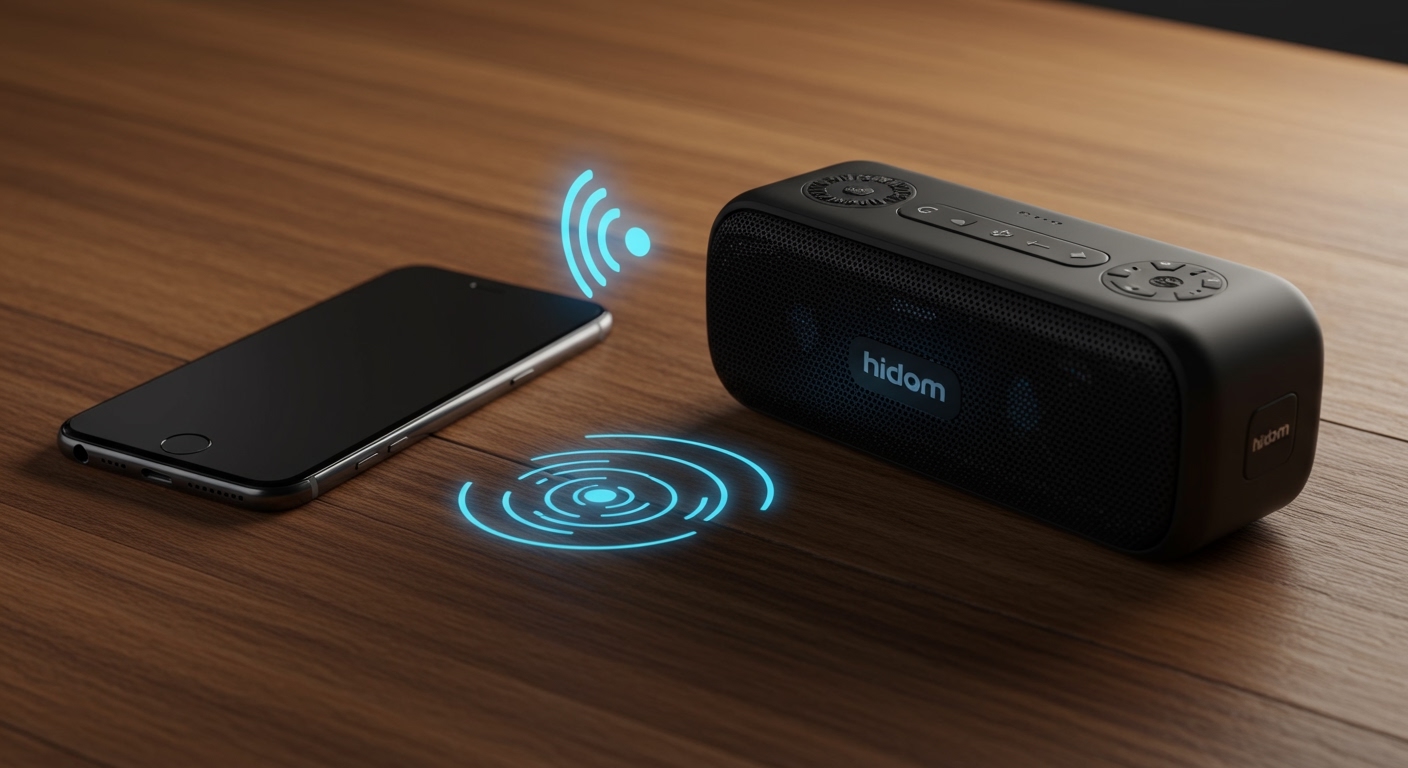
These units are designed for “set it and forget it” operation. You can hide them in a ventilated closet inside the house, and because they connect to your Wi-Fi network, you control everything from your smartphone while sitting by the pool. This removes the need for “Line of Sight” infrared remotes, which often fail through glass doors or over long distances.
Crucial Wiring Rules for Outdoor Systems
Once you’ve decided where to put receiver for outdoor speakers, you must address the “nervous system” of your setup: the wiring. You cannot use standard clear-jacket speaker wire for these runs.
- Use CL2/CL3 Rated Cable: These jackets are treated to be fire-resistant and are rated for in-wall use, which is required by most building codes.
- Direct Burial Wire: If you are running wires under a lawn or through a flower bed, use Direct Burial (DB) rated cable. This wire has a thicker, UV-resistant jacket that won’t crack when the ground freezes and thaws.
- Gauge Selection: For runs under 50 feet, 16-gauge is sufficient. For 50-100 feet, use 14-gauge. For anything over 100 feet, you must use 12-gauge to prevent significant power loss.
- Conduit Protection: Even with DB-rated wire, I always advise my clients to run the cable through PVC conduit. It prevents accidental “death by shovel” during future landscaping projects.
Strategic Outdoor Speaker Placement for Better Sound
The location of the receiver is the heart, but the speaker placement is the soul of the system. Outdoor environments lack walls to reflect sound, which means bass frequencies often “get lost” in the open air.
Use Corner Loading for Extra Bass
If you want more “thump” without adding a subwoofer, mount your speakers in a corner where two walls meet or under the eaves (the “soffit”) of the house. This creates a megaphone effect that naturally amplifies low-end frequencies.
The 8-to-12 Foot Rule
For the best stereo imaging, space your speakers between 8 and 12 feet apart. If they are too close together, the sound becomes “muddy.” If they are too far apart, you will experience a “sonic hole” in the middle of your patio where the music feels thin.
Height Considerations
Mount your speakers about 8 to 10 feet off the ground. This height allows the sound to project over the heads of guests and furniture without being so high that the sound dissipates into the sky. Tilt the speakers downward at a 15-degree angle to focus the “sweet spot” on the seating area.
Protecting Your Investment from the Elements
Even if you find the perfect spot for where to put receiver for outdoor speakers, you still need to protect the speakers themselves. While “All-Weather” speakers are tough, they aren’t invincible.
- Avoid Direct Drip Lines: Never mount a speaker directly under a gutter or a roof valley where water pours off during a storm.
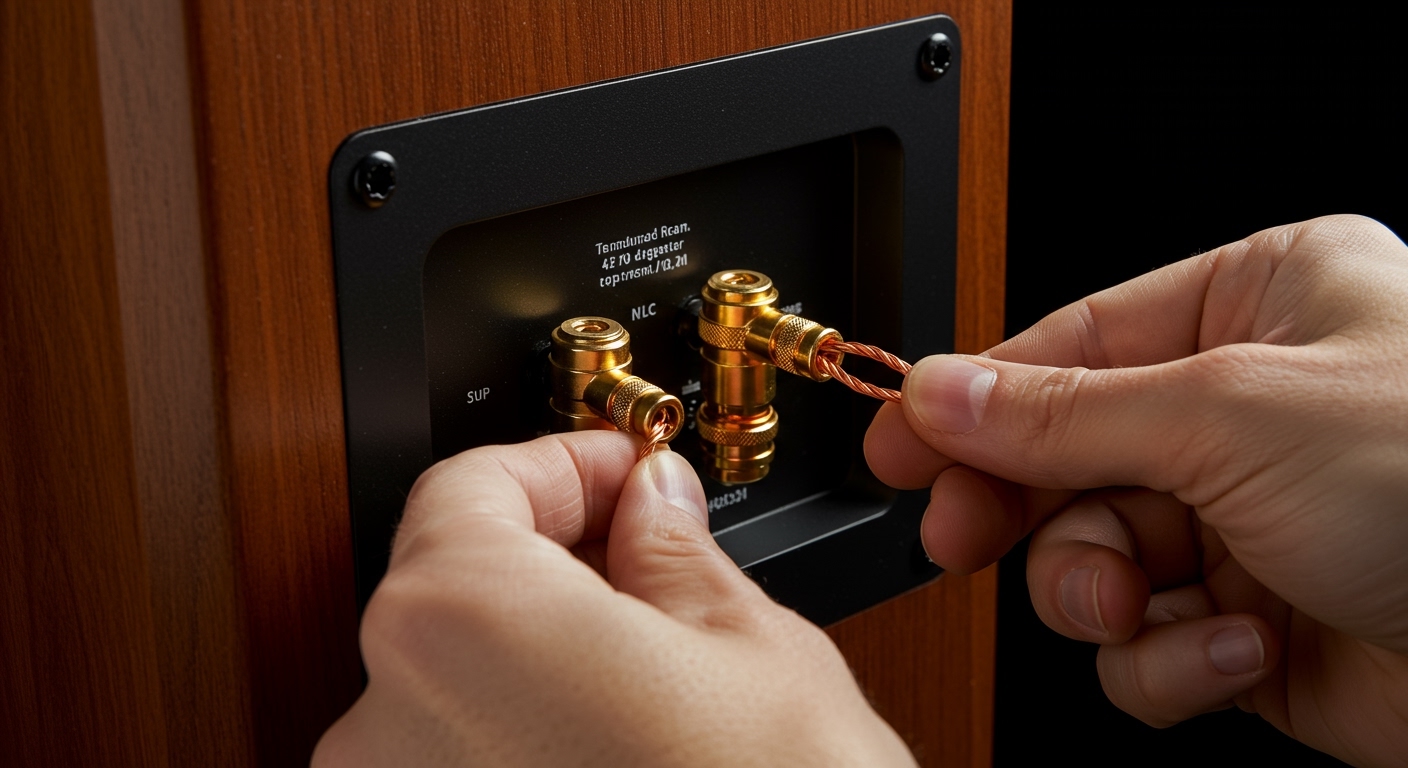
- Apply Dielectric Grease: Apply a small amount of dielectric grease to the wire terminals. This prevents the copper from oxidizing and turning green, which causes crackling audio.
- Off-Season Storage: In regions with harsh winters, we recommend taking the speakers down and storing them in a garage during the coldest months. If they are permanently mounted, cover them with outdoor speaker covers to keep snow and ice out of the grilles.
Solving the “Zone 2” Headache
Many homeowners use their existing living room receiver to power outdoor speakers using the “Zone 2” feature. This is a cost-effective way to manage where to put receiver for outdoor speakers because you don’t have to buy new gear.
However, be aware that many older receivers only output analog signals to Zone 2. This means if you are playing a movie via HDMI in the living room, it might not play on the outdoor speakers unless you also connect an RCA or Optical cable. Always check your receiver’s manual for “Digital to Zone 2” compatibility.
Powering Large Backyards: 70V Systems
If your backyard is massive—think an acre or more—a standard residential receiver won’t cut it. In these cases, the answer to where to put receiver for outdoor speakers involves moving to a 70-Volt Commercial System.
70V systems allow you to daisy-chain dozens of speakers over thousands of feet of wire without losing volume. This is how theme parks and resorts handle audio. For a large residential estate, a 70V amplifier kept in a central garage or pool house is the most reliable setup.
Expert Tips for Connectivity and Control
When the receiver is tucked away indoors, you lose the ability to use a standard remote. Here is how we solve that:
- IR Extender Kits: These involve a tiny “eye” placed outside that relays your remote’s signal through a wire back to the indoor receiver.
- Bluetooth Range Issues: Bluetooth usually fails at 30 feet. If your receiver is inside, don’t rely on it. Use Wi-Fi streaming (AirPlay 2, Chromecast) instead, as it has much greater range and higher audio fidelity.
- Outdoor Volume Controls: Installing a physical weatherproof volume knob on the patio wall allows you to kill the music instantly if the neighbors complain or the phone rings, without running inside.
FAQ: Common Questions About Receiver Placement
Can I put my receiver in a deck box?
Only if the deck box is modified for ventilation. A standard plastic deck box will act like an oven in the sun, reaching internal temperatures of over 120°F, which can melt internal components of a receiver.
Do I need a separate amp for my outdoor speakers?
If your main receiver doesn’t have an “unpowered” Zone 2 or if you want independent volume control that doesn’t affect the TV inside, a dedicated outdoor-specific amp is highly recommended.
What happens if my receiver gets damp?
Unplug it immediately. Do not try to turn it on. Open the casing and use a hair dryer on a “cool” setting or compressed air to dry it out. In many cases, the “protection mode” will save the unit, but persistent moisture leads to terminal rust.
How do I hide the wires coming from the receiver?
Use decorative wire tracks (paintable) on the interior of your home, or run the wires through the attic or crawlspace to keep the installation looking professional and clean.
Should I use a surge protector for an outdoor setup?
Yes. Outdoor speakers act as large antennas for static electricity and lightning. Using a high-quality surge protector on your receiver and in-line lightning arrestors for the speaker wires can save your entire home theater system during a storm.