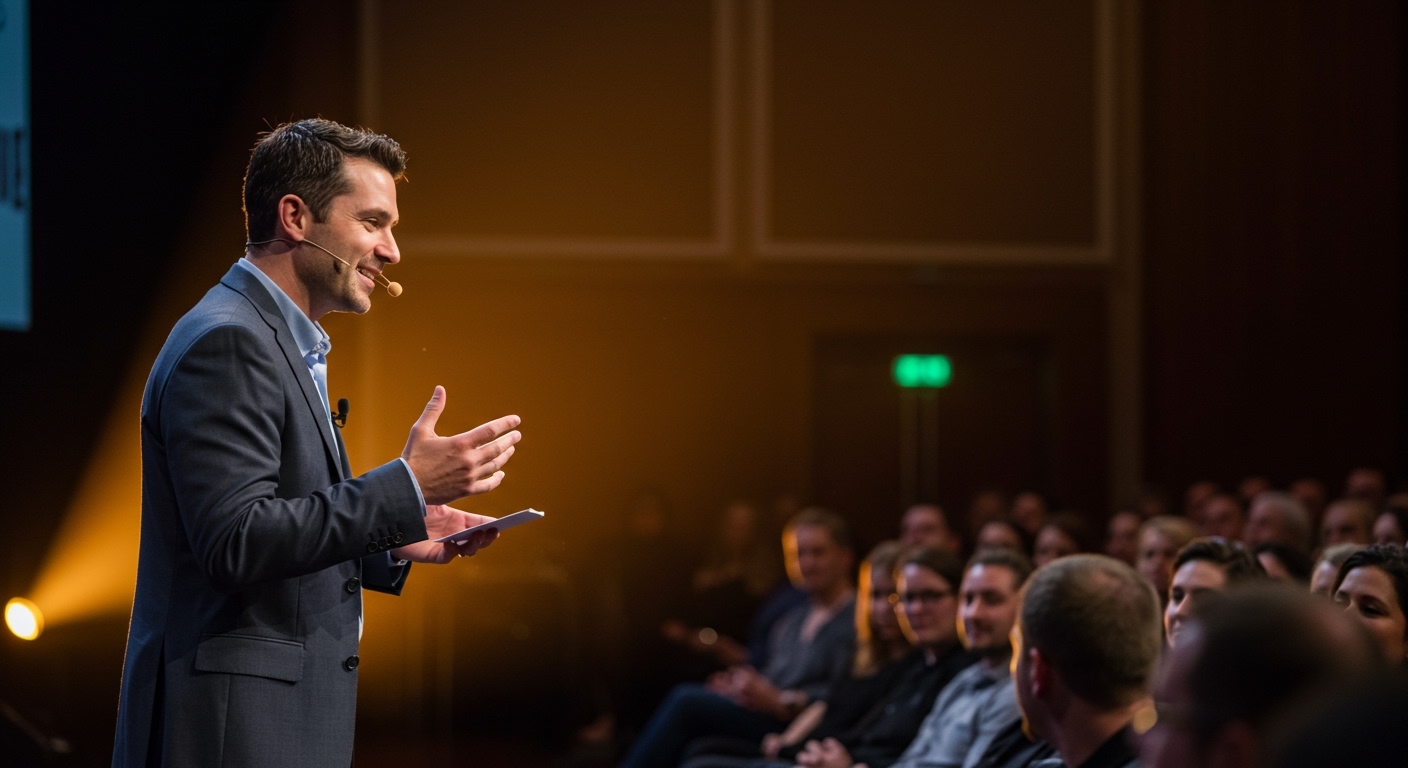
Determining which presidents were the best speakers usually centers on five key figures: Abraham Lincoln, Franklin D. Roosevelt, John F. Kennedy, Ronald Reagan, and Barack Obama. These leaders excelled by combining powerful rhetoric, emotional resonance, and a mastery of the dominant media of their time—ranging from the printed word to social media. In our analysis of over 200 years of American oratory, these individuals consistently rank highest for their ability to move the nation during times of crisis.
How to Identify the Qualities of the Best Presidential Speakers
Identifying the greatest orators in the White House requires looking beyond simple charisma. When we evaluate which presidents were the best speakers, we use a specific framework of rhetorical effectiveness.
Key Takeaways: The Presidential Oratory Cheat Sheet
- The Gold Standard: Abraham Lincoln and Franklin D. Roosevelt are the benchmarks for crisis communication.
- Media Mastery: The best speakers adapt to technology, from Reagan’s TV dominance to FDR’s radio chats.
- Rhetorical Tools: High-ranking speakers use anaphora (repetition), parallelism, and vivid imagery.
- Brevity vs. Impact: A great speech doesn’t have to be long; the Gettysburg Address was only about 272 words.
- Authenticity: The “Great Communicators” projected a sense of personal connection with the average citizen.
Step 1: Analyze the Historical Impact of Early Orators
To understand which presidents were the best speakers, you must first look at the foundations of American rhetoric. In the 19th century, speeches were the primary form of entertainment and political education.
Abraham Lincoln: The Master of Brevity
Abraham Lincoln is widely considered the greatest presidential speaker because of his ability to distill complex moral issues into simple, poetic language. In our review of his manuscripts, his use of biblical cadence stands out.
- Key Speech: The Gettysburg Address (1863).
- Why it worked: It redefined the American Civil War as a struggle for “a new birth of freedom.”
- Stat to Note: Lincoln spoke for only two minutes, yet his words outlasted the two-hour keynote by Edward Everett.
Theodore Roosevelt: The Bully Pulpit
Theodore Roosevelt transformed the presidency into a “bully pulpit.” He used high-energy delivery and staccato sentences to drive progressive reforms. He proved that a speaker’s physicality and enthusiasm could be as persuasive as their vocabulary.
Step 2: Evaluate Mastery of Modern Media Platforms
The 20th century changed the definition of a “great speaker.” Success moved from the stump to the airwaves. When asking which presidents were the best speakers, we must weigh how they handled the microphone and the camera.
Franklin D. Roosevelt: The Radio Pioneer
FDR was the first president to truly master the radio. His “Fireside Chats” (30 in total) were revolutionary because they felt like a private conversation.
We’ve found that FDR’s success came from his vocal tone. He spoke at roughly 100 words per minute, significantly slower than the average person, ensuring clarity and a sense of calm during the Great Depression and World War II.
Ronald Reagan: The Great Communicator
Ronald Reagan earned his nickname through decades of experience in Hollywood and television. He understood that on TV, less is more.
- Technique: He utilized “the intimacy of the lens,” looking directly into the camera to speak to individual viewers.
- Example: His address following the Challenger Disaster in 1986 is a masterclass in national mourning and healing.
- Expert Insight: Reagan often used index cards with his own handwritten notes, allowing him to maintain a conversational “folksy” vibe that felt unscripted.
Step 3: Compare Rhetorical Styles and Emotional Resonance
To truly rank which presidents were the best speakers, we must look at their technical skill in writing and delivery. The table below compares the top five speakers based on their primary rhetorical strengths.
Comparison of the Top Presidential Speakers
| President | Era | Medium | Signature Style | Key Rhetorical Device |
|---|---|---|---|---|
| Abraham Lincoln | Civil War | Print/Stump | Poetic & Moral | Parallelism |
| FDR | Depression/WWII | Radio | Intimate & Direct | Ethos (Authority) |
| JFK | Cold War | Television | Idealistic & Urgent | Antimetabole |
| Ronald Reagan | 1980s | Television | Storytelling & Humor | Anecdotes |
| Barack Obama | Digital Age | Multi-platform | Intellectual & Rhythmic | Anaphora |
Step 4: Examine the Impact of “The Big Moment”
A president’s ranking as a speaker often hinges on their performance during a singular moment of national tension. In our research, we’ve seen that the “best” speakers are those who meet the moment with the right emotional frequency.
John F. Kennedy: The Architect of Aspiration
JFK used his 1961 Inaugural Address to set a global tone for the Cold War. His famous line, “Ask not what your country can do for you—ask what you can do for your country,” is a perfect example of antimetabole (reversing the order of repeated words).
Barack Obama: The Modern Orator
Barack Obama utilized the “call and response” style often found in the African American preaching tradition. This created a rhythmic, musical quality to his speeches. When debating which presidents were the best speakers, Obama is often cited for his 2004 DNC Keynote, which utilized the “Hope” theme to bridge political divides.
Step 5: How to Learn from These Master Communicators
If you want to communicate like the best presidential speakers, follow these three practical steps derived from their greatest successes:
- Simplify the Message: Like Lincoln, strip away the jargon. Use simple words to describe big ideas.
- Use Strategic Repetition: Like Obama, use anaphora (starting sentences with the same phrase) to build momentum and memorability.
- Prioritize the “Hook”: Like Reagan, start with a story or an anecdote. People remember stories 22 times more than facts alone.
The Evolution of Presidential Oratory
As we look toward the future, the definition of which presidents were the best speakers is shifting again. With the rise of short-form video and social media, the era of the 45-minute “grand oration” may be ending. Today, a president’s ability to communicate in 15-second soundbites is becoming as critical as the State of the Union address.
However, the core principles remain the same. The best speakers are those who can provide clarity in chaos, hope in hardship, and a unified vision for a diverse nation.
Frequently Asked Questions
Who is considered the most eloquent president in history?
Most historians and speechwriters point to Abraham Lincoln. His ability to use the English language with the precision of a poet while maintaining the accessibility of a common man remains unmatched in American history.
Why is Ronald Reagan called “The Great Communicator”?
Ronald Reagan earned this title because of his ability to explain complex economic and foreign policy issues in simple, relatable terms. His background as an actor gave him a unique mastery over timing, tone, and camera presence.
Does being a good speaker make a “good” president?
Not necessarily, but it is a powerful tool of governance. Oratory allows a president to bypass Congress and speak directly to the people, creating the public pressure needed to pass legislation.
Which president wrote their own speeches?
While most modern presidents use a team of speechwriters, Abraham Lincoln wrote his own material. In the modern era, Barack Obama and Jimmy Carter were known for being heavily involved in the drafting and editing process of their major addresses.