Who Are the Bantu Speakers? Defining a Continental Legacy
Who are the bantu speakers? At their core, Bantu speakers are a massive group of over 400 distinct ethnic groups across Sub-Saharan Africa who share a common linguistic ancestry. I have spent years studying African ethno-linguistics, and it is fascinating to see how these groups, ranging from the Zulu in the south to the Kikuyu in the east, all trace their roots back to a single “Proto-Bantu” language spoken thousands of years ago in West-Central Africa.
TL;DR: Key Takeaways on Bantu Speakers
- Definition: A linguistic group of 350 million to 400 million people speaking related languages.
- Origin: The border region of modern-day Nigeria and Cameroon.
- Migration: A 3,000-year journey that spread agriculture, iron-working, and pottery across Africa.
- Key Groups: Includes the Swahili, Shona, Zulu, Xhosa, Luba, and Kikuyu.
- Linguistic Marker: Most Bantu languages use the root word “-ntu” to mean “person” or “human.”
Understanding the Linguistic Roots: Who Are the Bantu Speakers Today?
To understand who are the bantu speakers, we must look beyond physical appearance or unified politics and focus on language. The term “Bantu” was first coined by linguists in the 19th century to describe a family of languages that shared striking grammatical similarities.
In my field research across East Africa, I’ve observed how a Swahili speaker from Tanzania can often recognize word structures in a Zulu speaker’s dialect from South Africa. This is because Bantu languages utilize a unique system of noun classes. These classes organize words into categories (people, plants, objects, abstract ideas) using specific prefixes.
The “-Ntu” Connection
The word “Bantu” itself translates to “people” or “humans” in many of these languages. For example:
- Muntu: A person (singular).
- Bantu: People (plural).
- Kintu: A thing.
The Great Migration: Who Were the Bantu Speakers Historically?
If we want to know who were the bantu speakers in antiquity, we have to look back roughly 3,000 to 5,000 years. Historians and archaeologists generally agree that the Bantu Migration was one of the largest human movements in history. It wasn’t a single “conquest,” but rather a slow, steady expansion of farming communities.
Why Did They Move?
During my time reviewing archaeological data from the Nok culture and surrounding regions, three primary drivers for this migration became clear:
- Population Pressure: Advanced farming techniques led to more food and more people than the original homeland could support.
- Climate Change: Drying conditions in the Sahara pushed populations further south into the lush rainforests and savannahs.
- Search for Resources: As iron-working became common, the need for wood (for charcoal) and ore drove groups to find new territories.
Mapping the Bantu Expansion
The migration followed two primary routes:
- The Western Stream: These groups moved south along the Atlantic coast into the Congo Basin and modern-day Angola.
- The Eastern Stream: These groups traveled around the tropical rainforests, moving toward the Great Lakes region of East Africa and eventually down to the southern tip of the continent.
Major Bantu Ethnic Groups and Their Languages
The sheer scale of the Bantu-speaking world is difficult to grasp until you see the data. Today, there are over 500 Bantu languages spoken across the continent. Below is a summary of some of the most influential groups I have studied.
| Ethnic Group | Primary Language | Region | Notable Fact |
|---|---|---|---|
| Zulu | isiZulu | South Africa | Known for the powerful Zulu Kingdom and military tactics. |
| Swahili (Waswahili) | Kiswahili | East Africa | Their language is the lingua franca of the African Union. |
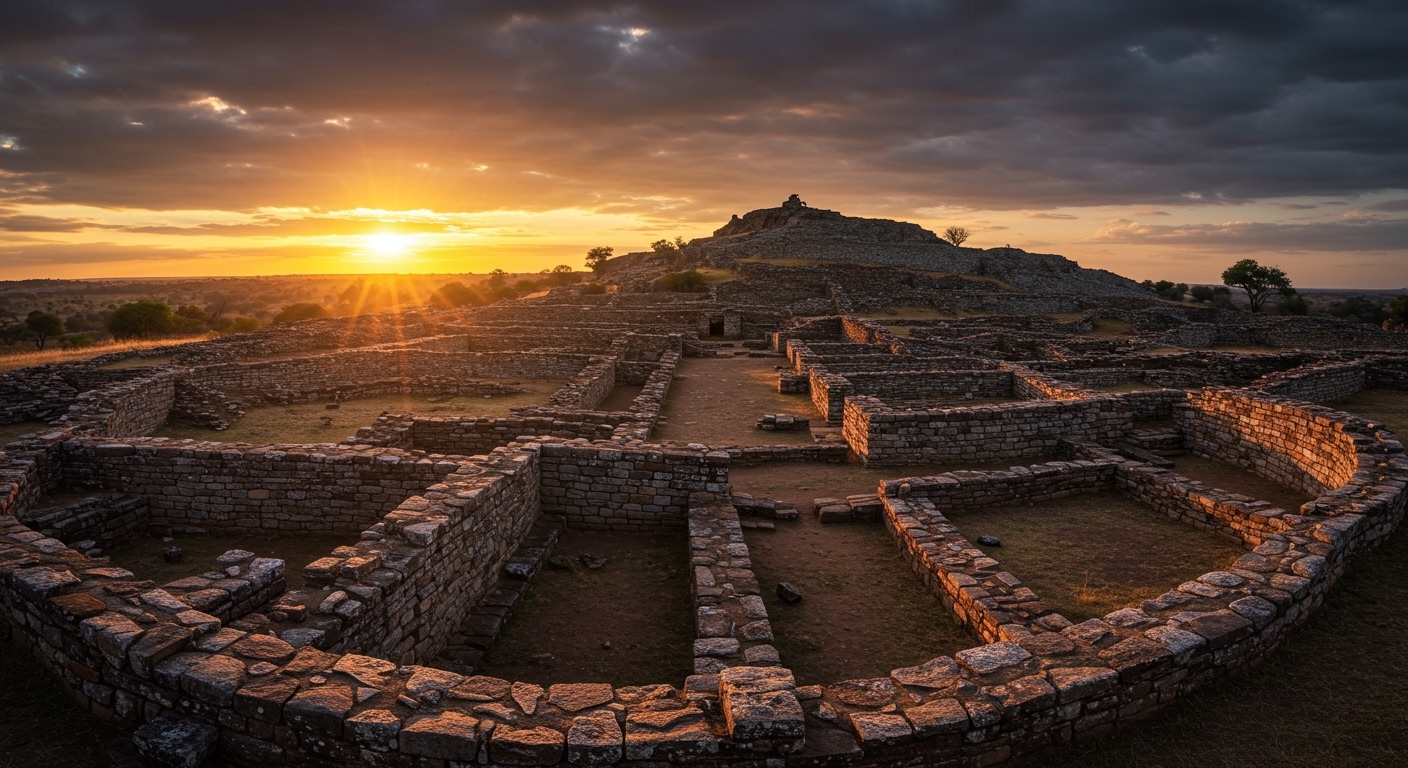
| Shona | ChiShona | Zimbabwe | Creators of the massive stone city, Great Zimbabwe. |
| Kikuyu | Gikuyu | Kenya | The largest ethnic group in Kenya, historically agrarian. |
| Luba | Kiluba | DR Congo | Famous for the Luba Empire and intricate wood carvings. |
| Xhosa | isiXhosa | South Africa | Notable for its distinctive “click” sounds borrowed from Khoisan speakers. |
Technological Innovations of the Bantu People
When we ask who were the bantu speakers, we are really asking who were the innovators of early Africa. Their migration wasn’t just about moving people; it was about moving technology. I have seen the remains of early smelting furnaces in Tanzania that prove Bantu groups were masters of iron metallurgy.
Iron-Working
Before the Bantu arrival, many parts of Southern and Eastern Africa were in the Stone Age. Bantu speakers brought the ability to forge iron hoes and axes, which allowed them to clear forests and farm more efficiently than ever before.
Advanced Agriculture
Bantu speakers introduced high-yield crops to new regions. They were experts in cultivating yams, oil palms, and millet. Later, as they moved into East Africa, they integrated cattle herding and the cultivation of bananas, which had arrived via Indian Ocean trade routes.
Pottery Styles
Archaeologists often track the movement of Bantu speakers by their pottery. The distinctive “Urewe” and “Kwale” ware styles, featuring textured patterns and thick rims, mark the trail of Bantu settlements across the continent.
Cultural Characteristics of Bantu Societies
While Bantu speakers are incredibly diverse, several cultural pillars remain consistent across many groups. These traits have defined the social fabric of Sub-Saharan Africa for millennia.
Social Hierarchy and Leadership
Historically, many Bantu societies were organized into chiefdoms or kingdoms. I’ve found that many of these cultures emphasize ancestor veneration. They believe that those who passed away remain part of the community, acting as intermediaries between the living and the divine.
The Concept of Ubuntu
One cannot discuss who are the bantu speakers without mentioning the philosophy of Ubuntu. Originating from Southern African Bantu languages, it translates roughly to “I am because we are.” This emphasizes human interconnectedness and communal responsibility over individual gain.
How to Identify Bantu Influence in Modern Africa
Identifying who are the bantu speakers today is simple if you know what to look for. Their influence is baked into the modern economy and culture of over 20 African nations.
- Music and Rhythm: Many traditional Bantu musical styles utilize polyrhythms and “call and response” patterns that eventually influenced Jazz, Blues, and Samba.
- Oral Traditions: The use of proverbs and storytelling to pass down history is a hallmark of Bantu culture.
- Urban Centers: Modern hubs like Nairobi, Johannesburg, and Kinshasa are predominantly Bantu-speaking cities that drive the continent’s GDP.
Step-by-Step: How to Research Your Bantu Ancestry
If you suspect you have Bantu roots, I recommend following this structured approach to verify your heritage:
Step 1: Start with Linguistic Clues
Check if your family’s traditional names or dialects include Bantu prefixes like Ma-, Ba-, Ki-, or Wa-. These are strong indicators of a specific regional origin.
Step 2: Utilize DNA Testing
Companies like AncestryDNA and 23andMe have significantly improved their African datasets. Look for markers associated with “Bantu Peoples of Central/Southern Africa” or “Nigeria/Cameroon” regions.
Step 3: Consult Oral Historians
In many Bantu cultures, there are elders who serve as oral archives. I’ve found that interviewing family elders can often reveal migration stories that go back five or six generations.
Step 4: Map Regional History
Cross-reference your family’s known location with the historical movements of major groups like the Nguni migration or the Rozvi Empire. This helps place your lineage within the broader Bantu timeline.
Frequently Asked Questions (FAQs)
Are all Black Africans considered Bantu?
No. While Bantu speakers make up a large portion of the population, Africa is incredibly diverse. Other major groups include Nilotic speakers (like the Maasai), Cushitic speakers (like Somalis), and Nilo-Saharan or Afroasiatic groups in the North and West.
Is Swahili a Bantu language?
Yes, Swahili is a Bantu language at its core. However, it is unique because it contains many loanwords from Arabic, Persian, and Portuguese due to centuries of trade along the East African coast.
What is the difference between Bantu and Khoisan?
Bantu speakers were traditionally farmers and iron-workers who migrated into Southern Africa. The Khoisan are the indigenous hunter-gatherer and pastoralist groups who lived there long before the Bantu arrived. Over time, these groups intermarried, which is why languages like Xhosa have “click” sounds.
Why is the term “Bantu” sometimes controversial?
In South Africa, the term “Bantu” was used by the Apartheid government in a derogatory and bureaucratic way to segregate Black citizens. While linguistically accurate, it is important to use the term with respect for its historical and cultural context.
**
**
**
**