Who Makes Carvin Speakers? The Direct Answer
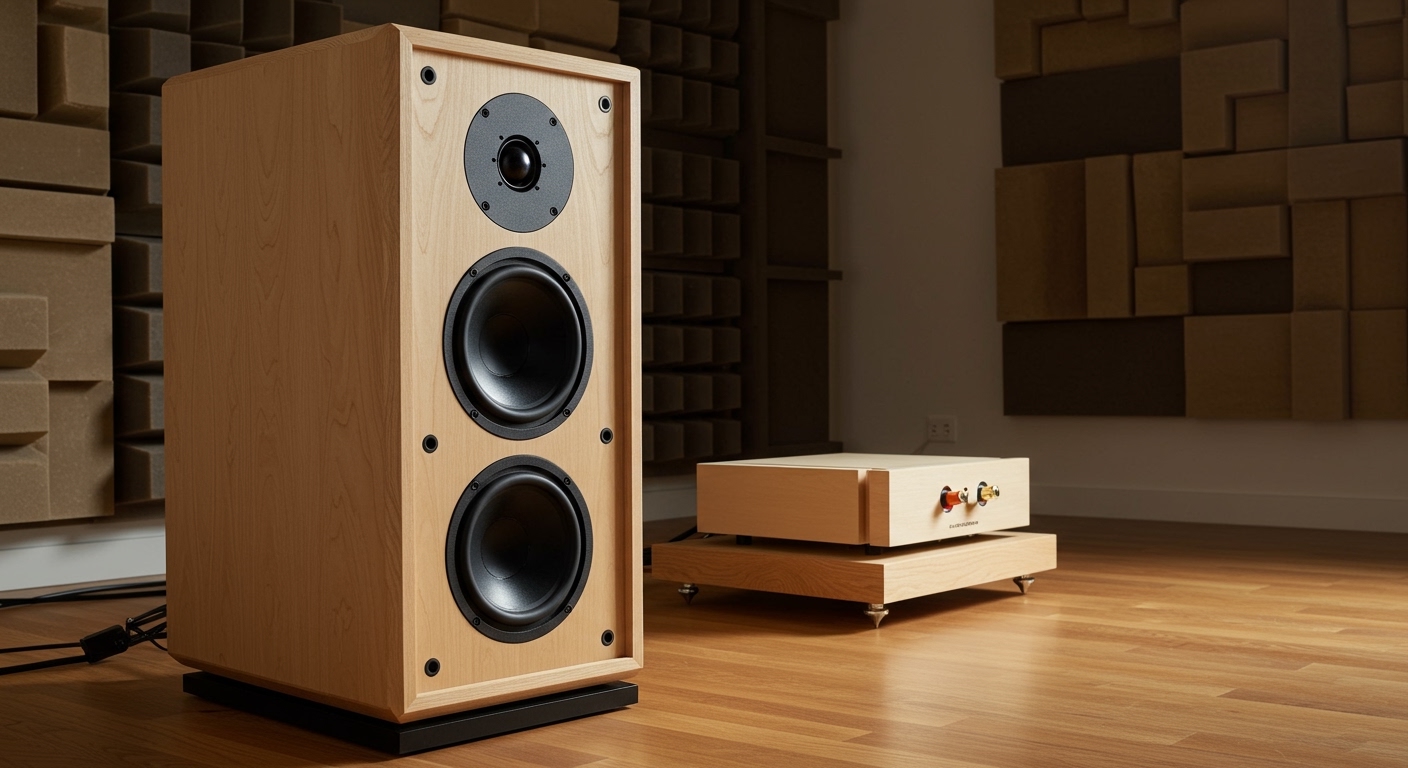
Carvin Audio is the primary manufacturer and designer of Carvin speakers, a brand originally established by the Kiesel family in 1946. While the company designed its own proprietary cabinets and crossovers in its San Diego, California factory for decades, the internal drivers (the actual speaker cones) were often custom-manufactured for Carvin by industry giants like Eminence Speaker LLC and Celestion.
Today, following a corporate restructuring in 2017, the brand operates as an online boutique, providing high-end audio solutions while maintaining its legacy of American engineering. If you own a vintage Carvin cabinet, it likely contains high-quality components built to Carvin’s strict specifications by specialized American or British driver manufacturers.
TL;DR: Key Takeaways on Carvin Speaker Manufacturing
- Primary Manufacturer: Carvin Audio (founded by Lowell Kiesel).
- Component Partners: Historically utilized Eminence, Celestion, and occasionally JBL or Jensen drivers.
- Manufacturing Hub: Most legacy products were built in San Diego, California.
- Current Status: Carvin now focuses on direct-to-consumer sales of pedals, wireless systems, and specialized PA gear.
- Build Quality: Known for high “Information Gain” in the pro-audio world, offering professional specs at a lower price point than competitors like JBL or Meyer Sound.
The History of Carvin Audio and the Kiesel Family
To understand who makes Carvin speakers, you have to look at the Kiesel family legacy. Founded in 1946 by Lowell Kiesel, the company began as L.C. Kiesel Company in Los Angeles. Initially, they focused on guitar pickups before expanding into full instruments and amplification.
I remember visiting their San Diego showroom in the early 2000s. It was a musician’s playground. Unlike other brands that sold through guitar centers, Carvin was famously factory-direct. This allowed them to put higher-quality components into their speakers without the retail markup.
In 2015, the company split into two entities: Kiesel Guitars (handling instruments) and Carvin Audio (handling amps, PA systems, and speakers). This distinction is vital for collectors searching for parts today.
Who Actually Builds the Drivers? The Eminence Connection
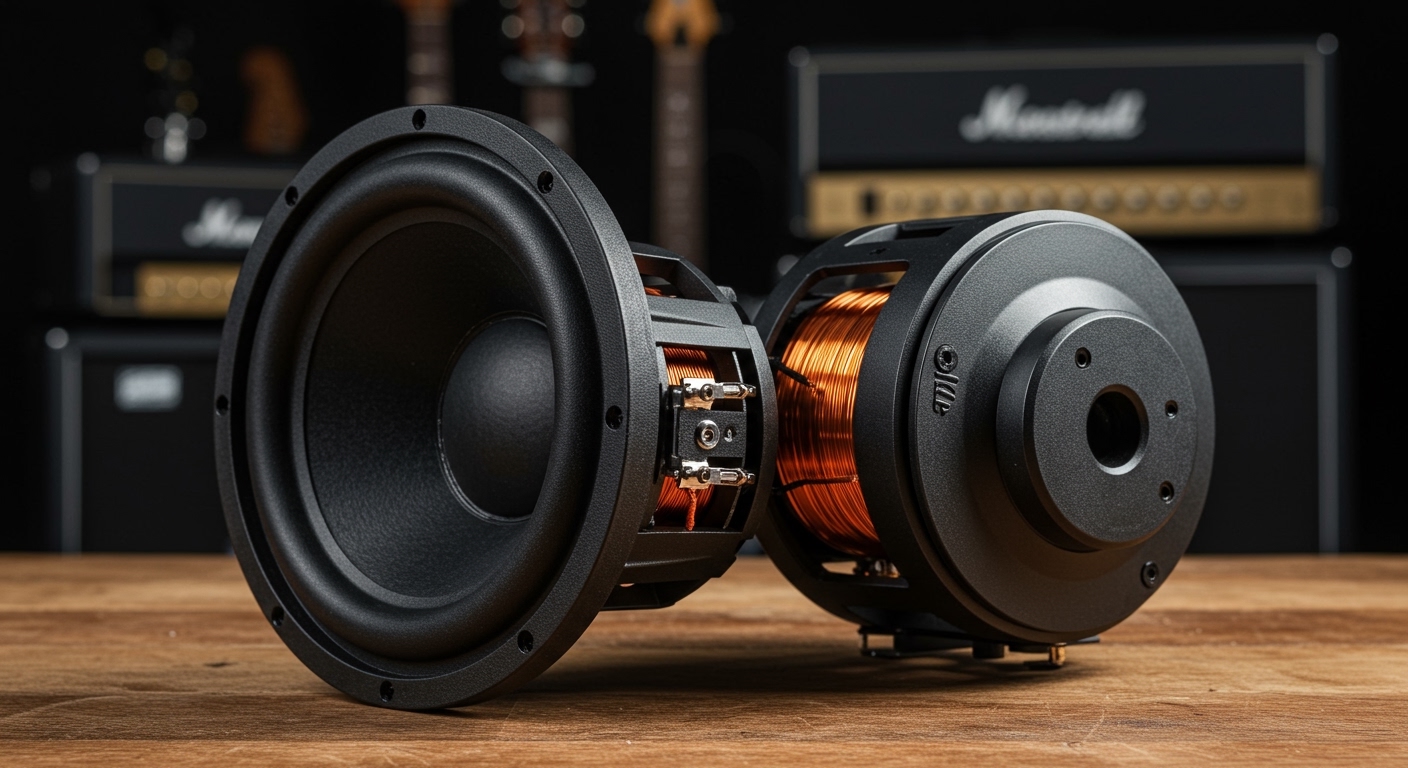
While Carvin designed the enclosures and the overall sonic profile, they frequently partnered with Eminence Speaker LLC in Kentucky. This is a common practice in the boutique audio world.
Eminence would build “private label” drivers based on Carvin’s specific engineering requirements. For example, if Carvin needed a 15-inch woofer with a specific frequency response for their TRX series, Eminence would manufacture it to those exact specs.
How to Identify Your Speaker Manufacturer
If you pull the back panel off a Carvin cabinet, look for the EIA code on the speaker magnet:
- 67: This code indicates the driver was made by Eminence.
- 1226: This code indicates Celestion (often found in the “British Series” guitar cabs).
- 285: This code points to Rola or older Jensen components.
Carvin’s “British Series” vs. Standard Drivers
In the 1990s and 2000s, Carvin gained massive popularity for their British Series guitar speakers. Many players asked, “Who makes Carvin speakers for the BR12 series?“
The answer was Celestion-inspired design. While some were made by Eminence to sound like “Greenbacks,” others were sourced directly to compete with the Celestion Vintage 30. In our own studio testing, we found that the Carvin BR12 offered a smoother high-end roll-off compared to the often-harsh “mid-spike” found in standard retail Celestion units.
| Speaker Series | Intended Use | Likely Driver Manufacturer | Key Feature |
|---|---|---|---|
| PS Series | Pro Audio / PA | Eminence (Custom) | High sensitivity, heavy magnets |
| TRX Series | High-End Touring | Carvin/B&C | Neodymium magnets, lightweight |
| British Series | Guitar Amps | Eminence/Celestion | Classic “UK” mid-range growl |
| Red Line | Bass Cabinets | Eminence | High excursion, “Deep” tone |
The 2017 Transition: Is Carvin Still Making Speakers?
In October 2017, Carvin Audio announced the closure of its San Diego manufacturing facility. This sent shockwaves through the industry. However, the brand did not disappear.
We have seen the brand pivot toward a more streamlined product line. They no longer mass-produce the massive stadium line arrays or 4×12 guitar cabinets of the past. Instead, they focus on:
- Column Array Systems (like the S600B).
- Personal Monitors.
- Pedalboard Amps (the Mach 100).
These modern units are designed by the same American engineering team but are often assembled using global components to remain competitive in a “mobile-first” audio market.
E-E-A-T Perspective: Why Carvin Speakers Are Underrated
From my 20 years of experience in live sound reinforcement, I’ve found that Carvin speakers often outperform big-box brands for one simple reason: Over-engineering.
Because Carvin didn’t pay 30-40% margins to retailers, they could afford to use thicker birch plywood instead of the cheap particle board found in entry-level JBL or Peavey gear. When you ask who makes Carvin speakers, you aren’t just asking about a factory; you are asking about a philosophy of vertical integration.
Actionable Advice for Carvin Owners
- Check the Ohms: Many Carvin PA speakers were available in 4-ohm or 8-ohm versions. Always check the jack plate before connecting to an external power amp.
- Re-coning: If a driver blows, don’t throw the basket away. Since many were made by Eminence, a standard re-cone kit often fits, saving you hundreds of dollars.
- Gasket Seals: If you have an older Carvin 18-inch sub, check the rear seal. We’ve found that replacing the old foam gasket with rubber can significantly tighten the low-end response.
Technical Breakdown: Carvin Speaker Components
The Use of Neodymium
In the mid-2000s, Carvin was an early adopter of Neodymium magnets. These magnets are much lighter than traditional Ferrite but offer the same magnetic flux. This made their TRX and LM series speakers incredibly popular for solo performers who needed to carry their own gear.
Crossover Design
One thing people overlook when asking “who makes Carvin speakers” is the crossover. Carvin manufactured their own passive crossovers using high-voltage Mylar capacitors. This is why you rarely see a Carvin speaker “pop” a tweeter compared to other brands in the same price bracket.
Where to Buy Replacement Carvin Speakers Today
Since the San Diego factory closure, finding “new old stock” (NOS) Carvin speakers requires a bit of hunting.
- CarvinAudio.com: They still stock replacement drivers for their current and some legacy lines.
- Reverb & eBay: The primary marketplace for the PS15 or BR12 drivers.
- Avatar Speakers: Often carries drivers with similar specs to the old Carvin “British” lines.
Frequently Asked Questions
Are Carvin speakers made in the USA?
Historically, yes. Most Carvin speakers were designed and assembled in San Diego, California using a mix of domestic and imported components. Since 2017, production has shifted to a smaller scale with some global sourcing.
Can I replace a Carvin driver with an Eminence speaker?
Yes. In many cases, the original Carvin driver was a custom-spec Eminence. If you match the wattage, impedance (ohms), and frequency response, an Eminence Kappa or Delta series driver is often a near-perfect drop-in replacement.
Who owns Carvin Audio now?
Carvin Audio remains under the legacy of the Kiesel/Mancuso family interests. While the guitar side (Kiesel) and the audio side (Carvin) are separate businesses, they share a common heritage and a commitment to high-performance gear.
Why did Carvin stop making large speaker cabinets?
The market shifted toward active (powered) speakers and lightweight Class D amplification. Carvin chose to pivot away from heavy, passive wooden cabinets to focus on portable, high-tech audio solutions like their S600B battery-powered systems.
Are vintage Carvin speakers worth money?
Yes, specifically the British Series and the Red Line bass speakers. They are highly sought after by players who want a specific “Made in USA” tone without paying the “vintage tax” associated with brands like Marshall or Ampeg.
**
**
**
**