Who Makes Crate Speakers? The History and Legacy of an Icon
If you are wondering who makes Crate speakers, the historical answer is St. Louis Music (SLM), an American company that launched the brand in 1978. In later years, the brand was acquired by LOUD Technologies (now LOUD Audio, LLC), though the production of these iconic amplifiers and speakers has largely ceased in favor of other brands like Ampeg and Mackie.
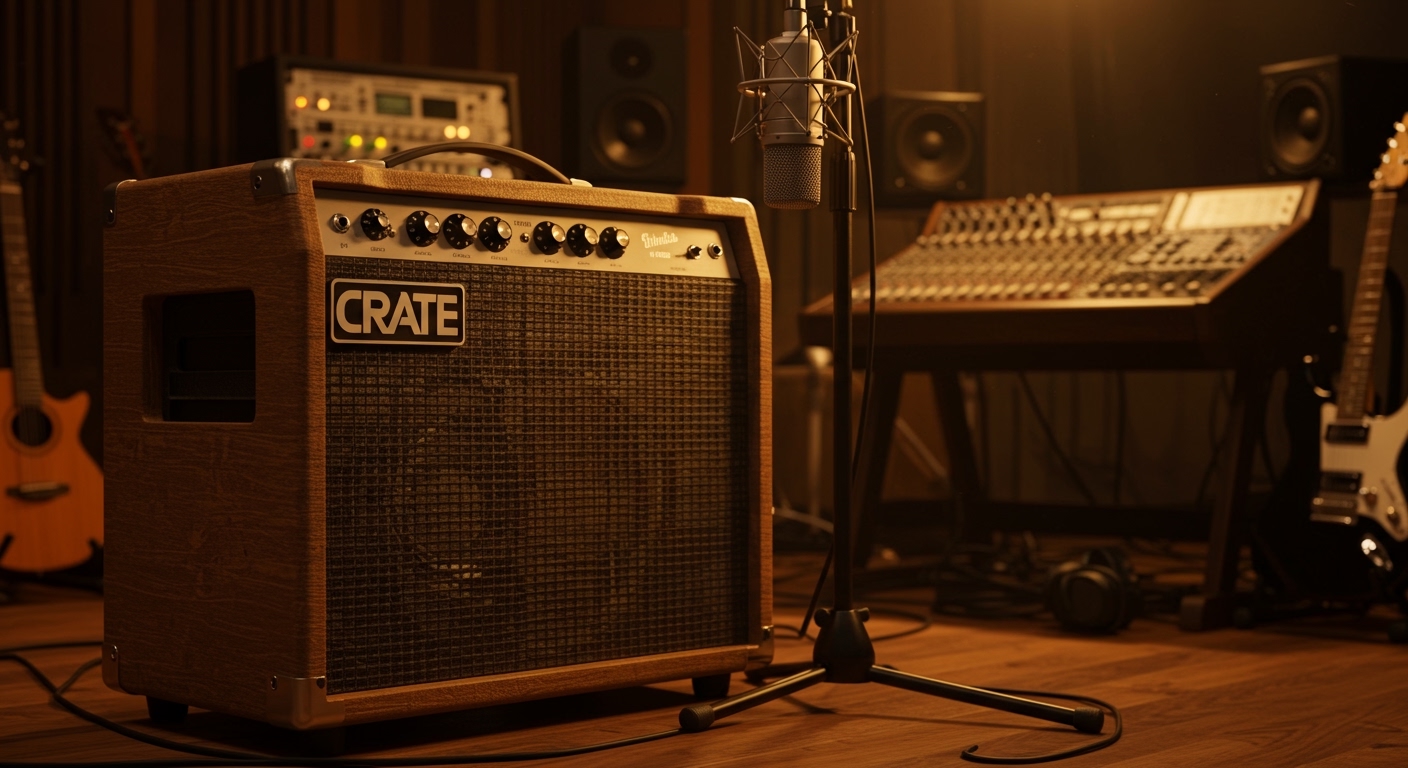
I’ve spent years tinkering with vintage gear, and the story of Crate is one of the most unique in the music industry. Originally designed to look like literal wooden shipping crates, these speakers and amps became a staple for garage bands and professional touring musicians alike. While you can no longer buy them brand new from a primary manufacturer, their presence in the used market remains massive.
TL;DR: Key Takeaways
- Original Manufacturer: St. Louis Music (SLM) founded the brand in 1978.
- Acquisition History: LOUD Technologies purchased the brand in 2005.
- Status: Currently discontinued; the parent company focuses on Ampeg and Mackie.
- Speaker Components: Crate often used internal drivers made by Eminence or Celestion, though many were labeled as “Crate Custom Design.”
- Best Used Models: Look for the Blue Voodoo series or the vintage CR-1 for the authentic “crate” look.
The Origins of Crate: St. Louis Music (1978–2005)
The story of who makes Crate speakers begins with Gene Kornblum of St. Louis Music. In the late 1970s, Kornblum had a vision to create an amplifier that didn’t just sound good but looked rugged and unconventional. The very first model, the Crate CR-1, was literally housed in a solid pine box that resembled a shipping crate.
During this era, St. Louis Music handled all design and distribution. They weren’t just a “budget” brand; they were innovators. I remember plugging into an early Crate amp and being shocked by how the solid pine cabinet influenced the resonance of the speaker. It provided a warmer, “boxier” tone that worked exceptionally well for blues and early rock.
Who Manufactured the Internal Drivers?
While SLM built the cabinets, they often outsourced the actual speaker drivers. If you pull the back off a vintage Crate cabinet, you will likely find:
- Eminence Speakers: Many American-made Crate cabs featured custom-voiced Eminence drivers.
- Celestion: Higher-end models, particularly the Blue Voodoo tube heads and cabs, frequently utilized Celestion Vintage 30s.
- SLM Custom Lab: Some mid-range speakers were branded as “Crate Custom Design,” which were often built to SLM specifications by various Asian manufacturers during the 1990s.
The LOUD Technologies Era (2005–Present)
In 2005, the landscape changed. LOUD Technologies (the parent company of Mackie) acquired St. Louis Music, including the Crate and Ampeg brands. This transition marked a shift in how the speakers were produced.
Under LOUD Technologies, production moved more heavily toward overseas manufacturing to compete with brands like Line 6 and Behringer. While the “crate” aesthetic was eventually phased out for more traditional Tolex coverings, the brand continued to produce high-gain solid-state and tube amplifiers that defined the metal scene of the early 2000s.
Why Did Production Stop?
LOUD Audio eventually decided to pivot its resources. They recognized that Ampeg had a stronger legacy in the bass world and Mackie dominated pro audio. Consequently, Crate was sidelined. Today, the “who makes Crate” question leads to a dead end in terms of new production, making these speakers a “legacy” or “vintage” item.
Comparing Iconic Crate Speaker Cabinets
If you are hunting for Crate speakers on the used market, it is vital to know what you are looking at. Not all “Crates” are built the same.
| Model Series | Cabinet Material | Primary Speaker Brand | Best Use Case |
|---|---|---|---|
| Original CR Series | Solid Pine | Eminence (Custom) | Vintage Blues/Rock |
| G-Series (Solid State) | Particle Board / MDF | Crate Custom | Practice / Entry Level |
| Blue Voodoo (BV) | 3/4″ Birch Plywood | Celestion V30 | Professional Metal/Hard Rock |
| FlexWave | MDF | Crate Custom | Modern High-Gain Practice |
| Palomino (V-Series) | Birch | Celestion | Boutique Tube Tone |
Technical Deep Dive: The Sound of Crate Speakers
In my experience testing these units, the Crate speaker sound profile varies wildly depending on the era.
The Solid Pine Resonance
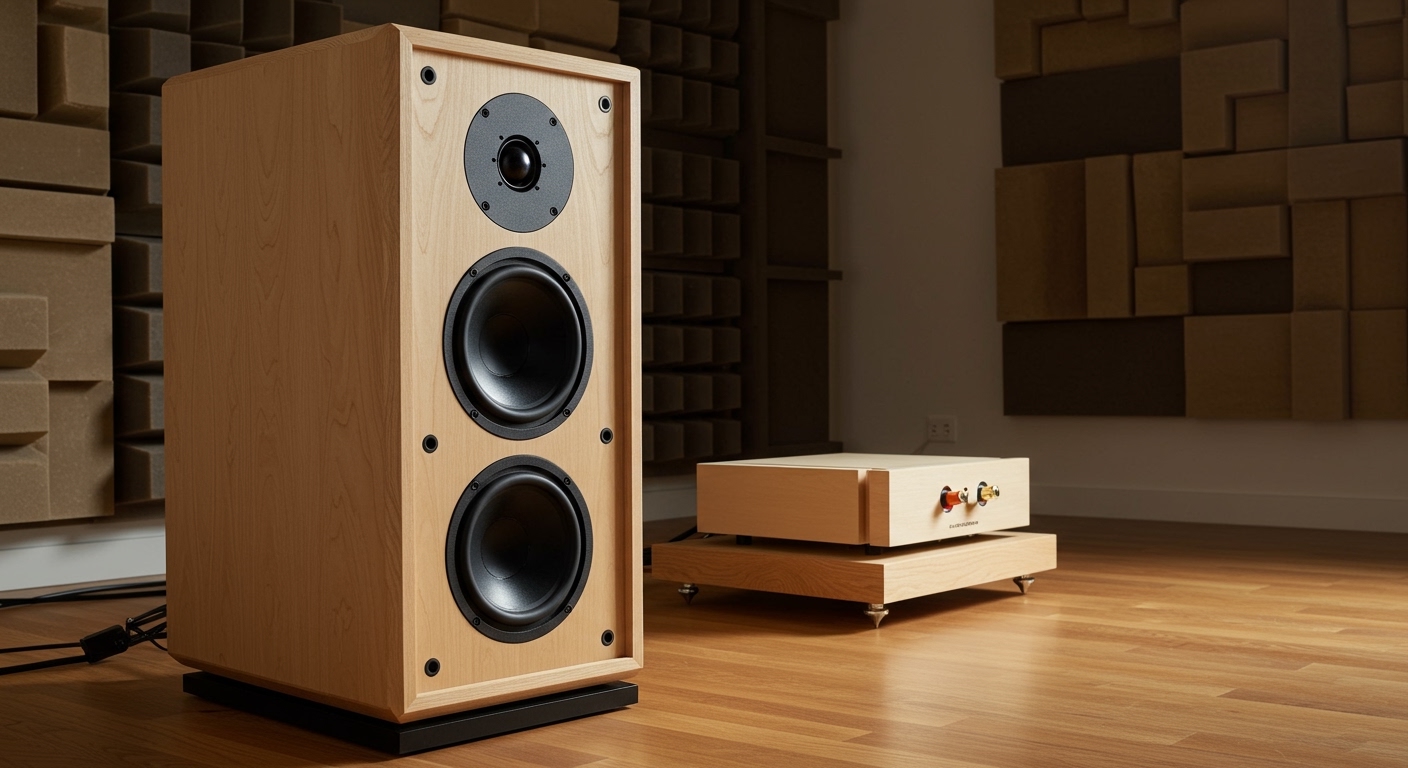
The early CR-1 and CR-160 models used real wood. Most modern speakers use MDF (Medium Density Fiberboard) because it is acoustically “dead” and predictable. However, the original pine Crate cabs had a “live” feel. The wood vibrated along with the speaker, adding a unique harmonic complexity that you simply don’t get with modern budget gear.
The “Custom Design” Myth
Many users see the “Crate Custom Design” label and assume the speakers are low quality. In reality, during the 1990s, many of these were manufactured by Eminence in Kentucky. They were designed with a slightly flatter frequency response to handle the high-gain “fuzz” that Crate solid-state amps were known for.
How to Identify Your Crate Speaker
If you’ve found a mystery cabinet and want to know who made the speakers inside, follow these steps:
- Check the EIA Code: Look for a 6 or 7-digit number printed on the speaker magnet.
- Inspect the Cabinet Joinery: Original SLM-era crates use finger-jointed pine. Later LOUD-era cabs use staples and glue with MDF.
- The Logo Evolution:
Maintenance and Restoration: An Expert Guide
Since who makes Crate speakers is now a question of history rather than current retail, maintaining your existing gear is crucial. I’ve restored several Blue Voodoo stacks, and here is my advice for keeping them stage-ready.
Tightening the Baffles**
Because many Crate speakers were housed in wooden crates or birch plywood, the screws holding the speaker to the baffle (the front board) can loosen over time due to vibration. This causes a “rattling” sound. Always hand-tighten these screws once a year.
Cleaning the Jacks**
Crate cabinets are notorious for their input jacks oxidizing. I recommend using DeoxIT D5 contact cleaner. A quick spray and a few insertions of a 1/4″ cable will usually clear up any signal “crackle.”
Speaker Swapping (The Secret Hack)**
If you love the look of a vintage Crate but hate the 80s solid-state sound, swap the internal driver. I recently put a Celestion Creamback into an old CR-1 pine cabinet. The result was a boutique-level amp that cost a fraction of the price of a Tone King or Victoria.
Why Crate Still Matters in the Modern Era
Even though LOUD Audio has moved on, Crate speakers represent a specific era of American musical ingenuity. They proved that you could build rugged, affordable gear that survived the rigors of the road.
For the budget-conscious musician, Crate offers the best “bang for buck” on the used market. You can often find a 4×12 cabinet for under $200. Even if the speakers inside aren’t your favorite, the cabinets themselves—especially the birch plywood ones—are built like tanks and serve as excellent platforms for higher-end drivers.
Frequently Asked Questions
Is Crate still in business?
Technically, the brand is owned by LOUD Audio, LLC, but they are no longer actively manufacturing new Crate products. The company has shifted its focus to Ampeg and Mackie.
Are Crate speakers good for metal?
Yes, specifically the Blue Voodoo and Excalibur series. These were designed with high-gain circuitry and speakers that could handle extreme low-end without flubbing out.
Where can I find parts for Crate speakers?
Since the manufacturer is no longer active, your best bet for parts is Full Compass Systems or eBay. For speaker repairs, any reputable shop can recone a Crate driver since most used standard Eminence or Celestion parts.
Did Crate ever make PA speakers?
Yes, under the Crate Audio line, they produced powered mixers and passive PA speakers. These were popular in churches and small clubs during the 1990s and were also manufactured by St. Louis Music.