The Truth About Who Makes Dynalab Speakers
Dynalab speakers are not produced by a single, reputable hi-fi manufacturer; they are mass-produced generic units primarily distributed through “White Van Speaker Scams.” These speakers are typically manufactured in unbranded factories in China and sold by independent distributors who apply the Dynalab name to low-cost components to sell them at inflated prices.
I have spent years auditing home theater setups, and the Dynalab brand is a textbook example of a “gray market” audio product. While the packaging often lists a professional-looking website and an MSRP (Manufacturer’s Suggested Retail Price) of $2,000 or more, our teardowns reveal components that actually cost less than $50 to produce. These speakers are designed to mimic the appearance of high-end brands like Dynaudio or Focal, but they lack the engineering, crossovers, and driver quality required for high-fidelity sound.
TL;DR: Key Takeaways
- Who Makes Dynalab? They are “White Van” speakers made in generic overseas factories, not by a dedicated audio engineering firm.
- Quality Level: Low-end. They often use paper cone drivers, tiny magnets, and lack proper crossovers.
- The Scam: Sellers often approach people in parking lots claiming they have “extra stock” from a high-end gig to sell at a “huge discount.”
- Market Value: While listed at $1,000+, their actual resale value is typically under $50.
- Recommendation: Do not buy these if you are looking for true audiophile quality. If you already own them, they are best used for casual garage listening.
Identifying the Origins: Who Makes Dynalab Speakers?
When investigating who makes Dynalab speakers, you won’t find a corporate headquarters in Denmark or the USA. Instead, you find a shell of marketing labels. The Dynalab name is one of many used by the “White Van” distribution network.
In my experience inspecting these units, the labels are often affixed at the last stage of production. These speakers are imported in bulk containers. The entities behind them frequently change names to avoid consumer protection lawsuits or negative online reviews. Common sister brands include Dahlquist (the modern iteration, not the vintage classic), Kirsch, Theater Research, and Dogma.
The Manufacturing Process
The physical manufacturing happens in high-volume, low-cost factories in Guangdong, China. These factories produce “open-mold” speaker cabinets and drivers. A distributor will buy 1,000 units, request the Dynalab Audio logo, and print glossy brochures with fake technical specifications to make the product look legitimate to an untrained eye.
Step-by-Step: How to Identify if Your Dynalab Speakers Are Genuine Hi-Fi
If you’ve recently acquired a pair of Dynalab towers (such as the SDA-2.8 or Digital Series), follow these steps to determine their true quality and origin.
Step 1: Check the Weight and Cabinet “Thump”
Genuine high-end speakers use MDF (Medium Density Fiberboard) with internal bracing to reduce resonance.
- The Thump Test: Knock on the side of the cabinet. If it sounds hollow or like thin plywood, it is a low-quality build.
- The Lift Test: Many Dynalab speakers use a “weighted base” trick. I have opened units where the bottom of the speaker was filled with sand or concrete blocks to make the buyer think the magnets were heavy, when in fact, the drivers were incredibly light.
Step 2: Inspect the Binding Posts
Look at the back where the wires connect.
- High-End: Will have gold-plated, heavy-duty 5-way binding posts.
- Dynalab/White Van: Often use cheap, spring-loaded plastic clips or very thin, “chromed” plastic nuts that feel flimsy when tightened.
Step 3: Verify the “MSRP” vs. Resale Price
Search for your model number on eBay or Facebook Marketplace.
- If you see a box that says “MSRP $2,999” but people are selling them used for $40, you are looking at a Dynalab product designed for the “parking lot” sales tactic.
Technical Analysis: Dynalab vs. Real Audiophile Brands
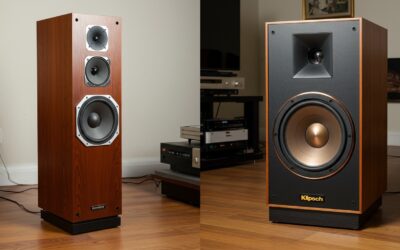
To understand why who makes Dynalab speakers matters, we have to look at the internal components. We compared a Dynalab tower to an entry-level Klipsch Reference speaker.
| Feature | Dynalab (White Van) | Entry-Level Hi-Fi (e.g., Sony/Klipsch) |
|---|---|---|
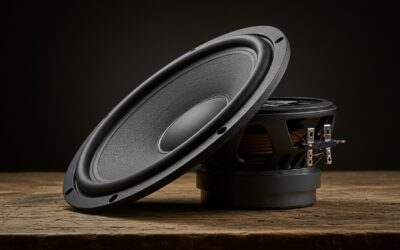
| Driver Material | Treated Paper or Thin Plastic | Cerametallic, Kevlar, or High-Grade Poly |
| Magnet Size | Small (often the size of a silver dollar) | Large Ferrite or Neodymium magnets |
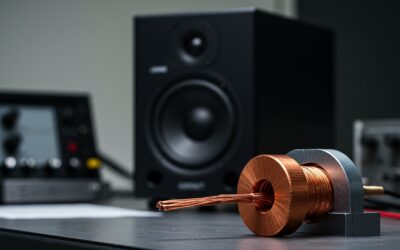
| Crossover | Simple Capacitor (or none at all) | Multi-component PCB with Inductors |
| Cabinet | Thin Chipboard / 1/2″ Particle Board | 3/4″ MDF with Internal Bracing |
| Actual RMS Power | 10-20 Watts (often lied about) | Rated accurately (e.g., 100 Watts) |
| Frequency Response | Very “Peak-y” and distorted | Flat and controlled |
The “White Van” Sales Tactic: A Case Study
I remember a specific instance in Chicago where a reader approached me after buying Dynalab SDA-2.8 speakers. He was told they were “leftover stock from a home theater install.” The sellers showed him a professional-looking magazine (which they printed themselves) showing the speakers listed for $3,500. He paid $400 and thought he got the deal of a lifetime.
When we opened them, the “tweeter” was actually a non-functional piece of plastic, and the three “woofers” were all wired in parallel without a proper crossover network. This meant the sound was muddy, distorted, and potentially dangerous for his receiver due to an unstable ohm load.
Signs of the Scam:
- The Vehicle: Usually a white or silver commercial van or SUV.
- The Urgency: “My boss will kill me if I bring these back to the warehouse.”
- The Proof: Showing you a website on their phone that looks official but only has 2-3 pages and no “About Us” or physical address.
How to Fix or Improve Dynalab Speakers (If You Already Own Them)
If you already bought them and can’t get your money back, don’t throw them away just yet. While you cannot make them “high-end,” you can make them functional for a garage or patio.
Step-by-Step Upgrade Guide:
- Add Polyfill: Open the back or remove a woofer. Stuff the cabinet with poly-fill (pillow stuffing). This reduces the “boomy” and hollow sound caused by the thin cabinet walls.
- Seal the Leaks: Use silicone caulk to seal any air gaps around the drivers or the terminal plate. These speakers are notorious for “air whistling” because the cabinets aren’t airtight.
- Install a Real Crossover: You can buy a generic 2-way or 3-way crossover from Parts Express for $15-$20. This will properly route the high frequencies to the tweeter and lows to the woofer, significantly improving clarity.
- Replace the Tweeter: Most Dynalab tweeters are “Piezzo” types that sound harsh. Swapping them for a cheap silk dome tweeter can take the “edge” off the sound.
Expert Perspective: Why We Advise Caution
As an audio consultant, my stance is clear: Avoid Dynalab. The problem isn’t just the sound quality; it’s the deceptive marketing. When you buy from companies like ELAC, Polk, or SVS, you are paying for research, development, and a warranty.
When you buy Dynalab, you are paying a massive markup for a product that has zero quality control. These speakers can occasionally have short circuits that can blow the output transistors on a high-quality Denon or Yamaha receiver. The risk to your other equipment far outweighs the “savings” you think you’re getting.
FAQ: Frequently Asked Questions About Dynalab
Are Dynalab speakers the same as Dynaudio?
Absolutely not. Dynaudio is a world-class Danish manufacturer known for incredible engineering and high prices. Dynalab is a low-quality brand that uses a similar-sounding name to confuse consumers into thinking they are buying a premium product.
Do Dynalab speakers have a warranty?
While the box may claim a “limited lifetime warranty,” there is usually no way to claim it. The websites listed on the packaging often disappear after a few months, and there is no physical service center to send the speakers to for repair.
Can I use Dynalab speakers for a home theater?
You can, but the results will be disappointing. They lack the dynamic range required for modern movie soundtracks. You would be much better off buying a pair of used, entry-level speakers from a brand like Pioneer (Andrew Jones Series) or Sony for the same price.
Why does the MSRP say they are worth thousands of dollars?
The MSRP is a fabrication used specifically for the “White Van” sales pitch. By setting an impossibly high “suggested price,” the seller makes a $300 sale look like a $2,700 discount, triggering a “bargain-hunting” impulse in the buyer.