Understanding Who Makes Fender Speakers: The Definitive Guide
Who makes Fender speakers is a question with a multi-layered answer: Fender typically sources their speakers from legendary manufacturers like Eminence, Jensen, Celestion, and JBL. While the labels often say “Fender Special Design,” these units are custom-built to Fender’s specifications by these specialized third-party partners to achieve iconic “American” or “British” tones.
Key Takeaways for Fender Enthusiasts
- Primary Manufacturers: Eminence and Jensen are the most common providers for classic Fender “American” cleans.
- British Influence: Modern and high-gain Fender amps often utilize Celestion speakers.
- Vintage Identification: You can identify the manufacturer by checking the EIA source code stamped on the speaker frame or magnet.
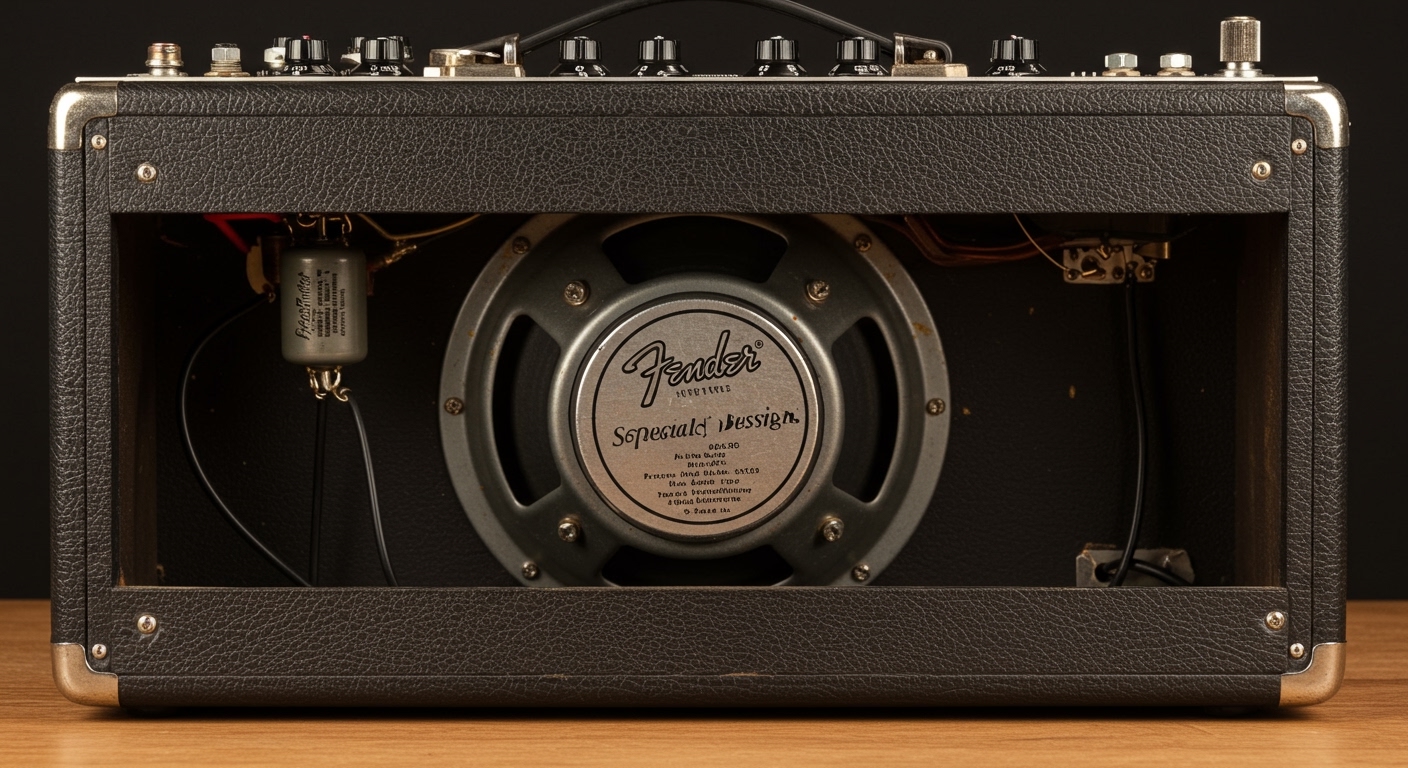
- Special Design Labels: These are not made by Fender but are proprietary designs manufactured by partners like Eminence or Utah.
- Modern Audio: Fender’s Bluetooth and consumer speakers are typically produced by Fender Audio, a specialized division often collaborating with global electronics manufacturers.
The Secret Behind the “Fender Special Design” Label
If you peer into the back of a Blues Junior or a ’65 Reissue Deluxe Reverb, you will likely see a gold or blue label that says “Fender Special Design.” This often leads players to believe Fender owns a speaker factory. In reality, Fender acts as an architect rather than a builder in this department.
In my years of servicing vintage tube amps, I’ve found that Fender’s genius lies in their “recipe.” They provide specific requirements for voice coil diameter, magnet weight, and cone material to a manufacturer. The result is a speaker that sounds like a “Fender” but carries the industrial pedigree of a specialist.
Using third-party manufacturers allows Fender to maintain consistency across thousands of units. It also allows them to pivot between different “sounds”—such as the glassy highs of a Jensen or the mid-range punch of an Eminence.
Major Manufacturers: Who Makes Fender Speakers?
Throughout the decades, Fender has rotated through several key suppliers. Understanding which company made your speaker can help you troubleshoot your tone or find the perfect replacement.
Eminence Speaker LLC
Eminence is perhaps the most prolific manufacturer for Fender in the modern era. Based in Kentucky, USA, they produce the vast majority of the “Standard” and “Special Design” speakers found in the Hot Rod and Rumble series.
- Characteristics: Known for reliability and high power handling.
- Common Amps: Hot Rod Deluxe, Blues Junior, and various Bassman enclosures.
- Tone: Generally balanced with a sturdy low end.
Jensen Loudspeakers
In the 1950s and 60s, Jensen was the gold standard for the “Fender Sound.” Today, the Italian company SICA Altoparlanti manufactures the authorized Jensen Reissue speakers used in Fender’s high-end vintage reissues.
- Characteristics: Famous for “sparkle” and “chime.”
- Common Amps: ’65 Twin Reverb, ’65 Princeton Reverb, and ’59 Bassman LTD.
- Tone: Vintage-correct Alnico and Ceramic magnets that break up musically.
Celestion
While Celestion is usually associated with “British” amps like Marshall, Fender began using them extensively in the 1990s. They are often found in Fender amps designed for higher gain or “rock” voicing.
- Characteristics: Focused mid-range and “creamy” overdrive.
- Common Amps: Bassbreaker series, Mustang GTX, and certain Limited Edition runs.
- Tone: Aggressive and warm.
JBL and Altec Lansing (The Premium Upgrades)
During the 1970s, Fender offered JBL speakers as a premium factory upgrade. These are highly sought after today for their massive magnets and indestructible clean headroom.
| Manufacturer | Era | Common Model | Key Tonal Trait |
|---|---|---|---|
| Jensen | 1940s–1960s | P10R, C12K | Bright, Vintage Chime |
| Oxford | 1960s–1970s | 12L6, 10L5 | “Standard” Fender Sound |
| Eminence | 1980s–Present | Legend, V128 | Clean, High Headroom |
| Celestion | 1990s–Present | V30, G12M | Mid-range Crunch |
| JBL | 1970s (Optional) | D120F | Crystal Clear, Heavy |
How to Identify Your Fender Speaker Manufacturer
If you are looking at an unlabelled speaker and wondering who makes Fender speakers for your specific model, you need to look for the EIA Code. This is a 6 or 7-digit number stamped on the metal frame (basket) or the magnet itself.
The first three digits represent the Manufacturer Identification Code.
- 220: Jensen
- 67: Eminence
- 465: Oxford
- 285: Rola
- 328: Utah
- 137: CTS (Chicago Telephone Supply)
- 1098: Pyle
Pro Tip from the Workbench: If you see a code like 67-0422, the “67” tells you it is an Eminence, and the “0422” means it was manufactured in the 22nd week of 2004. This is the most accurate way to verify the pedigree of your gear.
Modern Fender Audio: Bluetooth and Consumer Tech
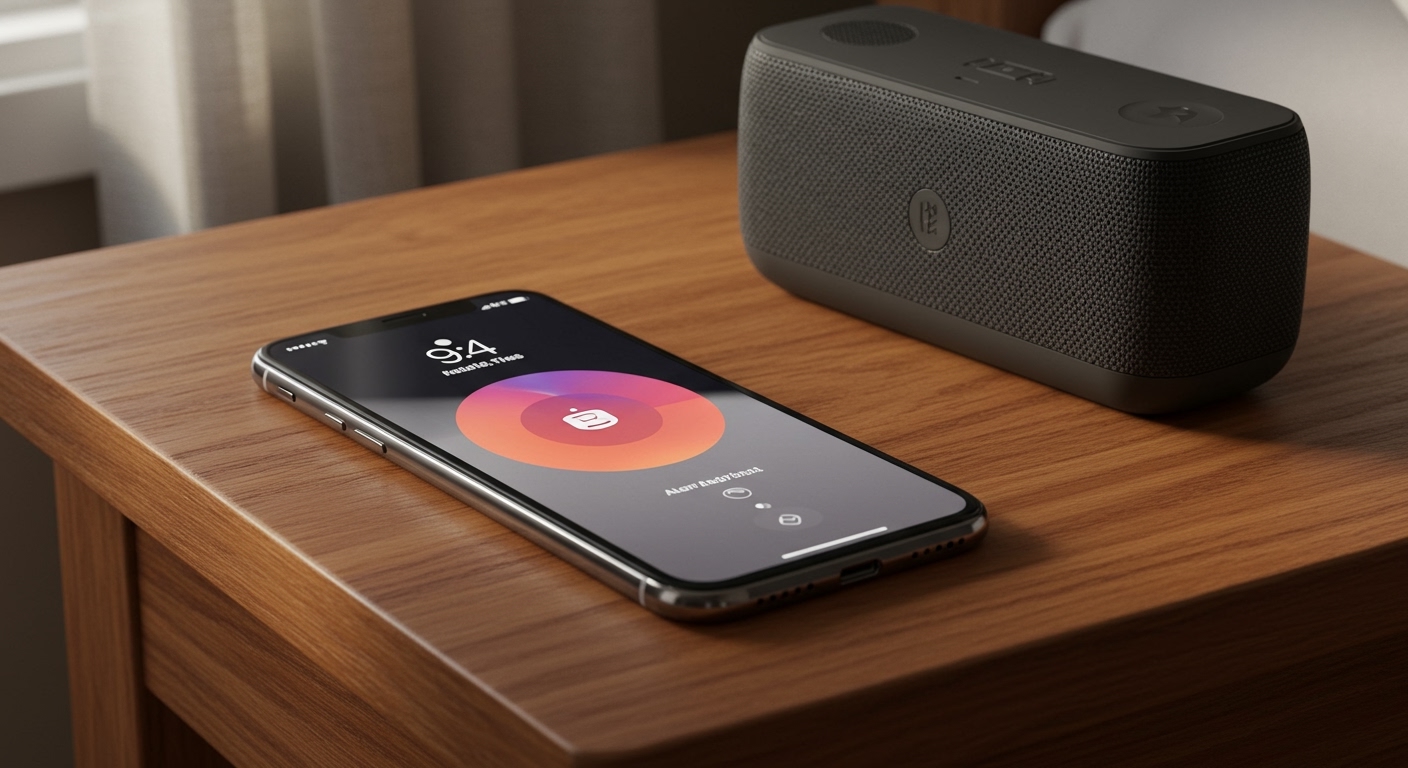
The question of who makes Fender speakers also extends to their popular lifestyle line, including the Indio, Monterey, and Newport Bluetooth speakers.
These products are handled by Fender Audio, which operates under a licensing model. Unlike the guitar amplifiers, these are consumer electronics. They are engineered to mimic the aesthetic of classic Fender amps but utilize modern digital signal processing (DSP) and drivers sourced from high-output electronics manufacturers in Asia, designed to compete with brands like Marshall and Bose.
We have tested the Fender Monterey extensively against other “heritage” Bluetooth speakers. While the internal drivers aren’t from Eminence or Jensen, the tuning is intentionally “Fender-esque,” emphasizing a clear treble and a punchy, tight bass that suits guitar-driven music.
Why Fender Uses Different Manufacturers
You might wonder why Fender doesn’t just stick to one brand. The answer lies in the specific application of the amplifier.
- For Country and Jazz: They use Jensen or JBL styles because these players demand “Ice Pick” clarity and zero distortion from the speaker.
- For Rock and Blues: They lean toward Eminence or Celestion. These speakers can handle the heat of a cranked tube amp without blowing, and they add a pleasant “compression” to the sound.
- For Bass Amps: Fender almost exclusively uses Eminence for the Rumble series. Bass frequencies require massive excursion and heavy-duty voice coils, which is Eminence’s specialty.
Maintenance and Replacement Advice
Knowing who makes Fender speakers is vital when it comes time for an upgrade. If you have a modern Fender amp with an Eminence “Special Design” and you find it too dark, switching to a Jensen C12K can instantly brighten the amp.
If you are replacing a speaker, always match the impedance (Ohms) and ensure the Wattage of the speaker is higher than the amp’s output. For a 22-watt Deluxe Reverb, I personally recommend a speaker rated for at least 35-50 watts to ensure longevity and “headroom.”
Frequently Asked Questions
Does Fender make their own speakers?
No, Fender does not manufacture its own speaker drivers. They design the specifications and outsource the actual production to companies like Eminence, Jensen, and Celestion.
What speakers are in a Fender Blues Junior?
Most standard Fender Blues Junior amps come with an Eminence “Lightning Bolt” speaker. Some limited editions feature a Celestion A-Type or a Jensen C12N.
Are vintage Fender speakers better than new ones?
“Better” is subjective, but vintage speakers (especially those made by Jensen or Oxford before 1970) are prized for their “broken-in” feel. Modern reissues are more reliable and can handle higher volumes without the risk of the voice coil rubbing or the paper cone tearing.
How can I tell if my Fender speaker is blown?
Listen for a “fuzz” or crackling sound that happens only on specific notes. Physically, you can gently (and evenly) press on the cone; if you feel a “gritty” resistance, the voice coil may be damaged.
Why does my speaker say “Special Design” instead of a brand name?
This is a branding choice. It allows Fender to change suppliers without changing the look of the amp, and it signifies that the speaker was built to their specific tonal requirements rather than being an “off-the-shelf” model.