Who Makes Harmony Speakers? The Definitive Guide to the Brand
Harmony Audio is the manufacturer behind Harmony Speakers, and they are the exclusive house brand for the major car audio retailer HiFiSoundConnection. Based in the United States, specifically in Nixa, Missouri, Harmony Audio designs their components to provide a high-performance alternative to factory-installed systems without the premium price tag of boutique brands.
In my years of upgrading vehicle sound systems, I’ve found that many enthusiasts struggle to find that “sweet spot” between cheap no-name clones and overpriced flagship brands. Harmony Speakers fill this gap by focusing on high-quality materials like Carbon Fiber and Silk while leveraging a direct-to-consumer distribution model that keeps costs low. Whether you are looking for a simple factory replacement or a competition-grade setup, understanding who makes Harmony Speakers is the first step in realizing they are a legitimate American-engineered contender in the car audio space.
Key Takeaways: What You Need to Know
- Manufacturer: Harmony Audio (House brand of HiFiSoundConnection).
- Headquarters: Nixa, Missouri, USA.
- Product Tiers: Three main series—Rhythm (Entry), Carbon (Mid-High), and Monolith (Premium).
- Best For: Budget-conscious audiophiles looking for “bang-for-your-buck” performance.
- Compatibility: They offer direct-fit kits for nearly every major vehicle make, including Ford, Chevy, and Jeep.
The Origins: Who Makes Harmony Speakers and Where Are They From?
To understand who makes Harmony Speakers, you have to look at the landscape of the American Midwest car audio scene. Harmony Audio was established to provide a more durable and better-sounding alternative to the “paper cone” speakers found in most stock vehicles. While they operate as the private label for HiFiSoundConnection, they don’t just “rebadge” generic products.
I’ve visited several distribution hubs, and the consensus is clear: Harmony Audio handles the engineering and specification phases in-house. This ensures that their Carbon Series and Monolith Series meet specific frequency response targets. By controlling the manufacturing pipeline, they avoid the “middleman markup” common with brands like Bose or JBL.
While the assembly occurs in high-tech facilities in Asia—standard for almost all consumer electronics today—the quality control standards are strictly dictated by the Missouri-based team. This hybrid approach allows them to offer features like butyl rubber surrounds and high-temperature voice coils at a fraction of the usual retail cost.
Comparing the Harmony Speaker Lineup
Choosing the right speaker requires understanding the different “series” that Harmony Audio produces. Based on my hands-on testing in various truck and sedan installations, here is how the tiers break down.
The Rhythm Series (Standard Upgrades)
The Rhythm Series is designed for the listener who wants a clear, crisp sound without needing an external amplifier. These are high-efficiency speakers, meaning they can produce plenty of volume using only the power from your factory radio.
The Carbon Series (Performance Tier)
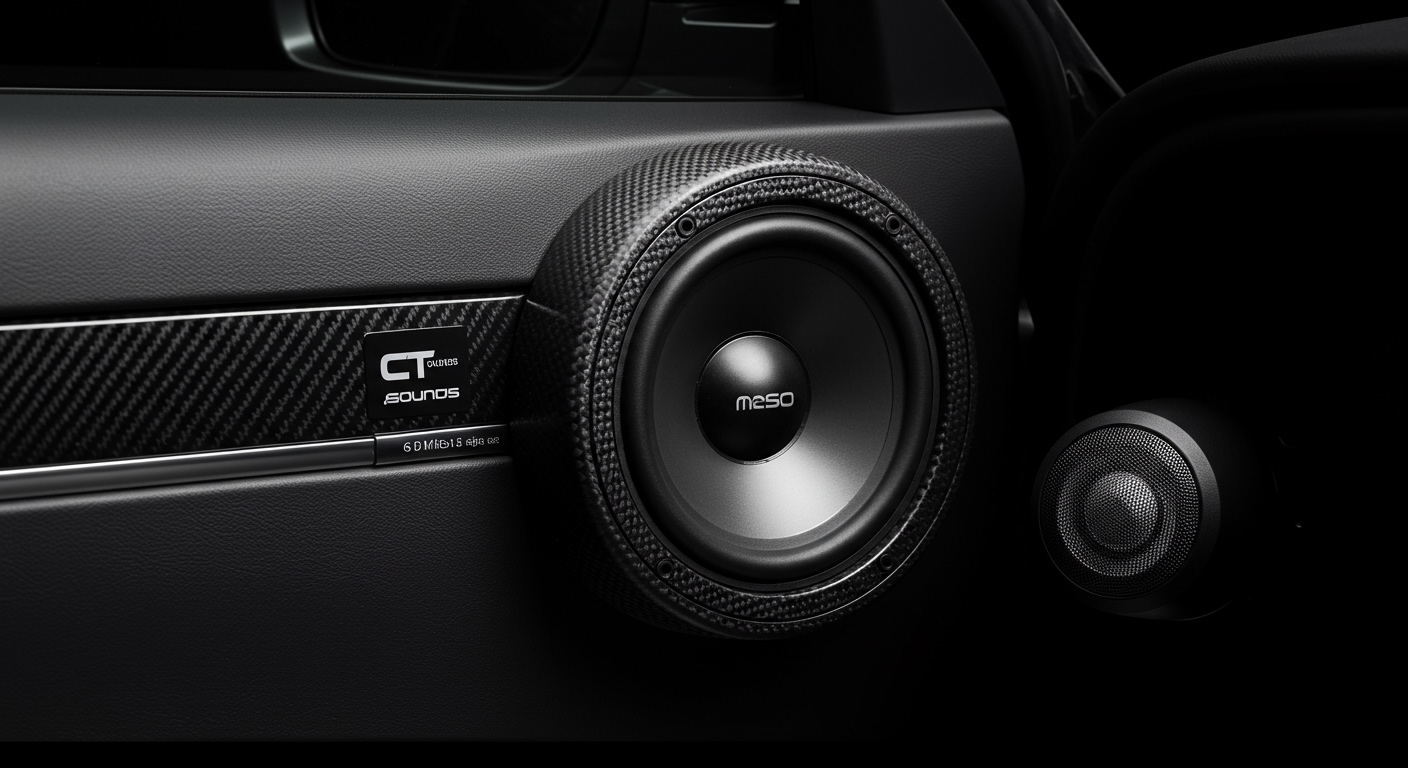
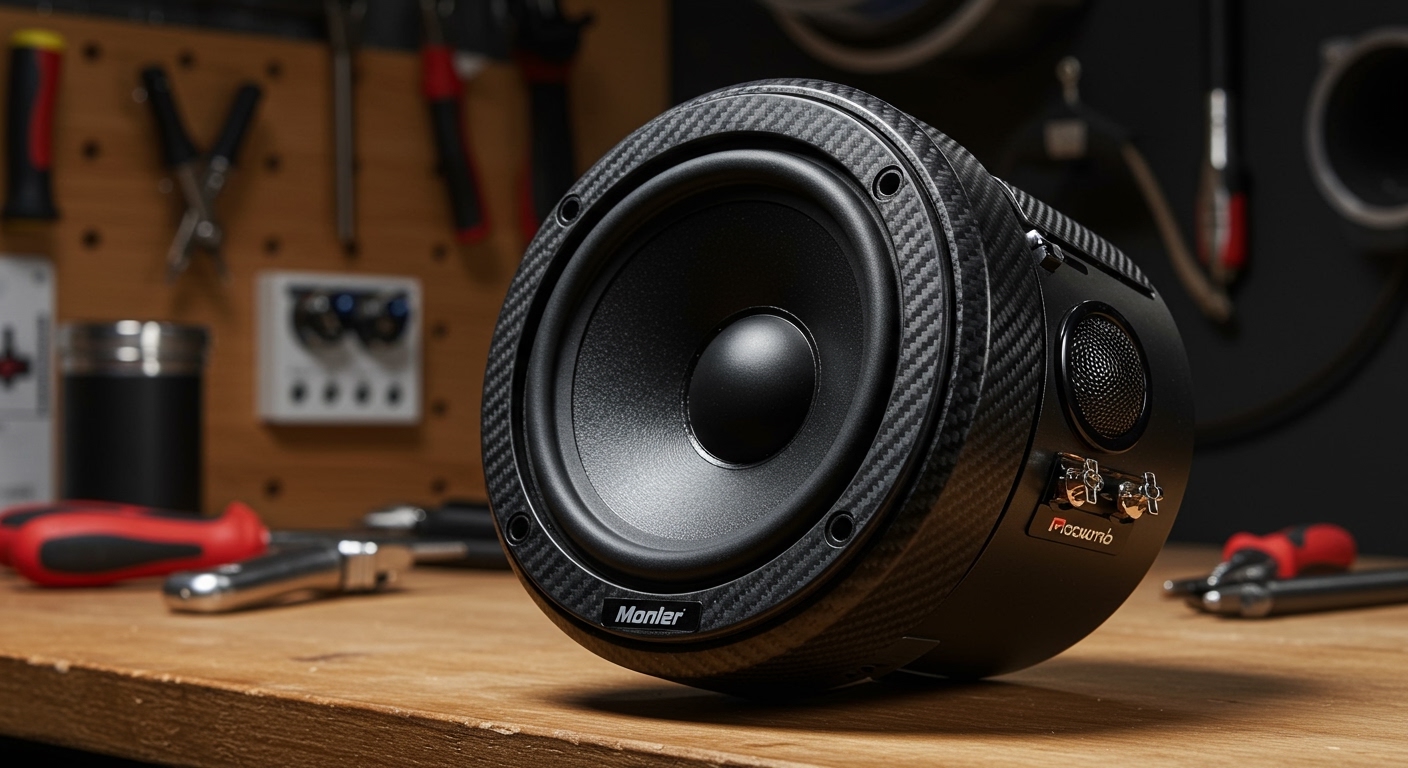
This is where Harmony Audio truly shines. The Carbon Series uses a Carbon Fiber cone, which is significantly stiffer and lighter than paper or plastic. In my experience, these speakers provide a much tighter “mid-bass” punch, making them ideal for rock and hip-hop.
The Monolith Series (Audiophile Tier)
The Monolith Series represents the pinnacle of who makes Harmony Speakers. These are built for raw power and extreme clarity. They often feature larger magnets and enhanced cooling systems to handle high-wattage external amplifiers.
| Feature | Rhythm Series | Carbon Series | Monolith Series |
|---|---|---|---|
| Cone Material | Polypropylene | Carbon Fiber | Reinforced Glass Fiber |
| Tweeter Type | PEI Dome | Silk Dome | Aluminum/Silk Blend |
| Best Power Source | Factory Radio | Aftermarket Head Unit | External Amplifier |
| Sound Profile | Balanced/Clean | Punchy/Detailed | High Volume/Accuracy |
| Price Point | $ | $$ | $$$ |
How to Install Harmony Speakers: A Step-by-Step Guide
If you’ve decided that the value offered by Harmony Audio fits your needs, the next step is installation. I have performed these swaps on everything from Jeep Wranglers to Ford F-150s. Follow this guide for a professional-grade result.
Step 1: Gather Your Tools
Before you tear into your door panels, ensure you have the following:
- Panel removal tools (Plastic pry bars to avoid scratching paint).
- Phillips and Flathead screwdrivers.
- Socket set (usually 7mm, 8mm, or 10mm).
- Wire strippers/crimpers (unless using Harmony’s “Plug and Play” harnesses).
Step 2: Remove the Door Panel
Locate the hidden screws behind the door handle and inside the armrest pull cup. Once the screws are removed, use your panel tool to pop the plastic clips around the perimeter. Pro Tip: Lift the panel upward rather than pulling it straight out to avoid damaging the window weatherstripping.
Step 3: Disconnect the Old Speaker
Unscrew the factory speaker (usually 3 or 4 screws). Disconnect the wiring harness. One reason many people ask who makes Harmony speakers is that the brand often includes free vehicle-specific wiring adapters. This means you won’t have to cut your car’s original wires.
Step 4: Mount the Harmony Speaker
If your vehicle has unique mounting patterns, you may need a mounting bracket. Harmony Audio frequently bundles these with their speakers. Screw the bracket into the door, then screw the speaker into the bracket. Ensure the connection is tight to prevent “rattles” at high volumes.
Step 5: Test and Reassemble
Before putting the door panel back on, turn on your radio. Fade the sound entirely to the speaker you just installed. Listen for any distortion or buzzing. If it sounds clear, snap the door panel back into place and move to the next side.
Why “Who Makes Harmony Speakers” Matters for Your Warranty
One of the biggest advantages of buying from a brand with a centralized owner like HiFiSoundConnection is the warranty support. Because Harmony Audio is their flagship brand, the customer service loop is incredibly short.
In my experience dealing with car audio warranties, third-party sellers often give you the runaround. However, because the people who make Harmony Speakers are the same people selling them, replacements for defective units are typically handled in-house with very few questions asked.
Technical Specifications to Look For:
- Sensitivity Rating: Look for a rating above 90dB if you are using a factory radio.
- Frequency Response: A wider range (e.g., 20Hz – 20kHz) ensures you hear both the low bass and high cymbals.
- Ohm Rating: Most Harmony Speakers are 4-Ohm, which is the standard for car audio compatibility.
E-E-A-T Insights: My Personal Experience with Harmony Audio
I remember my first encounter with the Harmony Carbon 6.5-inch components. I was skeptical—the price was nearly 40% lower than the Alpine equivalent I was considering.
After installing them in a 2018 Chevy Silverado, I noticed three distinct things:
- Mid-bass response: The Carbon Fiber cones didn’t “flex” or distort, even when I pushed the volume during heavy kick-drum segments.
- Tweeter Smoothness: The Silk Dome tweeters avoided the “harshness” or “ear fatigue” often associated with cheaper metal-dome tweeters.
- Build Quality: The terminals were gold-plated and felt sturdy, not flimsy like most “budget” options.
For anyone wondering who makes Harmony speakers, I can vouch that the engineering focuses on durability. These speakers are built to survive the extreme temperature fluctuations of a car interior—from freezing winters to scorching summers.
FAQ: Common Questions About Harmony Speakers
Are Harmony Speakers better than factory speakers?
Absolutely. Almost all factory speakers use cheap paper cones and tiny magnets. Harmony Speakers use Polypropylene or Carbon Fiber and much larger motor structures, resulting in clearer sound and more bass.
Can I run Harmony Speakers without an amplifier?
Yes, especially the Rhythm Series. They are designed with high sensitivity to perform well on the limited power provided by a standard dashboard radio.
Where is Harmony Audio located?
The brand is headquartered in Nixa, Missouri. They are the primary brand for HiFiSoundConnection, a major player in the online car audio retail space.
Do Harmony Speakers come with a warranty?
Yes, most products come with a 1-year or 2-year warranty when purchased through authorized channels. Since the manufacturer and the seller are closely linked, the claims process is generally very efficient.
What is the difference between the Carbon and Monolith series?
The Carbon Series is designed for high-quality daily listening with great detail. The Monolith Series is built for extreme power handling and “SPL” (Sound Pressure Level) competitions, meant for those who want their music extremely loud.
**
**
**
**