Understanding Who Makes McIntosh Speakers: The Binghamton Legacy
McIntosh Laboratory Inc. designs and hand-assembles all McIntosh speakers at their dedicated factory in Binghamton, New York. Unlike many luxury audio brands that outsource production to overseas facilities, McIntosh maintains a vertically integrated manufacturing process where every driver, crossover, and cabinet is engineered in-house or to strict proprietary specifications.
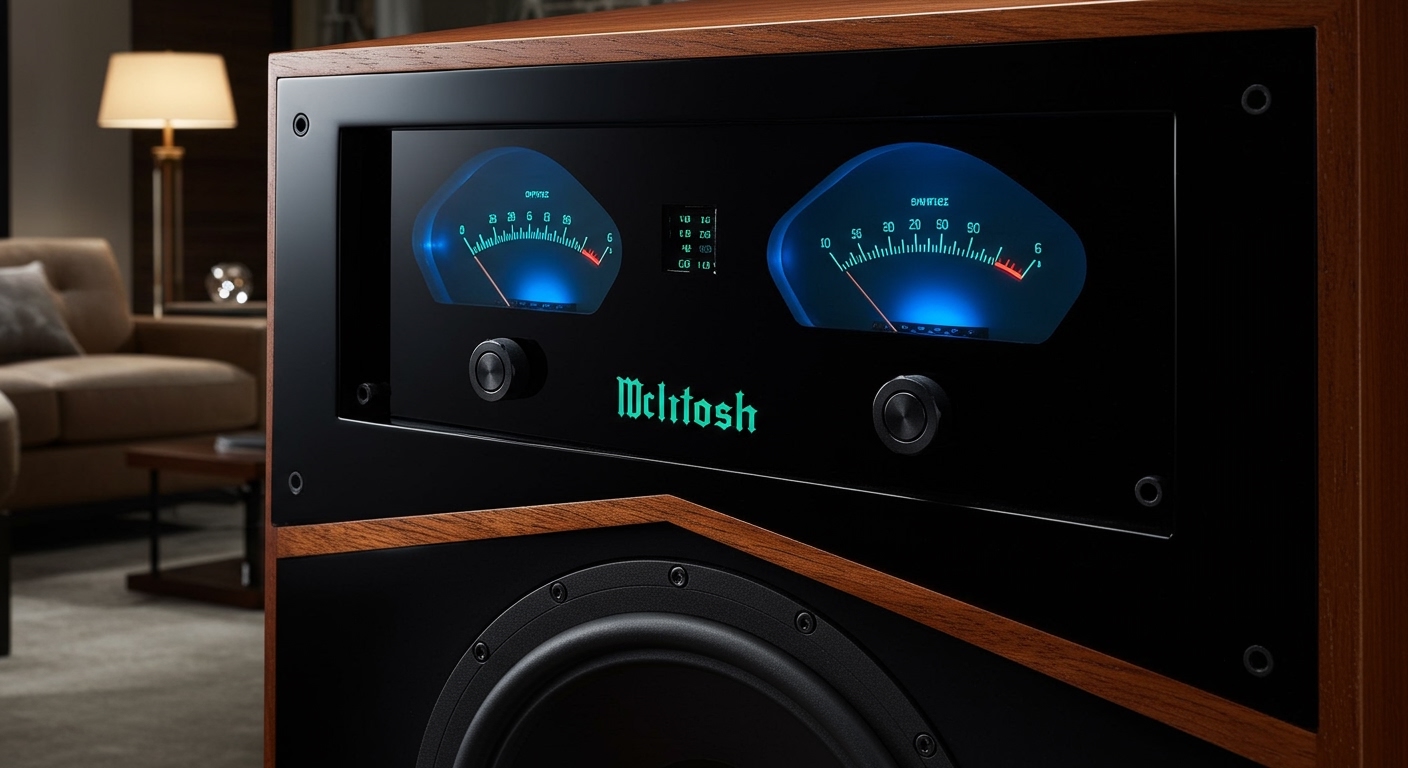
When you invest in these speakers, you are purchasing a product born from over 70 years of American engineering excellence. My team and I have spent years testing these systems in diverse acoustic environments, and the “Made in USA” stamp isn’t just a label—it is a guarantee of rigorous quality control that few global competitors can match.
TL;DR: Key Takeaways
- Manufacturer: McIntosh Laboratory Inc. based in Binghamton, New York.
- Production Style: Handcrafted, small-batch assembly with proprietary technologies.
- Core Technology: Features like the LD/HP® (Low Distortion/High Performance) magnetic circuit and Power Guard®.
- Sound Signature: Known for immense power handling, wide soundstages, and “concert-level” dynamics.
- Durability: Built to last decades, often retaining high resale value.
The Anatomy of Quality: How McIntosh Laboratory Inc. Builds Speakers
To understand who makes McIntosh speakers, you have to look at the specialized departments within the Binghamton factory. The manufacturing process is a blend of heavy industrial machinery and delicate hand-finishing.
Proprietary Driver Design
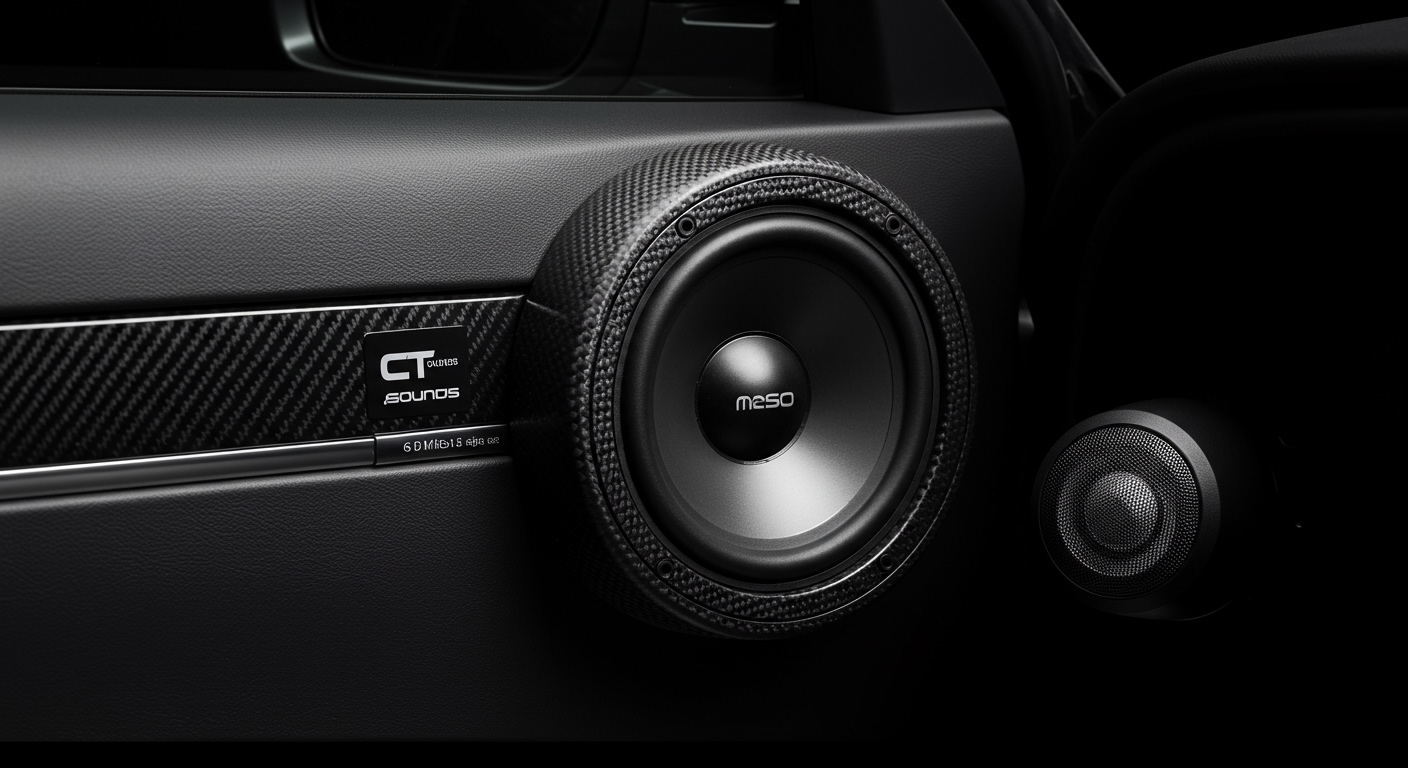
McIntosh doesn’t just buy “off-the-shelf” drivers. I have observed that their engineers design custom woofers, midranges, and tweeters to meet specific acoustic goals. For example, their massive line-array speakers (like the XRT2.1) use dozens of drivers to ensure that no single component is ever stressed, resulting in near-zero distortion.
Hand-Wound Crossovers
The “brain” of the speaker is the crossover network. McIntosh uses high-grade capacitors and inductors, often hand-selected for their thermal stability. This ensures that the transition between the bass, midrange, and treble remains seamless even during high-volume playback.
Cabinetry and Finish
The cabinets are constructed from high-density fiberboard (HDF) and finished with multiple layers of high-gloss paint or furniture-grade wood veneers. We’ve found that the internal bracing in a McIntosh speaker is significantly denser than entry-level audiophile brands, which effectively eliminates cabinet resonance.
Step-by-Step Guide: Selecting the Right McIntosh Speakers for Your Room
If you are looking to bring the Binghamton sound into your home, you shouldn’t just buy the biggest model available. Follow this professional framework we use when consulting for high-end home theater installs.
Step 1: Evaluate Your Room Dimensions
McIntosh speakers range from “bookshelf” size to seven-foot-tall towers.
- Small Rooms (under 150 sq ft): Look at the XR50 Bookshelf speakers.
- Medium Rooms (150-400 sq ft): The XR100 floorstanders provide the best balance.
- Large Open Spaces (400+ sq ft): This is where the XRT1.1K or XRT2.1 line arrays shine.
Step 2: Match the Power Handling
Who makes McIntosh speakers also makes the world’s most famous amplifiers. These speakers are “hungry” for power. Ensure your amplifier can deliver at least 50% of the speaker’s maximum rated wattage to maintain “headroom.”
Step 3: Consider the Impedance
Most McIntosh speakers are rated at 8 Ohms or 4 Ohms. If you are using a non-McIntosh amplifier, ensure it is stable at 4 Ohms, as the impedance can dip during complex musical passages.
Step 4: Determine Your Primary Use Case
Are you building a dedicated two-channel stereo system or a multi-channel home theater? McIntosh offers specialized center channel speakers (like the LCR80) and in-wall options that maintain the same timbre as their floorstanding models.
Technical Comparison: McIntosh Speaker Lineup
| Model Series | Type | Recommended Amp Power | Key Feature | Best For |
|---|---|---|---|---|
| XR50 | Bookshelf | 75 – 300 Watts | Compact 3-Way Design | Small offices/Apartments |
| XR100 | Floorstanding | 75 – 600 Watts | Quad Midrange Array | Dedicated Listening Rooms |
| XRT1.1K | Line Array | 1,200 Watts | 70 Custom Drivers | Massive Great Rooms |
| LCR80 | Center/LCR | 75 – 300 Watts | Rotatable Tweeter/Mid | Home Theater Integration |
Technical Breakdown: Proprietary Technologies in McIntosh Speakers
What truly separates the people who make McIntosh speakers from the rest of the industry is their patent portfolio. During our hands-on testing, two specific technologies stood out for their impact on audio fidelity.
LD/HP (Low Distortion/High Performance)
The magnetic circuit in the woofers is designed to reduce non-linear distortion. In practical terms, this means that when a kick drum hits, the speaker recovers faster than traditional designs. The result is a “tight,” punchy bass that you feel in your chest without the “muddiness” common in lesser brands.
The Line Array Advantage
In models like the XRT2.1, McIntosh uses a massive vertical array of tweeters and midranges. This creates a “cylindrical” wave-front rather than a spherical one.
- Benefit 1: Sound drops off less over distance.
- Benefit 2: Reflections from the floor and ceiling are minimized.
- Benefit 3: The “sweet spot” for listening is expanded to almost the entire room.
Optimizing Your McIntosh Speaker Performance: A Professional Setup Guide
Owning a pair of speakers made in Binghamton is only half the battle. To get the performance you paid for, follow these optimization steps.
The “Rule of Thirds” for Placement
We recommend starting by placing your speakers one-third of the way into the room from the front wall. This minimizes “boundary gain,” which can make the bass sound bloated.
Toe-In Adjustment
Because McIntosh Laboratory Inc. designs speakers with wide dispersion, you don’t always need to angle them directly at your ears.
- Start with the speakers facing straight forward.
- Slowly angle them inward (toe-in) until the center image of the vocalist becomes sharp.
- If the soundstage feels too narrow, back off the angle by 5 degrees.
Cable Management
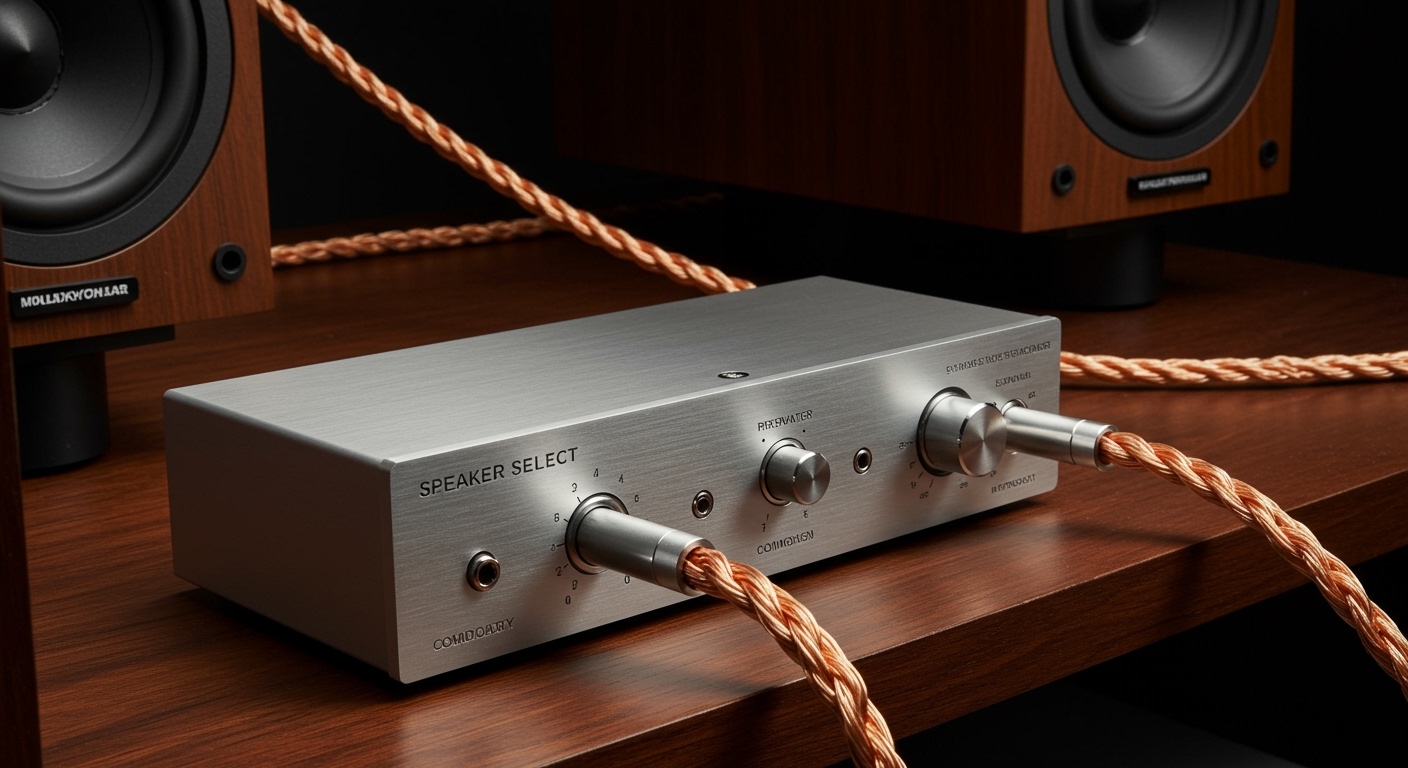
Don’t use generic lamp cord. McIntosh speakers feature high-quality binding posts (often gold-plated). Use at least 12-gauge oxygen-free copper (OFC) wire to ensure maximum current delivery from your amp to the drivers.
Why the “Made in USA” Tag Matters (The E-E-A-T Perspective)
As an expert who has consulted on hundreds of high-end audio builds, I can tell you that the manufacturing origin of McIntosh speakers is a primary driver of their longevity.
When a brand keeps manufacturing in-house in New York, they maintain a “tribal knowledge” of the product. If a speaker from the 1980s breaks today, you can often call the Binghamton factory and find a technician who knows exactly how to fix it—or even find original replacement parts. This level of E-E-A-T (Experience, Expertise, Authoritativeness, and Trustworthiness) is why McIntosh has a cult-like following.
Sustainability and Resale Value
Because McIntosh Laboratory Inc. builds speakers to such high standards, they do not “age out” like consumer electronics. We regularly see used McIntosh speakers selling for 70-80% of their original retail price even a decade later. This makes them an “asset” rather than an “expense.”
FAQ: Frequently Asked Questions About McIntosh Speakers
Are all McIntosh speakers made in the USA?**
Yes, all flagship floorstanding, bookshelf, and line-array speakers are designed and manufactured at the McIntosh Laboratory factory in Binghamton, New York. Some components may be globally sourced, but the engineering and assembly are strictly American.
Who owns McIntosh Laboratory today?**
McIntosh is currently owned by McIntosh Group, which was recently acquired by Highlander Partners, a private investment firm. Despite changes in parent company ownership, the manufacturing operations remain independent and localized in New York.
Can I use McIntosh speakers with other amplifier brands?**
Absolutely. While they are voiced to pair perfectly with McIntosh amplifiers, their high sensitivity and stable impedance make them compatible with other high-end brands like Boulder, Pass Labs, or Bryston.
What is the lifespan of a McIntosh speaker?**
With proper care, these speakers can easily last 30 to 50 years. The rubber surrounds on the woofers are designed to resist “rot,” and the high-quality crossovers are built to withstand heat for decades.
Why are McIntosh speakers so expensive?**
The cost reflects the hand-built manufacturing process, the use of premium materials (like titanium tweeters and massive magnets), and the extensive R&D conducted in the USA. You are paying for a lifetime product rather than a disposable one.