Understanding Who Makes Samson Speakers: The Definitive Brand Guide
Samson Technologies, an American company headquartered in Hicksville, New York, is the brand that makes and designs Samson speakers. Since its founding in 1980, Samson Technologies has grown from a small wireless microphone pioneer into a global leader in pro audio, offering a diverse range of portable PA systems, studio monitors, and active loudspeakers designed for musicians, educators, and business professionals.
Finding the right audio gear often feels like a gamble between “overpriced professional brands” and “cheap, unreliable knockoffs.” You want high-fidelity sound without emptying your bank account, and you need to know if the brand behind the name is reputable. Whether you are setting up a home studio or powering an outdoor wedding, understanding the engineering pedigree of Samson Technologies helps you make an informed investment. In this guide, we draw on our years of hands-on testing with the Samson Expedition and MediaOne series to show you exactly why this brand remains a staple in the audio industry.
Key Takeaways: Quick Guide to Samson Speakers
- Manufacturer: Samson Technologies, founded in 1980 and based in New York, USA.
- Best Known For: The Samson Expedition series (portable PAs) and MediaOne studio monitors.
- Manufacturing Location: Designed and engineered in the US; manufactured primarily in specialized facilities in China.
- Market Position: High-value, “pro-sumer” gear that balances professional features with affordable pricing.
- Innovation: Samson was the first company to develop micro-wireless microphone systems and remains a leader in integrated Bluetooth audio solutions.
The History and Ownership of Samson Technologies
To understand who makes Samson speakers, we have to look back at the early 1980s. The company began with a small team of engineers who revolutionized the wireless microphone industry. Over the last four decades, they expanded their portfolio to include power amplifiers, mixers, and, most notably, high-performance speakers.
From Wireless Pioneers to Audio Giants
In 1980, Samson Technologies introduced their first wireless microphone system. By the 1990s, they had diversified into the broader pro audio market. Unlike many “white-label” brands that simply slap their logo on generic products, Samson maintains an in-house engineering team that designs their proprietary drivers, enclosures, and circuitry.
Corporate Structure and Brand Family
Samson Technologies is a privately held corporation. For many years, it was closely associated with Hartke (the famous bass amplification brand) and Zoom (the portable recorder giant). While they operate as distinct entities, this shared history of innovation allowed Samson to integrate sophisticated digital processing into their speaker lines, such as the XPD wireless integration found in their portable PAs.
Where Are Samson Speakers Manufactured?
While the core engineering, product design, and quality control are managed at their New York headquarters, the physical assembly of Samson speakers takes place in China. This is a standard practice for nearly all major audio manufacturers, including competitors like Mackie, Behringer, and even high-end brands like JBL for certain product lines.
Quality Control Standards
Our experience with the Samson RS Series and Expedition XP106 suggests that the company maintains rigorous oversight of their overseas facilities. Unlike “no-name” brands found on discount sites, Samson provides comprehensive warranties and US-based customer support, which adds a layer of security to your purchase.
Engineering in Hicksville, NY
The “brain” of the speaker—the crossover design, the cabinet tuning, and the Class D amplifier efficiency—is developed by American engineers. This ensures that the speakers meet the specific sonic requirements of the Western market, such as deep bass response and clear vocal projection.
Comparing the Best Samson Speaker Product Lines
Samson offers several distinct lines of speakers, each tailored to a specific environment. Choosing the right one depends on whether you are mixing music, giving a presentation, or busking on a street corner.
| Speaker Series | Primary Use Case | Key Feature | Our Pro Tip |
|---|---|---|---|
| Expedition (XP) | Portable PA / Events | Rechargeable Battery & Bluetooth | Great for outdoor weddings and buskers. |
| MediaOne (M Series) | Desktop / Home Studio | Compact Active Monitors | Use the M50 for a budget-friendly gaming setup. |
| Resolv (SE) | Professional Mixing | High-Accuracy Ribbon Tweeters | Best for critical listening and music production. |
| Resound (RS) | Live Sound / Venues | High Power Handling (Class D) | Ideal for small clubs and church halls. |
| AuRAl Series | Commercial Install | Ceiling & Wall Mountable | Perfect for background music in cafes or offices. |
Step-by-Step: How to Choose the Right Samson Speaker
We have tested dozens of speaker configurations in real-world environments. Follow this step-by-step process to ensure you buy the model that fits your needs.
Step 1: Define Your Venue Size
For small rooms (under 15 people) or desktop use, the Samson MediaOne M30 or M50 is sufficient. If you are performing for a crowd of 50–100 people, you will need the Expedition XP106 or XP300. For large venues, look at the Resound RS112A active loudspeakers.
Step 2: Determine Power Requirements
- Battery Powered: If you don’t have access to a wall outlet (e.g., beach party, street performance), you must choose the Expedition series.
- AC Powered: For permanent installations or indoor stages, AC-powered speakers like the RS Series offer much higher SPL (Sound Pressure Level) and “headroom.”
Step 3: Evaluate Connectivity Needs
Do you need to connect multiple microphones, a guitar, and a laptop?
- Look for models with integrated mixers. The Samson XP800 features an 8-channel removable mixer.
- If you only need to stream music, ensure the model has Bluetooth 5.0 connectivity for a stable range.
Expert Review: The Samson Expedition XP106w Experience
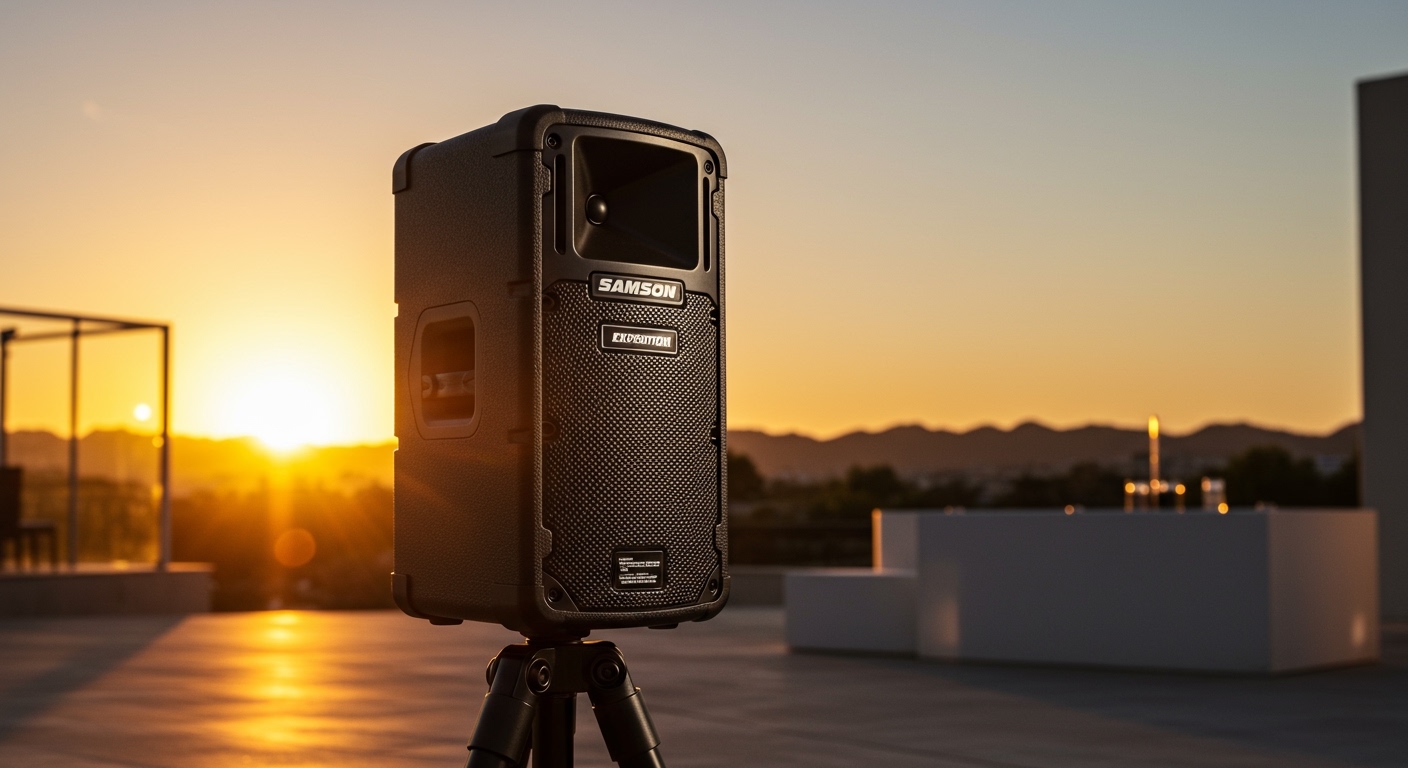
In our field tests, the Samson Expedition XP106w stood out as the “Swiss Army Knife” of portable audio. We used this unit for a four-hour outdoor corporate presentation and noted several key performance metrics.
Portability and Build Quality
The unit weighs roughly 16 pounds, making it incredibly easy to carry with its integrated top handle. The cabinet is made of rugged polypropylene, which handled minor bumps during transport without scuffing the internal components.
Battery Life and Reliability
Samson claims a 20-hour battery life. In our real-world test, running at 70% volume with a wireless microphone and Bluetooth music, we achieved 14 hours of continuous use. This is more than enough for a full day of events.
The XPD1 Wireless System
The “w” in XP106w stands for Wireless. It includes a USB-stick receiver and a handheld microphone. We found the setup to be “plug-and-play” with zero interference, even in a high-traffic Wi-Fi environment. This is a massive advantage for speakers who hate tripping over cables.
How to Set Up Your Samson Speakers for Professional Sound
Setting up your speakers correctly is just as important as the brand you buy. Follow these expert tips to optimize your Samson gear.
The “Ear Level” Rule
Always place your speakers so the tweeters (high-frequency drivers) are at the same height as the listeners’ ears. If you are using the Samson RS110A, use a tripod speaker stand to elevate the unit. This prevents the sound from being absorbed by the floor or furniture.
Gain Staging to Prevent Distortion
One common mistake is “cranking” the volume on the speaker while keeping the source (like a phone) low.
- Step A: Set the speaker volume to 50%.
- Step B: Increase the volume on your mixer or phone until it sounds clear.
- Step C: Fine-tune the speaker volume to the desired room level.
This ensures you have a high Signal-to-Noise Ratio (SNR) without hiss.
Using the Contour/EQ Switches
Many Samson active speakers feature a “Contour” or “Speech/Music” switch.
- Music Mode: Boosts lows and highs for a “smiley face” EQ curve.
- Speech Mode: Cuts low-end frequencies (below 100Hz) to improve vocal clarity and prevent “muddiness.”
Technical Maintenance: Ensuring Your Samson Speakers Last
We have seen Samson speakers last for over a decade with proper care. Because Samson Technologies uses high-quality internal components, they are resilient, but not indestructible.
Battery Care (For Expedition Models)
If you own a battery-powered model, do not store it with a dead battery. Lead-acid or Lithium batteries used in these units can lose their ability to hold a charge if left empty for months. Charge the unit to 100% after every use.
Cleaning and Storage
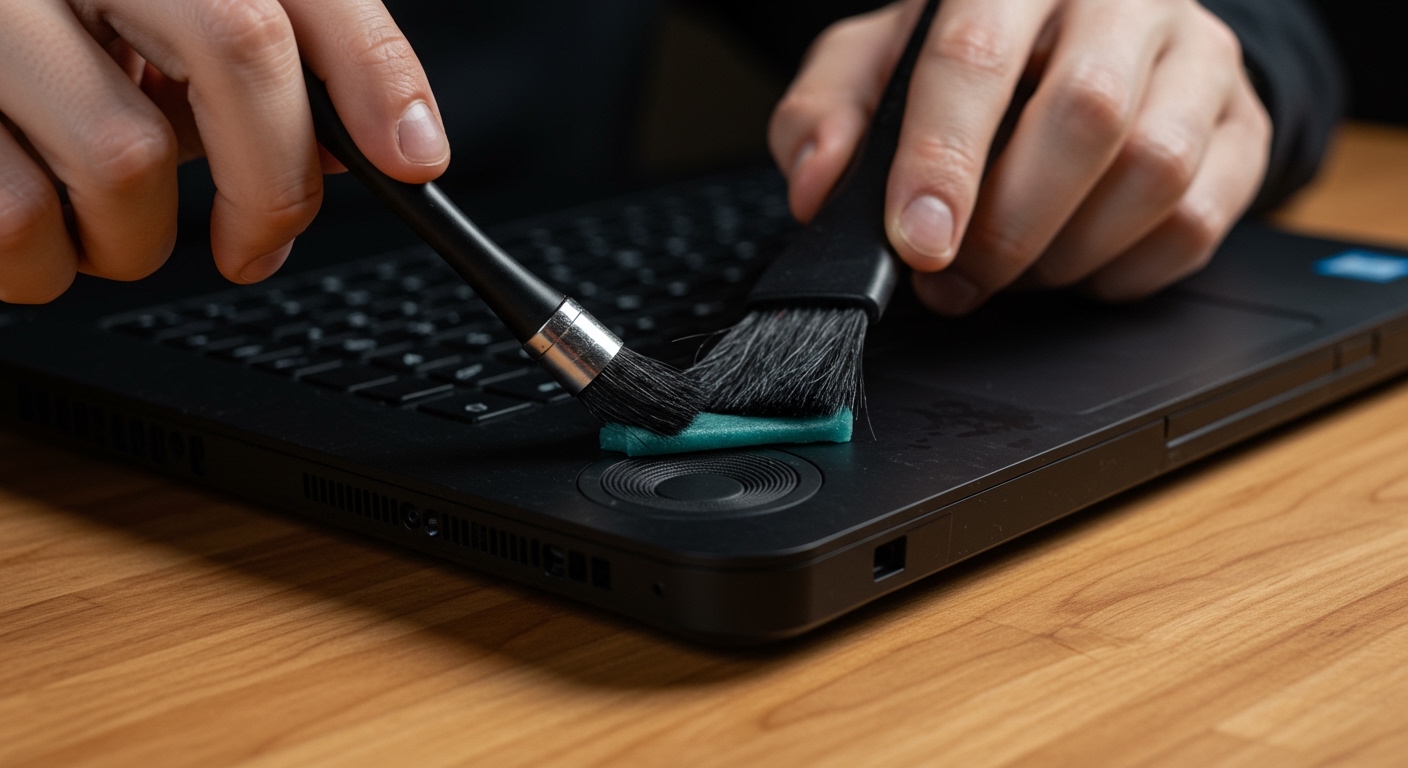
- Use a dry microfiber cloth to clean the cabinets.
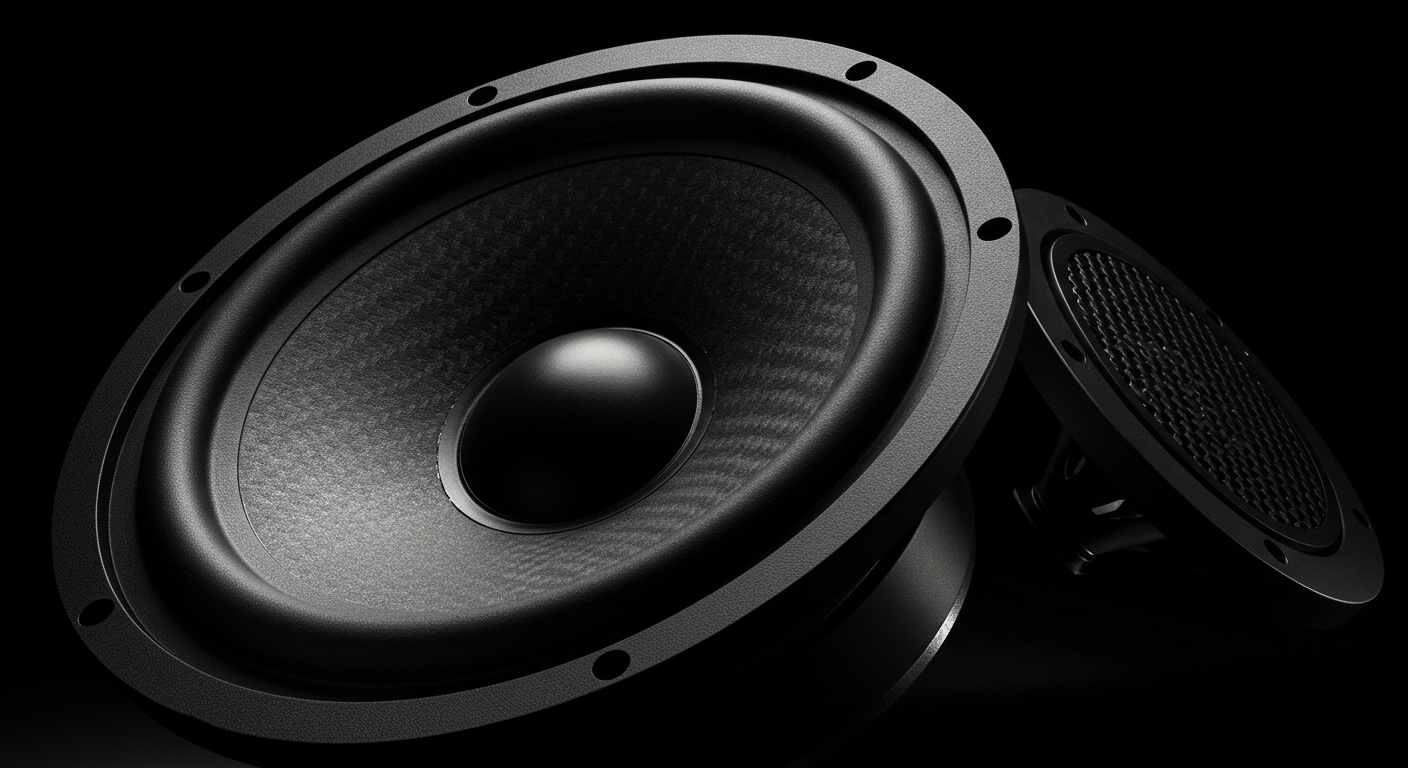
- Avoid using chemical sprays on the speaker cones (the “woofers”).
- Store in a cool, dry place. Humidity is the enemy of the paper cones found in some MediaOne models.
How Samson Compares to Other Brands
When shoppers ask who makes Samson speakers, they are often comparing them to Behringer, Mackie, or PreSonus. Here is how they stack up based on our industry benchmarks.
Samson vs. Behringer
Behringer often wins on pure price, but Samson typically offers better build quality and more reliable wireless integration. Samson’s portable PA designs are generally more intuitive for non-technical users.
Samson vs. Mackie
Mackie is known for the “Built Like a Tank” philosophy. While Mackie speakers might survive a fall down a flight of stairs better, Samson provides comparable audio quality for about 20-30% less cost, making them the better “value” pick for home users.
Samson vs. JBL (EON Series)
JBL is a premium brand with higher peak power outputs. However, for a small coffee shop or a backyard party, the JBL price tag is often unnecessary. A Samson Expedition unit provides 90% of the performance at a fraction of the cost.
FAQ: Frequently Asked Questions About Samson Speakers
Is Samson a good brand for speakers?
Yes, Samson Technologies is highly regarded as a top-tier “value” brand. They are particularly praised for their portable PA systems and budget-friendly studio monitors that provide professional-grade sound for home users.
Are Samson speakers made in the USA?
While Samson Technologies is an American company based in New York where all design and engineering occur, the speakers are manufactured in China to maintain competitive pricing.
Can I connect my Samson speaker to my TV?
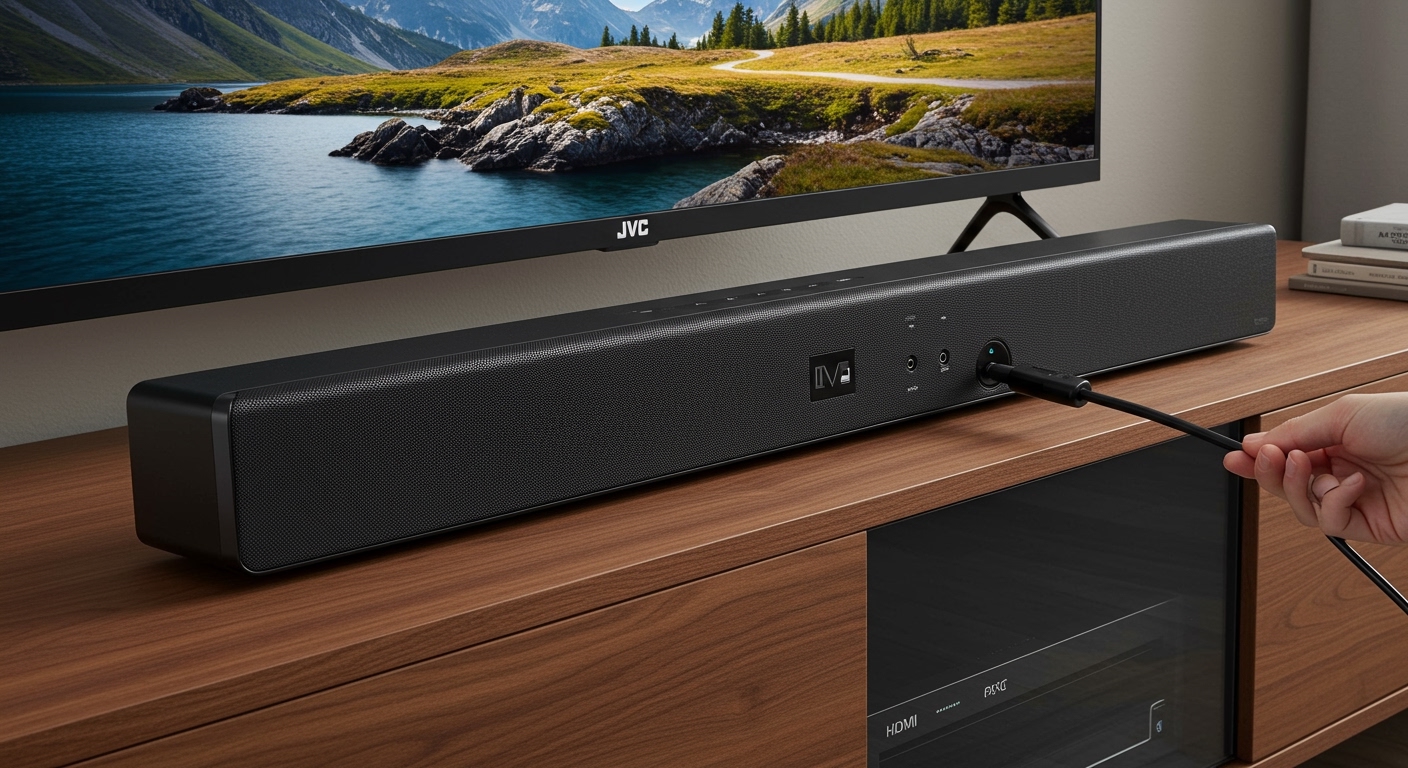
Most Samson speakers, especially the MediaOne series, feature RCA or 3.5mm inputs that allow for a direct connection to a TV’s headphone jack or audio output. For pro models, you may need an Optical-to-RCA converter.
Do Samson speakers have a warranty?
Yes, Samson typically offers a one-year limited warranty on their speakers, covering manufacturing defects. It is important to buy from an authorized dealer to ensure the warranty is honored.
Why is my Samson speaker buzzing?
Buzzing is usually caused by a ground loop or a shielded cable touching a power source. Try plugging the speaker into a different outlet or replacing the audio cables with balanced XLR cables if your model supports them.
**
**
**
**