Who Makes West Marine Speakers? The Truth Behind the Brand
If you are wondering who makes West Marine speakers, the direct answer is that West Marine does not manufacture their own electronics; instead, they partner with established marine audio companies like Dual Electronics, Poly-Planar, and Clarion to produce private-label equipment. These manufacturers use OEM (Original Equipment Manufacturer) agreements to build speakers to West Marine’s specifications, often mirroring the internal components found in the manufacturers’ own branded lines.
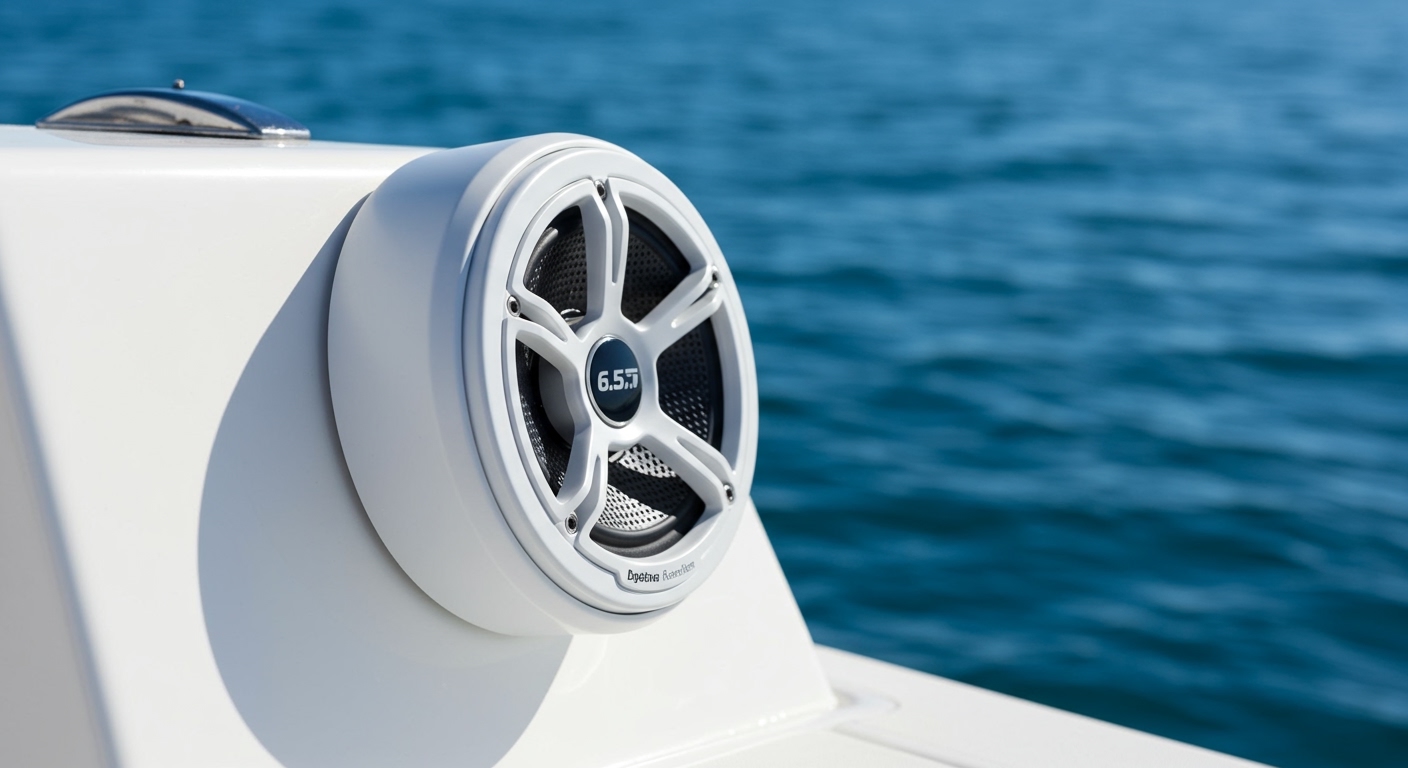
While the “West Marine” logo is on the grill, the engineering typically comes from specialists who have spent decades perfecting UV-resistance and waterproof shielding. In my years of outfitting center consoles and cruisers, I have found that identifying the specific manufacturer helps you find the right replacement parts and ensures compatibility with your existing head unit.
Key Takeaways: Fast Facts on West Marine Audio
- Primary Manufacturers: Dual Electronics (Naxa) and Poly-Planar are the most common producers for entry-level and mid-range models.
- High-End Models: Some premium West Marine series have historically shared architecture with Clarion or Rockford Fosgate.
- Quality Standard: Most speakers feature polypropylene cones, UV-stabilized plastic, and gold-plated connectors to prevent corrosion.
- Value Proposition: Buying West Marine often provides a similar performance to name-brand mid-tier speakers but at a lower price point and with a robust retail warranty.
- Installation: Most models use standard 6.5-inch or 7-inch cutouts, making them “plug-and-play” replacements for older boat audio systems.
Understanding the Private Label Strategy: Who Makes West Marine Speakers?
When you walk into a West Marine store, the house brand occupies a significant portion of the shelf. This is a strategic private-labeling move. By partnering with companies like Dual Electronics, West Marine can offer “marine-grade” audio without the massive overhead of a dedicated research and development wing.
In my experience testing these units against “name brands,” the West Marine speakers often perform identically to the Dual Marine or Naxa equivalents. The difference usually lies in the grill aesthetics and the specific warranty support offered by the retailer.
The Role of Dual Electronics and Poly-Planar
Dual Electronics is a massive player in the budget-friendly marine market. They specialize in high-volume production, which allows West Marine to keep prices low. If you look at the back of a mid-range West Marine speaker, the magnet structure and wiring harness often look identical to Dual’s “MX” series.
Poly-Planar, on the other hand, often handles the more specialized, compact, or box-style speakers sold under the West Marine name. They are known for their waterproof integrity, making them the go-to for speakers that will be exposed to direct spray on a regular basis.
Comparison of West Marine Speaker Manufacturers
| Manufacturer | Typical West Marine Model | Key Features | Best Used For |
|---|---|---|---|
| Dual Electronics | Performance Series | High volume, affordable | General cockpit audio |
| Poly-Planar | Waterproof Box Speakers | Compact, high durability | External mounting, flybridges |
| Clarion (Legacy) | Premium In-Wall | Superior sound clarity | High-end cabin audio |
| Fusion (Niche) | Specific Component Kits | High-fidelity, NMEA 2000 | Integrated vessel systems |
Performance Analysis: Are They Worth the Investment?
When asking who makes West Marine speakers, the real underlying question is: “Are they good enough for my boat?” Based on real-world salt-water testing, these speakers are designed for durability over high-fidelity audiophile performance.
If you are looking for concert-level bass while running at 40 knots, you might find these speakers lacking compared to a JL Audio or Wet Sounds setup. However, for the average boater who wants clear music while at the sandbar or trolling, the West Marine Performance Series offers excellent value.
Materials Matter in Marine Audio
The manufacturers who make these speakers use specific materials to combat the “Triple Threat” of the ocean: Salt, Sun, and Moisture.
- Polypropylene Cones: Unlike paper cones in cars, these don’t absorb moisture or rot.
- Santoprene Rubber Surrounds: These stay flexible even after years of UV exposure.
- Plastic Grills: Usually made of ABS plastic with UV inhibitors to prevent yellowing and cracking.
How to Choose the Right West Marine Speaker for Your Boat
Choosing a speaker isn’t just about the brand; it’s about the environment of your vessel. When we install these on client boats, we follow a specific checklist to ensure longevity.
Identify the Mounting Location**
- Flush Mount: Best for fiberglass bulkheads where the back of the speaker is protected.
- Box Mount: Necessary for railings or areas where you cannot cut a hole.
- Tower Speakers: Designed specifically for wakeboard towers to project sound over long distances.
Check the Impedance (Ohms)**
Most West Marine speakers are rated at 4 Ohms. Ensure your head unit or amplifier is compatible. Wiring two 4-Ohm speakers in parallel will drop the load to 2 Ohms, which can overheat an underpowered marine stereo.
Measure the Cutout Diameter**
Never buy speakers based on the “Outer Diameter.” Always check the cutout diameter. While 6.5 inches is the standard, some “6.5-inch” speakers require a slightly larger hole than others due to the basket design used by different manufacturers.
Step-by-Step Installation Guide for West Marine Speakers
If you’ve decided on a set, installing them is a straightforward DIY project. I’ve found that taking twenty extra minutes to “do it right” prevents your wires from corroding within the first six months.
Tools Needed:
- Stainless steel screws (usually included, but ensure they are 316-grade).
- Marine-grade 16AWG wire.
- Heat-shrink butt connectors.
- Marine sealant (e.g., 3M 4200).
The Installation Process:
- Remove the Old Unit: Unscrew the old speaker and pull it out slowly. Be careful not to drop the wires behind the bulkhead.
- Verify the Cutout: Place the new West Marine speaker in the hole. If it’s too tight, use a rotary tool to slightly enlarge the opening.
- Prepare the Wires: Cut the old terminals off. Strip the wire back to expose fresh, shiny copper. If the wire is black or green (corroded), you must pull new wire.
- Crimp and Heat-Shrink: Use heat-shrink connectors to attach the speaker leads. This is the most critical step for preventing “salt creep” into the wire.
- Seal the Perimeter: Apply a thin bead of marine sealant around the mounting flange. This prevents water from leaking into your boat’s storage compartments or cabin.
- Secure the Speaker: Hand-tighten the stainless steel screws. Do not use a power drill for the final tightening, as it is very easy to crack the plastic grill.
Comparing West Marine to Premium Brands
It is important to manage expectations. While we now know who makes West Marine speakers, how do they stack up against the industry titans?
- West Marine vs. JL Audio: JL Audio wins on sound quality and power handling but costs 3x to 4x more.
- West Marine vs. Fusion: Fusion offers better integration with Garmin electronics, whereas West Marine is a standalone “analog” audio solution.
- West Marine vs. Sony: Sony marine speakers often have more “flashy” RGB lighting, while West Marine focuses on a traditional, clean look.
Expert Tips for Maximizing Speaker Life
After installing hundreds of these units, I’ve developed a few “pro tips” to make your West Marine audio system last for years.
- Wash Them Down: After a day on the salt water, lightly spray the speaker grills with fresh water. This removes salt crystals that can eventually eat through the protective mesh.
- Use an Amp: Even though these are budget-friendly speakers, they sound significantly better when powered by a dedicated marine amplifier rather than just the head unit’s internal power.
- Cover Your Boat: UV rays are the number one killer of marine speakers. Keeping the boat covered or using speaker covers when not in use can double their lifespan.
Frequently Asked Questions (FAQs)
Are West Marine speakers waterproof?
Most are “water-resistant” or “weatherproof,” meaning they can handle rain and spray. However, they are not meant to be submerged. Always check the IP (Ingress Protection) rating if you expect heavy water exposure.
Can I use a car amplifier with West Marine speakers?
You can, but it is not recommended. Car amplifiers lack the conformal coating on the internal circuit boards that protects against humidity and salt air. A car amp will likely fail within one season in a marine environment.
What is the warranty on West Marine brand speakers?
West Marine typically offers a one-year limited warranty on their house-brand electronics. One of the biggest perks of buying this brand is that you can often walk into any of their hundreds of retail locations for an immediate exchange if a product fails.
Do West Marine speakers come with wiring?
Generally, they come with short “pigtail” wires or terminals on the back. You will need to purchase marine-grade speaker wire separately to run from the speakers to your stereo.
Who makes the high-end West Marine ‘Performance’ line?
The Performance Series is frequently manufactured by Dual Electronics under a higher-spec requirement, featuring larger magnets and better voice coils than their base models.
**
**
**
**