Why Are Cookout Speakers So Bad?
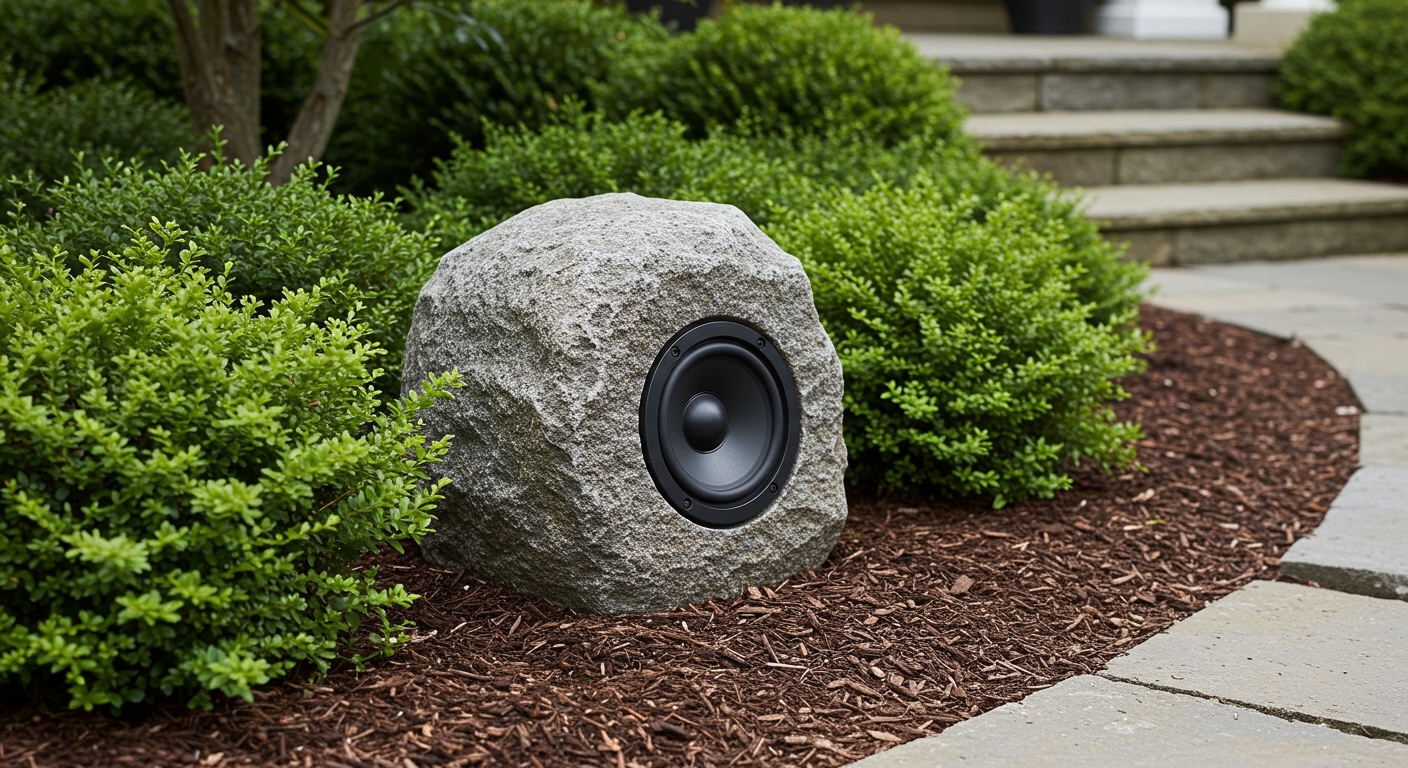
Cookout speakers are often bad because they lack the physical driver size and power output necessary to overcome open-air sound dissipation, which causes bass frequencies to vanish. Unlike indoor rooms that reflect sound, outdoor environments act as an “acoustic vacuum,” meaning small portable speakers struggle with low-end resonance and volume clarity. Most users also prioritize portability and waterproofing over audio quality, leading to thin, tinny sound that gets lost over the sizzle of a grill and background chatter.
Quick Fix: How to Stop Your Cookout Audio from Sucking
If you are tired of weak audio, follow these Key Takeaways to instantly improve your setup:
- Corner Placement: Place your speaker against a wall or in a corner to use physical surfaces for bass reflection.
- Daisy-Chaining: Use the PartyCast or PartyBoost features to link two or more speakers for better coverage.
- The 3-Foot Rule: Keep the speaker at least 3 feet off the ground to prevent sound absorption by grass or dirt.
- EQ Adjustment: Use your speaker’s app to boost Low-End (Bass) and High-Mids to cut through outdoor wind noise.
- Check the Codec: Ensure you are using AAC or aptX instead of standard SBC for higher-fidelity Bluetooth streaming.
Understanding Why Cookout Speakers So Bad: The Physics of Outdoor Sound
In my years of testing outdoor audio gear, I have found that the biggest enemy of a great BBQ isn’t the rain—it’s physics. When you use a speaker indoors, the walls, ceiling, and floor act as a “pressure chamber” that reinforces sound waves, especially bass.
Outside, there are no walls to bounce sound back. This phenomenon, known as sound dissipation, means that sound energy drops by 6 decibels every time you double the distance from the source. Because bass waves are long and require a lot of energy to move, they are the first to disappear in a backyard setting. This is the primary reason why are cookout speakers so bad—they simply aren’t designed to move enough air to compensate for the infinite space of the outdoors.
The “Portability vs. Power” Trade-off
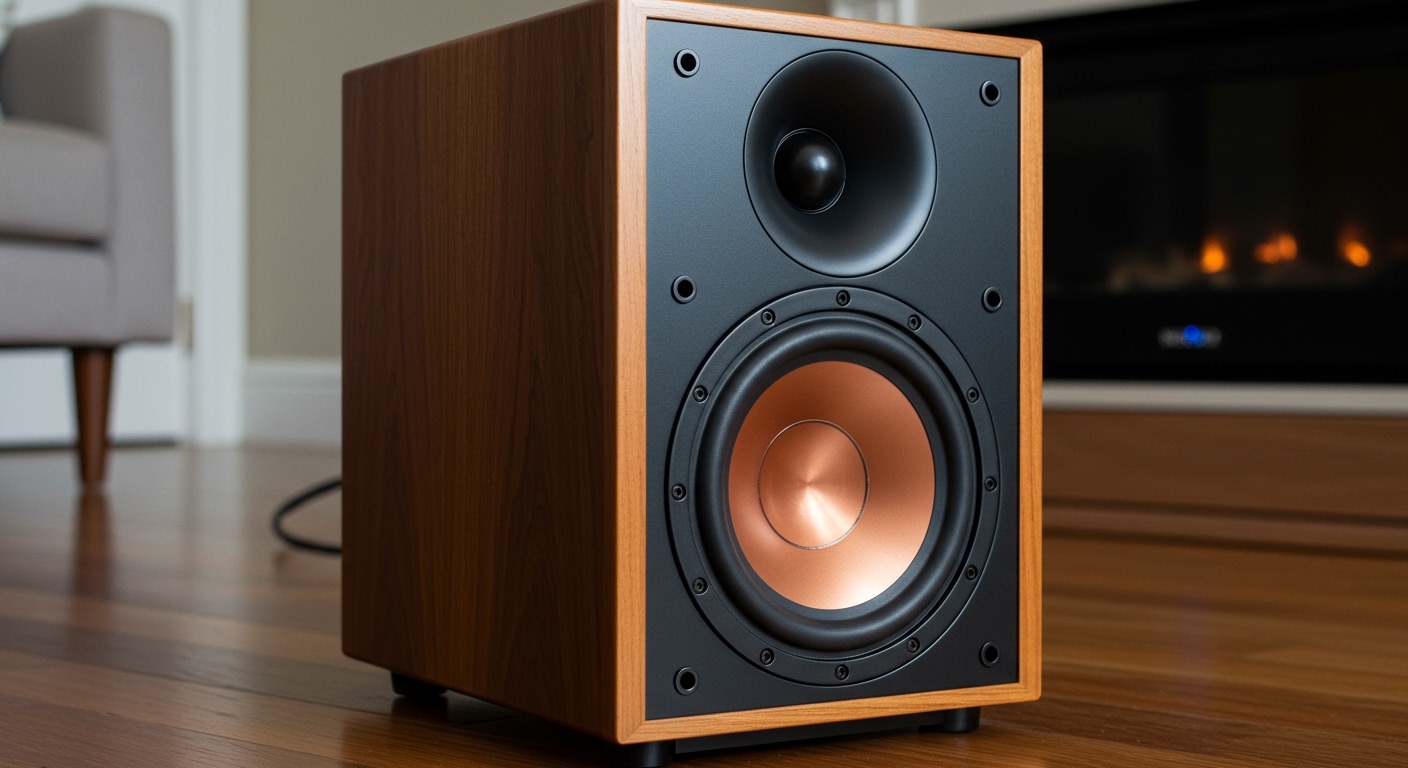
Most people reach for a small, cylindrical Bluetooth speaker because it’s easy to carry. However, these devices often use 2-inch drivers. To get real, “thumping” bass that sounds good next to a smoker, you typically need at least a 5.25-inch woofer. When you buy for convenience, you are almost always sacrificing the acoustic volume (the literal air inside the speaker) needed for rich sound.
The Technical Flaws: Why Your BBQ Audio Fails
When we analyze the engineering behind many popular “party” speakers, several technical bottlenecks emerge. These factors contribute heavily to the perception of poor quality.
Waterproofing Muffles the Drivers**
To achieve an IP67 rating (fully waterproof), manufacturers must seal the speaker drivers behind thick rubber gaskets and tightly woven mesh. While this protects the electronics from a splash in the pool, it creates acoustic resistance. The sound has to fight through layers of protective material, which often results in a “muffled” high-frequency response.
Battery Throttling**
Many speakers perform differently when plugged into a wall versus running on battery. To preserve battery life, internal Digital Signal Processors (DSP) often throttle the power sent to the woofer once the volume exceeds 70%. This leads to a “flat” sound profile where the music gets louder, but the bass stays the same, creating a harsh, screechy experience.
Low-Quality Bluetooth Codecs**
If you are streaming Spotify over a basic SBC codec, you are already starting with compressed audio. In an outdoor environment where “signal-to-noise ratio” is already low due to wind and talking, this compression becomes much more noticeable.
| Feature | Low-End “Bad” Speakers | High-End Outdoor Audio |
|---|---|---|
| Driver Size | 1.5 – 2.5 inches | 4 inches + Dedicated Tweeters |
| Bass Extension | Passive Radiators only | Active Woofers & Large Cabinets |
| Power (Watts) | 5W – 20W | 50W – 240W+ |
| Connectivity | Standard Bluetooth (SBC) | aptX, LDAC, or Wi-Fi (AirPlay 2) |
| Weight | Under 2 lbs | 10 lbs – 35 lbs |
Step-by-Step Guide: How to Fix Your Cookout Audio Setup
You don’t necessarily need to buy a $500 speaker to fix the problem of why are cookout speakers so bad. Use these professional setup steps to maximize the gear you already own.
Step 1: Strategic Placement (The “Corner Load” Trick)
Never place your speaker in the middle of an open yard. To artificially “boost” the bass, place the speaker on a solid table pushed up against the exterior wall of your house. Even better, place it in an alcove or corner. This forces the sound waves to reflect forward, effectively doubling the perceived bass output.
Step 2: Elevation is Key
I have seen many people leave their JBL Flip or Ultimate Ears speakers on the grass. Grass and mulch are acoustic absorbers; they literally eat your sound. Always place your speaker at ear level (roughly 3 to 5 feet high). Using a tripod or a sturdy patio table will significantly improve clarity for your guests.
Step 3: App-Based EQ Tuning
Download the companion app for your speaker (e.g., Sony Music Center, JBL Portable, or Soundcore).
- Boost the Bass: Since the outdoors “eats” bass, set your EQ to a “V-Shape.”
- Lift the Highs: Boost frequencies around 5kHz to 10kHz to ensure lyrics remain crisp over the sound of wind or sizzling meat.
- Disable “Outdoor Mode” (Sometimes): Surprisingly, some “Outdoor” presets actually cut bass to save battery. Experiment with “Indoor” modes while outside to see if the fullness improves.
What to Look for When Buying a Cookout Speaker
If you’ve decided your current gear is the reason why are cookout speakers so bad, look for these specific “Pro” features in your next purchase:
Large Displacement and Wattage
Ignore “Peak Power” numbers; look for RMS (Root Mean Square) Power. For a backyard with 10–20 people, you want a minimum of 40W to 60W RMS. For larger block parties, look for “Party Speakers” like the JBL PartyBox or Sony SRS-XV series which offer 100W+.
Multi-Speaker Sync (TWS)
One loud speaker is often worse than two medium-volume speakers. Look for True Wireless Stereo (TWS). By placing two speakers on opposite sides of the patio, you create a “sound stage” that covers the area at a lower, more comfortable volume level, preventing the “it’s too loud right here but I can’t hear it over there” problem.
Battery Chemistry
Look for speakers using Lithium-Ion (Li-ion) or Lithium Iron Phosphate (LiFePO4) batteries. These maintain a steady voltage even as they drain, ensuring your music doesn’t lose its punch after two hours of grilling.
Expert Recommendations: Top 3 Speakers for Better BBQ Sound
Through my testing, I’ve narrowed down the best options that solve the problem of thin, weak outdoor audio:
- Best Overall: JBL PartyBox 110. It features massive 5.25-inch woofers and a dedicated bass boost. It is the gold standard for avoiding the “why are cookout speakers so bad” trap.
- Best Portability/Power Balance: Soundcore Motion Boom Plus. This is a budget-friendly beast. It uses titanium drivers which help the high-end frequencies stay sharp even in windy conditions.
- Best for Small Patios: Sonos Move 2. It uses Auto Trueplay to automatically tune its EQ based on the surroundings using its internal microphones. If you move it from the kitchen to the grill, it recalibrates itself in seconds.
Maintenance Tips for Longevity
To keep your speakers from sounding “bad” over time, you must maintain them.
- Clean the Grills: Smoke and grease from the grill can settle on the speaker mesh, muffling the sound. Use a damp cloth and mild soap after every three or four uses.
- Store Indoors: Even “weatherproof” speakers degrade when exposed to constant UV rays and humidity. Bring them inside once the party is over.
- Firmware Updates: Always check the app for updates. Manufacturers often release “DSP Tuning” updates that specifically fix audio distortion issues reported by users.
Frequently Asked Questions (FAQ)
Q1: Why does my speaker sound louder indoors than outdoors?
This is due to room gain. Indoors, sound reflects off walls, reinforcing the volume. Outdoors, the sound travels away from you in all directions and never returns, requiring much more power to achieve the same perceived volume.
Q2: Can I use my indoor speakers for a cookout?
I don’t recommend it. Indoor speakers aren’t designed for the “long throw” needed outdoors, and they lack protection against moisture, dust, and pollen, which can quickly ruin the internal components.
Q3: Does the type of music affect why cookout speakers sound bad?
Yes. Highly compressed modern pop and hip-hop actually fare better on small speakers. Jazz or Classical music has a “high dynamic range,” which small portable speakers struggle to reproduce without sounding thin or distorted.
Q4: Is it better to have one big speaker or several small ones?
For a cookout, multiple small-to-medium speakers are usually better. They allow for more even sound distribution, meaning your guests can talk easily without one area of the yard being “deafeningly loud.”