The Science and Psychology Behind Speaker Color
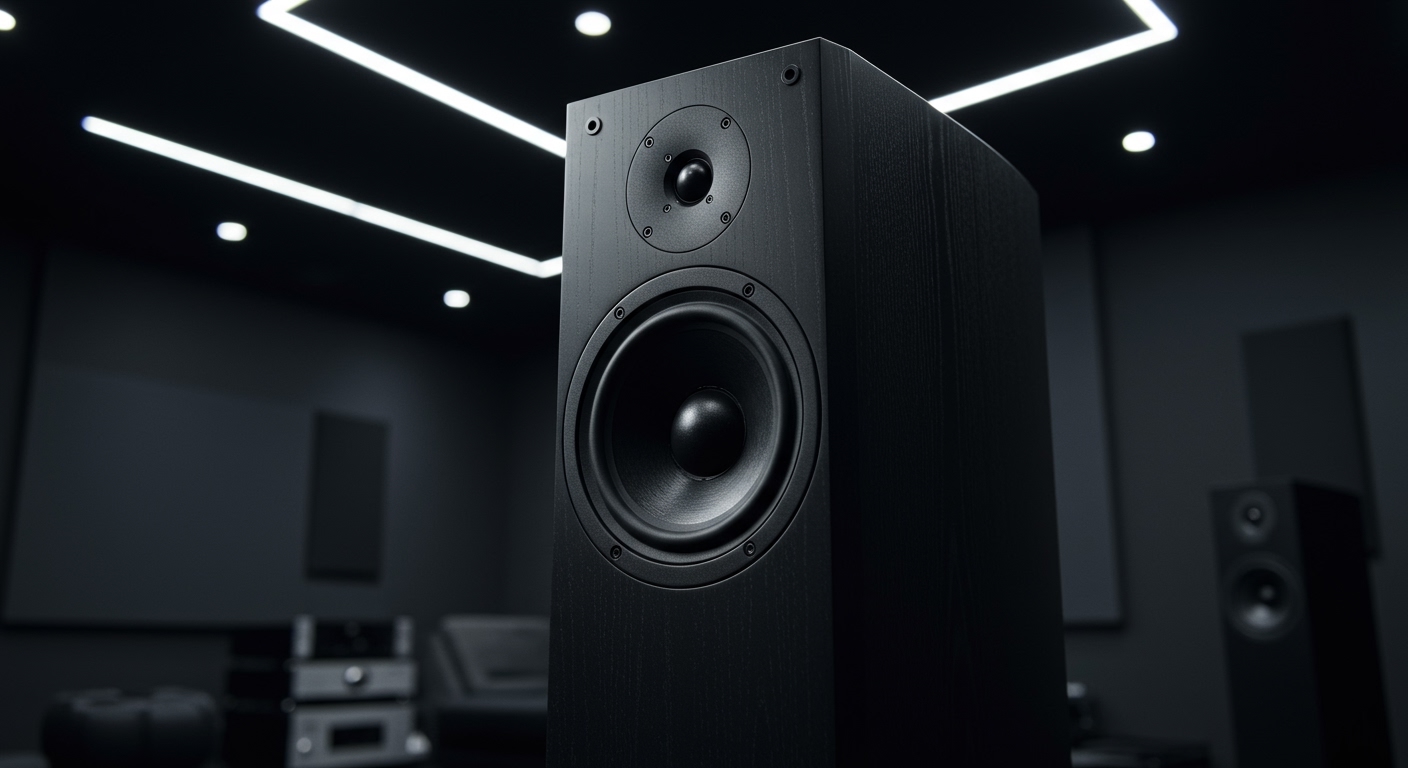
If you walk into any high-end audio shop or browse an online electronics retailer, you are met with a “sea of black boxes.” Whether you are looking at a budget bookshelf speaker or a $20,000 floor-standing tower, the dominant aesthetic is almost always dark. Why are speakers black? Most speakers are black because it is the most cost-effective color to manufacture at scale, it effectively hides visual imperfections in MDF (Medium Density Fiberboard), and it provides a neutral aesthetic that integrates seamlessly into home theater environments without causing screen glare.
TL;DR: Key Takeaways
- Manufacturing Efficiency: Black vinyl wraps and veneers are cheaper to produce and easier to color-match than wood grains or bright colors.
- Visual Neutrality: In home theaters, black speakers “disappear” during a movie, preventing light reflections from the screen.
- Durability: Black finishes, particularly matte or textured paint, hide dust, scuffs, and fingerprints better than lighter colors.
- Industry Standard: Since the 1980s, black has been synonymous with “professional” audio gear, following the “Black Box” design era.
Why Are Speakers Black? The Manufacturing Reality
When I first started installing home audio systems in the early 2000s, I asked a representative from a major speaker brand why 90% of their inventory was black. The answer was simple: supply chain optimization.
Most modern speaker cabinets are constructed from MDF (Medium Density Fiberboard). While MDF is acoustically superior to many materials because of its density and dampening properties, it is visually unattractive. It looks like compressed cardboard. To make it consumer-ready, manufacturers must apply a finish.
Cost of Materials and Scaling
Producing a piano-black gloss or a matte black finish is significantly more affordable than sourcing high-quality real wood veneers like Walnut, Cherry, or Rosewood. When a factory produces 100,000 units, the cost difference between a standard black PVC wrap and a premium wood finish can be tens of dollars per unit. For the consumer, this translates to a much lower retail price.
Hiding Imperfections
Black pigment is incredibly effective at masking small gaps, glue lines, or inconsistencies in the cabinet construction. If a manufacturer uses a white finish, every seam and tiny speck of dust becomes visible to the naked eye. In my experience, budget-friendly speakers almost always use black because it maintains a “premium” look even when the construction tolerances are slightly wider.
Consistency Across Batches
If you buy a pair of Klipsch or SVS speakers today and another pair three years from now, the black finish will match perfectly. Wood grains, however, vary by the tree. Achieving a perfect “color match” for a 7.1 surround sound system using wood veneers is a logistical nightmare for manufacturers.
The Role of Light and Home Theater Design
In the world of high-end home cinema, the goal is total immersion. This is where the question of why are speakers black moves from “cheap to build” to “better for the user.”
Light Absorption and Distraction
If you have a projector or a large OLED TV, light spills into the room. A white or brightly colored speaker will reflect that light back toward your eyes, distracting you from the screen. Matte black speakers act as light sinks. They absorb the ambient light, allowing the speakers to “vanish” into the shadows of the room.
The “Pro” Aesthetic
During the 1970s, speakers were often treated as furniture, featuring heavy wood cabinets and cloth grilles that looked like tweed. In the 1980s, the “Pro-Audio” look became popular. Musicians and studio engineers used black equipment because it looked industrial and serious. Consumers followed suit, wanting their home systems to look like the gear used by JBL or Marshall in professional recording studios.
Comparing Speaker Finishes: Which is Best for You?
When choosing your next set of speakers, the color isn’t just about looks; it’s about maintenance and longevity.
| Finish Type | Best For | Pros | Cons |
|---|---|---|---|
| Matte Black | Home Theaters | No glare, hides fingerprints. | Can look “plain” or boring. |
| Piano Black Gloss | Living Rooms | Highly premium, elegant look. | Magnet for dust and scratches. |
| White Satin | Modern Decor | Looks clean, blends with walls. | Shows every bit of dirt; reflects light. |
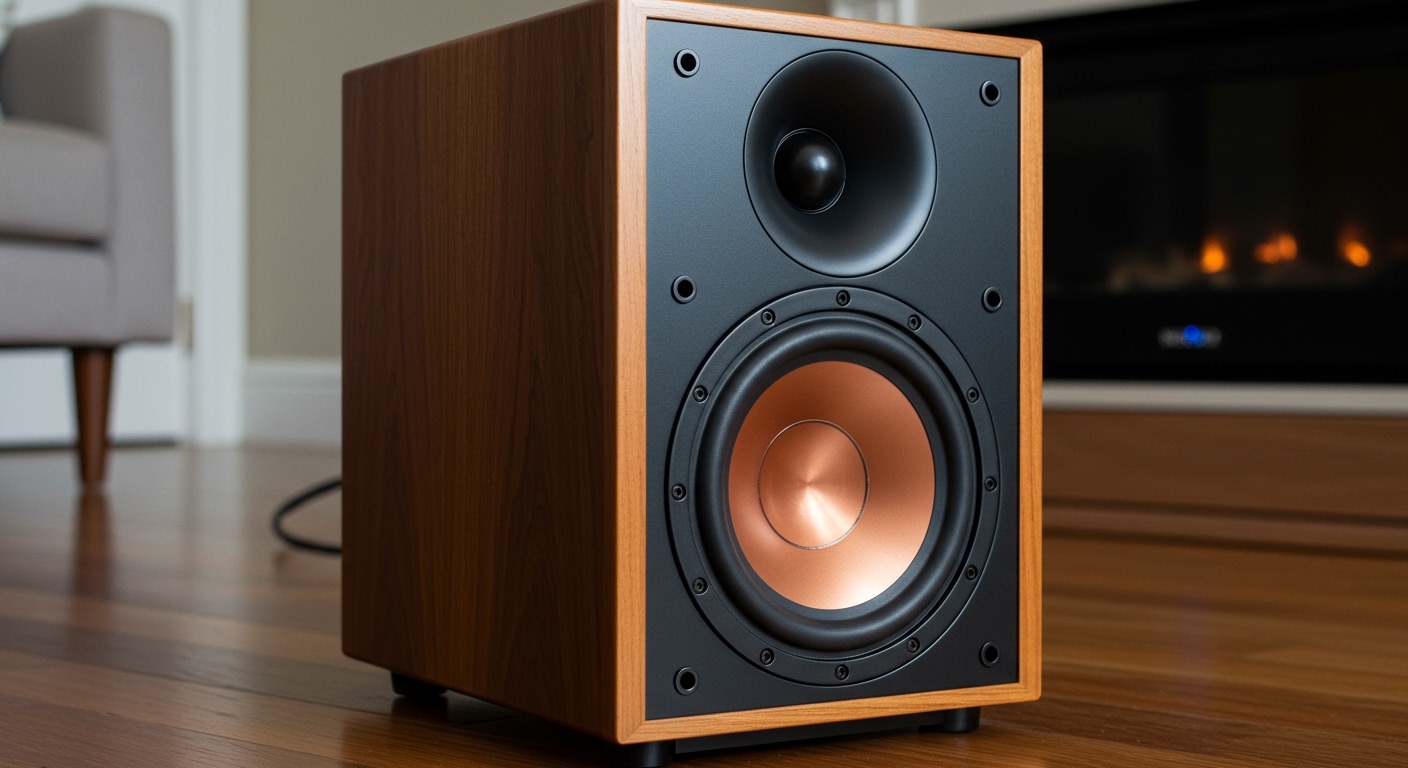
| Wood Veneer | Traditional Rooms | Unique, warm, high resale value. | Hard to match with other furniture. |
How to Choose the Right Speaker Color for Your Room
If you are currently debating between the standard black or a more “adventurous” color, follow this step-by-step logic I use when consulting with clients.
Step 1: Assess Your Lighting
If your room has many windows or you use a high-brightness screen, avoid glossy finishes. I have seen many homeowners regret buying glossy black towers because they reflect the sunlight every afternoon, creating a blinding glare in the living room.
Step 2: Check Your Wall Color
- Dark Walls (Navy, Charcoal, Forest Green): Black speakers blend in for a stealthy look.
- Light Walls (White, Cream, Light Gray): White speakers provide a minimalist, “Scandinavian” aesthetic that makes the room feel larger.
- Eclectic/Bold Walls: Wood veneers (like Walnut) provide a natural contrast that prevents the room from feeling too “tech-heavy.”
Step 3: Consider the Grille
Most speakers come with removable cloth grilles. If you find black speakers too imposing, you can often find aftermarket grilles in different colors. This allows you to have the technical benefits of a black cabinet while softening the visual impact with a grey or tan fabric cover.
Customizing Your Speaker Color: A DIY Guide
What if you already own a pair of speakers and you hate the color? I have successfully modified several sets of speakers for “stealth” installs. Here is how you can change the color of your speakers safely.
Using Vinyl Wraps
The safest way to change a speaker from black to another color is using automotive-grade vinyl wrap (like 3M 2080 series).
- Clean the surface with isopropyl alcohol.
- Measure and cut the vinyl with a 2-inch overhang.
- Apply heat with a hair dryer to stretch the vinyl over the corners.
- Trim with a sharp hobby knife.
The best part? It’s completely reversible and doesn’t affect the sound quality of the cabinet.
Painting the Cabinet
I only recommend painting if the speaker is already out of warranty and has a smooth surface.
- Avoid the drivers: Never get paint on the woofer cone or tweeter.
- Use Matte Spray: If you are trying to solve a glare problem, use a flat black spray paint designed for plastic or wood.
- Remove the hardware: Always unscrew the drivers and binding posts before painting to ensure a professional finish.
The Future of Speaker Color: Is Black Dying Out?
While black remains the king of the market, we are seeing a shift. Brands like KEF (with their LS50 series) and Sonos have popularized “Architectural White” and “Mineral Blue.”
As speakers become smaller and more integrated into smart homes, the desire for them to look like “tech gear” is fading. People want speakers that look like pottery or art. However, for the serious audiophile, the black speaker remains the gold standard because it prioritizes the listening experience over visual flair.
FAQ: Common Questions About Speaker Color
Do black speakers get hotter than white speakers?
Yes, if they are placed in direct sunlight. Like any black object, a black speaker cabinet will absorb more thermal energy. If you have active speakers (those with built-in amplifiers) and you live in a hot climate, keep them out of direct sun to prevent the internal electronics from overheating.
Does the color of a speaker affect its sound?
Technically, no. The pigment in the paint or the color of the vinyl wrap has zero impact on the acoustic properties of the MDF or the movement of the drivers. However, psychologically, some listeners perceive “darker” sounding audio from black speakers and “brighter” audio from white speakers—this is a purely visual bias.
Why are the woofer cones sometimes different colors?
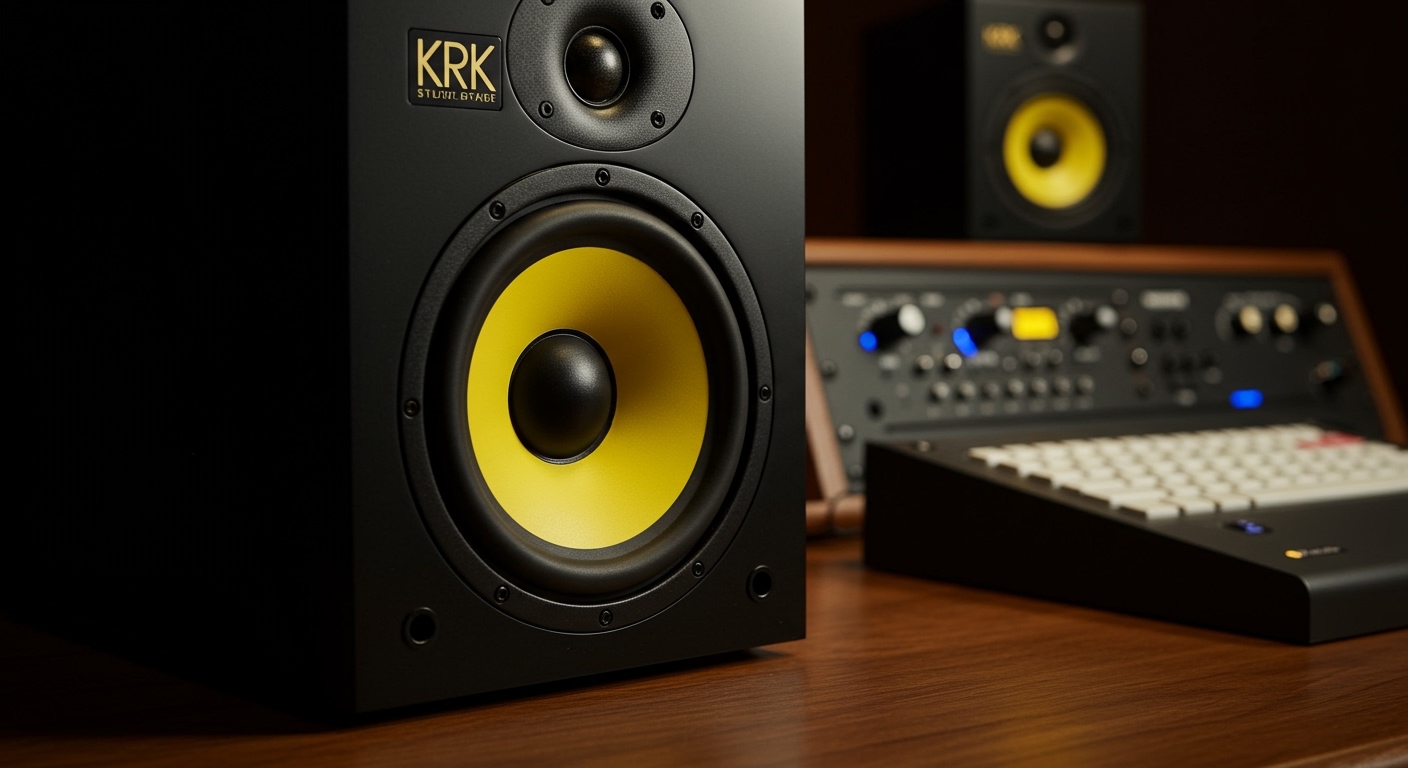
While the cabinet is usually black, the cones may be yellow (Kevlar), white (Paper/Poly), or copper (Ceramic/Aluminum). Manufacturers use these colors to highlight the materials used, which adds a sense of “tech” value to the product.
Is “Piano Black” harder to maintain?
Absolutely. Piano black is essentially a high-gloss clear coat over black paint. It shows micro-scratches (swirl marks) from cleaning and is a magnet for static-charged dust. If you choose this color, use only high-quality microfiber cloths and specialized cleaning sprays.
Can I paint my speaker grilles?
You can, but you must use acoustically transparent spray paint or very light coats. If you clog the holes in the fabric with thick paint, you will muffle the high frequencies (the treble), significantly degrading the sound quality.