The Psychology of Public Playlists: A Deep Dive
Ever been on a bus, in a park, or walking down the street, only to be enveloped in a cloud of someone else’s music blasting from a portable speaker? It’s a common modern frustration. The question of why do people play music on speakers in public isn’t about a single, simple answer. It stems from a complex mix of psychological needs, social signaling, technological accessibility, and sometimes, a genuine lack of awareness. Understanding these drivers can help us navigate these noisy encounters with a bit more empathy and a lot less frustration.
Key Takeaways: Why Public Music Happens
- Psychological Drivers: Many individuals use music to create an “auditory bubble” of comfort, assert their presence in a space (territorial marking), or live out a “main character” fantasy where their life has a soundtrack.
- Social Signaling: The music genre, volume, and song choice are often a form of social signaling—a way to broadcast identity, group affiliation, or mood to the surrounding world.
- Technological Ease: The rise of affordable, powerful, and highly portable Bluetooth speakers has made it easier than ever to turn any public space into a personal concert venue.
- Generational & Cultural Shifts: Norms around shared spaces and auditory privacy are evolving. For some, sharing music is seen as creating a positive, communal “vibe” rather than an intrusion.
- Lack of Awareness: A significant portion of people simply don’t perceive their music as a disturbance. They are so immersed in their own experience that they lack the situational awareness to consider its impact on others.
Understanding the Core Reasons Why People Play Music on Speakers in Public
When we encounter music being played on a speaker in a shared space, our first reaction is often annoyance. But as a social observer, I’ve found that the motivation is rarely pure malice. It’s a behavior rooted in a desire to control one’s environment, express identity, and connect with others, even if the method is disruptive.
The primary reasons can be grouped into four main categories: the psychological, the social, the technological, and the situational. By dissecting each of these, we can move from simple frustration to a more nuanced understanding of this pervasive modern phenomenon.
The Psychology Behind Blasting Music in Public
The human mind is wired to seek comfort, control, and self-expression. Playing music aloud taps into all of these fundamental needs. It’s less about the music itself and more about what the act of playing it does for the individual.
Main Character Syndrome: The World as a Movie Scene
A significant driver is what’s often called “Main Character Syndrome.” This is the tendency for an individual to view themselves as the protagonist in their own life’s movie.
- Creating a Soundtrack: Just like in a film, music sets the mood. By playing a specific song, a person can curate the emotional tone of their immediate experience, whether they’re feeling triumphant, relaxed, or melancholic.
- Public Performance: The world becomes their stage, and the people around them are simply background actors. The music isn’t just for them; it’s the score for the scene they are creating for everyone to witness. From my observations, this is particularly common among younger individuals navigating and building their public identity.
Territorial Marking: Claiming Space with Sound
Sound is a powerful, invisible way to claim territory. Long before Bluetooth speakers, people used boomboxes to mark their space on a city block or a spot in the park.
- Creating an Auditory Fence: Loud music creates an invisible but highly effective boundary. It signals to others, “This is my area,” discouraging unwanted social interaction and carving out a personal zone in a crowded public space.
- A Display of Dominance: In some contexts, high volume can be a subtle (or not-so-subtle) display of social dominance or confidence. It takes a certain boldness to impose your soundtrack on a shared environment, and this act can be an assertion of presence.
The “Auditory Bubble”: A Shield Against the World
For some, playing music on a speaker is the opposite of an outward projection—it’s a form of inward retreat. It functions as a shield to create a bubble of familiarity and comfort.
- Anxiety Reduction: The chaos and unpredictable noise of public transit or a busy street can be overwhelming. A personal soundtrack can drown out this anxiety-inducing noise, replacing it with something predictable and comforting.
- Headphone Aversion: Some people find headphones or earbuds uncomfortable, isolating, or even unsafe, as they block out environmental sounds like traffic or people approaching. A speaker offers a way to have music without being completely cut off.
Social & Cultural Factors: Why We Share Our Soundtracks
Beyond individual psychology, the act of playing music publicly is deeply intertwined with social dynamics and cultural norms. It’s a way to communicate and connect.
Social Signaling and Identity Projection
The music we listen to is a core part of our identity. Playing it aloud is a quick, non-verbal way to broadcast who we are—or who we want to be.
- Group Affiliation: The choice of genre (hip-hop, punk, country, etc.) instantly signals allegiance to a particular subculture. It’s a call to like-minded individuals and a declaration of identity. We’ve seen this with work crews on a construction site playing rock music or skaters in a park playing punk.
- Projecting a Mood: Playing upbeat, energetic music can be a way of saying, “I’m happy and confident.” It’s an externalization of an internal feeling, shared with the world.
Creating a Shared Vibe or Atmosphere
In many situations, the intent isn’t to annoy but to enhance a shared experience. This is especially true for groups.
- The Park or Beach Scenario: A group of friends at a park or beach might play music to create a party-like atmosphere. In their minds, they are contributing to the fun, not detracting from the peace. The music is the centerpiece of their social gathering.
- The Communal Experience: From my experience, the person playing the music often assumes others will enjoy it, too. They may genuinely believe they’re improving the collective mood by sharing a great song, failing to recognize that musical taste is highly subjective.
How Technology Has Amplified Public Music
The behavior isn’t new, but its prevalence is. The explosion of this trend can be directly tied to advancements in personal audio technology.
The Rise of the Bluetooth Speaker
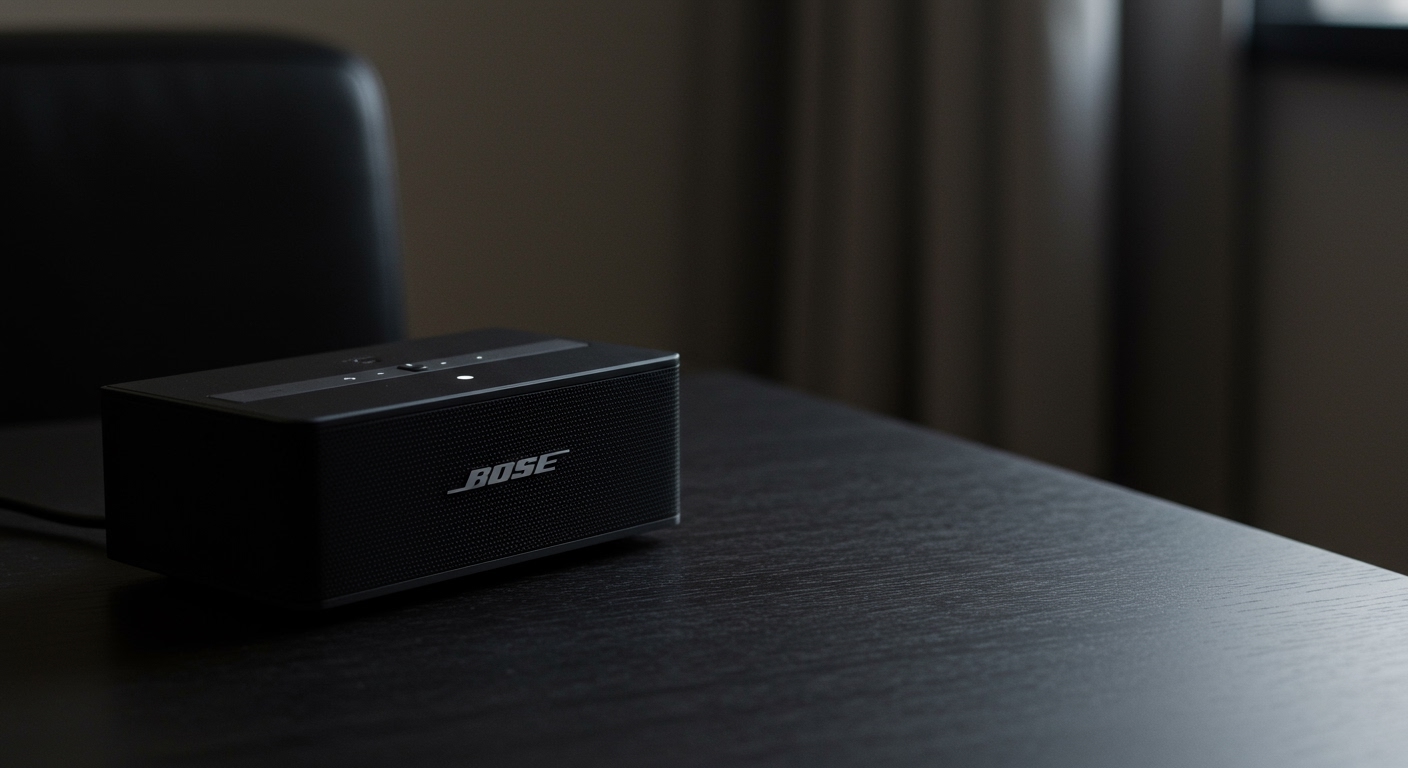
The single biggest factor is the Bluetooth speaker. Before their invention, playing music with any decent quality and volume required a large, cumbersome boombox.
- Portability & Power: Modern speakers are small enough to fit in a pocket but powerful enough to fill a subway car with sound.
- Affordability: High-quality, durable, and waterproof speakers are now incredibly inexpensive, making them accessible to almost everyone.
- Endless Playlists: Connection to smartphones means access to virtually every song ever recorded via streaming services like Spotify and Apple Music.
This trifecta of portability, power, and access has removed nearly all barriers to turning any location into a personal soundstage.
Is It Always Inconsiderate? A Look at Different Perspectives
While it’s easy to label the behavior as purely selfish, the perception of whether it’s acceptable often depends heavily on context and cultural background.
Context is Everything
The appropriateness of public music is not absolute. We’ve found that the social rules change dramatically based on the environment.
| Location Type | General Social Expectation | Why Music is Disruptive |
|---|---|---|
| Public Transit (Bus, Train) | Quiet, personal space is valued. | Enclosed space, no escape for others. |
| Public Park / Beach | Mixed-use; some seek quiet, others socialize. | Can disrupt those seeking nature/peace. |
| City Sidewalk / Plaza | High ambient noise, transient space. | Generally more tolerated, but can still be intrusive. |
| Hiking Trail | Quiet, appreciation of nature. | Directly contradicts the purpose of the space. |
| Work Site / Outdoor Labor | Functional, communal. | Often used for morale and rhythm, generally accepted. |
As the table shows, playing music on a quiet hiking trail is a far greater social violation than doing so in a bustling city square where it might just blend into the background noise.
The Empathy Gap
Ultimately, a major reason why people play music on speakers in public is a simple failure of imagination—an empathy gap.
The person playing the music is in their own world, enjoying their favorite songs. They are often not actively trying to be rude; they are simply not considering that the people around them:
- May be trying to read, work, or think.
- Might find their music stressful or unpleasant.
- May be struggling with a headache or sensory overload.
- Simply wish to enjoy the natural sounds of their environment or a moment of peace.
How to Politely Address Someone Playing Loud Music
If you find yourself in this situation, you don’t have to suffer in silence. However, a confrontational approach rarely works and can escalate the situation. My advice is to always lead with politeness and empathy.
Step 1: Assess the Situation
Before you approach, take a moment to read the room. Is it a large, intimidating group or a single individual who seems approachable? Are you in a confined space or an open one? Your safety and comfort come first.
Step 2: Use a Non-Confrontational Opener
Avoid accusatory language. Instead of “Your music is too loud,” which puts them on the defensive, try a softer approach.
- “Excuse me, I’m so sorry to bother you…”
- “Hi there, I have a quick question…”
Step 3: Make it About You, Not Them (Use “I” Statements)
Frame the request around your own needs. This makes it a personal appeal rather than a demand.
- “…but I’m trying to read and I’m having a little trouble concentrating. Would you mind possibly lowering the volume a bit?”
- “…I have a bit of a headache. Do you think you could turn the music down just a little? I’d really appreciate it.”
- “…I was hoping for some quiet time. Would you be willing to use headphones?” (This is a bigger ask, but sometimes works).
Step 4: Be Prepared to Walk Away
If they react poorly or refuse, do not escalate. Your goal was to ask politely. If they say no, the best course of action is to remove yourself from the situation if possible. Move to a different part of the park or another train car. Your peace of mind is more important than winning the argument.
Frequently Asked Questions (FAQ)
1. Is it illegal to play music on speakers in public?
In many places, yes, it can be. Most municipalities have noise ordinances that prohibit excessive noise that disturbs the peace. On public transportation systems, it is often explicitly against the rules of conduct. However, enforcement is often lax, relying more on social policing than legal action.
2. What’s the best way to ask someone to turn down their music?
The best way is a polite, non-confrontational request that uses “I” statements. For example: “Hi, sorry to interrupt, but I have a migraine and the music is a bit much for me right now. Would you mind turning it down?” This makes it a personal, empathetic request rather than an accusation.
3. Why don’t people just use headphones?
There are several reasons. Some find headphones uncomfortable or isolating. Others feel they are unsafe in public as they block out important environmental sounds. For groups, a speaker allows for a shared, communal listening experience that headphones cannot provide.
4. Has playing music in public become more common?
Yes, it has become significantly more common. This is almost entirely due to the invention and mass adoption of inexpensive, high-quality portable Bluetooth speakers. Technology has made it incredibly easy to create a powerful