Why Do Speakers Vibrate? The Essential Science of Sound
Why do speakers vibrate? Speakers vibrate because they use electromagnetism to convert electrical signals into mechanical energy, physically moving a diaphragm (cone) to displace air and create the pressure waves we perceive as sound. This rapid back-and-forth motion is not a side effect; it is the fundamental process required to generate every frequency from deep bass to high-pitched treble.
In my years of testing high-end home theater systems and calibrating studio monitors, I have found that while vibration is necessary for sound, uncontrolled vibration is the enemy of audio clarity. Understanding the difference between functional oscillation and mechanical rattling is the first step to achieving professional-grade sound in your home.
TL;DR: Key Takeaways on Speaker Vibration
- Mechanical Necessity: Vibration is how speakers move air to create sound waves.
- Electromagnetism: The interaction between a permanent magnet and a voice coil drives the movement.
- Normal vs. Abnormal: Rhythmic vibration is good; rattling, buzzing, or “walking” speakers indicate a problem.
- Isolation is Key: Using isolation pads or spikes prevents vibrations from muddying the sound or damaging furniture.
- Material Matters: The stiffness of the speaker cone (Kevlar, Paper, or Silk) dictates how accurately it vibrates.
The Mechanics: Why Do Speakers Vibrate to Produce Sound?
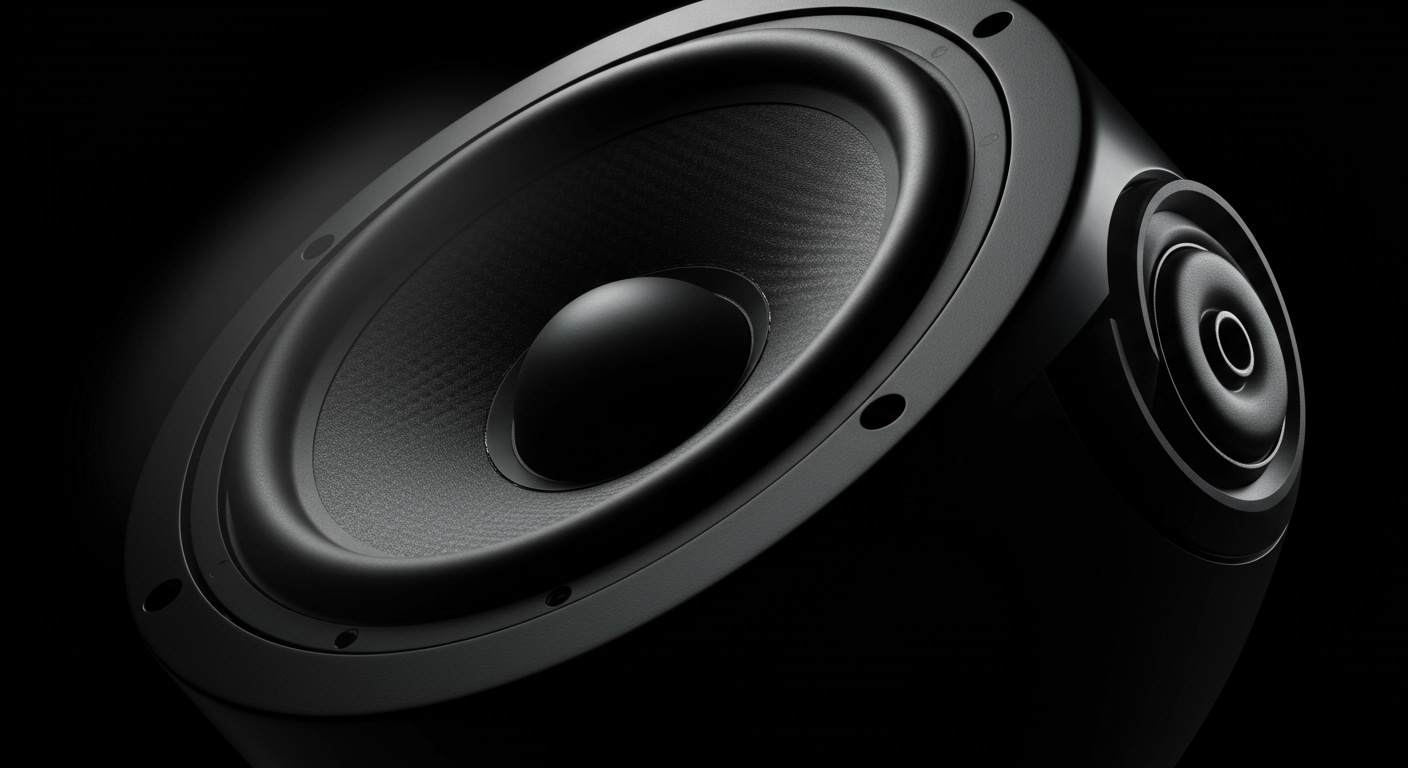
To understand why do speakers vibrate, we must look at the internal components of a driver. Every speaker acts as a transducer, changing one form of energy (electricity) into another (kinetic motion).
The Role of the Voice Coil and Magnet
Inside the speaker, a permanent magnet creates a stationary magnetic field. A coil of wire, known as the voice coil, is attached to the base of the speaker cone. When an electrical current from your amplifier flows through this coil, it creates a fluctuating magnetic field.
This new field interacts with the permanent magnet’s field, causing the coil—and the attached cone—to push and pull rapidly.
Frequency and Amplitude
The speed and distance of this vibration determine what you hear:
- Frequency (Pitch): How fast the speaker vibrates. A speaker vibrating 60 times per second produces a 60Hz bass note. A tweeter vibrating 15,000 times per second produces high-frequency sounds.
- Amplitude (Volume): How far the cone travels (excursion). A larger physical movement displaces more air, resulting in a louder sound.
| Component | Function in Vibration | Material Examples |
|---|---|---|
| Diaphragm (Cone) | Pushes air to create sound waves | Paper, Polypropylene, Kevlar |
| Voice Coil | Converts electricity into motion | Copper or Aluminum wire |
| Spider | Keeps the coil centered and provides tension | Treated fabric |
| Surround | Flexible ring allowing the cone to move | Rubber, Foam, or Silk |
| Magnet | Provides the stationary magnetic field | Neodymium or Ferrite |
Normal vs. Excessive Vibration: When Should You Be Worried?
I often get asked, “Is it normal for my subwoofer to shake the floor?” The answer is yes, but only to a point. Distinguishing between functional vibration and mechanical failure is critical for protecting your equipment.
Signs of Healthy Vibration
When a speaker is working correctly, you should see the woofer moving rhythmically, especially during bass-heavy tracks. This movement should be smooth and silent—meaning the only “noise” you hear is the music itself. In my experience, high-quality drivers like those from SVS or Klipsch are designed for high excursion without losing structural integrity.
Signs of Abnormal Vibration (The “Rattle”)
If you hear a buzzing, zipping, or clicking sound, something is wrong. Why do speakers vibrate excessively or noisily? It usually boils down to:
- Blown Voice Coil: If the coil is overheated or overdriven, it can warp and rub against the magnet.
- Loose Enclosure: Screws holding the driver to the cabinet may have loosened over time due to constant oscillation.
- Cabinet Resonance: Thin or poorly braced cabinets can vibrate at the same frequency as the music, adding “mud” to the sound.
Why Do Speakers Vibrate the Furniture and Floor?
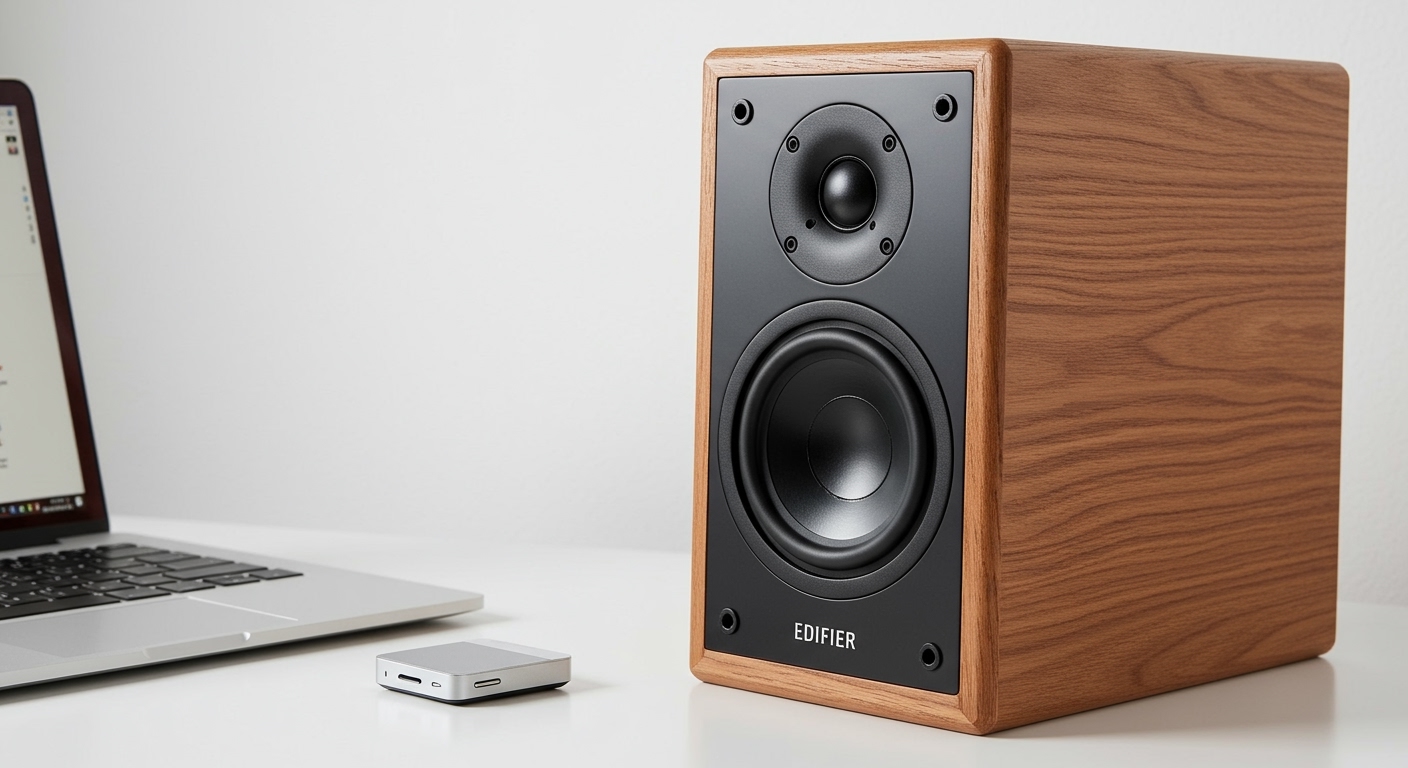
One of the most common “pain points” for audiophiles is mechanical coupling. When a speaker sits directly on a wooden floor or a desk, the vibrations transfer from the speaker cabinet into the surface.
The Problem with “Coupling”
When your desk vibrates along with your speakers, the desk itself becomes a giant, low-quality speaker. This causes:
- Bass Bloat: The low end sounds boomy and undefined.
- Phase Issues: The secondary vibrations from the furniture can cancel out frequencies from the speaker.
- Physical Damage: I have seen high-powered subwoofers “walk” across hardwood floors, scratching the finish or even unplugging themselves.
How to Stop Unwanted Transfer
To fix this, we use decoupling techniques. During my studio builds, I always recommend the following:
- Isolation Pads: High-density foam (like Auralex MoPADs) absorbs the kinetic energy before it hits the desk.
- Speaker Spikes: These are best for carpeted floors. They concentrate the weight onto a tiny point, piercing the carpet to reach the solid floor beneath, which stabilizes the cabinet.
- Sorbothane Hemispheres: These are “sticky” rubber-like pucks that are incredibly effective at absorbing high-frequency vibrations on hard surfaces.
Step-by-Step Guide: Troubleshooting a Rattling Speaker
If you’ve noticed a “new” vibration that sounds like a rattle, follow this diagnostic process I use during professional gear inspections.
Step 1: The “Finger Test”
While the music is playing and the rattle is audible, gently press your finger against different parts of the speaker.
- If pressing the grill stops the noise, the grill is loose.
- If pressing the rim (basket) stops it, the mounting screws are likely loose.
Step 2: Tighten the Mounting Screws
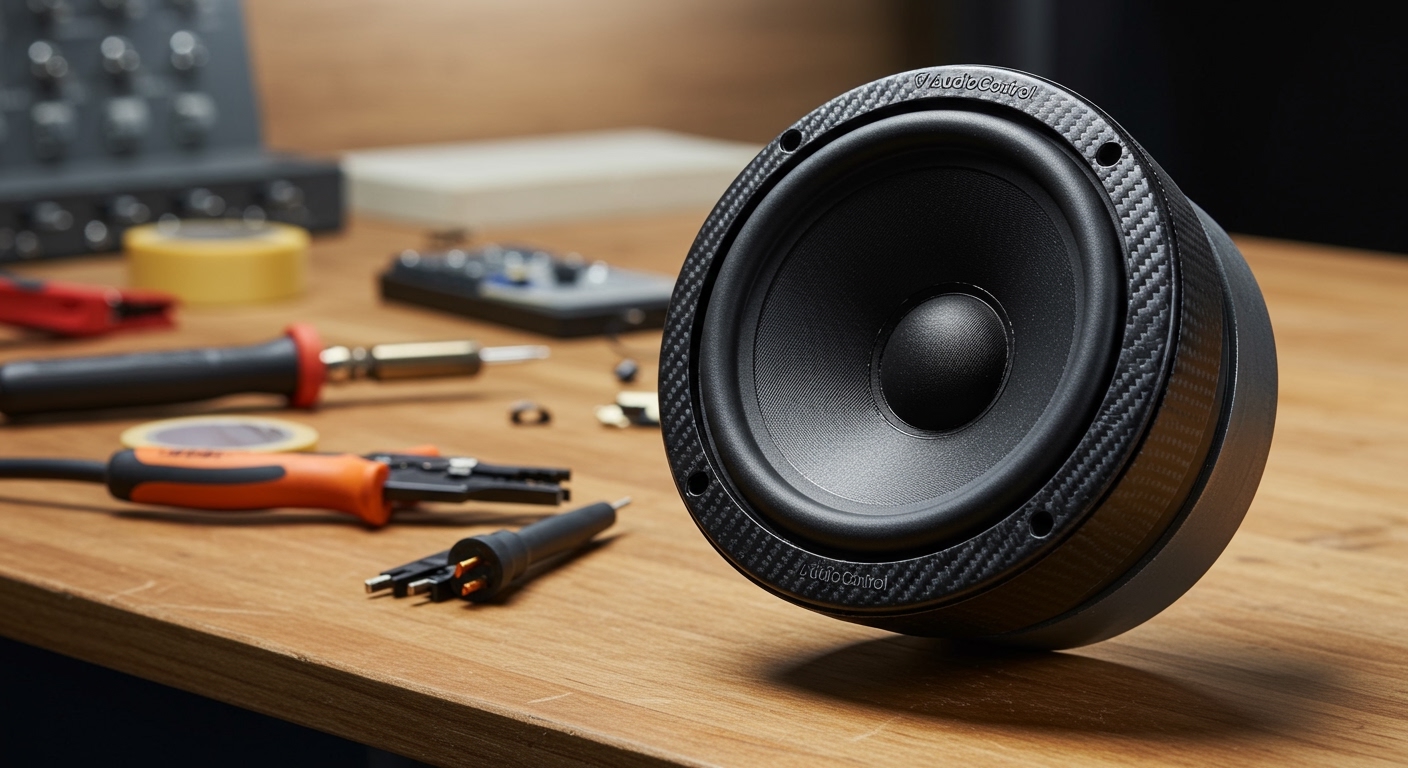
Using a screwdriver (usually a Phillips or Hex head), check the screws holding the driver into the cabinet. Expert Tip: Do not over-tighten! You want them “snug.” Over-tightening can warp the speaker basket or strip the wood.
Step 3: Inspect the Surround
Check the rubber or foam ring around the edge of the cone. In older speakers, this material can rot (dry rot). If there are holes or tears, air escapes unevenly, causing a flapping or buzzing sound.
Step 4: Check Internal Wiring
Sometimes, a wire inside the cabinet is resting against the back of the cone. When the cone moves, it hits the wire. You may need to open the cabinet and secure internal wires with zip ties or adhesive.
The Impact of Volume and “Clipping” on Vibration
Why do speakers vibrate more violently when the volume is turned up? It’s not just about loudness; it’s about clean power.
When an amplifier is pushed beyond its limit, it “clips” the waveform. Instead of a smooth sine wave, the signal becomes a “square wave.” This forces the speaker cone to stop and start abruptly at the limits of its travel.
Clipping causes:
- Excessive Heat: The voice coil cannot dissipate heat properly because it isn’t moving in a natural rhythm.
- Violent Oscillation: The speaker may “bottom out,” where the voice coil physically hits the back of the magnet assembly (a loud clack sound).
I always advise clients to ensure their amplifier has at least 20% more power (headroom) than the speaker’s RMS rating to avoid this dangerous type of vibration.
Advanced Concepts: Cabinet Bracing and Material Science
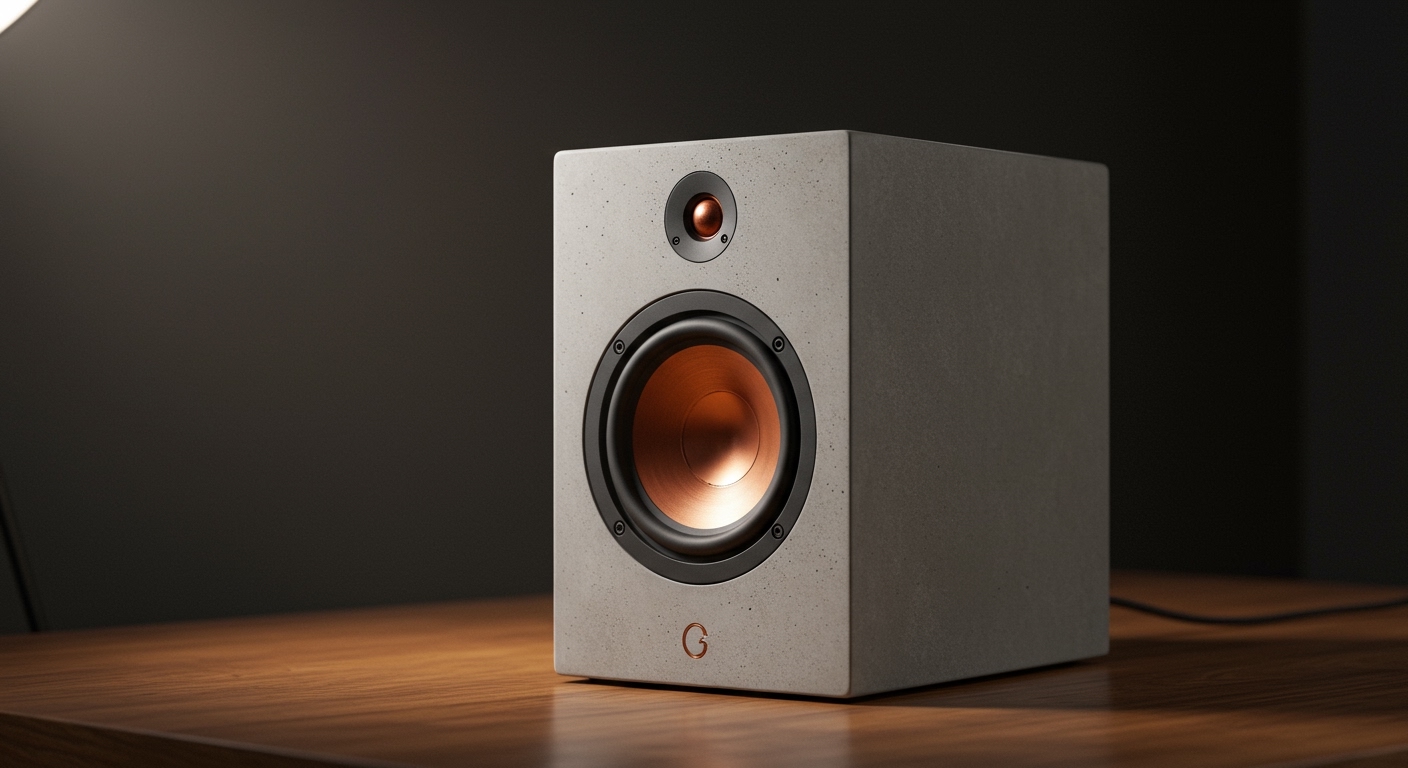
In high-end audio, engineers spend millions trying to figure out how to stop the box from vibrating while letting the driver vibrate freely.
Internal Bracing
Cheaper speakers are often just hollow boxes. High-end brands like Bowers & Wilkins use “Matrix” bracing—an internal honeycomb structure that makes the cabinet incredibly stiff. This ensures that the only thing vibrating is the speaker cone itself.
Cone Materials and “Break-up”
Why do speakers vibrate differently based on material?
- Paper: Lightweight and fast, but can flex (distort) at high volumes.
- Kevlar: Extremely stiff, maintaining its shape even under intense vibration.
- Aluminum: Very rigid but can have a “ringing” sound at specific frequencies.
The goal is Piston-like Motion: the cone should move back and forth as a single unit without bending or warping.
Frequently Asked Questions (FAQ)
Is it bad if my speaker vibrates?**
No, vibration is necessary to create sound. However, if the speaker cabinet is shaking excessively or making rattling noises, it indicates poor isolation or mechanical loose parts that need to be addressed.
How do I stop my speakers from vibrating on my desk?**
The most effective way is to use decoupling tools. Studio monitor isolation pads made of high-density foam or Sorbothane pucks will disconnect the speaker’s vibration from the desk surface, significantly improving clarity.
Why do my speakers vibrate when no music is playing?**
This is usually not a mechanical vibration but an electrical “hum” (60Hz hum). It is caused by a ground loop or interference from nearby electronics. This causes the voice coil to vibrate at the frequency of your home’s electrical grid.
Can excessive vibration blow a speaker?**
Yes. If the vibration (excursion) exceeds the physical limits of the surround or spider, the speaker can tear. Additionally, “clipping” from an underpowered amp causes violent, irregular vibrations that can melt the voice coil.
Why does my subwoofer vibrate more than my tweeters?**
Low-frequency sounds (bass) have longer wavelengths and require the displacement of much more air. To produce these waves, the woofer must move a larger distance (higher excursion) and with more force than a tweeter, which moves very small distances at high speeds.
![Are Fusion Speakers Any Good? [Expert Marine Audio Guide]](https://bestsounds.net/wp-content/uploads/2026/03/are-fusion-speakers-any-good-expert-marine-audio-guide-featured-1774172251.jpg "Are Fusion Speakers Any Good? [Expert Marine Audio Guide]")