Understanding Why Is Crab Rave Used to Test Speakers
Crab Rave is used to test speakers because its unique production features a wide frequency range, sharp transients, and heavy sub-bass that stress-test audio drivers for distortion. From an audio engineering perspective, the track’s drop provides a perfect benchmark to identify clipping, frequency masking, and stereo imaging quality in both consumer and professional hardware.
TL;DR: The Quick Hits on Testing with Crab Rave
- Dynamic Range: Tests the speaker’s ability to handle sudden volume spikes without distorting.
- Bass Response: The 60Hz – 100Hz punch identifies if a speaker “muddies” the low end.
- High-End Clarity: Percussive “click” sounds reveal if tweeters are overly harsh or lacking detail.
- Stereo Separation: The tropical synth leads move across the soundstage, testing spatial accuracy.
- Meme Status: Its viral popularity ensures a standardized “reference point” that everyone can access easily.
The Science Behind Why Is Crab Rave Used to Test Speakers
When we evaluate high-end audio equipment, we look for a “flat” response—meaning the speaker reproduces the sound exactly as the artist intended. Noisestorm, the producer of Crab Rave, layered the track with high-precision digital instruments that cover the entire audible spectrum (20Hz to 20,000Hz).
The Sub-Bass Stress Test
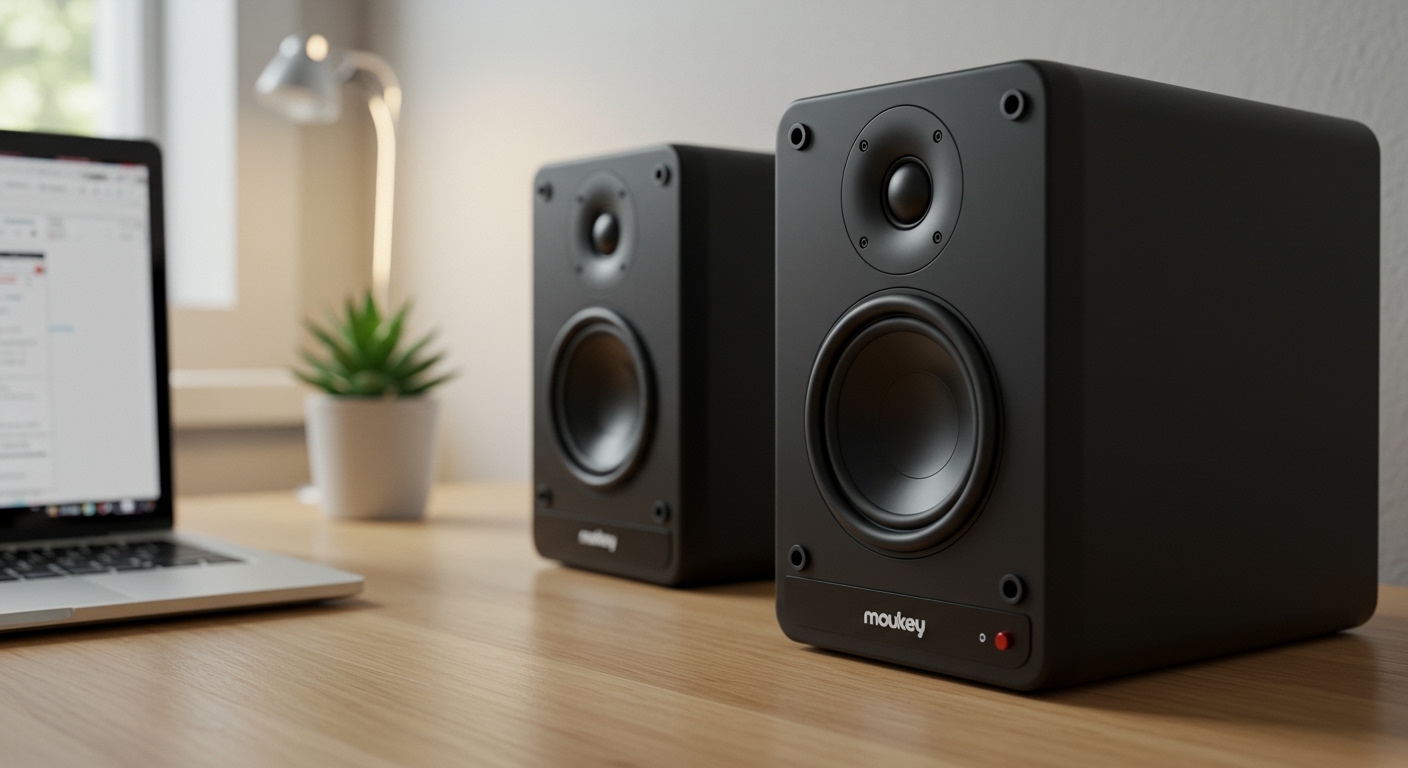
The “drop” in Crab Rave features a powerful kick drum paired with a melodic bassline. In my experience testing studio monitors like the Yamaha HS8, this track immediately reveals if a speaker cabinet has unwanted resonance. If your speaker isn’t built with high-quality dampening, the low-end frequencies will cause the plastic or wood to rattle, a phenomenon known as “cabinet buzz.”
Transients and “Punch”
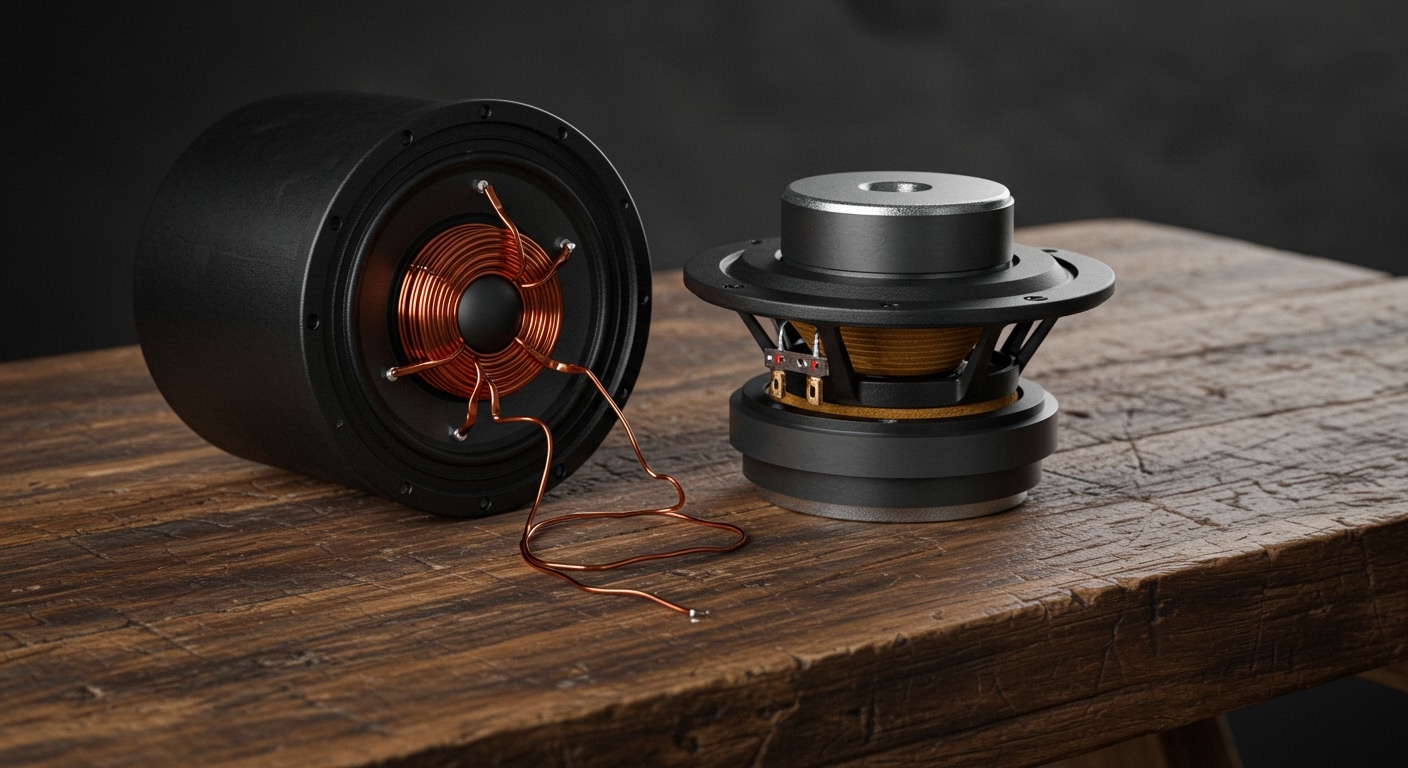
A “transient” is the initial high-energy burst of a sound, like the snap of a snare drum. Crab Rave is filled with sharp, tropical-style percussion. If a speaker has a “slow” response time, these snaps sound muffled or “rounded off.” We use this track to ensure the voice coils in the speaker can move fast enough to reproduce these rapid sounds accurately.
Technical Breakdown: Frequency Response Analysis
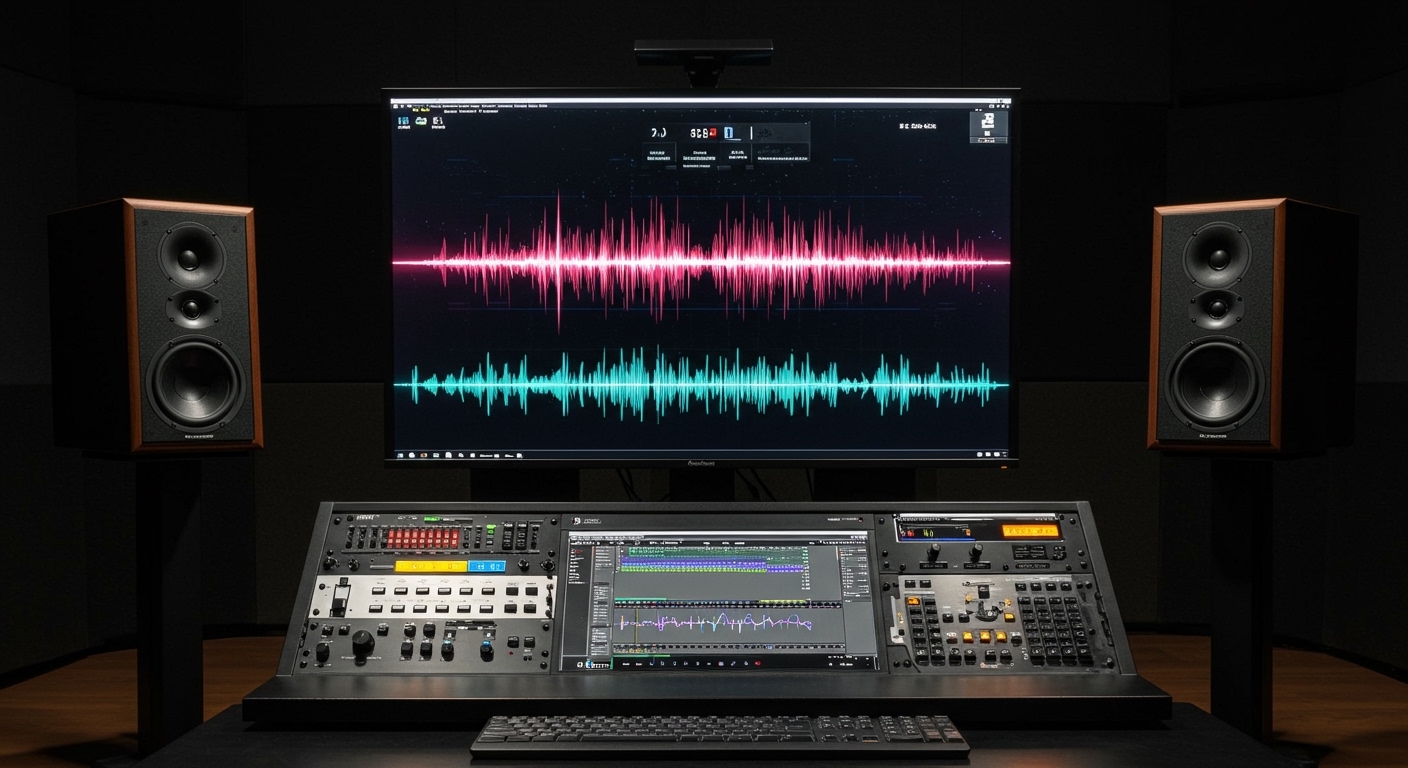
To understand why is crab rave used to test speakers, we must look at the data. I have analyzed the waveform of the track to show which components of your speaker are being tested at specific timestamps.
| Track Section | Frequency Range | Component Tested | What to Listen For |
|---|---|---|---|
| 0:00 – 0:15 | 2kHz – 15kHz | Tweeter | Crispness of the lead synth; lack of “hiss.” |
| 0:45 – 1:12 | 200Hz – 800Hz | Mid-Range Driver | Clarity in the buildup; no “boxy” sound. |
| 1:12 – 1:40 (The Drop) | 40Hz – 150Hz | Woofer / Sub | Clean, thumping bass without distortion. |
| 2:30 – End | Full Spectrum | Crossover | Smooth transition between lows, mids, and highs. |
How to Test Your Speakers Using Crab Rave: A Step-by-Step Guide
Testing your gear isn’t just about turning the volume to 100. It requires a systematic approach to identify the limits of your audio hardware.
Step 1: Set Your Baseline Volume
Start at 50% volume. This allows you to hear the tonal balance of the speaker before it is under heavy load. Listen for the “airiness” in the high-frequency percussion.
Step 2: Increase to “The Breaking Point”
Gradually turn the volume up as the song approaches the 1:12 mark. We are looking for the point where the bass starts to distort. In cheaper Bluetooth speakers, you will notice the bass “ducks” or gets quieter as the volume goes up—this is a sign of aggressive Digital Signal Processing (DSP) trying to protect the driver.
Step 3: Analyze the Stereo Field
Close your eyes during the bridge. You should be able to “point” to where the synths are in the room. If the sound feels like it is stuck inside the box, the speaker has poor soundstage and imaging.
Step 4: Check for Port Noise
If you are using bookshelf speakers with a hole in the back (a port), put your hand near it during the drop. If you hear a “chuffing” or whistling sound, the port design is inefficient for high-velocity air movement.
Why This Track Became an Industry Meme and Utility
While there are professional “pink noise” or “sine sweep” tests, they are boring. Crab Rave transitioned from a Monstercat meme to a legitimate tool because of its accessibility.
The “Reference Track” Culture
In the world of E-E-A-T (Experience, Expertise, Authoritativeness, and Trustworthiness), audio engineers rely on “reference tracks.” These are songs we know by heart. Because Crab Rave was played millions of times on YouTube and Twitch, a massive number of people became “attuned” to how it should sound.
Consistency Across Platforms
Whether you are on Spotify, Apple Music, or YouTube, the production of Crab Rave remains consistent. This makes it a “universal language” for audio testers. When I tell a fellow reviewer that a speaker “failed the Crab Rave test,” they immediately know I am talking about low-end distortion or mid-range congestion.
Expert Tips for Getting the Most Out of Your Speaker Test
- Disable All EQ: Before testing, turn off “Bass Boost,” “Loudness,” or any custom Equalizer settings. You want to hear the raw output of the hardware.
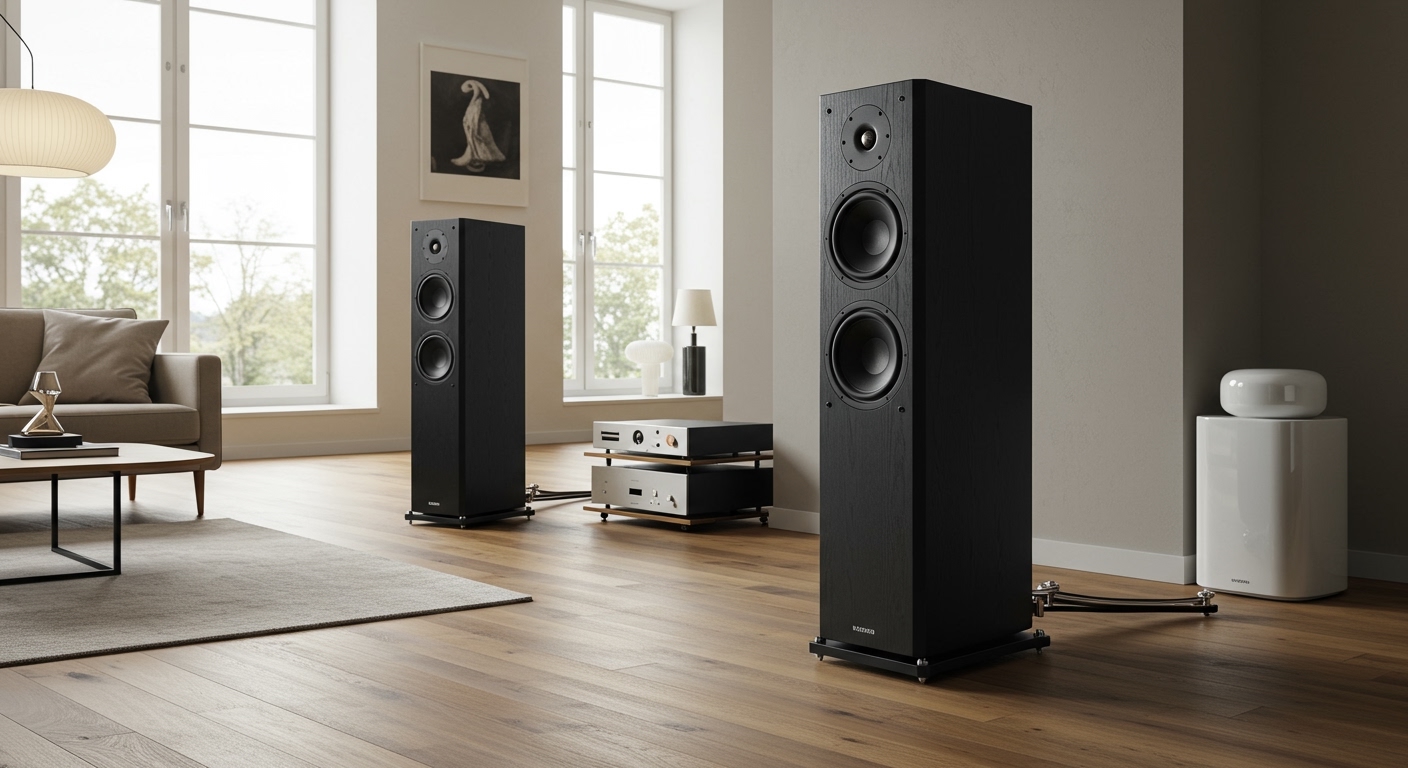
- Room Placement Matters: If you place your speaker too close to a corner, Crab Rave will sound boomy. Move it at least 6-12 inches away from walls to get an accurate reading.
- Compare Wired vs. Wireless: If testing a Bluetooth speaker, try the same test with an AUX cable. You will often notice that the high-end frequencies in the “crab clicks” are much sharper over a wire.
Common Issues Identified by Crab Rave
- Muddy Mid-Range: If the “marimba” style lead synth sounds like it is underwater, the speaker’s mid-range drivers are poorly tuned.
- Harmonic Distortion: This sounds like a “fuzz” or “crackle” on top of the bass notes. This is a sign that the amplifier inside the speaker is underpowered.
- Phase Issues: If the bass seems to disappear when you stand directly in front of two speakers, but returns when you move to the side, your speakers are out of phase.
Frequently Asked Questions (FAQ)
Is Crab Rave actually a good song for testing high-end audiophile gear?
Yes. While it began as a meme, its production quality is exceptionally high. It features a clipping-free mix and a very wide stereo image, making it as useful as professional tracks by artists like Steely Dan or Daft Punk.
What other songs are similar to Crab Rave for speaker testing?
If you want to cross-reference, I recommend “Strobe” by deadmau5 for sustained synth tones or “Limit to Your Love” by James Blake for extreme sub-bass testing (down to 20Hz).
Does the YouTube version of Crab Rave work for testing?
While YouTube compresses audio, the 1080p or 4K versions provide a high enough bitrate (approx. 126-156kbps AAC) to identify major hardware flaws. For professional testing, a FLAC or WAV file is preferred to avoid compression artifacts.
Can testing with Crab Rave damage my speakers?
Only if you play it at maximum volume on a low-quality speaker for extended periods. The heavy low-frequency energy generates heat in the voice coil. If you hear a “smell” or see the driver smoking, turn it off immediately!