What Are Zone 2 Speakers? A Complete Guide to Multi-Room Audio
Ever wished you could listen to your favorite Spotify playlist on the patio while the kids watch a movie in the living room, all without buying a completely separate sound system? It’s a common dilemma, and the solution is often built right into the AV receiver you already own. This is the power of Zone 2 speakers.
Understanding what Zone 2 speakers are can feel technical, but it’s actually a straightforward way to unlock your home’s audio potential. This guide will walk you through everything, from the basic concept to a step-by-step setup, based on my years of experience designing and installing home audio systems. We’ll demystify the process and get you enjoying music in multiple rooms in no time.
Key Takeaways (TL;DR)
- What They Are: Zone 2 speakers are any standard speakers placed in a second room (e.g., a patio or kitchen) that are powered by your main Audio/Video (AV) receiver.
- Core Requirement: You need an AV receiver with dedicated Zone 2 outputs. These can be either powered speaker terminals or unpowered RCA pre-outs.
- How It Works: Your receiver sends a separate audio signal to the second zone, allowing you to play music there, often from a different source than what’s playing in your main home theater.
- Common Uses: Perfect for extending audio to patios, kitchens, garages, dining rooms, and home offices.
- Key Benefit: It’s a cost-effective way to create a multi-room audio system without buying a standalone amplifier and source for the second room.
Understanding What Zone 2 Speakers Are and How They Work
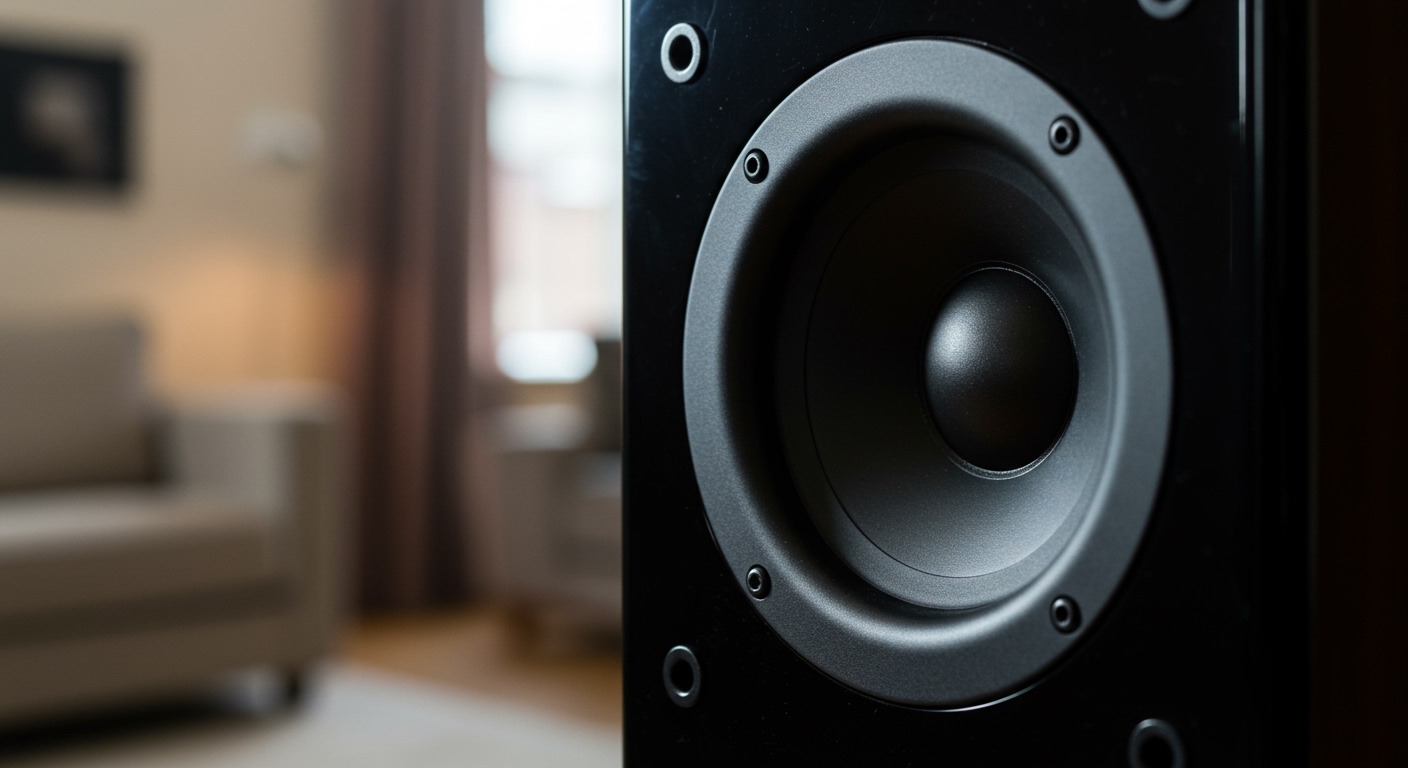
At its core, the concept is simple. Zone 2 speakers are a pair of regular passive speakers in a secondary location that connect back to your primary AV receiver.
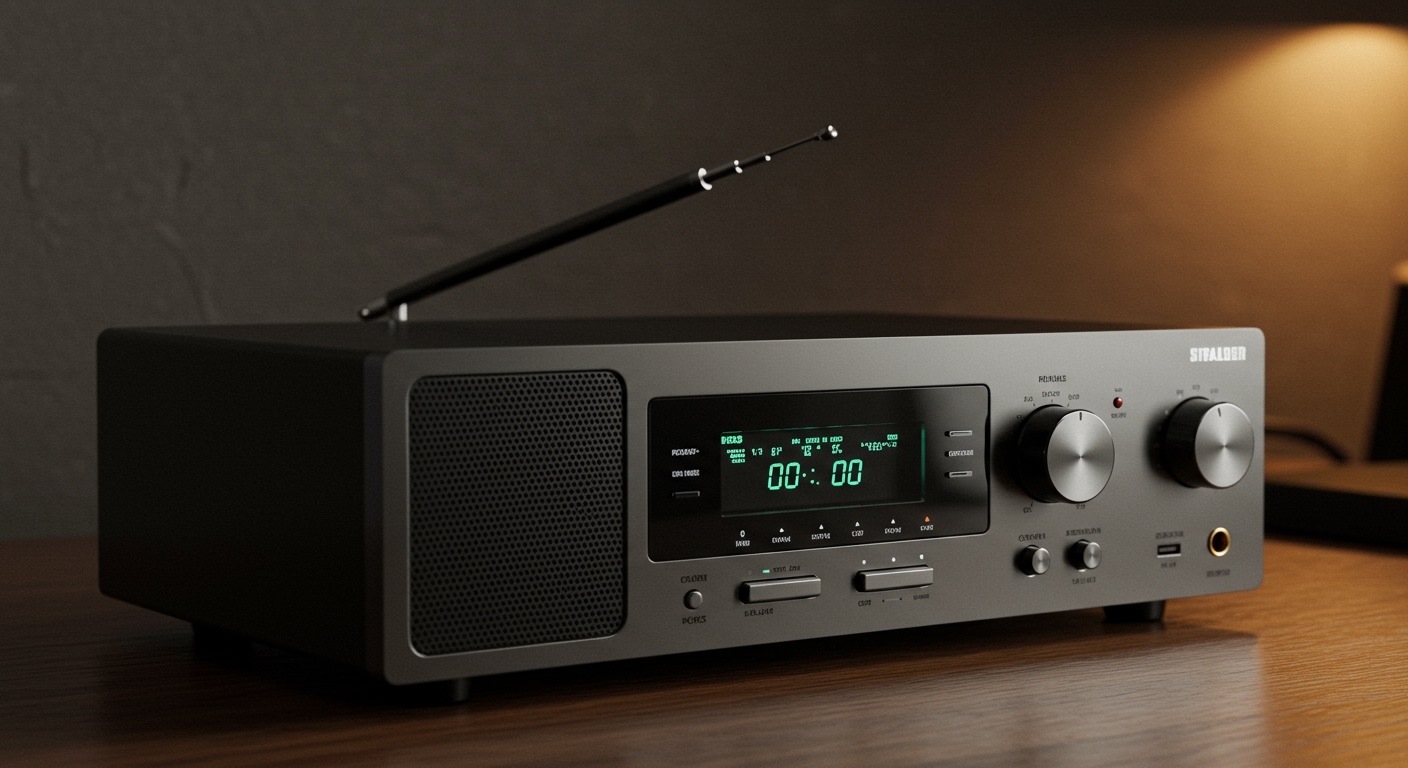
Think of your AV receiver as the central hub for your home’s entertainment.
- Main Zone: This is your primary listening area, typically your living room or home theater, with a surround sound setup (like 5.1 or 7.1 channels).
- Zone 2: This is a second, independent audio-only zone. The receiver can send a stereo (2-channel) audio signal to this zone.
From my experience, the biggest “aha!” moment for clients is realizing they can often play two different things at once. For example, you can have a Blu-ray movie playing in 5.1 surround sound in the Main Zone while someone else streams a podcast via Bluetooth to the Zone 2 speakers in the kitchen.
The Most Important Component: A Zone 2-Capable AV Receiver
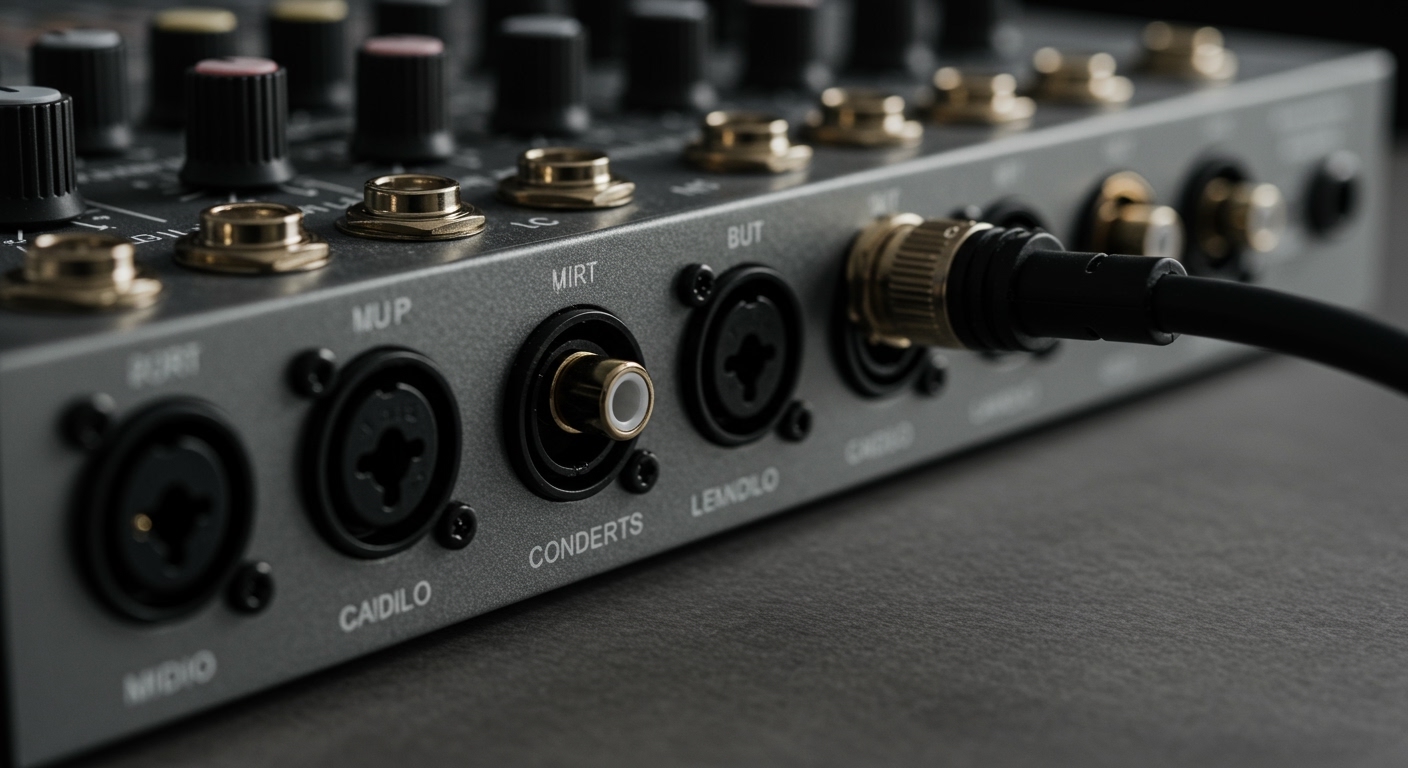
Before you buy a single speaker, you must confirm your AV receiver supports Zone 2. Not all of them do, especially entry-level models. Look at the back of your receiver; you’re searching for one of two types of connections.
Powered Zone 2 (Speaker Terminals)
This is the most common and direct method. Your receiver uses its own internal amplifier channels to power the Zone 2 speakers directly.
- How it Works: These receivers are often advertised as 7.1 or 9.1 channel models. The manufacturer allows you to “assign” two of those channels (usually the “Surround Back” or “Height” channels) to function as the Zone 2 output.
- The Trade-off: When you use these channels for Zone 2, you can’t use them in your Main Zone. For example, a 7.1 receiver will operate as a 5.1 system in the living room while powering a stereo Zone 2. For most people, this is a perfectly acceptable trade-off.
- Best For: Simple setups, moderate-sized rooms, and users who want a one-box solution.
Unpowered Zone 2 (RCA Pre-Outs)
Found on mid-to-high-end receivers from brands like Denon, Marantz, and Yamaha, this option offers more flexibility and power.
- How it Works: The receiver sends a low-level “pre-amplified” signal through RCA jacks labeled “Zone 2 Pre-Out.” This signal is not powerful enough to drive speakers on its own.
- The Requirement: You must connect these RCA outputs to a separate, external power amplifier, which then drives your Zone 2 speakers.
- Best For: Powering large outdoor areas, driving high-end or power-hungry speakers, or for long speaker wire runs where more power is needed to overcome signal loss.