What Does 2 Way Car Speakers Mean? A Complete Breakdown
Tired of that muddy, lifeless sound coming from your car’s factory speakers? You know an upgrade is needed, but the audio world is filled with confusing terms like “2-way,” “3-way,” and “coaxial.” You just want clear, crisp sound without needing an engineering degree. This guide is here to demystify exactly what does 2 way car speakers mean and show you why they are often the single best upgrade for most drivers seeking better audio quality. We’ll break down the technology in simple terms, compare them to other types, and give you actionable steps to choose the perfect pair for your vehicle.
Key Takeaways
- Two Drivers, One Speaker: A 2-way speaker combines two drivers into one unit: a woofer for low and mid-range frequencies (like bass guitar and vocals) and a tweeter for high frequencies (like cymbals and synths).
- Built-in Crossover: It includes a simple crossover circuit that acts like a traffic cop, directing the correct sound frequencies to the appropriate driver. This prevents distortion and creates a much clearer sound than a single-driver speaker.
- The “Sweet Spot” Upgrade: For most people, 2-way speakers offer the best balance of performance, cost, and ease of installation. They are a massive improvement over factory speakers without the complexity of component systems.
- Coaxial vs. Component: The most common 2-way design is coaxial, where the tweeter is mounted in the center of the woofer. Component systems have separate woofers and tweeters, offering better sound but requiring more complex installation.
Understanding the Core of 2-Way Car Speakers
So, what does 2 way car speakers mean in the simplest terms? It means one speaker unit contains two separate drivers designed to handle different parts of the sound spectrum. This division of labor is the key to achieving audio clarity.
A single-driver speaker (like the paper ones in most factory cars) struggles to reproduce the entire range of sound accurately. It can’t move fast enough for high notes and slow enough for low notes simultaneously, leading to a distorted, “muddy” sound. A 2-way speaker solves this by dedicating a specific tool for each job.
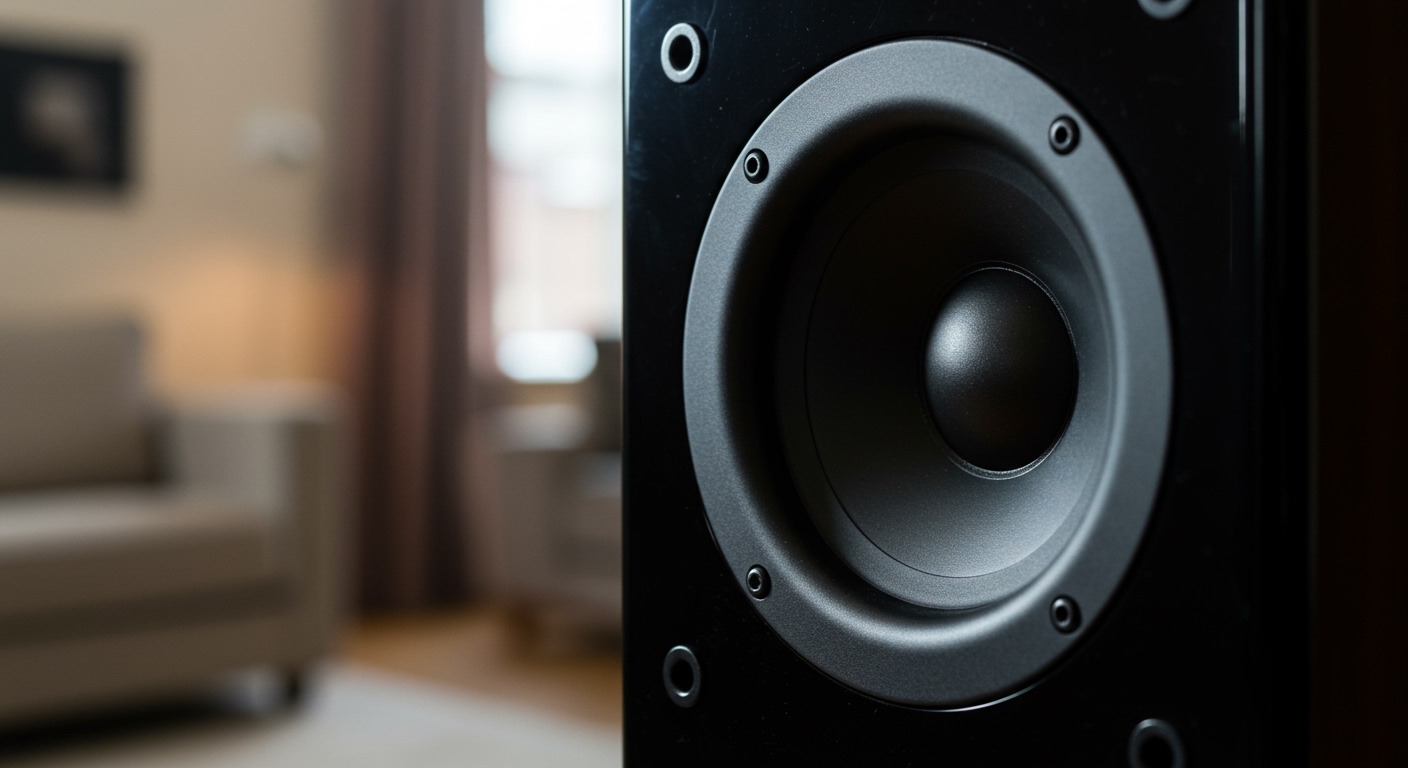
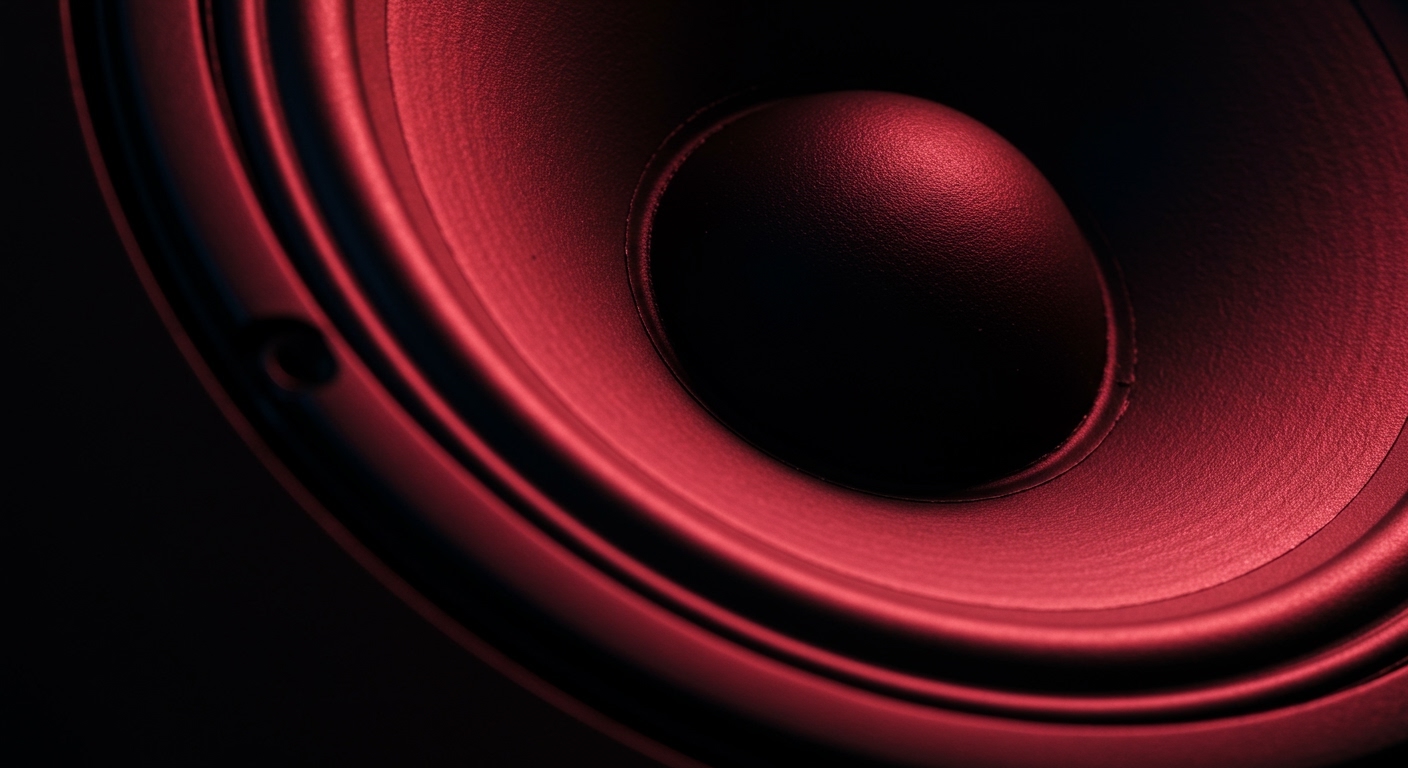
- The Woofer Cone: This is the large, primary cone of the speaker. Its job is to reproduce low-frequency and mid-range sounds. Think of the thump of a kick drum, the warmth of a cello, or the main body of a human voice.
- The Tweeter: This is the small dome or horn, typically mounted in the middle of the woofer. Its job is to handle the high-frequency sounds. This includes the crisp snap of a snare drum, the shimmer of cymbals, and the subtle details in vocals and instruments.
By separating these tasks, a 2-way speaker ensures each frequency range is produced clearly and efficiently, resulting in a much richer and more detailed listening experience.
The Anatomy of a 2-Way Speaker: A Deeper Dive
To truly grasp how these speakers work, let’s break down their essential parts. I’ve installed hundreds of pairs of speakers over the years, and understanding these components is what separates a good upgrade from a great one.
The Woofer: The Foundation of Your Sound
The woofer isn’t just about bass; it’s responsible for the majority of the sound you hear. Its material composition dramatically affects the speaker’s overall tone.
- Polypropylene: This is the most common material. It’s lightweight, rigid, and well-damped, providing a balanced and accurate sound that works well for all music genres. It’s my go-to recommendation for a reliable, all-around performer.
- Woven Fabrics (Carbon Fiber, Kevlar): These materials are extremely light yet incredibly strong. This allows the cone to move faster and more accurately, resulting in a tighter bass response and more detailed mid-range. They are often found in higher-end speakers.
- Paper Cones: While often associated with cheap factory speakers, treated or composite paper cones can sound incredibly warm and natural. They are favored by some audiophiles for their smooth tonal quality.
The Tweeter: The Source of Clarity and Detail
The tweeter is small but mighty. It’s responsible for the sparkle and “air” in your music. Just like with woofers, the material is everything.
- Soft Domes (Silk, Tetoron): These materials produce a smooth, warm, and refined high-frequency sound. In my experience, silk dome tweeters are less likely to sound harsh or cause listening fatigue, making them perfect for listeners who enjoy jazz, classical, or acoustic music.
- Metal Domes (Aluminum, Titanium): These are very light and rigid, resulting in a bright, crisp, and highly detailed sound. They excel at reproducing the sharp attack of electronic music and rock. However, lower-quality metal tweeters can sometimes sound a bit harsh to sensitive ears.
- Exotic Materials (Ceramic, Beryllium): Found in very high-end component systems, these materials offer the ultimate in stiffness and low mass, providing incredibly accurate and detailed high-frequency reproduction.
The Crossover: The Unsung Hero
The crossover is the speaker’s brain. It’s a small electronic circuit that takes the full-range audio signal from your stereo and splits it, sending the low and mid-range frequencies to the woofer and the high frequencies to the tweeter.
Without a crossover, both drivers would try to play all the frequencies, resulting in horrible distortion and potentially damaging the tweeter. In most 2-way coaxial speakers, the crossover is a simple capacitor attached directly to the tweeter, hidden from view. This elegant design keeps costs down and installation incredibly simple.
How Do 2-Way Speakers Compare to Other Types?
Knowing what does 2 way mean in speakers is only half the battle. To make an informed choice, you need to see how they stack up against the competition.
| Speaker Type | Drivers | Crossover | Sound Quality | Installation Complexity | Cost | Best For |
|---|---|---|---|---|---|---|
| 1-Way (Full-Range) | 1 (Woofer only) | None | Poor | Easiest | $ | Basic Factory Systems |
| 2-Way (Coaxial) | 2 (Woofer/Tweeter) | Simple, Built-in | Good / Very Good | Easy | $$ | The vast majority of car audio upgrades |
| 3-Way (Coaxial) | 3 (Woofer/Mid/Tweeter) | Built-in | Good / Excellent | Easy | $$$ | Users wanting slightly more mid-range detail |
| Component System | 2+ (Separate Drivers) | External | Excellent / Audiophile | Difficult | $$$$ | Enthusiasts seeking the best possible sound staging |
Way vs. 3-Way Speakers
A 3-way speaker adds a third driver, a dedicated mid-range cone, between the woofer and the tweeter. The theory is that this allows for even better specialization, with the woofer focused only on low bass, the mid-range on vocals, and the tweeter on highs.
- The Reality: In my professional opinion, a high-quality 2-way speaker will almost always sound better than a cheap 3-way speaker in the same price bracket. The crossovers in budget 3-ways are often poorly designed, creating more sound problems than they solve. Unless you’re spending a premium, the added complexity of a 3-way rarely provides a significant real-world benefit for the average listener.
Way Coaxial vs. 2-Way Component Speakers
This is a critical distinction. Both are 2-way systems, but their design philosophy is completely different.
- Coaxial Speakers: As we’ve discussed, these have the tweeter mounted on a post in the center of the woofer. They are designed to be a simple, drop-in replacement for your factory speakers.
- Component Speakers: These systems separate the drivers. You get a pair of woofers, a pair of tweeters, and a pair of external, higher-quality crossovers in the box. The woofer installs in the factory door location, but you must custom-mount the tweeter, usually on the dashboard or A-pillar.
Why choose components? By separating the tweeter and woofer, you can mount the tweeter closer to your ear level. This creates a much better sound stage—the illusion that the band is playing on a stage in front of you, rather than from down by your ankles. The trade-off is a significantly more complex and often more expensive installation.
For a first-time upgrader, I always recommend starting with a high-quality pair of coaxial 2-way speakers. The improvement over stock is immense, and the installation is something most DIYers can handle in an afternoon.
A Step-by-Step Guide to Choosing the Right 2-Way Speakers
Ready to upgrade? Following these steps will ensure you buy the right speakers the first time, saving you time and money.
Step 1: Find Your Speaker Size
Cars use a variety of speaker sizes and shapes. The most common are round speakers like 5.25-inch and 6.5-inch, and oval speakers