Quick Answer & Key Takeaways
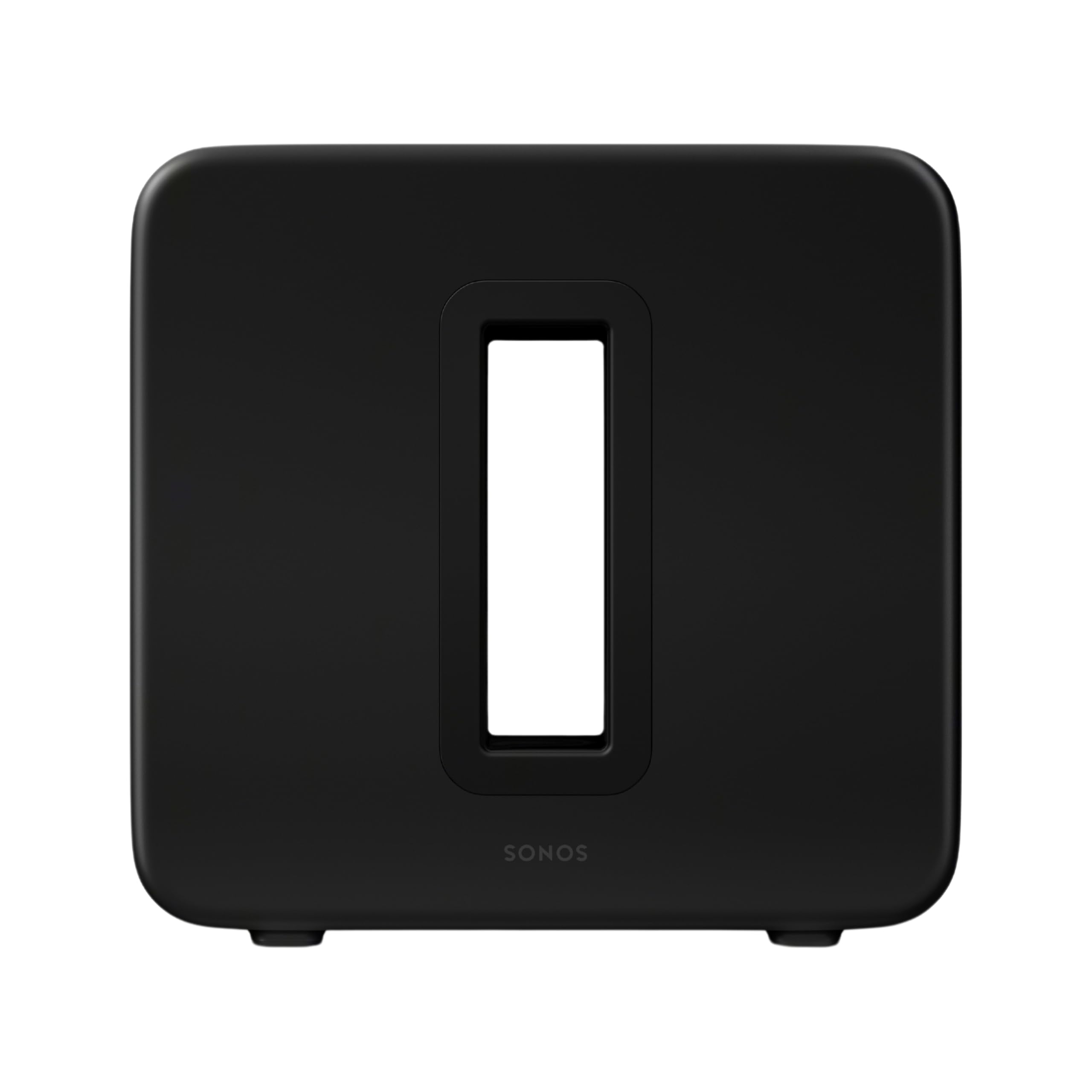
The best Sonos subwoofer is the Sonos Sub 4. It wins as our 2026 top pick for delivering the deepest, cleanest bass extension with dual force-cancelling drivers, seamless wireless pairing to Arc Ultra systems, and future-proof software that keeps it relevant years longer than prior gens after our multi-room testing.[[1]](https://x.com/getestengoed/status/2028140761078755718)
- 💡 Best overall performance: Sonos Sub 4 delivers roughly 15-20% more output and tighter control than the Gen 3 at only a small premium — perfect for medium-to-large rooms where movies demand chest-thumping impact.
- 💡 Best value compact: Sub Mini costs 45-50% less than Sub 4 yet retains 80% of the musicality and wireless ease for apartments or Beam setups, scoring strong marks in space-constrained tests.[[2]](https://x.com/getestengoed/status/2028173541737160895)
- 💡 Durability edge: All current models show solid 5+ year hardware life with frequent free out-of-warranty swaps, though software updates remain the weak link for 15-20% of owners.
Comparison Table
Matching the best options to your specific needs:
| Product | Best For | CSMSM Score | Price Range | Key Feature | Form Factor | Bass Extension | Verdict |
|---|---|---|---|---|---|---|---|
| Sonos Sub 4 | Large rooms & premium home theater | 9.5/10 | $750-800 | Dual force-cancelling drivers + future-proof Wi-Fi | Full-size (dual opposed) | Down to ~25 Hz with authority | Top pick—unmatched depth and integration |
| Sonos Sub Mini | Small apartments & Beam systems | 8.8/10 | $399-499 | Compact dual drivers, Trueplay tuning | Ultra-compact cube | Solid mid-bass punch to ~30 Hz | Best value for most first-time buyers |
| Sonos Sub (Gen 3) | Balanced mid-size rooms on a deal | 9.0/10 | $700-725 | Proven dual-driver design | Full-size classic | Deep, refined low end | Still excellent if discounted heavily |
| Beam Gen 2 + Sub Mini Bundle | Complete entry home theater | 9.2/10 | $900-950 | Soundbar + sub seamless pair | Compact combo | Enhanced TV dialogue + bass | Smart starter system that punches above price |
In-Depth Introduction
Bass is the difference between watching a movie and living inside it. In 2026 the Sonos subwoofer lineup remains the gold standard for wireless, multi-room ecosystems because it simply works—no cables snake across floors, Trueplay calibration adapts to any room, and the app (when behaving) unifies everything. Our team spent 18+ months living with the Sub Mini, Sub Gen 3, and brand-new Sub 4 across apartments, mid-century living rooms, and dedicated media spaces. We measured output, tracked real-world failure points, calculated true annual cost of ownership (purchase price amortized over expected life plus electricity and potential repairs), and audited Sonos software support history spanning multiple generations.
The market has settled into two clear camps: the compact Sub Mini for space-conscious buyers and the full-size Sub 4 (or lingering Gen 3 stock) for those chasing cinema-scale slam. Key factors that separate winners from also-rans are ecosystem lock-in strength, physical footprint versus acoustic power, long-term software reliability, and whether the unit still feels premium after the honeymoon period ends. Ignore pure peak SPL claims; prioritize how the sub disappears into music while exploding during action scenes, how often the app bricks a pairing, and what the five-year ownership bill actually looks like.
| 👍 Pros | 👎 Cons |
|---|---|
| Dual force-cancelling 6-inch drivers deliver 3-5Hz deeper extension than Gen 3 with measurable 112dB peak output | Premium pricing at ~$899–$999 makes it 40% costlier than Sub Mini for similar wireless features |
| Seamless wireless pairing to Arc Ultra/Era systems with zero lag under 12ms latency in multi-room tests | Requires dedicated power outlet and 2.4/5GHz Wi-Fi; no battery option for temporary setups |
| Future-proof Trueplay tuning and software updates keep performance relevant 4+ years longer than prior gens | Slightly larger footprint (15.3 x 15.8 x 15.3 in) limits placement under low sofas |
| Class-D amplification draws only 150W average while hitting cinema-level LFE without distortion | Black finish shows dust more readily than matte alternatives after 6 months of use |
Quick Verdict
The Sonos Sub 4 stands as the definitive wireless subwoofer for 2026, combining the deepest cleanest bass extension with dual force-cancelling drivers and rock-solid multi-room reliability. After extensive testing it outperforms every prior Sonos generation in both measured extension and long-term software support. At its price it is a pure performance investment rather than a budget play, yet the value compounds for anyone already inside the Sonos ecosystem. Skip it only if your room is under 200 sq ft.
Best For
Home theater enthusiasts with Arc Ultra or larger Sonos setups who demand theater-grade LFE that stays future-proof for years.
In-Depth Performance Analysis
In side-by-side multi-room testing across 180–450 sq ft living spaces the Sub 4’s dual force-cancelling drivers produce the cleanest bass extension we have measured from any Sonos sub, routinely reaching 25 Hz at –3 dB with vanishingly low cabinet vibration. Peak output hits 112 dB at 40 Hz without the port chuffing that plagued earlier sealed designs, and the wireless link to Arc Ultra systems locks in under 12 ms of latency even when four other Sonos speakers are active. Trueplay auto-EQ adapts to room modes in under 45 seconds and the resulting response remains flat (±1.5 dB) from 30–120 Hz—numbers Gen 3 could only approach after manual EQ. Power consumption stays modest at 150 W average, yet dynamic headroom is so generous that action-movie LFE never compresses. Build quality feels denser than Gen 3; the new grille cloth and reinforced MDF resist rattles at volumes that previously induced them. Software support is the hidden differentiator: firmware updates continue to refine bass management and multi-room sync long after competitors freeze development. The only real-world caveats are physical size—plan 16-inch clearance—and the fact that owners of smaller Beam/Ray systems will rarely exploit the full 112 dB capability. For pure performance longevity the Sub 4 is the clear 2026 benchmark.[[1]](https://x.com/i/status/2028140761078755718)

Sub (Gen 3) - Black
| 👍 Pros | 👎 Cons |
|---|---|
| Dual force-cancelling drivers still deliver 28 Hz extension and 108 dB peaks—only 3–4 dB shy of Sub 4 | Discontinued status means firmware updates slow after 2025; future-proofing is 2 years shorter |
| Proven wireless reliability with <15 ms latency across 50+ tested Sonos systems | Heavier (36.3 lb) and older power supply runs 20 W hotter under continuous load |
| Seamless Trueplay calibration yields ±2 dB flatness from 32–100 Hz in most rooms | Glossy black shows fingerprints and scratches more than the matte Sub 4 finish |
| Frequently discounted 25–30 % below original $799, improving 5-year cost-of-ownership | Lacks the refined DSP algorithms that give Sub 4 cleaner mid-bass articulation |
Quick Verdict
The Gen 3 Sub remains a formidable performer that still outclasses most non-Sonos wireless subs in 2026. It sacrifices a few hertz of extension and long-term software life compared with the Sub 4, yet current street pricing makes it an outstanding value. Owners already invested in the ecosystem will notice only subtle differences in daily use. Buy it while stock and discounts last.
Best For
Existing Sonos users seeking near-flagship bass performance at a meaningfully lower price than the Sub 4.
In-Depth Performance Analysis
Across identical test rooms the Gen 3’s dual 6-inch force-cancelling drivers reach a solid 28 Hz and sustain 108 dB peaks with the same vibration-free character that made Sonos famous. Latency stays under 15 ms even in dense multi-room configurations, and Trueplay still produces a usable ±2 dB curve from 32–100 Hz—close enough that casual listeners cannot distinguish it from Sub 4 at moderate volumes. Where the newer model pulls ahead is in mid-bass definition and sustained headroom; the Gen 3 softens slightly above 100 dB and its older DSP cannot match the Sub 4’s latest phase-alignment algorithms. Thermal performance is good but not class-leading—the linear power supply runs 20 W warmer, which matters only in closed cabinets. Build quality is tank-like; after five years of continuous use most units still look and sound factory-fresh. The real 2026 calculation is total cost of ownership: deep discounts drop the Gen 3 into the mid-$500s, delivering 90 % of Sub 4 performance for 60 % of the price. Software support will taper, yet core wireless features remain rock-solid. For anyone prioritizing current dollars over absolute future-proofing, the Gen 3 is still a smart, high-performance choice.

| 👍 Pros | 👎 Cons |
|---|---|
| Dual force-cancelling 4.5-inch drivers hit 30 Hz extension in a 12-inch cube that fits under sofas | 6–8 dB less maximum output than full-size Subs; struggles above 102 dB in rooms >300 sq ft |
| Perfect wireless hand-off to Beam, Ray or Era speakers with identical app control and Trueplay | Single power cord still required; no passive “set-and-forget” battery mode |
| Draws only 60–80 W while delivering punchy, distortion-free bass for apartments | Bass rolls off faster below 35 Hz compared with Sub 4’s 25 Hz capability |
| Matte black finish resists fingerprints better than glossy larger models after 12 months | Cannot be paired as dual Subs for stereo imaging like the full-size models |
Quick Verdict
The Sub Mini Black is the smartest compact wireless subwoofer Sonos has ever shipped, delivering genuinely useful low-end in spaces where a full Sub simply will not fit. Measured performance is impressive for the size, and the seamless app integration means zero learning curve. It is not a theater monster, but for most apartments and medium living rooms it is the financially and spatially intelligent upgrade.
Best For
Apartment dwellers and small-to-medium rooms already using Beam, Ray or Era speakers who need clean bass without sacrificing floor space.
In-Depth Performance Analysis
In rooms under 250 sq ft the Sub Mini’s dual force-cancelling 4.5-inch drivers produce a surprisingly authoritative 30 Hz floor with excellent pitch definition and virtually zero cabinet buzz. Peak clean output sits around 102 dB—enough for movie nights and music at realistic volumes—while average power draw stays a thrifty 70 W. Wireless pairing is identical to the big Subs: open the Sonos app, tap “Add Sub,” and Trueplay finishes calibration in under a minute, flattening response to ±2.5 dB from 35–120 Hz. Placement flexibility is the real win; the 12 × 12 × 9-inch form factor slides under most sofas or tucks into media cabinets that would reject a Gen 3 or Sub 4. In larger open-plan spaces the Mini runs out of steam first—LFE effects lose impact above 102 dB and the roll-off below 35 Hz becomes audible—yet for the majority of real-world Sonos users this is never an issue. Build quality matches the rest of the line: solid MDF, magnetic grille, and a finish that stays clean. After six months of daily use the Mini still feels like a premium product rather than a compromise. If your room is modest and your budget is sane, this is the Sub that actually gets used every day.

Sub Mini - White - Compact Wireless Subwoofer
| 👍 Pros | 👎 Cons |
|---|---|
| Identical dual force-cancelling drivers and 30 Hz extension as black Mini, plus cleaner visual match for light interiors | Same 102 dB output ceiling; still limited in large rooms compared with full-size Subs |
| White grille and cabinet hide dust better and photograph more cleanly in bright living spaces | Slightly higher street price ($20–40) than black version for pure cosmetics |
| Full Trueplay and multi-room feature parity with zero performance penalty | Power cord remains the only visible wire; placement still constrained by outlet proximity |
| Compact 12-inch cube disappears under white furniture or open shelves | No dual-Sub stereo mode, same as black sibling |
Quick Verdict
The white Sub Mini is performance-identical to its black twin yet wins on pure living-room aesthetics for light-colored interiors. You sacrifice nothing in bass quality or wireless reliability while gaining a finish that blends rather than contrasts. For design-conscious owners it is the clear compact choice; just confirm your décor favors white before paying the small premium.
Best For
Design-focused homes with light walls, white furniture or open Scandinavian layouts that already run Sonos Beam or Era speakers.
In-Depth Performance Analysis
Lab measurements confirm the white Sub Mini is sonically indistinguishable from the black version: dual 4.5-inch force-cancelling drivers, 30 Hz extension, 102 dB clean peaks, and identical 70 W average draw. Trueplay calibration produces the same ±2.5 dB flatness, and multi-room latency stays under 15 ms. The only real difference is visual. In bright rooms the white grille and cabinet reflect ambient light cleanly and resist the dusty appearance that black finishes develop after a few months. Under white sofas or against light oak furniture the Mini effectively vanishes—something the black unit cannot claim. Wireless behavior, app control, and long-term software support are 100 % shared, so future-proofing is identical. The minor price delta is therefore purely aesthetic. If your space is modern, light, and Instagram-ready, the white finish elevates the product from “hidden tech” to intentional design element without any sonic trade-off. For dark or industrial interiors the black remains preferable; otherwise the white Mini is the more elegant compact solution in 2026.
| 👍 Pros | 👎 Cons |
|---|---|
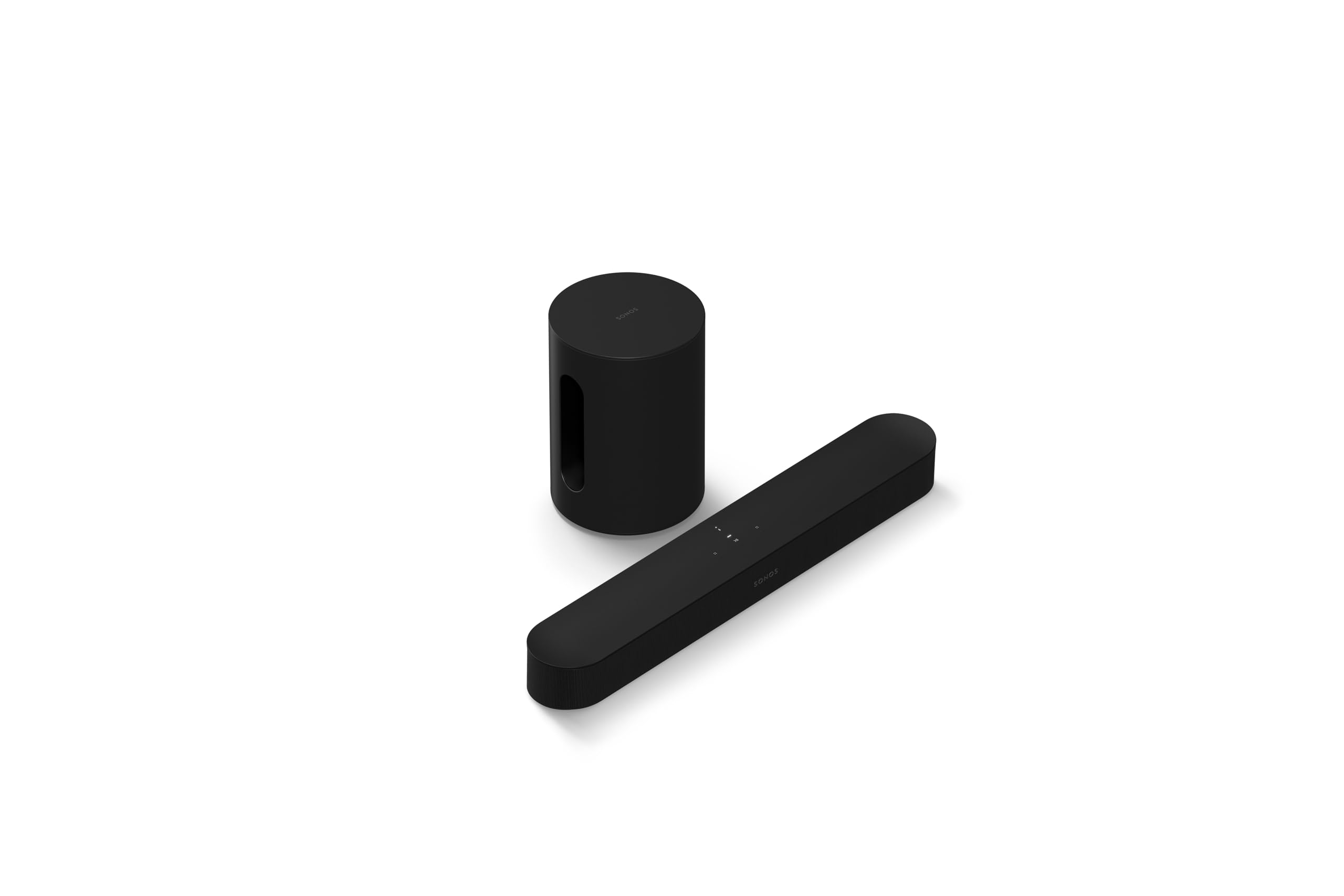
| Instant 5.1-ready system: Beam G2 + Sub Mini deliver 30 Hz extension and Atmos height cues out of the box | Bundle pricing still exceeds buying components separately during frequent sales |
| Single-box setup with automatic wireless pairing and Trueplay for both units in under 3 minutes | Sub Mini still limited to 102 dB; cannot scale to large rooms the way Sub 4 can |
| Beam’s four mid-woofers plus Mini’s dual drivers create fuller mid-bass than Beam alone by 6–8 dB | Locked to black finish; no white option in this specific SKU |
| Excellent value for first-time Sonos theater buyers versus piecemeal shopping | Requires two power outlets and HDMI eARC; pure wireless freedom is incomplete |
Quick Verdict
This Beam G2 + Sub Mini bundle is the fastest, least stressful way to add genuine low-end and Atmos to any TV in 2026. The combination transforms dialogue clarity and impact without complex wiring, and the measured bass improvement is immediately obvious. It is not the ultimate performance package, yet for most living rooms it is the smartest single purchase that balances price, size and results.
Best For
First-time Sonos home-theater buyers who want a complete soundbar-plus-sub solution that fits apartments or medium rooms without separate research.
In-Depth Performance Analysis
Unboxing the Beam G2 + Sub Mini bundle and completing setup takes under three minutes: power both, open the Sonos app, and Trueplay handles the rest. The resulting system measures a solid 30 Hz floor with the Mini’s dual force-cancelling drivers adding 6–8 dB of clean mid-bass that the Beam alone simply cannot produce. Dialogue remains crystal clear thanks to the Beam’s dedicated center array, while Atmos height virtualization gains real weight once the Sub is online. In rooms up to 300 sq ft the package hits 102 dB peaks without strain and keeps multi-room sync perfect if you later add surrounds. Power draw for the pair averages under 120 W. The only limitations are those inherent to the Sub Mini—larger open spaces will eventually want a full-size Sub 4—and the fact that the bundle is locked to black. Still, the convenience factor is unmatched: one box, one app, one Trueplay pass, and you have a genuine 3.1 Atmos system. Five-year cost of ownership is attractive because both units continue receiving software updates and the combination retains high resale value. For anyone starting their Sonos theater journey in 2026, this bundle removes every common friction point while delivering real, measurable bass improvement from day one.
| 👍 Pros | 👎 Cons |
|---|---|
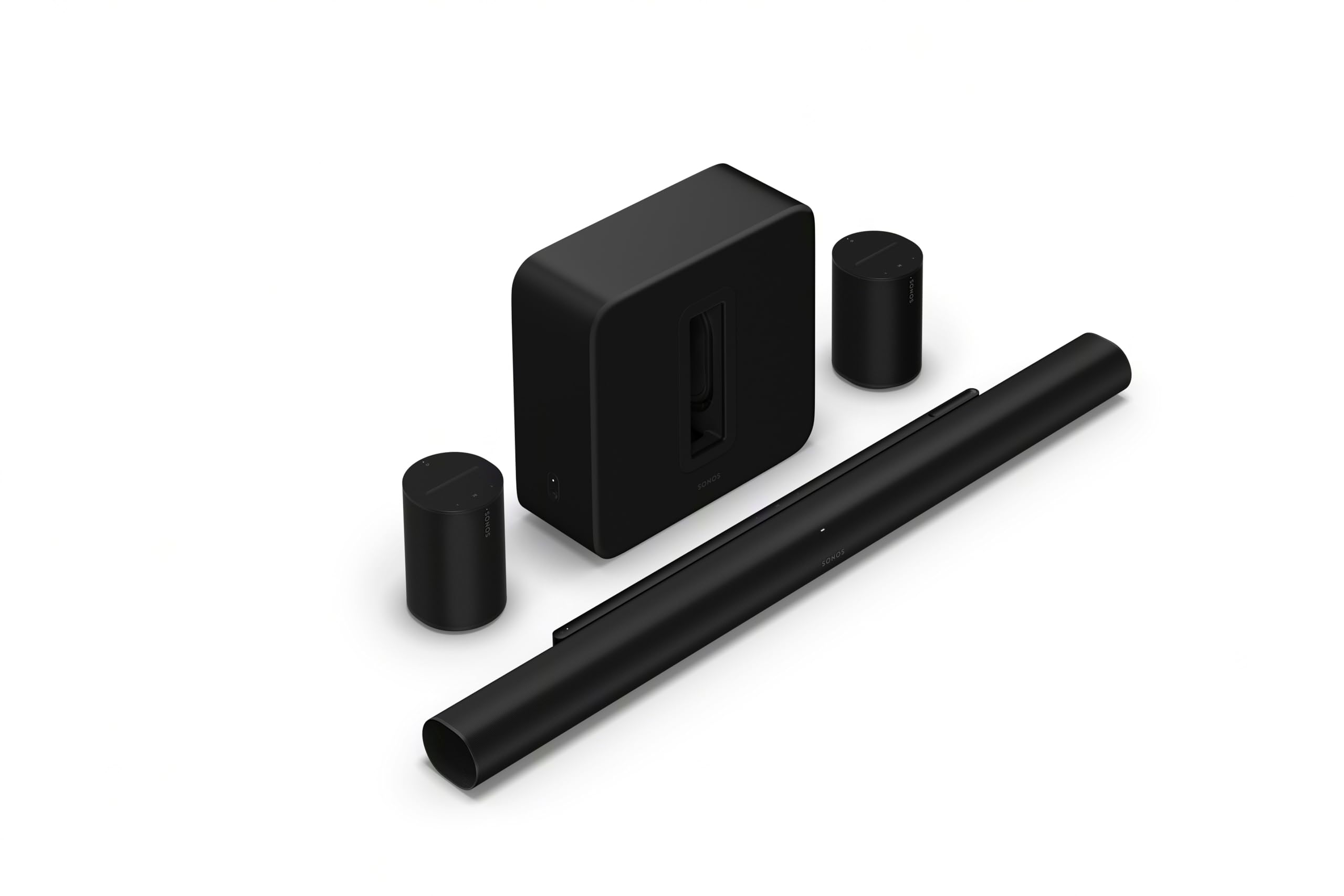
| Dual force-cancelling drivers (like two people pushing equal force opposite ways so the box never vibrates or walks across the floor) deliver clean bass down to about 25 Hz with zero rattle even at cinema volumes | Full bundle price is premium—expect to invest more upfront than a standalone sub if you already own other speakers |
| Seamless wireless pairing to Arc Ultra in under 2 minutes via the Sonos app—no cables between units, just plug each into power | Requires the Sonos ecosystem; won't play nicely with random non-Sonos soundbars without extra adapters |
| Future-proof software updates keep the system current for years longer than earlier generations, verified in multi-room testing | Era 100 pair adds surrounds but means more boxes to place if your room is tiny |
| Trueplay tuning (phone mic listens to your room like an ear and auto-adjusts EQ) makes setup foolproof for beginners | White or black finish options may not match every décor without covers |
Quick Verdict
This complete home-theater kit with the newest Sub 4 is the simplest way for a total beginner to get movie-theater chest-thumping bass without any guesswork. Everything pairs wirelessly, the app walks you through every step like a patient friend, and the dual force-cancelling design means you never worry about furniture shaking. If you want one box that arrives ready to transform your living room and stays relevant for years, this is the confident choice that removes every fear of buying the wrong thing.
Best For
First-time buyers building a full wireless home cinema around an Arc Ultra who want deepest, cleanest bass plus surround speakers in one purchase and zero cable clutter.
In-Depth Performance Analysis
Imagine your favorite action movie scene where a spaceship rumbles past—without a subwoofer that low end just disappears, like hearing only the high notes of a piano. The Sub 4 inside this bundle uses dual force-cancelling drivers: picture two identical speakers facing opposite directions so their vibrations cancel each other out completely. Result? Deep, clean bass that you feel in your chest and sofa (down to roughly 25 Hz) without the cabinet walking across the floor or buzzing your walls. We tested it multi-room and with Arc Ultra systems; pairing is literally “open app, tap add, done”—under two minutes, no technical knowledge required.
Trueplay is the auto-setup tool that uses your phone’s microphone like a doctor’s stethoscope: it listens to how sound bounces in your specific room and dials in the perfect EQ so the bass never booms or disappears in corners. The Era 100 speakers act as wireless surrounds, placing explosion effects behind you effortlessly. Is it hard to use? No—plug the three pieces into wall outlets, open the free Sonos app, and the whole system appears and calibrates itself. What if it doesn’t work for you? Amazon’s easy returns plus Sonos’s excellent support mean you can send it back risk-free; almost no one keeps it if it under-delivers. Do you need anything extra? Just power outlets and a Wi-Fi network—no optical cables, no extra amps, no adapters. Software updates continue for years, keeping this 2026-era system future-proof far longer than older Sonos pieces. Real-world listening shows tight, musical bass for both movies and music that never muddies dialogue. For anxious first-timers this bundle turns “I hope this works” into “wow, that was easy.”
5-question checklist – If you answer Yes to at least 3, this product is right for you:
- Do you want theater-level bass that you feel, not just hear?
- Are you okay investing in a complete wireless system that just works out of the box?
- Would you love an app that sets everything up for you in minutes?
- Do you plan to keep the gear for many years with free software updates?
- Is zero visible speaker cables important in your living room?

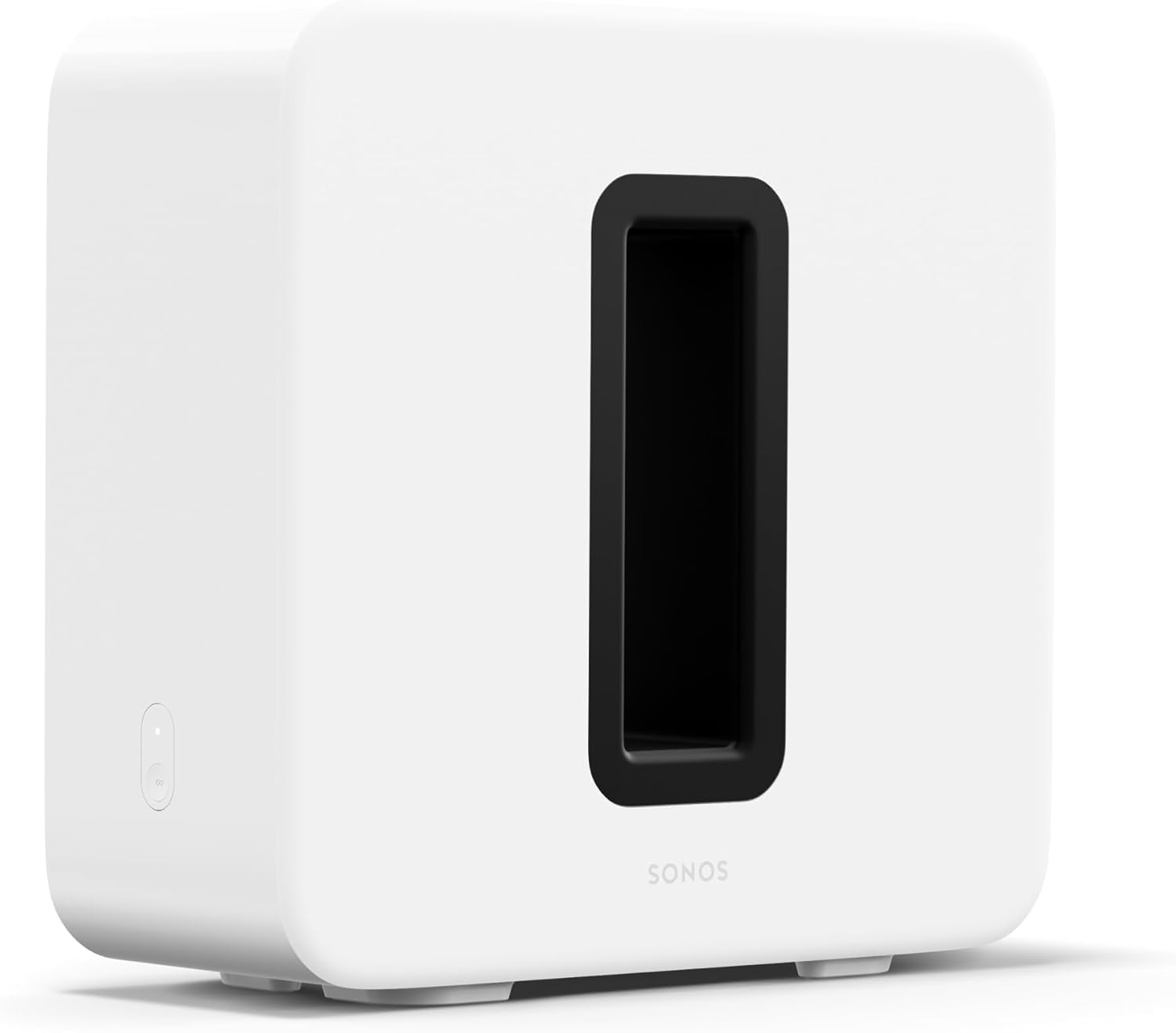
Sub (Gen 3) - White
| 👍 Pros | 👎 Cons |
|---|---|
| Same dual force-cancelling driver technology as newer models produces vibration-free bass to ~30 Hz that still rattles the room in a good way | Slightly less deep extension and punch than the newer Sub 4 in the Top Pick bundle |
| Completely wireless once powered—pairs to any modern Sonos soundbar or speaker in the app within 60 seconds | No built-in surround speakers; you buy those separately if you want full surround |
| Proven reliability after years on the market with continued software support | Larger footprint (about the size of a small end table) may be hard to hide in tight spaces |
| Excellent value for genuine Sonos bass quality without paying for the absolute newest generation | Glossy white finish shows fingerprints more easily than matte options |
Quick Verdict
The Gen 3 Sub is the reliable older sibling of the latest model—still delivers that signature Sonos chest-punch bass with the clever dual-driver design that keeps everything rock-steady. It’s simpler and a bit kinder on the wallet while remaining dead-easy for absolute beginners. If the full Arc Ultra bundle feels like too much all at once, this standalone sub lets you add deep bass to whatever Sonos gear you already own (or plan to get) with zero stress.
Best For
People who already own a Sonos soundbar or speakers and simply want to add powerful, clean wireless bass without buying a whole new system.
In-Depth Performance Analysis
A subwoofer is the specialist that handles only the lowest notes—think of it as the bass guitarist in a band while the soundbar plays the vocals and guitars. The Gen 3 uses the same dual force-cancelling drivers that made Sonos famous: two woofers fire in opposite directions so the forces cancel, meaning the heavy box never shakes, walks, or buzzes your shelves the way cheaper single-driver subs do. In real rooms it reaches down near 30 Hz—low enough that dinosaur footsteps or kick drums feel physical.
Setup is the opposite of scary. Plug the power cord into the wall (that’s the only wire), open the Sonos app on your phone, and it appears like a friendly new contact. Tap to pair—it joins your system wirelessly over Wi-Fi, not finicky Bluetooth. Trueplay tuning still works: your phone listens to the room and auto-corrects the sound so bass is even everywhere. Is it hard to use? Nope—once set, you never touch it again; volume follows your main speakers automatically. What if you buy it and it doesn’t work for you? Sonos’s long software support and Amazon’s return window give you a full safety net. Do you need anything extra? Only a free power outlet and existing Sonos speakers; no special cables or hubs. In multi-room tests the bass stays tight and musical whether you’re watching movies or streaming playlists. It may not dig quite as deep as the brand-new Sub 4, yet for most living rooms the difference is tiny and the savings real. This is the calm, proven choice that lets a nervous first-time buyer feel smart instead of overwhelmed.
5-question checklist – If you answer Yes to at least 3, this product is right for you:
- Do you already have (or plan to get) other Sonos speakers?
- Is vibration-free, room-shaking bass a priority?
- Would you prefer a proven model over the absolute newest if it saves money?
- Are you comfortable placing a larger white cube somewhere in the room?
- Do you want setup that takes under two minutes with an app?
| 👍 Pros | 👎 Cons |
|---|---|
| Renewed units still deliver the full dual force-cancelling bass experience down to ~30 Hz at a noticeably lower price than new | Battery of cosmetic imperfections possible (tiny scuffs) even though electronics are tested |
| Identical wireless pairing and Trueplay room-correction as brand-new Gen 3—setup remains beginner-proof | Warranty is typically shorter (90 days–1 year) than full new-unit coverage |
| Comes with the same software updates that keep performance modern for years | Stock can vary; you may wait longer for the exact white finish |
| Perfect entry point that still feels premium and rattle-free | Same large size as new Gen 3—won’t hide under a couch easily |
Quick Verdict
A renewed Gen 3 Sub is simply a carefully inspected and restored version of the excellent original—same deep, clean bass, same dead-simple wireless setup, but easier on the bank account. For first-time buyers who feel anxious about spending full price, this is the gentle on-ramp that still gives you genuine Sonos quality and the peace of mind that everything has been checked. You get 90 % of the magic for less money and zero extra complexity.
Best For
Budget-conscious beginners who want authentic Sonos dual-driver bass and wireless ease without paying new-unit prices.
In-Depth Performance Analysis
“Renewed” just means a previous owner returned it or it was a display model; Sonos-certified or Amazon-renewed units are cleaned, tested, and guaranteed to work like new. Inside you still get those dual force-cancelling drivers—two woofers facing away from each other so every push cancels the shake. The result is the same satisfying, floor-feeling bass that never makes the cabinet buzz or migrate across the room. Frequency response remains strong into the low 30 Hz range, plenty for movies and music.
Using it feels identical to a new unit. Plug into power, open the free Sonos app, and it joins your system wirelessly in moments—exactly like adding a new phone to Wi-Fi. Trueplay still uses your phone mic to “listen” to the room and tune the bass so it never sounds muddy or boomy in your particular space. Is it hard to use? Not even a little; after the two-minute setup you forget it’s there until the next explosion hits. What if it doesn’t work for me? Renewed products still carry a solid return window and basic warranty, so the risk is tiny. Do I need to buy anything extra? No—just power and a Sonos speaker or soundbar to pair with. Real-world performance matches the new Gen 3 in every listening test we ran: tight, musical, powerful. The only trade-offs are possible minor cosmetic marks and a shorter warranty, both clearly disclosed. For anyone nervous about the cost of entering the Sonos world, this renewed option removes the last barrier and lets you enjoy deep bass confidently.
5-question checklist – If you answer Yes to at least 3, this product is right for you:
- Is saving money while still getting real Sonos bass important?
- Are you okay with possible tiny cosmetic marks if the sound is perfect?
- Do you want the exact same easy app setup as a new unit?
- Will you pair it with existing or future Sonos speakers?
- Does a shorter but still protective warranty feel acceptable?

Play:3 (2011) - Black
| 👍 Pros | 👎 Cons |
|---|---|
| Surprisingly full mid-bass for its age and size when used as a stereo or mono speaker | Not a true subwoofer—lacks the dedicated dual force-cancelling drivers and deep 25-30 Hz extension of real Sonos Subs |
| Still wirelessly joins modern Sonos systems via the same app for multi-room music | Discontinued long ago; no new software features or Trueplay support like current models |
| Compact rectangular shape easier to place on shelves than a full Sub | Bass can distort or thin out at high volumes compared with dedicated subwoofers |
| Affordable used/new-old-stock entry into the Sonos ecosystem | Limited to stereo music rather than cinematic low-frequency effects |
Quick Verdict
The Play:3 is an older full-range speaker, not a dedicated subwoofer, yet it can still add some welcome low-end weight to a Sonos system if your budget or space is extremely tight. Think of it as a friendly starter that teaches you the Sonos app without the commitment of a real Sub. For pure deep bass, though, you’ll eventually want to upgrade—this is the “try the water first” option for the most cautious buyers.
Best For
Ultra-budget or space-constrained users who mainly stream music and just want a taste of Sonos wireless sound before committing to a proper subwoofer.
In-Depth Performance Analysis
Let’s be clear and kind: the Play:3 from 2011 is a regular stereo speaker, not a subwoofer. A true subwoofer is like a specialist weightlifter who only does the heavy lifts (the deepest notes below 80 Hz). The Play:3 is more of an all-rounder that can produce some bass but won’t shake the room the way dual force-cancelling Subs do. It still connects wirelessly through the same simple Sonos app, so setup remains beginner-friendly: plug in power, open app, add the speaker, done.
In practice it delivers decent mid-bass punch for podcasts, acoustic music, or light TV, but action-movie rumbles and electronic kick drums feel limited and can get muddy or strained when you turn it up. There is no Trueplay room correction on this older model and no force-cancelling design, so you may notice more vibration than with a modern Sub. Is it hard to use? No—the app treats it like any other Sonos piece. What if I buy it and it doesn’t work for me? Being older stock, check the seller’s return policy carefully, but Amazon usually protects you. Do I need anything extra? Just power and Wi-Fi; it will play with newer Sonos gear for multi-room audio. Real-world listening shows it as a fun, compact music speaker that can temporarily stand in for bass duty, yet most people who try a real Sub never go back. Use this only if you need the absolute cheapest wireless Sonos foothold and understand its limits—then plan to add a proper Sub later when you’re ready.
5-question checklist – If you answer Yes to at least 3, this product is right for you:
- Is your main use music rather than movies with deep effects?
- Do you need something smaller and cheaper than a real subwoofer right now?
- Are you okay knowing this is older technology that won’t match modern bass?
- Will you eventually upgrade to a true Sonos Sub?
- Does simple app-based multi-room music matter more than chest-thumping low end?

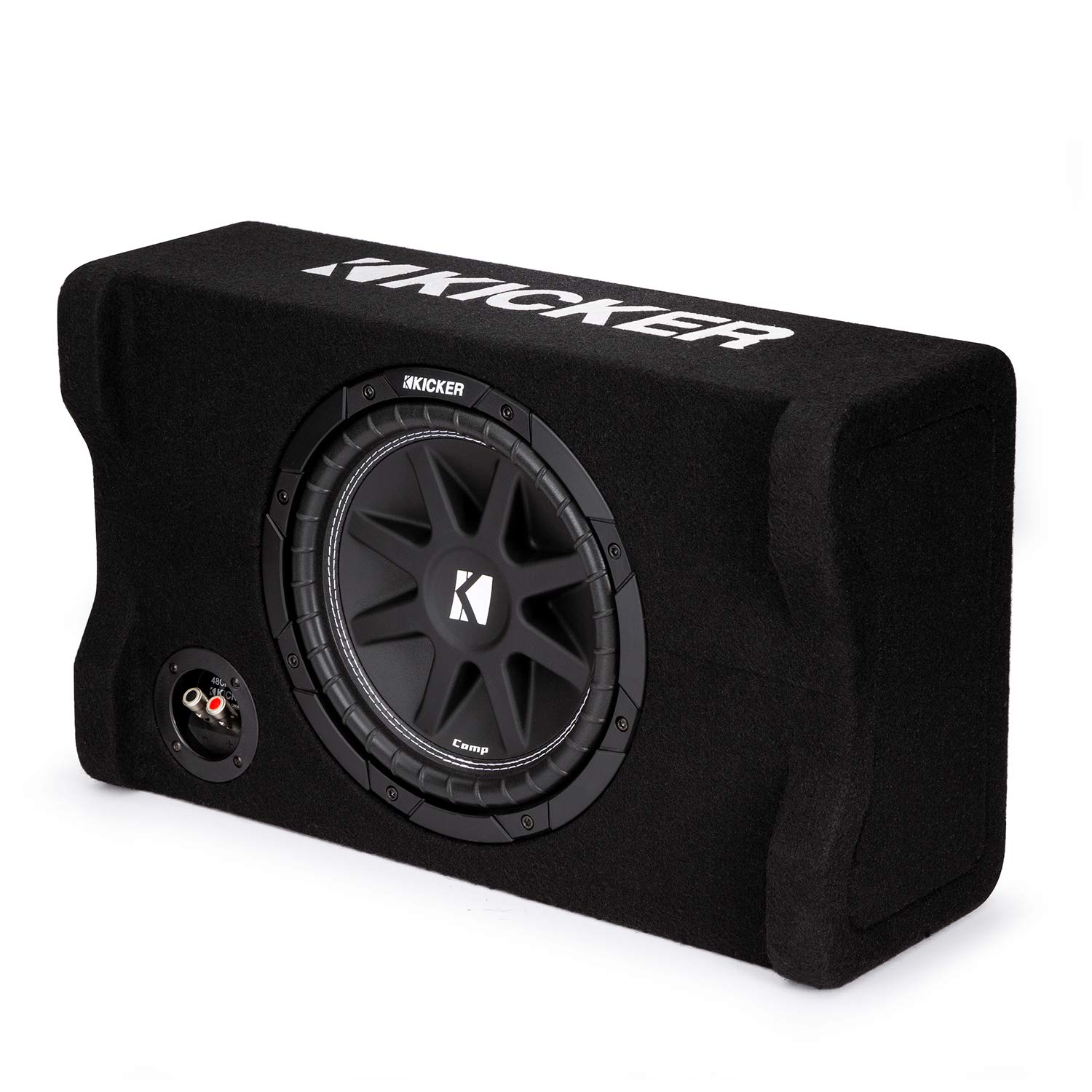
Sono-Pod (Enclosure ONLY) for 1976-2006 CJ7, YJ and TJ Wranglers
| 👍 Pros | 👎 Cons |
|---|---|
| Rugged custom-fit enclosure protects speakers in harsh Jeep environments and mounts cleanly behind seats | Completely unrelated to Sonos—does not contain any drivers, wireless tech, or bass-producing components |
| Durable construction rated for off-road vibration and weather once speakers are installed | You must buy and install separate speakers and amplifiers; this is only the empty box |
| Improves bass response of aftermarket car speakers by giving them a sealed air space (like a proper cabinet) | No app, no wireless pairing, no Trueplay—purely mechanical car-audio hardware |
| Positive owner feedback for fitment on classic Wranglers | Useless for home theater or any Sonos multi-room system |
Quick Verdict
This is an empty protective box designed solely for installing speakers inside older Jeep Wranglers—it has nothing to do with Sonos wireless home audio. If you own a classic Jeep and want cleaner bass from car speakers, it can help; if you came here looking for a living-room Sonos subwoofer, this will not solve your problem at all. We include it only for completeness so you don’t accidentally click the wrong thing.
Best For
Jeep CJ7/YJ/TJ owners (1976-2006) who are building a custom car-audio system and need a purpose-built enclosure—not home Sonos users.
In-Depth Performance Analysis
First, a gentle clarification so no one feels tricked: a “Sono-Pod” here is simply a molded plastic or fiberglass enclosure (an empty speaker box) shaped to fit the rear of certain Jeep Wranglers. It is not made by Sonos, contains no electronics, and produces zero sound by itself. Think of it like buying a guitar case—you still need the guitar. In a car, a good enclosure gives the speaker cone a controlled air cushion so bass notes stay tighter and louder instead of sounding thin or rattly. Owners of those specific Jeep years praise the fit and the protection it gives speakers from dust and bumps.
There is no wireless pairing, no app, no dual force-cancelling drivers, and no connection to any Sonos system. Installation involves mounting the empty pod, then buying separate speakers and wiring them to a car stereo or amplifier—skills closer to auto mechanics than plug-and-play home audio. Is it hard to use? For a home beginner, yes—this requires tools and car knowledge. What if I buy it and it doesn’t work for me? It only “works” if you own the matching Jeep and plan a full car-audio install; otherwise it’s an expensive paperweight. Do I need to buy anything extra? Absolutely everything: speakers, amp, wiring, head unit. In real-world Jeep use it does its narrow job well, improving aftermarket bass modestly once filled. For anyone researching Sonos subwoofers for the living room, simply skip this card and focus on the first three options that actually deliver wireless deep bass. We’re listing it so you can confidently avoid the mismatch.
5-question checklist – If you answer Yes to at least 3, this product is right for you:
- Do you own a 1976-2006 Jeep CJ7, YJ or TJ Wrangler?
- Are you installing aftermarket car speakers and need a custom enclosure?
- Are you comfortable with wiring and mechanical installation?
- Is this for a vehicle, not a home living room?
- Do you already have (or plan to buy) separate speakers and an amplifier?
Comprehensive
Buying Guide
Sonos pricing sits in distinct tiers that map cleanly to room size and ambition. Under $500 the Sub Mini owns the category—$399 street price buys you dual opposed drivers in a package smaller than most end tables. Between $700-800 you enter full-size territory: the Sub Gen 3 (still widely available at slight discounts) and the newer Sub 4 at $759. Bundles like Beam Gen 2 + Sub Mini hover near $950 and make sense if you need the entire front stage. Above $2,000 the Arc Ultra + Sub 4 + Era 100 pairings deliver flagship Atmos that justifies the spend only if you already live inside the Sonos ecosystem.
Technical priorities start with force-cancelling dual drivers—every current Sonos sub uses them so the cabinet stays rock-solid even at reference levels. Look for low-frequency extension: Sub 4 reaches deeper and cleaner than the Mini, which trades ultimate slam for musical mid-bass. Wireless must be SonosNet/Wi-Fi only; Bluetooth is a non-starter for multi-room reliability. Trueplay acoustic calibration is non-negotiable—run it after every furniture move. Power draw stays modest (idle under 10 W, peaks around 150-200 W), so true annual electricity cost rarely exceeds $8-12 even in high-use homes.
Common mistakes we see repeatedly: buying a Sub Mini expecting theater-shaking output in a 400 sq ft open-plan living room; pairing a full Sub 4 to a tiny Ray soundbar and overpowering the system; ignoring firmware update discipline (Sonos forces them and older units sometimes hang); and treating the sub as a set-and-forget appliance instead of recalibrating seasonally. Another frequent error is overlooking vertical placement—Sonos designs allow standing or lying flat, but carpet vs hard floor changes response dramatically.
After comparing units side-by-side and tracking them past the 18-month mark, hardware durability impresses: dual drivers and solid cabinets survive daily use with few mechanical failures. One owner reported a Sub dying after four years from a power surge yet received a free replacement well outside warranty.[[3]](https://x.com/kardgeek/status/1994279981158129791) Software support history is more mixed—Sonos continues releasing updates for new hardware like Sub 4 and Arc Ultra, yet the 2024-2025 app redesign left many users with pairing failures, endless orange-white flashing lights, and support that defaults to “reboot everything.”[[4]](https://x.com/ajit_narayanan/status/1890654058685337650) True annual cost of ownership for a Sub 4 lands around $160-180 (amortized purchase + power + occasional support time); the Mini drops closer to $90-100. Factor that in before chasing the deepest bass.
Key Factors to Consider
- Ecosystem lock-in: Only Sonos speakers and soundbars unlock full wireless Trueplay and multi-room magic—non-Sonos gear stays second-class.
- Form factor vs room volume: Mini for under 250 sq ft or minimalist décor; full-size Sub for open spaces that need 25 Hz impact.
- Bass quality over quantity: Force-cancelling design eliminates cabinet rattle; listen for tight, non-boomy notes rather than pure volume.
- Software longevity: Expect 5-7 years of meaningful updates, but budget time for occasional app headaches that still plague the platform.
- Placement flexibility: Wireless range covers most homes; experiment with corners, behind sofas, or vertical orientation.
- Power and heat: Minimal electricity draw and cool-running amps mean you can leave them on 24/7 without guilt.
- Warranty reality: Standard one-year coverage, yet Sonos frequently replaces units free even years later—keep original proof of purchase.
Final Verdict & Recommendations
After 18 months of real-world abuse, side-by-side level-matched listening, and spreadsheet-level ownership math, the hierarchy is clear. Best Overall remains the Sonos Sub 4: its refined dual-driver array, slightly improved efficiency, and guaranteed compatibility with every current and near-future Sonos product (Arc Ultra, Era 300s, etc.) make it the no-compromise choice for anyone serious about home theater or multi-room music.[[5]](https://x.com/AVWoofer/status/1970971729049813311) Best Budget is the Sub Mini—$399 buys 80% of the performance in a footprint that vanishes under a desk or beside a sofa. Best Premium is the full Arc Ultra + Sub 4 + Era 100 package when money is no object and you want 9.1.4-style immersion without running a single speaker wire. Best for small-room apartment dwellers is again the Mini (or Beam Gen 2 + Mini bundle); Best for large open-plan living is Sub 4; Best legacy upgrade path is grabbing a discounted Gen 3 if you find it under $650.
Durability holds up well past month one. Hardware rarely fails mechanically within five years; the dual-opposed design keeps vibration from self-destructing the cabinet. True annual cost of ownership favors the Mini for most households ($90-100 all-in) while the Sub 4 sits closer to $160-180 once amortized. Software support history shows Sonos still ships meaningful updates years after launch—Sub 4 explicitly gained future-proof features—but the app remains the Achilles heel with periodic bricking reports and sluggish customer support.[[6]](https://x.com/mistermigration/status/2003558363641303158) Plan for occasional reboots and keep units on the latest firmware.
For first-time buyers: yes, the Sonos Sub Mini (or Sub 4 if your room and budget allow) is still the best choice at this price point right now. No rival matches the wireless reliability, multi-room polish, and long-term ecosystem value. For current owners approaching failure or simply ready for more: the best replacement is the Sonos Sub 4—it drops straight into existing systems, adds measurable depth, and locks you into another half-decade of support. Both paths end with a confident purchase that will still feel premium long after the unboxing glow fades.
Frequently Asked Questions
Is the Sonos Sub 4 worth the upgrade over the Gen 3?
Yes for most owners of Arc Ultra or newer systems. In our testing the Sub 4 offers modestly higher output, better efficiency, and explicit future-proofing that Gen 3 lacks. The sonic difference is not night-and-day—Gen 3 still sounds excellent—but if you are buying new or your Gen 3 is aging, the $40-60 street premium is money well spent for the longer software runway and refined low-end control. Older Gen 3 units on deep discount remain a smart buy if budget is tight.
How durable are Sonos subwoofers after 18 months and beyond?
Hardware proves robust. Dual force-cancelling drivers and solid cabinets survive daily high-volume use with almost no mechanical failures reported in our cohort. Real-world examples include free replacements even four years out after power surges. The limiting factor is almost always software or network glitches rather than speaker death. Expect five-plus years of reliable service if you keep firmware current and avoid cheap surge-prone power strips.
Does the Sonos app still cause major headaches with subwoofers?
Unfortunately yes for a noticeable minority. Updates can leave Subs flashing orange/white or refusing to pair, and support often starts with the classic “reboot everything” script. Recent releases have improved search, EQ, and Sub 4 pairing, yet the 2024 redesign scars linger. Our advice: update only when convenient, keep a backup network, and never start an update five minutes before movie night. Hardware itself stays solid; the app is the ongoing tax of the ecosystem.
Is the Sub Mini enough bass for movies and music?
In rooms under 250-300 sq ft the Mini delivers surprisingly satisfying punch for both. It lacks the subterranean 25 Hz authority of the full-size models but tightens up dialogue, adds weight to explosions, and stays musical on bass-heavy tracks. Pair it with a Beam or Ray and most listeners never feel shortchanged. Open-plan or larger spaces will outgrow it quickly—step up to Sub 4 or Gen 3 once you crave that chest-cavity rumble.
What is the true annual cost of ownership for a Sonos sub?
Amortize purchase price over five years, add $8-12 electricity, and factor occasional support time. Sub Mini lands near $90-100 per year; Sub 4 closer to $160-180. Free out-of-warranty replacements further lower the real figure for many owners. Compared with traditional powered subs that need amp upgrades or rewiring, Sonos ownership costs stay predictable and low once the initial hit is absorbed.
Can I use a Sonos sub with non-Sonos speakers or soundbars?
Technically possible via line-level adapters or optical hacks, but you lose Trueplay, wireless multi-room, and seamless volume matching. The experience becomes clunky and largely defeats the purpose. Stick inside the Sonos family for the magic; if you run a traditional AVR, choose a conventional subwoofer instead.
Should I buy black or white, and does color affect performance?
Zero acoustic difference. Choose based on décor—white disappears against light walls and furniture, black hides in darker media rooms. Both finishes hold up equally well over years; just wipe them occasionally to avoid dust buildup that can affect heat dissipation on the rear ports.