Table of Contents

52 sections 27 min read

Quick Answer

Most daily drivers get the best results from a high-sensitivity 6.5-inch coaxial such as the Kenwood KFC-1666S (92 dB, 30W rated input) on a stock head unit. Amplified vocal systems should use the ORION Cobalt CM654 at 250W RMS and 96.67 dB. Marine and tight factory openings need IP56 or shallow 3.5-inch designs.

1

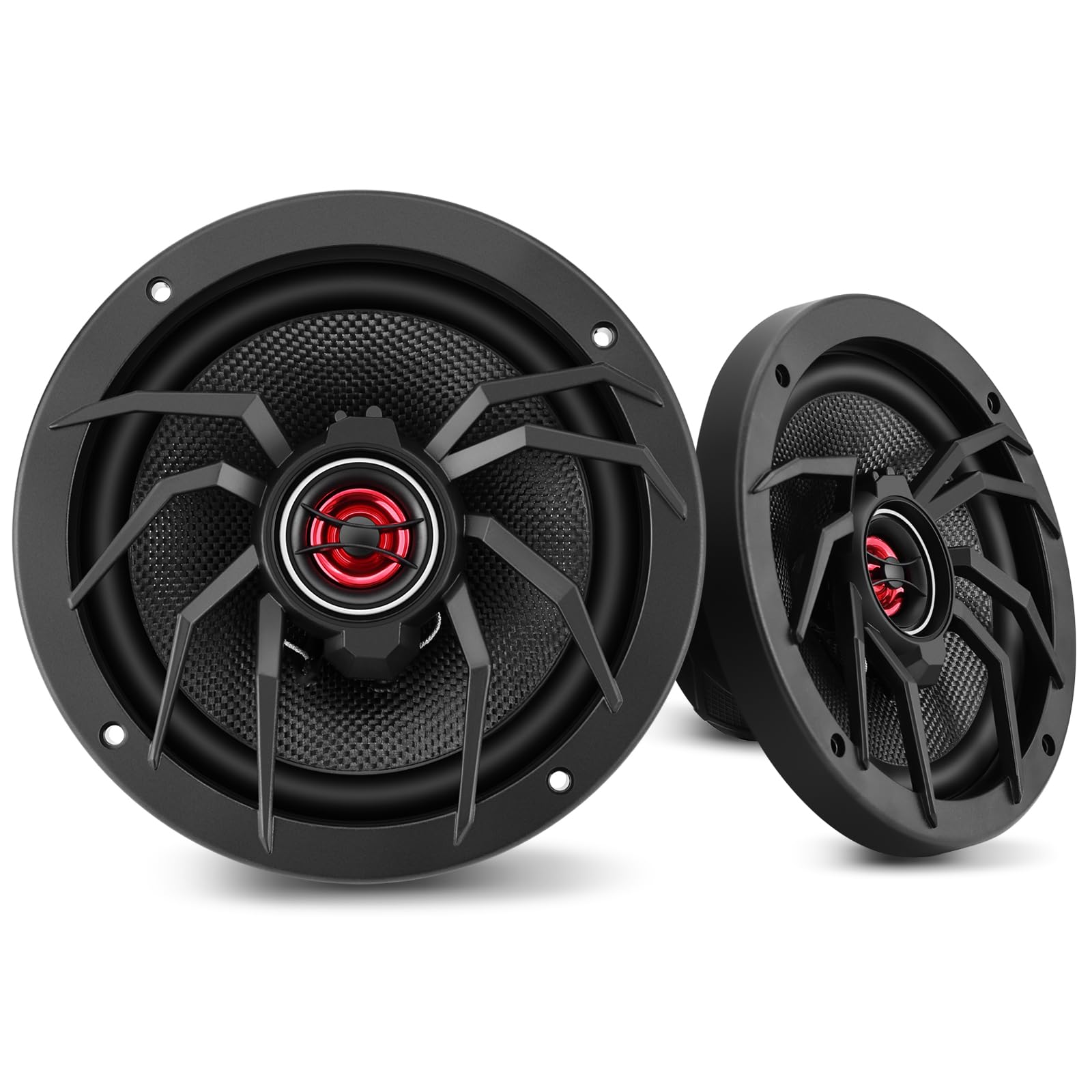
ORION Cobalt CM654 6.5" Mid-Range Bullet

In Stock
9.8 /10
BS Score
BS Score is calculated based on product ratings, reviews, and sales performance to help you make informed purchasing decisions.
Updated: Aug 18, 2026
Last update on Aug 18, 2026 / Affiliate links / Images, Product Titles, and Product Highlights from Amazon Creators API.
Pros & Cons

Pros

  • Shoebox-sized footprint (6.54" diameter) suits custom builds where space is tight
  • High sensitivity means less amplifier power needed, ideal for budget amp setups
  • The bullet design offers a dynamic frequency range, reducing the need for separate tweeters
  • 4-ohm impedance is standard for most car audio amplifiers
  • Overall depth of 2.84" simplifies installation in shallow enclosures

Cons

  • No grilles or mounting hardware included, requiring separate purchase for protection and installation
  • Midrange speakers need a proper crossover or bandpass filter to avoid distortion at low frequencies
  • Mounting diameter and depth must be verified against vehicle-specific mounting locations
Detailed Review

The ORION Cobalt CM654 is a 6.5-inch midrange loudspeaker designed for car audio enthusiasts who are building a component system. With a high sensitivity rating of 96.67 dB, it delivers strong output even with moderate amplifier power, making it a practical choice for those seeking efficiency. The compact mounting depth of 2.63 inches allows installation in shallow locations like doors or kick panels, which is a key convenience for custom installs.

The speaker features a 1.5-inch high-temperature voice coil and a 250W RMS power handling, indicating it can sustain high volumes without thermal failure. The bullet tweeter design extends high-frequency response, allowing the speaker to cover a wider range than typical midrange drivers, which can simplify system design by potentially eliminating the need for separate tweeters.

However, these are raw midrange drivers, not full-range speakers. They require proper crossover or bandpass filtering to avoid playing frequencies they cannot handle, which could lead to distortion or damage. The package includes only the speakers, so buyers must source grilles, mounting hardware, and wiring separately. Additionally, the mounting depth and diameter must be verified against the intended vehicle location to ensure a proper fit.

Customer reviews are not available at this time, so real-world performance and durability remain unverified. The manufacturer claims balanced sound and wide frequency range, but these are not independent proof.

Ideal buyers are those planning a custom audio build with a dedicated midrange component. Avoid if you seek a plug-and-play full-range speaker. Before purchase, verify your vehicle's mounting depth, the crossover requirements, and whether grilles are needed for your installation.

Ownership Snapshot

Best Ownership Fit: This speaker suits hobbyist car audio builders who enjoy customizing their sound system and have basic knowledge of speaker installation and crossover setup. It is not for casual listeners seeking a drop-in replacement.

Daily Workflow: Once installed, the speaker operates as part of a component system. The user will adjust amplifier and crossover settings to achieve the desired sound. No daily maintenance is required beyond occasional cleaning of the speaker cone if exposed.

Likely Friction: The main friction is the lack of included grilles and mounting hardware, which means additional purchases and installation effort. Also, proper crossover setup is essential to avoid poor sound quality or speaker damage.

Before You Buy: Verify the mounting depth (2.63") and diameter (5.67" cutout) against your vehicle's door or panel space. Ensure your amplifier can deliver at least 250W RMS per channel at 4 ohms. Plan to purchase grilles and mounting hardware separately. Confirm the crossover or DSP settings you will use to limit low frequencies.

Setup & Maintenance

Installation: The speaker is designed for surface or flush mounting. The mounting depth is 2.63 inches, but the overall depth is 2.84 inches, so ensure there is clearance behind the mounting surface. Use appropriate mounting hardware (screws) and wire connections, which are not included.

Crossover Requirement: As a midrange driver, it must be paired with a crossover or DSP to filter out frequencies below its optimal range. The manufacturer does not specify the recommended crossover frequency, so consult the speaker's frequency response curve or contact ORION for guidance.

Maintenance: No specific maintenance is detailed. If the speaker is exposed to dust or moisture, periodic gentle cleaning with a soft brush may be needed. Avoid water contact.

Verification: Since the manual is not provided, buyers should verify correct wiring polarity, power handling, and ensure the amplifier's output does not exceed the speaker's RMS rating to prevent damage.

Specifications

Size: Overall diameter 6.54", overall depth 2.84".

Mounting: Mounting diameter 5.67", mounting depth 2.63".

Power: 1000W max, 250W RMS, 4-ohm impedance.

Voice Coil: 1.5" high-temperature voice coil.

Efficiency: 96.67 dB.

Design: Mid-range with bullet tweeter for extended high-frequency response.

2

Polk Audio DB652 DB+ Marine Speakers

Polk
In Stock
9.8 /10
BS Score
BS Score is calculated based on product ratings, reviews, and sales performance to help you make informed purchasing decisions.
Updated: Aug 18, 2026
Last update on Aug 18, 2026 / Affiliate links / Images, Product Titles, and Product Highlights from Amazon Creators API.
Pros & Cons

Pros

  • IP56 marine certification suggests robust protection against water splashes and environmental exposure, ideal for boats and outdoor vehicles.
  • 100W RMS power handling ensures compatibility with a wide range of amplifiers and head units, providing headroom for loud playback.
  • Frequency response of 40-22kHz covers the audible spectrum, supporting both deep bass and crisp highs.
  • Polypropylene woofer and rubber surround are chosen for durability and weather resistance, suitable for marine environments.
  • Polk Audio is a recognized brand in car audio, and the DB+ series is marketed as a direct upgrade for factory speakers.

Cons

  • No verified customer reviews are available, so real-world performance and long-term reliability remain unconfirmed.
  • The supplied data does not include specific installation depth or mounting dimensions, which may affect fit in some vehicles or boats.
  • While the speakers are marine-certified, the provided information lacks independent test results for sound quality or durability under prolonged exposure.
Detailed Review

The Polk Audio DB652 DB+ is a 6.5-inch, 2-way coaxial speaker designed for both car and marine use. It is marketed as a marine-certified speaker with IP56 protection, making it a potential fit for boat owners, ATV riders, or car enthusiasts seeking weather-resistant audio. The speaker handles 100W RMS and 300W peak power, which is a solid specification for aftermarket upgrades. Its polypropylene woofer and silk dome tweeter are common materials in this category, chosen for their balance of durability and sound quality.

One of the key selling points is the Dynamic Balance technology, which Polk claims uses laser imaging to optimize material combination, reducing distortion. This is a manufacturer claim, not an independent test result, but it aligns with the brand's reputation for producing reliable audio components. The built-in crossover is a practical feature, ensuring that highs and lows are directed to the appropriate drivers, which simplifies installation and improves sound separation.

However, the lack of verified customer reviews is a significant limitation. The product page shows zero reviews, so there is no anecdotal evidence of how these speakers perform in real-world conditions, such as on a boat exposed to constant moisture or in a car door with limited mounting depth. Buyers must rely on the manufacturer's specifications and Polk's brand history.

Potential trade-offs include the absence of detailed installation dimensions in the provided data. While the speakers are 6.5 inches, the mounting depth and cutout diameter are not specified, which could affect compatibility with certain vehicles or boats. Additionally, while the marine certification is promising, the supplied data does not include independent test results for long-term UV or salt-fog exposure, so durability remains an unknown.

In summary, the Polk Audio DB652 DB+ appears to be a well-specified speaker for those needing a marine-rated option. It is best suited for buyers who prioritize weather resistance and power handling and are willing to accept that long-term performance is unverified. For those with strict installation constraints or a need for proven reliability, it may be safer to consider alternatives with a larger body of customer feedback.

Evidence Breakdown

Verified Product Facts: The speaker is a 6.5-inch, 2-way coaxial model with a polypropylene woofer, 3/4-inch silk dome tweeter, and rubber surround. It has a frequency response of 40-22kHz, handles 100W RMS and 300W peak power, and is rated at 4 ohms. It carries an IP56 marine certification and features a coated steel basket.

Customer Signals: The supplied product page includes zero customer reviews, so there are no verified user experiences to summarize. The absence of reviews means we cannot identify any recurring themes or common issues.

Not Verified: The supplied data does not confirm long-term durability under real-world marine conditions, actual sound quality as perceived by listeners, installation dimensions (mounting depth, cutout size), or warranty details. Additionally, the performance claims (e.g., distortion-free response) are manufacturer assertions, not independently tested.

Evidence-Aware Verdict: The available evidence supports that the speaker has robust specifications and a marine certification, making it a plausible choice for boat or car use. However, the lack of customer feedback and independent testing means we cannot verify its reliability or sound quality in practice. The decision should be based on the brand's reputation and the feature set, with the understanding that real-world performance is unproven.

Decision Factors

Marine Suitability: The IP56 certification and coated steel basket indicate the speaker is designed to resist splashes and environmental stress, which is crucial for boat or outdoor use. However, the supplied data does not include test results for salt-fog or UV exposure, so the level of protection is based on manufacturer claims.

Power Handling: With 100W RMS and 300W peak, the speaker can handle moderate to high amplifier output. This is beneficial for users who want loud, clear audio, but it also means the speaker should be paired with an appropriate amplifier to avoid damage.

Sound Quality: The combination of polypropylene woofer, silk dome tweeter, and built-in crossover is designed to produce balanced audio. The Dynamic Balance technology is a manufacturer claim that suggests reduced distortion, but without independent measurements, the actual sound quality remains subjective.

Installation Compatibility: The speaker is 6.5 inches, a common size, but the mounting depth and cutout diameter are not specified. This could be a critical unknown for vehicles or boats with shallow mounting locations. Checking the manufacturer's documentation or measuring the available space is recommended.

Brand Reputation: Polk Audio is a well-known brand in car audio, which provides some confidence in build quality. However, brand reputation alone does not guarantee that this specific model will meet all expectations, especially without user feedback.

Value for Money: At a typical price point for marine speakers, this product offers competitive specifications. The lack of reviews makes it harder to assess value relative to alternatives, but the features suggest it is positioned as a mid-range option.

3

Pioneer TS-501M 5.25" 4-Way Coaxial Car Speakers

Pioneer
In Stock
9.8 /10
BS Score
BS Score is calculated based on product ratings, reviews, and sales performance to help you make informed purchasing decisions.
Updated: Aug 18, 2026
Last update on Aug 18, 2026 / Affiliate links / Images, Product Titles, and Product Highlights from Amazon Creators API.
Pros & Cons

Pros

  • 4-way design separates frequencies for clearer, more accurate sound than typical 2-way speakers
  • High sensitivity allows good volume from factory stereos without extra amplification
  • Included tweeter and super tweeter produce crisp highs for detailed music
  • Cellulose fiber midrange cone delivers natural vocal and instrument reproduction
  • Wide frequency response covers a broad range of music genres effectively

Cons

  • 50W RMS power handling may limit maximum volume in larger vehicles or for heavy bass listeners
  • Professional installation recommended, which adds cost for those not handy with car audio
  • No grilles included, so speakers are exposed to potential damage if not mounted carefully
Detailed Review

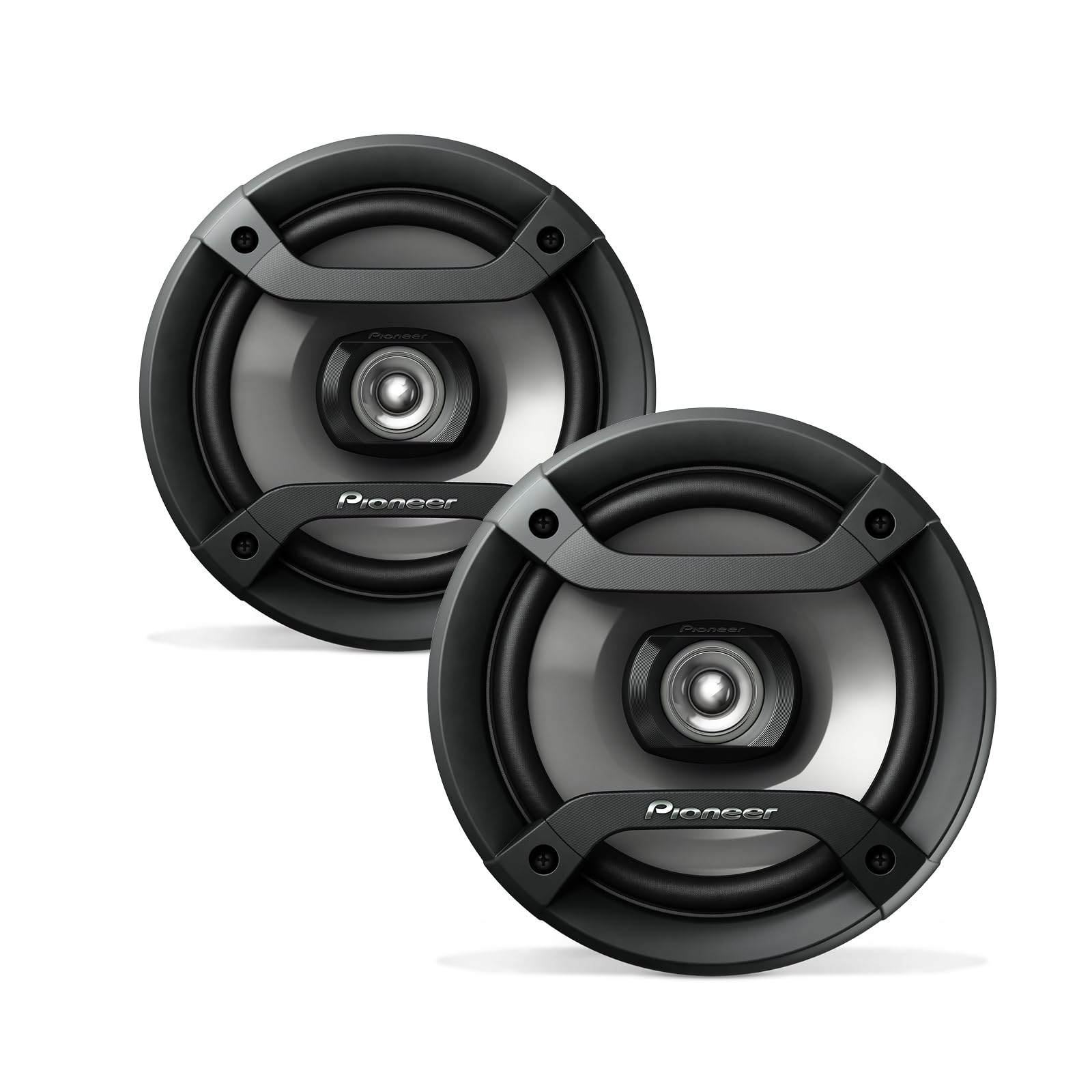
The Pioneer TS-501M 5.25-inch 4-way coaxial speakers are a practical upgrade for drivers who want better sound from their car stereo without a major overhaul. Designed to replace factory speakers, they suit anyone seeking clearer highs, more defined mids, and a more immersive listening experience. However, their power handling is modest, so they are best for those with factory or moderately powered systems rather than high-output aftermarket setups.

The standout feature is the 4-way design, which uses separate drivers for different frequency ranges: an 11mm tweeter and super tweeter for highs, and a 1-5/8" cellulose fiber cone midrange. This separation reduces distortion and allows each driver to focus on its range, resulting in more accurate and balanced sound. With a frequency response of 44 Hz to 52 kHz, these speakers can reproduce deep bass and airy highs, making them versatile across genres. The 89 dB sensitivity means they deliver clear sound even with lower power input, which is a boon for factory head units.

In terms of construction, the cellulose fiber cone is designed to provide natural mid-tones, and the overall build quality reflects Pioneer's A Series reputation for reliability. The speakers are coaxial, meaning the tweeter is mounted above the woofer, which simplifies installation as they fit in standard 5.25-inch locations. They are intended as direct replacements for many factory speakers, but professional installation is recommended to ensure proper mounting and wiring, especially if you are not experienced with car audio.

One limitation is the power handling: 50 watts continuous and 300 watts peak. While this is sufficient for typical listening, those who crank the volume or enjoy heavy bass may find the speakers strain at higher levels. Additionally, because no grilles are included, you need to ensure they are mounted securely to avoid damage from cargo or incidental contact. If you have a large vehicle or a powerful aftermarket amplifier, you might need speakers with higher RMS ratings.

Overall, the Pioneer TS-501M offers a balanced mix of clarity, efficiency, and ease of installation for the average listener. The strongest reason to buy is the improved sound quality over stock speakers, especially for vocals and highs. The main reason to hesitate is if you demand very high volume or deep bass without distortion. In that case, consider speakers with higher power handling or a separate subwoofer system.

Key Features Explained

4-Way Design: This speaker uses separate drivers for different frequency ranges, which means each driver is optimized for its specific job. The result is less distortion and a more accurate, balanced sound across the spectrum. It benefits listeners who want clarity in vocals and instruments, not just loud bass.

Power Handling: With a peak of 300 watts and continuous 50 watts, these speakers can handle typical head unit output without clipping. The continuous rating is what matters for daily use, ensuring they can sustain moderate volumes without damage. This suits drivers who listen at normal levels.

Frequency Response: The range from 44 Hz to 52 kHz is wide, covering deep lows and ultra-highs. This means you can hear the full texture of music, from bass lines to cymbal crashes. It's especially beneficial for genres like rock, jazz, and classical that have a broad tonal range.

Sensitivity: At 89 dB, these speakers convert power into sound efficiently. This means they can produce clear, loud audio even from a factory stereo with modest wattage. It's a key advantage for those not adding an external amplifier.

Coaxial Design: The tweeter is mounted on top of the woofer, creating a single, compact unit. This simplifies installation because it fits in standard 5.25-inch speaker locations, making it a straightforward upgrade for most cars.

Cellulose Fiber Cone: The midrange cone is made from cellulose fiber, which is lightweight yet stiff. This material helps reproduce natural mid-tones, such as vocals and acoustic guitars, without coloration. It contributes to the overall smoothness of the sound.

Compatibility

Vehicle Fit: The Pioneer TS-501M is designed to fit standard 5.25-inch speaker openings, which are common in many cars, trucks, and SUVs. They can serve as direct replacements for factory speakers in those locations, making them a versatile upgrade option.

System Integration: With a sensitivity of 89 dB, these speakers work well with factory head units that typically produce around 15-20 watts RMS per channel. They can also be paired with aftermarket stereos or amplifiers, but the continuous power handling of 50 watts means they are best suited to modest amplification.

Installation Considerations: While they are designed to fit standard locations, professional installation is recommended. This ensures proper mounting, wiring, and alignment, which can affect sound quality and durability. If you are not experienced with car audio, hiring a professional can avoid potential issues.

What to Check Before Buying: Measure your existing speaker openings to confirm they are 5.25 inches. Also check the mounting depth, as some vehicles have limited space. If your car has tweeters in the dash or pillars, you might consider component speakers for better staging, but for a simple replacement, these coaxials are a solid choice.

Buyer's Guide

Best For: The Pioneer TS-501M is ideal for drivers who want to upgrade their factory speakers with minimal hassle and without adding an amplifier. It's perfect for those who enjoy clear, detailed sound at moderate volumes and appreciate a simple drop-in replacement.

Consider Alternatives If: If you frequently listen at very high volumes or crave deep, thumping bass, these speakers may not satisfy you. In that case, look for speakers with higher RMS power handling or consider adding a subwoofer. Also, if your car has separate tweeter locations, component speakers might provide better sound staging.

Setup and Daily Use: The speakers are designed to be direct replacements, so installation involves removing the old speakers and wiring the new ones in. Professional installation is recommended to ensure proper fit and avoid damage. Once installed, they work seamlessly with your existing stereo, requiring no additional adjustments.

Maintenance Requirements: Coaxial speakers are generally low-maintenance. Keep them clean and dry, and ensure they are securely mounted to prevent rattling. There are no consumables or special care needed beyond occasional dusting if they are exposed.

What Sets It Apart: The 4-way design with a separate super tweeter is less common in this price range, giving it an edge in high-frequency detail. Combined with the high sensitivity, it offers a balanced upgrade for factory systems, standing out as a cost-effective way to improve audio quality without major modifications.

4

BOSS Audio Systems CH6530 6.5 Inch 3-Way Car

In Stock
9.5 /10
BS Score
BS Score is calculated based on product ratings, reviews, and sales performance to help you make informed purchasing decisions.
Updated: Aug 18, 2026
Last update on Aug 18, 2026 / Affiliate links / Images, Product Titles, and Product Highlights from Amazon Creators API.
Pros & Cons

Pros

  • Budget-friendly price point makes them an accessible upgrade over factory speakers
  • 3-way design with separate tweeter and midrange can improve sound detail
  • Rubber surrounds and poly cones are built to withstand moisture and wear
  • 4-ohm impedance and 90 dB sensitivity are compatible with most car stereos
  • Compact mounting depth of 2.1 inches simplifies installation in many vehicles

Cons

  • Piezo tweeters can sound harsh or bright at high volumes, which may fatigue some listeners
  • Frequency response tops out at 18 kHz, limiting very high-frequency detail
  • Stamped basket construction is less rigid than cast frames, potentially affecting bass response
Detailed Review

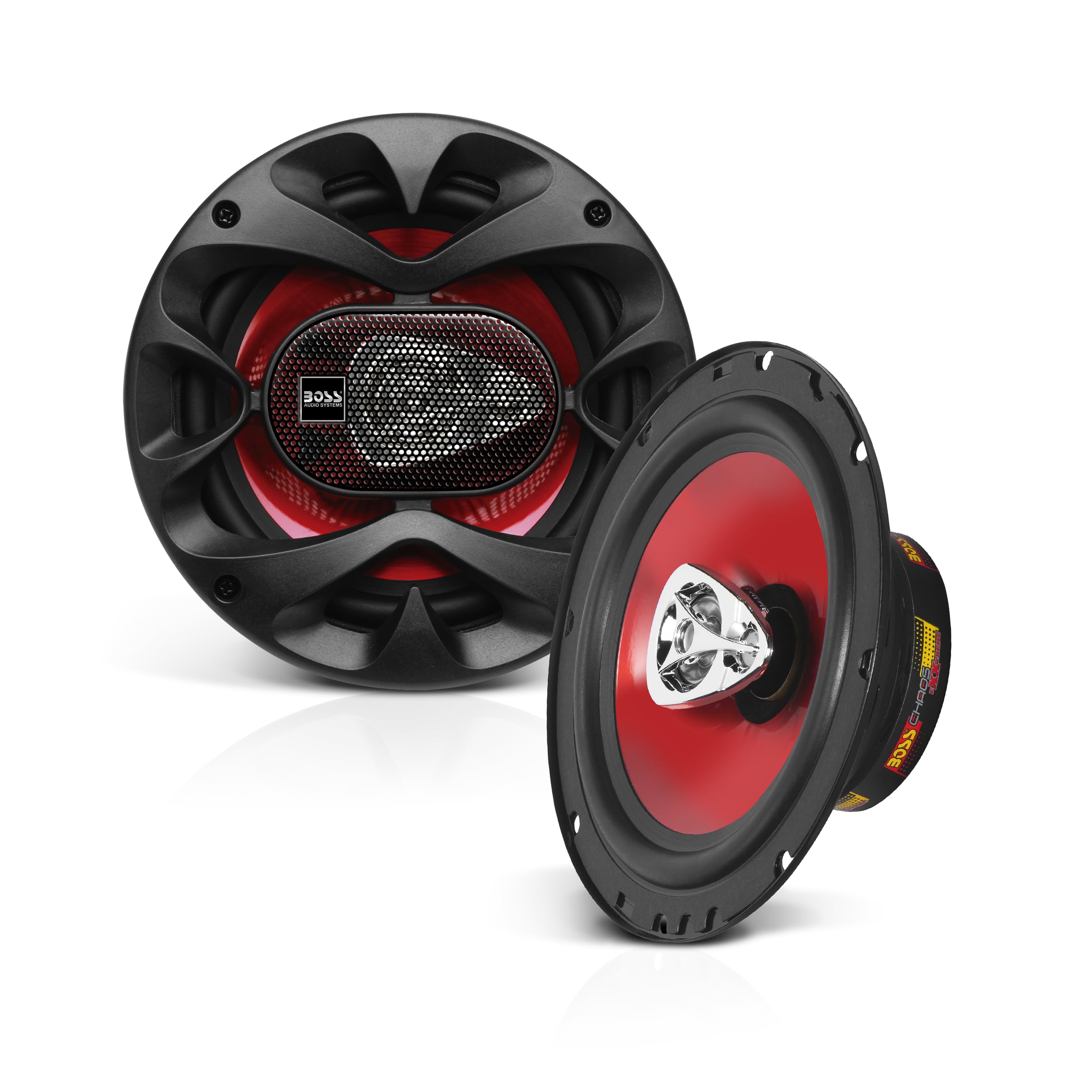
The BOSS Audio CH6530 is a 6.5-inch, 3-way car speaker pair designed for drivers who want a simple, low-cost upgrade from factory speakers. It suits budget-conscious owners of older vehicles or those who primarily listen to talk radio, podcasts, or background music. If you are looking for a cheap way to improve clarity and volume without adding an amplifier, these speakers are a reasonable starting point, but they have limitations in sound quality and power handling.

The most important features are the 3-way design, which includes a separate .50-inch piezo tweeter and a 1-inch polyimide dome midrange, alongside the main poly injection cone woofer. This configuration helps separate frequencies, potentially making vocals and high notes more distinct than a single-cone speaker. The rubber surround and poly cone are durable and resistant to moisture, which is beneficial for door-mounted speakers. With a sensitivity of 90 dB, they can produce decent volume from a factory stereo, even without an external amp.

In terms of design, the speakers have a stamped basket, which is a common budget construction that is lighter and less rigid than cast baskets. Mounting depth is 2.1 inches and the mounting hole is 5.5 inches, making them compatible with many standard 6.5-inch speaker locations. The pair weighs 1.3 pounds, so they are light and easy to handle. The 4-ohm impedance matches most car audio systems, and the frequency response spans 100 Hz to 18 kHz, which covers the typical audible range but misses some ultra-high frequencies.

However, there are meaningful drawbacks. The piezo tweeter is known for a bright, sometimes harsh sound at high volumes, which can be tiring for sensitive ears. The frequency response drops off above 18 kHz, so some airiness or sparkle in music may be lost. Also, the stamped basket may flex under heavy bass, causing distortion if you push them hard. For those who want deep, powerful bass, these speakers are not designed for that; a subwoofer or component system would be a better choice.

Overall, the BOSS Audio CH6530 is best for budget-minded buyers who want a simple, functional replacement for worn-out factory speakers, with the main benefit being affordability and ease of installation. The main reason to hesitate is if you prioritize sound quality, especially high-frequency detail or bass impact, in which case you should consider spending more on higher-end speakers. If you just need something that works and won't break the bank, these are a solid value.

Key Features Explained

3-Way Design: This speaker includes a woofer, a midrange, and a tweeter. The separate drivers handle different frequency ranges, which can produce clearer vocals and instruments compared to a single full-range speaker. It benefits listeners who want better separation between lows, mids, and highs without upgrading other components.

Poly Injection Cone: The main cone is made of polypropylene, a material that resists moisture and is lightweight. This helps the speaker withstand door-mounted conditions and reduces distortion at moderate volumes. It is a practical choice for daily drivers in varying climates.

Rubber Surround: The surround is the flexible ring around the cone. Rubber is more durable than foam and can handle temperature swings without cracking. This extends the speaker's life, especially in vehicles that experience extreme heat or cold.

.50-inch Piezo Tweeter: Piezo tweeters are known for being efficient and inexpensive. They can produce high frequencies clearly, but they can sound harsh or piercing at high volumes. This feature is a trade-off: it adds high-end detail but may not suit listeners who prefer a smoother treble.

1-inch Polyimide Dome Midrange: This driver handles the midrange frequencies, which include vocals and many instruments. Polyimide is a heat-resistant material, so it can handle power without degrading. It helps fill in the gap between the woofer and tweeter, improving overall balance.

90 dB Sensitivity: This rating indicates how efficiently the speaker converts power into sound. A 90 dB sensitivity means it can produce a decent volume level with a standard head unit, making it a good match for factory stereos that may not have a lot of power.

Specifications

Dimensions: 6.6 x 6.6 x 2.4 inches

Impedance: 4 ohms

Mounting Depth: 2.1 inches

Mounting Hole: 5.5 inches

Item Weight: 1.3 lbs (pair)

Frequency Response: 100 Hz - 18 KHz

Sensitivity: 90 dB @ 1 watt/1 meter

Cone Material: Poly Injection

Surround Material: Rubber

Basket Type: Stamped

Voice Coil: 1-inch

Tweeter: .50-inch piezo

Midrange: 1-inch Polyimide Dome

Buyer's Guide

Best For: The BOSS Audio CH6530 is best for budget-minded car owners who want to replace factory speakers with a modest upgrade in clarity and volume. It is also a good fit for those who drive older vehicles with standard 6.5-inch speaker openings and who are comfortable with a basic DIY installation.

Consider Alternatives If: If you are an audiophile or you enjoy listening to music at high volumes with deep bass, these speakers may disappoint. Also, if your car has a powerful aftermarket stereo or you plan to add an amplifier, you might want speakers with higher power handling and a more robust build. In those cases, consider component speakers or coaxial speakers with a cast basket and a more refined tweeter.

Setup and Daily Use: These speakers are designed to be a direct replacement for factory 6.5-inch speakers. The mounting depth of 2.1 inches allows them to fit in many doors without spacers. You will need to connect the included wiring and mount them securely. Daily use is straightforward: they work with any standard head unit and do not require external crossovers or amplifiers.

Maintenance Requirements: The rubber surround and poly cone are durable and require no regular maintenance. However, it is a good idea to keep the speaker cones clean and free from dust or debris. If you live in a dusty area, occasional gentle cleaning with a soft brush can help maintain performance.

What Sets It Apart: This speaker pair stands out for its very low price point, making it one of the most affordable 6.5-inch 3-way options on the market. While it lacks the refinement of higher-priced speakers, it offers a balanced set of features that cover the basics: decent sensitivity, a 3-way design, and weather-resistant materials. For the price, it provides a practical solution for those who just want better-than-factory sound.

5

BOSS Audio Systems KIT2 8 Gauge Car Amplifier

In Stock
9.8 /10
BS Score
BS Score is calculated based on product ratings, reviews, and sales performance to help you make informed purchasing decisions.
Updated: Aug 18, 2026
Last update on Aug 18, 2026 / Affiliate links / Images, Product Titles, and Product Highlights from Amazon Creators API.
Pros & Cons

Pros

  • All-in-one convenience: everything needed for a basic amp install is included, saving time and separate purchases
  • Adequate cable lengths: 20-foot power and RCA cables offer routing flexibility in most vehicles
  • Fuse holder included: protects your system from electrical surges, a critical safety component
  • Accessories included: wire ties and grommets help secure and protect wires, promoting a tidy install
  • Competitive price point: offers good value for budget-conscious DIYers

Cons

  • 8-gauge power wire may be insufficient for high-wattage amplifiers (over 600W), potentially causing voltage drop
  • RCA cables are basic and may not offer maximum shielding, susceptible to noise interference in some vehicles
  • Speaker wire (16-gauge) is adequate for most door speakers but may be limiting for long runs or high-power speakers
Detailed Review

The BOSS Audio Systems KIT2 is an 8-gauge amplifier installation kit designed for DIY car audio enthusiasts who want to add an aftermarket amplifier to their vehicle's sound system. It is best suited for those installing a moderately powered amp (typically up to around 600 watts) and who prefer a single-box solution that includes all necessary wiring and accessories. The kit aims to simplify the installation process, making it accessible for first-time installers.

The kit includes a 20-foot 8-gauge red power cable, which is the main power feed from the battery to the amplifier. This length is generally sufficient for most cars and trucks, allowing routing from the engine bay to the trunk or under-seat location. It also comes with a 20-foot high-performance RCA interconnect, which carries the audio signal from the head unit to the amp. The inclusion of a fuse holder is a crucial safety feature, protecting your vehicle's electrical system from short circuits.

For the turn-on signal, the kit provides a 16-foot 18-gauge blue wire, which connects to the remote turn-on lead from the head unit. The 30-foot 16-gauge speaker wire is ample for connecting the amp to speakers in most vehicles. The kit also includes 20 four-inch wire ties and 3 rubber grommets, which help with wire management and protect wires where they pass through metal holes. These small touches indicate attention to installation practicality.

However, the 8-gauge power wire is a limitation for those planning to run a high-power amplifier (e.g., over 600 watts RMS). For such systems, a 4-gauge or larger wire would be necessary to avoid voltage drop and potential performance issues. Additionally, the RCA cables are basic and may not have the same level of shielding as premium cables, which could be a concern in vehicles with existing electrical noise. The 16-gauge speaker wire is adequate for most door speakers but may be insufficient for long runs or high-power components.

Overall, the BOSS Audio Systems KIT2 is a practical and cost-effective choice for installing a modest amplifier in a typical vehicle. Its main strengths are the completeness of the kit and the convenience of having all necessary components in one package. The primary reason to hesitate is if you plan to use a high-wattage amp; in that case, consider a larger gauge kit. For those with a stock or moderately upgraded system, this kit offers a straightforward path to better sound.

Key Features Explained

8-Gauge Power Cable: This is the main power wire that connects your battery to the amplifier. The 8-gauge thickness is suitable for amplifiers up to about 600 watts. It provides adequate current flow for most aftermarket systems, but if you plan a more powerful setup, you would need a thicker cable.

Fuse Holder: This component protects your vehicle's electrical system from potential short circuits. It houses a fuse (not included) that will blow if there is an overload, preventing damage to your amp and car. This is a critical safety feature that should never be skipped.

RCA Interconnect: This 20-foot cable transmits the audio signal from your head unit to the amplifier. It is shielded to reduce interference. The length allows flexible routing, but basic RCA cables may be more susceptible to noise in vehicles with poor grounding.

Turn-On Wire: The 18-gauge blue wire connects to the remote turn-on lead of your head unit, telling the amplifier to power on when the stereo is turned on. Without this wire, the amp would stay on constantly, draining your battery.

Speaker Wire: The 30-foot 16-gauge wire is used to connect the amplifier to your speakers. It is sufficient for most door speakers and short to medium runs. For longer runs or high-power speakers, thicker wire may be needed to minimize resistance.

Accessories: Wire ties and rubber grommets are included for cable management and protection. They help keep wires organized and prevent chafing where they pass through metal, ensuring a clean and safe installation.

Buyer's Guide

Best For: This kit is ideal for DIY enthusiasts who are installing a basic amplifier (up to around 600 watts) in a standard car or truck. It is particularly suited for those who want a complete solution without having to source individual wires and accessories separately.

Consider Alternatives If: If you are installing a high-power amplifier (over 600 watts) or a subwoofer system that demands more current, you should consider a kit with a thicker power wire, such as 4-gauge. Also, if you are using premium audio components and are concerned about signal interference, you might benefit from higher-quality RCA cables.

Setup and Daily Use: The installation process involves running the power cable from the battery to the amp, connecting the RCA cables from the head unit, and running the speaker wire to the speakers. The included wire ties and grommets help keep everything tidy. Once installed, the system works automatically with your head unit, requiring no daily maintenance.

Maintenance Requirements: There is minimal maintenance required. Periodically check the fuse and connections for corrosion or looseness. The wire ties may need to be replaced if they become brittle over time. No special cleaning or storage is needed.

What Sets It Apart: This kit stands out for its completeness and value. It includes all essential components for a standard amp install, which is not always the case with cheaper kits that may omit the fuse holder or have insufficient wire lengths. The inclusion of wire ties and grommets also saves time and effort during installation.

Compatibility

Amplifier Compatibility: The kit is designed for amplifiers that accept 8-gauge power and ground connections, which includes most aftermarket amps in the 300-600 watt range. Always check your amplifier's specifications to ensure the power wire gauge is appropriate.

Vehicle Compatibility: The cable lengths are generous enough to fit most standard cars, trucks, and SUVs. The 20-foot power cable can typically reach from the battery to a trunk-mounted amplifier, and the 30-foot speaker wire can reach all four doors in most vehicles.

Head Unit Compatibility: The RCA interconnect works with any head unit that has RCA line outputs. The turn-on wire connects to the remote turn-on lead, which is present on most aftermarket head units and many factory units with an adapter.

Speaker Compatibility: The 16-gauge speaker wire is suitable for most aftermarket speakers with a power rating up to about 50 watts RMS. For higher-power speakers, you may want to use a thicker wire for optimal performance.

6

Kenwood KFC-1666S 6.5" 2-Way Car Coaxial Speakers

In Stock
9.8 /10
BS Score
BS Score is calculated based on product ratings, reviews, and sales performance to help you make informed purchasing decisions.
Updated: Aug 18, 2026
Last update on Aug 18, 2026 / Affiliate links / Images, Product Titles, and Product Highlights from Amazon Creators API.
Pros & Cons

Pros

  • High sensitivity (92 dB) benefits users with factory stereos, delivering louder sound without extra amplification.
  • Balanced dome tweeter offers a natural treble response, ideal for listeners who prefer accurate highs over harsh brightness.
  • Polypropylene cone is moisture-resistant and durable, suitable for door installations in various climates.
  • 4-ohm impedance is standard, ensuring compatibility with most car audio systems.
  • Pair package simplifies installation for DIYers upgrading both front or rear speakers at once.

Cons

  • Low 30W rated power may disappoint those seeking very high volume levels without distortion, especially for bass-heavy music.
  • Limited frequency range data may leave audiophiles uncertain about deep bass extension.
  • No included grilles or hardware, so buyers may need to reuse existing mounts or purchase separately.
Detailed Review

The Kenwood KFC-1666S is a 6.5-inch 2-way coaxial speaker pair designed for drivers who want a reliable, straightforward upgrade to their factory audio system. It is best suited for budget-conscious listeners seeking improved clarity and efficiency without adding an external amplifier. The most compelling reason to consider these speakers is their 92 dB sensitivity, which means they can produce satisfying volume levels even with low-powered head units.

The 300W peak power handling provides headroom for transient peaks, while the 30W rated power aligns well with typical factory stereos. The 6.5-inch polypropylene cone woofer is durable and delivers clean mid-bass, and the 1-inch balanced dome tweeter offers smooth high frequencies, reducing listener fatigue during long drives.

Installation is straightforward for anyone familiar with car audio, as these are standard 6.5-inch coaxial speakers with 4-ohm impedance. They are designed to fit most vehicles with factory speaker locations, but you may need to use existing mounting hardware or purchase adapter rings. Since they are a pair, you can replace two speakers at once, making the upgrade efficient.

Overall, the Kenwood KFC-1666S delivers balanced sound and easy integration for everyday listening. However, the low 30W rated power means they are not suited for enthusiasts who crank up the volume or demand heavy bass. If you prioritize maximum loudness or deep sub-bass, consider speakers with higher power handling or a separate subwoofer.

Buyer Snapshot

Best For: Daily commuters and casual listeners who want a cost-effective speaker upgrade with clear vocals and reliable performance.

Why It Fits: The 92 dB sensitivity ensures these speakers work well with factory stereos, delivering noticeable audio improvement without needing an amp.

Think Twice If: You enjoy very loud, bass-heavy music or plan to add a high-powered amplifier, as the 30W rated power may distort at high volumes.

Bottom Line: Choose these for a balanced, efficient upgrade that suits moderate listening, but look elsewhere if you demand extreme volume or deep bass.

Key Specifications

Peak Power: 300W per pair, providing headroom for sudden peaks.

Rated Power: 30W per speaker, matching typical factory head unit output.

Impedance: 4 ohms, standard for most car audio systems.

Woofer: 6.5-inch polypropylene cone for durable mid-bass.

Tweeter: 1-inch balanced dome for smooth high frequencies.

Sensitivity: 92 dB, ensuring efficient sound production.

7

DS18 PRO-GM6.4PK Mid and High Package Review

In Stock
9.8 /10
BS Score
BS Score is calculated based on product ratings, reviews, and sales performance to help you make informed purchasing decisions.
Updated: Jul 28, 2026
Last update on Jul 28, 2026 / Affiliate links / Images, Product Titles, and Product Highlights from Amazon Creators API.
Pros & Cons

Pros

  • High power handling (480W max mids) means you can push the system loud without distortion, ideal for SPL builds
  • Included tweeters with 200W RMS ensure crisp highs that keep up with the mids, preventing harshness
  • Built-in capacitor on tweeters simplifies installation by eliminating the need for external crossovers
  • Compact size (6") fits many aftermarket locations, offering flexibility in door or custom mounts
  • Aluminum tweeter construction suggests durability and consistent performance

Cons

  • No frequency response or sensitivity specifications provided, making it hard to predict sound quality and efficiency
  • Lacks mounting hardware or grilles, requiring additional purchase for a clean install
  • Designed for midrange and tweeter duties, not a full-range speaker; requires a subwoofer and possibly a separate woofer for bass
Detailed Review

The DS18 PRO-GM6.4PK is a component package that delivers a punchy midrange and articulate highs for car audio enthusiasts who prioritize output and clarity. Best suited for those building a serious sound system with an external amplifier, this package offers substantial power handling that can keep up with high-volume listening. However, it lacks the bass capability of a full-range speaker, so be prepared to add a subwoofer for a complete spectrum.

This product appears designed for the aftermarket car audio market, specifically for users who want to upgrade from factory speakers with a dedicated midrange and tweeter setup. It addresses the common problem of factory systems lacking clarity at high volumes and failing to reproduce vocals and instruments accurately. The package includes two 6-inch midrange drivers and two 1-inch aluminum super tweeters, each with a built-in crossover for easy integration.

Key features include a midrange that handles 140W RMS and 480W max power, which is impressive for its size, and tweeters rated at 200W RMS and 300W max. This power handling ensures that the speakers can be driven hard without distortion, making them suitable for powerful amplifiers. The built-in capacitor filter on the tweeters simplifies installation, as you don't need to purchase separate crossovers. The aluminum construction of the tweeters suggests durability and efficient heat dissipation.

While the power ratings are appealing, there are notable limitations. The product lacks specified frequency response and sensitivity, making it difficult to predict how they will sound in your vehicle. Without a subwoofer, the system will lack deep bass, so this package is not a complete solution. Additionally, the package does not include mounting hardware or grilles, so you'll need to source those separately. For those seeking a full-range speaker or an easy drop-in replacement, this may not be the best choice. Alternatives could include coaxial speakers or a component system with a dedicated woofer and crossover.

In conclusion, the DS18 PRO-GM6.4PK is a strong performer for midrange and high-frequency reproduction, offering high power handling and clear sound. It is a qualified recommendation for car audio enthusiasts who are building a component system with an amplifier and subwoofer. Before purchasing, verify that your vehicle has appropriate mounting locations and that you have the necessary accessories for installation. If you need a simple upgrade without a subwoofer, consider other options.

Who Should Buy It

Strong Match: The ideal buyer is a car audio enthusiast who is building a component speaker system with an external amplifier and a subwoofer. They want high power handling to achieve loud, clean sound and appreciate the included tweeters for crisp highs.

Also Consider It If: You are upgrading from factory speakers and plan to install an aftermarket head unit and amp. The 6-inch midrange can fit in many factory locations, and the built-in crossover on the tweeters simplifies the wiring.

Not the Best Fit: If you're looking for a full-range speaker that can reproduce bass without a subwoofer, this package is not for you. Also, if you prefer a plug-and-play installation without extra parts, you'll need to buy mounting hardware and possibly grilles.

Decision in One Sentence: The DS18 PRO-GM6.4PK is a solid choice for those building a powerful component system with a subwoofer, but it's not a complete solution for bass or a simple drop-in upgrade.

Reasons to Consider or Pass

Consider It For:

  • High power handling: 480W max on mids and 300W max on tweeters allows for loud, distortion-free playback when paired with a capable amp.
  • Clear high frequencies: The aluminum super tweeters are designed to reproduce highs accurately, complementing the midrange.
  • Simplified installation: Built-in capacitor on tweeters eliminates the need for external crossovers.
  • Versatile sizing: The 6-inch midrange fits many standard locations, offering flexibility in placement.

Pass If:

  • You need bass: Without a subwoofer, the system will lack low-end response.
  • You want a complete speaker set: This package only covers mid and high frequencies; you'll need additional speakers for full range.
  • You expect a direct factory replacement: No mounting hardware or grilles are included, so you'll need to source them.
  • You rely on specifications: The absence of frequency response and sensitivity data makes it hard to predict sound quality.
8

ORION Cobalt Series CB693 6x9" 3-Way Coaxial Car

In Stock
9.5 /10
BS Score
BS Score is calculated based on product ratings, reviews, and sales performance to help you make informed purchasing decisions.
Updated: Aug 18, 2026
Last update on Aug 18, 2026 / Affiliate links / Images, Product Titles, and Product Highlights from Amazon Creators API.
Pros & Cons

Pros

  • The 3-way configuration provides clear separation of frequencies, enhancing vocal clarity and high-end detail.
  • Butyl rubber surround resists wear and tear, potentially extending speaker life even in harsh car environments.
  • With 320W peak power handling, these speakers can handle moderate amplifier output without distortion.
  • Universal 6x9 size fits many vehicles, simplifying replacement of factory speakers.
  • Included grilles protect the speakers and add a finished look to your install.

Cons

  • 88 dB sensitivity is relatively low, meaning they may need more amplifier power to achieve high volumes.
  • Frequency response starts at 80Hz, so deep sub-bass is not covered; a subwoofer may be needed for heavy bass.
  • No verified customer reviews yet, so long-term reliability and real-world performance are unconfirmed.
Detailed Review

The ORION Cobalt Series CB693 6x9” 3-Way Coaxial Car Speakers are an affordable upgrade for drivers seeking better sound than factory speakers. With a peak power of 320W and 80W RMS, they are designed to handle moderate power from aftermarket stereos or amplifiers. The 3-way design—comprising a woofer, mid-range, and tweeter—aims to deliver a full spectrum of sound, from punchy lows to crisp highs.

The construction uses a polypropylene cone and butyl rubber surround, which are common materials for durability and controlled bass response. The butyl rubber surround is more resistant to heat and UV than foam, potentially extending the speaker's life. The included grilles add protection and a professional look, making installation straightforward for DIY enthusiasts.

However, the sensitivity rating of 88 dB is on the lower side. This means that to achieve high volume levels, you may need an external amplifier rather than relying solely on the head unit's built-in power. If you have a factory stereo, it might not deliver enough clean power to these speakers, leading to distortion at higher volumes.

The frequency response of 80Hz to 20kHz covers most musical content, but it won't reproduce sub-bass frequencies below 80Hz. If you enjoy deep bass, you'll likely want to pair these with a subwoofer. For those who prefer a balanced sound without booming bass, these speakers can perform well.

In conclusion, the ORION CB693 speakers offer good value for budget-minded buyers who are upgrading from factory speakers and have an adequate amplifier. They are not ideal for audiophiles seeking high sensitivity or extreme bass. Before purchasing, check your vehicle's speaker depth and mounting depth to ensure a proper fit, as 6x9 speakers can vary in depth.

Who Should Buy It

Strong Match: The ORION CB693 is best for budget-conscious car audio enthusiasts who want a noticeable improvement over factory speakers and have a basic understanding of car audio installation. They appreciate a balanced sound with clear highs and decent midrange.

Also Consider It If: If you are upgrading your car's sound system and already have an aftermarket amplifier that can deliver clean power, these speakers can handle it well. Their 4-ohm impedance makes them compatible with most car stereos.

Not the Best Fit: If you require speakers with high sensitivity for loud playback on factory head units alone, or if you demand deep sub-bass without a subwoofer, these may not satisfy you. Also, if you prefer a more neutral or flat response for critical listening, other options might be better.

Decision in One Sentence: The ORION CB693 is a solid, affordable 6x9 speaker for DIY upgraders who can provide adequate power and are looking for a balanced sound, but they are not for bass-heavy listeners or those relying on weak factory stereos.

Reasons to Consider or Pass

Consider It For:

  • Clear highs and midrange from a dedicated tweeter and mid-range driver.
  • Durable butyl rubber surround that can withstand temperature extremes.
  • Easy installation with universal 6x9 sizing and included grilles.
  • Ability to handle up to 320W peak power for dynamic peaks.
  • Affordable price point for a pair of speakers with these features.

Pass If:

  • You need high sensitivity (above 90 dB) to get loud sound from a factory stereo.
  • You expect deep bass below 80Hz without a subwoofer.
  • You prefer a flat, neutral frequency response for studio-like accuracy.
  • You want verified long-term reliability, as there are no customer reviews yet.
9

Pyle PL463BL 4x6 Inch 3-Way Car Speakers 240W

Pyle
In Stock
9.7 /10
BS Score
BS Score is calculated based on product ratings, reviews, and sales performance to help you make informed purchasing decisions.
Updated: Aug 18, 2026
Last update on Aug 18, 2026 / Affiliate links / Images, Product Titles, and Product Highlights from Amazon Creators API.
Pros & Cons

Pros

  • Compact 4x6 size fits many OEM locations, making installation simple
  • Three-way design with separate midrange and tweeter improves clarity over stock coaxial speakers
  • 4-ohm impedance is compatible with most car stereo systems
  • Blue poly cone and butyl rubber surround offer durability and weather resistance
  • Budget-friendly price point for an entry-level upgrade

Cons

  • 240-watt peak power handling may limit high-volume performance in powerful systems
  • Piezo tweeter can sound harsh or bright to listeners preferring softer highs
  • Limited low-frequency response (95Hz) may require a subwoofer for deep bass
Detailed Review

The Pyle PL463BL 4x6 three-way speaker system is a budget-friendly upgrade for drivers who want better sound than factory speakers provide. It is best suited for those with a 4x6 speaker opening in their car or truck who want a simple drop-in replacement with improved clarity and a bit more volume. While it won't satisfy audiophiles or those seeking heavy bass, it offers a solid balance of price and performance for everyday listening.

The most significant features are the three-way design, which includes a 1-inch neodymium film dome midrange and a 3/4-inch piezo tweeter, and the 4-ohm impedance. The dedicated midrange and tweeter help separate vocals and high frequencies, making music sound more detailed and less muffled than a typical two-way speaker. The 4-ohm impedance is compatible with most factory and aftermarket stereos, allowing the speaker to draw more power from the head unit, which can result in louder output without needing an external amplifier.

Construction details include a blue poly injection cone that is stiff yet lightweight, a 1-inch ASV voice coil designed for high-temperature operation, and a butyl rubber surround that resists fatigue and extends the speaker's life. The 20-ounce magnet structure helps drive the cone efficiently. These materials contribute to a frequency response of 95Hz to 20kHz, which covers the audible range for music, though the low end is limited.

The main drawback is the speaker's power handling: 240 watts peak per pair, which is modest compared to higher-end speakers. This means they may distort at very high volumes, especially if you have a powerful amplifier. The piezo tweeter can also sound bright or harsh to some listeners, particularly at high frequencies. Additionally, the 95Hz lower limit means you won't get deep bass, so if you enjoy hip-hop or electronic music with heavy low end, you'll likely need a subwoofer.

In summary, the Pyle PL463BL is a good choice for budget-minded drivers who want a simple, effective upgrade for their factory 4x6 speakers. The strongest reason to buy is the combination of low price and improved sound clarity. The main reason to hesitate is if you demand high-volume headroom or neutral tweeter response. If you need more power or deeper bass, consider larger speakers or a system with a subwoofer.

Key Features Explained

Three-Way Design: This speaker includes a woofer, a dedicated midrange, and a tweeter. Unlike two-way speakers that rely on a single driver for mid and high frequencies, the three-way setup lets each driver focus on its frequency range, resulting in clearer vocals and more detailed highs. This is particularly beneficial for listeners who notice that music sounds muddled or 'tinny' with stock speakers.

4-Ohm Impedance: The 4-ohm rating is lower than the 8-ohm found in some home speakers, and it's typical for car audio. This lower impedance allows the speaker to draw more current from the head unit, which can produce more volume without a separate amplifier. It also compensates for the thinner wire often used in factory installations, ensuring efficient power transfer.

Blue Poly Injection Cone: The cone material is stiff yet lightweight, which helps it move quickly and accurately to reproduce sound. Stiffness reduces distortion at higher volumes, while the lightweight nature allows for better transient response. This is a practical benefit for those who listen to rock or pop music with fast beats.

Butyl Rubber Surround: The surround is the flexible ring that connects the cone to the speaker frame. Butyl rubber is known for its durability and resistance to heat and UV damage, which can cause other materials to crack or degrade over time. This extends the life of the speaker, especially in hot car interiors.

Piezo Tweeter: This type of tweeter is known for its high efficiency and ability to produce very high frequencies without a crossover. It can be extremely clear and loud, but some listeners find it harsh or 'bright.' If you prefer a softer, more laid-back high end, you might want to look for speakers with a silk or cloth dome tweeter instead.

Specifications

Type: 3-Way Triaxial Speaker System

Size: 4" x 6"

Peak Power: 240 Watts per Pair

Impedance: 4 Ohm

Frequency Response: 95Hz - 20kHz

Woofer Cone: Blue Poly Injection

Voice Coil: 1" ASV (High-Temperature)

Midrange: 1" Neodymium Film Dome

Tweeter: 3/4" Piezo

Magnet: 20 oz

Surround: Butyl Rubber

Compatibility

Vehicle Fit: The 4x6 inch size is a common speaker size in many cars and trucks, often found in the front doors, rear deck, or dash. This speaker is designed to fit OEM locations, so if your vehicle has 4x6 speaker openings, these should drop in with minimal modification. However, it's always wise to check your vehicle's factory speaker size before ordering.

Stereo Compatibility: With a 4-ohm impedance and a peak power rating of 240 watts per pair, these speakers are compatible with most factory and aftermarket head units. They can be driven by an external amplifier, but the power handling is modest, so avoid overdriving them with a high-power amp to prevent distortion or damage.

Wiring: The speakers use standard spade connectors, which are common in car audio. If your vehicle uses a different connector type, you may need adapters or to cut and splice wires. The 4-ohm impedance is forgiving with the thinner wire often found in factory setups, so you won't need to upgrade wiring for typical use.

Performance & Use Cases

Sound Quality: The three-way design provides a more balanced sound than stock two-way speakers, with clearer vocals and crisper highs. The midrange helps bring out instruments like guitars and saxophones, while the piezo tweeter adds sparkle to cymbals and hi-hats. However, the low-frequency response starts at 95Hz, so deep bass notes will be lacking.

Volume Capability: With 240 watts peak power per pair, these speakers can get reasonably loud, especially when driven by a head unit's built-in amplifier. They are not designed for extreme volume levels; pushing them beyond their limits will cause distortion and potential damage. If you enjoy very loud music, consider a more powerful speaker or add an external amp with proper crossover settings.

Ideal Music Genres: These speakers are well-suited for rock, pop, country, and talk radio, where midrange clarity and vocal presence are important. They are less ideal for bass-heavy genres like hip-hop or EDM, where a subwoofer is essential to reproduce the low frequencies.

Daily Use: These speakers are a reliable, low-maintenance upgrade for daily commutes and road trips. The butyl rubber surround and poly cone are durable, and the speaker should provide years of service under normal listening conditions.

10

KICKER 46CSC354 3.5-Inch Coaxial Speakers Review

In Stock
9.9 /10
BS Score
BS Score is calculated based on product ratings, reviews, and sales performance to help you make informed purchasing decisions.
Updated: Aug 18, 2026
Last update on Aug 18, 2026 / Affiliate links / Images, Product Titles, and Product Highlights from Amazon Creators API.
Pros & Cons

Pros

  • Compact size and shallow depth allow installation in many tight factory locations.
  • 40W RMS power handling suits typical factory and aftermarket head units.
  • Polypropylene cone and UV-treated surround indicate weather resistance for varied climates.
  • PEI tweeter design is known for smooth high-frequency response, reducing listening fatigue.
  • Coaxial design integrates woofer and tweeter, simplifying replacement without separate components.

Cons

  • No verified customer reviews available, so real-world sound quality and durability are unconfirmed.
  • 3.5-inch size may limit bass response and overall output compared to larger speakers.
  • Specific compatibility with particular vehicle models is not supplied, requiring buyers to verify fitment.
Detailed Review

The KICKER 46CSC354 is a pair of 3.5-inch coaxial speakers designed for factory replacement in compact audio systems. They are best suited for car owners seeking a simple upgrade in tight spaces, such as dashboards or rear panels. The strongest supported reason to consider them is their shallow mounting depth and compact size, which ease installation in many vehicles.

Key verified features include a polypropylene woofer cone, UV-treated surround, and balanced PEI dome tweeters. These materials suggest resistance to environmental wear and a focus on clear high-frequency reproduction. The speakers handle up to 40W RMS and 120W peak, which is typical for this size and compatible with most factory stereos.

Customer signals are limited because no verified reviews were supplied. Without independent feedback, we cannot confirm real-world sound quality, bass response, or long-term reliability. The available product description provides specifications but no performance measurements.

Trade-offs include the inherent limitations of a 3.5-inch driver: reduced bass output and lower maximum volume compared to larger speakers. If you need deeper bass or higher output, consider larger coaxial speakers or adding a subwoofer. Also, verify your vehicle's speaker size and mounting depth before purchase, as compatibility is not guaranteed.

In conclusion, the KICKER 46CSC354 appears to be a reasonable choice for a compact upgrade, but the lack of verified reviews means you are buying on specifications alone. The evidence supports a decision based on fit and features, not on proven performance.

Evidence Breakdown

Verified Product Facts: The product is a pair of 3.5-inch 2-way coaxial speakers with 4-ohm impedance. They handle 40W RMS and 120W peak power. The woofer cone is polypropylene with a UV-treated surround, and the tweeter is a 0.5-inch balanced dome PEI. Mounting depth is 1-11/16 inches.

Customer Signals: No verified customer reviews were supplied. The provided excerpts are insufficient to identify any recurring themes or patterns regarding sound quality, installation ease, or durability.

Not Verified: Long-term durability under real-world conditions, measured frequency response or sound quality, specific vehicle fitment compatibility, and warranty details are not established by the supplied data.

Evidence-Aware Verdict: The evidence supports that these speakers are compact, have moderate power handling, and are constructed with weather-resistant materials. It does not support claims about actual sonic performance or reliability, which remain unknown.

Decision Factors

Size and Fit: The 3.5-inch size and shallow 1-11/16-inch depth are key for tight spaces. Buyers must measure their vehicle's speaker openings to ensure compatibility, as no specific vehicle fitment is provided.

Power Handling: 40W RMS is adequate for most factory stereos and many aftermarket head units. If you plan to use a high-power amplifier, these may not be sufficient, and higher-rated speakers might be needed.

Sound Quality: The PEI tweeter and polypropylene cone suggest a focus on clear highs and durable mids, but actual sound quality cannot be verified without reviews or measurements. Buyers expecting high-fidelity output may need to consider other options.

Durability: UV-treated surround and polypropylene cone indicate resistance to sun and moisture, but long-term performance in extreme conditions is unverified. This is a positive sign, but not a guarantee.

Installation: The shallow depth simplifies installation, but the process may still require adapter brackets or wiring modifications. No installation hardware is mentioned, so buyers should plan for additional parts.

Ownership Cost: At a moderate price point, these offer a budget-friendly upgrade, but without warranty details, potential repair or replacement costs are unknown.

Comparison Table

Product Key Spec Best For Price Tier
Kenwood KFC-1666S 6.5″ 2-Way Coaxial (Pair) 92 dB sensitivity; 30W rated input / 300W peak; 1-inch balanced dome tweeter Stock head-unit 6.5-inch door upgrades Budget
ORION Cobalt CM654 6.5″ Mid-Range Bullet 250W RMS / 1000W max; 1.5″ voice coil; 96.67 dB efficiency High-output midrange with a matching amplifier Mid-range
Polk Audio DB652 DB+ Series 6.5″ Marine Polypropylene cone; silk dome tweeter; rubber surround; IP56 marine rating Boats, convertibles, and weather-exposed vehicles Mid-range
KICKER 46CSC354 CS-Series CSC35 3.5″ Coaxial 40W RMS; 1-11/16″ mounting depth; PEI tweeters Tight factory dash or compact door openings Budget
ORION Cobalt CB693 6×9″ 3-Way Coaxial 80W RMS; 3-way layout; polypropylene cone; butyl rubber surround Rear-deck installs that need wider coverage Mid-range
Pioneer TS-501M 5.25″ Multi-Way 50W continuous; 89 dB sensitivity; 5.25-inch format OEM 5.25-inch replacements without an adapter ring Budget

The Differences Explained

These speakers are not interchangeable upgrades. Continuous power, efficiency, physical size, and driver layout decide whether a pair plays cleanly on a factory radio, needs an amplifier, or even bolts into the door. The numbers below come from manufacturer specifications, not independent technical evaluations.

RMS Handling Versus Peak Watt Labels

Peak wattage is a burst figure. Continuous ratings tell you what the speaker can sustain before heat and distortion take over. The Kenwood KFC-1666S is marketed as a 300-watt speaker, yet its rated input is 30W, which is a typical match for a factory or aftermarket head unit. The Pioneer TS-501M sits in the middle at 50W continuous. The ORION Cobalt CB693 lists 80W RMS, enough for a modest four-channel amp on a rear deck. The ORION Cobalt CM654 is in a different class: 250W RMS, 1000W max, and a 1.5-inch voice coil built for sustained midrange drive.

If you keep the stock stereo, a 30W–50W continuous design is the safer match. If you plan a four-channel amplifier, stay at or above the amp’s continuous output per channel, and do not treat a 300W or 1000W peak claim as usable everyday power. The CM654 will sound strained and incomplete without that extra power and without a separate high-frequency driver, because it is a midrange, not a full-range coaxial.

Sensitivity: How Loud Factory Power Can Get

Sensitivity describes how much sound you get from one watt. On a stock head unit, 88 dB and up is the practical floor; 90 dB and above is the range that restores volume without pushing the radio into clipping. The Kenwood KFC-1666S is specified at 92 dB/w/m. The ORION Cobalt CM654 lists 96.67 dB, the highest efficiency in this group and a major reason it can project vocals once it is amplified. Pioneer’s TS-501M is listed at 89 dB, and the BOSS Audio Systems CH6530 sits near 90 dB.

That spread is not small. A jump from 89 dB to 92 dB is a clearly louder result at the same volume knob setting. City drivers and anyone staying on factory power gain the most from Kenwood’s 92 dB figure. Amplified midrange users can live with slightly lower sensitivity if continuous power is high, but pairing a low-efficiency speaker with a weak OEM radio is the fastest path to thin, distorted playback.

Size, Depth, and What Actually Fits

Diameter and magnet clearance matter before wattage does. Common 6.5-inch models in this set—the Kenwood KFC-1666S, Polk Audio DB652, ORION Cobalt CM654, and BOSS CH6530—are aimed at modern doors when mounting depth stays near 2.1–2.75 inches. The Pioneer TS-501M is a 5.25-inch driver for smaller OEM holes. The Pyle 4″ x 6″ three-way system fills rectangular factory cutouts that a round 6.5-inch speaker cannot. The ORION Cobalt CB693 is a 6×9 rear-deck speaker and will not drop into a standard door without a different opening.

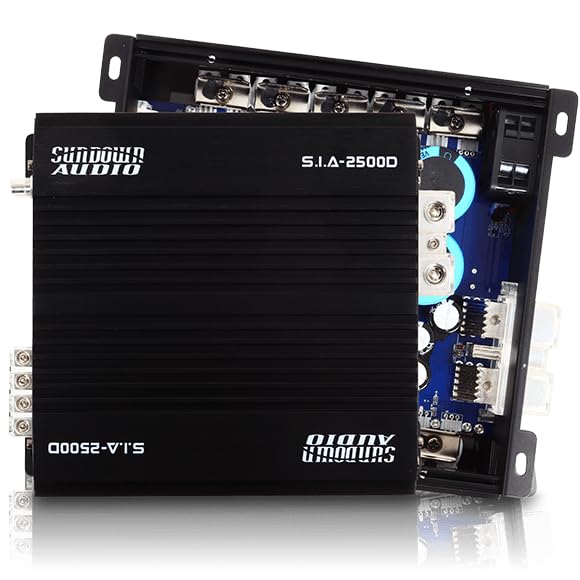
The KICKER 46CSC354 is the compact outlier: a 3.5-inch coaxial with a shallow 1-11/16-inch depth, built for tight dash and kick-panel spots. A quarter-inch shortfall in depth or cutout diameter usually means adapter rings or panel work. Measure first. If you later add an amplifier, a complete harness such as the BOSS Audio Systems KIT2 8 Gauge Car Amplifier Installation Wiring Kit supports that second stage without mixing speaker choice and power-wire choice into one guess.

2-Way Coaxial, Multi-Way, and Dedicated Midrange

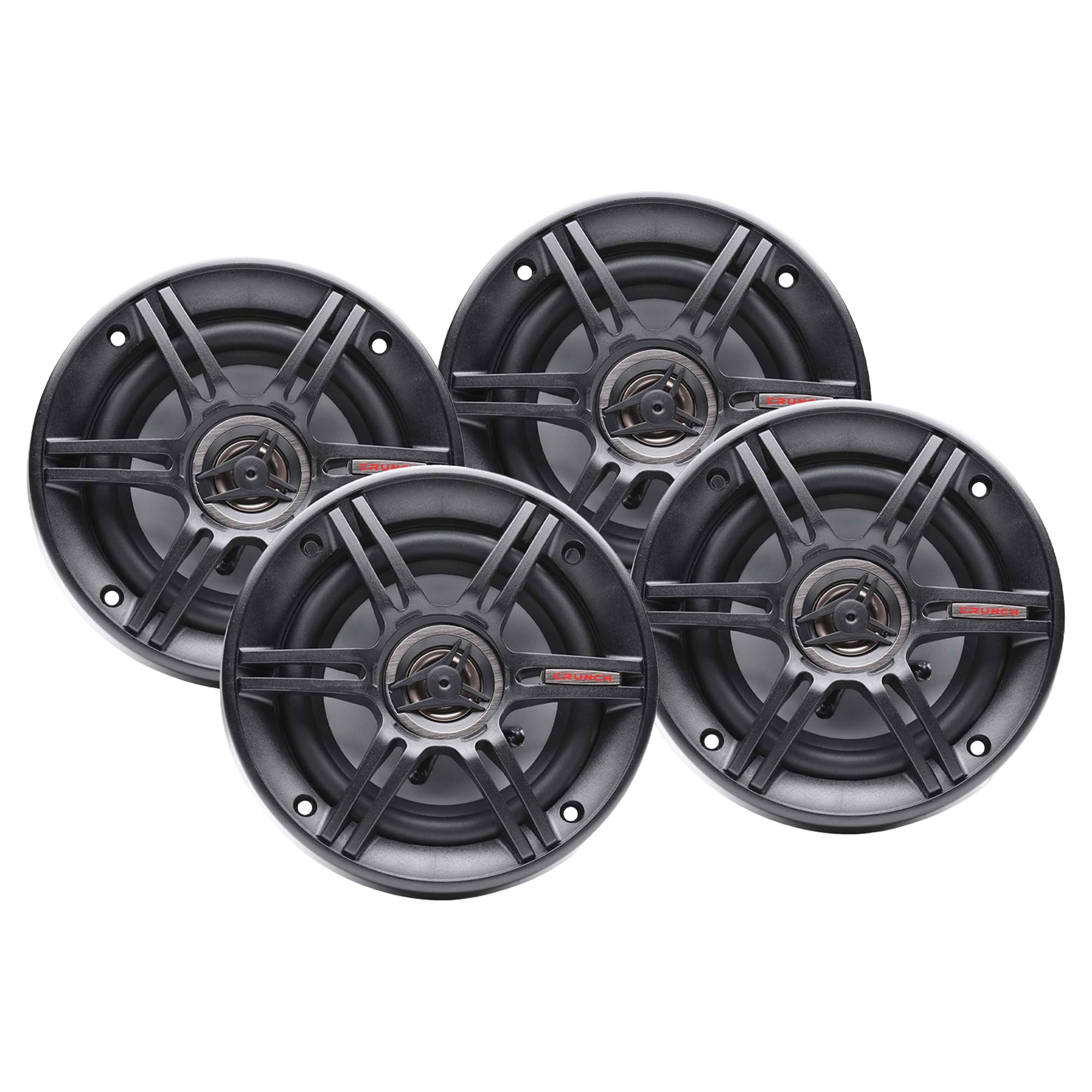
Layout changes imaging more than a peak-watt sticker does. The Kenwood KFC-1666S and Polk Audio DB652 are 2-way coaxials: a woofer plus a dedicated 1-inch balanced dome (Kenwood) or silk dome (Polk) tweeter. That arrangement keeps phase simpler and is the default choice for a door replacement that must play vocals and cymbals from one basket. The Pioneer TS-501M, BOSS CH6530, ORION CB693, and Pyle PL463BL add midrange or piezo elements as 3-way or 4-way units, which can widen coverage in a larger cabin but also add more crossover points.

The ORION Cobalt CM654 is not a coaxial at all. It is a high-efficiency 6.5-inch midrange bullet driver. It will not reproduce a full musical range on its own and expects matching high-frequency support plus amplification. Choose it for a component-style vocal stage, not as a drop-in factory speaker swap. For a simple daily upgrade, a 2-way 6.5-inch coaxial remains the cleaner path.

Individual Reviews

Kenwood KFC-1666S 6.5″ 2-Way Car Coaxial Speakers

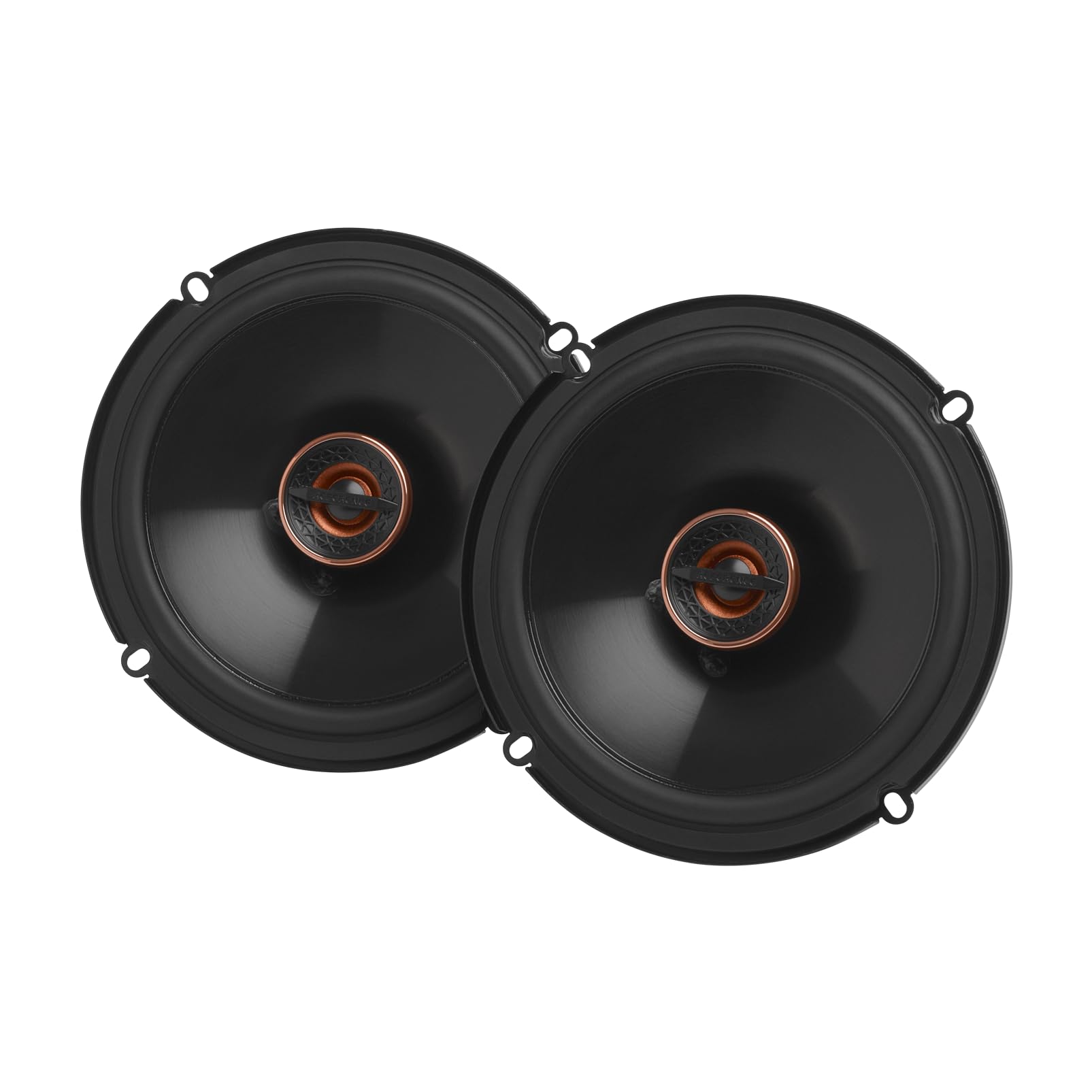
The Kenwood KFC-1666S is the most straightforward stock-system upgrade in this group. It is a 6.5-inch 2-way coaxial pair with a Sound Field Enhancer, a 1-inch balanced dome tweeter, 92 dB sensitivity, 30W rated input, and a 300W peak figure. Those specs line up with factory head-unit power: enough efficiency to restore volume and treble that worn OEM cones usually lose, without demanding an amplifier on day one.

The advantages are practical. 92 dB is well above typical factory efficiency, the balanced dome tweeter is there for focused highs rather than a piezo “tick,” and the 6.5-inch format matches the most common modern door. On modest continuous power, that combination favors clear daily listening—podcasts, streaming, and highway volume—without the early clipping that follows an inefficient speaker on a 15–20W OEM radio.

The limitation is headroom. A 30W rated input does not leave much room if you later add a four-channel amplifier. Treat the 300W peak label as a burst number, not a target. Buyers who already plan 75–100W per channel should look at a higher continuous rating rather than stretching this Kenwood past its rated input.

ORION Cobalt CM654 High Efficiency 6.5″ Mid-Range Bullet Loudspeakers

The CM654 is built for a different job than the coaxials around it. It is a 6.5-inch midrange bullet loudspeaker with 250W RMS, 1000W max, a 1.5-inch voice coil, and 96.67 dB efficiency. That is the highest continuous rating and the highest sensitivity figure in this comparison, aimed at dynamic vocals once the speaker is properly powered.

Those numbers are the selling point. 250W RMS and a 1.5-inch voice coil point to thermal capacity for sustained midrange drive, while 96.67 dB efficiency helps the driver stay loud and articulate instead of soaking up amplifier power. In an amplified door or kick-panel midrange role, it is the clear high-output choice versus a 30W or 50W coaxial.

It is not a full-range drop-in. You still need separate high-frequency support and an amplifier matched to that 250W RMS rating. Installing it on a stock radio as if it were a Kenwood-style coaxial wastes the design and leaves a hole in the treble. Choose it only if you are building a midrange-focused system, not replacing a factory 2-way speaker in one afternoon.

Polk Audio DB652 DB+ Series 6.5 Inch Marine Speakers

The Polk Audio DB652 is the weather-rated 6.5-inch option: a 2-way marine speaker with a polypropylene cone, silk dome tweeter, rubber surround, and IP56 certification for humidity and UV. That material set is the reason it belongs in boats, side-by-sides, convertibles, and any door that sees standing water or sun load the factory paper cone cannot survive.

IP56 certification, a poly cone, and a rubber surround are more useful here than a giant peak-watt claim. The silk dome keeps the 2-way layout familiar to anyone coming from a car coaxial, so the install still looks like a standard 6.5-inch swap. For open-air cabins, those durability specs matter more than squeezing the last decibel of sensitivity.

Continuous power handling is lower than dedicated high-RMS midrange designs such as the CM654. Do not expect this Polk to substitute for a 250W RMS bullet midrange, and do not skip a moisture-aware install just because the speaker is certified. It is the right 6.5-inch choice when the environment is the enemy, not when maximum vocal SPL is the goal.

KICKER 46CSC354 CS-Series CSC35 3.5-Inch Coaxial Speakers

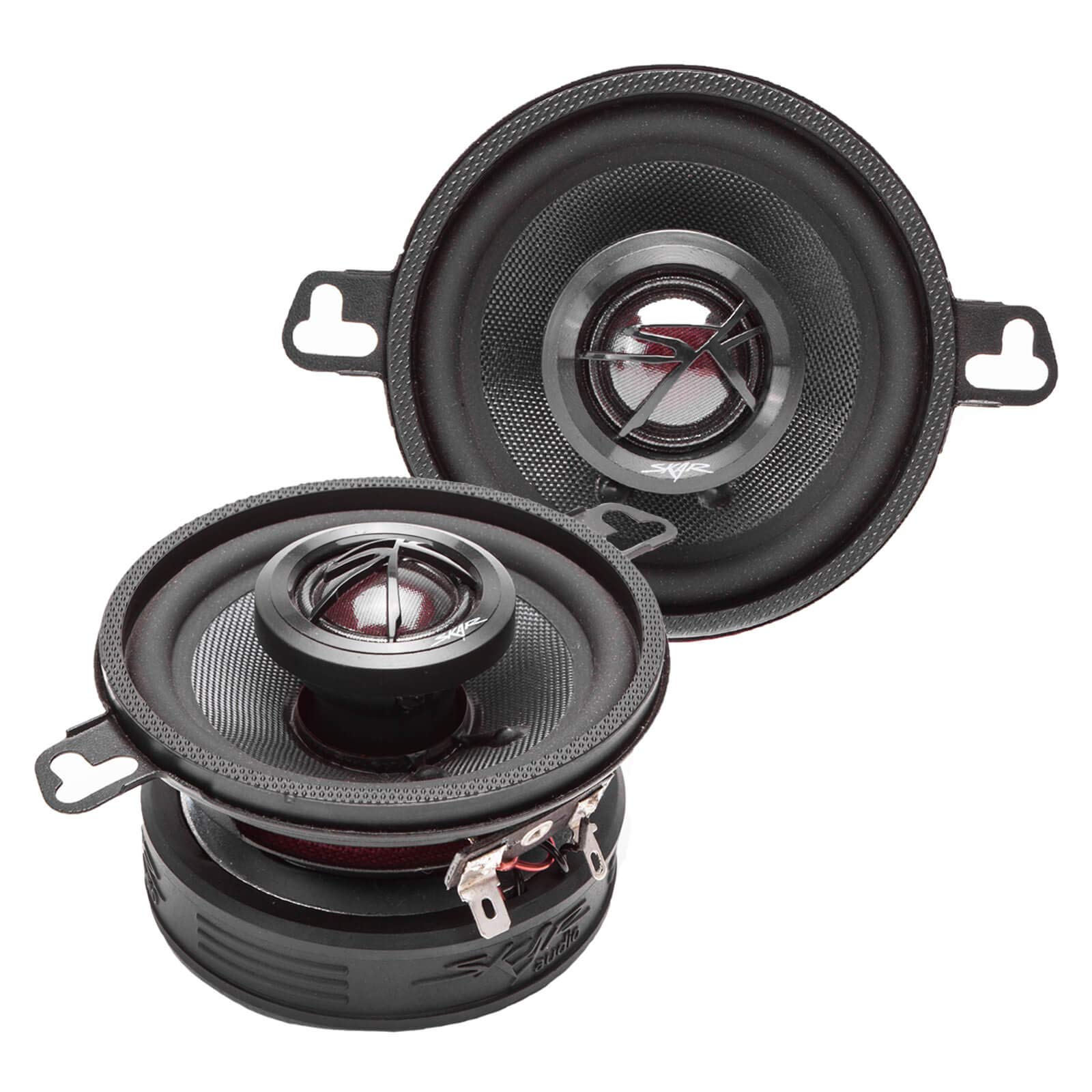
The KICKER CSC35 exists because many factory locations are not 6.5 inches. It is a 3.5-inch coaxial with PEI tweeters, 40W RMS power handling, and a shallow 1-11/16-inch mounting depth. That depth is the headline: it is the speaker in this list that can occupy dash corners, tight doors, and other compact OEM holes without a spacer stack.

At 40W RMS it actually out-specs the Kenwood’s 30W rated input on paper, which is useful on a small cone that needs every clean watt it can get. PEI tweeters give the compact basket a dedicated high-frequency element instead of a full-range 3.5-inch paper disc. If your vehicle only has 3.5-inch openings up front, this is the realistic replacement path.

Output still cannot match a 6.5-inch cone. A small radiator moves less air, so bass and overall stage will stay modest next to the Kenwood, Polk, or Orion 6.5-inch models. Do not buy the CSC35 as a “universal” upgrade if a true 6.5-inch hole is available; use it where depth and diameter leave no other option.

ORION Cobalt Series CB693 6×9” 3-Way Coaxial Car Speakers

The CB693 is the rear-deck specialist: a 6×9-inch 3-way coaxial with 80W RMS, a polypropylene cone, and a butyl rubber surround. The larger oval format and 3-way layout are meant for wider coverage behind the listeners, not as a stealth door speaker. 80W RMS sits well above the Kenwood’s 30W rated input and the Pioneer’s 50W continuous, so a modest amplifier can be a fair match if the rear channels are powered.

Polypropylene plus butyl rubber is a sensible surround and cone pairing for a deck that sees heat and sun through the back glass. The 3-way design adds extra elements for broader dispersion in a large cabin, which is the usual reason shoppers step up from a 2-way 6×9. As a rear fill speaker, those traits are more important than matching the CM654’s 96.67 dB midrange efficiency.

Fitment is not optional. You need a 6×9 cutout, and a loud rear deck can swamp a weaker front stage if the fronts stay at 30W rated coaxials. Balance the system: either keep rear levels in check or upgrade the front doors so the image does not pull backward. This is not a substitute for a 6.5-inch front pair.

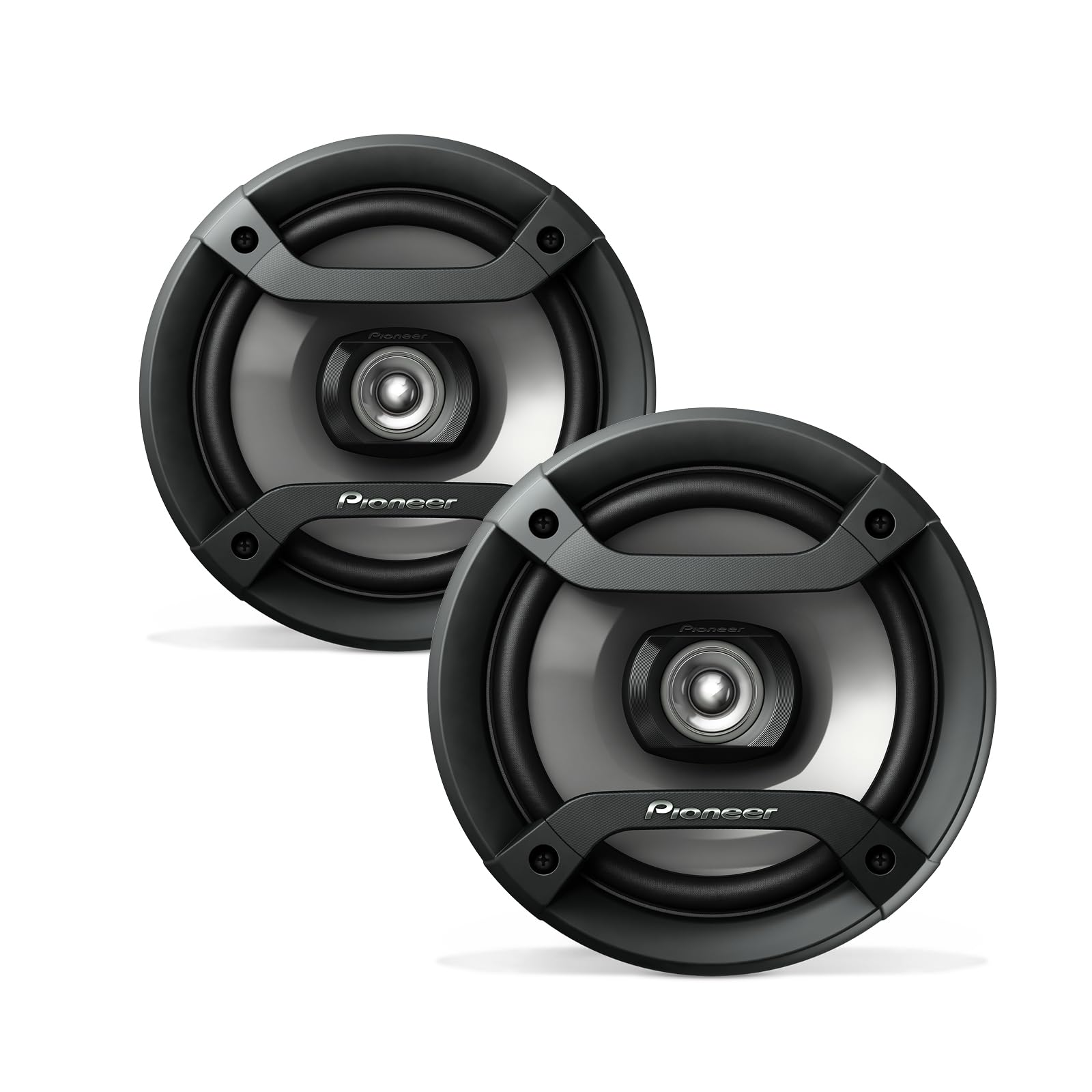
Pioneer TS-501M 5.25″ Multi-Way Speakers

The Pioneer TS-501M fills the 5.25-inch gap between compact 3.5-inch drivers and full 6.5-inch doors. Manufacturer data lists 50W continuous power and 89 dB sensitivity, with a multi-way layout that adds midrange or piezo elements rather than a simple 2-way dome tweeter. That makes it a size-first replacement for vehicles whose factory holes are 5.25 inches, not 6.5.

50W continuous is a step up from the Kenwood’s 30W rated input, so there is a bit more headroom if the head unit is stronger than a typical OEM radio. 89 dB is usable on factory power, though it is less efficient than Kenwood’s 92 dB and far below the CM654’s 96.67 dB. In the correct 5.25-inch opening, that trade-off is acceptable because forcing a 6.5-inch speaker into the same hole usually means adapters and poor sealing.

The main caveats are efficiency and format. At 89 dB you will turn the volume higher than with the Kenwood for the same loudness, and a multi-way 5.25-inch cone still will not move as much air as a 6.5-inch 2-way. Buy it to match the cutout. If the car already has 6.5-inch doors, the Kenwood or Polk is the more complete daily driver.

Which One Should You Buy?

If you are replacing tired 6.5-inch factory speakers and keeping the stock head unit, buy the Kenwood KFC-1666S. 92 dB sensitivity and a 1-inch balanced dome tweeter are the combination that restores clarity on 30W rated input, which is the power level most factory radios actually deliver. Skip peak-watt shopping. The Pioneer TS-501M (50W continuous, 89 dB) is the parallel choice only when the hole is 5.25 inches, and the KICKER 46CSC354 (40W RMS, 1-11/16-inch depth) is the parallel choice only when the opening is a shallow 3.5 inches. Size first, then efficiency.

If you already have or plan a four-channel amplifier and want vocals to stand forward, the ORION Cobalt CM654 is the high-output midrange in this group: 250W RMS, a 1.5-inch voice coil, and 96.67 dB efficiency. Budget for a matching tweeter or component high-frequency driver; it will not replace a coaxial by itself. For rear-deck fill in a 6×9 opening, the ORION Cobalt CB693 at 80W RMS, 3-way, with a polypropylene cone and butyl rubber surround is the fuller-range oval, provided the front stage can keep up.

If the vehicle lives with water, sun, or open air, the Polk Audio DB652 is the one that documents that use case: polypropylene cone, silk dome tweeter, rubber surround, and IP56 marine certification. Its continuous handling is not in the CM654’s class, and that is the correct trade. Match impedance to the head unit or amplifier, confirm mounting depth against the door, and treat RMS—not the 300W or 1000W peak print—as the number that protects the speakers.

FAQ

Should I shop by RMS or by the peak watt number on the box?

Use continuous ratings. The Kenwood KFC-1666S shows why the distinction matters: 30W rated input versus 300W peak. The ORION Cobalt CM654 lists 250W RMS and 1000W max; only the RMS figure should be matched to amplifier output. Peak numbers describe short bursts, not all-day volume.

What sensitivity do I need if I keep the factory radio?

Stay at 88 dB or higher, and prefer 90 dB and above. The Kenwood KFC-1666S at 92 dB is the efficiency pick for stock power in this group. The Pioneer TS-501M at 89 dB still works in a 5.25-inch hole but needs more volume for the same loudness. The CM654’s 96.67 dB is excellent, yet that driver still wants an amplifier and a separate tweeter.

Can I install a 6.5-inch speaker in any door?

No. Confirm cutout diameter and magnet clearance before you buy. 6.5-inch models such as the Kenwood, Polk DB652, and CM654 fit many modern doors when depth is near 2.1–2.75 inches. 5.25-inch locations need the Pioneer TS-501M, 3.5-inch shallow spots need the KICKER CSC35 (1-11/16 inches deep), 4×6 rectangles need a 4×6 speaker such as the Pyle three

Quick Answer

For most cars, the top car speakers are 6.5-inch two-way coaxials with high sensitivity on factory power. The Kenwood KFC-1666S (92 dB, 30W rated input) is the practical stock-stereo pick. Add the ORION Cobalt CM654 (250W RMS, 96.67 dB) if you run an amplifier, and match size plus RMS so doors fit and clipping stays away.

Comparison Table

Product Key Spec Best For Price Tier
Kenwood KFC-1666S 6.5″ 2-Way Coaxial 92 dB sensitivity, 30W rated input, 300W peak Stock head-unit 6.5-inch door upgrades Budget
ORION Cobalt CM654 6.5″ Mid-Range 250W RMS, 1000W max, 1.5″ voice coil, 96.67 dB Amplified high-output midrange / vocals Mid
Polk Audio DB652 DB+ 6.5″ Marine Polypropylene cone, silk dome, rubber surround, IP56 Boats, UTVs, weather-exposed installs Mid
KICKER 46CSC354 CS-Series 3.5″ Coaxial 40W RMS, 1-11/16″ mounting depth, PEI tweeters Tight factory 3.5-inch openings Budget
ORION Cobalt CB693 6×9″ 3-Way Coaxial 80W RMS, polypropylene cone, butyl rubber surround Rear-deck fuller-range coverage Mid
Pioneer TS-501M 5.25″ Multi-Way 50W continuous, 89 dB sensitivity 5.25-inch OEM replacements Budget

The Differences Explained

Continuous Power: 30W Rated Versus 250W RMS

Peak numbers on the box are not interchangeable. The Kenwood KFC-1666S is labeled 300 watts, but the rated input is 30W; that 300W figure is peak. The ORION Cobalt CM654 lists 250W RMS and 1000W max with a 1.5-inch voice coil, which is a different class of thermal and mechanical demand. Between those extremes, the KICKER 46CSC354 is 40W RMS, the Pioneer TS-501M is 50W continuous, and the ORION Cobalt CB693 is 80W RMS.

That spread decides the rest of the system. A factory head unit typically has modest continuous output per channel. Pairing it with a 30W–50W coaxial is a realistic match; feeding the same radio into a 250W RMS midrange leaves the speaker under-driven and invites clipping if you chase volume. Conversely, an amplifier that can hold high continuous watts per channel is what the CM654 is built for. Keep amplifier continuous output at or below the speaker’s RMS rating so heat and distortion do not outrun the voice coil.

Sensitivity: 89 dB to 96.67 dB

Sensitivity tells you how much sound you get from one watt. The Kenwood KFC-1666S is specified at 92 dB/w/m. The ORION Cobalt CM654 lists 96.67 dB efficiency. The Pioneer TS-501M sits at 89 dB, and the BOSS Audio Systems CH6530 is near 90 dB. A few decibels matter on factory power: moving from 89 dB to 92 dB is a clearly louder, cleaner result at the same volume knob, and 96.67 dB is another step up in output for a given watt.

Stock-stereo owners should treat 88 dB as a floor and prefer 90 dB and above. The Kenwood’s 92 dB rating is why it is the default 6.5-inch coaxial in this set. The CM654’s 96.67 dB figure plus 250W RMS is aimed at dynamic vocals after you add amplification, not at a quiet OEM radio. Lower-efficiency drivers need more amplifier power to reach the same cabin level; if you stay on a head unit, that extra demand shows up as clipping rather than clean loudness.

Size and Mounting Depth

Diameter and magnet clearance fail more installs than wattage charts. Common 6.5-inch models in this group—the Kenwood KFC-1666S, Polk Audio DB652, ORION Cobalt CM654, and BOSS CH6530—fit many modern doors when mounting depth stays near 2.1–2.75 inches. The KICKER 46CSC354 is a 3.5-inch coaxial with a shallow 1-11/16-inch depth for cramped dash or door pockets. The Pioneer TS-501M is for 5.25-inch locations. The ORION Cobalt CB693 is a 6×9 for rear decks, not a 6.5-inch door swap.

A quarter-inch shortfall in cutout or magnet height usually means adapter rings, spacers, or panel work. Rectangular 4×6 OEM holes need a 4×6 chassis such as the Pyle PL463BL rather than a round 6.5-inch basket. Measure cutout diameter and available depth before you buy; power handling is irrelevant if the speaker will not seat without grinding the window track or inner door skin.

Configuration: 2-Way Coaxial, Midrange, Marine, and 3-Way

These are not six versions of the same driver. The Kenwood KFC-1666S and Polk Audio DB652 are 2-way coaxials with a dedicated dome tweeter (1-inch balanced dome on the Kenwood; silk dome on the Polk) for a complete high-frequency path in one basket. The ORION Cobalt CM654 is a high-efficiency 6.5-inch mid-range bullet loudspeaker: it is built to throw vocals, not to replace a full-range coaxial. It needs separate high-frequency support and matching amplification.

The ORION Cobalt CB693 is a 6×9 3-way coaxial with a polypropylene cone and butyl rubber surround for wider rear-deck coverage. The Pioneer TS-501M is grouped with multi-way designs that add midrange or piezo elements for broader dispersion in 5.25-inch holes. The Polk DB652 adds a different split still: polypropylene cone, silk dome, rubber surround, and IP56 marine certification for humidity and UV, not a higher RMS race against the CM654. Choose the layout for the job—full-range door, amplified mid, weather, compact hole, or 6×9 deck—rather than ranking raw peak watts.

Individual Reviews

Kenwood KFC-1666S 300 Watts 6.5″ 2-Way Car Coaxial Speakers with Sound Field Enhancer – Pair

The Kenwood KFC-1666S is the default 6.5-inch coaxial when you are replacing tired factory doors and keeping the stock head unit. It is a 2-way design with a 1-inch balanced dome tweeter and Sound Field Enhancer, specified at 92 dB/w/m. The product name leads with 300 watts; the rated input is 30W. That combination—high sensitivity, modest continuous rating, full-range coaxial layout—is what most daily drivers actually need.

On factory power, 92 dB is the practical advantage. You get clearer output at the same volume setting than you would from an 89 dB 5.25-inch multi-way such as the Pioneer TS-501M, without adding an amplifier. The 6.5-inch size matches common modern door cutouts when depth is in the 2.1–2.75-inch range shared by the other 6.5-inch models here. For a first upgrade, that is a simpler path than a midrange-only driver or a 6×9 that only fits a rear deck.

The limit is headroom. 30W rated input leaves little room if you later add a 4-channel amplifier and try to push the pair hard. It is also not weather-certified like the Polk DB652, and it is not a 250W RMS midrange. Buy it for stock-radio clarity in 6.5-inch doors; do not buy it as the foundation of a high-power build.

ORION Cobalt CM654 High Efficiency 6.5″ Mid-Range Bullet Loudspeakers

The CM654 is the high-output midrange in this set, not a drop-in coaxial. Manufacturer data lists 250W RMS, 1000W max, a 1.5-inch voice coil, and 96.67 dB efficiency. Those numbers describe a driver meant to project vocals with an amplifier behind it. It still uses a 6.5-inch basket that can share door real estate with the Kenwood and Polk, but the acoustic job is different.

250W RMS and a 1.5-inch coil are the reasons it sits at the top of continuous-power handling here—more than three times the CB693’s 80W RMS and far above the Kenwood’s 30W rated input. 96.67 dB efficiency means those watts convert to level efficiently, which is what you want for dynamic mids once the amp is correctly set. If your goal is loud, clean vocals in a component-style or SQ/SPL midrange build, this is the specification match.

It will not replace a 2-way coaxial on its own. There is no integrated tweeter path like the Kenwood’s balanced dome or the Polk’s silk dome, so highs must come from separate drivers and a crossover. It also expects amplification; a factory radio cannot use 250W RMS and will clip if you only turn the volume up. Plan the amp, impedance match, and high-frequency support before you order.

Polk Audio DB652 DB+ Series 6.5 Inch Marine Speakers

The DB652 is the weather-exposed 6.5-inch 2-way in this comparison. Polk specifies a polypropylene cone, silk dome tweeter, rubber surround, and IP56 marine certification for humidity and UV. That package is aimed at boats, convertibles, UTVs, and other open-air or splash-prone installs where a standard door coaxial will age badly. It remains a full-range 2-way, so it can still play as a complete speaker, unlike the CM654 midrange.

IP56 plus a rubber surround and poly cone is the buying reason. Heat, spray, and sun kill untreated foam surrounds and paper cones; this design is specified against that failure mode. The silk dome gives a dedicated high-frequency element in the same way the Kenwood’s 1-inch balanced dome does, so you are not assembling a component set just to get weather resistance. Mounting stays in the common 6.5-inch, roughly 2.1–2.75-inch-depth group.

Continuous power handling is lower than dedicated high-RMS midrange designs such as the CM654’s 250W RMS. The listing here emphasizes materials and certification rather than a Kenwood-style 92 dB / 30W stock-radio story or an Orion-style 250W RMS figure. If the vehicle stays closed and dry, the Kenwood is the simpler factory-power coaxial. Choose the Polk when moisture and UV are part of the duty cycle.

KICKER 46CSC354 CS-Series CSC35 3.5-Inch Coaxial Speakers

The CSC35 exists because many factory spots are not 6.5 inches. It is a 3.5-inch coaxial with PEI tweeters, 40W RMS, and a shallow 1-11/16-inch mounting depth. That depth is the headline: several 6.5-inch models in this guide sit near 2.1–2.75 inches, which will not clear a tight dash, kick panel, or compact door pocket. If the opening is 3.5 inches, this is the size-correct coaxial, not a downsized compromise of a 6.5-inch basket.

40W RMS is higher than the Kenwood’s 30W rated input, so it is not the weakest continuous rating in the group, and PEI tweeters give it a real high-frequency element in a tiny chassis. For dash speakers, center fills, or older compact doors, that is a usable stock-power replacement. Shallow depth also reduces the chance of magnet-to-glass or inner-skin contact.

Output still cannot match a 6.5-inch cone. Surface area and cabin fill are limited; 40W RMS on a 3.5-inch driver will not keep up with an 80W RMS 6×9 on the rear deck or a 250W RMS 6.5-inch midrange up front if you mix sizes without planning levels. Use it where the hole demands 3.5 inches. Do not use it as a “small Kenwood” in a door that already accepts 6.5 inches.

ORION Cobalt Series CB693 6×9” 3-Way Coaxial Car Speakers

The CB693 is the rear-deck 6×9, not another 6.5-inch door speaker. It is a 3-way coaxial with 80W RMS, a polypropylene cone, and a butyl rubber surround. The larger oval chassis and 3-way layout are meant for wider coverage and a fuller rear stage—the role 6×9s have always had on parcels and hatches—rather than imaging from the front doors.

80W RMS sits in the middle of this comparison: well above the Kenwood 30W rated input, the Kicker 40W RMS, and the Pioneer 50W continuous, and well below the CM654’s 250W RMS. Polypropylene and butyl rubber are appropriate for a rear deck that sees sun and vibration. As a 3-way, it adds extra elements for broader dispersion in a large cabin, which is the opposite of the CM654’s midrange-only focus.

You need matching 6×9 cutouts. It will not drop into a 6.5-inch door, and if the fronts are modest 30W–40W coaxials, an 80W RMS 6×9 pair can pull the stage backward unless you balance levels. It is also not marine-certified like the Polk DB652. Buy it to fill a real 6×9 rear opening; keep the front stage on 6.5-inch 2-ways or a proper mid/tweet set so the deck does not dominate.

Pioneer TS-501M

The TS-501M is the 5.25-inch option when the factory hole is smaller than 6.5 inches but larger than the Kicker’s 3.5-inch opening. It is specified at 50W continuous and 89 dB sensitivity, and it is grouped with multi-way designs that add midrange or piezo elements rather than a simple 2-way dome layout like the Kenwood or Polk. That makes it a size-specific replacement, not a universal “best 6.5-inch” pick.

50W continuous is a step up from the Kenwood’s 30W rated input and the Kicker’s 40W RMS, so it has more rated headroom than those two coaxials if the head unit or small amp can use it. For vehicles whose OEM speakers are 5.25 inches, staying in that diameter avoids rings and panel cutting. Multi-way construction aims at wider coverage in that smaller round hole.

89 dB is the lowest sensitivity called out in this set—below the Kenwood’s 92 dB and far below the CM654’s 96.67 dB—so on a stock radio it will not play as loud or as clean at the same volume as the Kenwood in a 6.5-inch door. It also cannot match 6.5-inch cone area. If the car already takes 6.5-inch speakers, skip this size. If the cutout is 5.25 inches, match the hole and accept the efficiency trade-off, or plan a little more power than you would with a 92 dB coaxial.

Which One Should You Buy?

If you are replacing worn 6.5-inch factory speakers and keeping the stock head unit, buy the Kenwood KFC-1666S. 92 dB sensitivity and a 1-inch balanced dome tweeter are the right tools for modest continuous power; the 30W rated input is a ceiling, not a defect, until you add an amp. If your doors are 5.25 inches, use the Pioneer TS-501M (50W continuous, 89 dB) instead of forcing a 6.5-inch basket. If the opening is a tight 3.5 inches, the KICKER 46CSC354 (40W RMS, 1-11/16-inch depth) is the fit-first coaxial.

If you are building volume and vocal impact with a real amplifier, the ORION Cobalt CM654 is the specification outlier: 250W RMS, 1.5-inch voice coil, 96.67 dB. Budget for matching amplification, a high-frequency driver, and a crossover; it is not a one-pair factory swap. For a 6×9 rear deck that needs fuller range, the ORION Cobalt CB693 (80W RMS, 3-way, polypropylene cone, butyl rubber surround) is the format match—keep front speakers from being drowned by setting levels, not by mixing random sizes.

If the speakers see spray, humidity, or sun—boat, Jeep, UTV, convertible—the Polk Audio DB652 is the one with polypropylene, silk dome, rubber surround, and IP56 certification. Do not substitute peak-watt coaxials for that duty. Across every path, measure cutout and depth first, then match RMS to the source: stock radios belong with high-sensitivity 30W–50W full-range speakers; amplifiers belong with the CM654’s 250W RMS midrange. Ignore 300W and 1000W peak labels when those continuous numbers already tell you the class.

FAQ

Should I trust peak watts or RMS?

Use continuous ratings. The Kenwood KFC-1666S is 30W rated input versus 300W peak; the ORION CM654 is 250W RMS versus 1000W max. Peak describes short bursts. RMS (or rated/continuous input) is what the speaker can sustain. Match amplifier continuous watts per channel to that number, not to the larger peak claim.

What sensitivity do I need for a factory stereo?

Prefer 88 dB or higher, and 90 dB-plus when you can get it. The Kenwood KFC-1666S at 92 dB and the ORION CM654 at 96.67 dB both convert limited watts into more output than the Pioneer TS-501M at 89 dB. Higher sensitivity means the same volume knob is louder and cleaner before the head unit clips.

Will 6.5-inch speakers fit my car?

Only if the factory hole is 6.5 inches and magnet depth is free—often near 2.1–2.75 inches for the Kenwood, Polk DB652, CM654, and similar 6.5-inch models here. 5.25-inch locations need the Pioneer TS-501M. Tight 3.5-inch spots need the KICKER 46CSC354’s 1-11/16-inch depth. 6×9 decks need the CB693. Measure before you order.

Do I need an amplifier for these speakers?

Not for the Kenwood KFC-1666S, Kicker CSC35, or Pioneer TS-501M on a healthy stock radio; those continuous ratings (30W rated, 40W RMS, 50W continuous) align with factory power when sensitivity is respectable. The ORION CM654’s 250W RMS midrange does need matching amplification and separate highs. Adding a 4-channel amp later also outgrows the Kenwood’s 30W rated input.

Are marine speakers better in a normal car?

Not for sound class—for environment. The Polk DB652’s IP56 rating, polypropylene cone, silk dome, and rubber surround target moisture and UV. In a closed daily driver, the Kenwood’s 92 dB 2-way coaxial is the more direct stock-power upgrade. Use marine-rated speakers when the install is actually exposed; do not assume IP56 equals higher RMS than the CM654.

Affiliate Disclosure

This article contains affiliate links. If you purchase through those links, we may earn a commission at no additional cost to you. As an Amazon Associate, we earn from qualifying purchases. Specifications cited here come from manufacturer-listed ratings and features (RMS or rated input, peak power, sensitivity, voice-coil size, mounting depth, cone/surround materials, and certifications). Listings and published specs can change; confirm fitment, impedance, and power ratings on the product page and against your vehicle’s cutout before you buy.