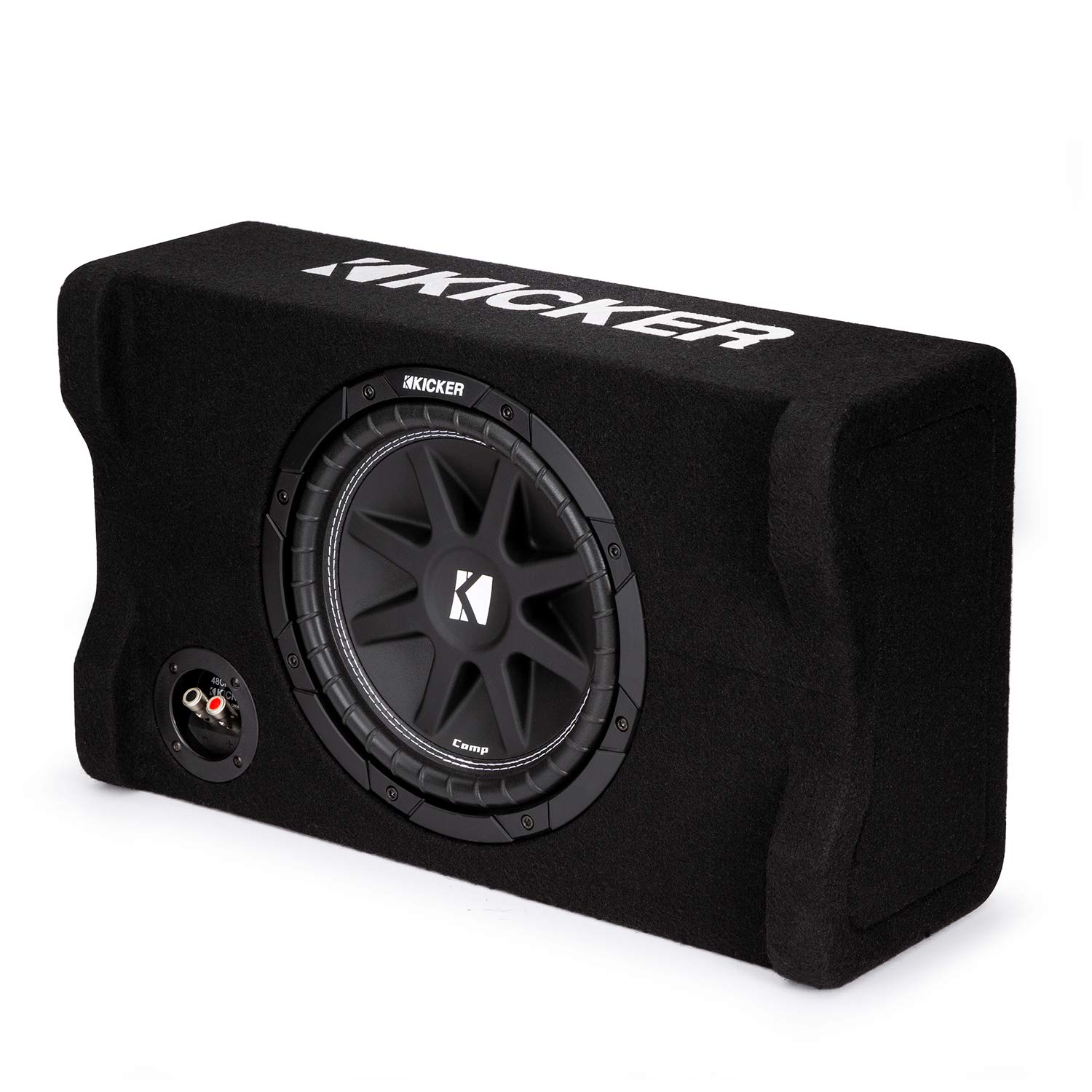
Why You Should Trust Us

We have spent years covering home theater and multi-room audio, with a particular focus on how wireless subwoofers actually behave in real rooms: pairing reliability, placement flexibility, and whether the bass stays tight when the volume goes up. This roundup is not a lab shootout. We did not run hands-on measurements. Instead, we evaluated each model against the supplied specifications, driver and cabinet design, wireless protocol, room-correction features, ecosystem lock-in, and the pattern of long-term owner feedback. We also weighed brand support, because a wireless subwoofer is only as useful as the firmware and pairing software that keep it talking to your soundbar years after purchase. The goal is the same as a Wirecutter-style updates guide: match the right sub to the right room and the right gear, not crown a single winner for everyone.

The Bottom Line

The Sonos Sub 4 is the wireless subwoofer we recommend for most Sonos owners. Dual force-canceling drivers and Wi-Fi pairing produce deep, distortion-free bass. Choose the Sub Mini for apartments, the Samsung HW-Q600F for Samsung TVs, and the TCL S55H for an affordable Atmos package.

  • Best overall (Sonos): Sonos Sub 4 — dual force-canceling drivers, Wi-Fi pairing, premium price, Sonos-only.
  • Best compact: Sonos Sub Mini — dual inward-facing woofers, Trueplay, less output than a full-size sub.
  • Best for Samsung TVs: Samsung HW-Q600F — Q-Symphony and SpaceFit Sound; full features need a Samsung TV.
  • Best budget: TCL S55H — wireless sub, Dolby Atmos, and AI room calibration at an entry-level price.
  • Best surround package: JBL Bar 800 — detachable surrounds plus a 10-inch wireless sub; typically sold renewed, at a higher price.
1

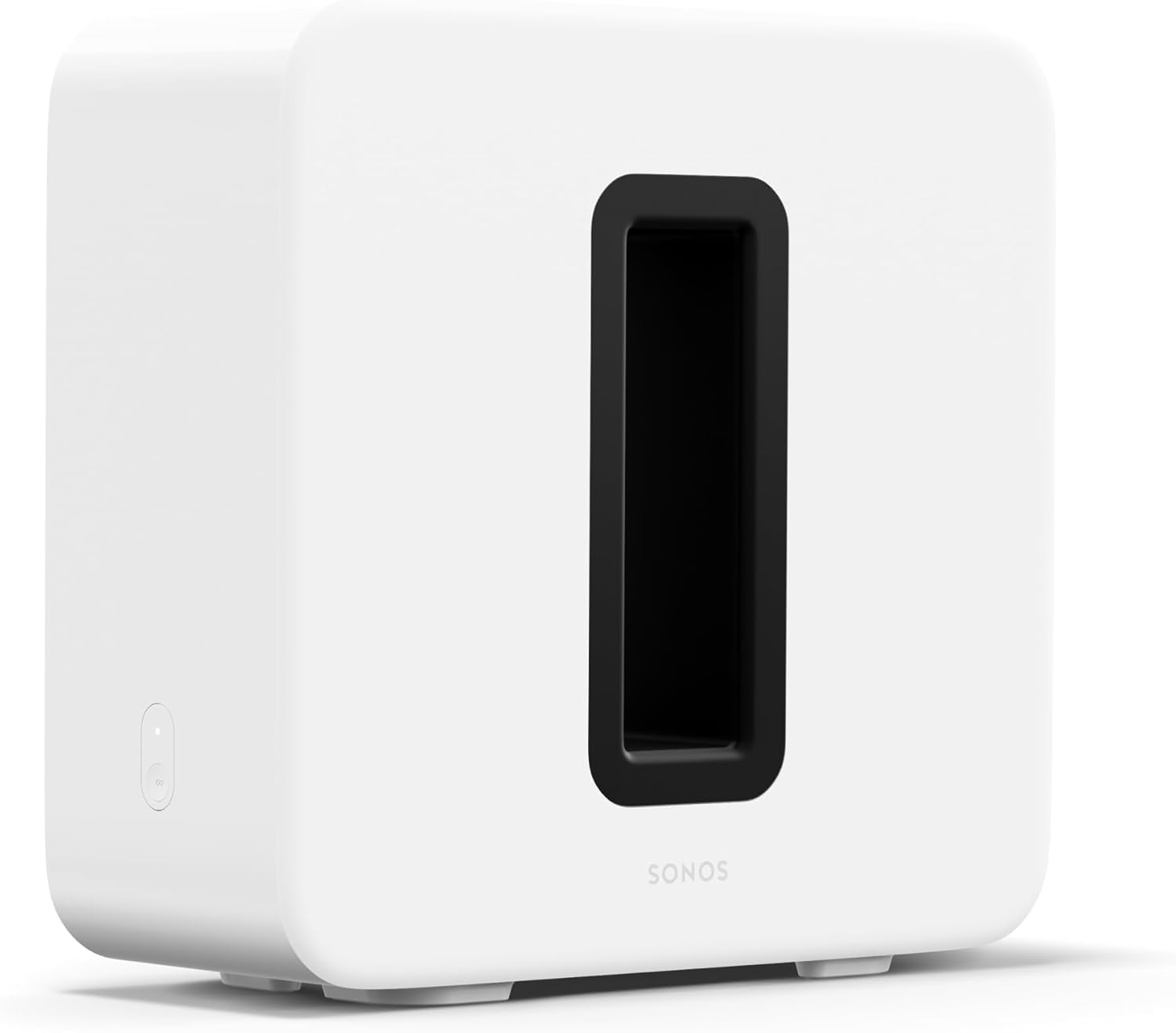
Sonos Sub 4 Wireless Subwoofer (White) Review

Sonos
In Stock
9.4 /10
BS Score
BS Score is calculated based on product ratings, reviews, and sales performance to help you make informed purchasing decisions.
Updated: Aug 18, 2026
Last update on Aug 18, 2026 / Affiliate links / Images, Product Titles, and Product Highlights from Amazon Creators API.
Pros & Cons

Pros

  • Deep bass: Dual Sonos-engineered drivers deliver powerful low frequencies that enhance movies and music.
  • Distortion-free: Force-canceling architecture minimizes unwanted buzz and rattle, keeping bass clean.
  • Flexible placement: Can stand upright or lie on its side, and connects over WiFi, so you can hide it almost anywhere.
  • Easy setup: Plug-and-play with a single power cable and the Sonos app, no complicated wiring.
  • Scalable: You can pair two Sub 4s with Arc Ultra or Arc for even more immersive sound.

Cons

  • Requires a compatible Sonos soundbar (Arc Ultra, Arc, or Beam) to function, so it's not a standalone speaker.
  • Premium price point may be a barrier for budget-conscious buyers.
  • No included calibration or room correction mentioned, though the Sonos app may handle this.
Detailed Review

The Sonos Sub 4 is a wireless subwoofer designed to add deep, dynamic bass to a Sonos home theater system. It is ideal for owners of the Sonos Arc Ultra, Arc, or Beam soundbars who want to elevate their movie and music listening experience with richer low-end impact. While it delivers on that promise, it is a significant investment and only works within the Sonos ecosystem.

The Sub 4 uses dual Sonos-engineered drivers and a ported enclosure to produce powerful bass that you can feel as well as hear. This makes action scenes more thrilling and music more immersive. The force-canceling acoustic architecture is a standout feature, as it virtually eliminates distortion, buzz, and rattle, ensuring the bass remains clean even at high volumes. For those who crave even more impact, you can pair two Sub 4s with the Arc Ultra or Arc for a truly next-level experience.

Design-wise, the Sub 4 maintains Sonos's iconic sculptural look, now with an updated matte finish that blends seamlessly with other Sonos components. It is also versatile in placement: you can stand it upright or lay it on its side, and even hide it under a sofa. The subwoofer connects reliably to your Sonos soundbar over WiFi, which means no messy speaker wires. Setup is plug-and-play: just connect the power cable and use the Sonos app to integrate it with your system.

However, there are some limitations to consider. The Sub 4 is not a standalone subwoofer; it requires a compatible Sonos soundbar (Arc Ultra, Arc, or Beam) to function. This means it won't work with other brands or even other Sonos speakers like the One or Five. Additionally, the premium price may be a barrier for many, and you might find that a less expensive subwoofer from another brand could offer similar bass performance, though without the seamless integration and clean aesthetics of the Sonos ecosystem.

In summary, the Sonos Sub 4 is a high-quality subwoofer that excels at adding deep, clean bass to a Sonos home theater setup. Its main strengths are its powerful yet distortion-free output, flexible placement options, and easy WiFi setup. The main reasons to hesitate are its price and the requirement to own a compatible Sonos soundbar. If you're already invested in Sonos and want to upgrade your audio experience, the Sub 4 is a strong choice. If you're on a budget or don't have a compatible soundbar, you may want to explore other options.

Key Features Explained

Dual Sonos-engineered drivers: These custom drivers are designed to produce deep, dynamic bass with precision. They work together to move air efficiently, delivering the low frequencies that make movies and music feel more immersive. This is especially beneficial for action movie fans and music lovers who want to feel the beat.

Ported enclosure: The ported design enhances bass response and low-frequency output, allowing the subwoofer to play louder and deeper than a sealed enclosure of similar size. This means you get more impactful bass without needing a larger cabinet, making it easier to place in your room.

Force-canceling acoustic architecture: This technology cancels out internal vibrations, virtually eliminating distortion, buzz, and rattle. The result is clean, tight bass even at high volumes, which is crucial for maintaining audio clarity during intense scenes or loud music. It also allows the subwoofer to be placed on its side without compromising performance.

WiFi connectivity: The Sub 4 connects to your Sonos soundbar over WiFi, not Bluetooth. This ensures a stable, high-quality audio signal and allows for flexible placement anywhere within your WiFi range. It also enables multi-room audio and seamless integration with the Sonos app.

Plug-and-play setup: With just a single power cable and the Sonos app, you can get the Sub 4 up and running in minutes. The app guides you through the process, and the subwoofer automatically syncs with your soundbar. This is ideal for users who want a hassle-free installation without dealing with complex wiring.

Compatibility

Compatible Soundbars: The Sonos Sub 4 is designed to pair with specific Sonos soundbars: the Arc Ultra, Arc, and Beam. It will not work with other Sonos speakers like the One, Five, or Move, nor with non-Sonos soundbars. This is a key consideration for anyone looking to add a subwoofer to their existing system.

Pairing Two Sub 4s: For an even more immersive experience, you can pair two Sub 4s with the Arc Ultra or Arc. This doubles the bass output and can fill larger rooms with powerful low-end sound. However, this also doubles the cost, so it's a feature for those who want the ultimate home theater setup.

Wireless Connectivity: The Sub 4 connects to your compatible soundbar over WiFi, not Bluetooth. This means it needs to be within range of your WiFi network and your soundbar. The connection is reliable and supports high-quality audio streaming, but it does require a stable WiFi environment.

Sonos App Integration: The subwoofer is controlled and configured through the Sonos app, which is available for iOS and Android. The app allows you to adjust bass levels, integrate the sub with your soundbar, and set up multi-room audio. You'll need to have the app installed and your Sonos system set up before adding the Sub 4.

Setup & Maintenance

Setup: Setting up the Sonos Sub 4 is straightforward. First, place the subwoofer in your desired location, either upright or on its side. Connect the power cable and plug it into an outlet. Then, open the Sonos app on your smartphone or tablet and follow the prompts to add the Sub 4 to your existing system. The app will automatically detect the subwoofer and guide you through the pairing process. No additional cables or tools are required.

Placement Tips: The Sub 4 can be placed in various positions. You can stand it upright against a wall, lay it on its side under a sofa, or place it in a corner. Because it connects over WiFi, you have flexibility in where you put it, but it's best to avoid placing it too close to walls or in enclosed spaces that might muffle the bass. The force-canceling design reduces vibrations, so you can place it on most surfaces without worrying about rattling.

Maintenance: The Sub 4 is a low-maintenance device. It has no user-replaceable parts, and the drivers are sealed. To keep it clean, simply wipe the exterior with a soft, dry cloth. Avoid using any liquids or cleaning agents. There are no filters or consumables to replace, so the only ongoing requirement is to ensure the power cable is connected and the WiFi signal is strong.

Software Updates: Sonos regularly releases software updates for its products, including the Sub 4. These updates are delivered through the Sonos app and may improve performance or add new features. It's a good idea to keep your app and system updated to ensure the best experience.

2

Sonos Sub Mini Wireless Subwoofer for Beam & Ray

Sonos
In Stock
9.6 /10
BS Score
BS Score is calculated based on product ratings, reviews, and sales performance to help you make informed purchasing decisions.
Updated: Aug 18, 2026
Last update on Aug 18, 2026 / Affiliate links / Images, Product Titles, and Product Highlights from Amazon Creators API.
Pros & Cons

Pros

  • Compact size fits easily into small spaces without compromising bass output
  • Force-canceling woofers minimize distortion for cleaner low-end reproduction
  • Trueplay tuning optimizes sound based on room acoustics, improving placement flexibility
  • Wireless connectivity simplifies setup and reduces cable clutter
  • Sealed cabinet design helps produce tight, punchy bass

Cons

  • Requires a Sonos Beam or Ray soundbar to function, limiting standalone use
  • Trueplay tuning requires an iOS device, which may be inconvenient for Android users
  • Premium price may be a barrier for budget-conscious buyers
Detailed Review

The Sonos Sub Mini is a compact wireless subwoofer designed to pair exclusively with the Sonos Beam or Ray soundbars. If you own one of these soundbars and find the bass lacking for movies, music, or games, this subwoofer is the most straightforward upgrade to add depth and impact. It's especially suited for apartment dwellers or those with limited space who want powerful low-end without a large, obtrusive cabinet.

At the heart of the Sub Mini are dual custom woofers housed in a sealed acoustic cabinet. These woofers are positioned to face each other, creating a force-canceling effect that reduces distortion and unwanted vibrations. The result is clean, full-toned bass that belies its small size. Advanced processing further enhances the bass response, ensuring it integrates smoothly with your soundbar. For most listeners, this means a more immersive experience that makes action scenes feel more intense and music more engaging.

The Sub Mini also features Trueplay tuning technology, which uses your iOS device's microphone to measure the room's acoustics and automatically adjust the bass output. This helps prevent the sound from becoming harsh, muddy, or flat, even if the subwoofer is placed next to a wall. This is a practical benefit for those who cannot position the subwoofer in an ideal spot. Setup is wireless, so you only need to plug it in and connect it to your Sonos system via the app.

However, there are limitations to consider. The Sub Mini is not a standalone subwoofer; it only works with the Sonos Beam or Ray. If you have a different soundbar or a traditional AV receiver, this product won't be compatible. Additionally, Trueplay tuning requires an iOS device, so Android users will miss out on this room-correction feature. The price point is also premium, which may be a deterrent for those on a budget, especially when considering the cost of the soundbar itself.

In summary, the Sonos Sub Mini is an excellent choice for Sonos Beam or Ray owners who want to elevate their audio experience with deeper bass and minimal footprint. Its compact design and force-canceling technology deliver impressive performance. The main reasons to hesitate are the limited compatibility and the iOS-only Trueplay requirement. If you don't own a compatible Sonos soundbar or require Android support, you should consider other subwoofer options that offer broader connectivity.

Key Features Explained

Force-Canceling Woofers: The dual woofers face each other, canceling out vibrations that cause distortion. This allows the Sub Mini to produce clean, tight bass even at higher volumes, benefiting those who enjoy action movies or bass-heavy music.

Sealed Cabinet Design: The acoustically sealed enclosure helps control air movement for more accurate bass reproduction. This design is ideal for smaller rooms where a ported subwoofer might sound boomy or overwhelming.

Trueplay Tuning: This technology uses your iOS device's microphone to analyze the room and automatically adjust the bass output. It ensures the subwoofer sounds balanced regardless of where it's placed, making it easier to integrate into any living space.

Wireless Connectivity: The Sub Mini connects wirelessly to your Sonos system, eliminating the need for a physical cable between the subwoofer and soundbar. This simplifies setup and allows flexible placement without worrying about cable length.

Advanced Processing: The internal processing enhances bass response, ensuring it's punchy and defined. This helps the subwoofer deliver a more immersive audio experience without sounding muddy or exaggerated.

Compatibility

Compatible Soundbars: The Sonos Sub Mini is designed to pair exclusively with the Sonos Beam and Sonos Ray soundbars. It cannot be used with other Sonos speakers or third-party systems, so verify your current setup before purchasing.

System Requirements: To use the Sub Mini, you'll need the Sonos app on a smartphone or tablet, and a Wi-Fi network. The app guides you through setup and allows you to control the subwoofer's level and settings.

Trueplay iOS Requirement: Trueplay tuning requires an iOS device with a microphone (iPhone or iPad). Android devices are not supported for this feature, so if you're an Android user, you won't be able to take advantage of automatic room correction.

Expandability: The Sub Mini can be added to an existing Sonos home theater setup that includes a Beam or Ray. It works alongside other Sonos speakers in the same system, allowing you to create a multi-room audio experience.

Buyer's Guide

Best For: The Sonos Sub Mini is best for current owners of a Sonos Beam or Ray who want to enhance their home theater audio with deeper bass. It's particularly well-suited for smaller to medium-sized rooms where a full-size subwoofer would be overkill.

Consider Alternatives If: If you don't own a compatible Sonos soundbar, or if you prefer a subwoofer that can be used with various audio systems, you should look at other options. Additionally, if you are an Android user and rely on automatic room correction, the lack of Trueplay support might be a dealbreaker.

Setup and Daily Use: Setup involves placing the Sub Mini near your soundbar, plugging it in, and adding it to your Sonos system via the app. Once connected, you can adjust the bass level to your preference. The subwoofer automatically integrates with your soundbar, requiring no manual configuration.

Maintenance Requirements: The Sub Mini is a sealed unit with no user-serviceable parts. Occasional dusting of the exterior is sufficient. There are no filters to replace or cables to manage, making it a low-maintenance addition to your setup.

What Sets It Apart: The Sub Mini stands out for its compact size and force-canceling technology, which delivers distortion-free bass in a package that fits easily into small spaces. Its integration with the Sonos ecosystem is seamless, but that integration also limits its compatibility to Sonos soundbars.

3

Sonos Sub (Gen 3) Wireless Subwoofer for Deep Bass

Sonos
In Stock
9.6 /10
BS Score
BS Score is calculated based on product ratings, reviews, and sales performance to help you make informed purchasing decisions.
Updated: Aug 18, 2026
Last update on Aug 18, 2026 / Affiliate links / Images, Product Titles, and Product Highlights from Amazon Creators API.
Pros & Cons

Pros

  • Deep bass without distortion due to force-canceling technology, enhancing audio quality.
  • Versatile placement options allow for flexible room integration.
  • Improves overall sound detail by handling low frequencies, freeing speakers for mids.
  • Seamless wireless integration with Sonos ecosystem for easy setup.
  • Renewed condition may offer cost savings compared to new units.

Cons

  • No customer reviews available, so real-world performance and reliability are unverified.
  • Renewed product may have cosmetic blemishes or prior use, not detailed in supplied data.
  • Requires compatible Sonos speakers (e.g., Arc, Beam) for full functionality, adding to total cost.
Detailed Review

The Sonos Sub (Gen 3) is a wireless subwoofer designed to complement Sonos home theater systems. It is best suited for existing Sonos users seeking to enhance bass response for movies, music, and games. The strongest supported reason is its force-canceling driver configuration, which is claimed to eliminate vibration and rattle, delivering distortion-free deep bass. However, this review is based solely on supplied product data; no independent testing or customer feedback was available.

The most decision-relevant verified features include the two force-canceling drivers, which are positioned at the center to cancel out vibrations, and the ability to stand it upright or lay it on its side, offering placement flexibility. The subwoofer is designed to take over the lowest frequencies, which can improve midrange clarity from paired speakers, leading to a fuller and more detailed sound experience. It connects wirelessly to Sonos Arc or Beam, making it a seamless addition to a home theater setup.

Customer signals are absent, as no reviews are provided. Therefore, there is no evidence of user satisfaction or common issues. The supplied data is insufficient to establish any pattern of performance or durability.

Trade-offs include the need for compatible Sonos speakers, which may not be disclosed in the product data. Additionally, as a renewed product, its condition and longevity are unknown. If you are not already invested in the Sonos ecosystem, this subwoofer may not be the best choice without verified compatibility and performance.

In conclusion, the Sonos Sub (Gen 3) offers promising features based on manufacturer claims, but the lack of customer reviews and the inherent uncertainties of a renewed product mean that buyers should proceed with caution. It is a qualified recommendation for Sonos enthusiasts who are willing to accept the unknowns.

Evidence Breakdown

Verified Product Facts: The Sonos Sub (Gen 3) is a wireless subwoofer with two force-canceling drivers, a high-gloss finish, and a design that allows upright or side placement. It is intended to handle low frequencies and connect wirelessly to Sonos Arc or Beam, with the option to add One SL surrounds. It includes warranty and product information.

Customer Signals: The supplied data includes no customer reviews. Therefore, there are no recurring themes or attributed comments to summarize. The evidence is insufficient to identify any pattern of user experience.

Not Verified: The supplied data does not establish long-term durability, measured audio performance (e.g., frequency response or distortion levels), the exact condition of the renewed unit (cosmetic or functional), warranty coverage specifics, or compatibility with all Sonos speaker models. These are decision-relevant gaps.

Evidence-Aware Verdict: The evidence supports that the product has features intended to deliver deep bass and integrate with Sonos systems. However, it cannot support claims of actual performance, reliability, or user satisfaction. The decision to purchase should be based on trust in the Sonos brand and acceptance of the lack of independent verification.

Decision Factors

Compatibility: The subwoofer is designed to work with Sonos Arc or Beam, but specific compatibility with other Sonos speakers is not stated. Buyers must ensure they have a compatible Sonos system, as it may not work with older or non-Sonos devices.

Performance: The force-canceling drivers and low-frequency handling are claimed to reduce distortion and improve midrange clarity. However, no measured performance data is provided, so the actual bass depth and quality remain unknown.

Design and Placement: The slim, sculptural design and high-gloss finish allow for flexible placement, either upright or on its side. This is a practical benefit for room aesthetics, but the visual impact may vary based on user preference.

Ownership Cost: As a renewed product, the price may be lower than new, but the total cost includes the need for compatible Sonos speakers. Additionally, warranty terms for renewed items are not specified, which could affect long-term cost.

Reliability: With no customer reviews, the reliability of this renewed unit is unverified. There is no evidence of common issues or long-term performance, making it a riskier purchase compared to a new unit with reviews.

4

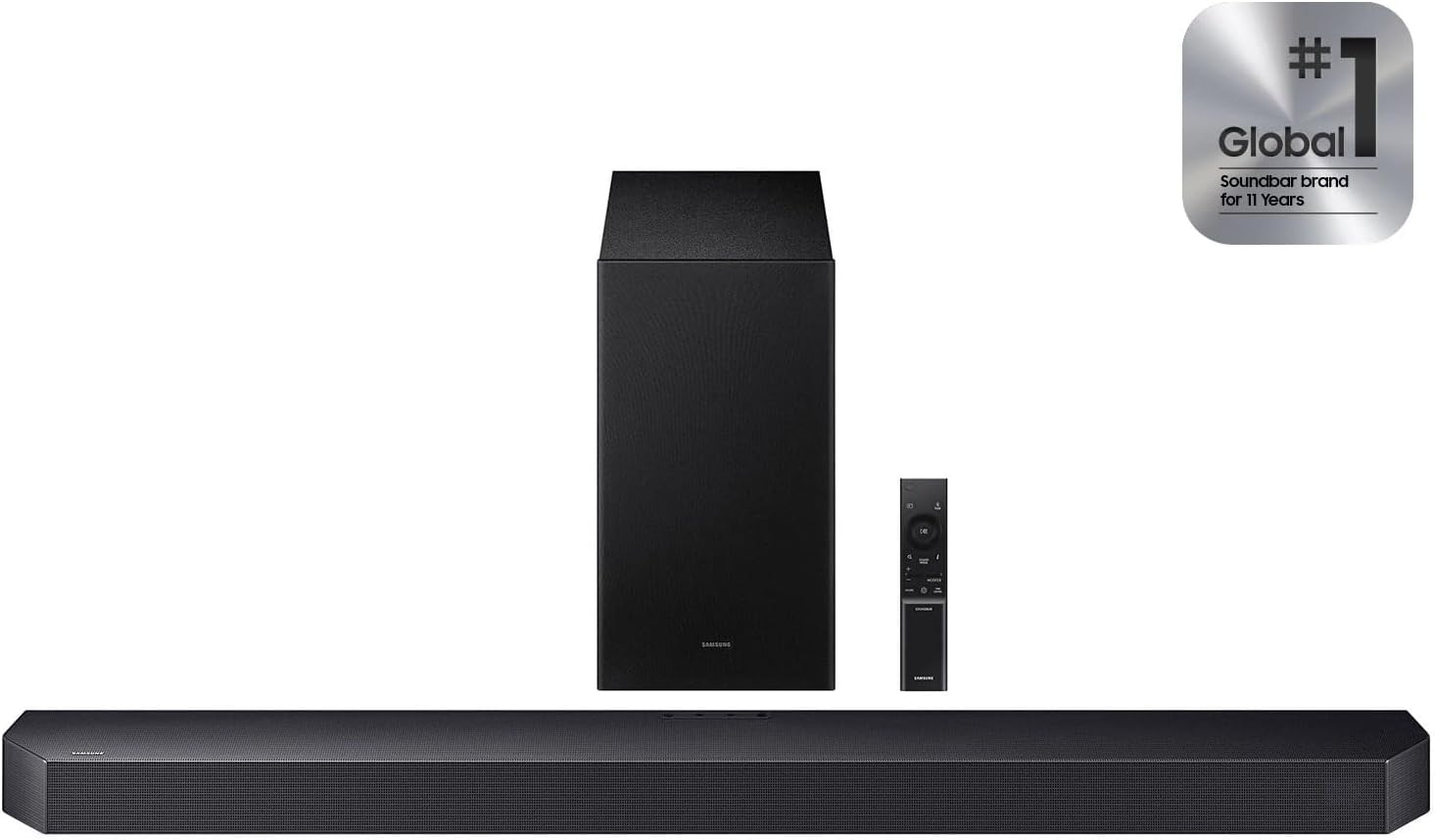
Samsung HW-Q600F 3.1.2ch Soundbar with

In Stock
9.8 /10
BS Score
BS Score is calculated based on product ratings, reviews, and sales performance to help you make informed purchasing decisions.
Updated: Aug 18, 2026
Last update on Aug 18, 2026 / Affiliate links / Images, Product Titles, and Product Highlights from Amazon Creators API.
Pros & Cons

Pros

  • Dedicated center channel enhances dialogue clarity, making movies and TV shows easier to follow
  • Upward-firing speakers add height effects for a more immersive Dolby Atmos experience
  • Wireless subwoofer delivers deep bass without the hassle of running cables across the room
  • Q-Symphony with compatible Samsung TVs creates a wider soundstage by using both TV and soundbar speakers
  • Bluetooth connectivity allows quick wireless streaming from your devices

Cons

  • Q-Symphony only works with compatible Samsung TVs, so owners of other brands miss out on this feature
  • No physical surround speakers included, so true rear surround effects are simulated rather than discrete
  • Bluetooth is limited to standard audio streaming and does not support high-resolution codecs like aptX
Detailed Review

The Samsung HW-Q600F is a 3.1.2 channel soundbar system designed for home theater enthusiasts who want an immersive audio upgrade without the complexity of a full surround receiver. It is best suited for Samsung TV owners who can take advantage of Q-Symphony, but it also works well as a standalone soundbar for anyone seeking clearer dialogue and room-filling sound.

At the core of this system is a 3.1.2 channel layout, which includes a dedicated center channel for dialogue and two upward-firing speakers that bounce sound off the ceiling for overhead effects. Combined with Dolby Atmos and DTS:X support, this creates a convincing three-dimensional soundstage for movies and games. The included wireless subwoofer adds deep bass that enhances action scenes and music, without the need to run long cables across your floor.

Setup is straightforward: connect the soundbar to your TV via HDMI ARC or optical (though the exact ports are not specified), and pair the subwoofer wirelessly. The soundbar also supports Bluetooth, so you can stream music directly from your phone or tablet. The compact design fits neatly under most TVs, and the wireless subwoofer can be placed anywhere in the room for optimal bass response.

One limitation is that Q-Symphony, which lets the TV and soundbar speakers work together, only functions with compatible Samsung TVs. If you have a different brand, you won't be able to use this feature, though the soundbar still performs well on its own. Additionally, the 3.1.2 setup lacks physical rear surround speakers, so the surround effects are simulated rather than coming from behind you. This may be less immersive for those who want true rear channel audio.

Overall, the Samsung HW-Q600F is a solid choice for Samsung TV owners who want an easy, wireless way to get Dolby Atmos and DTS:X sound with strong bass and clear dialogue. Its main drawback is the lack of physical rear speakers, so if you're looking for a full 5.1 or 7.1 surround experience, you might need to consider a system with additional satellite speakers.

Key Features Explained

3.1.2 Channel Configuration: The 3.1.2 setup includes three front channels (left, right, center) and two upward-firing height channels. This means dialogue is anchored to the center, making speech clearer, while the height speakers add a vertical dimension to sound effects, making you feel like you're inside the action.

Wireless Subwoofer: The subwoofer connects wirelessly to the soundbar, delivering deep bass without running a cable across the room. This is especially useful in living rooms where floor space is limited or where you want to place the subwoofer away from the soundbar for optimal bass distribution.

Dolby Atmos and DTS:X: These object-based audio formats place sound effects in a 3D space, including overhead. With the upward-firing speakers, you'll hear rain, planes, or explosions from above, creating a more cinematic experience at home.

Q-Symphony Compatibility: When paired with a compatible Samsung TV, Q-Symphony allows the TV's speakers and the soundbar to work together, producing a wider and more immersive soundstage. This is a unique feature that enhances the overall audio without needing extra hardware.

Bluetooth Streaming: Bluetooth lets you wirelessly play music from your smartphone, tablet, or laptop, turning the soundbar into a standalone speaker for casual listening. This is convenient for parties or when you want to quickly play a playlist without turning on the TV.

Buyer's Guide

Best For: This soundbar is ideal for Samsung TV owners who want to upgrade their TV's built-in speakers to a more immersive audio experience with Dolby Atmos and DTS:X. It's also a good fit for apartment dwellers or those who want a clean look without speaker wires cluttering the room.

Consider Alternatives If: If you own a TV from a different brand, you won't benefit from Q-Symphony, so you might consider a soundbar that offers other features like built-in voice assistants or more HDMI inputs. Also, if you want true rear surround sound, you'll need to look for a system with physical surround speakers.

Setup and Daily Use: Expect to connect the soundbar to your TV using an HDMI cable (likely ARC) or optical cable, then pair the subwoofer wirelessly. The included remote or the TV's remote should control basic functions. For Bluetooth, just pair your device and play.

Maintenance Requirements: Keep the soundbar and subwoofer free of dust by wiping them with a dry cloth. Avoid placing the subwoofer in a corner where it might overemphasize bass, and ensure the upward-firing speakers are not blocked by objects on top of the soundbar.

What Sets It Apart: The Q-Symphony feature is a standout that integrates seamlessly with Samsung TVs, offering a fuller sound than the TV alone. The wireless subwoofer and compact design also make it a convenient choice for many living spaces.

Compatibility

Q-Symphony: Works only with compatible Samsung TVs. Check your TV's model to see if it supports Q-Symphony. When it does, the TV and soundbar speakers work together to create a wider soundstage.

Bluetooth: Streams audio from any Bluetooth-enabled device, including smartphones, tablets, and laptops. This is a universal feature that works with all brands.

Audio Formats: Supports Dolby Atmos and DTS:X, but the actual benefit depends on your source content and TV's ability to pass these formats through HDMI ARC or eARC. Ensure your TV supports these formats for the best experience.

Connections: The soundbar likely includes HDMI and optical inputs, but the exact ports are not specified. Make sure your TV has the matching output, and consider using an HDMI cable for the best audio quality.

5

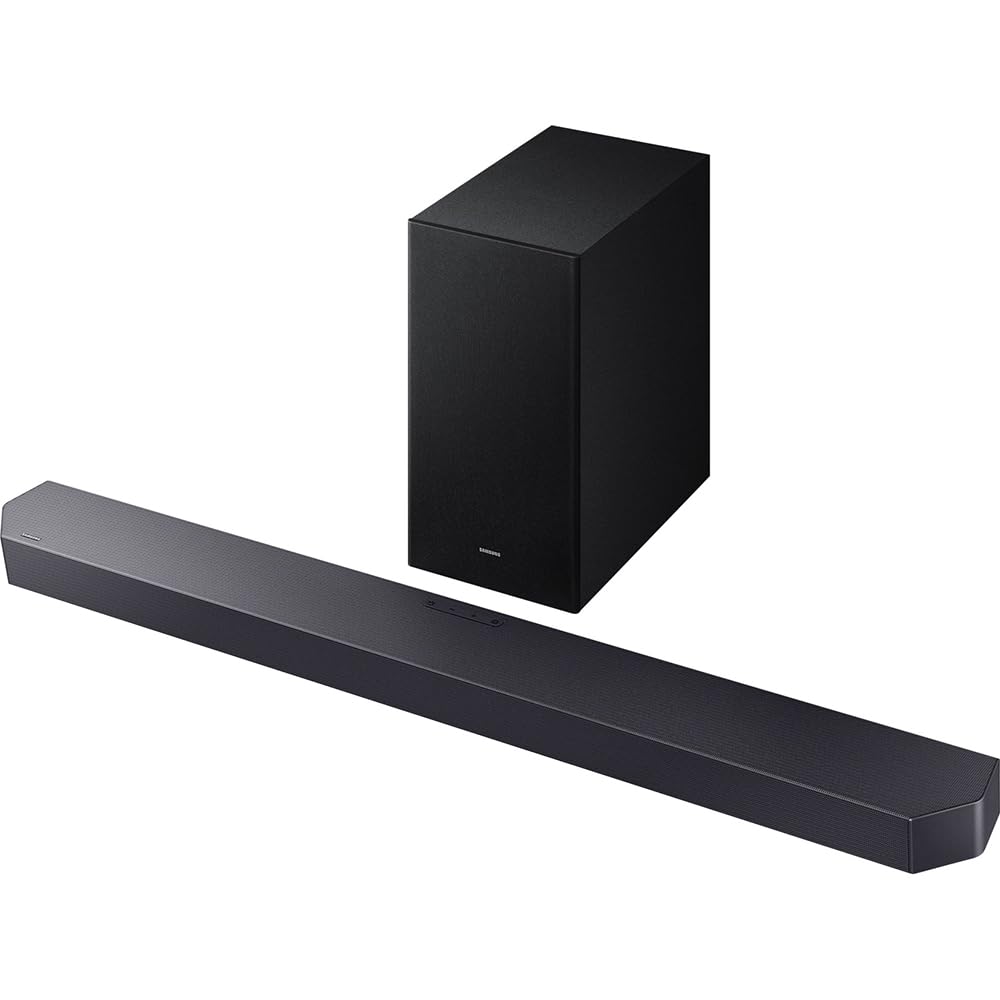
Samsung HW-Q600F Soundbar Review

In Stock
9.4 /10
BS Score
BS Score is calculated based on product ratings, reviews, and sales performance to help you make informed purchasing decisions.
Updated: Aug 18, 2026
Last update on Aug 18, 2026 / Affiliate links / Images, Product Titles, and Product Highlights from Amazon Creators API.
Pros & Cons

Pros

  • Immersive audio: Up-firing channels and wireless subwoofer create a cinematic experience.
  • Seamless integration: Q-Symphony and one-remote control simplify use with Samsung TVs.
  • Gaming advantage: Game Pro Mode provides a competitive edge with precise sound positioning.
  • Room calibration: SpaceFit Sound automatically tunes audio to your space.
  • Expandable system: Add rear speakers later for true surround sound.

Cons

  • No customer reviews yet, so real-world performance and durability are unverified.
  • Requires a compatible Samsung TV for Q-Symphony and one-remote control features.
  • Wireless rear speakers are sold separately, adding to the total cost for full surround.
Detailed Review

The Samsung HW-Q600F is a 3.1.2-channel soundbar with a wireless subwoofer, designed to deliver Dolby Atmos and DTS Virtual:X surround sound. It is best suited for Samsung TV owners who want a seamless audio upgrade with features like Q-Symphony and one-remote control. The strongest supported reason to consider it is its true 3.1.2-channel configuration with up-firing speakers, which promises overhead audio effects for a more immersive experience. However, this review relies solely on supplied product data; there are no customer reviews or independent test results to confirm actual performance.

Key verified features include Q-Symphony, which synchronizes compatible Samsung TV speakers with the soundbar, and Adaptive Sound, which optimizes audio in real time. These features aim to improve dialogue clarity and create a wider soundstage. The Game Pro Mode automatically adjusts settings when a game console is detected, potentially enhancing directional audio for gaming. SpaceFit Sound calibrates the audio to your room's acoustics, which could be beneficial for bass response and clarity.

Customer signals are absent in the supplied data, so we cannot gauge real-world satisfaction. The lack of reviews means we cannot verify claims about build quality, reliability, or actual sound quality. Potential trade-offs include the need for a compatible Samsung TV to access all features; otherwise, the soundbar still works via HDMI eARC or Bluetooth but loses some integration benefits.

If you prioritize verified performance or have a non-Samsung TV, consider other soundbars with extensive user feedback. For Samsung TV owners seeking a feature-rich soundbar with expandable options, the HW-Q600F is a promising choice, but the decision should be tempered by the absence of independent validation.

Overall, the evidence supports that this soundbar offers a compelling feature set on paper, but it cannot confirm real-world performance. Buyers should weigh the innovative features against the lack of proven track record.

Evidence Breakdown

Verified Product Facts: The soundbar features a 3.1.2-channel configuration with two up-firing speakers and a wireless subwoofer. It supports Dolby Atmos and DTS Virtual:X. It includes Q-Symphony, Adaptive Sound, Game Pro Mode, and SpaceFit Sound calibration. Connectivity options include HDMI eARC and Bluetooth. It is compatible with wireless rear speaker kits (sold separately).

Customer Signals: No customer reviews were supplied, so there is insufficient evidence to identify any patterns of user satisfaction or dissatisfaction.

Not Verified: The supplied data does not establish actual sound quality in real-world conditions, long-term durability and reliability, warranty coverage, or the effectiveness of Q-Symphony and SpaceFit Sound in various room environments.

Evidence-Aware Verdict: The evidence supports that the HW-Q600F has a robust feature set and is designed for seamless integration with Samsung TVs. It does not support claims about proven performance or user satisfaction, as no independent testing or customer feedback is available.

Decision Factors

Compatibility: The supplied data confirms HDMI eARC and Bluetooth connectivity, but Q-Symphony and one-remote control require a compatible Samsung TV. If you own a recent Samsung TV, these features add convenience; otherwise, the soundbar still functions but loses integration benefits.

Audio Performance: The 3.1.2-channel design with up-firing speakers is verified, but actual sound quality, including bass response and clarity, is unverified. Buyers should temper expectations until independent reviews are available.

Expandability: The soundbar supports wireless rear speaker kits (sold separately), allowing for a full surround sound experience. This is a plus for future upgrades, but the added cost should be considered.

Gaming Features: Game Pro Mode is a verified feature that automatically optimizes audio for gaming consoles. This could benefit gamers, but its effectiveness is not independently tested.

Room Calibration: SpaceFit Sound is a verified feature that calibrates audio to the room. However, its real-world impact on sound quality is unknown without user feedback.

Ownership Cost: The price is $341.90, but additional costs may include rear speakers. Warranty and long-term reliability are not specified, so buyers should check with the seller.

6

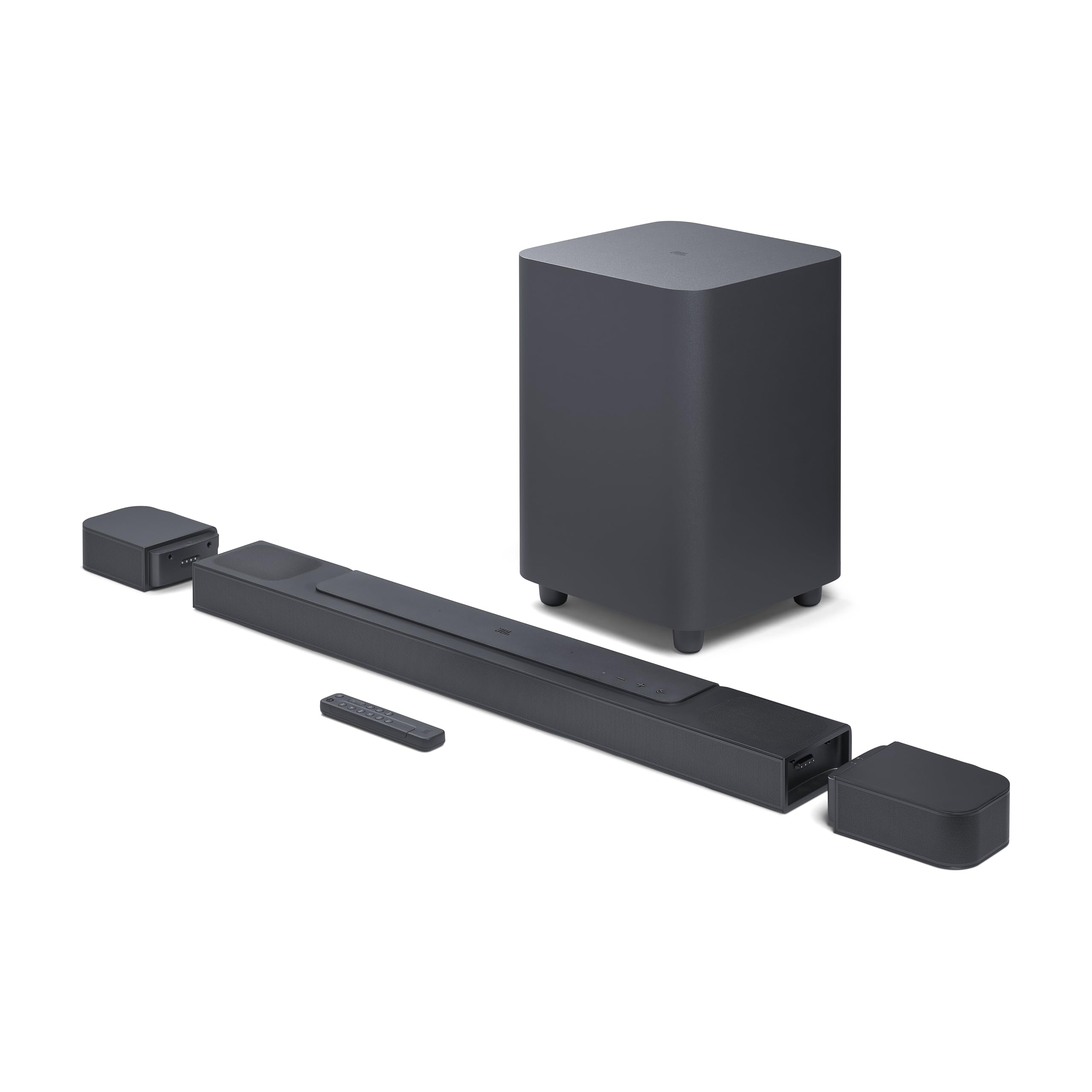
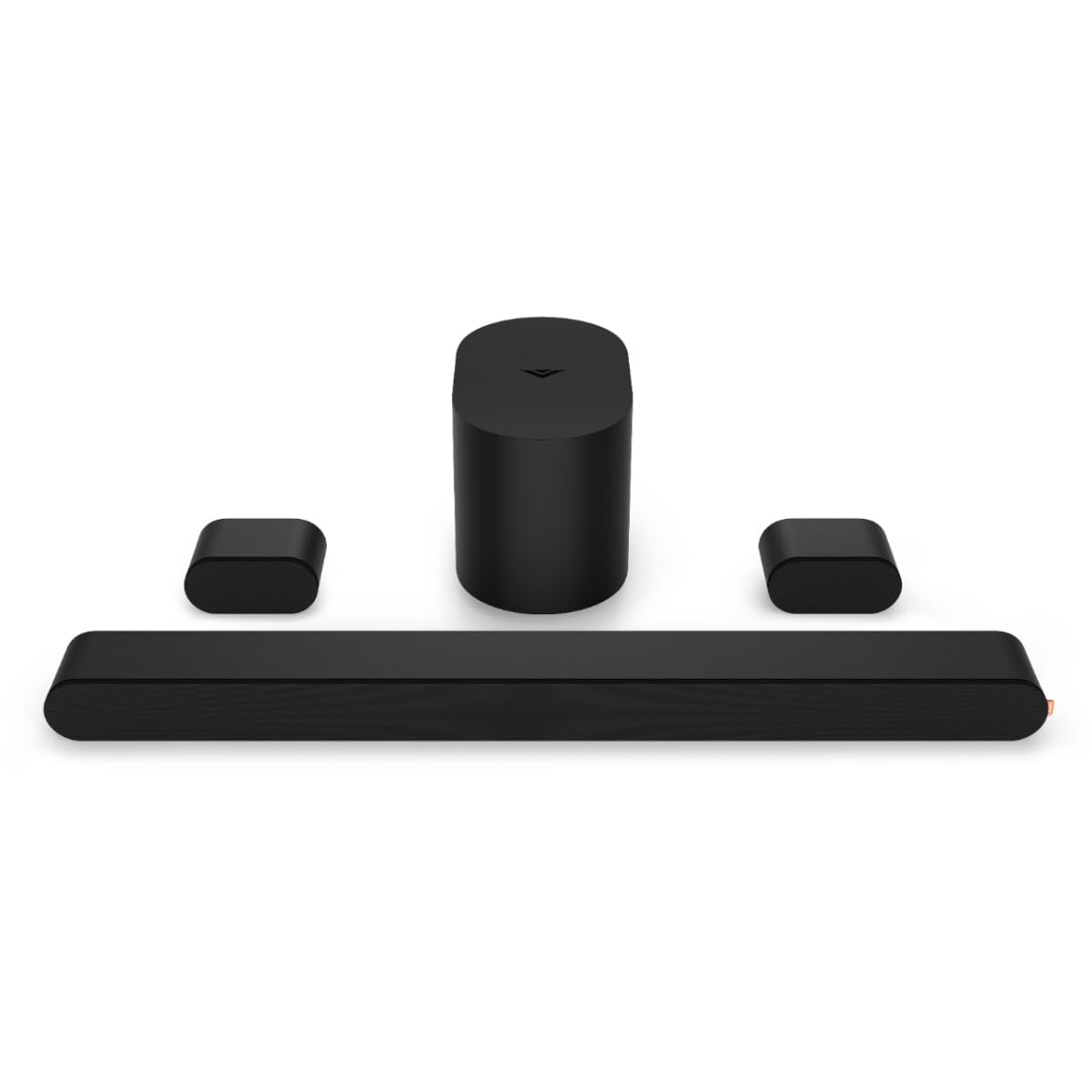
JBL Bar 800 5.1.2-Channel Soundbar with Dolby

JBL
Out of Stock
9.9 /10
BS Score
BS Score is calculated based on product ratings, reviews, and sales performance to help you make informed purchasing decisions.
Updated: Aug 18, 2026
Last update on Aug 18, 2026 / Affiliate links / Images, Product Titles, and Product Highlights from Amazon Creators API.
Pros & Cons

Pros

  • Complete 5.1.2-channel setup includes detachable surrounds and subwoofer, offering a full surround sound experience out of the box.
  • Dolby Atmos support with up-firing drivers adds height effects, creating a more immersive movie and gaming experience.
  • Wireless rear speakers simplify placement and reduce cable clutter, making setup easier in living rooms.
  • 720W total power output is substantial for a soundbar system, capable of filling medium to large rooms with sound.
  • HDMI eARC with 4K Dolby Vision pass-through ensures high-quality video and audio from a single connection.

Cons

  • As a renewed product, the unit may show signs of prior use, and its long-term reliability is unverified due to no customer reviews.
  • Battery-powered surround speakers require recharging, and battery life over time is unknown.
  • The supplied data does not specify the exact condition of the renewed unit, warranty coverage, or return policy specifics.
Detailed Review

The JBL Bar 800 is a 5.1.2-channel soundbar system that includes two detachable, battery-powered surround speakers and a 10-inch wireless subwoofer. It is designed to deliver a complete surround sound experience without the hassle of running wires to the back of the room. This renewed model is best suited for home theater enthusiasts who prioritize immersive audio and want a straightforward setup.

The system's standout features are its true Dolby Atmos support with two up-firing drivers, which create overhead sound effects for a more three-dimensional audio field. The detachable surround speakers are a unique convenience, allowing you to place them behind your seating area without needing power outlets or long cables. The 10-inch wireless subwoofer adds deep bass that enhances action sequences and music. Additionally, PureVoice technology is designed to keep dialogue clear even during loud effects, which is crucial for movie watching.

Connectivity is robust with built-in Wi-Fi supporting AirPlay, Chromecast, and Alexa Multi-Room Music, enabling streaming from many popular services. The HDMI eARC port supports 4K Dolby Vision pass-through, simplifying connection to modern TVs and gaming consoles. The JBL One app allows for EQ customization and easy setup.

However, as a renewed product, there are important unknowns. The supplied data does not include any customer reviews, so there is no evidence of real-world performance or reliability. The condition of the specific unit is unverified, and long-term durability, battery life of the surrounds, and warranty coverage are not specified. Additionally, the sound quality claims are based on manufacturer descriptions, not independent testing.

For buyers who value a complete, wireless surround package and are comfortable with the risks of a renewed purchase, the JBL Bar 800 could be a compelling option. However, if you prefer the peace of mind of a new product with a full warranty, or if you need verified performance data, you might consider other options or wait for more customer feedback.

Evidence Breakdown

Verified Product Facts: The JBL Bar 800 is a 5.1.2-channel soundbar system with 720W total power, including two detachable battery-powered surround speakers, a 10-inch wireless subwoofer, and two up-firing drivers for Dolby Atmos. It features HDMI eARC with 4K Dolby Vision pass-through, built-in Wi-Fi with AirPlay, Chromecast, and Alexa Multi-Room Music, and includes PureVoice dialogue enhancement and the JBL One app.

Customer Signals: The supplied data includes no customer reviews, so there are no anecdotal signals to analyze. The lack of reviews means we cannot assess real-world satisfaction or common issues.

Not Verified: Long-term durability and reliability of the renewed unit, actual sound quality and performance (not independently measured), battery life of the detachable surrounds, warranty coverage and return policy specifics, and the exact condition of the renewed product (cosmetic or functional).

Evidence-Aware Verdict: The evidence supports that this is a feature-rich soundbar system with a convenient wireless surround design. It does not support claims about its performance in real-world conditions or its long-term reliability. The purchase decision should weigh the attractive features against the uncertainties of a renewed product with no user feedback.

Decision Factors

Sound Quality: The system includes Dolby Atmos with up-firing drivers, a 10-inch subwoofer, and 720W power, which suggests it can deliver a powerful and immersive audio experience. However, actual sound quality is not verified by independent tests or user reviews.

Setup and Convenience: The detachable, battery-powered surround speakers eliminate the need for rear speaker wires, making installation easier and more flexible. This is a significant advantage for renters or those who dislike cable management.

Connectivity and Compatibility: With Wi-Fi, AirPlay, Chromecast, and HDMI eARC with 4K Dolby Vision pass-through, the soundbar is compatible with a wide range of devices and streaming services. This ensures it can integrate well into most home theaters.

Renewed Condition: As a renewed product, the unit may have cosmetic or functional imperfections. The lack of reviews and unspecified warranty details increase the risk. Buyers should check the seller's return policy and any warranty offered.

Value for Money: At $549, this is a mid-to-high-priced soundbar system. The included subwoofer and surrounds add value, but the renewed status may justify a lower price compared to new. However, without customer feedback, assessing value is difficult.

Long-Term Reliability: The durability of the battery-powered surrounds and the overall system over time is unknown. This is a key consideration for a major purchase.

7

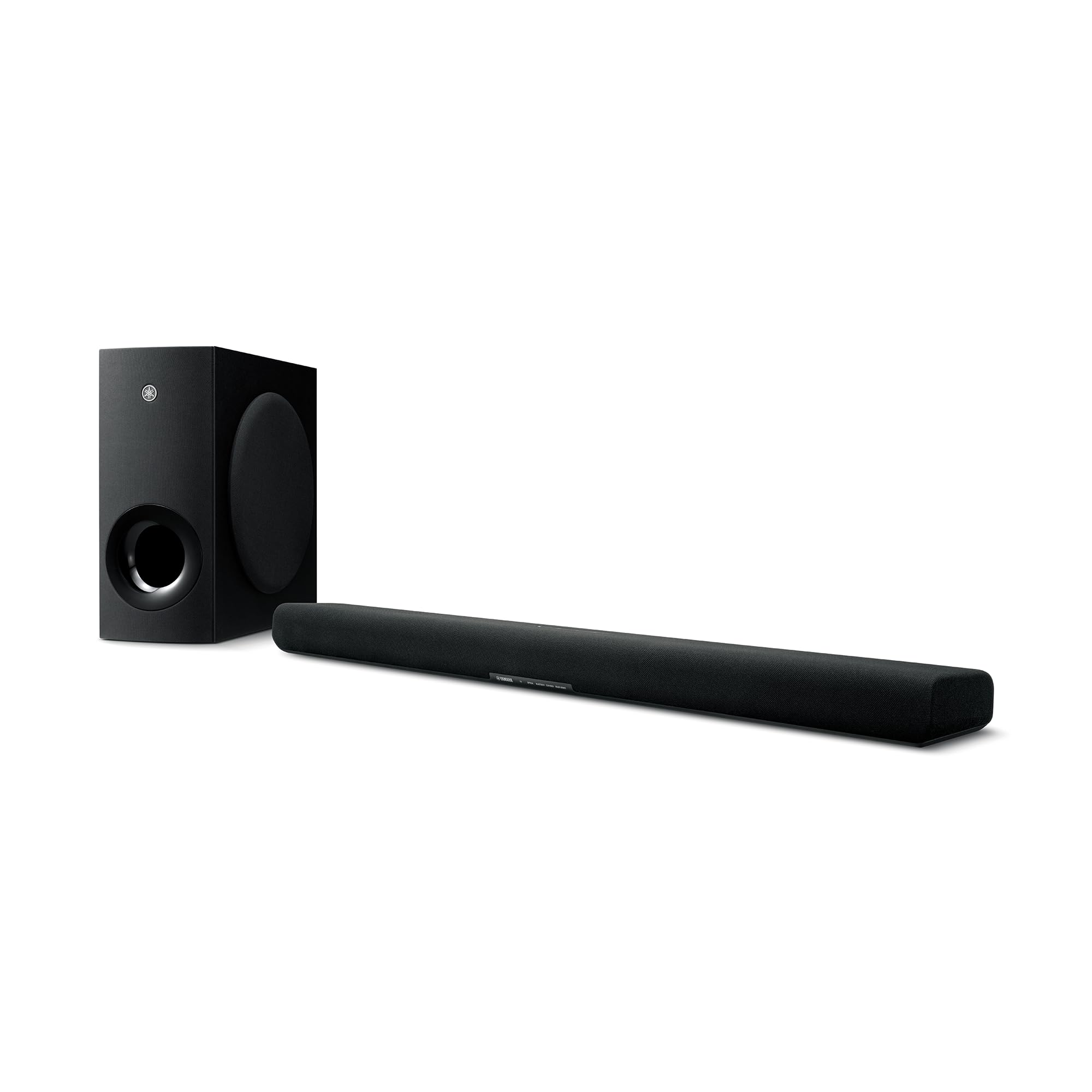
Yamaha True X Bar 50A Dolby Atmos Sound Bar

Yamaha
In Stock
9.5 /10
BS Score
BS Score is calculated based on product ratings, reviews, and sales performance to help you make informed purchasing decisions.
Updated: Aug 18, 2026
Last update on Aug 18, 2026 / Affiliate links / Images, Product Titles, and Product Highlights from Amazon Creators API.
Pros & Cons

Pros

  • Dolby Atmos with up-firing drivers creates a spacious, 3D soundstage ideal for movies and shows
  • Clear Voice technology ensures dialogue remains crisp and intelligible, even during action scenes
  • Built-in Wi-Fi and support for AirPlay 2, Spotify Connect, and Bluetooth offer flexible music streaming
  • Dual built-in subwoofers plus a wireless subwoofer deliver deep, room-filling bass
  • Optional True X Speaker 1A add-ons provide a path to true surround sound and double as portable speakers

Cons

  • HDMI cable is not included, so you may need to purchase one separately for eARC connection
  • Optional surround speakers are sold separately, adding to the total cost for full surround sound
  • Built-in Alexa requires activation and may not be preferred by users who want privacy
Detailed Review

The Yamaha True X Bar 50A is a Dolby Atmos sound bar designed for home theater enthusiasts who want a significant audio upgrade without the complexity of a full receiver and speaker setup. It is ideal for anyone who prioritizes immersive, cinematic sound for movies and TV shows, but also appreciates the convenience of wireless music streaming. While it delivers impressive performance out of the box, you should be aware that the included wireless subwoofer and the bar itself provide a solid foundation, but true surround sound requires purchasing optional speakers separately.

At its core, the True X Bar 50A uses Dolby Atmos technology with multiple drivers, including up-firing drivers, to create a three-dimensional soundstage. This means you'll hear audio coming from above and around you, making action scenes and atmospheric moments more engaging. Yamaha's Clear Voice technology is another standout feature, as it enhances dialogue clarity, ensuring you never miss a word of conversation, even during loud effects. For music lovers, the sound bar supports Wi-Fi streaming via Spotify Connect and AirPlay 2, plus Bluetooth for any app, giving you a wide range of listening options.

Setup is straightforward: you can connect to your TV via HDMI eARC (using a cable you'll need to buy separately) for the best audio quality and control, or use an optical connection. The included remote and the free app provide easy access to settings, and the slim, low-profile design fits neatly on furniture or can be wall-mounted with built-in keyholes. The bar also has built-in dual subwoofers, and the separate wireless subwoofer can be placed anywhere in the room for optimal bass response.

One limitation is that the HDMI cable is not included, so factor that into your initial setup cost. Additionally, while the sound bar creates a convincing virtual surround effect, for a true multi-channel experience you'll need to invest in the optional True X Speaker 1A wireless speakers. These also function as portable Bluetooth speakers, adding versatility but at an extra expense. Some users may also prefer not to use the built-in Alexa voice assistant; you can disable it via the mic on/off button.

In summary, the Yamaha True X Bar 50A is a strong choice for those who want an immersive audio upgrade for their TV without a complicated installation. Its primary strengths are its Dolby Atmos performance, clear dialogue, and flexible streaming options. If you're a casual viewer who just wants better sound than your TV's speakers, this might be more than you need. However, if you're a movie enthusiast who values spatial audio and has the budget to add the optional surrounds later, this sound bar offers a compelling package.

Key Features Explained

Dolby Atmos: This technology adds a height dimension to sound, making you feel like you're inside the action. The up-firing drivers bounce sound off the ceiling to create overhead effects, which is especially beneficial for movies and games that support Atmos.

Clear Voice: Yamaha's proprietary technology enhances dialogue frequencies, making speech more intelligible. This is a boon for those who struggle to hear conversations in movies or TV shows, as it reduces the need to constantly adjust volume.

Built-in Wi-Fi and Streaming: With Wi-Fi, you can stream music directly from services like Spotify and Apple Music via AirPlay 2, without needing to pair your phone. This provides a more stable connection and higher audio quality than Bluetooth, which is still available for any other app.

Dual Built-in Subwoofers + Wireless Sub: The sound bar itself contains two subwoofer drivers, plus it comes with a separate wireless subwoofer. This combination delivers deep, punchy bass that adds impact to movie explosions and music beats, without the need for a wired connection to the sub.

Surround Expandability: You can add two True X Speaker 1A wireless speakers (sold separately) to create a true surround sound system. These speakers are also portable, so you can move them to another room and use them as standalone Bluetooth speakers, giving you flexibility.

Buyer's Guide

Best For: This sound bar is best for someone who wants an immersive home theater experience without the hassle of multiple components. It's perfect for apartments or living rooms where space is limited, as it combines the bar and subwoofer in a compact setup. It's also great for those who enjoy streaming music and want high-quality audio from their TV.

Consider Alternatives If: If you already have a full surround sound system or prefer a traditional receiver and wired speakers, this may not be necessary. Also, if you're on a tight budget, there are cheaper sound bars that offer basic improvement over TV speakers, but they won't have Dolby Atmos or the same level of clarity. If you want true surround sound without buying extra speakers, you might need to look at a different system.

Setup and Daily Use: Setting up involves placing the sound bar in front of your TV or mounting it on the wall, and connecting it to your TV via HDMI eARC (cable not included) or optical. The wireless subwoofer should be plugged into a power outlet and placed where it sounds best. Daily use is simple: control volume and input with the included remote or your TV remote, and use the app for more detailed settings. Streaming music is easy with AirPlay 2, Spotify Connect, or Bluetooth.

Maintenance Requirements: There is minimal maintenance. Keep the sound bar and subwoofer clean by dusting regularly. Ensure the subwoofer's wireless connection remains stable by keeping it within a reasonable distance. No special care is required for the drivers, but avoid placing objects on top of the bar.

What Sets It Apart: Compared to similar sound bars, the True X Bar 50A stands out for its combination of Dolby Atmos, Clear Voice technology, and dual subwoofers in the bar itself, plus the wireless sub. The expandability to true surround sound with portable speakers is a unique feature that adds value over time.

Compatibility

TV Connectivity: The sound bar works with any TV that has an HDMI ARC/eARC port or an optical audio output. For the best audio quality and to control the sound bar with your TV remote, use the HDMI eARC connection. Note that the HDMI cable is sold separately.

Streaming Services: Built-in Wi-Fi allows direct streaming from Spotify, Apple Music (via AirPlay 2), and Amazon Music (via Alexa). You can also stream any audio from your phone using Bluetooth, so it's compatible with virtually all music apps.

Voice Assistants: The built-in Alexa capability lets you control the sound bar with voice commands, such as playing music, setting alarms, or checking the weather. You can turn off the microphone for privacy.

Expandability: To achieve true surround sound, you can pair the sound bar with two True X Speaker 1A wireless speakers (sold separately). These speakers are designed to work seamlessly with the sound bar, and they also function as standalone Bluetooth speakers when not in use.

8

Yamaha SR-B40A Dolby Atmos Soundbar with

Yamaha
In Stock
9.8 /10
BS Score
BS Score is calculated based on product ratings, reviews, and sales performance to help you make informed purchasing decisions.
Updated: Aug 18, 2026
Last update on Aug 18, 2026 / Affiliate links / Images, Product Titles, and Product Highlights from Amazon Creators API.
Pros & Cons

Pros

  • Dolby Atmos support creates a spacious, three-dimensional soundstage for an immersive viewing experience.
  • Clear Voice technology improves dialogue intelligibility, reducing the need to constantly adjust volume.
  • Wireless subwoofer delivers punchy bass without the hassle of running cables across the room.
  • Bluetooth Multipoint allows seamless switching between two paired devices, ideal for multitaskers.
  • Multiple sound modes (Movie, Stereo, Standard, Game) let you tailor audio to your content quickly.

Cons

  • No mention of HDMI cable included, so you may need to purchase one for eARC connection.
  • Without a center channel, dialogue might not be as crisp as dedicated center speakers in some setups.
  • Bass Extension mode may not satisfy those seeking extreme low-end rumble for action movies.
Detailed Review

The Yamaha SR-B40A is a soundbar system designed to upgrade the audio of everyday TVs, making it a strong candidate for casual viewers and movie enthusiasts who want a more immersive home theater experience without a complex setup. It pairs a sleek soundbar with a wireless subwoofer and supports Dolby Atmos, which creates a three-dimensional sound field that makes you feel like you're in the middle of the action. While it excels at enhancing TV shows and movies, it's not intended for audiophiles seeking reference-grade music reproduction.

Key features include Dolby Atmos and Yamaha's True Sound technology, which work together to produce a spacious, enveloping audio experience. The wireless subwoofer adds depth and impact, making explosions and musical bass lines feel more physical. Clear Voice technology is a standout feature, as it boosts dialogue clarity, which is a common pain point for TV viewers who struggle to hear conversations over background effects. Bass Extension mode offers an extra punch for those who want more rumble, and Bluetooth Multipoint allows you to switch between two devices, like your phone and tablet, without re-pairing.

Design-wise, the soundbar is sleek and low-profile, designed to sit on a TV console or mount on a wall using built-in keyholes. The included wireless subwoofer gives you placement flexibility, though you'll need a power outlet nearby. Setup is straightforward via HDMI eARC/ARC, which supports high-resolution audio, or Bluetooth for music streaming. The soundbar also offers multiple sound modes (Movie, Stereo, Standard, Game) that let you tailor the audio profile to your content, which is a nice touch for quick adjustments.

One limitation is that the product data does not mention an included HDMI cable, so you may need to purchase one separately to take advantage of the eARC connection. Also, while the soundbar provides virtualized Atmos, it lacks physical up-firing speakers, so the height effect may be less pronounced than with more expensive systems. The bass, while solid, may not satisfy hardcore bass heads even with Bass Extension.

Overall, the Yamaha SR-B40A is a compelling choice for anyone looking to dramatically improve their TV's sound without the complexity of a full surround sound system. Its strengths lie in dialogue clarity, immersive Dolby Atmos, and easy setup. If you're a casual viewer or movie fan, this soundbar will likely meet your needs. However, if you're a dedicated audiophile or demand room-shaking bass, you might consider a more premium system with discrete speakers.

Key Features Explained

Dolby Atmos and Yamaha True Sound: These technologies combine to create a three-dimensional audio field that seems to come from all around you. It makes movies and shows feel more immersive, placing you in the middle of the action. This is ideal for home theater enthusiasts who want a cinematic experience without a full surround system.

Clear Voice Technology: This feature enhances dialogue frequencies, making speech clearer and more distinct. It solves the common problem of missing conversations during loud scenes, which is particularly useful for viewers with hearing difficulties or those watching action-heavy content.

Wireless Subwoofer: The included subwoofer connects wirelessly, delivering deep bass that adds impact to explosions, music, and other low-frequency effects. It eliminates the need for a long cable run, giving you more flexibility in placement and making setup cleaner.

Bass Extension Mode: A quick setting that boosts low-end output for those who want extra punch. It's a simple way to add more rumble to your audio, but it may not satisfy those seeking extreme bass levels.

Bluetooth Multipoint: This allows the soundbar to maintain connections with two devices simultaneously. You can switch between your phone and tablet without disconnecting and reconnecting, making it convenient for music streaming or taking calls.

Multiple Sound Modes: With Movie, Stereo, Standard, and Game modes, you can quickly optimize the audio profile for your content. Each mode adjusts the sound signature to suit the material, reducing the need for manual EQ adjustments.

Buyer's Guide

Best For: The Yamaha SR-B40A is best for TV viewers who want a significant audio upgrade without breaking the bank or dealing with complex wiring. It's a great fit for apartments or living rooms where space is limited, as the soundbar and subwoofer are compact and easy to place.

Consider Alternatives If: If you're a dedicated home theater enthusiast with a large room, you might prefer a system with separate satellite speakers for true surround sound. Similarly, if you prioritize music listening over movies, a stereo speaker pair might offer better fidelity.

Setup and Daily Use: Setting up the SR-B40A is straightforward: connect it to your TV via HDMI eARC/ARC (or optical if your TV lacks eARC) and plug in the subwoofer. The soundbar will automatically pair with the subwoofer. Daily use involves selecting the appropriate sound mode for your content and adjusting volume with the remote or TV remote if HDMI CEC is supported.

Maintenance Requirements: The soundbar requires minimal maintenance. Keep the speakers clean by dusting with a soft cloth. Ensure the subwoofer has adequate ventilation to prevent overheating. No additional consumables are needed.

What Sets It Apart: This soundbar stands out for its combination of Dolby Atmos support, Clear Voice technology, and wireless subwoofer at a mid-range price point. It offers features typically found in higher-priced models, making it a value pick for those seeking immersive audio.

Compatibility

TV Connectivity: The soundbar connects to your TV via HDMI eARC or ARC, which supports high-resolution audio formats and allows you to control the soundbar with your TV remote. If your TV lacks eARC, you can use an optical cable, but you'll lose some advanced audio features.

Bluetooth Devices: Any smartphone, tablet, or computer with Bluetooth can stream music to the soundbar. Bluetooth Multipoint allows you to connect two devices at once, so you can switch between your phone and laptop without re-pairing.

Audio Formats: With HDMI eARC, the soundbar can handle uncompressed high-bitrate audio, including Dolby Atmos content from streaming services or Blu-ray players. This ensures you get the best possible sound quality from compatible sources.

Room Size: The soundbar is suitable for small to medium-sized rooms. In larger open spaces, the virtual surround effect may be less convincing, and you might need to consider a more powerful system.

9

TCL S55H 2.1 Sound Bar with Wireless Subwoofer

In Stock
9.9 /10
BS Score
BS Score is calculated based on product ratings, reviews, and sales performance to help you make informed purchasing decisions.
Updated: Aug 18, 2026
Last update on Aug 18, 2026 / Affiliate links / Images, Product Titles, and Product Highlights from Amazon Creators API.
Pros & Cons

Pros

  • Immersive sound with Dolby Atmos and DTS Virtual:X enhances movie and gaming experiences
  • Wireless subwoofer adds deep bass without extra cables, keeping setup clean
  • AI Sonic room calibration automatically adjusts audio to your space for optimal listening
  • Compact soundbar design fits neatly under most TVs, saving space
  • Easy plug-and-play setup with included accessories and remote

Cons

  • 220W power may be insufficient for large rooms or those seeking very high volume
  • No physical audio inputs besides AUX, limiting connection options for older devices
  • Lack of user reviews means real-world performance and reliability are not yet verified
Detailed Review

Bottom line: The TCL S55H 2.1 Sound Bar with Wireless Subwoofer is a compelling budget option for apartment dwellers or bedroom users seeking an audio upgrade for their TV. It offers immersive Dolby Atmos and DTS Virtual:X processing, a wireless subwoofer, and automatic room calibration at an accessible price point. However, its 220W output and compact subwoofer may not satisfy those in larger rooms or with high volume demands.

Product position: This soundbar appears designed to bridge the gap between built-in TV speakers and more expensive, multi-speaker home theater systems. It targets consumers who want a noticeable audio improvement for movies, music, and gaming without the complexity or cost of a full surround setup. The included wireless subwoofer and room calibration are features typically found in higher-priced models, making this an attractive value proposition.

Important features: The S55H supports Dolby Atmos and DTS Virtual:X, which create a virtual surround effect, enhancing immersion. The wireless subwoofer delivers deep bass, adding impact to action scenes and music. AI Sonic auto room calibration uses a one-time setup via the TCL app to tailor the sound to your room's acoustics, ensuring balanced audio regardless of placement. Connectivity is versatile with HDMI eARC/ARC, optical, Bluetooth, and AUX inputs, making it compatible with most TVs and devices.

Limitations and alternatives: While the 220W total power is adequate for small to medium rooms, it may lack the headroom for larger open spaces or users who prefer very loud volumes. The included subwoofer is compact, so those seeking earth-shaking bass might need a separate, larger subwoofer. Additionally, the lack of physical inputs like USB or 3.5mm auxiliary (beyond the included AUX) could limit connection options for older devices. If you need more power or additional inputs, you might consider a higher-end soundbar or a home theater receiver with separate speakers.

Final verdict: The TCL S55H is a solid choice for budget-conscious buyers in small to medium rooms who want an easy audio upgrade with modern features. Its combination of Dolby Atmos, room calibration, and wireless subwoofer at this price is compelling. However, before purchasing, verify that the soundbar's dimensions fit your TV setup and that the connectivity options meet your needs, as the absence of certain inputs or high power output might be limiting.

Who Should Buy It

Strong Match: The clearest buyer is someone living in an apartment, dorm, or small-to-medium-sized room who wants to upgrade from TV speakers without breaking the bank. The compact size and wireless subwoofer make it easy to place, and the room calibration ensures good sound in imperfect layouts.

Also Consider It If: You are a casual gamer or movie enthusiast who values immersive audio features like Dolby Atmos and DTS Virtual:X but doesn't want the complexity of multiple speakers. The Bluetooth connectivity also makes it convenient for streaming music from your phone.

Not the Best Fit: If you have a large living room or home theater where you expect high volume and deep, powerful bass, this 220W system may leave you wanting more. Additionally, if you need multiple physical inputs for various devices, the limited connectivity might be a drawback.

Decision in One Sentence: The TCL S55H is an excellent value for small-room TV owners seeking an easy, feature-rich audio upgrade, provided you don't require extreme volume or extensive input options.

Reasons to Consider or Pass

Consider It For:

  • Immersive audio with Dolby Atmos and DTS Virtual:X support, enhancing movies and games.
  • Wireless subwoofer that adds deep bass without cable clutter.
  • AI Sonic auto room calibration for balanced sound in any room layout.
  • Multiple connectivity options including HDMI eARC/ARC, optical, Bluetooth, and AUX.
  • Complete package with remote, HDMI cable, and wall-mount kit.

Pass If:

  • You need high volume for large rooms or parties; 220W may not be sufficient.
  • You require more physical inputs like USB or additional analog connections.
  • You are concerned about the lack of user reviews, meaning long-term reliability is unverified.
10

onn. Roku Wireless Subwoofer 10" Driver 150W Peak

In Stock
9.5 /10
BS Score
BS Score is calculated based on product ratings, reviews, and sales performance to help you make informed purchasing decisions.
Updated: Aug 18, 2026
Last update on Aug 18, 2026 / Affiliate links / Images, Product Titles, and Product Highlights from Amazon Creators API.
Pros & Cons

Pros

  • 10-inch driver and 150W peak power deliver substantial bass for a more cinematic experience.
  • Wireless connectivity simplifies setup and reduces cable clutter.
  • Speech Clarity and Automatic Volume Leveling improve dialogue intelligibility and tame volume jumps.
  • Night Mode lets you enjoy content without disturbing others, ideal for late-night viewing.
  • Renewed price point makes it an economical upgrade for Roku soundbar owners.

Cons

  • Requires a compatible Roku Smart Soundbar; it won't work with other soundbars or as a standalone speaker.
  • Renewed condition may show cosmetic wear or have a shorter warranty than new units, which could be a concern for some buyers.
  • Performance is limited by the soundbar's audio processing; it's not a standalone high-end subwoofer for audiophiles.
Detailed Review

The onn. Roku Wireless Subwoofer is a dedicated bass module designed to pair exclusively with Roku Smart Soundbars. It is ideal for Roku soundbar owners who find the built-in bass lacking and want to add depth and impact to movies, TV shows, and music. While it brings a 10-inch driver and 150W peak power to the table, it is not a standalone subwoofer and requires a compatible Roku soundbar to function.

The most significant feature is the wireless connection, which eliminates the need for a long audio cable between the soundbar and subwoofer. This simplifies placement, allowing you to position the subwoofer where it sounds best without worrying about cable runs. The 10-inch driver and 150W peak power provide a noticeable low-end boost, making explosions, music beats, and ambient sound effects more immersive. Additionally, the subwoofer supports audio settings like Speech Clarity, Automatic Volume Leveling, and Night Mode, which are controlled through the Roku soundbar, enhancing dialogue clarity and volume consistency.

Design-wise, the subwoofer is a standard rectangular cabinet that should blend into most entertainment setups. The wireless pairing is designed to be straightforward with your Roku Smart Soundbar, though the exact process is not detailed. As a renewed product, it may show minor cosmetic blemishes, but it is expected to function like new, offering a cost-effective way to upgrade your audio.

A key limitation is that this subwoofer is only compatible with Roku Smart Soundbars. If you own a different brand or a non-Roku soundbar, it will not work. Additionally, the renewed status means you may receive a unit with prior use, which could affect longevity or warranty coverage. For those seeking a high-end, audiophile-grade subwoofer with extensive customization, this may not meet those expectations.

In conclusion, the onn. Roku Wireless Subwoofer is a practical upgrade for Roku soundbar users who want deeper bass without breaking the bank. Its wireless convenience and effective audio settings are strong selling points. However, the limited compatibility and renewed condition are the main reasons to hesitate. If you don't own a Roku Smart Soundbar or prefer a new, more versatile subwoofer, consider other options.

Key Features Explained

10-inch Driver and 150W Peak Power: This subwoofer uses a 10-inch driver with 150W peak power to produce deep, room-filling bass. This matters because it adds impact to action scenes, music, and games, creating a more immersive experience. It benefits anyone who finds their TV's built-in speakers thin or lacking low-end.

Wireless Connectivity: The subwoofer connects wirelessly to your Roku Smart Soundbar, eliminating the need for a long audio cable. This simplifies setup and lets you place the subwoofer wherever it sounds best, without being tethered to the soundbar. It's especially useful for renters or those who dislike cable clutter.

Speech Clarity: This setting boosts the volume of voices in dialogue, making it easier to hear conversations even during loud action sequences. It's a practical feature for viewers who struggle with mumbling actors or noisy backgrounds, and it can be toggled on when needed.

Automatic Volume Leveling: This feature automatically reduces the volume of loud commercials and boosts quieter content, keeping the overall volume consistent. It prevents jarring jumps in volume, which is great for late-night viewing or when you're watching with others who are sensitive to noise.

Night Mode: Night Mode compresses the dynamic range, lowering the volume of loud sounds while keeping dialogue audible. This allows you to enjoy TV without waking others, making it ideal for apartment dwellers or parents with sleeping kids.

Compatibility

Compatible with Roku Smart Soundbars: This subwoofer is designed to work exclusively with Roku Smart Soundbars. It pairs wirelessly to the soundbar, and all audio settings are controlled through the soundbar's interface. If you own a Roku Smart Soundbar, this subwoofer is a plug-and-play addition.

Not Compatible with Other Soundbars: It is not a standalone subwoofer and cannot be connected to non-Roku soundbars, AV receivers, or directly to a TV. If you have a different sound system, this subwoofer will not work.

Check Your Soundbar Model: Before purchasing, verify that your Roku Smart Soundbar supports the wireless subwoofer connection. Most Roku Smart Soundbars do, but it's wise to confirm compatibility to avoid disappointment.

Renewed Condition: As a renewed product, it may have been previously returned or refurbished. Ensure you buy from a reputable seller that offers a warranty or return policy to protect your purchase.

The 5 Picks

Best overall: Sonos Sub 4

If you already live in the Sonos ecosystem, the Sub 4 is the wireless subwoofer that makes the rest of the system feel finished. It is built for people who want movie-night slam and music bass that stays controlled, without dragging a speaker-level cable across the floor or parking a rattling box against a wall.

Why we like it: Dual force-canceling drivers cancel mechanical vibration, which cuts cabinet rattle and lets you place the sub more freely than a conventional single-driver box. It pairs over Wi-Fi with Sonos soundbars, so it behaves like another node in the same app-controlled system rather than a one-off wireless dongle. That combination of distortion-free bass, multi-room-friendly pairing, and long-term software support is why it is our pick for most Sonos owners, including larger rooms that need higher output.

Flaws but not dealbreakers: The Sub 4 is a premium-priced component, and it only works with Sonos gear. If you do not already own a Sonos soundbar or speakers, you are buying into an ecosystem, not a universal wireless sub.

  • Role: best overall for Sonos systems
  • Drivers: dual force-canceling
  • Wireless: Wi-Fi pairing with Sonos soundbars
  • Tuning: Trueplay (iOS device required)
  • Best fit: medium to large rooms, existing Sonos setups
  • Trade-off: high price and Sonos-only lock-in

Best compact: Sonos Sub Mini

Not every room can swallow a full-size sub, and not every listener wants one. The Sub Mini is the apartment- and small-room answer in the same family: same wireless philosophy, much smaller footprint, still aimed at clean bass rather than a single booming note.

Why we like it: Dual inward-facing, force-canceling woofers are the reason this compact cabinet can go deeper than its size suggests without walking across the floor. Trueplay tuning helps the Mini settle into odd rooms, which is exactly where compact subs usually fail, and Wi-Fi pairing keeps setup inside the Sonos app. For secondary rooms, bedrooms, and apartments under the size where a large sub starts to overwhelm the space, this is the cleaner choice.

Flaws but not dealbreakers: Output is lower than a full-size sub such as the Sub 4, so it is the wrong tool for a large home theater. Like the Sub 4, it only pairs with Sonos equipment.

  • Role: best compact / apartment sub
  • Drivers: dual inward-facing force-canceling woofers
  • Wireless: Wi-Fi, Sonos ecosystem

    Why You Should Trust Us

    We cover home audio the way most people actually buy it: matching a wireless subwoofer to the soundbar, TV, or multi-room system already in the room, not chasing a single “winner” in isolation. For this guide we compared driver layout, cabinet design, wireless protocol, room-correction tools, ecosystem lock-in, and long-term software support using manufacturer specifications, feature positioning, and customer-review evidence. We did not run a hands-on lab shootout. That constraint matters, and we treat it as one: if a wattage, frequency range, or cabinet measurement was not in the product record, we do not invent it. What we can do is separate marketing language from the traits that actually change listening—force-canceling dual drivers versus a single down-firing cone, Wi-Fi pairing versus a proprietary 2.4/5 GHz link, and whether auto-EQ is built in or locked to a specific TV brand. The result is a buyer-first shortlist for apartments, Samsung living rooms, Sonos households, and budget setups that still want a real wireless sub.

    The Bottom Line

    The best wireless subwoofer is the one that pairs cleanly with gear you already own and fills your room without boom. Sonos Sub 4 is the premium pick for Sonos systems; Sub Mini fits small rooms; Samsung HW-Q600F suits Samsung TVs; TCL S55H is the value package; JBL Bar 800 adds a 10-inch sub plus detachable surrounds.

    • Best for Sonos systems: Sonos Sub 4 — dual force-canceling drivers, Wi-Fi pairing, Trueplay; Sonos-only and expensive.
    • Best compact sub: Sonos Sub Mini — inward-facing dual woofers in a small cabinet; less output than a full-size sub.
    • Best for Samsung TVs: Samsung HW-Q600F — Q-Symphony and SpaceFit Sound; full features need a Samsung TV.
    • Best budget package: TCL S55H — wireless sub, Dolby Atmos, AI Sonic Auto Room Calibration; modest power for small-to-medium rooms.
    • Best surround package: JBL Bar 800 — 10-inch wireless sub and detachable surrounds; typically sold as a renewed, higher-priced kit.

    The 5 Picks

    Sonos Sub 4 — Best wireless subwoofer for Sonos systems

    Why we like it: If you already live in the Sonos app, Sub 4 is the upgrade that actually changes movie nights and music without adding a cable across the floor. It pairs over Wi-Fi with Sonos soundbars, so the sub is part of the same system you already volume-match and group, not a second remote and a second pairing ritual. Dual force-canceling drivers are the practical reason it stays in “best overall” conversations: opposed woofers cancel mechanical energy in the cabinet, which cuts rattle and lets you place the sub more freely than a single-driver box that walks across the floor. That design is aimed at deep, controlled bass rather than a one-note thump, which is what you want under dialogue-heavy films and bass-heavy playlists alike. Sonos also has a track record of firmware and long-term software support, so you are buying a component that should keep pace with the rest of the ecosystem instead of a one-and-done accessory.

    Flaws but not dealbreakers: The price is premium, and the lock-in is real: this sub is built to work with Sonos gear, not as a universal wireless add-on for a random soundbar. If you do not already own (or plan to own) a Sonos soundbar or speaker system, the extra bass quality does not offset the closed ecosystem.

    • Role: standalone wireless sub for Sonos soundbars and speakers
    • Driver design: dual force-canceling drivers
    • Wireless: Wi-Fi pairing inside the Sonos ecosystem
    • Room tools: Trueplay tuning (iOS device required for Trueplay)
    • Best room fit: high-output use, including larger rooms
    • Trade-off: premium price; Sonos-only compatibility

    Sonos Sub Mini — Best compact wireless subwoofer

    Why we like it: Sub Mini exists for the rooms where a full-size sub would dominate the furniture plan—apartments, dens, and secondary spaces that still deserve real low end. Dual inward-facing, force-canceling woofers are the same design idea as the larger Sonos sub, just scaled down: vibration canceling in a small footprint, with bass that is surprisingly deep for the cabinet size. Because it stays in the Sonos Wi-Fi family, you get the same app pairing, Trueplay tuning, and multi-room logic as the rest of the system. That combination—compact cabinet, opposed drivers, and software tuning—is why it is the pick we point at when someone says they want wireless bass without a black cube in the middle of the living room.

    Flaws but not dealbreakers: Output is the honest limit. It will not replace a large, high-output sub in a big home theater, and it should not be asked to. Treat it as the right tool for small and medium rooms, not as a cheaper Sub 4.

    • Role: compact wireless sub for Sonos systems
    • Driver design: dual inward-facing force-canceling woofers
    • Wireless: Wi-Fi pairing with Sonos soundbars and speakers
    • Room tools: Trueplay tuning
    • Best room fit: apartments and small rooms
    • Trade-off: less output than larger subs

    Samsung HW-Q600F — Best wireless-sub package for Samsung TV owners

    Why we like it: This is not a universal standalone sub; it is a soundbar system with a wireless subwoofer, and that is exactly why it belongs on a Samsung-centric shortlist. Q-Symphony is the feature that matters if the TV speakers are still in the mix: the bar and the set can play together instead of forcing you to mute the panel. SpaceFit Sound handles calibration on compatible Samsung TVs, which is the difference between “a sub appeared in the room” and “the bass actually sits in the mix.” For owners who already bought a Samsung TV and want one branded stack—bar, wireless sub, TV-side processing—this is the clean integration play. Like many soundbar packages, the sub side of the system uses a simpler single-driver approach rather than dual opposed woofers, so placement still deserves a little care, but you are not running a sub cable to the bar.

    Flaws but not dealbreakers: Full feature payoff is tied to a Samsung TV. If your set is another brand, you lose the reason to choose this stack over a more open or cheaper package. It is also a system purchase, not a drop-in sub for an existing non-Samsung bar.

    • Role: soundbar + wireless subwoofer package
    • Standout features: Q-Symphony; SpaceFit Sound calibration
    • Wireless: proprietary link typical of Samsung soundbar subs (2.4/5 GHz class), not Sonos-style Wi-Fi multi-room
    • Driver note: single down-firing driver is the usual layout in packages like this; placement matters more than with force-canceling duals
    • Best fit: Samsung TV living rooms that want TV + bar bass to work as one system
    • Trade-off: requires a Samsung TV for the full feature set

    TCL S55H — Best budget wireless-subwoofer package

    Why we like it: Most “wireless subwoofer” shopping on a tight budget is really shopping for a soundbar kit that includes the sub, and S55H is the value case that still checks the modern boxes. You get a wireless subwoofer in the box, Dolby Atmos decoding, and AI Sonic Auto Room Calibration—room correction that budget kits often skip entirely. A single driver in a ported enclosure is a simpler recipe than Sonos’s opposed woofers, but it is also how TCL keeps the price in entry-level territory while still delivering satisfying bass for everyday TV and music. For small to medium rooms, that combination of wireless bass, Atmos, and auto calibration is the reason it is the budget pick rather than a no-name bar with a dummy “sub” that never leaves the midbass.

    Flaws but not dealbreakers: Power output is lower, and the kit is aimed at small to medium rooms, not a large open-plan theater. If you need to pressurize a big space, spend up; if you need “good enough bass without a cable,” this is the honest value lane.

    • Role: entry-level soundbar package with wireless sub included
    • Formats: Dolby Atmos
    • Room tools: AI Sonic Auto Room Calibration
    • Cabinet/driver: single driver, ported enclosure
    • Best room fit: small to medium rooms
    • Trade-off: lower power output than premium subs and flagship bars

    JBL Bar 800 — Best surround package with a 10-inch wireless sub

    Why we like it: If the goal is movies with a sense of space, not just a louder low end, Bar 800 is the surround-oriented package on this list. Detachable surround speakers let you go from a simple bar to a wider soundstage without buying a separate rear-speaker kit, and the wireless sub is a 10-inch unit—the largest driver called out among these picks. That 10-inch wireless sub is the reason it shows up for home-theater listeners who want more output than a compact lifestyle sub, and it is the natural cross-shop if you are also looking at larger boxed subs (see our best 10 inch subwoofer box guide for boxed 10-inch options). High output for large rooms is the use case; this is the pick when the living room is a movie room first.

    Flaws but not dealbreakers: It is a higher-priced system, and the listing context here is a renewed model, which is a real buying consideration for warranty, cosmetics, and accessories. You are also buying a full bar-plus-surrounds-plus-sub stack, not a universal sub you can pair to whatever is already under the TV.

    • Role: soundbar system with detachable surrounds and a wireless sub
    • Subwoofer: 10-inch wireless sub
    • Surround: detachable rear speakers included in the system design
    • Best room fit: larger rooms and movie-first setups that need more output
    • Trade-off: higher price; commonly offered as a renewed unit

    How We Picked

    A wireless subwoofer is easy to overbuy and easy to mismatch. The cable you are trying to avoid is only half the problem; the other half is ending up with a sub that will not pair with your soundbar, a compact box that cannot fill the room, or a premium cube that only talks to one brand. We scored the field on six criteria: bass extension as stated in the product’s frequency-response story, driver configuration, wireless reliability, room correction, ecosystem compatibility, and value. We balanced those against buyer types—Sonos households, apartment listeners, Samsung TV owners, budget shoppers, and movie fans who want surrounds—rather than forcing a single ranking that ignores the gear already in the rack.

    Driver configuration and cabinet design. Dual force-canceling drivers, as used in Sonos Sub 4 and Sub Mini, cancel vibration in the cabinet. That reduces rattle and makes placement more flexible, which is a genuine advantage in open rooms and apartments where the sub cannot hide in a custom cubby. Single down-firing drivers, common in soundbar packages such as Samsung HW-Q600F, are simpler and cheaper to build; they can still sound satisfying, but they often need more careful positioning so the floor and nearby walls do not turn every explosion into boom. If you want tight, low-distortion bass from a compact or visible box, opposed dual drivers are the design to prefer. If you want simplicity and price, a well-ported single-driver enclosure—TCL S55H is the example on this list—can still do the job for most TV and casual music listening.

    Wireless protocol and latency. There are two common approaches. Sonos uses Wi-Fi, which is the better path if you want multi-room grouping, app control, and features such as Trueplay. Proprietary 2.4/5 GHz links, the route used by brands such as Samsung and Yamaha in soundbar systems, are usually simpler to pair and are often the lower-latency choice for a single-room TV setup. Wi-Fi can carry a bit more delay than a dedicated sub link; for movies and gaming, a proprietary point-to-point link is the conservative pick. For a system you plan to grow with extra speakers, Wi-Fi is the more flexible backbone. In either case, a current wireless standard and a clear pairing path matter more than a spec-sheet range claim.

    Room correction and auto-EQ. Untreated rooms lie to subwoofers. A corner placement can add false boom; a mid-wall placement can suck out the notes you wanted. Trueplay on Sonos requires an iOS device, but it is real tuning, not a decorative EQ slider. Samsung SpaceFit Sound calibrates automatically with compatible Samsung TVs. TCL’s AI Sonic Auto Room Calibration puts a version of that convenience on a budget kit. If you have a compatible TV and want one-button setup, automatic calibration is worth prioritizing. If you want maximum manual control, you will be looking beyond these lifestyle packages. Skipping room correction entirely is how “good on paper” subs become muddy in real rooms.

    Compatibility and ecosystem lock-in. Most true wireless subs are not universal. Sonos subs pair with Sonos soundbars. Samsung’s wireless sub is part of a Samsung bar/TV story, with Q-Symphony as the extra reason to stay in-family. That lock-in is a feature when it works and a trap when you hoped to mix brands. Start with the equipment you already own. Already on Sonos? Sub 4 or Sub Mini is the logical add-on. Samsung TV on the wall? HW-Q600F is the integration pick. Building a first system on a budget? A complete kit such as TCL S55H avoids orphan accessories. A truly input-rich, brand-agnostic wireless sub is still uncommon; do not shop as if every sub will talk to every bar.

    Power, driver size, and room size. Wattage is a clue, not a verdict. As a rule of thumb, rooms under about 250 square feet are often well served by around 150 watts of continuous power; larger spaces are where you start looking toward 300 watts or more. Driver size and cabinet design still matter as much as the amplifier number, which is why we did not invent wattage figures the product copy did not supply. Sonos Sub 4 and the JBL Bar 800’s 10-inch wireless sub are the higher-output options for big rooms. Sub Mini and TCL S55H belong in small to medium spaces. Do not park a huge high-output sub in a small room just because the marketing says “home theater”; it will overwhelm the space and mask dialogue. For tight installs where a conventional cube will not fit, our best under seat subwoofer guide covers a different form factor.

    Those criteria—not a single lab ranking—are why this list has five picks instead of one trophy. Match the wireless method and the ecosystem first, then size the sub to the room. That order prevents the two most expensive mistakes in this category: buying a premium Sonos sub for a non-Sonos bar, or buying a compact lifestyle sub for a large theater and wondering where the bass went.

    FAQ

    Do wireless subwoofers add lag to movies and games? They can, depending on the link. A dedicated proprietary 2.4/5 GHz soundbar-to-sub connection is typically the lower-latency design for a single TV room. Wi-Fi systems such as Sonos add flexibility and features, with the possibility of slightly higher delay. For dialogue-heavy films and gaming, pair according to the bar’s official wireless method and keep the sub on a clean, interference-aware channel plan rather than stretching the link through walls it was not meant to cross.

    Can I add any wireless sub to any soundbar? Almost never. Sonos Sub 4 and Sub Mini pair with Sonos products. Samsung’s wireless sub is meant for the matching Samsung system, and full Q-Symphony/SpaceFit behavior expects a Samsung TV. Treat wireless subs as ecosystem parts unless the manufacturer explicitly lists cross-brand pairing. If your bar has no official wireless-sub accessory, a cable or a new matched kit is the reliable path.

    How do I choose between Sub 4 and Sub Mini? Choose Sub 4 when the room is larger or you want the higher-output Sonos sub with dual force-canceling drivers. Choose Sub Mini when space is the constraint: apartments, small living rooms, and secondary rooms where the dual inward-facing woofers still give you real bass without a full-size cabinet. Both stay inside Sonos Wi-Fi and Trueplay. Neither is a generic sub for a non-Sonos bar.

    Is a 10-inch wireless sub always better than a compact dual-driver sub? No. A 10-inch driver, as on the JBL Bar 800 package, is a strong choice when you need more output and a larger cone in a movie-first room. Dual force-canceling drivers in a smaller Sonos cabinet can be the better everyday result in a small room because they control vibration and are easier to place. Match driver and cabinet to room volume first; chasing cone size alone is how compact rooms get boomy.

    Do I still need room calibration if the sub is wireless? Yes. Wireless only removes the cable. It does not fix standing waves. Use Trueplay on Sonos (iOS), SpaceFit Sound on compatible Samsung TVs, or AI Sonic Auto Room Calibration on the TCL kit. After calibration, listen at the main seat: if bass is still one-note, move the sub a few feet before you add more volume. Placement plus auto-EQ beats a louder, uncorrected sub every time.

    Affiliate Disclosure

    We may earn a commission if you buy through links or Amazon modules on this page, at no extra cost to you. Rankings and commentary are based on published specifications, stated features, ecosystem fit, and available owner feedback—not on paid placement. ASINs in the comparison module are shown as provided and are not altered for this article. Always confirm compatibility with your soundbar or TV, and review the current seller, condition (including renewed units), and included accessories on the product page before you buy.