Understanding the Realities of How Much Catholic Speakers Cost
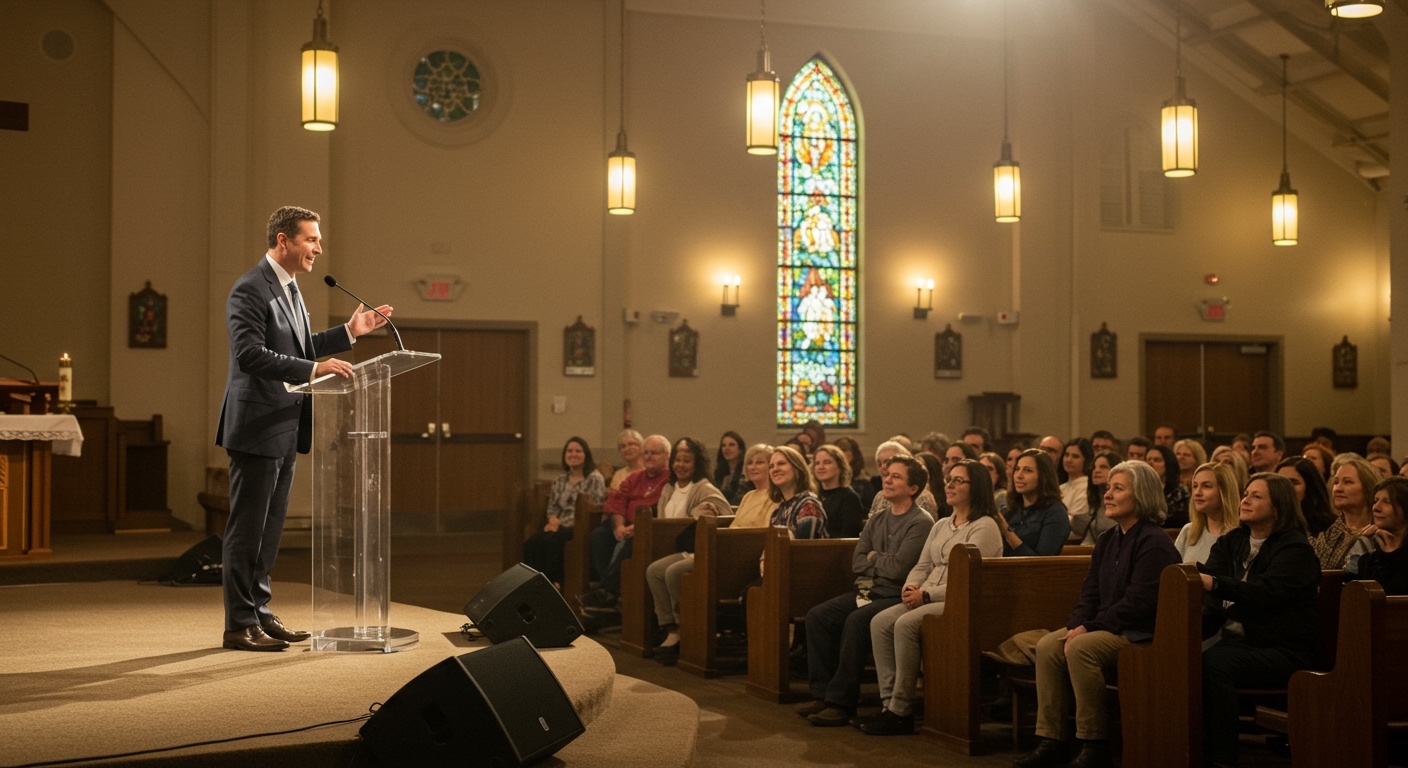
How much do Catholic speakers cost? On average, a professional Catholic speaker charges between $1,500 and $7,500 for a single event, though local volunteers may work for a $500 stipend while “celebrity” speakers can exceed $15,000. These fees typically cover the presentation itself, but you must also budget an additional $800 to $2,000 for travel, lodging, and meals.
TL;DR: Key Takeaways for Parish Budgets
- Local/Parish Level: Budget $500 – $1,200 plus basic hospitality.
- Regional Experts: Expect to pay $1,500 – $3,000 plus travel expenses.
- National Keynote Speakers: Professional fees range from $3,500 – $8,000.
- A-List “Celebrity” Speakers: Can cost $10,000 – $25,000+ depending on demand.
- Hidden Costs: Always account for airfare, Uber/Rental cars, and hotel stays separately from the honorarium.
Breaking Down the Cost Tiers for Catholic Speakers
When you ask how much do Catholic speakers cost, the answer depends heavily on the speaker’s reach, experience, and the size of your event. We have categorized these into four distinct tiers based on our first-hand experience booking speakers for Eucharistic Congresses, parish missions, and youth rallies.
Tier 1: Local Talents and Diocesan Staff ($0 – $1,200)
These speakers are often your “hidden gems.” They might be local priests, DREs (Directors of Religious Education), or laypeople with a powerful testimony.
- Pros: Low travel costs, deep understanding of the local community.
- Cons: May lack professional marketing materials or high-level stage presence.
- Expert Tip: Even if they say they “don’t have a fee,” we recommend a minimum $500 honorarium as a professional courtesy for their prep time.
Tier 2: The Rising Regional Speaker ($1,500 – $3,500)
These individuals are building a ministry. They likely have a published book or a growing social media presence.
- Pros: High energy, very relatable, and usually more flexible with their schedule.
- Cons: Their fees are rising as they transition into full-time ministry.
Tier 3: Established National Keynotes ($4,000 – $8,500)
This is the standard for Diocesan Men’s Conferences or National Youth Events. These speakers have multiple books, regular appearances on EWTN or Catholic Answers, and a polished “signature talk.”
- Pros: Guaranteed “draw” for ticket sales; highly professional delivery.
- Cons: They book out 12–18 months in advance.
Tier 4: The “Celebrity” Catholic Speaker ($10,000 – $25,000+)
These are household names in the Catholic world—think Fr. Mike Schmitz, Chris Stefanick, or Bishop Robert Barron (though clergy fees often go to their religious order or diocese).
- Pros: Massive marketing “pull” that can fill a stadium or cathedral.
- Cons: Extremely high demand and often require specific “technical riders” (professional lighting, sound, etc.).
Comparative Table: Catholic Speaker Fee Structure
| Speaker Category | Typical Honorarium | Estimated Travel Budget | Best For |
|---|---|---|---|
| Local Layperson | $300 – $800 | $0 – $100 | Small Parish Groups |
| Regional Expert | $1,500 – $3,000 | $500 – $1,000 | Parish Missions / Retreats |
| National Keynote | $4,000 – $7,500 | $1,000 – $1,500 | Conferences / Rallies |
| Celebrity/Brand | $10,000+ | $1,500+ | Large-Scale Festivals |
Why Do Catholic Speakers Charge This Much?
It is a common misconception that Catholic speakers should work for free or for “the glory of God.” While their mission is spiritual, their expenses are very real. When evaluating how much do catholic speakers cost, consider the following factors:
- Preparation Time: A 45-minute keynote often requires 20+ hours of research, writing, and rehearsal.
- Opportunity Cost: Many lay speakers are fathers or mothers who must pay for childcare or take time away from their “day job” to serve your parish.
- Ministry Overhead: Professional speakers pay for their own health insurance, website hosting, liability insurance, and book publishing costs.
- The “Expert” Value: You aren’t just paying for 60 minutes of talking; you are paying for the 20 years of study that made those 60 minutes impactful.
Hidden Expenses: The “All-In” Cost of Booking
In our experience managing event budgets, the honorarium is only about 60% of the total cost. If you are budgeting for a speaker, do not forget these “invisible” line items:
Travel and Transportation
- Airfare: Always book “Main Cabin” or higher. Avoid “Basic Economy” as it lacks flexibility for last-minute schedule changes common in ministry.
- Ground Transport: This includes Ubers to the airport, airport parking, and a rental car or “parish shuttle” once they arrive.
- Mileage: If they are driving, the current IRS Standard Mileage Rate (approx. $0.67 per mile) is the industry standard.
Lodging and Hospitality
- The Hotel Room: Most professional speakers prefer a quiet, clean hotel over a “guest room” in a rectory. This allows them to pray, rest, and prepare in solitude.
- Per Diem/Meals: Budget $50–$75 per day for meals if you are not hosting them for dinner.
Technical and Venue Requirements
- AV Gear: Does the speaker require a wireless lapel mic? A specific type of projector? High-quality sound?
- Materials: Some speakers require the parish to purchase workbooks or journals for the attendees, which can cost $5–$15 per person.
Expert Strategies to Save Money on Catholic Speaker Fees
If your parish budget is tight, there are several ways to secure high-quality ministry without breaking the bank.
The “Multi-Parish” Split**
In my years of consulting, the most effective way to lower the price is to cluster your events. If three neighboring parishes hire the same speaker for three consecutive nights, you can often negotiate a “package deal” and split the travel costs three ways.
Off-Peak Booking**
Lent and Advent are the “High Season” for Catholic speakers. If you book a speaker for Ordinary Time (July or August, for example), they may be more willing to negotiate their fee to fill their calendar.
Offer “Book Buy-Backs”**
Some speakers will lower their speaking fee if the parish agrees to purchase a set number of their books (e.g., 200 copies) to give away to parishioners. This is a win-win: the speaker gets their message into hands, and the parish provides a lasting resource.
Virtual Speaking Engagements**
Post-2020, many speakers offer Zoom or virtual keynotes. This completely eliminates travel costs and often reduces the honorarium by 30% to 50%.
Actionable Checklist for Booking a Speaker
- [ ] Define Your Budget: Determine your “All-In” number (Fee + Travel).
- [ ] Check References: Ask for a video of a recent talk to ensure their style fits your parish.
- [ ] Draft a Contract: Never rely on a “handshake.” Ensure dates, fees, and cancellation policies are in writing.
- [ ] Confirm the “Bishop’s Tax”: In some dioceses, a percentage of the fee or a specific “Suitability to Serve” letter is required.
- [ ] Marketing Plan: A $5,000 speaker is a waste of money if only 20 people show up. Budget for social media ads and flyers.
Frequently Asked Questions (FAQ)
Do Catholic priests charge a speaking fee?
Most priests do not have a set “fee,” but it is standard practice to provide a stipend. This stipend is often paid to their religious order or their parish. Always ask, “What is the standard honorarium for your diocese/order?”
Is it okay to negotiate a speaker’s price?
Yes, but be respectful. Instead of asking for a “discount,” ask: “Our budget for this event is $X. Is there a way we can work together within that range, perhaps by shortening the event or bundling it with book sales?”
How far in advance should I book a Catholic speaker?
For national speakers, 12 months is standard. For local speakers, 3–6 months is usually sufficient.
Are travel expenses usually included in the quote?
No. Most quotes you receive will be for the honorarium only. You should expect to receive a separate invoice for travel or be asked to book the flights and hotel directly.
Should we provide the speaker with a meal?
Absolutely. Hospitality is a biblical mandate. However, always ask about dietary restrictions first. Many traveling speakers have specific needs due to the rigors of life on the road.