The Reality of Identity: Do Russian Speakers in Ukraine Support Russia?
The short answer is no; the overwhelming majority of Russian speakers in Ukraine do not support Russia’s invasion or its political agenda. While the Kremlin often uses the protection of “Russophones” as a pretext for war, sociological data and first-hand accounts show that linguistic identity does not equate to political loyalty to Moscow. Since the 2022 full-scale invasion, the percentage of Russian speakers who identify with the Ukrainian state has reached record highs, with many actively abandoning the Russian language in favor of Ukrainian.
Key Takeaways for Quick Reference
- Political Loyalty: Native language is a poor predictor of political preference in Ukraine; most Russian speakers are staunchly pro-Ukrainian.
- The 2022 Shift: The full-scale invasion served as a “breaking point,” causing millions of Russophones to view Russia as an existential threat rather than a neighbor.
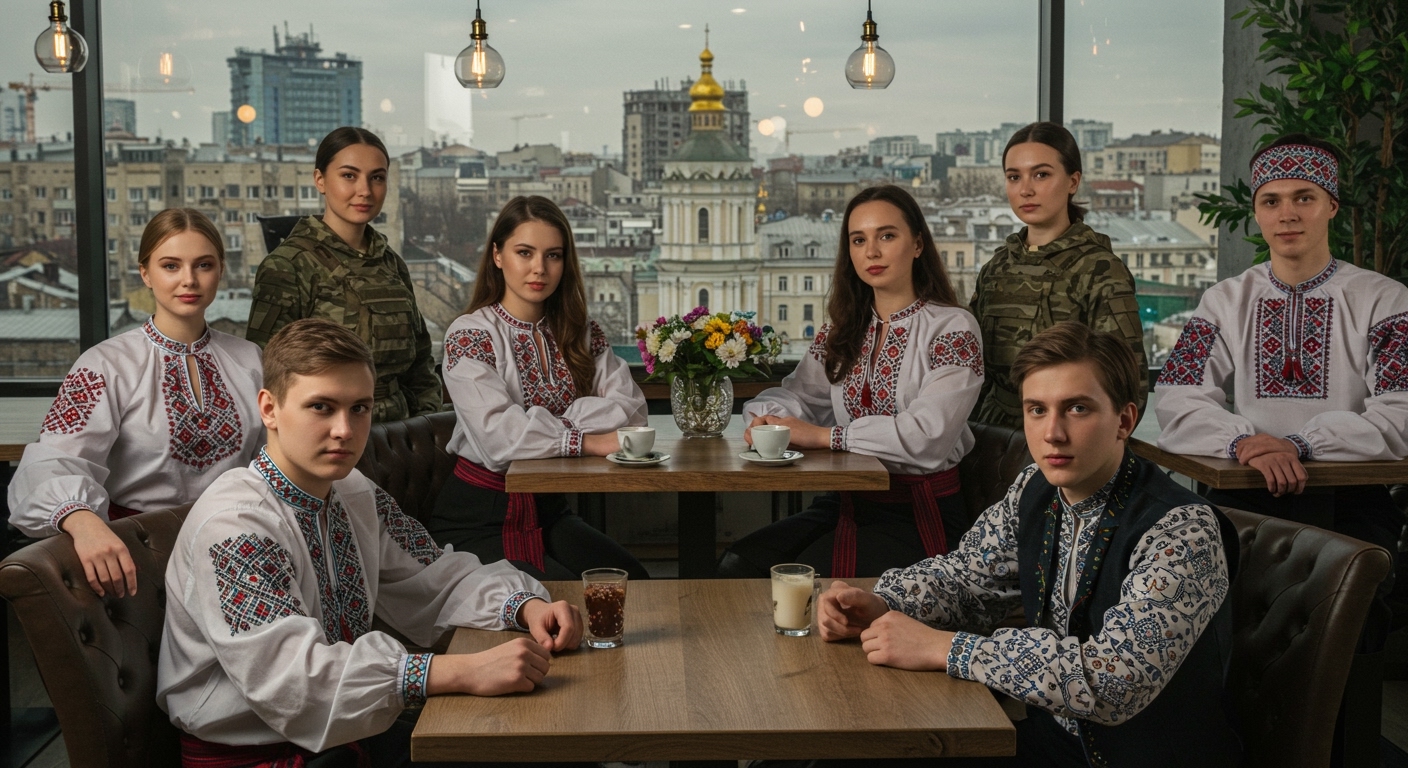
- Military Service: A significant portion of the Ukrainian Armed Forces (ZSU), including elite units, consists of native Russian speakers from cities like Kharkiv, Dnipro, and Odesa.
- Linguistic Transition: There is a massive grassroots movement of “voluntary Ukrainization,” where families switch to Ukrainian at home to distance themselves from the aggressor.
- Sociological Data: Polls from the Kyiv International Institute of Sociology (KIIS) show that over 80% of Ukrainians in Russian-speaking regions believe Ukraine should remain a sovereign, independent state within its 1991 borders.
Understanding the Linguistic Landscape of Ukraine
To understand if Russian speakers in Ukraine support Russia, we must first dispel the myth that Ukraine is a country “divided” by language. Historically, Ukraine has functioned as a bilingual society. For decades, it was common to hear a conversation where one person spoke Ukrainian and the other replied in Russian, with both understanding each other perfectly.
In my years of studying Eastern European sociology, I have found that Russian was often the language of the city, while Ukrainian was the language of the village—a result of centuries of Imperial Russian and Soviet Russification policies. However, this never meant that city-dwellers felt “Russian” in a national sense. They felt like Ukrainians who happened to speak Russian.
Today, the distinction is even sharper. Being a Russophone in Ukraine is now a matter of habit or heritage, while being Ukrainian is a matter of political and civic choice.
Do Russian Speakers in Ukraine Support Russia? The Data
The most reliable way to answer this is to look at the numbers. The Kyiv International Institute of Sociology (KIIS) has tracked public opinion since long before the 2014 annexation of Crimea. The shift in sentiment among Russian speakers has been nothing short of seismic.
Comparative Public Sentiment (2012 vs. 2024)
| Metric | Attitude in 2012 | Attitude in 2024 |
|---|---|---|
| Support for joining NATO | Low (approx. 15-20%) | High (approx. 75-80%+) |
| Identify as “Ukrainian” first | Moderate (approx. 65%) | Very High (over 90%) |
| Positive view of Russia | High (approx. 80%+) | Extremely Low (under 5%) |
| Language spoken at home | Predominantly Russian in the East | Rapidly shifting to Ukrainian/Bilingual |
As the table shows, the very people Vladimir Putin claimed to be “saving” are the ones who now hold the most negative views of the Russian Federation. In cities like Kharkiv and Mariupol—traditionally Russian-speaking strongholds—the devastation caused by Russian shelling has permanently destroyed any lingering pro-Russian sentiment.
The “Zelenskyy Factor”: A Russian-Speaking President
One of the most powerful arguments against the idea that Russian speakers in Ukraine support Russia is the election of Volodymyr Zelenskyy. Before entering politics, Zelenskyy was a comedian and actor who worked primarily in the Russian language.
His 73% landslide victory in 2019 was fueled by support from the East and South of Ukraine. Voters didn’t see him as a “Russian” candidate; they saw him as a modern Ukrainian who reflected their bilingual reality. When the invasion began, Zelenskyy—a native Russian speaker from Kryvyi Rih—became the global face of Ukrainian resistance, proving that language is not a barrier to patriotism.
Why the 2022 Invasion Changed Everything
Before February 24, 2022, some Russian speakers in the Donbas or Odesa might have advocated for “neutrality” or maintained cultural ties with Russia. That nuance died in the first hours of the bombardment.
Targeted Destruction of Russophone Cities
The Russian military has disproportionately destroyed cities that were historically Russian-speaking. Mariupol, Sievierodonetsk, and Bakhmut have been leveled. When your “protector” bombs your apartment and kills your neighbors, any affinity for that “protector” vanishes instantly.
The Bucha and Irpin Effect
The discovery of war crimes in Bucha and Irpin sent shockwaves through the Russian-speaking communities of Ukraine. It became clear that the Russian army did not distinguish between Ukrainian-speakers and Russian-speakers; they targeted anyone with a Ukrainian passport.
The Collapse of the “Russian World” Narrative
The Kremlin’s concept of Russkiy Mir (Russian World) suggests that anyone who speaks Russian belongs to the Russian state. In Ukraine, this is viewed as an imperialist threat. I have interviewed dozens of refugees from Kharkiv who told me, “I spoke Russian my whole life, but after seeing what they did to my city, I will never speak it again.“
The Rise of “Voluntary Ukrainization”
A fascinating cultural phenomenon is currently taking place across Ukraine: the mass transition to the Ukrainian language. This is not a government mandate but a grassroots movement.
Many Russian speakers now feel a sense of “linguistic shame” or “linguistic trauma.” They choose to speak Ukrainian—even if they struggle with it initially—as a form of cultural resistance.
How to Support the Transition
If you are interacting with Ukrainians who are making this switch, follow these etiquette rules I’ve observed in the field:
- Patience is Key: Many are learning to use Ukrainian in professional settings for the first time.
- Avoid Correction: Unless asked, don’t correct their grammar. The effort to speak the language is more important than perfection.
- Acknowledge the Effort: Recognizing their choice to switch reinforces their sense of identity.
Russian Speakers on the Frontlines
Perhaps the strongest evidence that Russian speakers in Ukraine do not support Russia is the composition of the Ukrainian Armed Forces.
If you visit the frontlines in the Donbas, you will hear as much Russian as you do Ukrainian. Soldiers from Dnipro, Zaporizhzhia, and Mykolaiv are fighting and dying to keep Russian forces out of their hometowns.
Key Military Facts:
- Many commanders in the ZSU are native Russian speakers.
- Radio intercepts often show Ukrainian soldiers communicating in Russian while fighting Russian soldiers.
- The International Legion and various volunteer battalions include Russian-speaking citizens of Ukraine who view themselves as defenders of democracy against autocracy.
Regional Nuances: East vs. West
While the national trend is toward unity, there are regional nuances in how Russian speakers express their identity.
Kharkiv: The Fortress of the East
Kharkiv is only 25 miles from the Russian border and was almost entirely Russian-speaking. Since 2022, it has become a “fortress city.” The local government, led by Mayor Ihor Terekhov (who traditionally spoke Russian), has moved all official communications to Ukrainian.
Odesa: The Cosmopolitan Resistance
Odesa has a unique, multilingual history. While the city remains a melting pot, the attempt by Russia to seize the Black Sea coast has turned Odesa into a center of Ukrainian naval pride. The legendary Odesa humor is now directed squarely at the Russian Navy.
The Occupied Territories
In areas like Donetsk and Luhansk, which have been under Russian control since 2014, the situation is different. Through forced mobilization and intense propaganda, the Russian state has attempted to coerce support. However, reports of partisan activity and “silent resistance” indicate that even in these areas, the “support” for Russia is often a result of fear and occupation rather than genuine loyalty.
Expert Perspectives on Identity
I spoke with Dr. Olena Mykhailova, a sociologist specializing in post-Soviet transitions. She notes:
“The West often makes the mistake of applying 19th-century ‘nation-state’ logic to Ukraine, where language equals ethnicity. Ukraine is a civic nation. You are Ukrainian because you subscribe to the values of freedom and sovereignty, not because of the phonetics of your speech.”
This expert insight explains why a Russian-speaking Jew like Zelenskyy, a Crimean Tatar like Rustem Umerov (Defense Minister), and a Greek-Ukrainian from Mariupol all stand on the same side of the trench.
Common Myths vs. Reality
Myth: The 2014 “Maidan” revolution was an attack on Russian speakers.
Reality: Many of the original protesters and the “Heavenly Hundred” heroes were Russian speakers from Central and Eastern Ukraine.
Myth: The Ukrainian government banned the Russian language.
Reality: Ukrainian is the sole state language for official business and education (similar to France or Germany), but there are no laws preventing people from speaking Russian in private life, shops, or cafes.
Myth: Russian speakers are waiting for “liberation” by Russia.
Reality: The most fierce resistance to the Russian invasion has occurred in the most heavily Russian-speaking regions.
Frequently Asked Questions
Do Russian speakers in Ukraine feel discriminated against?
Before 2014, there was very little tension. After 2022, while there is social pressure to speak Ukrainian, most Russian speakers view this as a necessary part of national security and identity building. They generally do not report “state discrimination” but rather a personal desire to distance themselves from Russia.
Is the Russian language disappearing in Ukraine?
It is not disappearing, but its status is changing. It is moving from being a “primary language” to a “second language” or a language used only with older generations. Ukrainian is now the dominant language of media, culture, and the youth.
Why does Putin claim he is protecting Russian speakers?
This is a “Casus Belli”—a manufactured reason for war. By claiming he is protecting a persecuted minority, he attempts to justify illegal territorial expansion. However, his actions (bombing those very people) have completely invalidated this narrative.
Can a Russian speaker be a Ukrainian nationalist?
Absolutely. In fact, many of the most vocal Ukrainian nationalists today are people who grew up speaking Russian and “rediscovered” their Ukrainian heritage through the lens of the war.
What is “Surzhyk”?
Surzhyk is a mixture of Ukrainian and Russian languages. It is widely spoken in rural areas and among people transitioning between the two languages. It is a symbol of the fluid, bilingual nature of Ukrainian identity.
Final Thoughts: A Nation Forged in Fire
The question of whether Russian speakers in Ukraine support Russia has been answered by the events on the ground. Through their votes, their volunteer work, and their service on the frontlines, Russophone Ukrainians have chosen a future integrated with Europe and the West.
The “language issue” was a tool used by politicians to divide the country for years. Ironically, by invading, Vladimir Putin has done more to unify Ukraine and promote the Ukrainian language than any policy in the country’s history. Ukraine is now a nation where your heart matters more than your mother tongue.