Understanding Speaker Power: Do Speakers Need Electricity?
Yes, all speakers require electricity to function. Whether they are Passive speakers drawing power from an external amplifier or Active speakers plugging directly into a wall outlet, electricity is the essential catalyst that moves the voice coil to create sound waves. Without an electrical signal and sufficient wattage, a speaker remains a silent box of magnets and paper.
💡 Expert Summary: Key Takeaways
Fundamental Rule: All speakers need power to work, but the source varies between Internal Amplification (Active) and External Amplification (Passive).
Passive Speakers: These do not have a power cord but receive “high-level” electrical signals through speaker wire from a receiver.
Active Speakers: These feature built-in amplifiers and require a direct connection to a power supply or battery.
Signal vs. Power: Even the smallest earbuds use tiny amounts of electricity sent through the headphone jack or Bluetooth chip.
Safety First: Always match the Impedance (Ohms) and Wattage (Watts) to prevent “blowing” your drivers or overheating the circuit.
Do Speakers Need Electricity to Work?
To understand do speakers need electricity, you must look at the physics of sound. A speaker is a transducer, a device that converts one form of energy into another. In this case, it converts electrical energy into mechanical energy (motion), which then creates acoustic energy (sound).
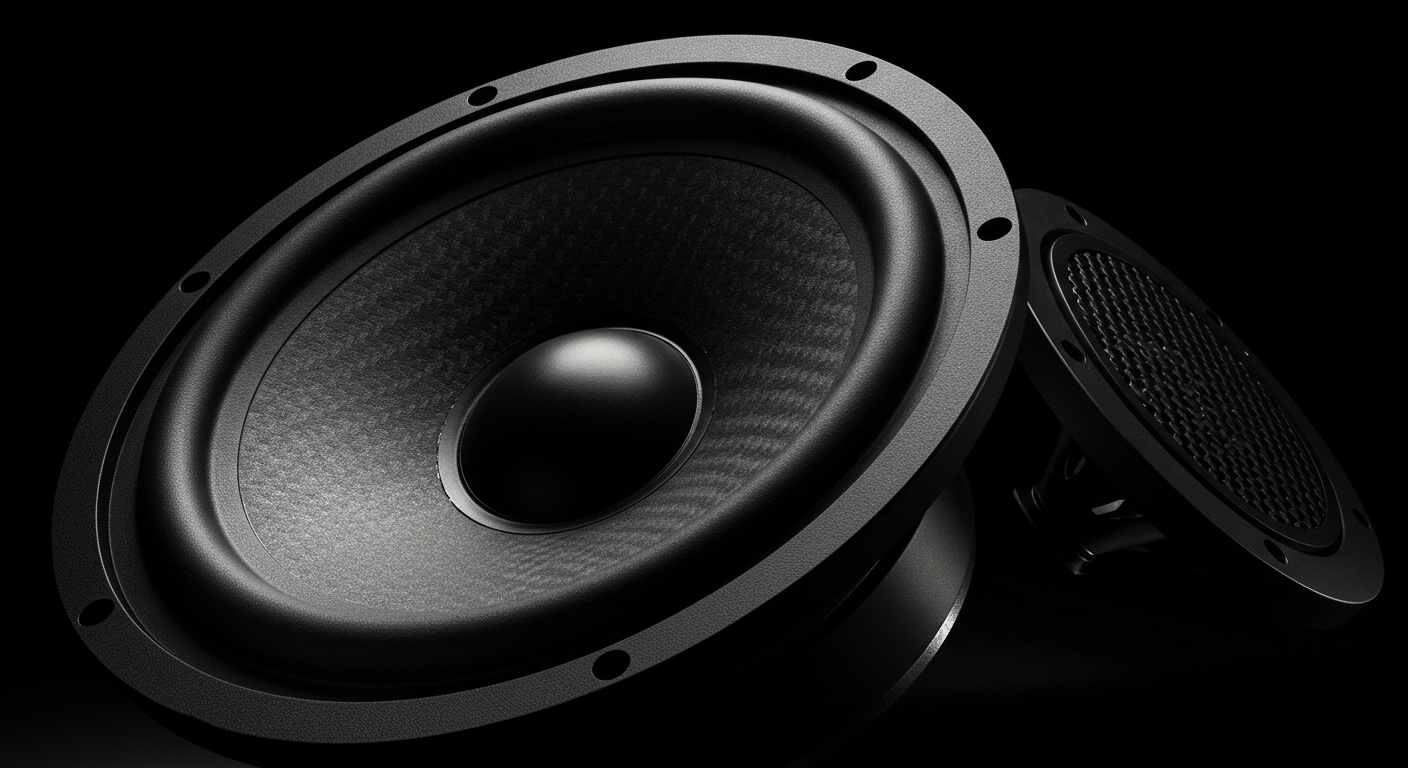
Inside every speaker is a permanent magnet and a coil of wire called a voice coil. When electricity flows through the coil, it creates a temporary magnetic field. This field interacts with the permanent magnet, causing the coil to move back and forth rapidly. This movement pushes the speaker cone, vibrating the air and reaching your ears as music.
Without electricity, there is no magnetic interaction. Therefore, do speakers need power? Absolutely. Even “unpowered” speakers are actually being powered remotely by a separate machine.
How Are Speakers Powered? (The Two Main Categories)
When asking how are speakers powered, the answer depends entirely on the design of the audio system. The industry divides speakers into two distinct categories based on their relationship with electricity.
Active Speakers (Self-Powered)
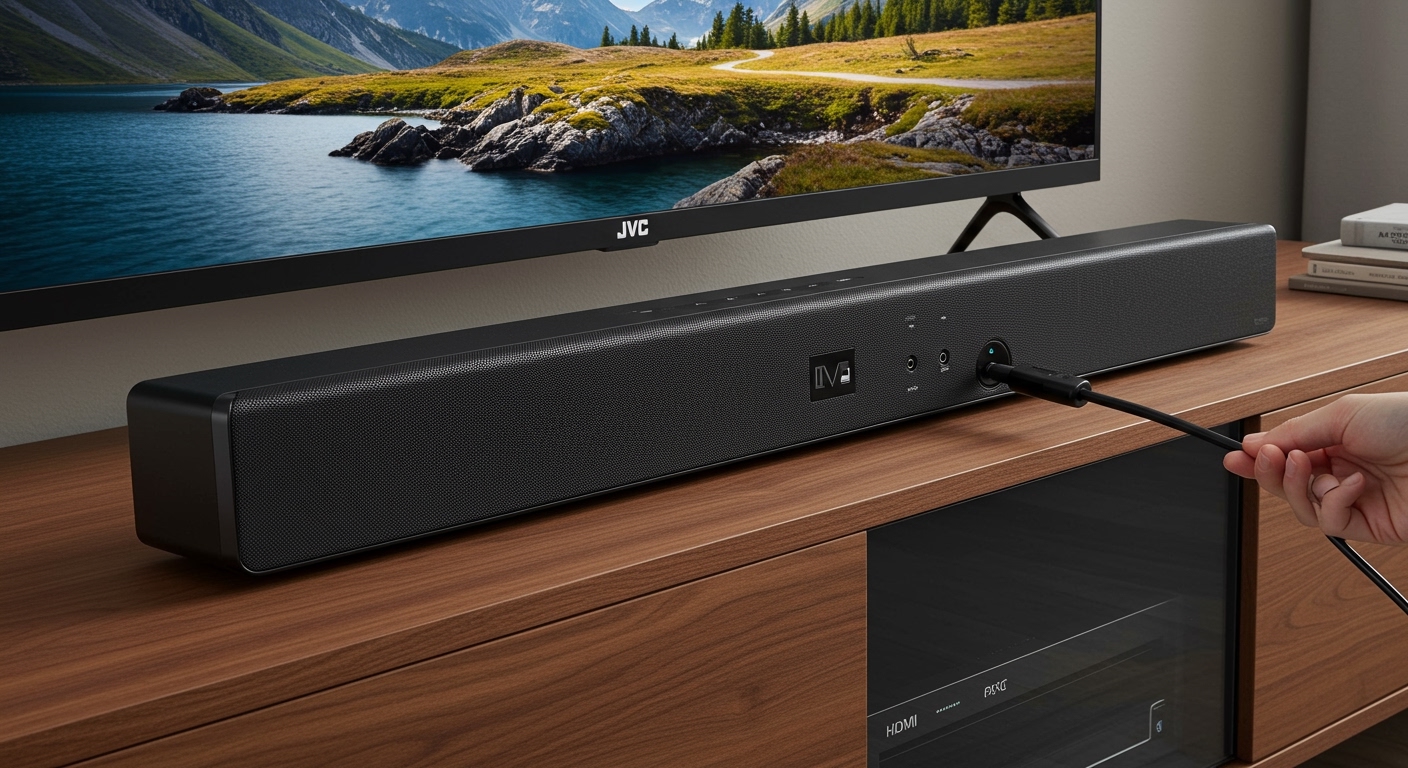
Active speakers are “all-in-one” units. They have an integrated power amplifier inside the cabinet. This means they must be connected to a dedicated power supply or use a battery.
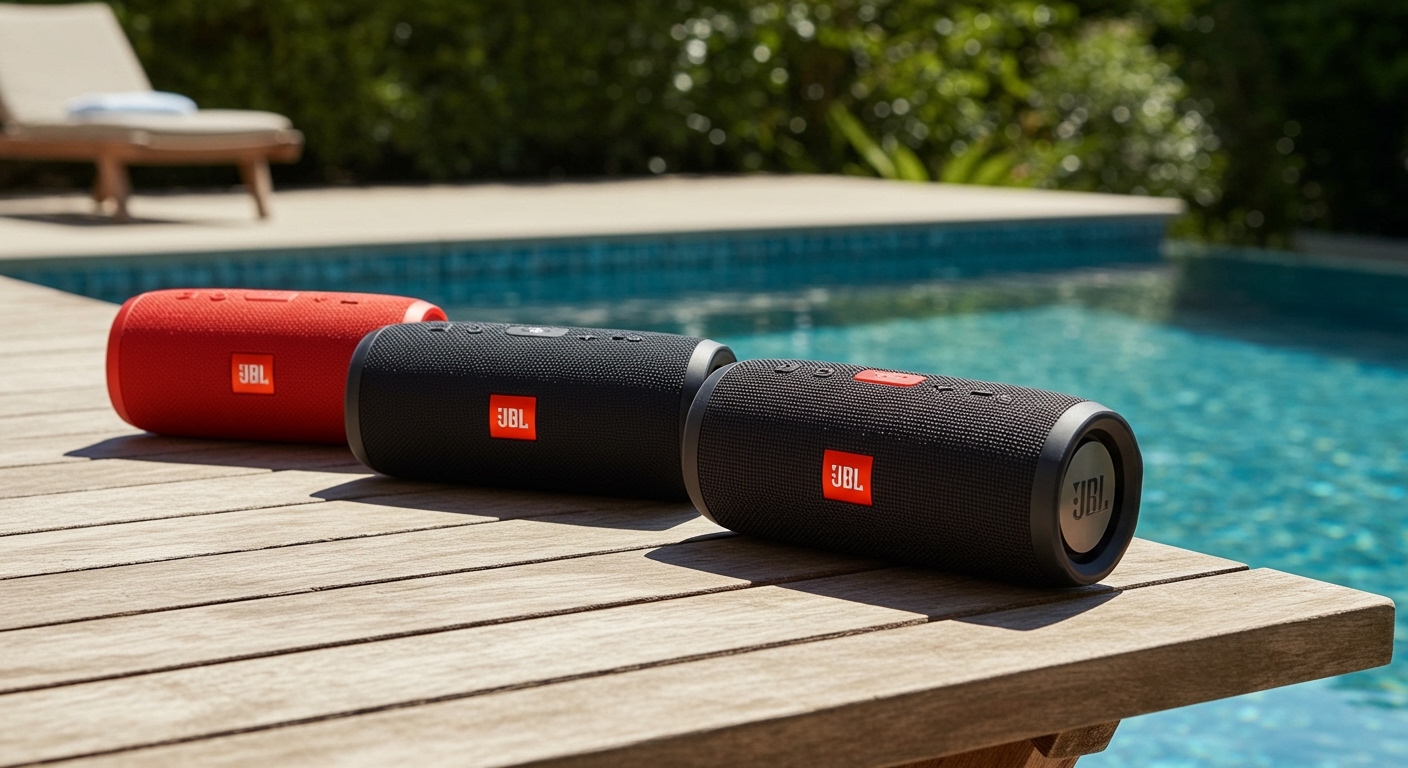
Examples: Bluetooth speakers, computer speakers, studio monitors, and smart speakers (like Amazon Echo).
Power Source: Standard wall outlets (AC) or rechargeable Lithium-ion batteries (DC).
Passive Speakers (Externally Powered)
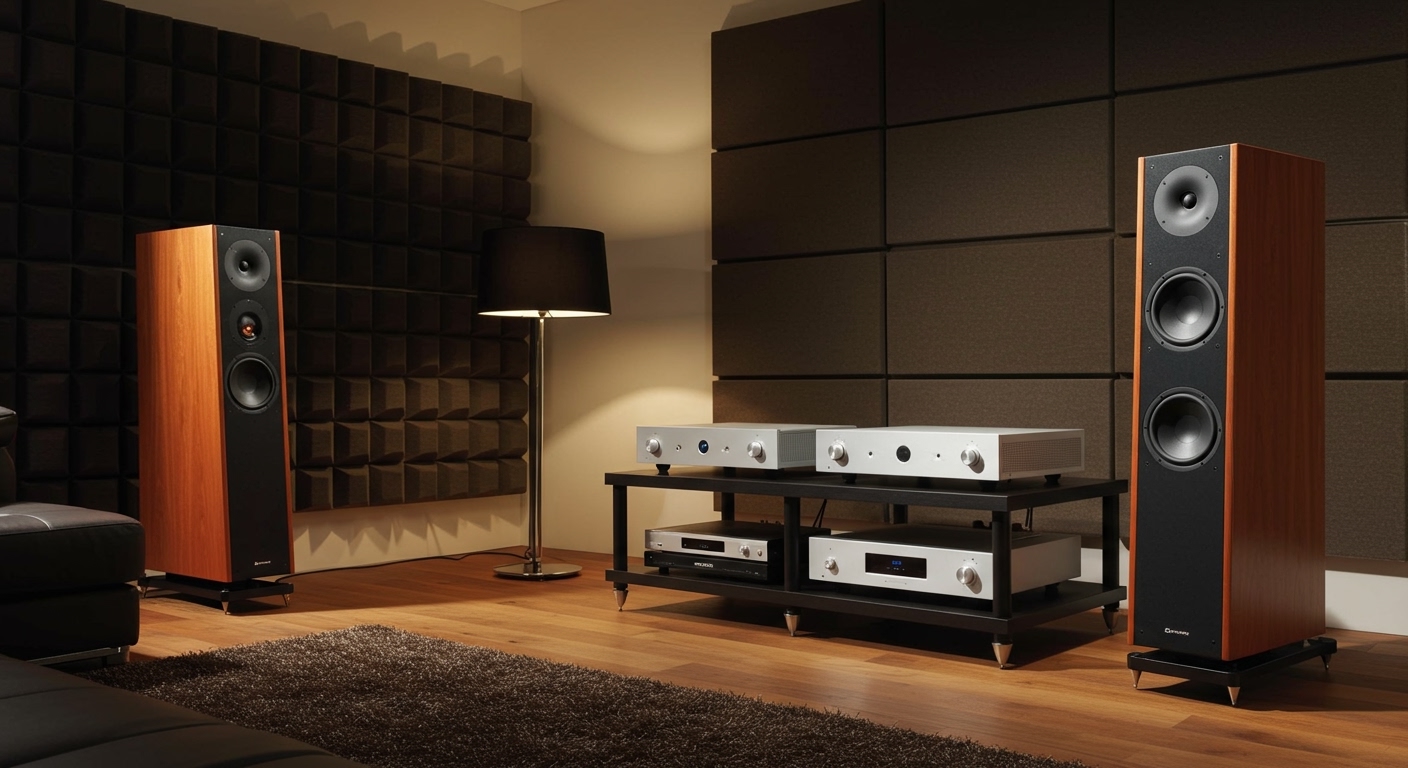
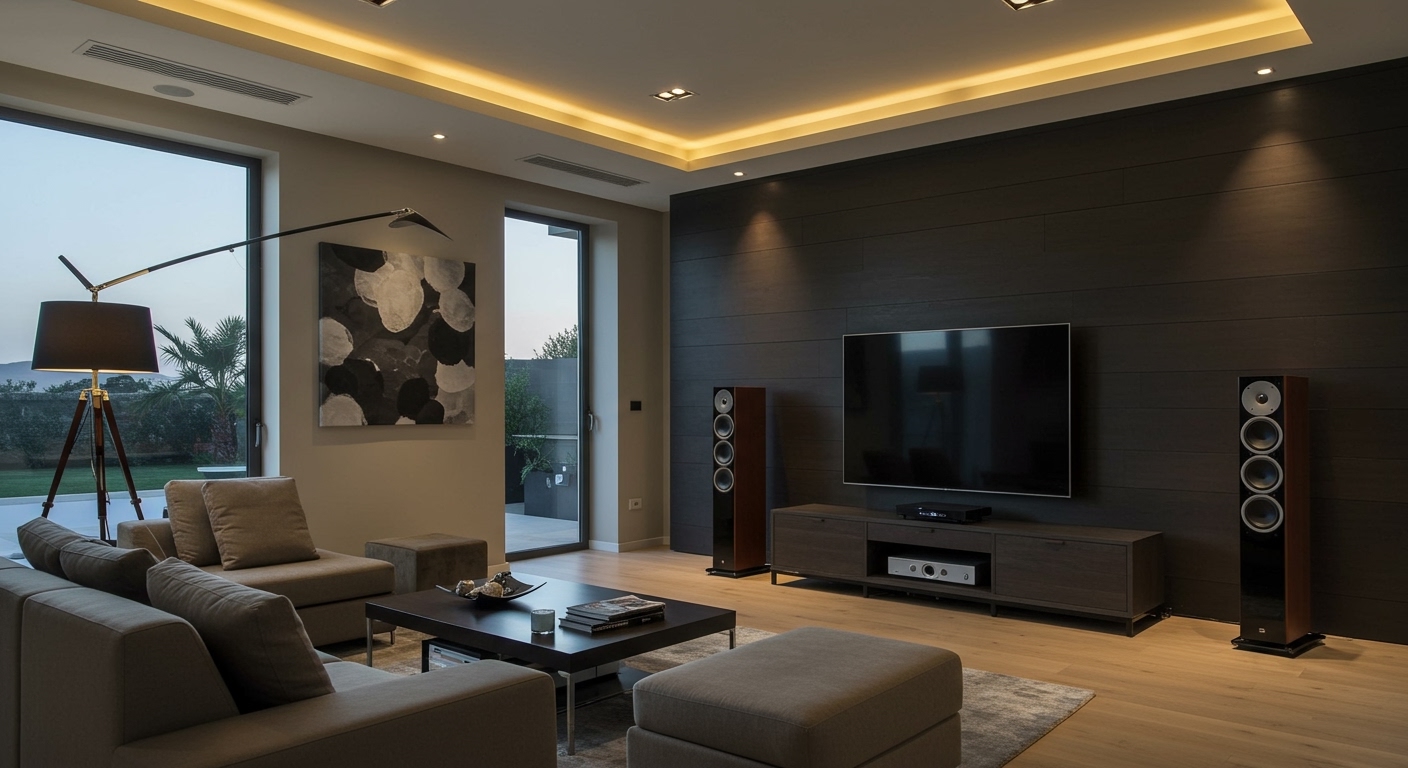
Passive speakers are the traditional type found in high-end home theaters. They do not have a built-in amplifier. Instead, they rely on an external AV Receiver or Integrated Amplifier to send them a “boosted” electrical signal.
Examples: Bookshelf speakers, floor-standing towers, and ceiling speakers.
Power Source: They receive power through the speaker cables connected to the amp.
Comparison Table: Active vs. Passive Powering
| Feature | Active Speakers | Passive Speakers |
|---|---|---|
| Internal Amplifier | Yes | No |
| Needs Wall Outlet | Yes | No (Amp needs it) |
| Primary Connection | Power Cable + Signal Cable | Speaker Wire Only |
| Weight | Heavier (Due to amp) | Lighter |
| Best For | Convenience, Portability | High-end Home Theater, Customization |
Tools and Materials Needed for Speaker Powering
Before you begin setting up your system, ensure you have the right components. Using the wrong power supply or thin wire can lead to poor sound quality or fire hazards.
| Tool/Material | Purpose | Recommended Type |
|---|---|---|
| Speaker Wire | Connects passive speakers to amps | 14-gauge or 16-gauge Oxygen-Free Copper |
| Power Cable | Connects active speakers to wall | Standard IEC or DC Adapter |
| Amplifier/Receiver | Provides power to passive units | Class D or Class A/B Amp |
| Wire Strippers | Removes insulation from cables | Self-adjusting strippers |
| Banana Plugs | Ensures secure electrical contact | Gold-plated connectors |
Step-by-Step Guide: How to Power Your Speakers
Setting up power correctly ensures longevity for your equipment. Follow these steps based on your specific speaker type.
Step 1: Identify Your Speaker Type
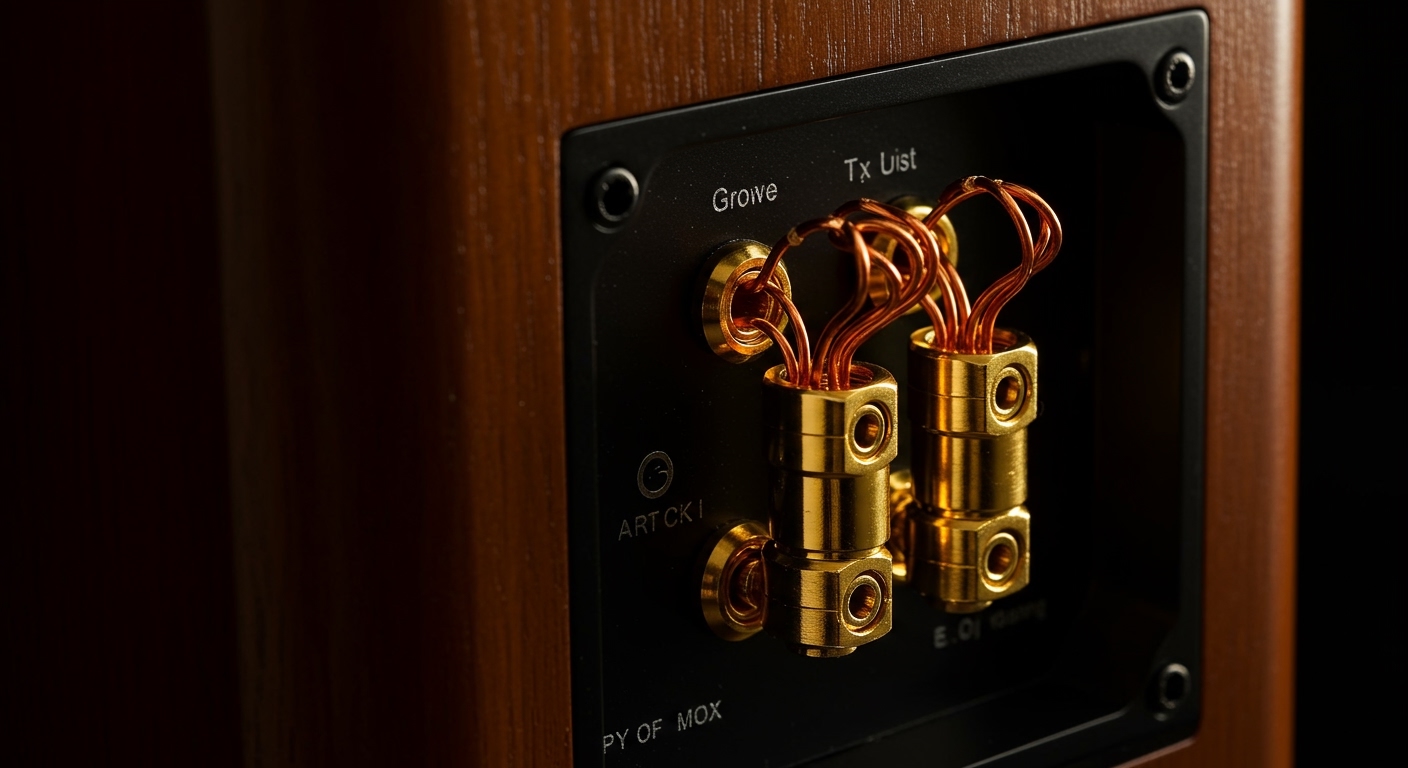
Look at the back of the speaker. If you see a power switch, a volume knob, or a port for a “DC In” or “AC In” cable, you have Active speakers. If you only see two binding posts (red and black terminals) and no power cord, you have Passive speakers.
Step 2: Powering Active Speakers
- Locate the power input. This is usually a 2-prong or 3-prong socket.
- Connect the power cord. Plug the cord into the speaker first, then into the wall outlet.
- Check for voltage compatibility. Ensure your outlet matches the speaker’s requirements (e.g., 110V vs. 220V).
- Turn the volume to zero. Always start with the volume down to avoid a “power pop” that could damage the tweeter.
- Switch the power on. Look for an LED indicator light.
Step 3: Powering Passive Speakers
- Strip the speaker wire. Use wire strippers to expose about half an inch of copper at both ends.
- Observe Polarity. This is critical for how speakers get power correctly. Connect the Positive (+) red terminal on the amp to the red terminal on the speaker. Do the same for the Negative (-) black terminals.
- Secure the connection. Tighten the binding posts or insert Banana Plugs for a cleaner fit.
- Connect the Amplifier to Power. The amplifier is the device that actually draws electricity from the wall to feed the speakers.
- Test the signal. Start the amplifier at low power to ensure the connection is solid.
How Do Speakers Work Without Power?
A common question is how do speakers work without power? The short answer is: they don’t. However, there is a nuance regarding Electromagnetic Induction.
Some very small, high-sensitivity speakers (like old-fashioned telephone receivers) can operate on extremely low-voltage signals sent directly from a source (like a phone line) without a secondary power source. In this scenario, the “power” is the audio signal itself.
However, for modern music listening, the signal coming from a phone or laptop is far too weak to move a large speaker cone. This is why we need amplification. Without an external or internal power supply, the speaker cannot produce audible volume.
Understanding Speaker Power: Do Speakers Need Electricity?
Yes, all speakers require electricity to function. Whether they are Passive speakers drawing power from an external amplifier or Active speakers plugging directly into a wall outlet, electricity is the essential catalyst that moves the voice coil to create sound waves. Without an electrical signal and sufficient wattage, a speaker remains a silent box of magnets and paper.
💡 Expert Summary: Key Takeaways
Fundamental Rule: All speakers need power to work, but the source varies between Internal Amplification (Active) and External Amplification (Passive).
Passive Speakers: These do not have a power cord but receive “high-level” electrical signals through speaker wire from a receiver.
Active Speakers: These feature built-in amplifiers and require a direct connection to a power supply or battery.
Signal vs. Power: Even the smallest earbuds use tiny amounts of electricity sent through the headphone jack or Bluetooth chip.
Safety First: Always match the Impedance (Ohms) and Wattage (Watts) to prevent “blowing” your drivers or overheating the circuit.
Do Speakers Need Electricity to Work?
To understand do speakers need electricity, you must look at the physics of sound. A speaker is a transducer, a device that converts one form of energy into another. In this case, it converts electrical energy into mechanical energy (motion), which then creates acoustic energy (sound).
Inside every speaker is a permanent magnet and a coil of wire called a voice coil. When electricity flows through the coil, it creates a temporary magnetic field. This field interacts with the permanent magnet, causing the coil to move back and forth rapidly. This movement pushes the speaker cone, vibrating the air and reaching your ears as music.
Without electricity, there is no magnetic interaction. Therefore, do speakers need power? Absolutely. Even “unpowered” speakers are actually being powered remotely by a separate machine.
How Are Speakers Powered? (The Two Main Categories)
When asking how are speakers powered, the answer depends entirely on the design of the audio system. The industry divides speakers into two distinct categories based on their relationship with electricity.
Active Speakers (Self-Powered)
Active speakers are “all-in-one” units. They have an integrated power amplifier inside the cabinet. This means they must be connected to a dedicated power supply or use a battery.
Examples: Bluetooth speakers, computer speakers, studio monitors, and smart speakers (like Amazon Echo).
Power Source: Standard wall outlets (AC) or rechargeable Lithium-ion batteries (DC).
Passive Speakers (Externally Powered)
Passive speakers are the traditional type found in high-end home theaters. They do not have a built-in amplifier. Instead, they rely on an external AV Receiver or Integrated Amplifier to send them a “boosted” electrical signal.
Examples: Bookshelf speakers, floor-standing towers, and ceiling speakers.
Power Source: They receive power through the speaker cables connected to the amp.
Comparison Table: Active vs. Passive Powering
| Feature | Active Speakers | Passive Speakers |
|---|---|---|
| Internal Amplifier | Yes | No |
| Needs Wall Outlet | Yes | No (Amp needs it) |
| Primary Connection | Power Cable + Signal Cable | Speaker Wire Only |
| Weight | Heavier (Due to amp) | Lighter |
| Best For | Convenience, Portability | High-end Home Theater, Customization |
Tools and Materials Needed for Speaker Powering
Before you begin setting up your system, ensure you have the right components. Using the wrong power supply or thin wire can lead to poor sound quality or fire hazards.
| Tool/Material | Purpose | Recommended Type |
|---|---|---|
| Speaker Wire | Connects passive speakers to amps | 14-gauge or 16-gauge Oxygen-Free Copper |
| Power Cable | Connects active speakers to wall | Standard IEC or DC Adapter |
| Amplifier/Receiver | Provides power to passive units | Class D or Class A/B Amp |
| Wire Strippers | Removes insulation from cables | Self-adjusting strippers |
| Banana Plugs | Ensures secure electrical contact | Gold-plated connectors |
Step-by-Step Guide: How to Power Your Speakers
Setting up power correctly ensures longevity for your equipment. Follow these steps based on your specific speaker type.
Step 1: Identify Your Speaker Type
Look at the back of the speaker. If you see a power switch, a volume knob, or a port for a “DC In” or “AC In” cable, you have Active speakers. If you only see two binding posts (red and black terminals) and no power cord, you have Passive speakers.
Step 2: Powering Active Speakers
- Locate the power input. This is usually a 2-prong or 3-prong socket.
- Connect the power cord. Plug the cord into the speaker first, then into the wall outlet.
- Check for voltage compatibility. Ensure your outlet matches the speaker’s requirements (e.g., 110V vs. 220V).
- Turn the volume to zero. Always start with the volume down to avoid a “power pop” that could damage the tweeter.
- Switch the power on. Look for an LED indicator light.
Step 3: Powering Passive Speakers
- Strip the speaker wire. Use wire strippers to expose about half an inch of copper at both ends.
- Observe Polarity. This is critical for how speakers get power correctly. Connect the Positive (+) red terminal on the amp to the red terminal on the speaker. Do the same for the Negative (-) black terminals.
- Secure the connection. Tighten the binding posts or insert Banana Plugs for a cleaner fit.
- Connect the Amplifier to Power. The amplifier is the device that actually draws electricity from the wall to feed the speakers.
- Test the signal. Start the amplifier at low power to ensure the connection is solid.
How Do Speakers Work Without Power?
A common question is how do speakers work without power? The short answer is: they don’t. However, there is a nuance regarding Electromagnetic Induction.
Some very small, high-sensitivity speakers (like old-fashioned telephone receivers) can operate on extremely low-voltage signals sent directly from a source (like a phone line) without a secondary power source. In this scenario, the “power” is the audio signal itself.
However, for modern music listening, the signal coming from a phone or laptop is far too weak to move a large speaker cone. This is why we need amplification. Without an external or internal power supply, the speaker cannot produce audible volume.
Expert Advice: Maximizing Efficiency and Safety
As a professional audio installer, I have seen many people damage their gear by misunderstanding do speakers need power supply requirements. Here is how to avoid common pitfalls:
Match the Impedance: Most home speakers are 8 Ohms. Ensure your amplifier is rated to handle that load. If you use a 4 Ohm speaker on an 8 Ohm-only amp, the amp will draw too much current and may overheat.
Avoid “Clipping”: If your amplifier isn’t powerful enough, it might “clip” the signal when you turn it up. This sends a distorted electrical wave to the speaker that can melt the voice coil faster than a high-power clean signal would.
Use Quality Cables: For long runs (over 50 feet), use thicker 12-gauge wire. Thin wire has higher resistance, meaning less power reaches the speaker and more is wasted as heat.
Power Conditioning: Plug your active speakers or amplifiers into a Surge Protector. Sudden voltage spikes in your home’s electricity can fry the sensitive electronics in an active speaker’s built-in amp.
Common Mistakes to Avoid
Plugging Passive Speakers into the Wall: Never attempt to “hotwire” a passive speaker to a wall outlet. This will result in an immediate explosion of the driver and a fire hazard.
Reversing Polarity: If you swap the red and black wires on one speaker but not the other, the speakers will be “out of phase.” This cancels out the bass frequencies, making your music sound thin and hollow.
Leaving Active Speakers On: Constant power can degrade the internal capacitors over time. Use “Auto-Standby” mode if available.
FAQs: Powering Your Audio Gear
Are all speakers powered?
No, not all speakers are “self-powered.” Passive speakers require an external amplifier to provide the necessary electricity. However, all speakers require power in some form (either internal or external) to produce sound.
Do speakers need power supply units for cars?
Yes. Car speakers are typically passive and get their power from the Head Unit or an external Car Amplifier. The amplifier itself is powered by the car’s 12V battery.
Can I use a USB port to power large speakers?
Generally, no. A standard USB 2.0 or 3.0 port provides very limited wattage (approx. 2.5W to 4.5W). This is enough for small desktop speakers but insufficient for high-fidelity bookshelf speakers or subwoofers.
How do speakers get power if they are wireless?
Wireless speakers (Bluetooth or Wi-Fi) are almost always Active speakers. They get power from an internal rechargeable battery or a power cord plugged into a wall. The “wireless” part only refers to the audio signal, not the electricity.
Conclusion
To summarize, do speakers need electricity? Yes, they are fundamentally electrical devices. While active speakers plug into the wall and passive speakers draw power from an amplifier, neither can function without a steady supply of electrical energy.
By understanding how are speakers powered, you can make better purchasing decisions and ensure your audio system sounds its best. Always prioritize matching your components and using high-quality cabling to protect your investment.
Ready to upgrade your sound? Check your amplifier’s wattage rating today to ensure you’re giving your speakers the clean power they deserve!