Does Apple Have Speakers? The Definitive Guide to Apple Audio
If you are wondering does apple have speakers, the short answer is yes: Apple currently designs, manufactures, and sells the HomePod (2nd Generation) and the HomePod mini. These devices are not just basic Bluetooth speakers; they are high-end, Wi-Fi-connected smart speakers integrated deeply into the Apple ecosystem.
For years, users asked does apple make speakers that can compete with audiophile brands. Today, Apple’s lineup focuses on computational audio, using internal sensors and powerful chips to tune sound in real-time based on the room’s acoustics. Whether you want a booming home theater setup or a compact bedside companion, Apple has a hardware solution tailored for Siri and Apple Music users.
Expert Summary: Quick Takeaways
Current Models: Apple sells the full-sized HomePod (high-fidelity) and the HomePod mini (compact).
Core Technology: Apple uses proprietary computational audio driven by the S7 or S5 chips.
Connectivity: These speakers primarily use AirPlay 2 over Wi-Fi, not standard Bluetooth pairing for audio streaming.
Smart Home Hub: Both speakers act as Matter and Thread hubs to control your smart home devices.
Who makes them? Apple designs the acoustics and silicon in-house, while partners like Luxshare and Foxconn handle assembly.
Understanding the Apple Speaker Lineup
When people ask does apple sell speakers, they are often looking for the specific hardware that carries the Apple logo. Unlike many tech companies that rebrand white-label hardware, Apple engineers its audio products from the ground up.
The HomePod (2nd Generation)
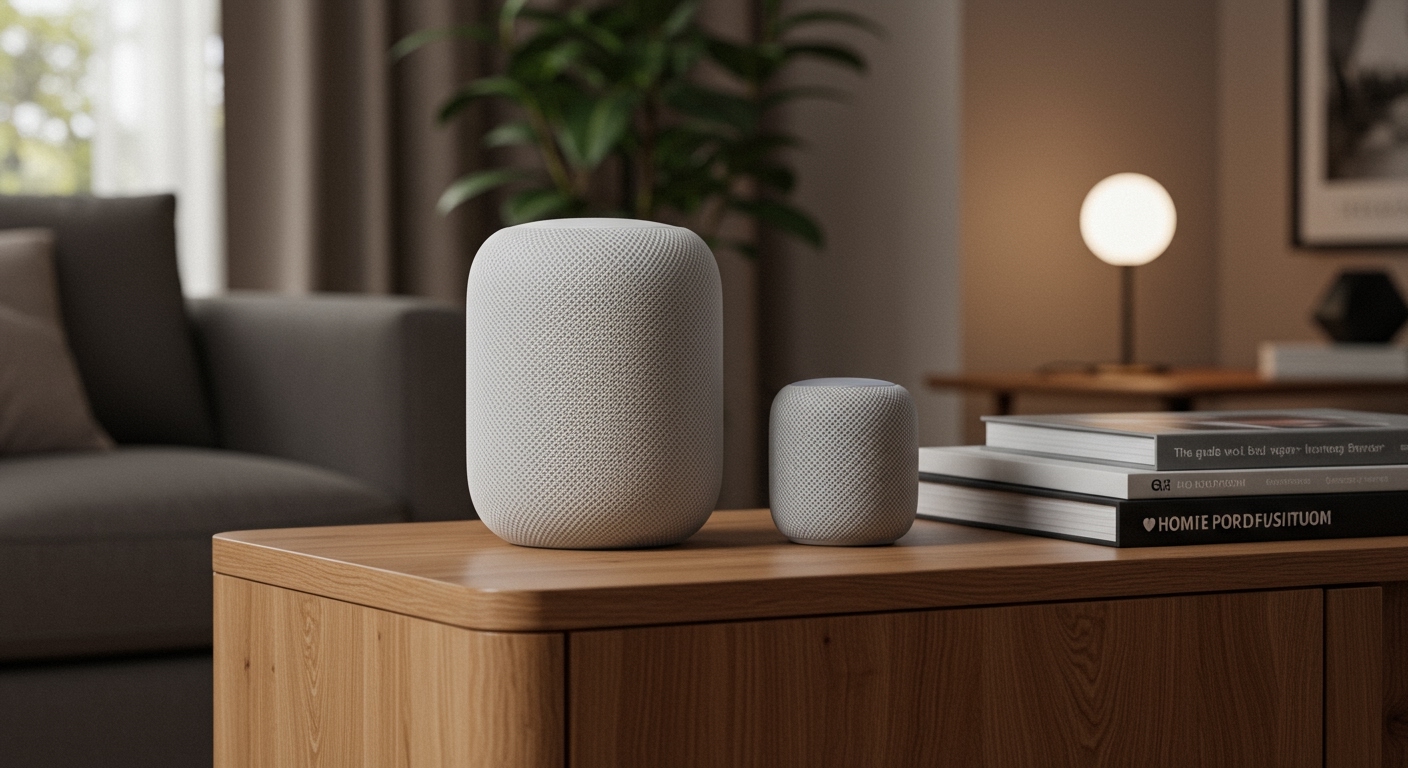
The flagship HomePod is designed for those who prioritize sound quality. It features a high-excursion woofer and five beamforming tweeters. This model is ideal for large living rooms and creating a “wall of sound” effect.
The HomePod mini
The HomePod mini is the budget-friendly, spherical option. While smaller, it still packs a punch with a full-range driver and dual passive radiators. It is perfect for multi-room audio and smaller spaces like offices or kitchens.
Legacy Audio Products
Historically, Apple has experimented with other forms. You might remember the iPod Hi-Fi or the original HomePod (2018). While these are discontinued, they paved the way for the current focus on smart, connected audio.
Technical Specifications: What Speakers Does Apple Use?
To answer what speakers does apple use, we have to look inside the chassis. Apple does not use “off-the-shelf” drivers. Instead, they develop custom components to fit their specific spatial audio goals.
| Feature | HomePod (2nd Gen) | HomePod mini |
|---|---|---|
| Driver Type | 4-inch high-excursion woofer | Full-range driver |
| Tweeters | 5 beamforming tweeters | Dual passive radiators |
| Processor | S7 Chip | S5 Chip |
| Microphones | 4 mics for far-field Siri | 4 mics for far-field Siri |
| Sensors | Temperature & Humidity | Temperature & Humidity |
| Spatial Audio | Supported (with Dolby Atmos) | Not supported (Mono/Stereo) |
| Best For | Home Theater / Audiophiles | Multi-room / Desktop |
Step-by-Step: How to Set Up Your Apple Speakers
Setting up an Apple speaker is significantly different from a traditional Bluetooth speaker. Because does apple make speakers with a focus on ease of use, the process is almost entirely automated through your iPhone.
Step 1: Prepare Your Environment
Ensure your iPhone or iPad is running the latest version of iOS or iPadOS. You must be connected to the Wi-Fi network you intend to use for the speaker and have Bluetooth turned on.
Step 2: Power On the Device
Plug your HomePod or HomePod mini into a power source. Wait for a pulsing white light to appear on the top touch surface. This indicates the device is ready for pairing.
Step 3: Use the Proximity Setup
Hold your iPhone within a few inches of the speaker. A setup card will automatically slide up from the bottom of your screen.
Tap “Set Up.”
Center the HomePod in the circular viewfinder on your iPhone screen to authenticate the pairing.
Step 4: Assign a Room and Services
Follow the on-screen prompts to assign the speaker to a specific room (e.g., “Living Room”). You will also be asked to enable Personal Requests, which allows Siri to read your messages and check your calendar.
Step 5: Update the Software
Check the Home App immediately after setup. Apple frequently releases firmware updates that improve sound profiles and add new features like smoke alarm detection.
Does Apple TV Have Speakers?
A common point of confusion for new users is does apple tv have speakers? The Apple TV 4K hardware itself does not contain speakers for audio playback. It is a streaming box designed to output sound to your television, a soundbar, or Apple speakers.
However, you can use HomePod speakers as the default audio output for Apple TV. This creates a seamless wireless home theater experience. By using eARC (Enhanced Audio Return Channel) technology, you can even route sound from your gaming consoles (like a PS5) through the Apple TV and out to your HomePods.
Who Makes Apple Speakers?
If you are curious about the manufacturing origins, specifically who makes apple speakers, the answer involves a global supply chain led by Apple’s California-based design team.
Design and Engineering: Apple’s Acoustic Design Group in Cupertino, California, handles all driver engineering, enclosure design, and software tuning.
Manufacturing Partners: Luxshare Precision and Foxconn are the primary assemblers. These companies operate massive facilities in China and Vietnam where the components are put together.
Component Suppliers: Companies like TSMC manufacture the S-series chips, while various other vendors provide the recycled aluminum and fabrics used in the exterior.
So, while Apple is the brand and the engineer, the physical assembly is a collaborative effort with global manufacturing giants. This is the standard answer to who makes speakers for apple.
Expert Tips for Maximizing Apple Speaker Performance
To get the most out of your investment, follow these professional optimization tips:
Placement Matters: Place your HomePod about 6 inches from a wall. It uses the wall to reflect sound and create a wider soundstage.
Create Stereo Pairs: If you buy two identical HomePods, you can link them in the Home App. This provides a true left and right channel experience that far exceeds a single speaker.
Use Handoff: You can “hand off” music from your iPhone to a HomePod mini just by tapping your phone against the top of the speaker.
Calibrate for Your Room: If you move your speaker, play a bass-heavy track for 30 seconds. The internal accelerometer senses the move and triggers the internal microphones to recalibrate the EQ for the new position.
Common Mistakes to Avoid
- Using Standard Bluetooth: Many users try to find the HomePod in Bluetooth settings. Remember: Apple speakers use AirPlay 2. You won’t find them in the Bluetooth menu for music.
- Blocking the Top Surface: The top of the HomePod is a touch interface and contains the microphones. Do not place objects on top of it, as this will muffle Siri’s voice recognition.
- Mixing Models for Stereo: You cannot create a stereo pair between a HomePod (1st Gen) and a HomePod (2nd Gen), or between a mini and a full-sized model. They must be the same model.
Tools and Materials Needed for Setup
| Item | Requirement |
|---|---|
| iOS Device | iPhone 8 or later / iPad with latest OS |
| Wi-Fi Network | 802.11n or 802.11ac with WPA/WPA2 security |
| Apple ID | Must have Two-Factor Authentication enabled |
| Home App | Pre-installed on all iOS devices |
| Apple Music | Recommended for the best voice-controlled experience |
FAQs: Everything You Need to Know About Apple Speakers
Does Apple sell speakers for computers?
Apple does not sell dedicated desktop “PC speakers” anymore. However, most Mac users use the HomePod mini or the built-in high-fidelity speakers in the Studio Display or MacBook Pro. You can also route Mac audio to any HomePod via AirPlay.
Can I use Apple speakers with an Android phone?
Technically, no. Apple speakers require an iOS device for setup and use AirPlay for streaming. While some third-party apps on Android can “hack” an AirPlay connection, the experience is buggy and lacks Siri integration.
What speakers does Apple use in the MacBook Pro?
The MacBook Pro uses a six-speaker sound system with force-cancelling woofers. These are custom-designed by Apple to provide wide stereo sound and support for Spatial Audio without the vibration typically found in thin laptops.
Does Apple make speakers that are waterproof?
No. Currently, neither the HomePod nor the HomePod mini is waterproof or dust-resistant. They are designed for indoor use only and should be kept away from high-moisture areas like bathrooms unless there is proper ventilation.
Conclusion: Is an Apple Speaker Right for You?
When asking does apple have speakers, it’s clear the company has moved beyond simple audio to a complex, AI-driven sound ecosystem. Apple makes speakers that are specifically designed to reward those already invested in the iPhone, Mac, and Apple TV.
If you want a speaker that balances high-end design with the smartest home integration available, the HomePod lineup is a premier choice. While you can find cheaper alternatives, the “magic” of the Apple ecosystem—where your music follows you from your phone to your living room with a simple tap—is a value proposition that is hard to beat.
Ready to upgrade your home audio? Open the Home App on your iPhone today to see how a new HomePod can transform your living space into a cinematic soundstage.