Do Full Range Speakers Have Bass? The Short Answer
If you are upgrading your car audio or home theater, you have almost certainly asked: do full range speakers have bass? The short answer is yes, full-range speakers do produce bass, but their ability to deliver deep, chest-thumping low frequencies depends entirely on their physical size, power handling, and enclosure.
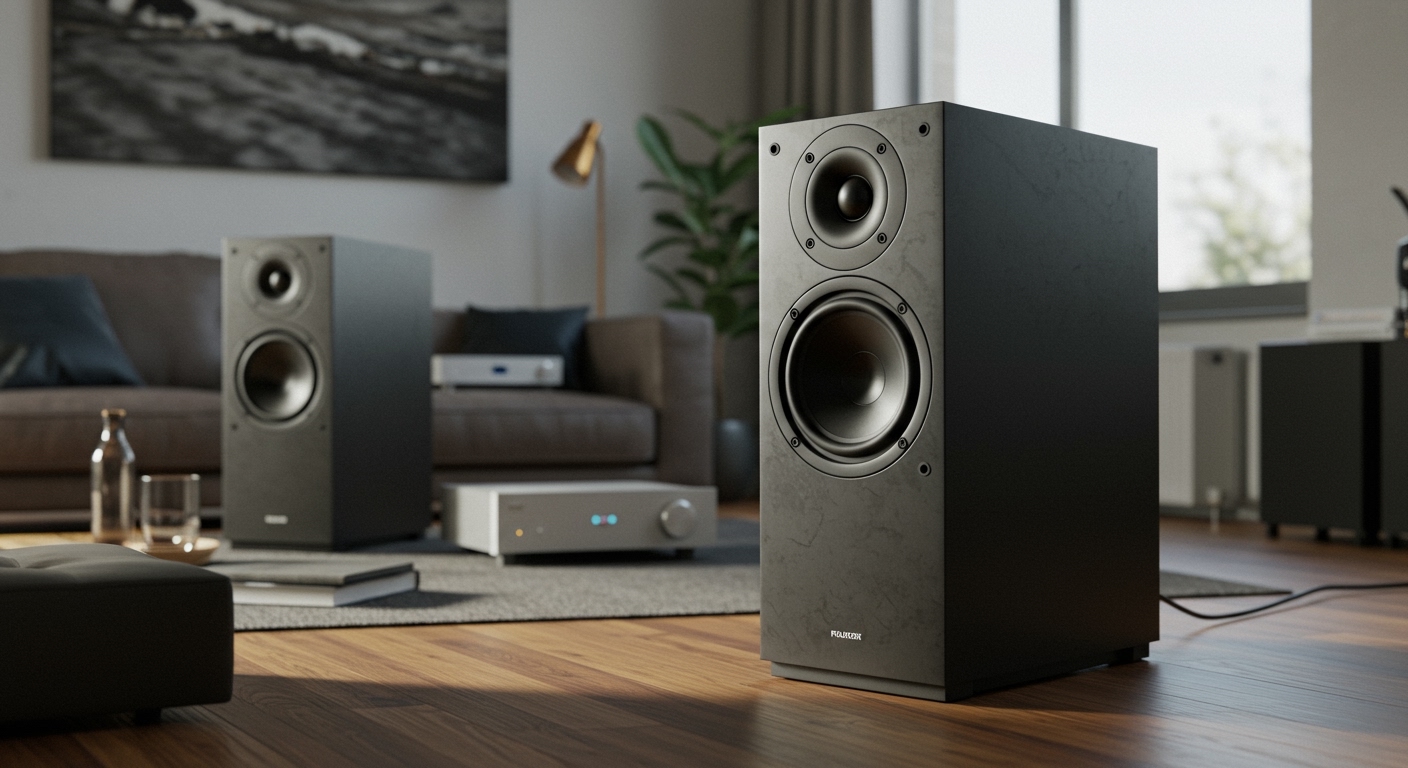
Most high-quality full-range speakers easily handle mid-bass frequencies (between 60Hz and 250Hz), giving music warmth and punch. However, they physically struggle to reproduce true sub-bass (below 60Hz) with the same authority as a dedicated subwoofer.
In my 15 years of designing and tuning audio systems, I have learned that maximizing bass from these speakers requires proper installation. Below, we will break down exactly how to get the most low-end out of your full-range setup.
TL;DR: Key Takeaways on Full Range Speakers and Bass
- Size Matters: Larger cones (like 6×9-inch or 8-inch speakers) push more air, resulting in significantly deeper and louder bass.
- Mid-Bass vs. Sub-Bass: Full-range speakers excel at punchy mid-bass but usually roll off sharply below 60Hz.
- Enclosures are Critical: A speaker mounted in a properly sealed or ported enclosure will produce up to 50% more perceived bass than one in free air.
- Power is Essential: Head unit power is rarely enough. An aftermarket amplifier provides the clean power needed to drive low frequencies.
- Acoustic Treatment: Adding sound deadening to your doors or speaker cabinets drastically improves bass response by eliminating cancellation.
Understanding the Physics: How Do Full Range Speakers Have Bass?
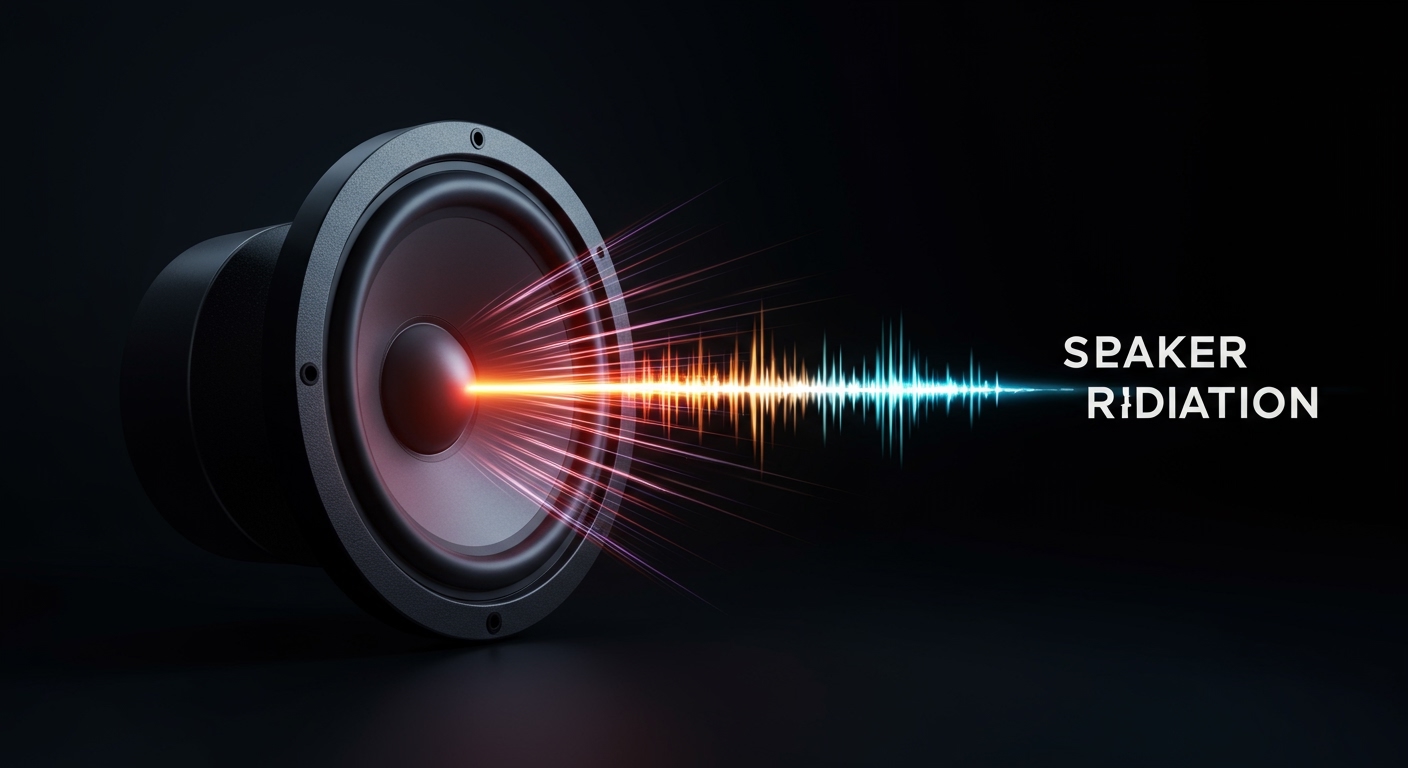
To understand how a single speaker handles an entire spectrum of sound, we have to look at acoustic physics. Sound is simply vibrating air, and lower frequencies (bass) require moving a massive amount of air.
Full-range speakers are designed to cover as much of the human hearing range (20Hz to 20,000Hz) as possible. In coaxial designs, this is achieved by combining a woofer cone for the lows and mids, with a smaller tweeter mounted in the center for the highs.
The Excursion and Surface Area Rule
Bass production comes down to two primary factors: cone surface area and excursion (Xmax). Excursion is how far the speaker cone can travel back and forth.
Because full-range speakers must also play mid-range frequencies accurately, their cones cannot be too heavy, and their excursion is limited. A heavy cone playing deep bass would distort the delicate mid-range vocals—a phenomenon known as intermodulation distortion.
Frequency Ranges Explained
When evaluating whether your full-range speakers will deliver enough bass for your listening tastes, it helps to understand the bass spectrum. Here is a breakdown of what these speakers actually hit.
| Frequency Range | Category | Can Full Range Speakers Play This? | Examples in Music |
|---|---|---|---|
| 20Hz – 60Hz | Sub-Bass | Rarely. Only massive 8″ or high-end 6×9″ speakers in perfect enclosures. | 808 drops, EDM synths, Pipe organs. |
| 60Hz – 250Hz | Mid-Bass | Yes. Most 5.25″ to 6.5″ speakers handle this incredibly well. | Kick drums, Bass guitars, Male vocals. |
| 250Hz – 2kHz | Mid-Range | Yes. This is the “sweet spot” for full-range drivers. | Guitars, Pianos, Main vocals. |
| 2kHz – 20kHz | Treble/Highs | Yes. Handled by the integrated tweeter. | Cymbals, Snare snaps, String harmonics. |
Step-by-Step Guide: How to Maximize Bass from Full Range Speakers
When audio clients ask me, “do full range speakers have bass?”, they are usually disappointed with their current factory setup. Often, the speakers aren’t the problem; the installation is.
You do not always need to buy a bulky subwoofer to get a rich, full sound. Follow these specific steps to extract every ounce of low-end frequency from your current full-range speakers.
Step 1: Upgrade Your Amplification
The factory radio in your car, or a cheap home receiver, typically outputs only 15 to 20 watts of RMS power. Bass frequencies require massive amounts of electrical current to overcome the mechanical resistance of the speaker cone.
- Check Speaker Specs: Look at the RMS power rating (not Peak/Max power) of your full-range speakers.
- Add a Dedicated Amplifier: Purchase a 2-channel or 4-channel Class D amplifier that matches or slightly exceeds that RMS rating.
- Use Quality Wiring: Run thick, OFC (Oxygen-Free Copper) wire to ensure no voltage drops occur during heavy bass hits.
Step 2: Apply Acoustic Sound Deadening
In car audio particularly, speakers are mounted to thin metal doors. When the speaker pushes forward to create a bass note, the back of the speaker pulls air backward.
If those front and back sound waves meet, they cancel each other out—destroying your bass. Sound deadening prevents this acoustic phase cancellation.
- Strip the Panel: Remove the door panel or open your home speaker cabinet.
- Apply Butyl Mats: Roll on high-quality butyl sound deadening mats (like Kilmat or Dynamat) directly onto the metal or thin wood. Cover at least 25-50% of the surface area.
- Seal Access Holes: In vehicle doors, seal large service holes to turn the door cavity into a proper, sealed speaker enclosure. This single step can increase your mid-bass output by up to 3dB (which sounds twice as loud to the human ear).
Step 3: Implement Proper Equalization and Crossovers
Sending deep sub-bass (like 30Hz) to a standard 6.5-inch full-range speaker causes it to distort and flap uncontrollably. This ruins the mid-bass it can produce.
- Set a High-Pass Filter (HPF): On your amplifier or head unit, turn on the HPF.
- Tune the Frequency: Set the HPF to 60Hz or 80Hz. This blocks the speaker from trying to play the ultra-low sub-bass.
- Boost the Mid-Bass: With the sub-bass blocked, the speaker has more mechanical headroom. You can now use your EQ settings to slightly boost the 80Hz to 120Hz range for a punchier kick drum sound.
Step 4: Check for Out-of-Phase Wiring
This is the most common mistake DIY installers make. If you wire one speaker backwards (connecting the positive wire to the negative terminal), that speaker will pull inward while the other pushes outward.
- Listen to the Bass: Play a bass-heavy track. Pan the audio entirely to the left speaker, then entirely to the right.
- Center the Audio: Move the balance back to the center. If the bass suddenly sounds weaker when both speakers play together, your speakers are out of phase.
- Reverse the Wires: Simply swap the positive and negative wires on one of the speakers to fix the cancellation.
Choosing the Best Full Range Speakers for Bass
If you are buying new equipment and still wondering, do full range speakers have bass that will satisfy me, your choice of speaker size and design is critical. Not all full-range speakers are created equal.
Speaker Size Matters: 6.5″ vs. 6×9″
The physical dimensions of the speaker dictate its low-frequency limits. A larger surface area will always result in a more robust low end.
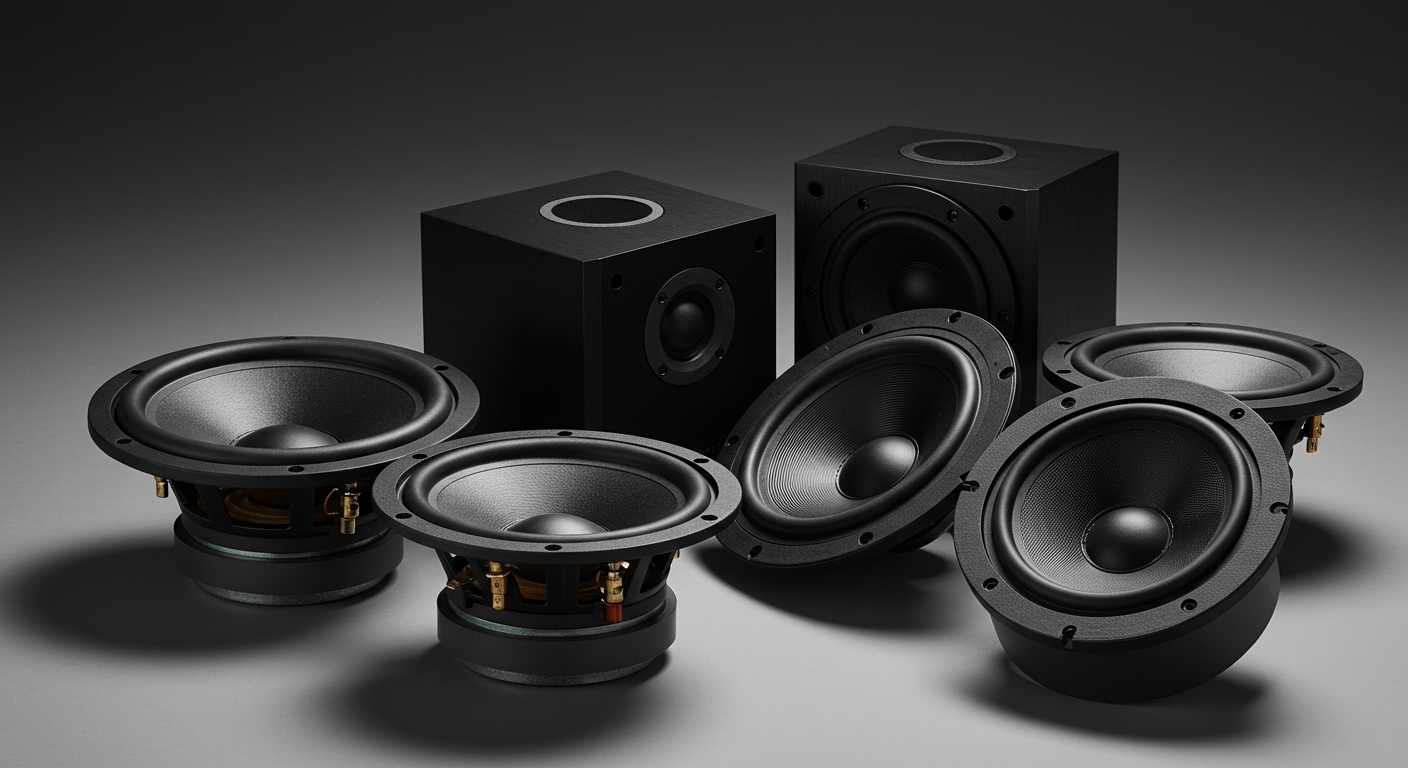
- 4-inch and 5.25-inch Speakers: These have almost zero low bass. They are meant for mid-range clarity and high frequencies. Do not expect any thumping bass from these sizes.
- 6.5-inch Speakers: This is the industry standard. High-quality 6.5-inch speakers with large ferrite magnets and stiff cones can produce excellent, punchy mid-bass.
- 6×9-inch Speakers: Because of their oval shape, 6x9s boast the surface area equivalent to an 8-inch round woofer. These are universally considered the best full-range speakers for bass without using a subwoofer.
Component vs. Coaxial Designs
When shopping, you will encounter two main styles of full-range audio: Coaxial and Component.
Coaxial speakers (2-way or 3-way) have the tweeter mounted on a pole directly in the center of