Understanding How Do Amplifiers and Speakers Work
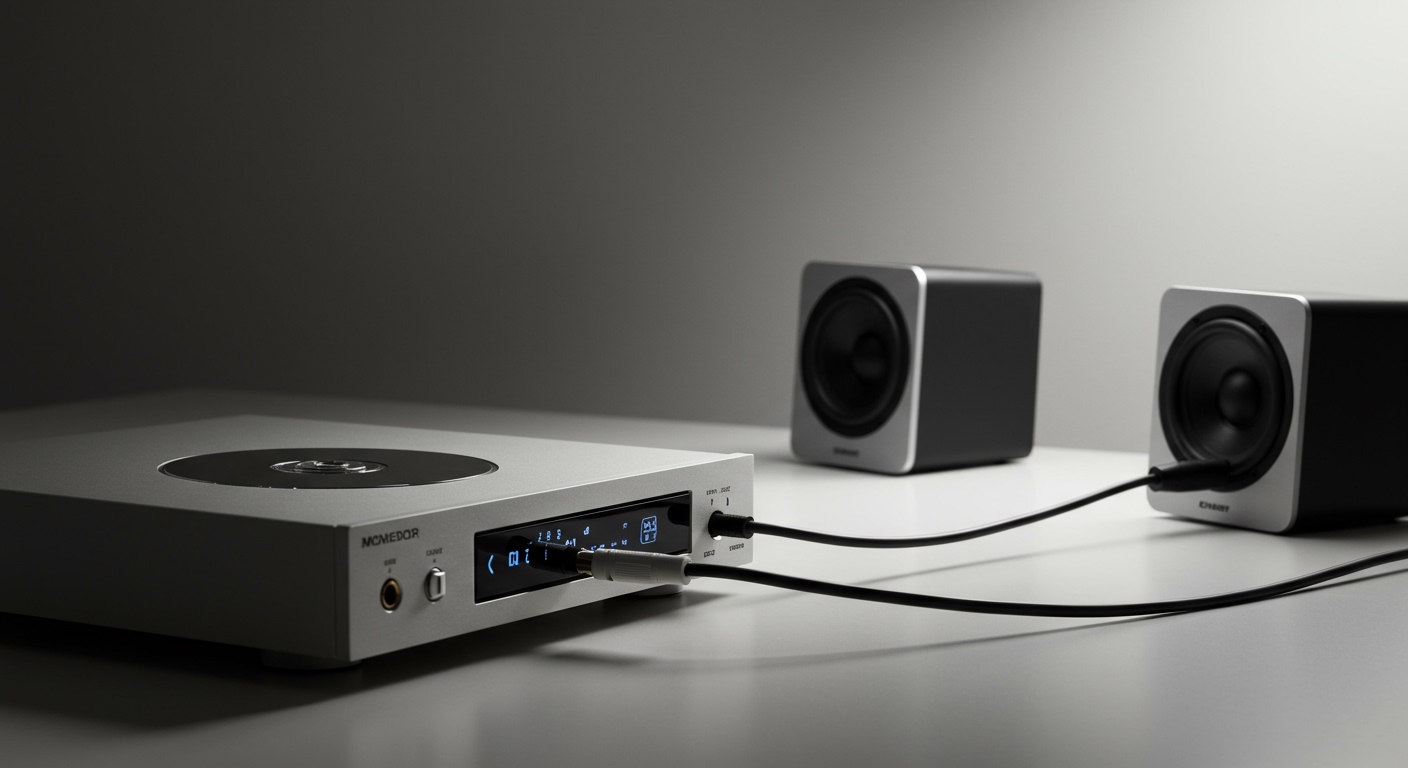
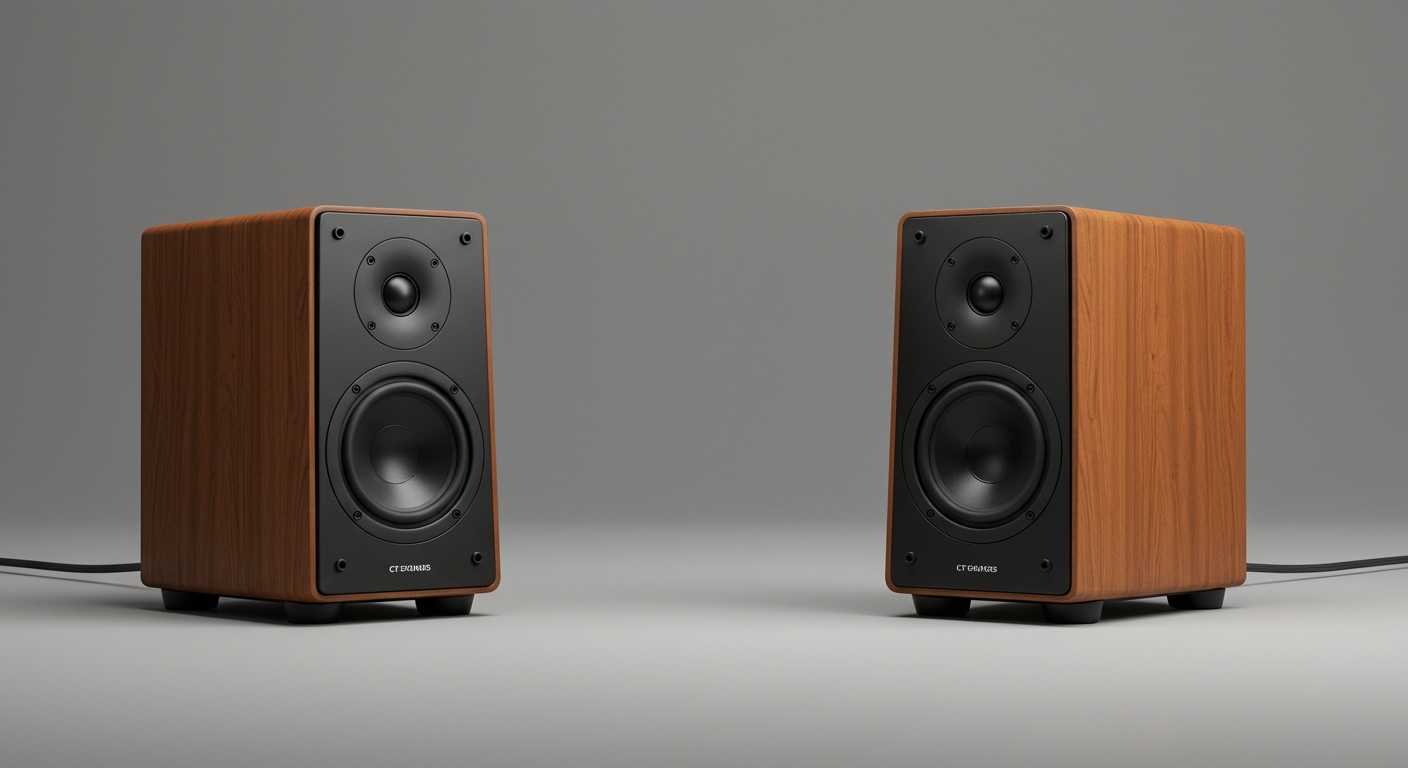
To understand how do amplifiers and speakers work, you must view them as a translation team. The amplifier acts as the “brawn,” taking a weak electrical signal from your phone or turntable and boosting its power without changing its shape. The speaker then acts as the “translator,” converting that high-powered electrical energy into mechanical movement that pushes air to create the sound waves you hear.
Expert Summary: Key Takeaways
Signal Boosting: Amplifiers increase the voltage and current of an audio signal so it is strong enough to move a physical speaker cone.
Energy Conversion: Speakers use electromagnetic induction to turn electrical pulses into physical vibrations.
Impedance Matching: For the best sound, the Ohms (impedance) and Wattage of the amplifier must be compatible with the speaker’s requirements.
Active vs. Passive: Some speakers have built-in amplifiers (Active), while others require an external unit (Passive).
Step 1: Generate the Source Signal
Every audio journey begins with a source. Whether it is a digital file on your smartphone, a vinyl record, or a CD, the initial signal is incredibly weak—usually measured in millivolts.
Convert Digital to Analog
If you are using a digital source, a DAC (Digital-to-Analog Converter) first transforms binary code into a continuous electrical wave. This wave represents the frequency and amplitude of the music but lacks the “muscle” to move a heavy speaker driver.
Maintain Signal Integrity
At this stage, the goal is to keep the signal “clean.” High-quality cables help prevent Electromagnetic Interference (EMI) from distorting the sound before it even reaches the amplifier.
Step 2: Boost the Signal – What Do Amplifiers Do for Speakers?
The core of how an amplifier works with speakers lies in the power stage. An amplifier doesn’t actually “make” the signal bigger; it creates a new, much stronger copy of the input signal using power from your wall outlet.
The Pre-Amplifier Stage
The pre-amp allows you to switch between different sources (like a TV or a turntable) and adjust the volume. It prepares the signal for the heavy lifting performed by the power amp.
The Power Amplifier Stage
This is where the magic happens. The power amplifier uses transistors or vacuum tubes to modulate a high-voltage power supply.
Voltage Gain: Increases the “height” of the wave (volume).
Current Gain: Provides the “flow” needed to overcome the resistance of the speaker’s internal wiring.
What Does an Amplifier Do to Car Speakers?
In a car environment, space is limited and power is supplied by a 12V battery. A car amplifier uses a switching power supply to boost that 12V to a much higher voltage, allowing your door speakers to produce clear, loud sound even over road noise.
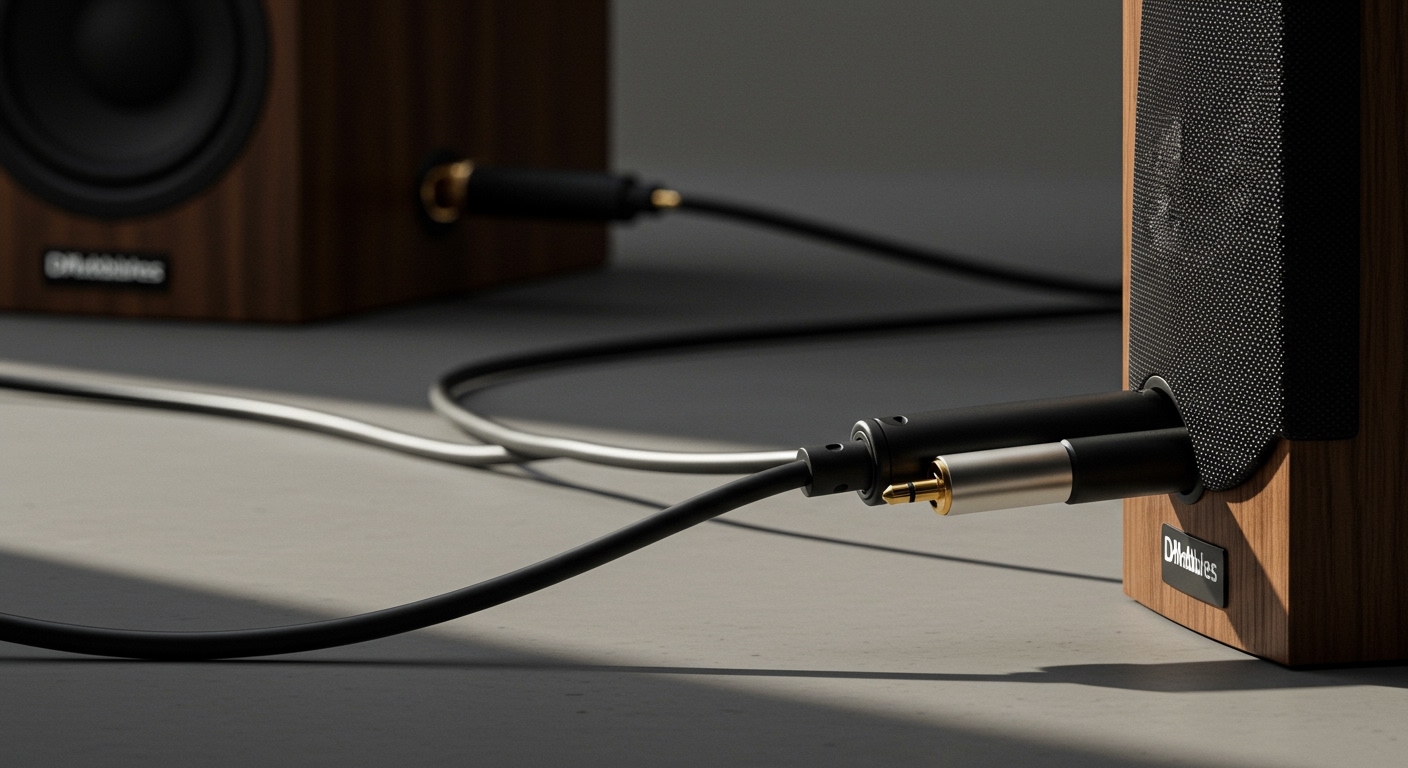
Step 3: Transmit Power Through Speaker Wire
Once the amplifier has boosted the signal, it travels through speaker wire to the speaker terminals.
Why Wire Gauge Matters
If the wire is too thin (high gauge), it offers too much resistance, which can cause the amplifier to overheat or result in “thin” sounding bass. For most home setups, 14-gauge or 16-gauge oxygen-free copper (OFC) wire is the industry standard for maintaining signal purity.
| Component | Function | Key Metric |
|---|---|---|
| Source | Provides the original audio data | Bitrate / Sample Rate |
| Amplifier | Increases signal strength | Watts (RMS) |
| Speaker Wire | Transports high-power signal | Gauge (AWG) |
| Speaker | Converts electricity to sound | Sensitivity (dB) |
Step 4: Convert Electricity to Motion – How Amplifier Works in Speakers
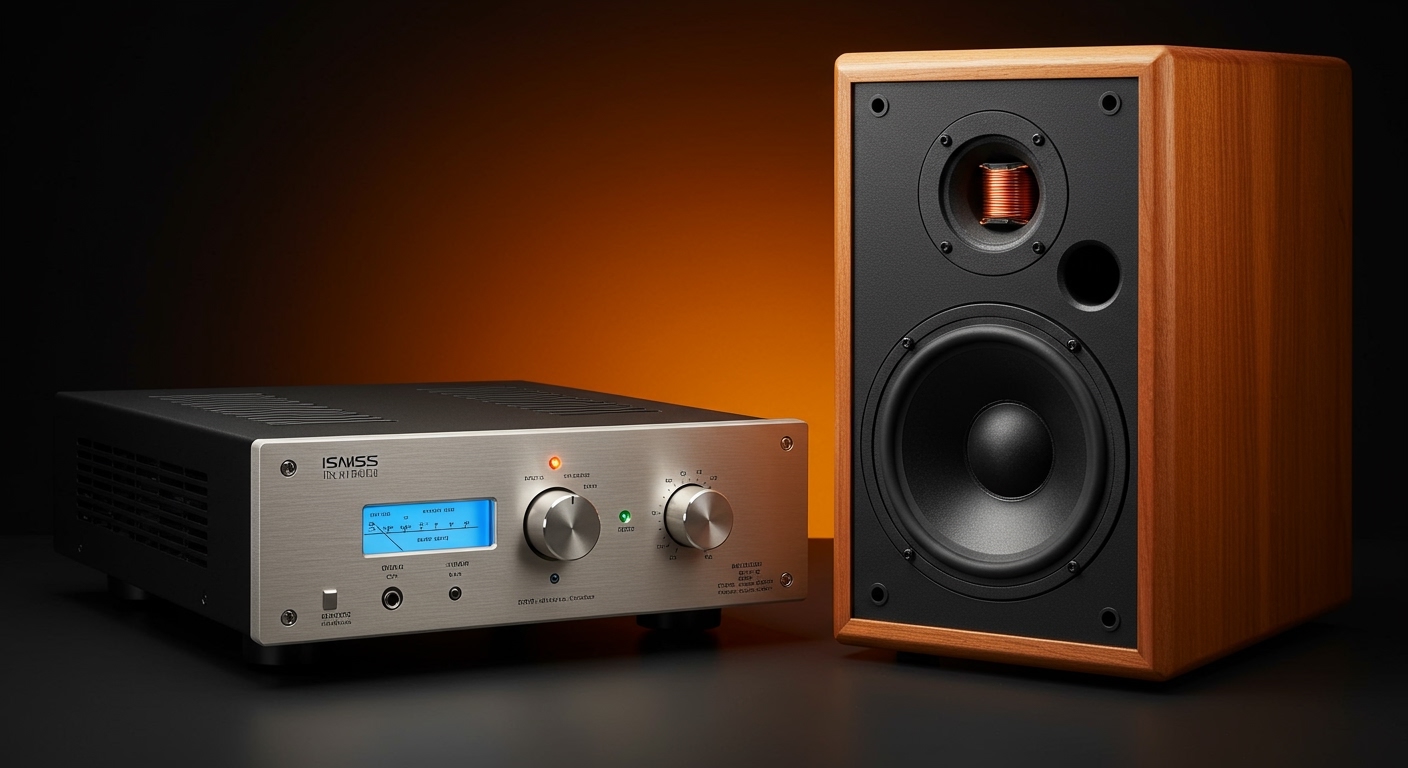
When the high-power signal reaches the speaker, it encounters the Voice Coil. This is a coil of wire attached to the back of the speaker cone, suspended within a magnetic field created by a large permanent magnet.
Electromagnetic Induction
As the electrical current from the amplifier flows through the voice coil, it creates a fluctuating electromagnetic field. This field interacts with the permanent magnet, causing the voice coil (and the attached cone) to move rapidly back and forth.
Moving the Air
Forward Motion: Pushes air molecules together (compression).
Backward Motion: Pulls air molecules apart (rarefaction).
These rapid pressure changes are what your ears perceive as sound waves.
Step 5: Distribute Frequencies via Crossovers
Most high-quality speakers contain multiple “drivers” (the round parts that move). Because a single driver cannot easily produce deep bass and high treble simultaneously, a crossover circuit is used.
- Low-Pass Filter: Sends low frequencies to the woofer.
- High-Pass Filter: Sends high frequencies to the tweeter.
- Band-Pass Filter: (In 3-way speakers) Sends middle frequencies to the mid-range driver.
Are Amplifiers Within Speakers?
A common question for beginners is whether they need to buy a separate amplifier. The answer depends on whether you have Active or Passive speakers.
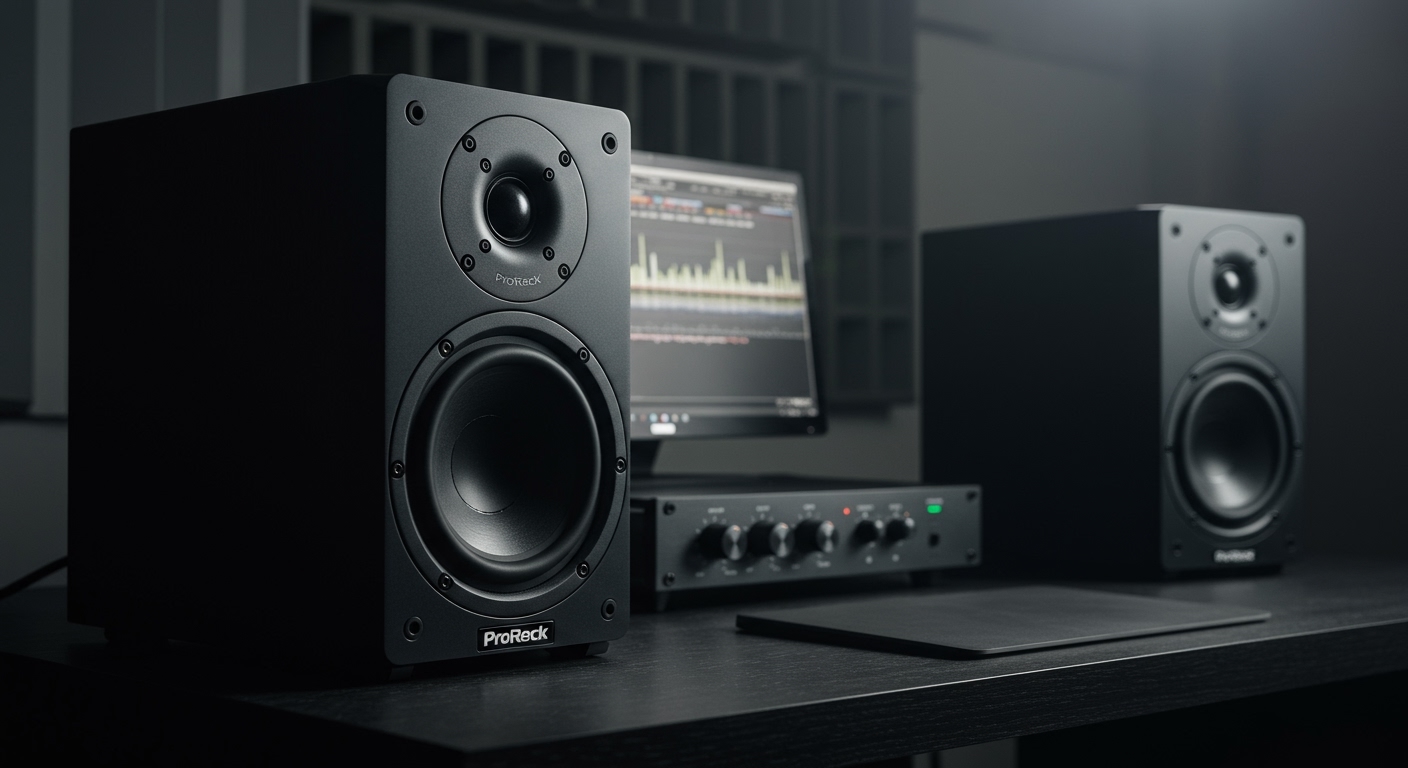
Active Speakers: These have the amplifier built directly into the cabinet. Most computer speakers, Bluetooth speakers, and professional studio monitors are active. You simply plug them into power and a source.
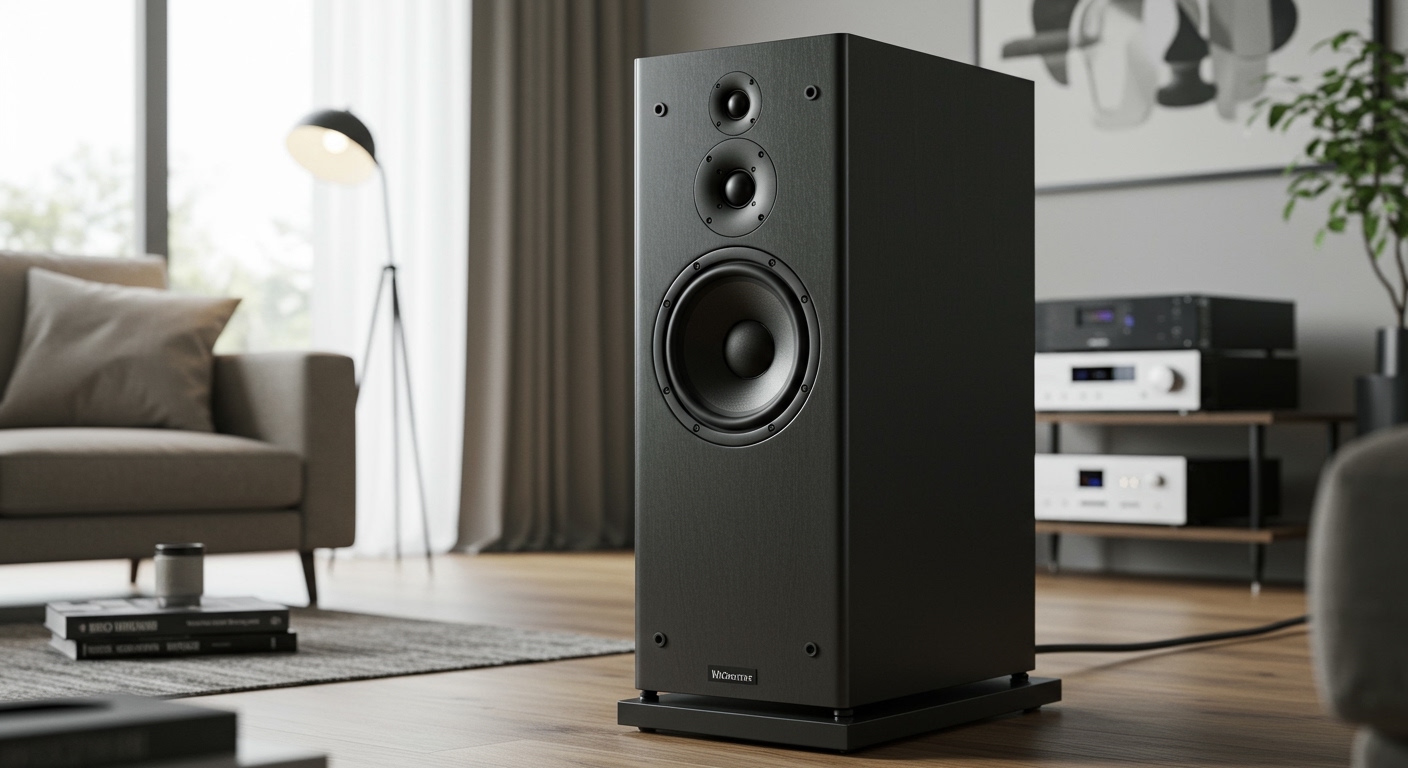
Passive Speakers: These are “hollow” cabinets that require an external amplifier or receiver. Most high-end home theater and audiophile systems use passive speakers to allow for better customization and power management.
Pro Tips for Optimizing Your Audio System
To get the most out of your setup, follow these expert-vetted guidelines:
Mind the Impedance: Ensure your amplifier is rated for the Ohms of your speakers. Most home speakers are 8 Ohms. If you connect 4-Ohm speakers to an amp only rated for 8 Ohms, you risk blowing the amplifier’s fuses or damaging its transistors.
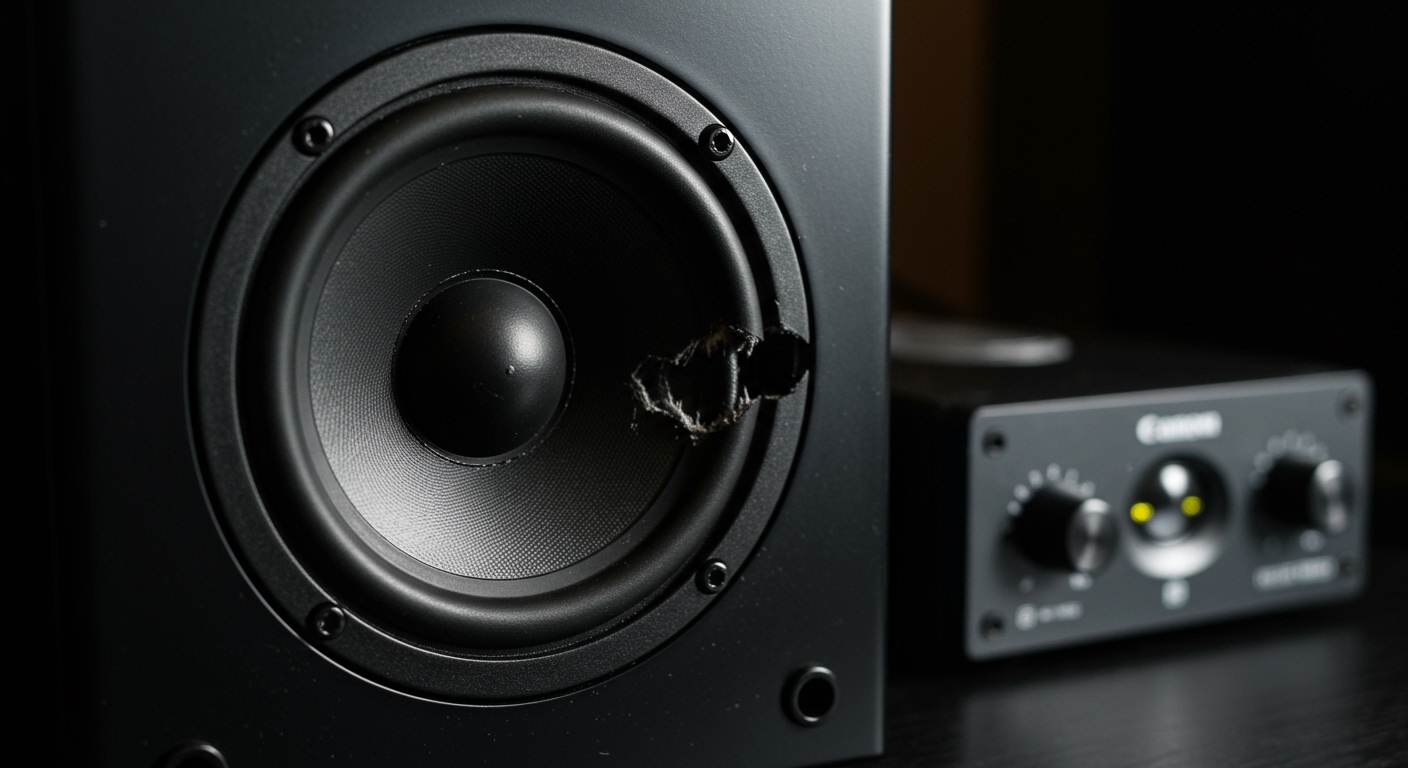
Avoid Clipping: If you turn your amplifier up too high, the top of the waveform gets “cut off” (clipped). This creates square waves, which generate excessive heat and are the #1 cause of blown tweeters.
Placement is Key: Place speakers at ear level and at least 6-12 inches away from walls to prevent “boomy” bass caused by rear-wall reflections.
Power Reserve: It is often better to have an amplifier with more power than the speakers need. This provides headroom, ensuring the amp stays cool and the sound remains distortion-free during loud musical peaks.
Common Mistakes to Avoid
Using Internal TV Speakers: Most flat-screen TVs have tiny, 5-watt amplifiers. Adding even a basic external amplifier and bookshelf speakers will provide a 10x improvement in clarity.
Ignoring Polarity: Ensure the “plus” (+) on the amp goes to the “plus” on the speaker. If you swap them on one speaker, they will be out of phase, which cancels out the bass and ruins the stereo image.
Cheap Cables: You don’t need $1,000 cables, but avoid the “hair-thin” wires that come in the box. Use 100% Copper instead of Copper-Clad Aluminum (CCA) for better conductivity.
Frequently Asked Questions
(FAQs)
How does an amplifier work with speakers to produce louder sound?
An amplifier uses an external power source to create a high-voltage replica of the input signal. By increasing the amplitude of the electrical wave, it forces the speaker cone to move a greater distance, which displaces more air and creates higher sound pressure levels (volume).
What does an amplifier do for speakers in terms of sound quality?
Beyond just volume, a good amplifier provides control. It must be able to start and stop the speaker cone instantly (damping factor). This results in “tight” bass and clear transients, preventing the sound from becoming muddy or distorted.
Can I use any amplifier with any speaker?
Not necessarily. You must match the power output (Watts) and the load (Ohms). Using a massive 500-watt amp on tiny 10-watt speakers can melt the voice coils, while using a weak amp on demanding speakers can cause “clipping,” which is equally dangerous.
How do amps and speakers work differently in cars?
The physics is the same, but car amplifiers are designed to handle low-impedance loads (often 2 or 4 Ohms) and varying voltages from the alternator. They also frequently include built-in crossovers to manage subwoofers and door speakers separately.
Why do some speakers need more power than others?
This is due to Sensitivity. A speaker with low sensitivity (e.g., 84dB) requires much more power from an amplifier to reach the same volume as a high-sensitivity speaker (e.g., 96dB).
Conclusion
Understanding how do amplifiers and speakers work is the first step toward building a superior listening experience. By mastering the relationship between the signal boost of the amplifier and the mechanical vibration of the speaker, you can avoid common pitfalls like clipping and impedance mismatching.
Whether you are setting up a high-end home theater or a simple desktop system, remember that the amplifier provides the energy, and the speaker provides the voice. Invest in quality components, use the right gauge of wire, and always respect the power limits of your gear for a lifetime of high-fidelity sound.