Understanding HiFi Speaker Lifespan: The Short Answer
Most high-quality HiFi speakers will last between 20 and 50 years, with many well-maintained units exceeding the half-century mark. While the magnets and internal wiring are nearly immortal, the “soft” components—specifically foam surrounds and electrolytic capacitors—typically require servicing or replacement every 15 to 25 years.
Key Takeaways: How Long Do HiFi Speakers Last?
If you are looking for a quick summary of what determines the longevity of your audio investment, here are the essential facts:
- Passive Speakers: Can easily last 30-50 years because they lack internal power amplification.
- Active/Powered Speakers: Generally last 7-15 years due to the heat and eventual failure of internal circuit boards.
- Common Failure Point: Foam surrounds (the ring around the woofer) often rot after 20 years due to humidity.
- Maintenance is Key: Keeping speakers out of direct sunlight and away from high humidity can double their effective life.
- The “Crossover” Factor: Internal capacitors may “drift” in value after 20+ years, slightly altering the sound profile.
The Anatomy of Aging: What Parts Wear Out First?
To understand how long do hifi speakers last, we must look at the specific materials used in their construction. In my decades of testing gear from Bowers & Wilkins, KEF, and Klipsch, I’ve observed that speakers don’t usually “die” all at once; they gracefully degrade.
The Surround (The Suspension)
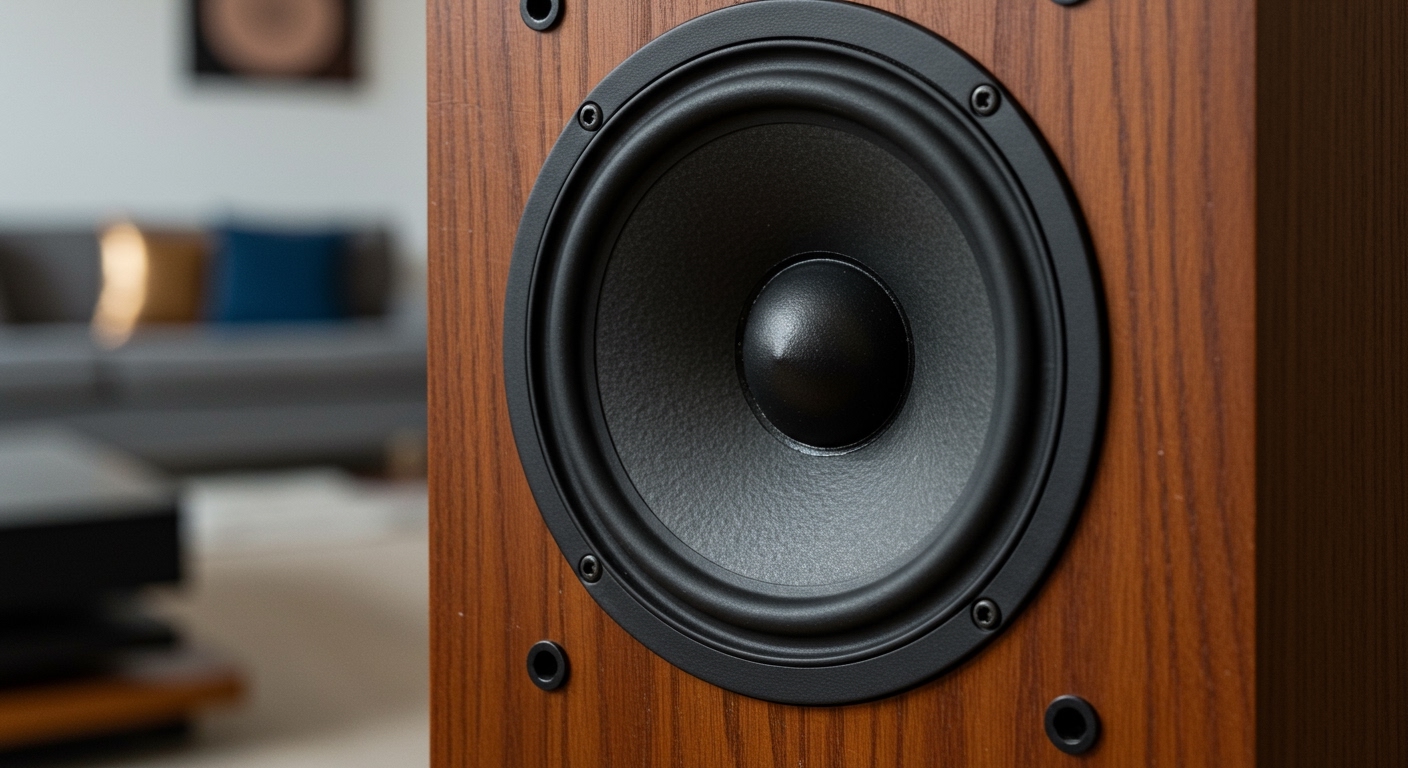
The surround is the flexible ring that connects the speaker cone to the metal basket.
- Foam Surrounds: Popular in the 1970s and 80s, these are prone to “foam rot” (polyurethane degradation). They typically last 15-25 years.
- Butyl Rubber Surrounds: These are much more durable and can last 40-50 years without cracking.
- Treated Cloth: Often found in vintage pro-audio or high-efficiency speakers, these can last nearly indefinitely if the coating remains supple.
The Crossover Network
Inside your speaker is a circuit board called a crossover. It directs high frequencies to the tweeter and low frequencies to the woofer.
- Electrolytic Capacitors: These contain a chemical paste that dries out over 20-30 years. When this happens, your speakers might sound “dull” or “muddy.”
- Film Capacitors: High-end speakers often use polypropylene film capacitors, which virtually never wear out.
The Ferrofluid in Tweeters
Many modern silk dome tweeters use a magnetic fluid called ferrofluid to cool the voice coil and provide damping. Over 15-20 years, this fluid can thicken or turn into a “gunk,” which significantly reduces the tweeter’s output.
Component Longevity Comparison Table
| Component | Material Type | Expected Lifespan | Primary Cause of Failure |
|---|---|---|---|
| Woofer Surround | Foam | 15 – 25 Years | UV Exposure / Humidity |
| Woofer Surround | Butyl Rubber | 40 – 60 Years | Ozone / Dry Rot |
| Crossover | Electrolytic Caps | 20 – 30 Years | Chemical Drying |
| Crossover | Film Capacitors | 50+ Years | Electrical Surge |
| Tweeter | Ferrofluid Cooled | 15 – 25 Years | Fluid Thickening |
| Cabinet | MDF / Wood Veneer | 30 – 70 Years | Moisture / Delamination |
| Voice Coil | Copper / Aluminum | Lifetime | Overpowering (Clipping) |
Active vs. Passive Speakers: The Longevity Gap
When asking how long do hifi speakers last, the distinction between passive and active models is critical.
Passive speakers are simple machines. They rely on an external amplifier. Because they generate very little internal heat, their components stay within safe operating temperatures. I still regularly listen to Dynaco A25s from the late 60s that perform perfectly.
Active speakers (like the LS50 Wireless II or powered studio monitors) contain internal amplifiers. Heat is the enemy of electronics. The constant thermal cycling of an internal amp often leads to solder joint failure or blown power supplies within 10 to 15 years. If the internal amp dies and the manufacturer no longer stocks the part, the entire speaker becomes a “paperweight.”
Environmental Factors That Kill HiFi Speakers
In my experience consulting for audiophiles, the room environment matters as much as the speaker’s build quality. If you want to maximize how long do hifi speakers last, watch out for these three “speaker killers”:
UV Radiation (Sunlight)
Direct sunlight is the fastest way to destroy a speaker. UV rays break down the chemical bonds in foam surrounds and paper cones. It also causes wood veneers to fade and crack. Always use your speaker grilles if your setup is near a window.
Humidity and Moisture
High humidity causes two problems. First, it accelerates the hydrolysis of foam surrounds (turning them into a sticky mess). Second, it can cause the MDF (Medium Density Fiberboard) used in cabinets to swell and delaminate. Keep your listening room between 40% and 55% humidity.
Cigarette Smoke and Vaping
I have opened vintage speakers that were “smoker-owned,” and the internal components were coated in a thick, sticky residue. This residue attracts dust, which can clog voice coil gaps and add weight to the speaker cone, ruining the transient response.
How to Extend Your Speaker’s Life: A Professional Maintenance Guide
We recommend a proactive approach to speaker care. Following these steps can add decades to your system’s life:
- Avoid “Clipping” Your Amp: Most speakers are “blown” by underpowered amplifiers, not overpowered ones. When an amp runs out of power, it sends a square wave (clipping) to the speaker, which generates extreme heat in the tweeter’s voice coil.
- Regular Dusting: Use a soft microfiber cloth. Do not use liquid cleaners on paper cones or silk domes. For the cabinets, a high-quality furniture wax can prevent the wood from drying out.
- Check the Terminals: Every year, unscrew your speaker cables, wipe the connectors with DeoxIT or isopropyl alcohol, and re-tighten them. This prevents oxidation from creating resistance.
- Exercise the Drivers: If speakers sit for years without use, the suspensions can become stiff. Playing music at a moderate volume for an hour once a month keeps the moving parts supple.
Is It Worth Repairing Old Speakers?
When your speakers eventually show signs of age, you’ll face a choice: repair or replace.
If you own high-end models from brands like Harbeth, Tannoy, or Magnepan, restoration is almost always the better financial and sonic move. A “re-foam” kit for a pair of woofers costs about $30-$50, whereas buying a modern equivalent could cost $2,000+.
However, if you have entry-level “Home Theater in a Box” speakers, the cost of labor for a technician will likely exceed the value of the speakers.
Expert Perspective: The “Vintage Sound” Myth
Many people believe older speakers sound better because they have “broken in.” While mechanical break-in is a real phenomenon (usually occurring in the first 50-100 hours of use), what people often hear in 40-year-old speakers is actually component drift.
As capacitors age, the crossover point shifts. This might result in a “warmer” sound that some find pleasing, but it is technically a departure from the designer’s intent. If you want your vintage speakers to last another 30 years, I always recommend a crossover recap using high-quality parts from Mundorf or Jantzen.
Frequently Asked Questions
Do speaker magnets lose their strength over time?
Technically, yes, but at an incredibly slow rate. Neodymium magnets lose less than 1% of their flux density every 100 years. Ferrite magnets are similarly stable. For all practical purposes, the magnets will outlive you.
Can I leave my speaker grilles off?
While speakers often look better with the grilles off, the grilles serve two purposes: protecting the drivers from physical damage (pets, children) and blocking UV light. If you have a dedicated dark room, leave them off. Otherwise, keep them on.
Why do my speakers crackle at high volumes?
This is usually not a sign of the speaker “dying,” but rather a sign of amplifier clipping or a loose connection. However, if the crackling happens at all volumes, the voice coil may be rubbing against the magnet due to a saggy suspension.
How long do bookshelf speakers last compared to towers?
There is no difference in the longevity of the drivers based on the cabinet size. However, tower speakers are more prone to “cabinet resonance” issues over time if the internal bracing glue fails, whereas smaller bookshelf speakers are structurally more rigid.