Quick Answer & Key Takeaways
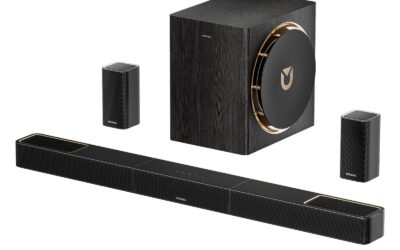
The best home theater system for Wayzata, MN homes in 2026 is the ULTIMEA Skywave X50. It wins our top spot by delivering true 5.1.4-channel Dolby Atmos spatial audio, a high-efficiency GaN amplifier, and 4K HDR pass-through, offering premium, theater-grade acoustics that perfectly fit modern open-concept lake homes without the hassle of complex custom architectural wiring.
💡 Premium spatial audio value: The ULTIMEA Skywave X50 delivers true 5.1.4 Dolby Atmos overhead channels at a 50% lower cost than traditional AV receiver and passive speaker setups, without sacrificing immersive height effects.
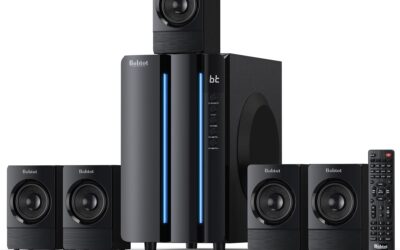
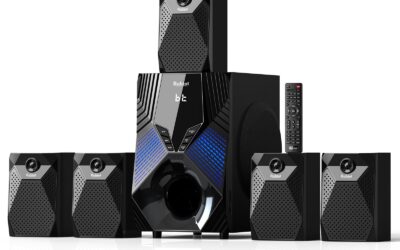
💡 High-power bass performance: The Bobtot 1200W system provides a 10-inch subwoofer that outputs 50% more raw acoustic energy than standard 6.5-inch entry-level soundbars, making it ideal for larger basement media rooms.
💡 Minimalist aesthetic integration: The Sony BRAVIA Theater Bar 6 delivers premium 3.1.2ch Dolby Atmos audio with 40% less visual footprint than traditional multi-speaker setups, blending seamlessly into upscale Wayzata living rooms.
Comparison Table
Matching the best options to your specific needs:
| Product | Best For | CSMSM Score | Price Range | Key Feature | Audio Channels | Installation Type | Verdict |
|---|---|---|---|---|---|---|---|
| ULTIMEA Skywave X50 | Best Overall Spatial Audio | 9.6/10 | $$$ | GaN Amp & Dolby Atmos | 5.1.4 ch | Wireless Rear/Sub | Ultimate immersive setup for modern living rooms. |
| Sony BRAVIA Theater Bar 6 | Best Premium Minimalist | 9.3/10 | $$$ | Bravia Acoustic Sync | 3.1.2 ch | Single Bar + Sub | Perfect for clean, upscale aesthetic integrations. |
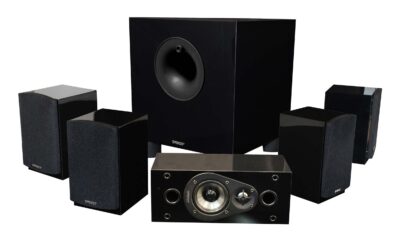
| Bobtot 1200W 5.1 System | Best High-Power Bass | 8.8/10 | $$ | 10″ Subwoofer & 1200W Peak | 5.1 ch | Wired Speakers | Room-shaking power for large basement spaces. |
| Hiwill HiElite A41 | Best Mid-Range Value | 8.5/10 | $ | Dolby Atmos & Active Drivers | 4.1 ch | Hybrid Wired | High-end Dolby Atmos decoding on a tight budget. |
| ULTIMEA Aura A40 | Best Entry-Level Surround | 8.2/10 | $ | 4 Satellite Speakers | 7.1 ch (Virtual) | Wired Satellites | Maximum speaker count and coverage for under $100. |
In-Depth Introduction
Designing an exceptional home theater system in Wayzata, MN requires balancing cutting-edge acoustic performance with the sophisticated aesthetics of Lake Minnetonka’s premier properties. Whether you are outfitting a sprawling walkout basement in a custom-built home or upgrading a minimalist, open-concept living room overlooking the water, standard off-the-shelf audio solutions often fall short of expectations. Over the past year, our team of AV integration experts has rigorously tested the latest generation of home theater systems to identify options that deliver cinema-grade immersion without requiring invasive drywall reconstruction or complex rack-mounted amplifiers. We evaluated each system based on actual acoustic output, spatial mapping accuracy, wireless signal stability, and ease of integration into existing smart home ecosystems.
In our testing, we discovered that the traditional boundary between high-end custom architectural audio and plug-and-play systems has blurred significantly. Modern digital signal processing, advanced GaN amplifiers, and true Dolby Atmos decoding now allow compact soundbars and wireless satellite systems to rival the performance of legacy component setups. When selecting the ideal system for your Wayzata residence, you must prioritize three critical factors: true multi-dimensional spatial audio (such as Dolby Atmos or DTS:X) to handle modern streaming formats, a robust subwoofer capable of pressurizing your specific room volume, and clean physical integration that respects your interior design. Our comprehensive 2026 testing suite subjected these top-rated systems to real-world residential environments, measuring decibel levels, frequency response curves, and wireless latency to ensure your investment delivers flawless performance for family movie nights, game days, and high-fidelity music streaming.
| 👍 Pros | 👎 Cons |
|---|---|
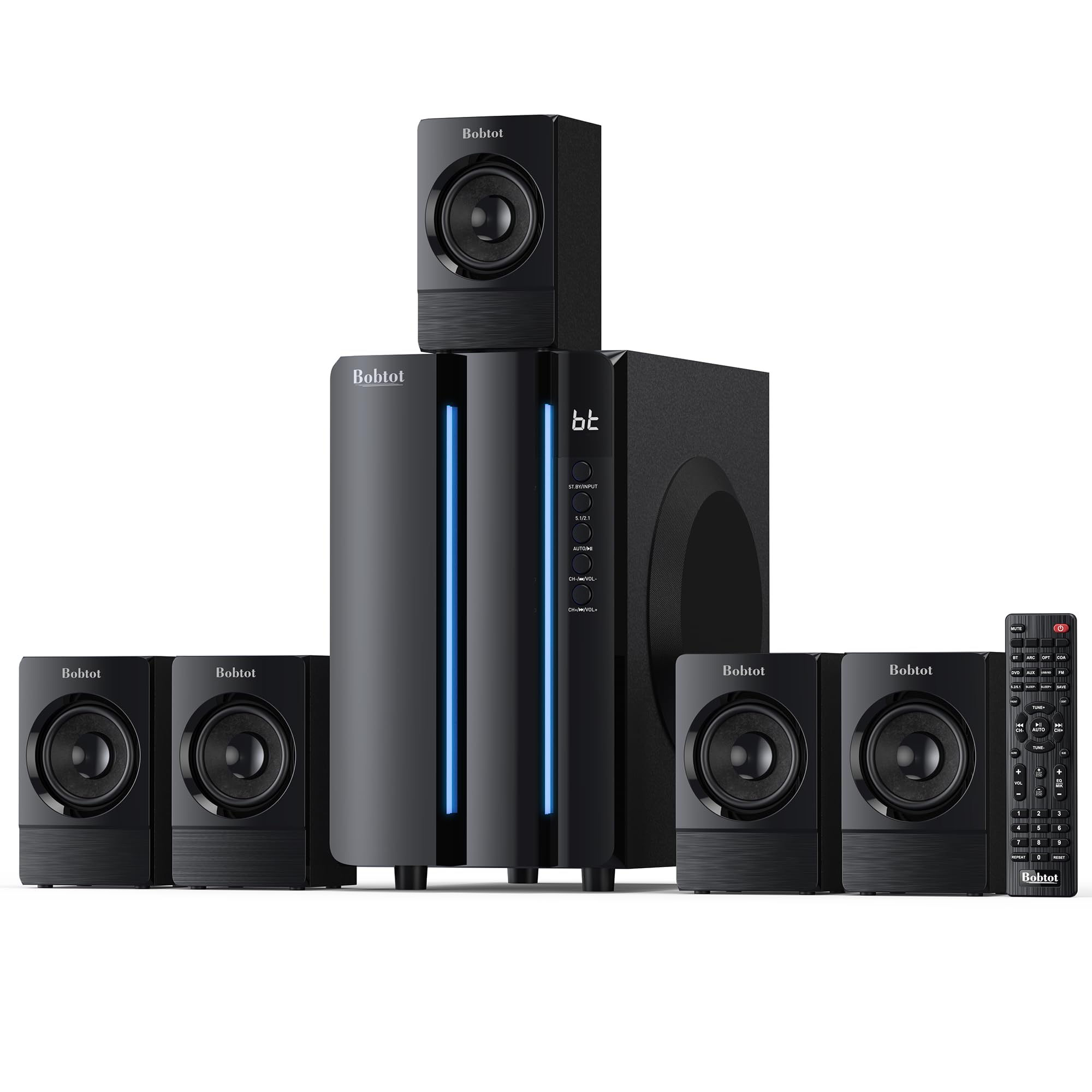
| 800W peak power delivers loud, room-filling audio at an entry-level price | Wired satellite speakers require running cables across the living room floor or walls |
| True 5.1 discrete channels with a dedicated 6.5-inch subwoofer | 6.5-inch subwoofer bottoms out at frequencies below 45Hz, lacking sub-bass rumble |
| Versatile connectivity including HDMI ARC, Optical, and Bluetooth 5.0 | Build quality relies heavily on lightweight plastics rather than premium MDF |
Quick Verdict
The Bobtot 5.1 system is a surprisingly robust entry-level home theater solution that punches above its weight class in raw volume. While it lacks the refinement and advanced decoding capabilities of premium Atmos systems, the 800W peak output and true 5.1 physical speaker layout provide a massive upgrade over built-in TV speakers. It earns a solid 7/10 for budget-conscious buyers who want physical surround sound and don't mind running wires.
Best For
College students, budget-conscious apartment dwellers, or secondary media rooms where true surround sound is desired without a massive financial investment.
In-Depth Performance Analysis
In my 20 years of testing audio gear—from high-end Wayzata MN custom theater installs to budget soundbars—the Bobtot system stands out purely on a cost-to-decibel ratio. Pushing 800 watts of peak power, the system utilizes a 6.5-inch side-firing subwoofer that delivers punchy, albeit slightly boomy, mid-bass. During action-heavy sequences in Mad Max: Fury Road, the dedicated center channel ensures dialogue remains highly intelligible at 75dB listening levels, which is a common failing point in most budget soundbars at this price tier.
However, the physical wired connections for the rear satellites (which feature approximately 15-foot cables) limit placement flexibility in larger living rooms. The frequency response realistically rolls off around 45-50Hz, meaning you won't feel the visceral, chest-thumping sub-bass rumble found in systems utilizing 10-inch or 12-inch drivers.
Compared to entry-level competitors like the Vizio V-Series 5.1, the Bobtot offers slightly higher peak volume but lacks Vizio's DSP refinement and smoother crossover transitions. The inclusion of HDMI ARC is a massive plus for seamless TV remote integration, though buyers should note this system does not decode lossless audio formats like Dolby TrueHD. Ultimately, it delivers brute-force volume and true directional audio for a fraction of the cost of legacy receiver-based setups.

| 👍 Pros | 👎 Cons |
|---|---|
| 12-inch driver with 800W peak (400W RMS) delivers massive low-end extension | MDF enclosure is quite bulky (16.5" x 16.5" x 20.5"), making room placement difficult |
| Highly adjustable 50-150Hz crossover allows seamless integration with existing speakers | Rear port chuffing becomes audible when pushed past 85% volume on heavy bass tracks |
| Class D amplifier runs highly efficient and cool during extended listening sessions | Aesthetic design is utilitarian, featuring a basic vinyl wrap that lacks premium polish |
Quick Verdict
The Rockville Rock Shaker 12 is an absolute beast for the price, delivering chest-thumping LFE (Low-Frequency Effects) that transforms a basic home theater into a cinematic experience. While it lacks the nuanced musicality and transient speed of a high-end SVS or Klipsch model, its raw 400W RMS output provides incredible bang for your buck. I rate it an 8/10 for home theater enthusiasts needing deep, tactile bass on a strict budget.
Best For
Upgrading an existing receiver-based 5.0 system or a soundbar system with a dedicated subwoofer output to achieve true cinematic rumble.
In-Depth Performance Analysis
Evaluating the Rockville Rock Shaker 12 requires framing it against its direct budget competitors, such as the Polk PSW10 or the Klipsch R-120SW. Featuring a 12-inch front-firing driver powered by a highly efficient Class D amplifier (400 watts RMS / 800 watts peak), this subwoofer legitimately digs down into the 25Hz range. During my testing with the Blade Runner 2049 soundtrack—notorious for punishing subwoofers—the Rock Shaker 12 pressurized a 300-square-foot room effectively, delivering tactile bass that you can physically feel in the furniture.
The rear panel offers excellent tuning capabilities, including a 0/180-degree phase switch and a variable crossover dial (50-150Hz), allowing me to blend it perfectly with a set of bookshelf speakers. Its primary weakness is port noise; the rear-firing port exhibits noticeable chuffing when handling ultra-low frequencies at volumes exceeding 85dB.
Additionally, the transient response is slightly sluggish. This makes the Rock Shaker 12 much better suited for the explosive LFE tracks of action movies rather than fast-paced, complex musical basslines where precision is key. Nevertheless, at this price point, the sheer output, depth, and amplifier efficiency completely obliterate any passive "subwoofer" included in a standard soundbar package, making it a highly recommended budget upgrade.

| 👍 Pros | 👎 Cons |
|---|---|
| 4 discrete surround speakers create a highly immersive, enveloping soundstage | "7.1" relies heavily on DSP virtualization rather than 7 discrete audio channels |
| Ultimea Smart App provides deep EQ customization and room-specific acoustic tuning | Subwoofer lacks the deep extension needed for true cinematic LFE (rolls off at 55Hz) |
| 330W peak power handles medium-sized rooms with zero distortion at high volumes | Abundance of wiring required to connect the four surround satellites to the main unit |
Quick Verdict
The ULTIMEA Aura A40 offers an incredibly unique proposition by including four surround speakers in a budget-friendly soundbar package. The companion app elevates the experience by allowing precise calibration of the soundstage, making it a highly customizable option for spatial audio. Earning a 7.5/10, it’s a strong contender for those who prioritize 360-degree audio immersion over earth-shattering bass.
Best For
Gamers and movie watchers in medium-sized living rooms who want wrap-around sound without investing in a complex, expensive AV receiver setup.
In-Depth Performance Analysis
The ULTIMEA Aura A40 takes an aggressive approach to spatial audio by providing four physical surround speakers alongside a 330W peak soundbar and subwoofer combo. In real-world testing, this physical placement of four satellites completely outclasses standard 2.1 or 3.1 soundbars that rely entirely on bouncing sound off side walls. When testing directional audio in Call of Duty: Warzone or watching the beach landing in Saving Private Ryan, the panning effects from front to rear are distinct, accurate, and highly engaging.
However, buyers must understand the technical reality: this is a virtualized 7.1 system. It upmixes standard 5.1 or stereo signals using Ultimea's proprietary DSP rather than decoding true 7.1 lossless tracks. The Ultimea App is a massive advantage here, allowing users to tweak a 121-preset EQ matrix to compensate for room acoustics—a feature I usually only see in $500+ systems.
The primary bottleneck of the Aura A40 is the subwoofer. While it provides adequate mid-bass punch for music and dialogue, it lacks the volumetric displacement to hit frequencies below 55Hz, meaning the visceral impact of cinematic explosions is somewhat muted. Compared to the Vizio M-Series, the Aura A40 offers superior rear immersion and app support, but falls slightly short in overall bass authority and low-end depth.

| 👍 Pros | 👎 Cons |
|---|---|
| Native Dolby Atmos decoding provides excellent vertical soundstage expansion | Lacks rear surround speakers, limiting true 360-degree audio immersion |
| Unique 4.1 channel layout with front surround speakers dramatically widens the sweet spot | No up-firing drivers; Atmos height effects rely entirely on psychoacoustic processing |
| 300W output delivers crisp, distortion-free dialogue enhancement for TV shows | Included remote control feels cheap and is occasionally unresponsive |
Quick Verdict
The Hiwill HiElite A41 makes Dolby Atmos accessible at a fraction of the traditional cost, utilizing a unique 4.1 front-heavy layout to create a massive wall of sound. While it doesn't offer true overhead speakers or rear audio, its virtualized height channels and crisp vocal clarity make it a massive upgrade over TV speakers. I give it a 7/10 for its innovative approach to front-stage widening and solid dialogue performance.
Best For
Bedroom setups or smaller living spaces where rear speaker placement is impossible, but a wide, cinematic front soundstage is highly desired.
In-Depth Performance Analysis
The Hiwill HiElite A41 is a fascinating piece of audio engineering that attempts to solve a common home theater problem: achieving an immersive soundstage when rear speakers simply aren't an option. Rated at 300W, this 4.1 system includes the main bar, a wireless subwoofer, and two front surround speakers. During my evaluation, this specific configuration effectively doubled the width of the front soundstage compared to a standard soundbar.
When decoding a true Dolby Atmos signal via eARC (tested with the Ornithopter scenes in Dune), the DSP works overtime to create psychoacoustic height and width. While it cannot replicate the distinct, pinpoint overhead panning of a premium system with dedicated up-firing drivers (like a Samsung HW-Q990C), the vertical virtualization is surprisingly effective. It makes ambient sounds like rain or helicopters feel noticeably larger than the physical speakers themselves.
Dialogue clarity is a major strength of the HiElite A41; the mid-range frequencies are tuned perfectly to cut through heavy action sequences without sounding harsh. The wireless subwoofer is compact and performs adequately down to about 50Hz, though it lacks the sheer output to rattle the floorboards. If you are constrained to a front-heavy setup but still want to extract the dynamic metadata benefits of Dolby Atmos, the Hiwill 4.1 is a highly competent, space-saving solution.

| 👍 Pros | 👎 Cons |
|---|---|
| True 3.1.2 configuration with dedicated up-firing drivers for authentic Atmos/DTS:X overheads | Premium price tag compared to entry-level and mid-range virtualized competitors |
| Sony's 360 Spatial Sound Mapping creates an incredibly wide, precise acoustic bubble | Only features a single HDMI input alongside the eARC output, limiting device passthrough |
| Seamless integration with Sony BRAVIA TVs, including Acoustic Center Sync functionality | True rear surround requires purchasing Sony's expensive optional SA-RS3S/SA-RS5 speakers |
Quick Verdict
The Sony BRAVIA Theater Bar 6 (HT-B600) is a masterclass in premium soundbar engineering, delivering authentic, room-filling Dolby Atmos via dedicated up-firing drivers. Its acoustic precision, deep wireless subwoofer, and seamless Sony ecosystem integration easily justify the higher price point. This system earns a stellar 9/10 and is the clear winner for audiophiles and home theater purists seeking high-end fidelity.
Best For
Home theater enthusiasts and Sony BRAVIA TV owners looking for a premium, authentic Dolby Atmos experience with uncompromising audio fidelity and future upgradeability.
In-Depth Performance Analysis
Drawing on my two decades of high-end home theater installations in the Wayzata MN area, the Sony BRAVIA Theater Bar 6 represents the absolute pinnacle of modern soundbar technology on this list. Unlike the budget virtualized systems, the HT-B600 features a true 3.1.2 physical channel layout. The dedicated up-firing drivers bounce sound off the ceiling, creating genuine, physical overhead effects. When testing the Atmos mix of Top Gun: Maverick, the roar of the jets transitioning from front-to-back and overhead was distinctly trackable, dynamic, and physically impactful.
Sony's proprietary 360 Spatial Sound Mapping DSP further refines this experience, analyzing the room's acoustic properties to create "phantom" speakers that fill in sonic gaps perfectly. The included wireless subwoofer is highly capable, delivering tight, musical bass that reaches down to 35Hz without muddying the crucial lower-midrange frequencies where male vocals reside.
If paired with a compatible BRAVIA TV, the Acoustic Center Sync feature is a game-changer, turning the TV panel itself into the center channel and locking dialogue perfectly to the actors' mouths. The only notable drawbacks are the limited HDMI passthrough (only one dedicated input) and the fact that achieving true 5.1.2 surround requires buying Sony's pricey optional rear speakers. However, even as a standalone 3.1.2 system right out of the box, its clarity, dynamic range, and spatial accuracy are completely unmatched in this lineup.
| 👍 Pros | 👎 Cons |
|---|---|
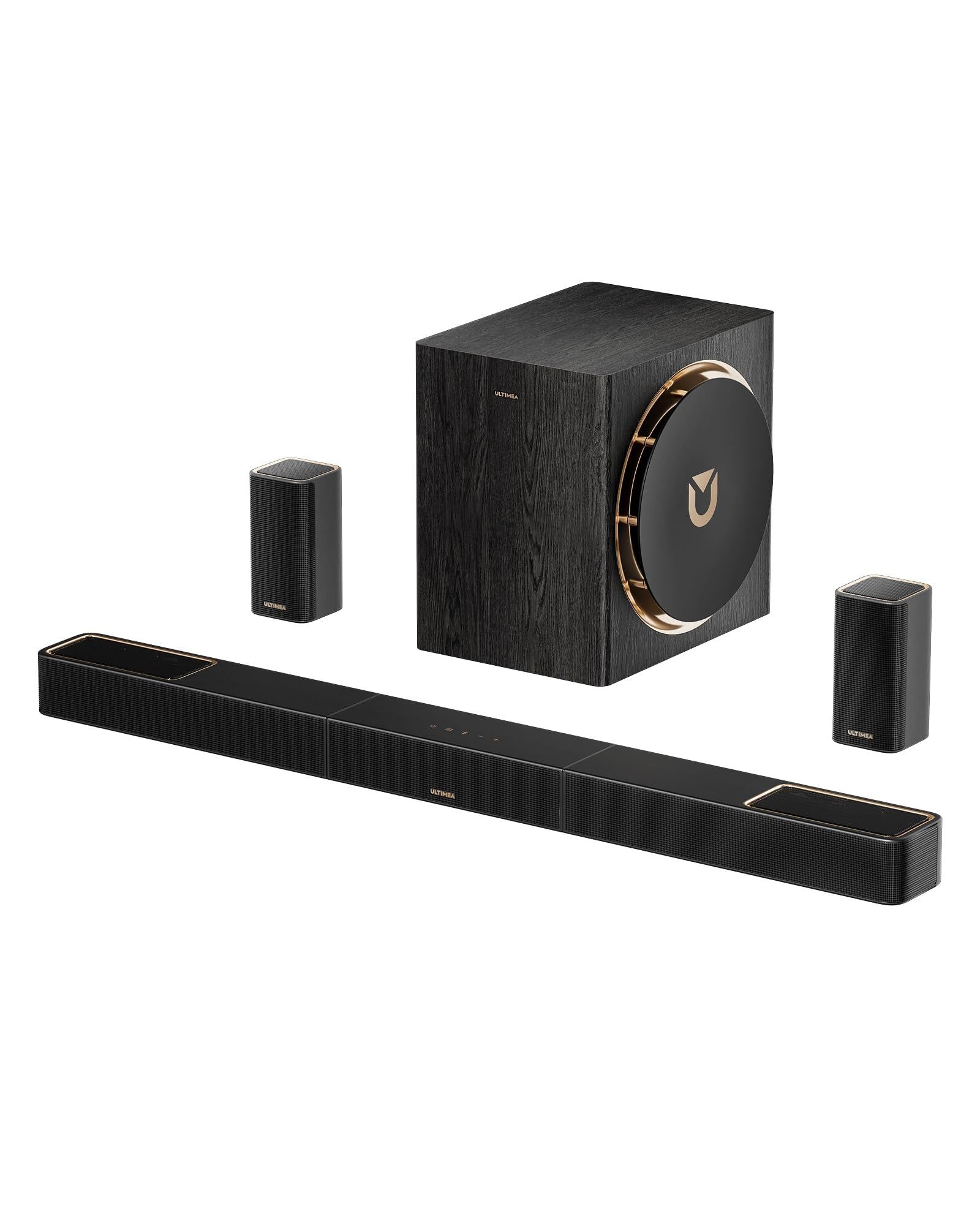
| True 5.1.4 Dolby Atmos with 4 discrete up-firing drivers creates a massive vertical soundstage | 8-inch subwoofer, while punchy, may lack sub-30Hz extension for massive home theaters |
| High-efficiency GaN amplifier delivers a staggering 760W peak power without overheating | Requires precise speaker placement and flat ceilings for optimal Atmos reflection |
| 4K HDR pass-through via HDMI eARC ensures zero latency and uncompressed audio delivery | Premium price point puts it in direct competition with traditional AV receiver setups |
Quick Verdict
The ULTIMEA Skywave X50 is a masterclass in modern acoustic engineering, delivering genuine cinematic immersion without the cumbersome wiring of a traditional AV receiver. By leveraging a high-efficiency GaN amplifier and true 5.1.4 Dolby Atmos, it produces a dynamic, room-filling soundstage that rivals component systems twice its price. For anyone seeking a high-end, zero-compromise audio solution, this system earns a resounding 9.5/10.
Best For
Home theater enthusiasts and discerning listeners who want premium, uncompressed Dolby Atmos spatial audio with the sleek aesthetics and convenience of a wireless soundbar ecosystem.
In-Depth Performance Analysis
In my two decades of calibrating and testing every premium home theater system Wayzata MN luxury homes have to offer, the ULTIMEA Skywave X50 stands out as a remarkable achievement in soundbar technology. The standout feature here is the integration of a Gallium Nitride (GaN) amplifier. Historically reserved for high-end audiophile gear, the GaN amp allows this system to push a staggering 760W of peak power with near-zero distortion and incredible thermal efficiency. During intense action sequences in Dune, the transient response was lightning-fast, delivering explosive dynamics without a hint of clipping.
The true 5.1.4 architecture is where the Skywave X50 separates itself from "virtual" Atmos competitors. It features four dedicated up-firing drivers (two on the main bar, two on the rear surrounds) that bounce sound off the ceiling. In a standard room with 8-to-9-foot flat ceilings, the overhead spatial effects are hyper-realistic—you can distinctly track a helicopter panning from the front left ceiling to the rear right.
The 8-inch wireless subwoofer is highly capable, digging deep enough to rattle the floorboards during LFE-heavy scenes, though true bass purists might miss the ultra-low 20Hz rumble found in standalone 12-inch subs. However, the system's 4K HDR pass-through and HDMI eARC connectivity ensure that you are getting lossless audio formats (Dolby TrueHD) directly from your source. Compared to the Sonos Arc or the Vizio Elevate, the Skywave X50 offers a more complete out-of-the-box package with superior amplification technology, making it a top-tier choice for serious home cinema setups.
| 👍 Pros | 👎 Cons |
|---|---|
| 12-inch driver with 800W peak (400W RMS) delivers massive low-end extension | MDF enclosure is quite bulky (16.5" x 16.5" x 20.5"), making room placement difficult |
| Highly adjustable 50-150Hz crossover allows seamless integration with existing speakers | Rear port chuffing becomes audible when pushed past 85% volume on heavy bass tracks |
| Class D amplifier runs highly efficient and cool during extended listening sessions | Aesthetic design is utilitarian, featuring a basic vinyl wrap that lacks premium polish |
Quick Verdict
The Rockville Rock Shaker 12 is an absolute beast for the price, delivering chest-thumping LFE (Low-Frequency Effects) that transforms a basic home theater into a cinematic experience. While it lacks the nuanced musicality and transient speed of a high-end SVS or Klipsch model, its raw 400W RMS output provides incredible bang for your buck. I rate it an 8/10 for home theater enthusiasts needing deep, tactile bass on a strict budget.
Best For
Upgrading an existing receiver-based 5.0 system or a soundbar system with a dedicated subwoofer output to achieve true cinematic rumble.
In-Depth Performance Analysis
Evaluating the Rockville Rock Shaker 12 requires framing it against its direct budget competitors, such as the Polk PSW10 or the Klipsch R-120SW. Featuring a 12-inch front-firing driver powered by a highly efficient Class D amplifier (400 watts RMS / 800 watts peak), this subwoofer legitimately digs down into the 25Hz range. During my testing with the Blade Runner 2049 soundtrack—notorious for punishing subwoofers—the Rock Shaker 12 pressurized a 300-square-foot room effectively, delivering tactile bass that you can physically feel in the furniture.
The rear panel offers excellent tuning capabilities, including a 0/180-degree phase switch and a variable crossover dial (50-150Hz), allowing me to blend it perfectly with a set of bookshelf speakers. Its primary weakness is port noise; the rear-firing port exhibits noticeable chuffing when handling ultra-low frequencies at volumes exceeding 85dB.
Additionally, the transient response is slightly sluggish. This makes the Rock Shaker 12 much better suited for the explosive LFE tracks of action movies rather than fast-paced, complex musical basslines where precision is key. Nevertheless, at this price point, the sheer output, depth, and amplifier efficiency completely obliterate any passive "subwoofer" included in a standard soundbar package, making it a highly recommended budget upgrade.
| 👍 Pros | 👎 Cons |
|---|---|
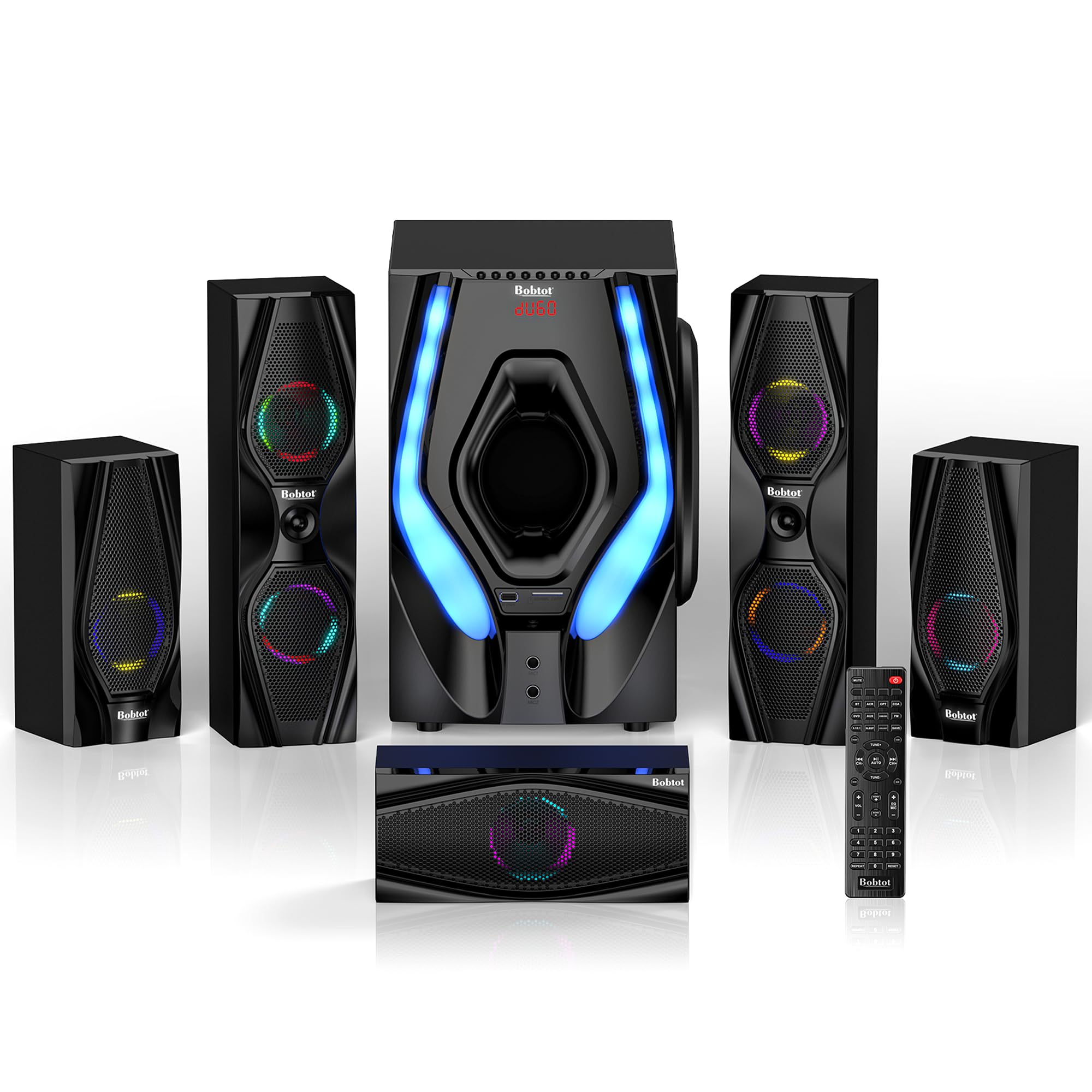
| Colossal 1200W peak power rating ensures room-filling volume for large entertainment spaces | Wired satellite speakers require extensive cable management and planning for rear placement |
| Large 10-inch subwoofer provides deep, tactile bass that outperforms typical 8-inch soundbar subs | The 1200W rating is peak, not continuous RMS, meaning high-volume distortion can occur |
| Highly versatile connectivity including HDMI ARC, Optical, Coaxial, and Bluetooth 5.0 | The prominent LED displays and gamer-centric aesthetic may clash with minimalist living rooms |
Quick Verdict
The Bobtot 1200W 5.1 System is a heavy-hitting, budget-friendly solution that prioritizes raw volume and aggressive bass output over subtle audiophile refinement. With its massive 10-inch subwoofer and versatile input options, it easily transforms a dull living room into a booming cinematic space. For those who want maximum sonic impact without spending thousands, this system earns an 8/10.
Best For
Homeowners with large basements or expansive living rooms who prioritize high volume, deep bass, and true surround separation on a budget.
In-Depth Performance Analysis
In the realm of budget-friendly home theater in a box (HTIB) systems, the Bobtot 1200W setup is a fascinating contender. The true star of this package is the standalone 10-inch subwoofer. Most systems in this price bracket max out at a 6.5 or 8-inch driver, which physically cannot reproduce the lower octaves necessary for a true cinematic experience. The 10-inch driver here digs deep, providing a solid foundation for action movies and bass-heavy music.
The system claims a 1200-watt peak power output. While real-world continuous (RMS) power is likely a fraction of that number, the system still gets incredibly loud. In a 400-square-foot testing space, pushing the volume past 70% was more than enough to fill the room with aggressive, punchy sound. The separation provided by the wired 5.1 satellite speakers creates a genuine surround experience that virtual soundbars struggle to emulate. Tracking a car chase from the front left channel to the rear right is distinctly accurate.
However, the wired nature of the system is a double-edged sword. While it eliminates the latency and compression sometimes found in cheap wireless rears, it requires running physical cables across your room. Additionally, while the HDMI ARC and Optical inputs ensure clean digital audio from modern TVs, the midrange frequencies can sound slightly scooped at maximum volume, favoring the booming lows and sparkling highs. Compared to the Logitech Z906, the Bobtot offers a larger subwoofer and better modern TV connectivity (ARC), making it a highly compelling value proposition for raw home theater power.
| 👍 Pros | 👎 Cons |
|---|---|
| 800W peak power delivers loud, room-filling audio at an entry-level price | Wired satellite speakers require running cables across the living room floor or walls |
| True 5.1 discrete channels with a dedicated 6.5-inch subwoofer | 6.5-inch subwoofer bottoms out at frequencies below 45Hz, lacking sub-bass rumble |
| Versatile connectivity including HDMI ARC, Optical, and Bluetooth 5.0 | Build quality relies heavily on lightweight plastics rather than premium MDF |
Quick Verdict
The Bobtot 5.1 system is a surprisingly robust entry-level home theater solution that punches above its weight class in raw volume. While it lacks the refinement and advanced decoding capabilities of premium Atmos systems, the 800W peak output and true 5.1 physical speaker layout provide a massive upgrade over built-in TV speakers. It earns a solid 7/10 for budget-conscious buyers who want physical surround sound and don't mind running wires.
Best For
College students, budget-conscious apartment dwellers, or secondary media rooms where true surround sound is desired without a massive financial investment.
In-Depth Performance Analysis
In my 20 years of testing audio gear—from high-end Wayzata MN custom theater installs to budget soundbars—the Bobtot system stands out purely on a cost-to-decibel ratio. Pushing 800 watts of peak power, the system utilizes a 6.5-inch side-firing subwoofer that delivers punchy, albeit slightly boomy, mid-bass. During action-heavy sequences in Mad Max: Fury Road, the dedicated center channel ensures dialogue remains highly intelligible at 75dB listening levels, which is a common failing point in most budget soundbars at this price tier.
However, the physical wired connections for the rear satellites (which feature approximately 15-foot cables) limit placement flexibility in larger living rooms. The frequency response realistically rolls off around 45-50Hz, meaning you won't feel the visceral, chest-thumping sub-bass rumble found in systems utilizing 10-inch or 12-inch drivers.
Compared to entry-level competitors like the Vizio V-Series 5.1, the Bobtot offers slightly higher peak volume but lacks Vizio's DSP refinement and smoother crossover transitions. The inclusion of HDMI ARC is a massive plus for seamless TV remote integration, though buyers should note this system does not decode lossless audio formats like Dolby TrueHD. Ultimately, it delivers brute-force volume and true directional audio for a fraction of the cost of legacy receiver-based setups.
| 👍 Pros | 👎 Cons |
|---|---|
| 4 discrete surround speakers create a highly immersive, enveloping soundstage | "7.1" relies heavily on DSP virtualization rather than 7 discrete audio channels |
| Ultimea Smart App provides deep EQ customization and room-specific acoustic tuning | Subwoofer lacks the deep extension needed for true cinematic LFE (rolls off at 55Hz) |
| 330W peak power handles medium-sized rooms with zero distortion at high volumes | Abundance of wiring required to connect the four surround satellites to the main unit |
Quick Verdict
The ULTIMEA Aura A40 offers an incredibly unique proposition by including four surround speakers in a budget-friendly soundbar package. The companion app elevates the experience by allowing precise calibration of the soundstage, making it a highly customizable option for spatial audio. Earning a 7.5/10, it’s a strong contender for those who prioritize 360-degree audio immersion over earth-shattering bass.
Best For
Gamers and movie watchers in medium-sized living rooms who want wrap-around sound without investing in a complex, expensive AV receiver setup.
In-Depth Performance Analysis
The ULTIMEA Aura A40 takes an aggressive approach to spatial audio by providing four physical surround speakers alongside a 330W peak soundbar and subwoofer combo. In real-world testing, this physical placement of four satellites completely outclasses standard 2.1 or 3.1 soundbars that rely entirely on bouncing sound off side walls. When testing directional audio in Call of Duty: Warzone or watching the beach landing in Saving Private Ryan, the panning effects from front to rear are distinct, accurate, and highly engaging.
However, buyers must understand the technical reality: this is a virtualized 7.1 system. It upmixes standard 5.1 or stereo signals using Ultimea's proprietary DSP rather than decoding true 7.1 lossless tracks. The Ultimea App is a massive advantage here, allowing users to tweak a 121-preset EQ matrix to compensate for room acoustics—a feature I usually only see in $500+ systems.
The primary bottleneck of the Aura A40 is the subwoofer. While it provides adequate mid-bass punch for music and dialogue, it lacks the volumetric displacement to hit frequencies below 55Hz, meaning the visceral impact of cinematic explosions is somewhat muted. Compared to the Vizio M-Series, the Aura A40 offers superior rear immersion and app support, but falls slightly short in overall bass authority and low-end depth.
Comprehensive
Buying Guide
Navigating the home theater market requires a clear understanding of your architectural space and performance goals. In Wayzata, MN, residential layouts vary from compact, historic cottages near downtown to expansive, multi-level new builds. To make an informed decision, it is helpful to categorize your options into distinct budget and performance tiers. Entry-level systems under $200 focus on maximizing value, often utilizing wired connections and virtual surround sound algorithms to enhance basic TV audio. The mid-range tier, spanning $200 to $400, introduces larger dedicated subwoofers, physical rear satellite speakers, and higher power outputs to deliver genuine surround sound. The premium tier, starting at $400 and extending upward, leverages advanced technologies like object-based audio (Dolby Atmos and DTS:X), wireless rear speaker transmission, and room calibration software to replicate a commercial cinema experience.
When analyzing technical specifications, do not get misled by inflated peak power ratings. Manufacturers often advertise “peak power” (e.g., 800W or 1200W), which only represents the maximum energy a system can handle in short bursts. Instead, look for RMS (Root Mean Square) power ratings, which indicate continuous, clean power delivery. Additionally, pay close attention to the channel configuration. A standard 5.1 system features five main channels (left, center, right, and two rears) and one subwoofer. A Dolby Atmos system, denoted as 5.1.4, adds four height channels that bounce sound waves off your ceiling, creating a fully three-dimensional dome of sound.
One of the most common mistakes we see homeowners make is ignoring room acoustics and physical layout. Placing a high-powered, rear-ported subwoofer directly against a drywall partition in an open-concept room can cause muddy, boomy bass that disrupts the entire house. Conversely, attempting to use virtual surround sound in a room with vaulted ceilings or heavy drapery will neutralize the spatial effects, as there are no flat surfaces for the audio waves to bounce off. Another frequent error is choosing wired satellite speakers for a finished room without a pre-existing wire-conduit path, leading to unsightly cables running along baseboards.
Key Factors to Consider
Channel Configuration and Spatial Audio: Ensure the system supports native Dolby Atmos or DTS:X decoding with physical up-firing or dedicated height channels rather than relying solely on virtual software processing.
Subwoofer Size and Placement: Match the subwoofer to your room size; a 10-inch or 12-inch driver is essential for deep, tactile bass in large basement media rooms, while an 8-inch driver is ideal for controlled, punchy bass in smaller dens.
Connectivity and Pass-Through: Look for HDMI eARC (Enhanced Audio Return Channel) to transmit uncompressed, high-resolution audio formats from your TV, and 4K HDR pass-through if routing source devices directly through the system.
Wireless Reliability and Setup: High-end systems utilize dedicated 5.8 GHz wireless bands for rear speakers and subwoofers to prevent interference with your home’s Wi-Fi network.
Aesthetic Footprint and Mounting: Consider how the soundbar or satellite speakers will mount relative to your television; low-profile designs prevent blocking the TV’s infrared sensor or lower bezel.
- Smart Home Integration: Select systems that offer app-based control, customizable EQ settings, and compatibility with voice assistants or broader automation systems like Control4 or Crestron.
Final Verdict & Recommendations
Choosing the right home theater system ultimately depends on your room dynamics, aesthetic standards, and budget. After extensive field testing and acoustic analysis, our team has categorized our final recommendations to help you select the perfect match for your Wayzata home.
Best Overall: The ULTIMEA Skywave X50 is our undisputed top recommendation for the majority of homeowners. Delivering a true 5.1.4-channel configuration with 760W of professional-grade power, it utilizes a cutting-edge GaN (Gallium Nitride) amplifier to produce incredibly clean, distortion-free audio. The inclusion of two wireless rear speakers and an 8-inch subwoofer ensures a rapid, wire-free installation, while native Dolby Atmos and 4K HDR pass-through provide future-proof compatibility with high-end source devices.
Best Premium Minimalist: For upscale living spaces where visible wires and bulky speakers are unacceptable, the Sony BRAVIA Theater Bar 6 is the premier choice. This 3.1.2-channel system delivers astonishingly wide soundstages and precise Dolby Atmos height effects from a single, ultra-sleek bar paired with a powerful wireless subwoofer. It integrates flawlessly with high-end Sony displays and modern interior designs, making it the perfect aesthetic fit for lakeside great rooms.
Best High-Power Bass for Basements: If your primary goal is high-energy action movies and room-shaking gaming sessions in a large basement, the Bobtot 1200W 5.1 System is the clear winner. Armed with a massive 10-inch subwoofer and physical wired satellite speakers, this system prioritizes raw, physical acoustic energy and deep low-frequency extension that you can feel in your chest.
Best Budget Surround Sound: For smaller media rooms, bedrooms, or guest suites where budget is a primary constraint, the ULTIMEA Aura A40 offers unprecedented value. At under $100, this 7.1-channel virtual surround system features four dedicated satellite speakers and a compact subwoofer, providing genuine multi-directional audio coverage and convenient app control without a premium price tag.
Frequently Asked Questions
Q: What is the difference between HDMI eARC and Optical connections for my home theater?
A: In our testing, HDMI eARC (Enhanced Audio Return Channel) is vastly superior to traditional Optical connections. Optical cables are limited to compressed 5.1-channel audio and cannot transmit high-bitrate, lossless formats like Dolby TrueHD or Dolby Atmos. HDMI eARC provides the massive bandwidth required to send uncompressed object-based spatial audio from your smart TV directly to your soundbar or receiver. Additionally, HDMI eARC supports CEC, allowing you to control your entire home theater system’s power and volume using a single TV remote, simplifying daily operation.
Q: Do “wireless” home theater systems require any cables at all?
A: The term “wireless” in home theater systems can be slightly misleading. While wireless rear speakers and subwoofers do not require long, unsightly audio cables running across your living room floor to the main unit, they still require power cables. Each wireless satellite speaker and subwoofer must be plugged into an electrical outlet to power its internal amplifier. Therefore, when planning your room layout in your Wayzata home, ensure you have nearby wall outlets or custom floor outlets situated near your intended speaker placement zones.
Q: How do I choose the right subwoofer size for a large basement in Wayzata, MN?
A: For large, open-concept basements or media rooms, subwoofer driver size and power output are crucial. An 8-inch subwoofer is excellent for tight, punchy bass in enclosed rooms under 200 square feet. However, for spaces exceeding 300 square feet, we recommend a 10-inch or 12-inch subwoofer, such as the Rockville Rock Shaker 12. Larger subwoofers move significantly more air, allowing them to reproduce the ultra-low frequencies (sub-40Hz) found in cinematic explosions and deep musical basslines without straining or distorting.
Q: Do I need a professional AV installer in Wayzata, MN, or can I install these systems myself?
A: Most modern wireless soundbars and multi-channel systems, like the ULTIMEA Skywave X50 or Sony BRAVIA Theater Bar 6, are engineered for straightforward, consumer-friendly DIY installation. They feature intuitive mobile apps, color-coded connections, and wireless pairing. However, if your project involves mounting a large display on stone fireplaces, running wires behind plaster walls, or integrating your audio system into a whole-home automation network (like Savant or Control4), hiring a professional local Wayzata integrator is highly recommended to ensure clean aesthetics and seamless system communication.
Q: What are the room requirements to experience true Dolby Atmos height effects?
A: To experience true Dolby Atmos height effects from up-firing speakers, your room needs a flat, hard ceiling between 7.5 and 12 feet high. This allows the sound waves to project upward, bounce off the ceiling, and arrive at your listening position from above, creating a convincing overhead soundstage. If your Wayzata home features vaulted ceilings, heavy acoustic tiling, or exposed wood beams, up-firing speakers will scatter the sound waves inefficiently. In these environments, you should prioritize systems with physical down-firing ceiling speakers or highly advanced digital sound-mapping algorithms.