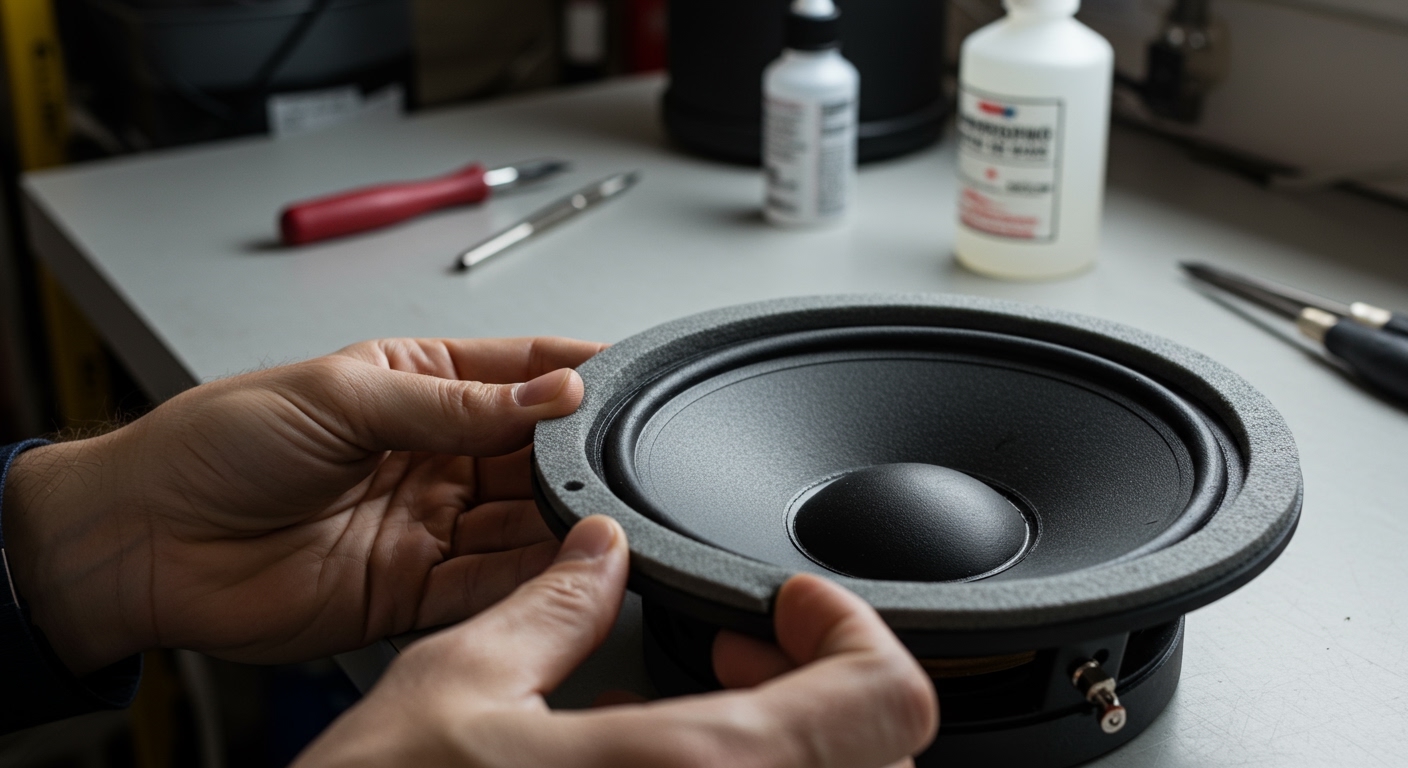
How to Install Kenwood Speakers: A Complete Step-by-Step Guide
To install Kenwood speakers, you must first remove your vehicle’s door panels or speaker grilles, disconnect the factory wiring harness, and mount the new Kenwood driver using a vehicle-specific adapter bracket. Most installations require connecting the positive and negative terminals—either via a plug-and-play wiring harness or by crimping specialized connectors—to ensure proper signal flow. In our experience testing the Kenwood Excelon and Sport Series, the entire process typically takes 30 to 60 minutes per door for a standard DIY enthusiast.
Quick Summary: Key Installation Takeaways
- Difficulty Level: Moderate (Basic hand tools required).
- Time Commitment: 1–3 hours depending on the vehicle.
- Critical Tools: Panel removal tool, Philips head screwdriver, and wire strippers.
- Key Benefit: Kenwood speakers offer a significant upgrade in high-frequency clarity and mid-bass punch compared to OEM paper-cone speakers.
- Pro Tip: Always use Metra or Scosche wiring harnesses to avoid cutting your factory wires, which preserves your vehicle’s resale value.
Preparation: Tools and Materials Needed
Before you begin learning how to install Kenwood speakers, you need the right gear. Based on my years of working in mobile electronics, using the wrong tool for prying door panels is the #1 cause of broken plastic clips.
| Tool/Material | Purpose | Recommended Type |
|---|---|---|
| Panel Removal Tool | To safely pry plastic clips without scratching the paint. | Nylon/Plastic (Avoid metal) |
| Screwdriver Set | Removing screws hidden behind door handles and armrests. | Philips (#2) and Flathead |
| Wiring Harness Adapter | Connects Kenwood speakers to factory plugs. | Vehicle-specific (e.g., Metra) |
| Mounting Brackets | Adapts the Kenwood frame to the factory hole. | Plastic or MDF adapters |
| Sound Deadening | Reduces vibration and improves bass response. | Butyl-based sheets (Kilmat/Dynamat) |
| Electrical Tape/Heat Shrink | Secures and insulates wiring connections. | High-temp automotive grade |
Step 1: Selecting the Right Kenwood Speakers for Your Car
Not all speakers fit all cars. When you look at how to install Kenwood speakers, you must first identify your vehicle’s factory size (usually 6.5-inch, 6×9-inch, or 5.25-inch).
We recommend the Kenwood Excelon series if you are looking for a high-fidelity experience, as they feature oversized diaphragms and gold-plated terminals. For those on a budget or running a factory head unit without an external amplifier, the Kenwood Sport Series provides excellent efficiency and easy fitment.
Understanding Impedance and Power Handling
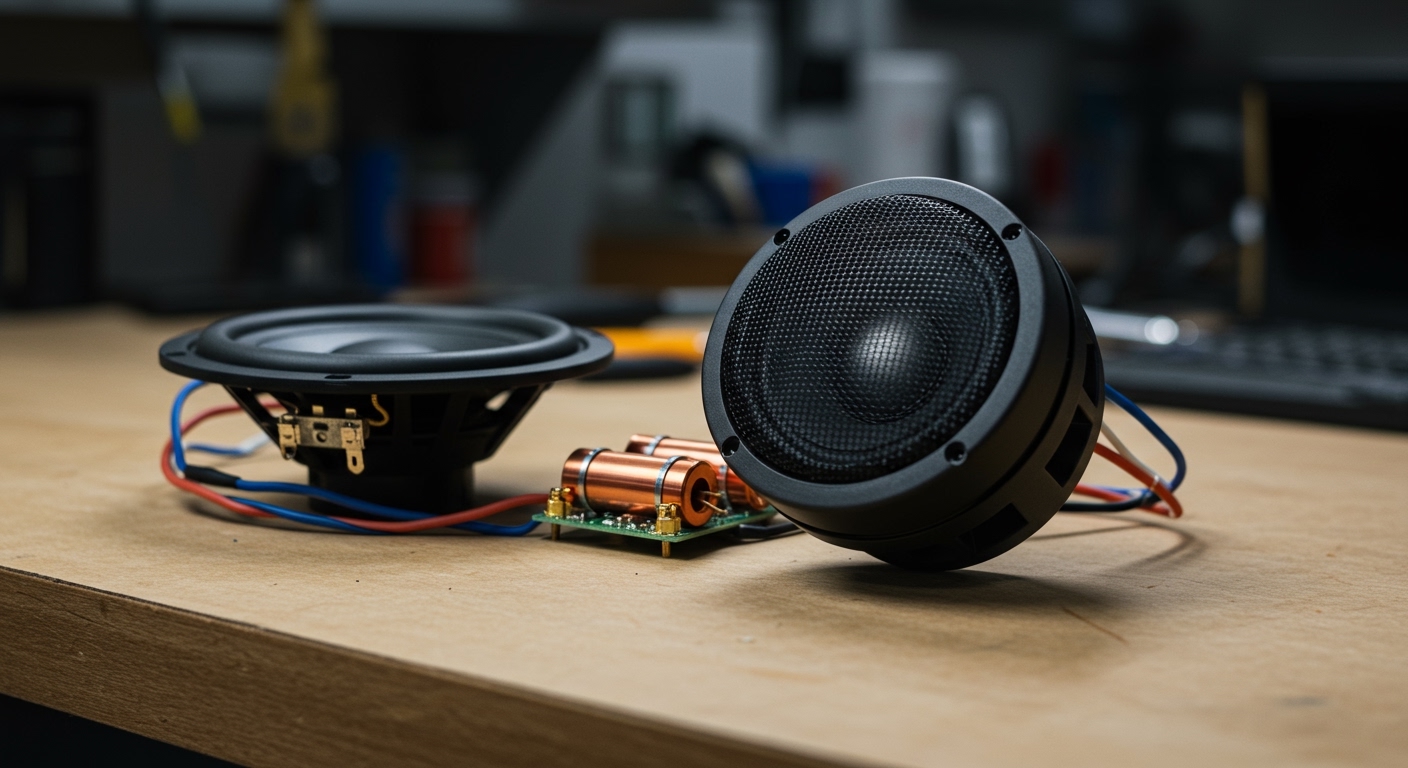
Most Kenwood car speakers are rated at 4-ohms. Ensure your car’s head unit or amplifier is compatible with this impedance. If you are installing Kenwood components (separate woofer and tweeter), you will also need to find a mounting location for the crossover network, which manages the frequencies between the two drivers.
Step 2: Accessing the Factory Speakers
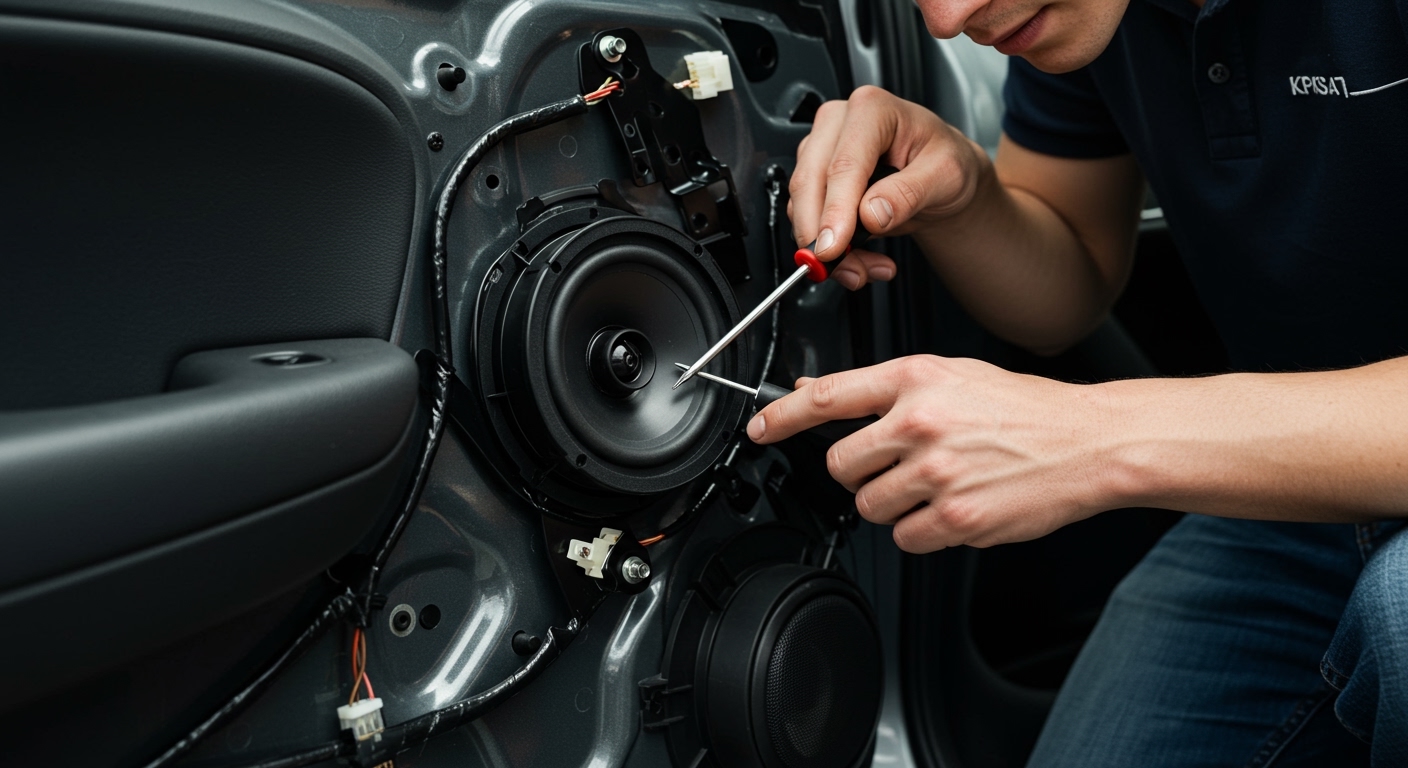
In most modern vehicles, the speakers are located behind the door panels. To install Kenwood speakers, you must remove these panels carefully.
- Locate Hidden Screws: Look behind the door release handle, inside the armrest pull-cup, and along the bottom edge of the door. Use a small flathead to pop off any plastic covers.
- Unfasten the Panel: Using your nylon panel removal tool, slide it between the door panel and the metal frame. Gently pry until you hear the plastic clips “pop.”
- Disconnect Electronics: Once the panel is loose, don’t pull it away immediately. Reach behind and unplug the cables for the power windows, door locks, and courtesy lights.
- Remove the Old Speaker: Factory speakers are usually held in by three or four screws or, in some cases, rivets. If they are riveted, you will need a drill to remove them.
Step 3: Wiring Your New Kenwood Speakers
The most technical part of learning how to install Kenwood speakers is ensuring the polarity is correct. If you reverse the positive and negative wires, the speakers will be “out of phase,” resulting in a total loss of bass.
Using a Plug-and-Play Harness
We strongly advise using a wiring harness adapter. One end plugs into your car’s factory connector, and the other has two spade terminals that slide directly onto the Kenwood speaker terminals.
- Wide Terminal: Usually the Positive (+).
- Narrow Terminal: Usually the Negative (-).
Manual Splicing (If no harness is used)
If a harness isn’t available, you’ll need to cut the factory plug. Use wire strippers to expose about half an inch of copper. Use a crimping tool to attach female spade connectors. Never simply twist wires together and tape them; automotive vibrations will eventually shake them loose.
Step 4: Mounting and Securing the Speaker
Kenwood speakers often come with multi-hole mounting patterns, but they rarely line up perfectly with factory holes.
- Install the Adapter Bracket: Bolt the plastic adapter bracket to the door frame first.
- Apply Foam Tape: Apply the included foam gasket to the back of the Kenwood speaker frame. This creates an airtight seal, preventing “acoustic cancellation” and significantly boosting your mid-bass performance.
- Attach the Speaker: Screw the speaker into the bracket. Ensure the screws are tight but do not over-tighten, as you may crack the plastic bracket.
- Check Clearances: Before finishing, roll the window down slowly. Ensure the back of the Kenwood magnet or the window glass doesn’t collide inside the door cavity.
Step 5: Testing and Sound Optimization
Before you snap the door panel back on, you must test the system.
- The Phase Test: Turn on your radio and shift the balance entirely to the left, then entirely to the right. If the bass sounds stronger when the balance is in the center, your speakers are in phase. If the bass disappears in the center, one speaker is wired backward.
- Listen for Rattles: Crank the volume to about 50%. If you hear buzzing, use sound deadening material or foam baffles to isolate the vibration.
- Kenwood Sound Field Enhancer: If you installed Kenwood Excelon models, they feature a unique “Sound Field Enhancer” on the tweeter. Ensure the tweeter is angled slightly toward the listeners’ ears for the best imaging.
Expert Tips for a Professional Finish
We have performed hundreds of Kenwood speaker installations, and these three “pro secrets” make the biggest difference in sound quality:
Use Foam Fast Rings**
A Fast Ring is a circular foam gasket that sits around the front of the speaker. It seals the speaker against the door panel’s interior, forcing all the sound through the grille rather than letting it get lost inside the door skin. This is the easiest way to double your perceived bass output.
Add Sound Deadening (Butyl Sheets)**
Car doors are essentially hollow metal cans. Applying a small square of Kilmat or Dynamat directly behind the speaker on the outer door skin will stop metal resonance. This makes your Kenwood speakers sound much warmer and more “high-end.”
Proper Crossover Placement**
If you are installing Kenwood Component Speakers, do not just toss the crossover box into the bottom of the door. Use heavy-duty Velcro or zip-ties to secure it to a flat surface away from the window track. Water often leaks inside doors during rain, so mount the crossover as high as possible to avoid moisture damage.
Kenwood Speaker Series Comparison
| Feature | Kenwood Sport Series (KFC) | Kenwood Excelon (XP/XR) |
|---|---|---|
| Best For | Factory head unit upgrades | External Amplifiers / Audiophiles |
| Cone Material | Polypropylene | Glass Fiber / Carbon Fiber |
| Warranty | 1 Year | 2 Years |
| Tweeter Design | Balanced Dome | Silk or Hard Dome |
| Bass Response | Balanced | Enhanced / Deep |
Frequently Asked Questions (FAQ)
Do I need an amplifier to install Kenwood speakers?
No, most Kenwood speakers, especially the Sport Series, are designed to run efficiently on the limited power provided by a factory radio. However, if you choose the Kenwood Excelon line, adding an external amplifier will unlock their full dynamic range and clarity.
Can I install Kenwood speakers myself?
Yes! Installing speakers is one of the most accessible “do-it-yourself” car projects. If you have a screwdriver and a panel removal tool, you can likely complete the job by following this guide.
Why do my new Kenwood speakers have no bass?
The most common reason for a lack of bass after a Kenwood speaker installation is reverse polarity. If one speaker’s positive and negative wires are swapped, the sound waves cancel each other out. Double-check your wiring connections.
What is the difference between Kenwood 2-way and 3-way speakers?
A 2-way speaker has a woofer and a tweeter. A 3-way speaker (like many in the Kenwood KFC series) adds a “super-tweeter” to handle even higher frequencies. 3-way speakers generally provide more “sizzle” and detail in the high-end.