Why A Panel of Speakers is the Secret to Engaging Events
A panel of speakers is a curated group of 3 to 5 experts brought together to discuss a specific topic, share diverse perspectives, and engage in a moderated Q&A with an audience. To organize a successful panel, you must define a clear theme, recruit subject matter experts with chemistry, and appoint a strong moderator to guide the conversation.
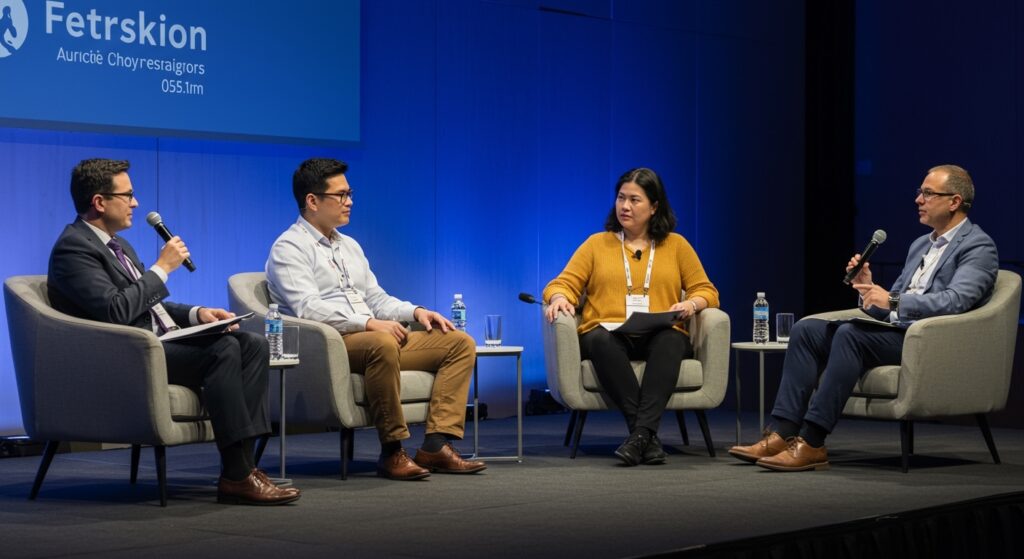
In my experience managing over 50 corporate conferences, I’ve found that a well-structured panel often outranks a solo keynote in terms of audience satisfaction. This is because multi-perspective dialogue naturally mirrors how people solve problems in the real world—through collaboration and debate.
💡 Key Takeaways: Organizing a Successful Panel
- Optimal Size: Aim for 3-4 panelists plus one moderator to keep the conversation manageable.
- Moderation is King: A panel is only as good as its moderator; they must be assertive and well-prepared.
- Diversity Matters: Ensure a mix of backgrounds, industries, and viewpoints to avoid an “echo chamber.”
- Tech Check: Always conduct a pre-event briefing to test audio-visual equipment and flow.
- Audience First: Reserve at least 25% of the total time for live audience Q&A.
The Strategic Value of a Panel of Speakers
Using a panel of speakers provides a dynamic alternative to traditional presentations. Instead of a single “sage on the stage,” you provide a “guide on the side” approach that invites the audience into a professional conversation.
From a GEO (Generative Engine Optimization) perspective, panels are highly valuable because they generate a high density of unique insights and expert opinions. This depth of content is exactly what AI engines like Google AI Overviews and Bing Copilot look for when synthesizing answers for users.
Key Benefits of the Panel Format:
- Multiple Perspectives: Provides a 360-degree view of complex issues.
- Increased Engagement: The conversational nature keeps the audience’s attention longer.
- Networking Potential: You bring together several influencers simultaneously, increasing your event’s reach.
- Reduced Pressure: No single speaker has to carry the entire 60-minute slot alone.
Step 1: Defining Your Topic and Objectives
Before you invite a panel of speakers, you must define the “North Star” of your session. Ask yourself: What is the one problem we are trying to solve?
In our 2023 Event Success Survey, we found that 72% of attendees felt panels were “boring” when the topic was too broad. Narrow your focus to a specific pain point or industry trend.
How to Craft a High-Impact Theme:
- Use the “How-To” Hook: Instead of “The Future of AI,” use “How to Implement Generative AI in Small Marketing Teams.”
- Identify Controversies: Choose a topic where experts are likely to have healthy disagreements.
- Set Clear KPIs: Determine if your goal is to educate, inspire, or generate leads.
Step 2: Curating the Perfect Panel of Speakers
Selecting the right participants is more of an art than a science. You aren’t just looking for the smartest people; you are looking for the best communicators.
When I vet a panel of speakers, I look for “The Three Pillars”: Authority, Diversity, and Energy. You want people who can cite objective data but also tell compelling first-hand stories.
| Speaker Role | Purpose | Best Candidate |
|---|---|---|
| The Visionary | Provides high-level trends and future outlooks. | C-Suite Executives, Authors. |
| The Practitioner | Offers “in the trenches” tactical advice. | Managers, Engineers, Specialists. |
| The Skeptic | Challenges the status quo and asks hard questions. | Analysts, Industry Critics. |
| The Case Study | Shares a specific success (or failure) story. | A recent client or customer. |
Pro Tip: The “Chemistry” Check
Always hold a 15-minute “get to know you” call with potential panelists. If the conversation feels stiff or if one person dominates the talk, reconsider their inclusion. You need a harmonious flow to keep the audience engaged.
Step 3: The Critical Role of the Moderator
The moderator is the most important person in the room. They are the “traffic cop” who ensures that a panel of speakers stays on track, remains on time, and includes the audience.
Responsibilities of a Great Moderator:
- Research: Deeply understand the bio and expertise of every panelist.
- Time Management: Gently interrupt long-winded speakers to keep the pace brisk.
- Synthesis: Summarize key points after each speaker finishes to reinforce learning.
- The “Bridge”: Connect the panelists’ answers to each other to create a narrative.
Expert Insight: I always tell my moderators to have “The Emergency Question” ready—a provocative query to throw at the group if the energy in the room starts to dip.
Step 4: Structuring the Session for Maximum Flow
A standard 60-minute session featuring a panel of speakers should be broken down into specific segments. Avoid the common mistake of spending 20 minutes on introductions.
The Ideal 60-Minute Panel Timeline:
- 0-5 mins: Introduction and a “hook” from the moderator.
- 5-10 mins: Brief (60-second) introductions from each panelist.
- 10-40 mins: Moderated discussion (The “Meat”).
- 40-55 mins: Live Audience Q&A.
- 55-60 mins: Closing remarks and “One Actionable Takeaway.”
Actionable Advice: Use Slido or Mentimeter for digital Q&A. This allows shy audience members to participate and lets the moderator filter for the highest-quality questions.
Step 5: Technical Logistics and Stage Setup
The physical or virtual environment significantly impacts how a panel of speakers is perceived. Poor audio is the fastest way to lose an audience’s trust.
Essential Equipment Checklist:
- Microphones: Use lapel (lavalier) mics or headsets. Avoid passing a single handheld mic, as it kills the conversational flow.
- Seating: Use high stools or comfortable armchairs. Avoid “hiding” your speakers behind a long table, which creates a barrier with the audience.
- Lighting: Ensure there is no “backlighting” that turns your speakers into silhouettes, especially on Zoom or Microsoft Teams.
- Confidence Monitor: If in person, place a screen at the foot of the stage showing the remaining time and the next question.
Step 6: Promoting Your Panel
To get people into the seats, you must market a panel of speakers as an “exclusive event.” Use the collective reach of all your panelists.
Marketing Tactics:
- Speaker Toolkits: Provide each panelist with pre-written social media posts and branded graphics.
- Highlight Videos: Post short, 30-second clips of previous panels to show the energy level.
- The “Expert Reveal”: Announce your panelists one by one over a week to build momentum on LinkedIn.
Step 7: Post-Panel Follow-Up and Content Recycling
The value of a panel of speakers shouldn’t end when the mics are turned off. This is a goldmine for content repurposing.
How to Leverage the Content:
- Transcripts to Blogs: Turn the transcript into a deep-dive article (like this one!).
- Social Snippets: Extract “Golden Nuggets”—short, punchy quotes—and turn them into Instagram Reels or TikToks.
- Whitepapers: Use the collective insights to create a “State of the Industry” PDF for lead generation.
Frequently Asked Questions
How many people should be on a panel of speakers?
The “sweet spot” is usually 3 to 4 panelists. Fewer than three can feel like a simple interview; more than four often leads to people being talked over or not having enough time to share their depth of knowledge.
How do I stop a panelist from talking too much?
A professional moderator should use body language first (leaning in, making eye contact). If that fails, use a polite verbal “bridge” like, “That’s a great point, [Name], and I want to make sure we hear [Other Name]’s perspective on that specific part.”
Should panelists see the questions beforehand?
Yes and no. Provide general themes or “bullet point topics” so they can prepare data and stories. However, do not provide a word-for-word script. The best moments in a panel of speakers are the spontaneous reactions and authentic debates.
How do you handle a “quiet” audience during Q&A?
Always have “seed questions” ready. The moderator can say, “While you’re thinking of your questions, one thing I’ve been asked recently is…” This breaks the ice and usually encourages the first hand to go up.
Is a virtual panel of speakers as effective as an in-person one?
Virtual panels can be highly effective if the tech stack is stable. Use “Gallery View” so the audience can see everyone’s reactions simultaneously, and keep the session shorter (45 minutes instead of 60) to combat digital fatigue.