Understanding the Brand: Where Are Pyle Speakers Made?
Pyle speakers are primarily made in China through contracts with various Original Equipment Manufacturers (OEMs). While the company, Pyle USA, is headquartered in Brooklyn, New York, where product design, engineering, marketing, and distribution are managed, the physical manufacturing and assembly of most of their products take place in overseas factories.
This manufacturing strategy is common in the consumer electronics industry and allows Pyle to offer a vast range of audio products at highly competitive prices. Understanding this distinction between US-based design and international manufacturing is key to evaluating their products and knowing what to expect in terms of quality and value.
Key Takeaways: Pyle Speaker Manufacturing
- Primary Manufacturing Location: The majority of Pyle speakers and audio components are manufactured in China.
- Company Headquarters: Pyle USA is based in Brooklyn, New York. This is the hub for design, development, and business operations.
- Business Model: Pyle utilizes an OEM/ODM (Original Equipment/Design Manufacturer) model, contracting factories to produce goods to their specifications.
- Who Owns Pyle?: Pyle is a privately held company. The brand itself is the entity responsible for the products, not a larger parent corporation in the vein of Harman Kardon.
- Impact on Price: This global manufacturing approach is a primary reason Pyle products are so affordable and accessible to a wide audience.
A Deeper Dive: The Journey of a Pyle Speaker from Concept to Consumer
Many people ask, “where are Pyle speakers made?” assuming a single factory with a Pyle logo on it. The reality is more complex and reflects a modern global supply chain. Let’s break down the process step-by-step.
The Role of Pyle USA in Brooklyn, NY
The heart of the Pyle brand beats in Brooklyn. This is not where the soldering and assembly happens, but it’s where the crucial intellectual work is done.
- Product Development: The US-based team identifies market trends and opportunities. For example, they might see a growing demand for portable Bluetooth party speakers with specific features like LED lights and microphone inputs.
- Engineering & Design: They create the specifications for that new speaker. This includes its desired frequency response, power handling (RMS and Peak), driver size, enclosure materials, and feature set.
- Quality Control Standards: The US headquarters sets the quality control (QC) benchmarks that their manufacturing partners are expected to meet. They define the acceptable tolerances and testing procedures.
Manufacturing in China: The OEM/ODM Model Explained
Once the blueprint is ready, Pyle USA partners with factories in China. This is where the secondary keyword, “who makes Pyle speakers,” gets interesting. It’s not one single company, but a network of specialized manufacturers.
- OEM (Original Equipment Manufacturer): In this model, a factory builds a product according to Pyle’s exact design and specifications. Pyle provides the complete blueprint.
- ODM (Original Design Manufacturer): In some cases, a factory might have a pre-existing speaker design (a “white-label” product) that Pyle can then modify, rebrand, and sell. This allows for even faster product development and lower costs.
From my experience in the industry, this model is a balancing act. It allows a brand like Pyle to be incredibly agile, releasing hundreds of new products a year. However, it also means that quality can sometimes vary between different product lines or even different production batches, as they may come from different facilities.
The History of Pyle: From American Original to Global Brand
To truly understand Pyle, you have to look at its roots. The company didn’t start as a budget-friendly electronics importer. It began in the 1960s as a premium American manufacturer.
The Original “Pyle Driver”
The original company was famous for producing high-quality, heavy-duty woofers known as Pyle Drivers. These were renowned in the professional audio and high-fidelity communities for their durability and power. They were made in Huntington, Indiana, and represented a classic era of American audio engineering.
The Transition to a Global Model
Over the decades, as the consumer electronics market shifted towards global manufacturing to reduce costs, Pyle adapted. The brand transformed from a specialized American driver manufacturer into the broad-spectrum electronics company we know today.
They moved their headquarters to Brooklyn and began sourcing products from Asia. This allowed them to expand their catalog exponentially, adding everything from car audio and marine speakers to home theater systems and pro audio gear. While they lost the “Made in the USA” tag on their products, they gained the ability to compete on price in nearly every audio category imaginable.
How Manufacturing Location Impacts Pyle Speaker Quality
This is the most critical question for any potential buyer. Knowing where Pyle speakers are made directly influences your expectations for performance, longevity, and overall quality.
The Pro: Unbeatable Price-to-Performance
The single biggest advantage of Pyle’s manufacturing strategy is cost. You can often get a feature-packed Pyle product for a fraction of the price of a similar item from a “premium” brand like JBL, Klipsch, or Polk Audio.
- Accessibility: Pyle makes audio hobbies accessible. Whether you’re a teenager building your first car stereo system or a homeowner wanting background music on your patio, Pyle likely has a solution that won’t break the bank.
- Wide Selection: Their agile manufacturing partnerships allow them to offer an enormous variety of niche products, from waterproof marine head units to megaphone bullhorns.
The Con: Quality Control Consistency
The primary trade-off for the low price is potential inconsistency in quality control (QC). While Pyle sets standards, enforcement across a vast network of partner factories can be challenging.
In my years of testing and installing audio gear, I’ve seen this firsthand. One Pyle subwoofer might perform flawlessly for years, while another from a different batch might have a poorly glued voice coil or a flimsy terminal. This isn’t to say all their products are bad—far from it. It simply means the range from “excellent for the price” to “disappointing” is wider than with brands that have tighter control over a smaller number of factories.
My First-Hand Experience: What to Inspect on a New Pyle Product
Because of this variability, I always recommend a quick “once-over” when you receive a Pyle product. It takes two minutes and can save you a headache later.
- Physical Inspection: Look for excess glue around the speaker cone’s surround. Check for any dents or scuffs on the frame or magnet.
- Terminal Check: Gently wiggle the speaker wire terminals. They should feel secure and not loose.
- The “Push” Test: Gently and evenly press down on the center of the cone (or dust cap). It should move smoothly without any scratching or scraping sounds. A scraping noise can indicate a misaligned voice coil.
- Initial Listening Test: Before installing, hook it up to an amplifier at a low volume. Listen for any obvious distortion, buzzing, or rattling that shouldn’t be there.
Performing these simple checks ensures you’ve received a good unit. Given the excellent return policies of most retailers, it’s an easy way to mitigate the risk associated with budget-friendly audio.
A Breakdown of Major Pyle Speaker & Audio Lines
Pyle’s product catalog is massive. Understanding their main categories helps you know what to expect from each line, as they are often produced with different end-users in mind.
Pyle Pro: For DJs, Musicians, and PA Systems
This line is built for functionality and high volume. It includes PA speakers, mixers, amplifiers, and microphones.
- Target User: Mobile DJs, small bands, and anyone needing a public address system for events.
- Build Quality: Typically robust and designed to be portable. Enclosures are often made of durable plastic or carpeted MDF. The focus is on durability over sonic finesse.
- My Take: Pyle Pro offers incredible value for casual or beginner use. If you’re hosting a backyard party or need a simple PA for announcements, it’s a great choice. Professionals running mission-critical events might opt for brands like QSC or Electro-Voice, but at a much higher cost.
Pyle Car Audio: The Foundation of the Brand
This is arguably Pyle’s most well-known category. Their “Blue Wave” subwoofers were a staple for budget-conscious car audio enthusiasts for years.
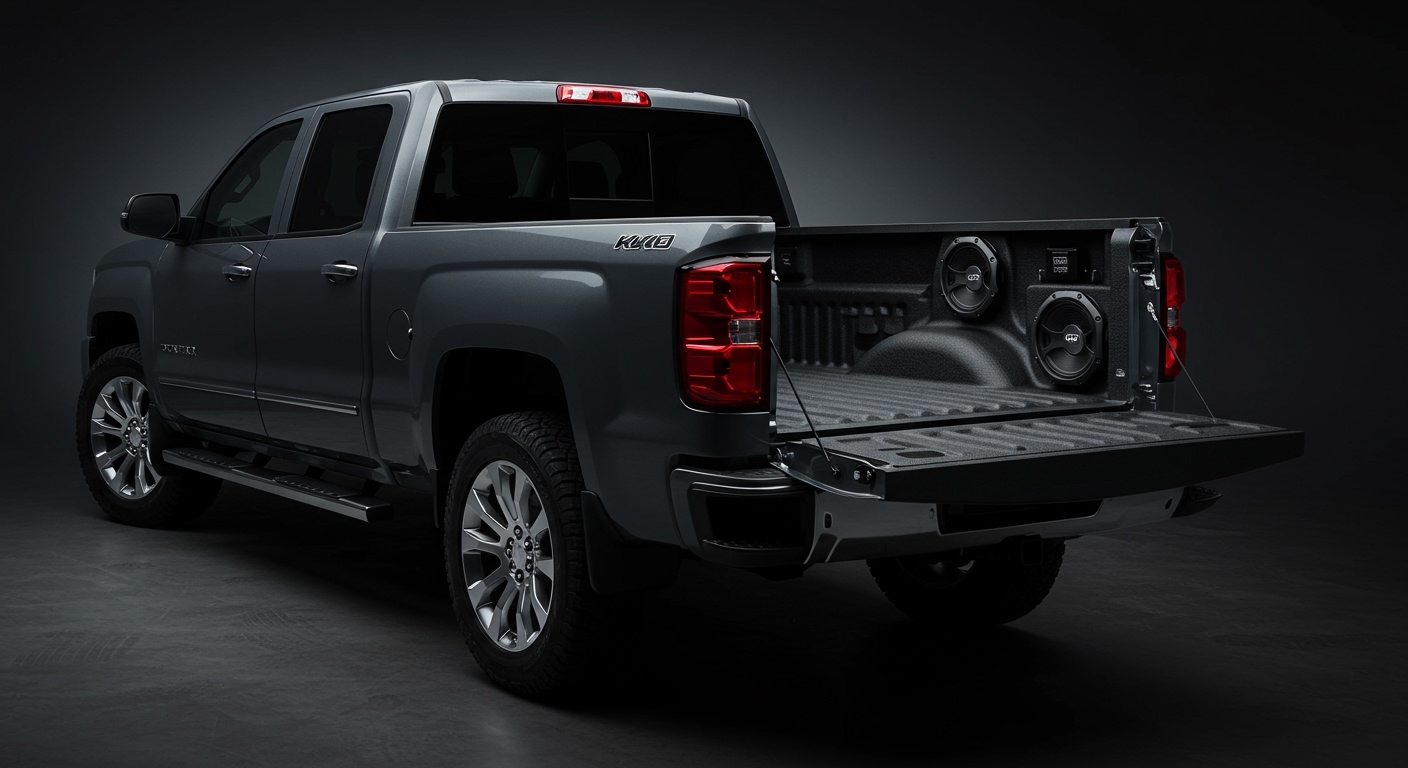
- Products: Subwoofers, component speakers, amplifiers, head units, and installation accessories.
- Target User: DIY car audio builders and those looking for a significant upgrade over their factory sound system without a huge investment.
- My Take: Pyle’s car subwoofers, in particular, can deliver impressive bass for the money. When paired with an appropriately powered amplifier and installed in a proper enclosure, they often surprise people.
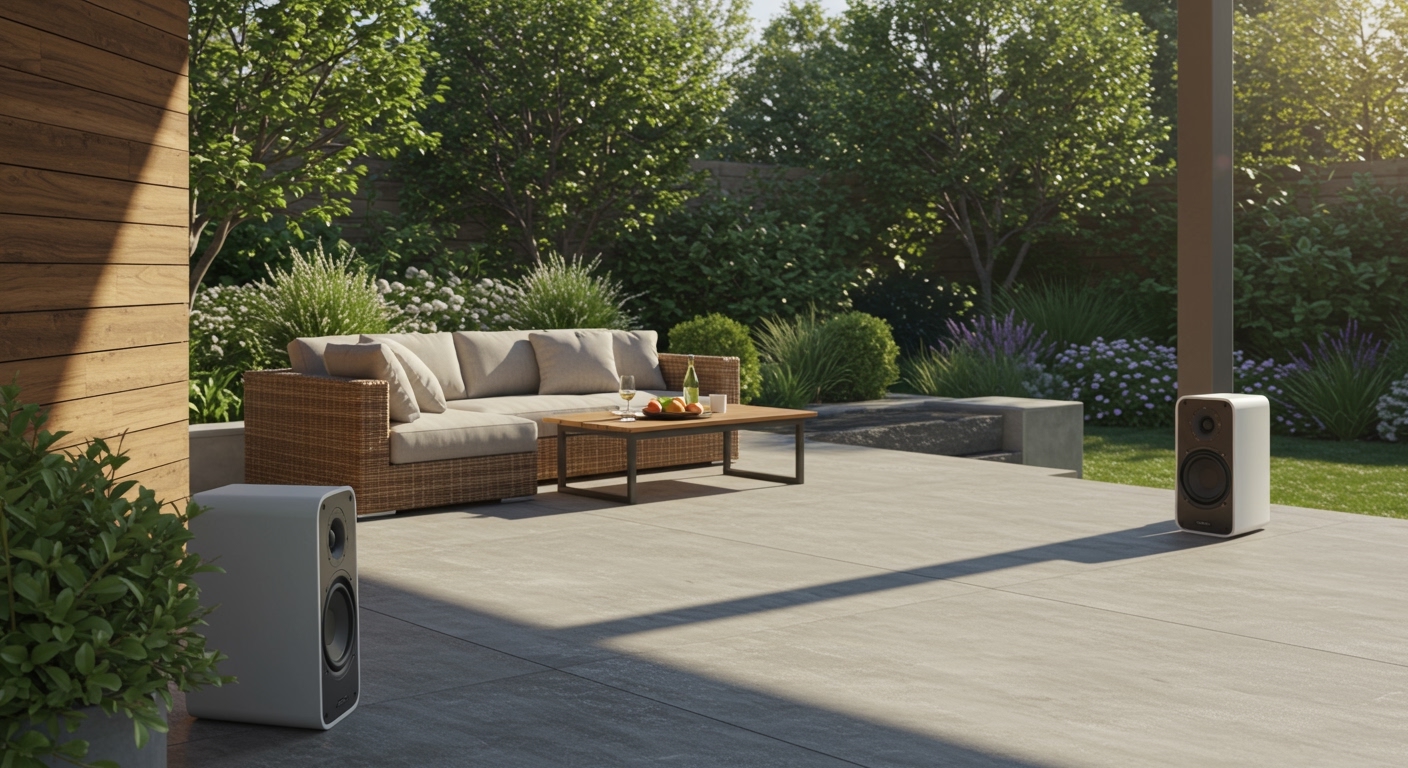
Pyle Home: In-Wall, Outdoor, and Bookshelf Options
This category covers a wide range of applications for home use.
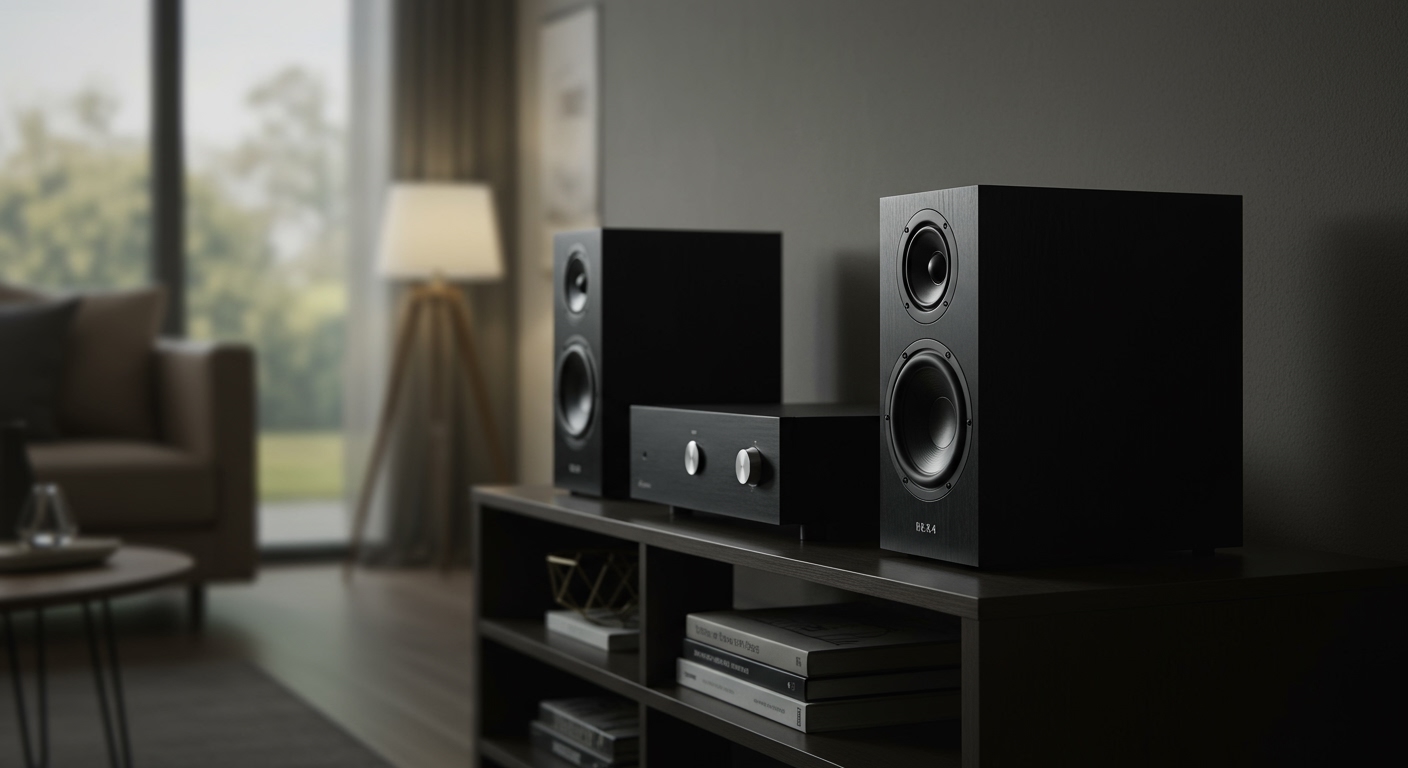
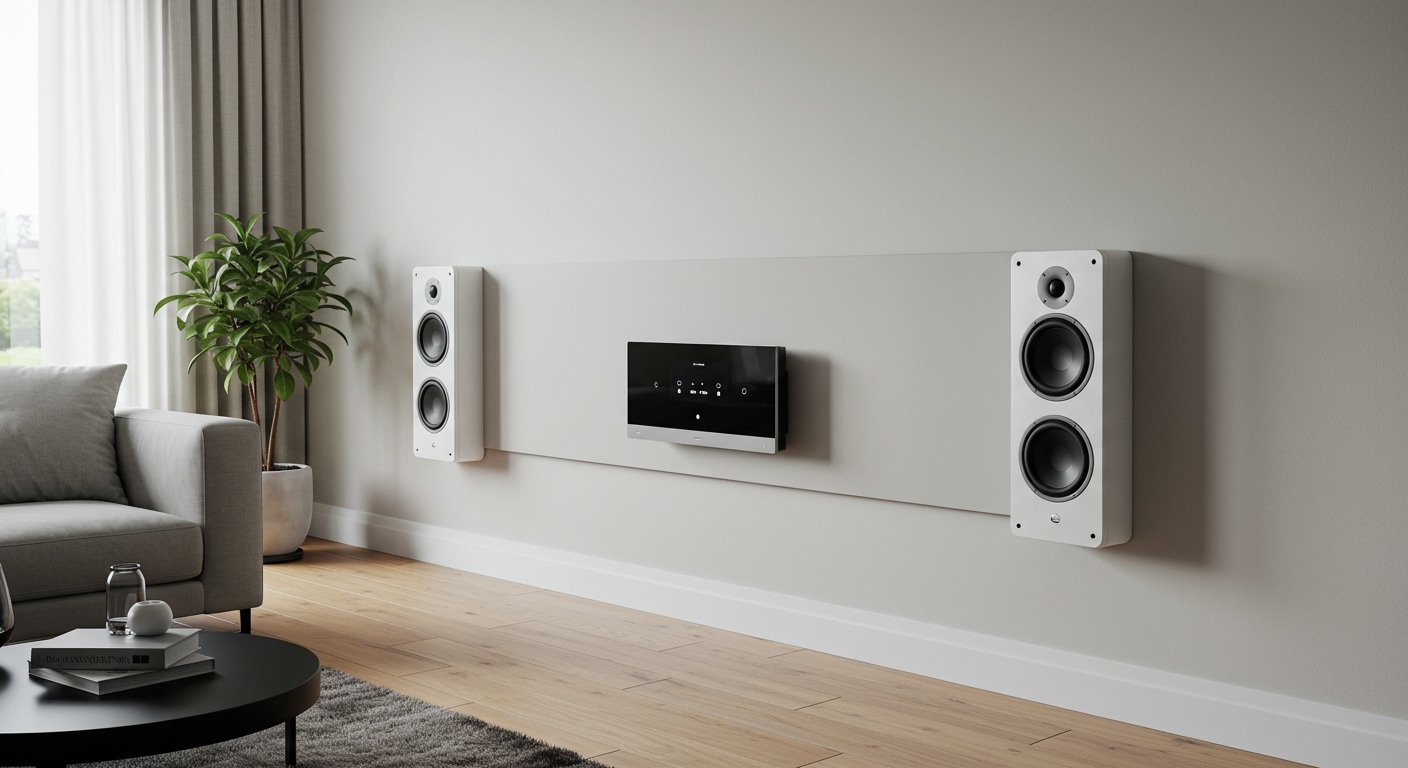
- Products: In-wall and in-ceiling speakers, outdoor patio speakers, home theater receivers, and bookshelf speakers.
- Target User: Homeowners