Which Sonos Speakers Have a Line In? Your Complete 2024 Guide
Struggling to connect your beloved turntable, CD player, or other audio gear to your modern Sonos system? It’s a common frustration to have great analog equipment collecting dust in a digital world. The solution is simpler than you think: the Line-In port. This physical connection is the bridge that brings your favorite analog sources into the Sonos ecosystem, allowing you to stream them wirelessly throughout your home.
The most direct answer is that the Sonos Five, Sonos Port, and Sonos Amp all have built-in Line-In ports. Additionally, the newer Sonos Era 300 and Sonos Era 100 speakers can support Line-In, but they require a separate Sonos Line-In Adapter. In this guide, I’ll break down every option, show you exactly how to set it up, and share some pro tips I’ve learned from years of integrating analog gear into my own Sonos setup.
TL;DR: Key Takeaways
- Speakers with Built-in Line-In: The Sonos Five (3.5mm), Sonos Port (RCA), and Sonos Amp (RCA) have Line-In ports and require no adapters.
- Speakers Requiring an Adapter: The Sonos Era 100 and Sonos Era 300 support Line-In using the official Sonos Line-In Adapter, which connects to their USB-C port.
- Legacy Models: The older Play:5 (Gen 2), Connect, and Connect:Amp also feature Line-In ports and are great second-hand options.
- Primary Use: A Line-In allows you to connect external audio devices like turntables, CD players, computers, or even a TV to your Sonos system.
- The Magic Feature: Once connected, you can stream the Line-In audio to any or all of your other Sonos speakers, perfectly in sync.
The Definitive List of Which Sonos Speakers Have a Line-In
Understanding which Sonos speakers have a line in is the first step to unlocking your system’s full potential. A Line-In is an analog audio input that lets you physically cable a non-Sonos device into your network of speakers. This is fundamentally different from wireless streaming via Wi-Fi or Bluetooth; it’s about bringing your own hardware into the mix.
Let’s dive into every current model that supports this feature.
The Sonos Five: The All-in-One Powerhouse
The Sonos Five is the direct successor to the legendary Play:5 and stands as the easiest, most powerful all-in-one speaker for Line-In use.
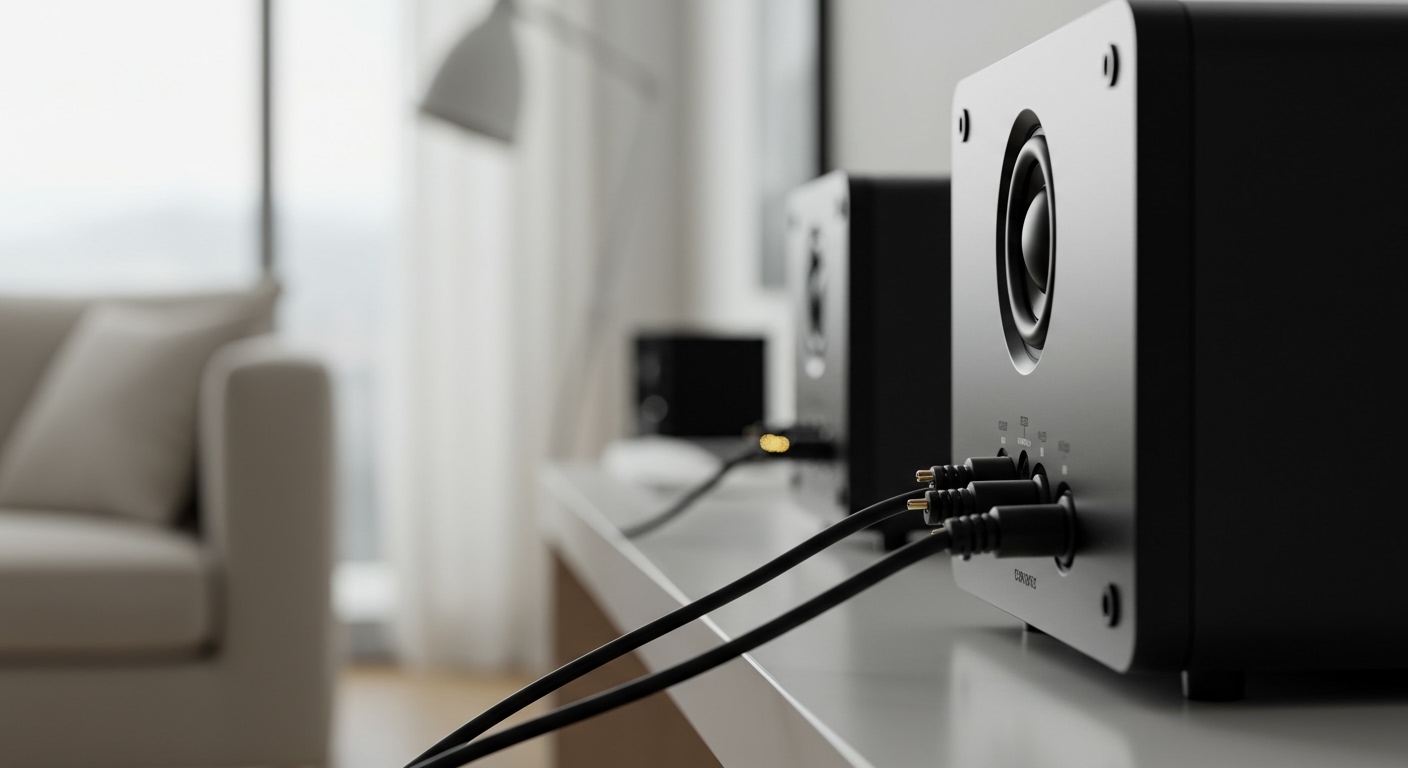
- Input Type: It features a standard 3.5mm analog Line-In port directly on the back of the unit.
- No Adapter Needed: You can plug your device directly into the speaker without any extra dongles or adapters.
- Best For: Turntables, CD players, and anyone wanting a simple, high-fidelity, one-box solution.
From my own testing, the Sonos Five is the go-to recommendation for vinyl enthusiasts new to Sonos. The setup is incredibly intuitive. I simply ran an RCA-to-3.5mm cable from my Audio-Technica turntable’s preamp to the back of the Five, and I was streaming records throughout my house in under two minutes.
The Sonos Era 100 & Era 300: The Modern Adapters
The newer Era 100 and Era 300 speakers represent Sonos’s latest technology, including features like Bluetooth and Spatial Audio (on the 300). They don’t have a built-in Line-In port, but they can support it with an accessory.
- Input Type: These speakers have a USB-C port that can be used for Line-In functionality.
- Adapter Required: You must purchase the Sonos Line-In Adapter. This small dongle converts the USB-C port into a 3.5mm audio input.
- Best For: Users who want the latest Sonos speaker technology and need occasional Line-In flexibility.
I have an Era 100 in my office, and I use the adapter to connect my computer’s audio output for high-quality sound. While it’s an extra purchase, the adapter works flawlessly and makes these modern speakers even more versatile.
The Sonos Port: For Your Existing Stereo System
The Sonos Port is a unique device designed for those who already have a traditional amplifier or receiver. It doesn’t have a built-in speaker; its