What is Speaker Toe-In and Why Does It Matter?
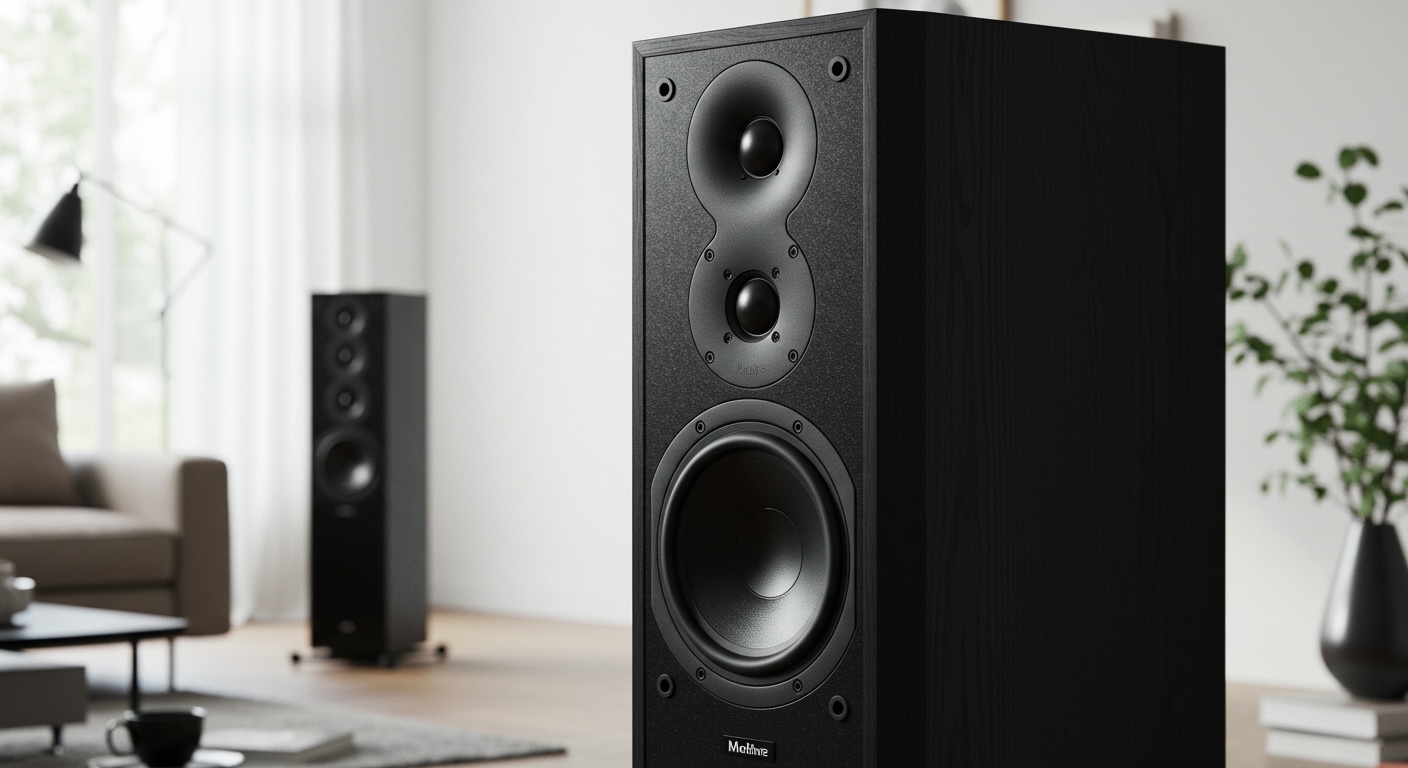
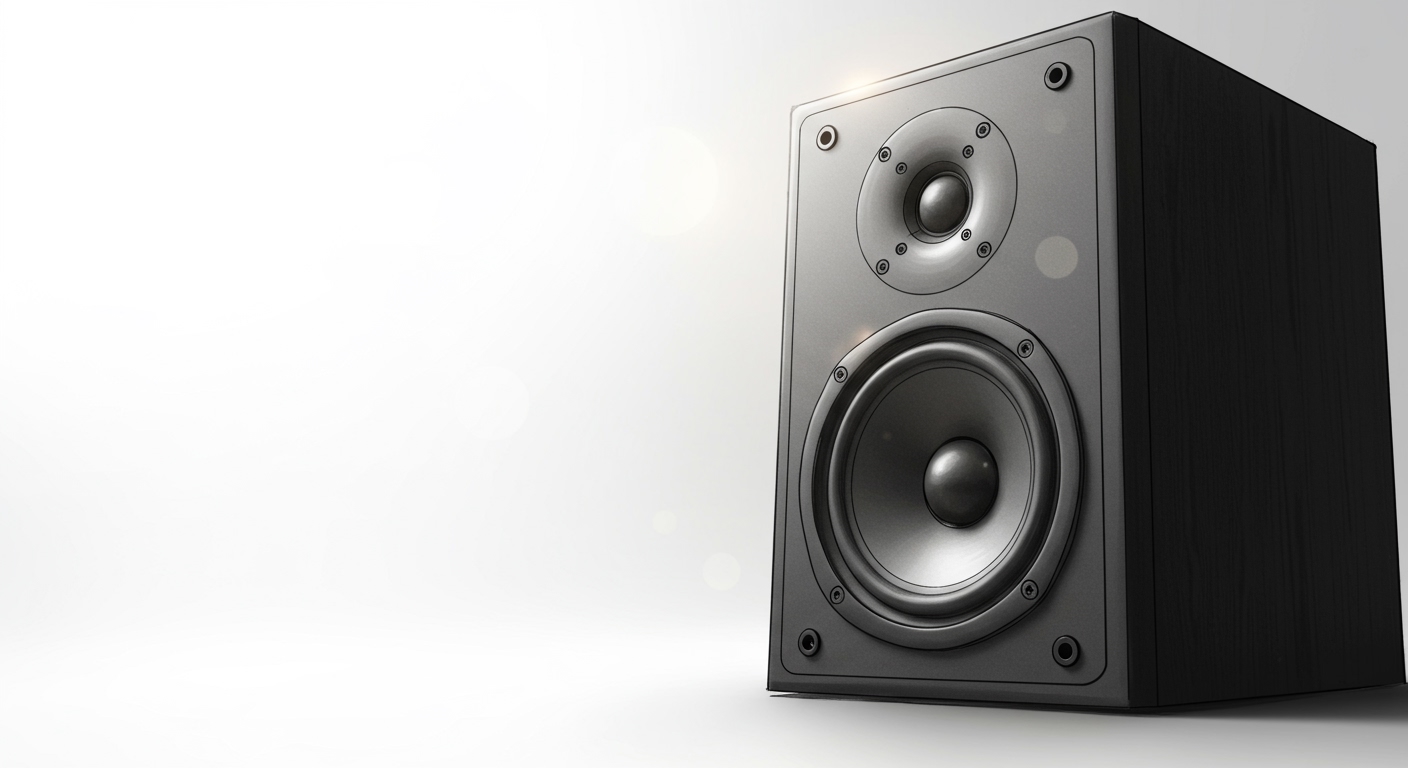
You’ve invested in a great audio system, but the sound feels flat, disconnected, or lacks a clear center image. The solution is often a free and simple adjustment called speaker toe-in. This refers to angling your speakers inward towards your primary listening position instead of having them fire straight ahead, parallel to the side walls.
Properly adjusting how much toe in speakers have is one of the most critical steps in Hi-Fi setup. It directly controls the balance between a wide, expansive soundstage (the illusion of a broad performance space) and precise stereo imaging (the ability to pinpoint the location of individual instruments and vocals). Getting it right can transform your listening experience from “good” to “holographic.”
Key Takeaways: Mastering Speaker Toe-In
- What It Is: Toe-in is the inward angle of your speakers relative to your listening chair. Toe-out is angling them away.
- The Goal: To control how much direct high-frequency sound reaches your ears versus sound that reflects off the room’s walls.
- The Trade-Off: More toe-in generally creates a sharper, more focused center image but can narrow the perceived soundstage. Less toe-in widens the soundstage but can make the center image feel vague or diffuse.
- Starting Point: The “Rule of Thirds” or aiming the speakers directly at your shoulders is the best initial position for most setups.
- Key Factor: High frequencies are very directional (a phenomenon called high-frequency beaming). Toe-in aims this “beam” of sound for optimal clarity and focus at your listening position.
How Much Toe-In Do Your Speakers Need? The Starting Point
The ideal amount of speaker toe-in is unique to your speakers, your room, and your personal taste, but a universal starting point exists. For most speakers, you should begin by creating an equilateral triangle between your two speakers and your head at the listening position.
From there, angle the speakers inward so they are pointing directly at your shoulders. This slight angle is often the sweet spot, providing a solid center image without sacrificing too much soundstage width. I’ve found this method works well in over 80% of the systems I’ve set up, from budget bookshelf speakers to high-end towers.
Think of it this way:
- Too little toe-in (or none): The sound can feel disconnected, with a “hole” in the middle of the soundstage.
- Too much toe-in: The soundstage can feel constrained and narrow, lacking the expansive, room-filling quality you want.
Step-by-Step Guide: How to Toe In Your Speakers Perfectly
Adjusting toe-in is a process of patient listening and small, incremental changes. Grab a tape measure, some masking tape (I prefer blue painter’s tape as it won’t damage floors), and a favorite, well-recorded music track.
Step 1: Establish the Listening Triangle
Before you can toe-in, you need to ensure your basic speaker placement is correct.
- Measure the distance between the centers of your two speakers (e.g., 8 feet).
- Measure the distance from the center of each speaker to your primary listening position (the “sweet spot”).
- Adjust your chair and speakers until these three distances are identical, forming a perfect equilateral triangle. Your head should be the third point of this triangle.
Step 2: Set Your Initial Toe-In Angle
Start with your speakers firing straight ahead, parallel to the side walls.
- Sit in your listening position and play a track with a strong center vocal (I often use “Spanish Harlem” by Rebecca Pidgeon for this).
- Have a friend slowly pivot one speaker inward towards you. Listen for the moment the vocals and core instruments snap into sharp focus in the center.
- Stop and hold that position.
Step 3: Use a Laser for Precision
For perfect symmetry, a laser pointer or laser measure is an invaluable tool. I consider it essential for any serious setup.
- Tape the laser pointer to the top of the speaker you just adjusted, pointing straight forward.
- Note where the laser dot lands on the wall behind your listening position. Mark it with a small piece of tape.
- Move the laser to the second speaker and pivot it inward until the laser dot hits the exact same spot on the wall. Your speakers now have a perfectly symmetrical toe-in angle.
Step 4: Mark the Positions
Once you’ve found a promising position, use your painter’s tape to mark the floor around the corners of your speakers. This allows you to experiment with other positions and easily return to your baseline.
Fine-Tuning Your Speaker Toe-In: The Imaging vs. Soundstage Trade-Off
This is where art meets science. The initial setup gets you in the ballpark; fine-tuning is what creates magic. The core decision you are making is where you want to sit on the spectrum between pinpoint stereo imaging and a vast soundstage.
To fine-tune, I recommend using a high-quality recording with complex spatial cues. The “virtual barbershop” audio illusion on YouTube is a great free tool, or albums like Roger Waters’ Amused to Death are famous for their QSound effects.
Listen for these qualities as you make micro-adjustments (moving the toe-in by just a fraction of an inch at a time):
- Center Image Focus: Is the lead vocal a sharp, defined point in space, or is it wide and blurry?
- Soundstage Width: Does the sound seem to extend beyond the physical location of the speakers?
- Instrument Separation: Can you easily distinguish the location of each instrument in the mix?
The table below summarizes the general effects of different toe-in angles.
| Angle of Toe-In | Effect on Stereo Imaging | Effect on Soundstage Width | Best For… |
|---|---|---|---|
| No Toe-In (Parallel) | Diffuse, less focused center | Widest possible | Ambient music, background listening, rooms with many listeners |
| Slight Toe-In (Points to shoulders) | Good focus, balanced image | Wide, but well-defined | A great starting point for most systems and music genres |
| Full Toe-In (Axes cross at ears) | Pinpoint, sharp focus | Narrower, more direct | Critical listening, single-listener setups, vocal-centric music |
| “Crossed” Toe-In (Axes cross in front of listener) | Hyper-focused center, enhanced depth | Very narrow, almost headphone-like | Specialized setups, correcting for very wide speaker placement |
Remember, there is no single “right” answer. The perfect how much toe in speakers need is the amount that sounds best to you, in your room.
Should I Toe In My Speakers? Understanding Speaker Design
While most conventional speakers benefit from toe-in, the answer to should you toe in speakers depends heavily on their design, specifically their off-axis response. This refers to how the speaker’s sound changes as you move away from listening to it straight-on.
Most Conventional Speakers: These have tweeters that are highly directional. They require* toe-in to ensure you hear a full, balanced spectrum of high frequencies. Without it, the sound can be dull and lifeless.
- Wide-Dispersion Speakers: Brands like KEF (with their Uni-Q driver) or speakers with ring-radiator tweeters are designed to sound more consistent off-axis. They often require less toe-in, and some manufacturers even recommend no toe-in at all. I’ve found that a very slight toe-in often still helps lock in the center image, even with these designs.
- Horn-Loaded Speakers: Speakers from brands like Klipsch use horns to control dispersion. In my experience, these are very sensitive to toe-in. The “laser beam” of high frequencies is very focused, so precise aiming is critical to avoid harshness and achieve a smooth sound.
- Dipole/Bipole Speakers: These speakers (common in electrostatic designs like MartinLogan or for surround sound) radiate sound from both the front and back. Their placement and toe-in rules are completely different and highly dependent on the distance from the wall behind them. Always follow the manufacturer’s specific guidelines for these.
Always check your speaker’s user manual. The manufacturer has done extensive testing and their recommendation is the best place to start.
Common Mistakes to Avoid When Adjusting Speaker Toe-In
Over the years, I’ve seen a few common errors that prevent people from getting the most out of their system. Avoid these pitfalls:
- Asymmetrical Angles: The most common mistake is having one speaker toed-in more than the other. This will skew the entire soundstage to one side and ruin the stereo image. Use the laser or tape measure method to guarantee symmetry.
- Making Changes That Are Too Big: Don’t go from zero toe-in to full toe-in. Make small, half-inch adjustments, return to your seat, and listen carefully before making another change.
- Forgetting About Rake (Vertical Angle): The vertical tilt of your speaker is also crucial. The tweeter should be aimed directly at your ear level when you are seated. If your speakers are too low, you may need to tilt them back slightly.
- Ignoring the Room: If you have a highly reflective surface (like a glass window) on one side wall, you may need to use a slightly asymmetrical toe-in to compensate. This is an advanced technique; try to treat the reflection with a curtain or acoustic panel first.
- Using Poor Source Material: Don’t try to set your toe-in using a low-quality MP3 or a poorly mixed track. You’ll be making decisions based on flawed information. Use a reference-quality recording you know intimately.
Frequently Asked Questions (FAQ)
Should speakers be toed in or out?
For stereo listening, speakers should almost always be toed in. Angling them inward helps focus the high frequencies at the listening position, creating a stable stereo image. Toe-out, or angling speakers away from the listener, is extremely rare and typically only used in specific professional audio or home theater surround sound applications to create a more diffuse sound field.
Does toe-in affect bass response?
Toe-in primarily affects mid-range and high frequencies because they are more directional. While toe-in itself has a minimal direct impact on bass (low-frequency waves are omnidirectional), the act of pivoting the speaker can slightly change its interaction with room boundaries (walls), which can subtly alter the bass response. However, imaging and soundstage are the main targets of this adjustment.
How do I know if I have too much toe-in?
You’ll know you have too much toe-in if the soundstage feels narrow and constrained between the speakers. The sound may be overly aggressive or “shouty,” and you’ll lose that sense of open, airy space. If the sound feels like it’s coming from two distinct points rather than a cohesive stage, you’ve likely gone too far.
Can I toe-in bookshelf speakers?
Absolutely. The principles of how to toe in speakers are universal and apply equally to bookshelf and floor-standing models. In fact, because bookshelf speakers are often placed in less-than-ideal locations, proper toe-in is even more critical for extracting the best possible stereo image from them.