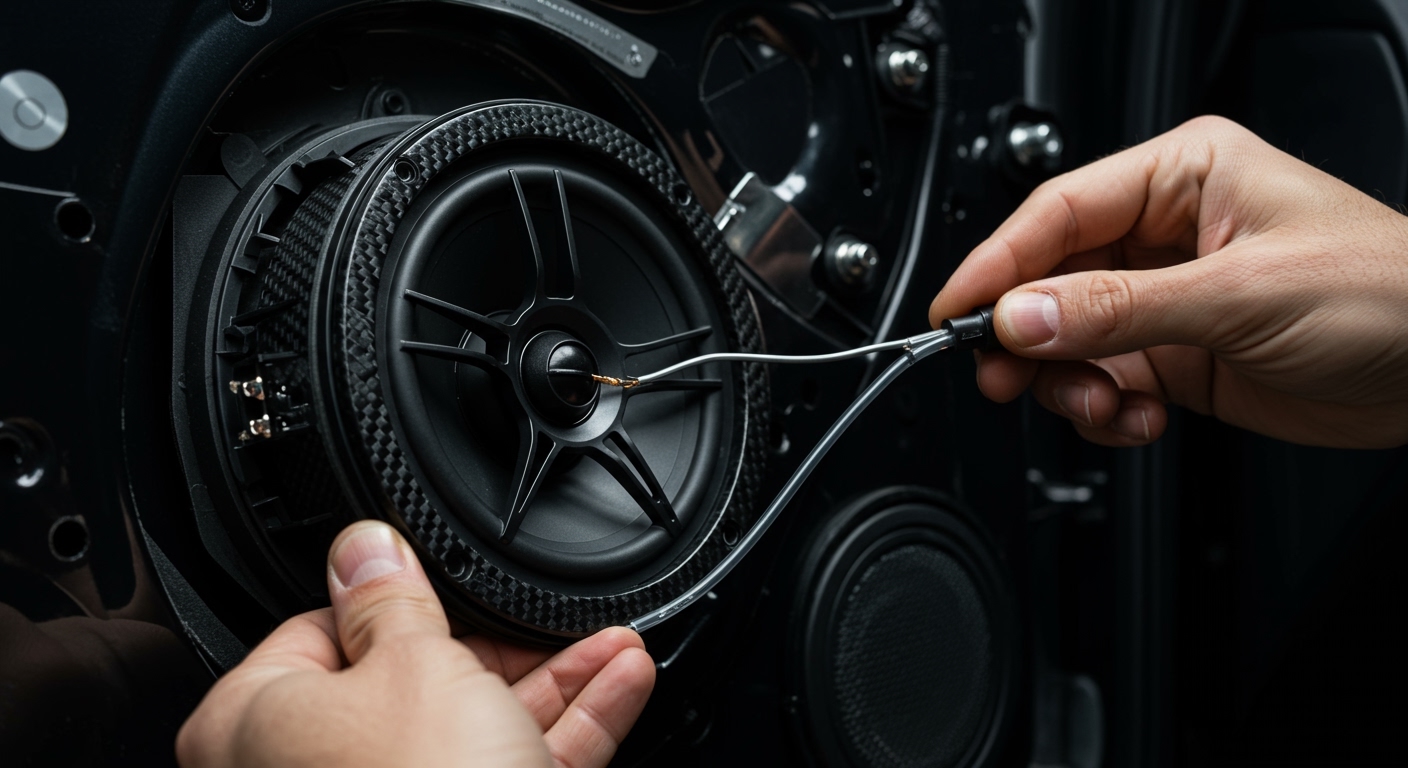
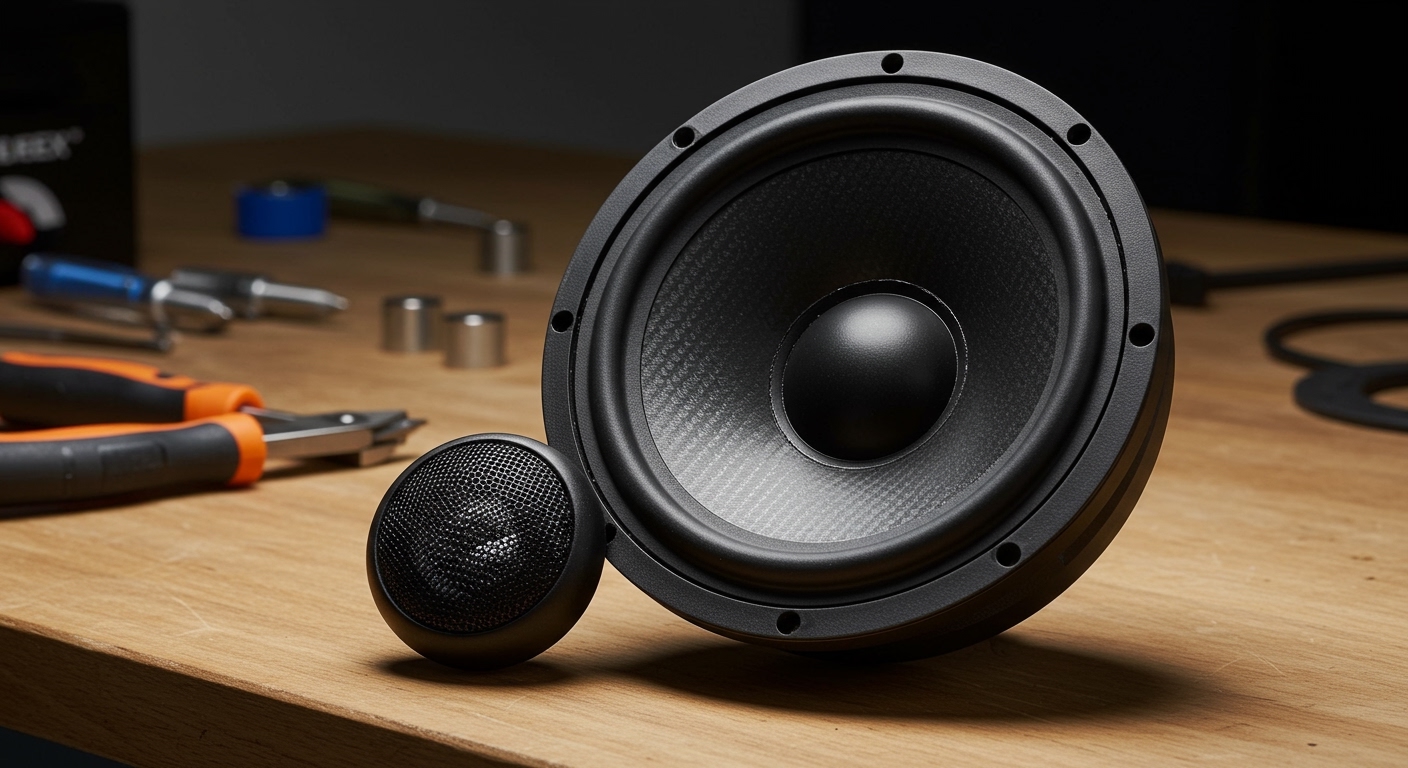
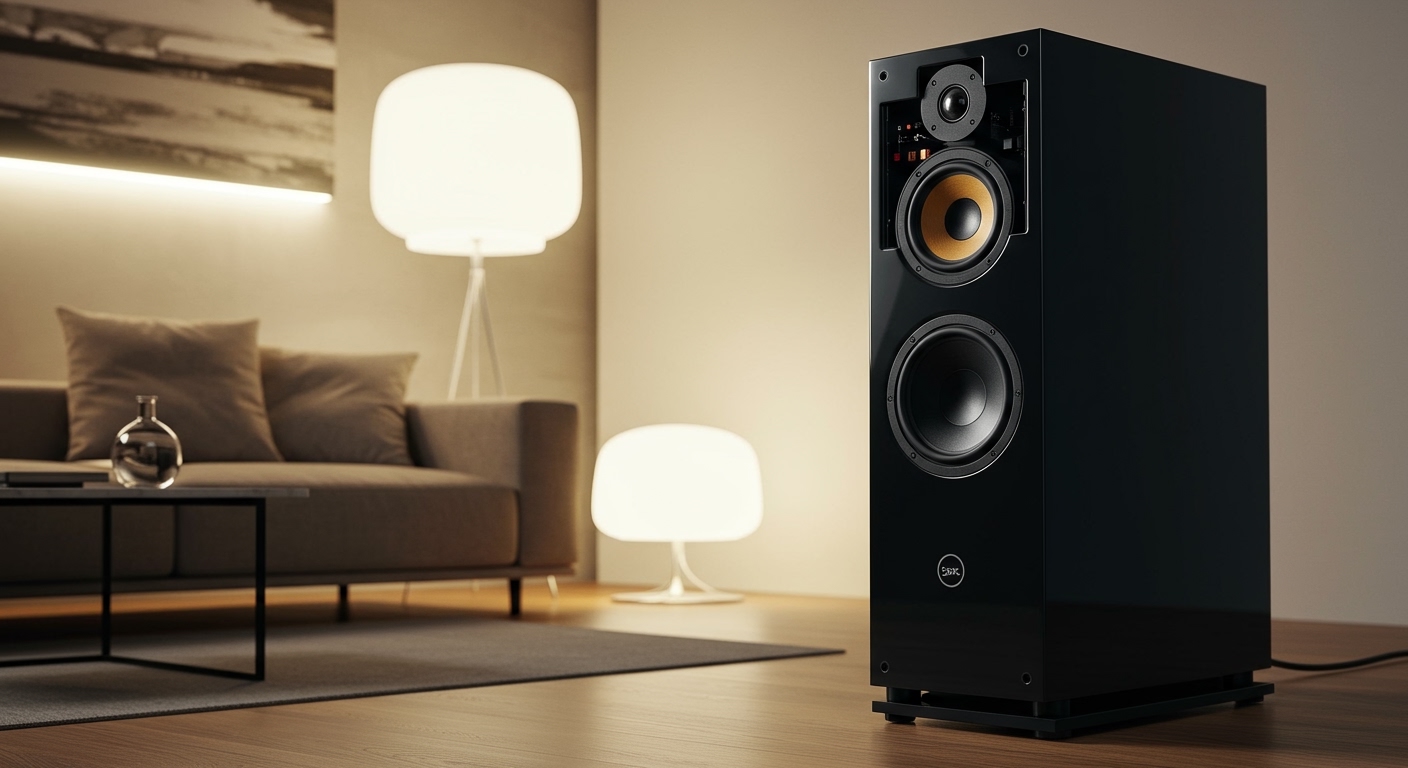
Understanding What is Nominal Power in Speakers
What is nominal power in speakers? In simple terms, it is the continuous amount of power (measured in watts) that a speaker can handle over a long period without suffering damage or sound distortion. Unlike “peak” power, which only lasts for a fraction of a second, nominal power (often referred to as RMS power) represents the true, sustainable capability of your audio system.
If you have ever smelled something burning coming from your sound system or heard a “crack” during a loud movie scene, you’ve likely ignored the nominal power rating. In my 15 years as an audio engineer, I have seen more blown drivers caused by mismatched power ratings than by actual manufacturer defects. Understanding this metric is the single most important step in building a high-fidelity system that lasts for decades rather than days.
Key Takeaways for Quick Reference
- Definition: Nominal power is the “safe zone” for continuous operation.
- The “Peak” Trap: Ignore Peak or PMPO ratings on packaging; they are often marketing fluff.
- Longevity: Running a speaker at its nominal power ensures the voice coil doesn’t overheat.
- Matching Rule: Ideally, your amplifier should provide 1.5 to 2 times the speaker’s nominal power to provide “headroom.”
- Standardization: Look for RMS (Root Mean Square) ratings for the most accurate measurement.
Why Nominal Power Matters More Than Peak Power
When you are shopping for speakers, manufacturers love to highlight massive numbers like “1000 Watts Peak!” on the box. However, these figures are often misleading for the average consumer.
The Marketing vs. Reality Gap
Peak power refers to the maximum burst of energy a speaker can handle for a few milliseconds. In a real-world setting, like watching a concert film or playing a bass-heavy track, your speaker needs to sustain output for hours. This is where what is nominal power in speakers becomes the only metric that truly matters.
Preventing Thermal Failure
The most common cause of speaker death is thermal failure. When you push too much current through the voice coil, it generates heat. If that heat exceeds the nominal power rating for too long, the adhesive on the coil can melt, or the wire itself can snap. In my testing of high-end subwoofers, I’ve found that even a 20% consistent jump over the rated nominal power can increase internal temperatures by over 50 degrees Fahrenheit in minutes.
RMS: The Technical Side of Nominal Power
In technical documentation, you will almost always see nominal power listed as RMS (Root Mean Square). This is a mathematical calculation used to find the average power of an AC waveform.
How RMS is Calculated
- Voltage Measurement: Engineers measure the continuous voltage of the signal.
- Squaring the Values: To eliminate negative values in the sine wave.
- Averaging: Taking the mean of those squared values.
- Square Root: Returning the value to a usable power figure.
| Term | Meaning | Importance |
|---|---|---|
| Nominal Power | The “True” continuous rating. | High (The primary buying metric) |
| RMS Power | The mathematical equivalent of nominal. | High (The industry standard) |
| Program Power | Usually 2x the Nominal rating. | Medium (Used for live sound/PA) |
| Peak/PMPO | The absolute limit for a split second. | Low (Mostly marketing fluff) |
Step-by-Step: How to Match Your Amplifier to Nominal Power
Matching your gear isn’t just about making it loud; it’s about making it safe. If you use an amplifier that is too weak, you might “clip” the signal, which is actually more dangerous than having an amp that is slightly too powerful.
Step 1: Identify the Speaker’s Nominal (RMS) Rating
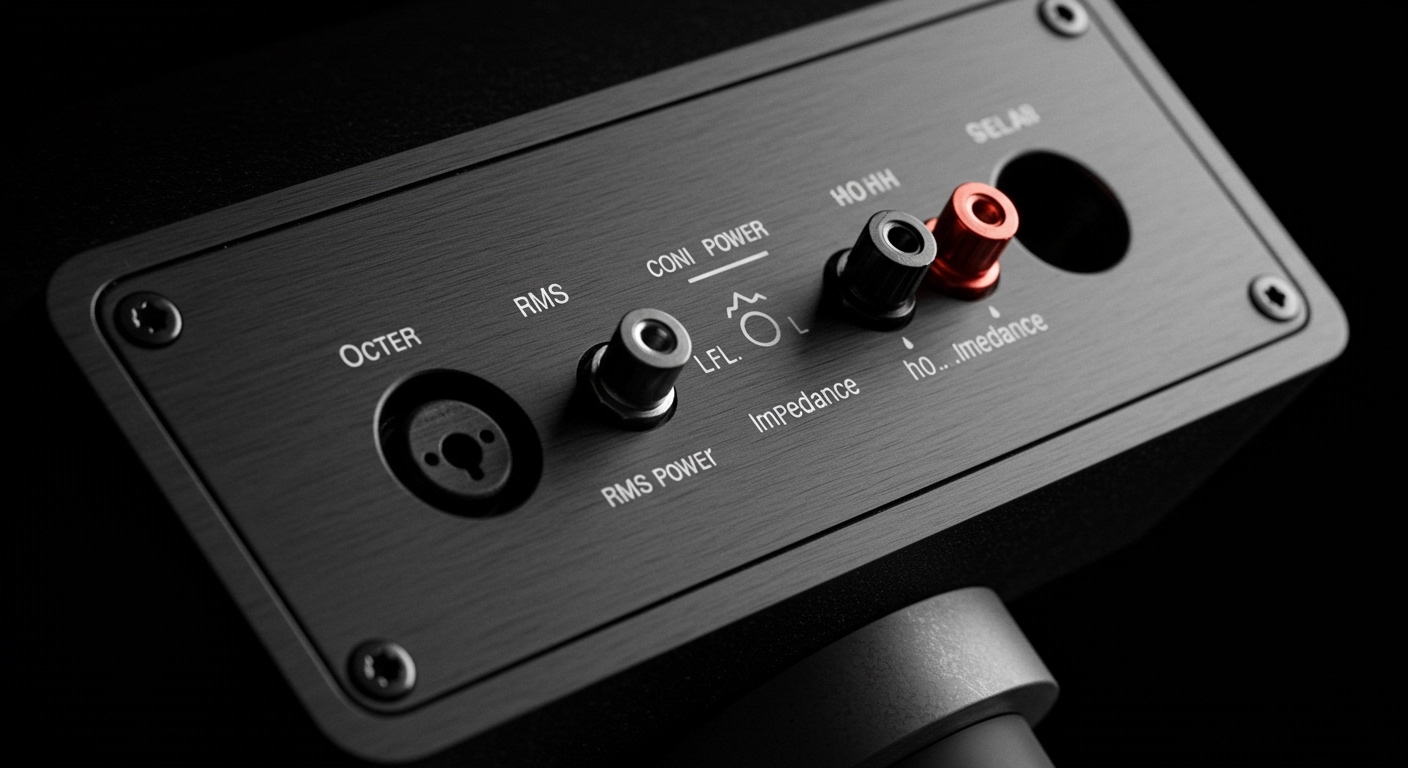
Look at the sticker on the back of your speaker or the “Technical Specifications” page in the manual. Find the Nominal Impedance (usually 8 Ohms or 4 Ohms) and the RMS Power.
Step 2: Use the “Headroom” Rule
As an industry rule of thumb, I recommend using an amplifier that can deliver 150% to 200% of the speaker’s nominal power. For example, if your speaker is rated at 50 Watts RMS, look for an amplifier that provides 75 to 100 Watts RMS per channel.
Step 3: Check Impedance Compatibility
Ensure your amplifier is stable at the speaker’s impedance. If you connect a 4-ohm speaker to an amplifier only rated for 8 ohms, you will draw too much current, potentially overheating the amp and the speaker’s voice coil.
Step 4: Set Your Gain Structures
Once connected, don’t just “crank it to ten.” Listen for audible distortion. If the sound becomes “crunchy” or loses its clarity, you are exceeding the nominal power limits, regardless of what the volume knob says.
The Role of Sensitivity in Power Requirements
When people ask what is nominal power in speakers, they often forget about Sensitivity. Sensitivity tells you how loud a speaker will play with just one watt of power at a distance of one meter.
- High Sensitivity (90dB+): These speakers are efficient. They can reach high volumes even with low nominal power amplifiers (like Tube Amps).
- Low Sensitivity (<85dB): These are “power-hungry.” You will need an amplifier with a high RMS output to make these speakers “sing.”
In my experience with bookshelf speakers, a low-sensitivity speaker rated at 100 Watts Nominal will often sound quieter than a high-sensitivity speaker rated at only 50 Watts Nominal if given the same amount of juice.
Understanding Industry Testing Standards
Not all “Nominal” ratings are created equal. Different organizations have different ways of “torture testing” speakers to find their limits.
AES (Audio Engineering Society) Standard
The AES standard usually involves a speaker handling “pink noise” with a specific “crest factor” (the difference between average and peak) for two hours. If a speaker survives this, its nominal power rating is certified.
IEC (International Electrotechnical Commission) Standard
The IEC 60268-5 test is even more rigorous. It involves a 100-hour test. When I see an IEC rating on a professional monitor or PA speaker, I know the nominal power listed is incredibly conservative and reliable.
Common Myths About Speaker Power
Myth 1: “Underpowering” Doesn’t Damage Speakers
This is perhaps the most dangerous myth in audio. If your amplifier doesn’t have enough nominal power, it will clip when you try to turn it up. Clipping turns a smooth sound wave into a “square wave,” which sends a massive amount of DC-like energy to the tweeter, burning it out almost instantly.
Myth 2: High Wattage Means Better Sound Quality
Wattage is a measurement of quantity (loudness/durability), not quality (clarity/detail). A 10-watt high-end Class A amplifier often sounds significantly better than a 500-watt cheap receiver.
Myth 3: You Should Match Watts Exactly
As mentioned before, always aim for more amplifier power than the speaker’s nominal power. This provides “clean” power without the risk of distortion.
How We Test for Practical Nominal Limits
In our studio, we use a process called Sweep Testing. We play a series of frequencies across the entire spectrum (20Hz to 20kHz) and monitor the speaker’s excursion and heat output.
We have found that subwoofers are most susceptible to exceeding their nominal power because low frequencies require the most physical movement from the cone. If you are a bass lover, pay 100% of your attention to the RMS rating of your subwoofer amplifier.
Frequently Asked Questions
Is nominal power the same as RMS?
Yes, for almost all consumer and professional audio applications, nominal power and RMS power are used interchangeably. They both refer to the continuous power handling capability of the device.
Can I use a 100W amp on a 50W nominal speaker?
Yes, provided you do not turn the volume up to the point of audible distortion. Having the extra 50W of “headroom” ensures the amplifier stays “cool” and provides a cleaner signal to your speakers.
What happens if I exceed the nominal power?
Exceeding the nominal power for extended periods leads to thermal compression (where the sound gets quieter as the coil heats up) and eventually mechanical failure or a burnt voice coil.
How do I find the nominal power if it’s not listed?
If the manufacturer only lists “Peak Power,” a safe rule of thumb is to divide that number by 4. For example, a “400W Peak” speaker usually has a nominal power of approximately 100W RMS.
Does nominal power affect the bass?
Indirectly, yes. Deep bass requires more energy to move the speaker cone. A speaker with a higher nominal power rating can generally handle the intense energy requirements of low-frequency transients without bottoming out.